Glasgow, Scotland’s largest city, is a dynamic blend of grand Victorian architecture, world-class museums, and a buzzing arts and music scene. It’s a city that greets you with humour, heart, and a strong sense of style—plus many of its top attractions are free, making it a dream for value-seeking travellers. From the red-sandstone splendour of Kelvingrove and the Gothic drama of the University of Glasgow to street markets, riverside icons, and leafy neighbourhoods. We spent 3 days in Glasgow on our tour around Scotland, and it really is a bustling city with many attractions to see. Highly recommend taking one of the double-deck open bus tours, which is a great way to see the city with an experienced tour guide pointing out all the major highlights and the stories behind them. Whether you’re here for a quick city break or a longer adventure, we’ve put together this guide on the best places to visit in Glasgow to help you plan your next visit here.
If you are visiting Glasgow, you will definitely want to see Edinburgh as well. Check out our Edinburgh Travel Guide for the essential places you should visit
Planning a trip to Glasgow or a wider Scotland itinerary?
These are tools we personally find useful when booking Glasgow city breaks and Scotland trips:
- Glasgow hotels and apartments: compare deals on Booking.com and check prices on KAYAK.
- Glasgow hop‑on hop‑off buses, day trips to Loch Lomond, Stirling & more: see tours on GetYourGuide or compare options on Klook.
- Trains and buses around Scotland (Edinburgh, Highlands, Ayrshire, etc.): plan rail journeys with Rail Europe.
- Travel insurance for the UK: get a VisitorsCoverage quote before you lock in flights and tours.
- Low‑fee GBP spending and ATM withdrawals: open a Wise multi‑currency account for better exchange rates.
- UK/Europe eSIM for maps and transit apps: buy a Europe eSIM on Airalo before you land.
- Car hire for day trips (Loch Lomond, Ayrshire coast, Stirling): compare rentals on DiscoverCars.
Using these links doesn’t cost you anything extra, but it helps support this free Glasgow guide.
Best Places To Visit In Glasgow

George Square
At the heart of the city, George Square is Glasgow’s grand front room—ringed by ornate civic buildings and dotted with statues of Scotland’s literary and historic greats. Named for King George III, the square is a perfect launchpad for any itinerary, placing you steps from shopping streets, coffee spots, and major landmarks. Early morning is prime time: the square is calm, and you’ll capture beautiful photos. Throughout the year, the square hosts open-air events, markets, and concerts, showcasing Glasgow’s community spirit and creative energy. Grab a takeaway coffee from a nearby café, sit beneath a statue of Sir Walter Scott or Robert Burns, and watch the city warm up for the day. It’s a quick stop—but one that frames Glasgow’s character.

Kelvingrove Art Gallery and Museum
Kelvingrove is Glasgow’s cultural treasure chest—free to enter and endlessly rewarding. The red-sandstone exterior sets the stage for a wonderfully eclectic collection inside: from Old Masters to Impressionists, from Scottish art and design to Ancient Egypt, natural history, and arms and armour. Don’t miss Salvador Dalí’s Christ of St John of the Cross, the soaring main hall, and the beloved daily organ recitals that flood the galleries with music. Families will appreciate the interactive displays and life-sized natural history exhibits; art lovers can dive into the Glasgow Boys and works by Rembrandt. Tucked beside Kelvingrove Park and near the West End, the museum pairs perfectly with a stroll by the River Kelvin or a café stop on Argyle Street. Tip: Arrive for opening or late afternoon to enjoy quieter galleries and a more contemplative experience. Visiting in summer or school holidays can be very busy.

University of Glasgow & The Hunterian
Founded in 1451, the University of Glasgow glows with Gothic romance—arched walls, spires, and courtyards that feel right out of a film set. You can wander the campus freely, exploring photo-ready spots like the courtyards and quadrangles, before taking in sweeping city views from near the tower. The on-campus Hunterian Museum and Art Gallery is Scotland’s oldest public museum, weaving together Roman finds, various collections, and standout art (including Charles Rennie Mackintosh). It’s a compelling blend of scholarship and beauty, and much of it is free. After your visit, settle into a student café nearby or stroll the riverside paths that loop through Kelvingrove Park.

Glasgow Cathedral & The Necropolis
One of Scotland’s few medieval cathedrals to survive the Reformation largely intact, Glasgow Cathedral (St Mungo’s) is a soaring, solemn masterpiece. Inside is a series of ribbed vaults, stained-glass windows, and the distinctive lower church. Then climb the slope behind to the Victorian Necropolis, a garden cemetery filled with gravestones and stories from Glasgow’s industrial heyday. The vantage points here offer some of the best panoramas of the city. There are free walking tours which give a good account of its history. Photographers will love the interplay of stone, sky, and skyline. Come early or toward sunset for a quieter, more contemplative experience—and pack layers, as the hill was breezy when we visited.
Riverside Museum & The Tall Ship Glenlee
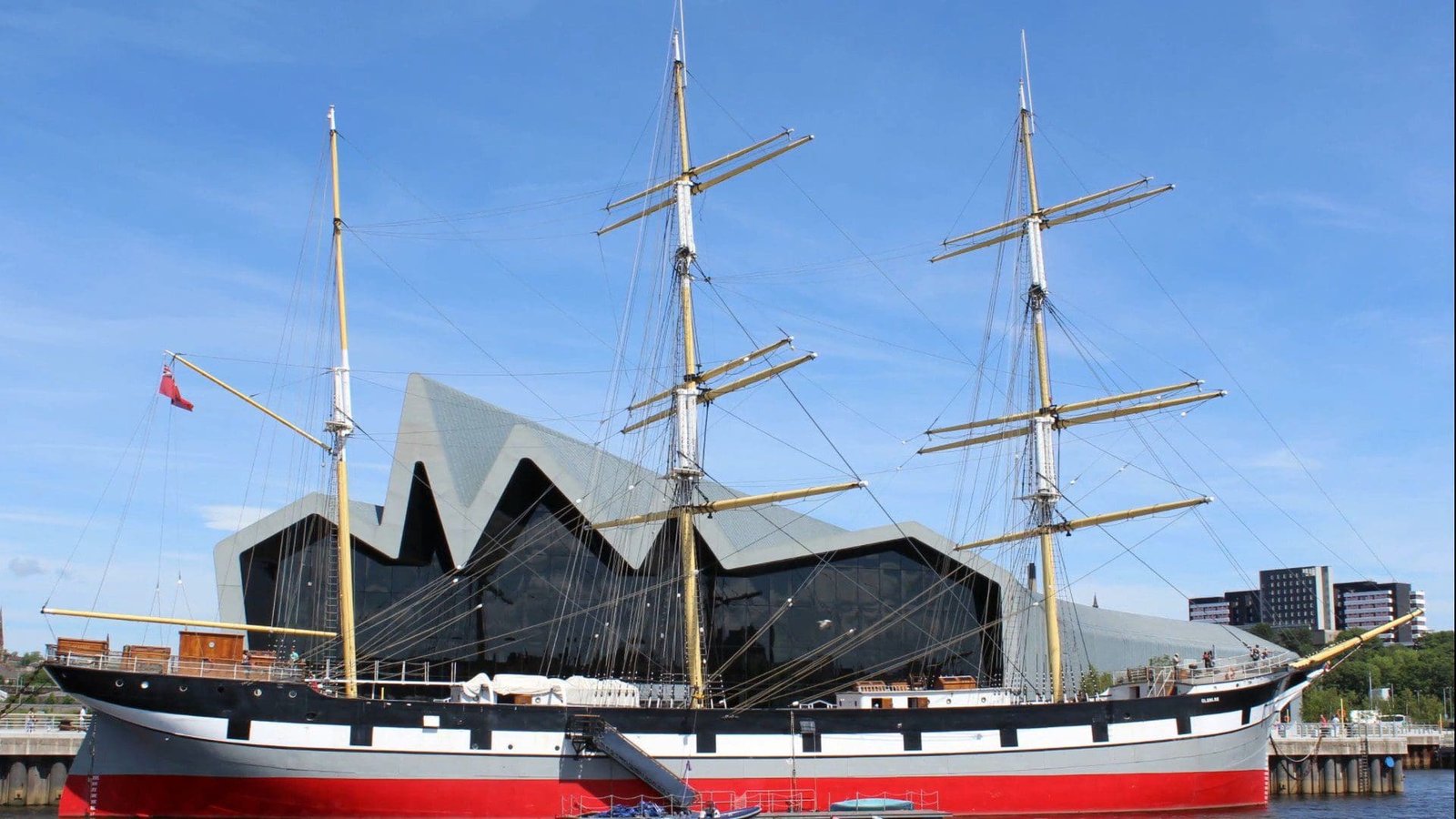
Zaha Hadid’s striking, zig-zagged Riverside Museum anchors Glasgow’s riverfront story with flair. Inside, transport history springs to life—from trams and classic cars to locomotives, skateboards, and a wonderfully immersive cobbled street that drops you into early 20th-century Glasgow. It’s engaging, family-friendly, and free. Step outside to tour the Tall Ship Glenlee, a hands-on glimpse of maritime life aboard a fully restored sailing vessel. Together, the museum and ship trace how Glasgow helped move people and ideas around the world—and how the city keeps reinventing itself along the riverbanks.

West End & Ashton Lane
The West End of Glasgow is where you will find vintage shops, independent bookstores, and neighbourhood restaurants that sit alongside elegant tenements and parks. Ashton Lane is the postcard scene: a cobbled alley strung with fairy lights, buzzing with bars and bistros. It’s a great place for lunch, dinner or just a drink and is popular among theatre goers before catching a show at Òran Mór, a church-turned-arts-venue with theatre, comedy, and music. On Sundays, the Barras Art and Design Centre is a great place to visit for local crafts and vintage finds.

Glasgow Science Centre & Planetarium
The Glasgow Science Centre is a fascinating place packed with interactive exhibits—anything to do with science or the human body. The rotating Glasgow Tower is apparently designed to align with the wind. The planetarium is a highlight—strap in for a guided journey through constellations and cosmic wonders. Families will appreciate how interactive and educational it all feels, and film lovers can catch larger-than-life documentaries at the IMAX. Glasgow is also credited with the first routine clinical use of ultrasound for antenatal care, dating back to the 1950s.

Merchant City
Once the base of Glasgow’s tobacco and sugar barons, Merchant City today is a chic district of galleries, boutiques, and excellent dining. Historic warehouses and grand merchant houses meet modern design—and the result is a neighbourhood that’s perfect for coffee-hopping, window shopping, and catching a show. Take a look at the Tron Theatre, or see what’s on at the Old Fruitmarket, a beloved venue with varied programming. The area comes alive during festivals and food markets, which are a delicious way to meet local makers and taste the city’s global palate.

People’s Palace & Glasgow Green (plus Winter Gardens)
Set on Glasgow Green—the city’s oldest park—the People’s Palace tells the story of Glasgow’s people: how they lived, worked, celebrated, and created change. Exhibits mix nostalgia and grit, from household artifacts to social movements, giving soul and context to the grand buildings you’ve seen elsewhere. Next door, the Winter Gardens’ Victorian glasshouse shelters tropical plants and a peaceful café corner. Combine with a lap of the park—past statues, riverside paths, and community events—to see how Glaswegians unwind and celebrate.

The Lighthouse (Scotland’s Centre for Design & Architecture)
A short hop from Buchanan Street, The Lighthouse hosts rotating exhibitions on architecture, innovation, and the city’s creative identity. Don’t miss the Mackintosh Tower’s spiral staircase for one of the best urban viewpoints in Glasgow—an ideal finale to your city wanderings. Entry is typically free.
Other Brilliant Day Trips from Glasgow (Outside the City)
You’ll need a car for most of these places if you want to travel in your own time, but there are also many guided tours available (check what’s running during your dates on GetYourGuide).
Loch Lomond & The Trossachs National Park (40–60 minutes)
Escape to lochs, rolling hills, and easy trails. Cruise the water, hike Conic Hill for views, or picnic in Balmaha. Great all year; magical in autumn.
Stirling & Stirling Castle (50 minutes)
Explore Scotland’s storied past at one of the nation’s most important castles. Wander the Old Town, visit the Wallace Monument, and soak in sweeping landscapes.
The Kelpies & Falkirk Wheel (45 minutes)
Marvel at 30-meter steel horse heads, then see the world’s only rotating boat lift in action. Family-friendly engineering meets public art—very photogenic.
New Lanark World Heritage Site (1 hour)
An 18th-century mill village set in a dramatic river gorge. Learn about social reformer Robert Owen, then walk the nearby Falls of Clyde trails.
Culzean Castle & Ayrshire Coast (1–1.5 hours)
Clifftop drama, woodland walks, and seascapes. Tour the castle, roam the gardens, and finish with fish and chips by the shore.
Where to Stay: In or Outside the CBD
In the City Centre (CBD)
- Best for: First-time visitors, quick access to sights, transit, shopping.
- Vibe: Busy, convenient, walkable.
- Suggestions:
- Budget: Clean hostels and value hotels near Buchanan Bus Station.
- Mid-range: Boutique properties around George Square and Blythswood area.
- Luxe: Heritage hotels with spa facilities near Blythswood/West Nile Street.
West End
- Best for: Culture lovers, foodies, nightlife, parks.
- Vibe: Leafy, bohemian, student-energy with elegant streets.
- Suggestions:
- Mid-range gems near Kelvinbridge and Ashton Lane.
- Apartments for longer stays close to Byres Road.
- Boutique hotels in converted townhouses.
Merchant City
- Best for: Dining, galleries, theatre.
- Vibe: Stylish, lively evenings.
- Suggestions:
- Chic boutique hotels and serviced apartments tucked into historic buildings.
Southside / Clyde Waterfront
- Best for: Science Centre, media venues, quieter stays.
- Vibe: Modern, river views.
- Suggestions:
- Contemporary hotels with easy access to the Exhibition Centre and subway.
Tip: Accommodation prices can vary hugely depending on travel dates. Before booking, see how we use Booking.com’s calendar tool to find cheaper hotel deals and reduce travel costs:
https://trustytraveltips.com/find-cheaper-hotel-deals-booking-com/
Travel Costs (Per Person, Typical)
Daily Baselines (GBP)
- Accommodation:
- Budget £25–£60 (hostel/guesthouse)
- Mid-range £90–£160 (3–4 star)
- Luxe £180–£350+
- Meals:
- Budget £15–£30 (street food/sandwiches + one sit-down)
- Mid-range £35–£60
- Luxe £70–£120+
- Transport:
- Subway/bus day ticket £5–£7
- Airport bus/train £10–£16 (one-way)
- Attractions:
- Many museums free; paid highlights £6–£18
- Coffee/Beer:
- Coffee £3–£4
- Pint £5–£6.50
For card payments and ATM withdrawals in the UK, using a low‑fee provider like Wise can reduce foreign transaction and currency conversion costs.
Suggested Budgets (Per Day)
Shoestring: £45–£70
- Hostel bed, free museums, walking, meal deals/markets, public transit day pass.
Comfortable: £110–£180
- Mid-range hotel, a couple of paid attractions, sit-down meals, evening drinks.
Indulgent: £250–£400+
- Boutique or luxury stay, top restaurants, guided tours, theatre or live music.
Find Accommodation in Glasgow here
Money-Saving Tips
Easy Wins
- Use free museums: Kelvingrove, Riverside, People’s Palace, The Lighthouse.
- Buy day passes: Subway or multi-operator bus tickets cap your costs.
- Eat smart: Lunch specials, pre-theatre menus, and market stalls are great value.
- Walk more: Many core sights are within 15–25 minutes of each other.
- Free views: Necropolis hilltop and The Lighthouse tower often cost little or nothing.
- Plan Sundays: Markets in the West End and BAaD offer affordable eats and gifts.
- Student/Concession: Carry ID for discounts on select attractions and shows.
- Water bottle: Tap water is excellent—reduce café costs and plastic.
Best Time to Go (Quick Take)
Seasons at a Glance
- Spring (Apr–May): Blooming parks, lighter crowds, cool temps—great balance.
- Summer (Jun–Aug): Festivals, long days, higher prices—book early.
- Autumn (Sep–Oct): Golden parks, comfortable weather, good hotel deals.
- Winter (Nov–Feb): Christmas markets, low rates; short days and chill—pack layers.
How to Get Around
Simple & Efficient
- Subway (“Clockwork Orange”): 2 circular lines connecting city centre and West End; day tickets are great value.
- Buses: Extensive network; contactless payments and daily caps available.
- Trains (ScotRail): Handy for day trips (Stirling, Loch Lomond, Ayrshire).
- Walking: Flat and compact core; allow 20–30 minutes between key clusters.
- Bikes/Scooters: Seasonal rentals and cycle lanes improving along the Clyde.
- Taxis/Ride-hail: Abundant; Black cabs good for groups or late nights.
- Airport: Glasgow Airport is ~25–35 minutes by airport bus; Prestwick via train.
Best Time to Go
Month-by-Month Highlights
- March–April: Daffodils in parks; shoulder-season prices.
- May–June: Mild, longer days, ideal for day trips.
- July–August: Peak season; book attractions and dining.
- September: Warm hues, harvest menus, fewer crowds.
- October: Crisp air, autumn colour—great for Loch Lomond.
- November–December: Festive lights and markets; pack warm layers.
- January–February: Quietest and cheapest—good for museum-focused trips.
See other places to visit in Europe.
Watch our video on our visit to Glasgow