Munich is a bustling city that we stayed in for 2 days on our train trip through Europe. Despite its near destruction during WW2, it has been beautifully restored, although there are still remnants of the war’s impact to be seen. There are many splendid centuries‑old buildings which, we assume, have mostly been restored after the war as apparently over 70% of the city was destroyed. Olympia Hill near the Olympic Village and site of the 1972 Munich Olympics is a man‑made hill created from the rubble of World War II air raids and postwar demolition.
The city is a blend of centuries‑old history, architectural showpieces, leafy parks, and a superb public transport network. Founded in 1158 and named “by the monks,” the Bavarian capital has evolved from a medieval trading post into a modern powerhouse of art, technology, and culture. Whether you’re here for iconic sights like Marienplatz and Nymphenburg Palace, a beer garden afternoon in the English Garden, or an eye‑opening visit to Dachau Memorial, Munich is easy to explore in one to two days—better still with extra time. This practical Munich travel guide will help you plan your next visit to Munich.
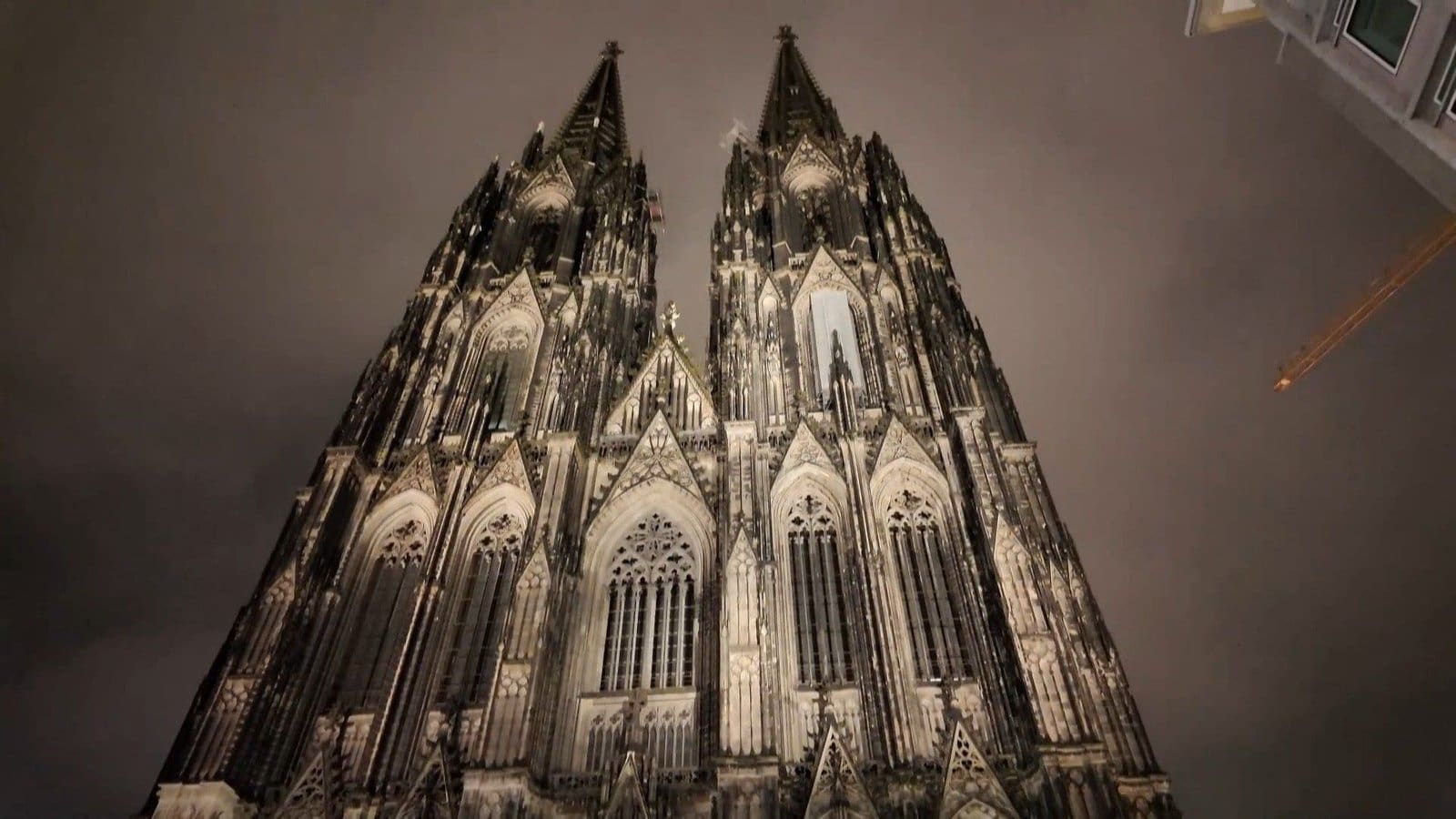
If you’re planning a wider Germany trip, you may also enjoy our Cologne Travel Guide, covering top sights, history highlights, and practical travel tips.
Munich Travel Guide: Quick Summary
- Ideal stay: 2–3 days
- Best for: History, beer culture, parks, and day trips
- Top highlights: Marienplatz, English Garden, Nymphenburg Palace, Dachau
- Cost level: Moderate to high
- Getting around: Excellent public transport (MVV)
- Best areas to stay: Altstadt, near Hauptbahnhof, or Maxvorstadt
- Best time to visit: Spring, autumn, or December for Christmas markets
Is Munich Worth Visiting?
Yes — Munich is one of Germany’s most well-rounded cities for travellers.
It combines historic architecture, green spaces, strong public transport, and a relaxed atmosphere that makes it easy to explore. Whether you’re interested in cultural landmarks, beer gardens, or nearby day trips to places like Dachau or the Bavarian Alps, Munich offers a balance that suits both short visits and longer stays.
👉 For most travellers, it’s one of the easiest German cities to include in a broader itinerary.
Top Things to See & Do in Munich
Marienplatz
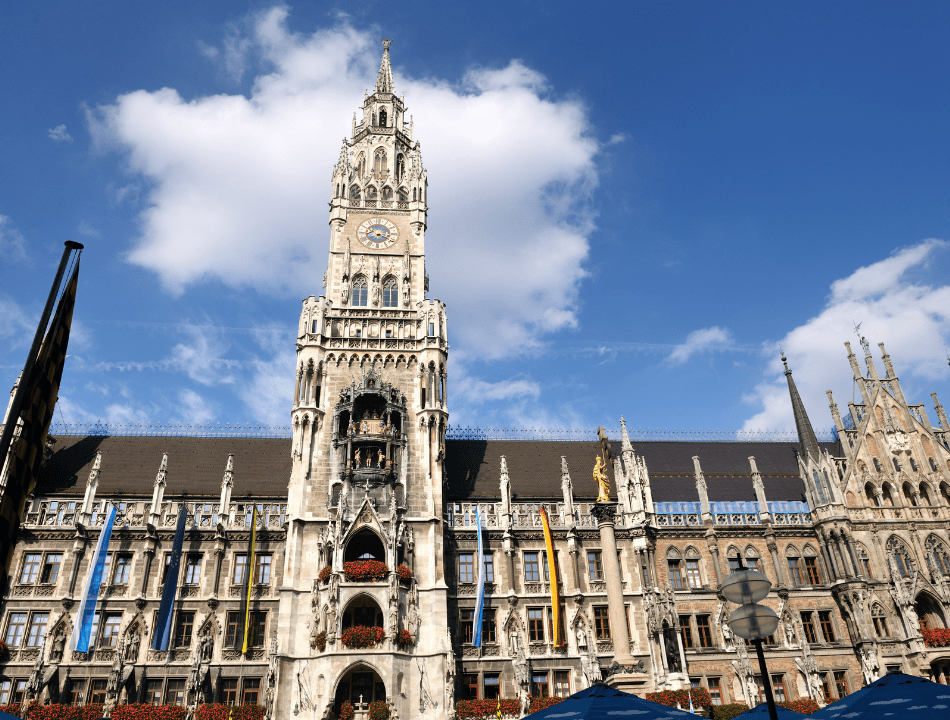
Marienplatz is Munich’s historic heart and the natural starting point for most visitors. Framed by the Neo‑Gothic New Town Hall (Neues Rathaus) and the Old Town Hall (Altes Rathaus), the square buzzes with street performers, cafés, and boutiques. The star attraction is the Rathaus‑Glockenspiel, which animates daily at 11:00 and 12:00 with life‑sized figurines reenacting Bavarian history—arrive early for the best view.
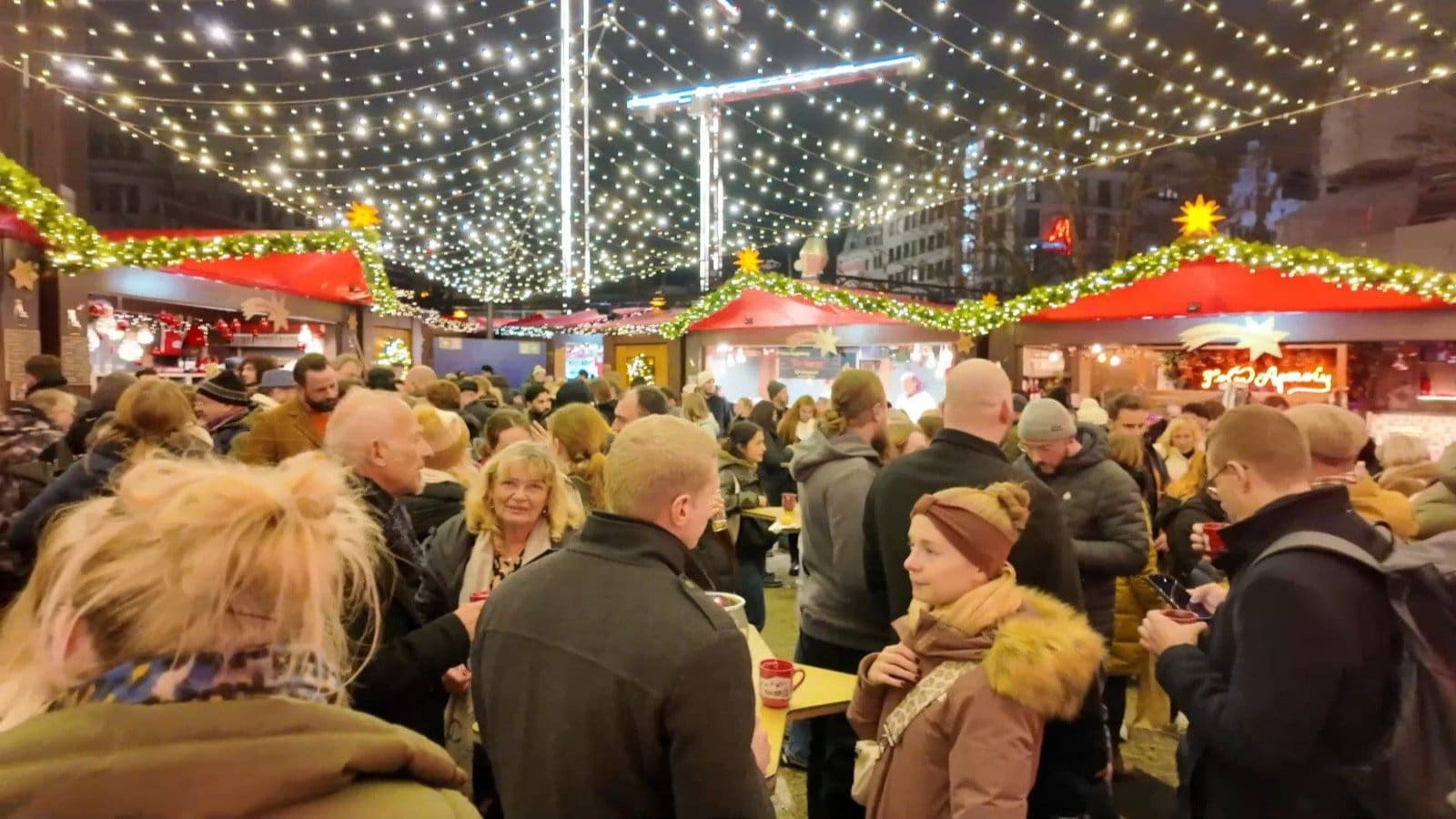
In winter, Marienplatz becomes the city’s festive hub with a classic Christmas market, mulled wine, and seasonal treats. From here, you’re a short stroll to landmark churches, pedestrian shopping streets, and the Viktualienmarkt. For photos, step back into the square to capture the soaring façade of the Rathaus, or head up the New Town Hall tower for panoramic city views when available. It’s also a perfect anchor for orientation—with excellent U‑Bahn and S‑Bahn connections beneath the square.
English Garden (Englischer Garten)
One of the world’s largest urban parks, the English Garden stretches across more than 900 acres—bigger than New York’s Central Park. Winding paths lead through meadows, wooded areas, and along tranquil streams, making it ideal for leisurely walks, cycling, or picnics. In warmer months, rent a paddle boat on the Kleinhesseloher See and pause at the lakeside beer garden.
For something truly unique, watch surfers ride the standing wave at the Eisbach, year‑round. Don’t miss the Chinese Tower beer garden—an iconic place to enjoy a pretzel and a Maß of beer under chestnut trees. The park’s central location means you can pair a visit with nearby museums in Maxvorstadt or a stroll back toward the city center. It’s Munich at its most relaxed—locals and travelers mingling in green spaces that define the city’s quality of life.

Nymphenburg Palace
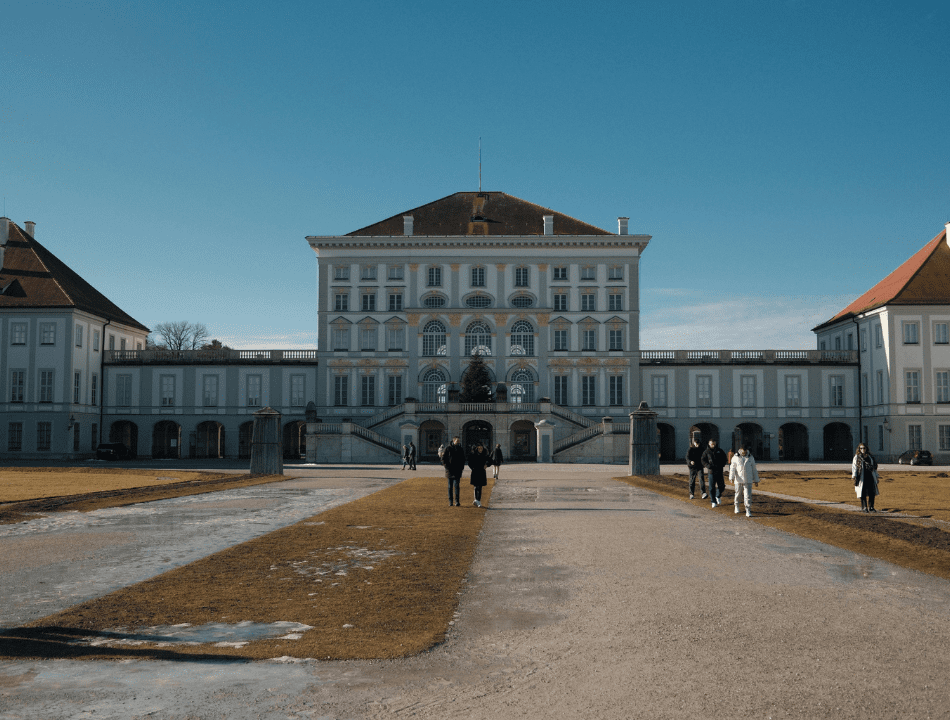
Nymphenburg Palace is a Baroque masterpiece and former summer residence of Bavarian royalty. Its grand façade extends over 600 meters, while the interiors showcase opulent frescoes, stucco work, and period furnishings that illuminate courtly life. The palace grounds are just as captivating: manicured lawns, lakes, fountains, and charming pavilions scattered through expansive gardens designed for royal promenades.
Highlights include the Amalienburg, a lavish hunting lodge famed for its exquisite Rococo interiors. Plan to purchase the combined ticket for access to the palace, the Marstallmuseum (Carriage Museum), and the park palaces—excellent value if you have a few hours. Visiting Nymphenburg offers a serene counterpoint to the bustle of the old town, and the grounds are lovely in every season, from spring blossoms to golden autumn leaves and winter’s quiet elegance.
BMW Museum & BMW Welt
Car lovers shouldn’t miss the BMW Museum, where the brand’s evolution unfolds through classic models, motorsport legends, design studies, and futuristic concepts. The exhibits are visually striking and accessible even if you’re not an auto enthusiast, blending engineering, design, and cultural history. Adjacent BMW Welt is a free, immersive showroom showcasing the latest vehicles and innovations; it’s also a delivery center where new owners collect cars—fun to watch.
Museum tickets are around €14, with guided tours (often including museum entry) from about €18—pre‑book online to secure your preferred time. Combine your visit with nearby Olympiapark, where you can walk the grounds, take a roof tour, or ascend the Olympic Tower for sweeping city views and a glimpse of the Alps on clear days.
Dachau Concentration Camp Memorial Site
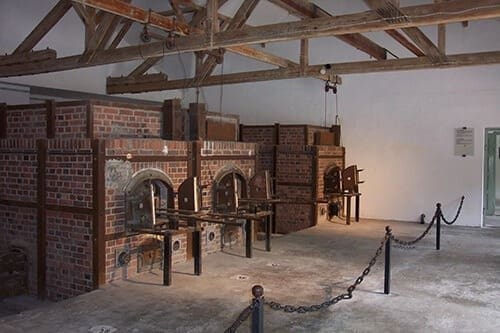
Located just outside Munich, Dachau was the first Nazi concentration camp, established in 1933. Today, the memorial site preserves original buildings, reconstructed barracks, exhibitions, and a powerful documentary film that contextualize the rise of the camp system and its horrors. It’s a sobering experience that many travelers consider essential, offering deep historical insight and space for reflection.
Entry is free, and guided tours are available if you’d like expert interpretation. Allocate at least half a day, including travel time from central Munich via S‑Bahn and bus. Dress respectfully and prepare emotionally; the memorial prioritizes education and remembrance. Visiting Dachau underscores Munich’s complex 20th‑century history and highlights the importance of confronting the past to safeguard the future. If you prefer a structured visit with transport included, look for Dachau small‑group tours on GetYourGuide.
Hofbräuhaus
The Hofbräuhaus, founded in 1589, is Munich’s most famous beer hall—a lively, communal space where traditional Bavarian music, hearty food, and steins of beer set the tone. Expect long wooden tables, friendly crowds, and a convivial atmosphere ideal for sampling local specialties: roast pork knuckle with crackling, sausages with sauerkraut, and fluffy pretzels.
While it’s popular with visitors, you’ll also find locals enjoying the Gemütlichkeit. Reservations help during peak hours, especially on weekends. If you prefer a quieter experience, consider lunch or early evening. Nearby beer halls and beer gardens offer alternatives with a more low‑key vibe, but the Hofbräuhaus remains a quintessential Munich experience—part living museum, part culinary celebration.

Viktualienmarkt
Just a few minutes from Marienplatz, the Viktualienmarkt is a daily open‑air market that has fed Munich since 1807. Over 140 stalls sell everything from seasonal produce and artisanal cheeses to cured meats, exotic spices, and gourmet snacks. It’s perfect for building a picnic for the English Garden or enjoying a casual lunch from multiple vendors.
The central beer garden rotates beers from local breweries and provides shade under chestnut trees—a classic Munich touch. Come in the morning for the freshest selection or mid‑afternoon for a more relaxed browse. Prices range widely, so you can snack on a budget or splurge on specialty items. Either way, the market is a delicious snapshot of Munich’s culinary culture.

Other Great Day Trips from Munich (5)
- Neuschwanstein & Hohenschwangau Castles: Fairy‑tale scenery in the Bavarian Alps; pre‑book timed tickets and consider the shuttle up to Marienbrücke for postcard views. You can also find organised day tours with transport included on GetYourGuide.
- Salzburg, Austria: Baroque old town, Mozart heritage, and fortress views—just 1.5–2 hours by train; great for music lovers and architecture buffs.
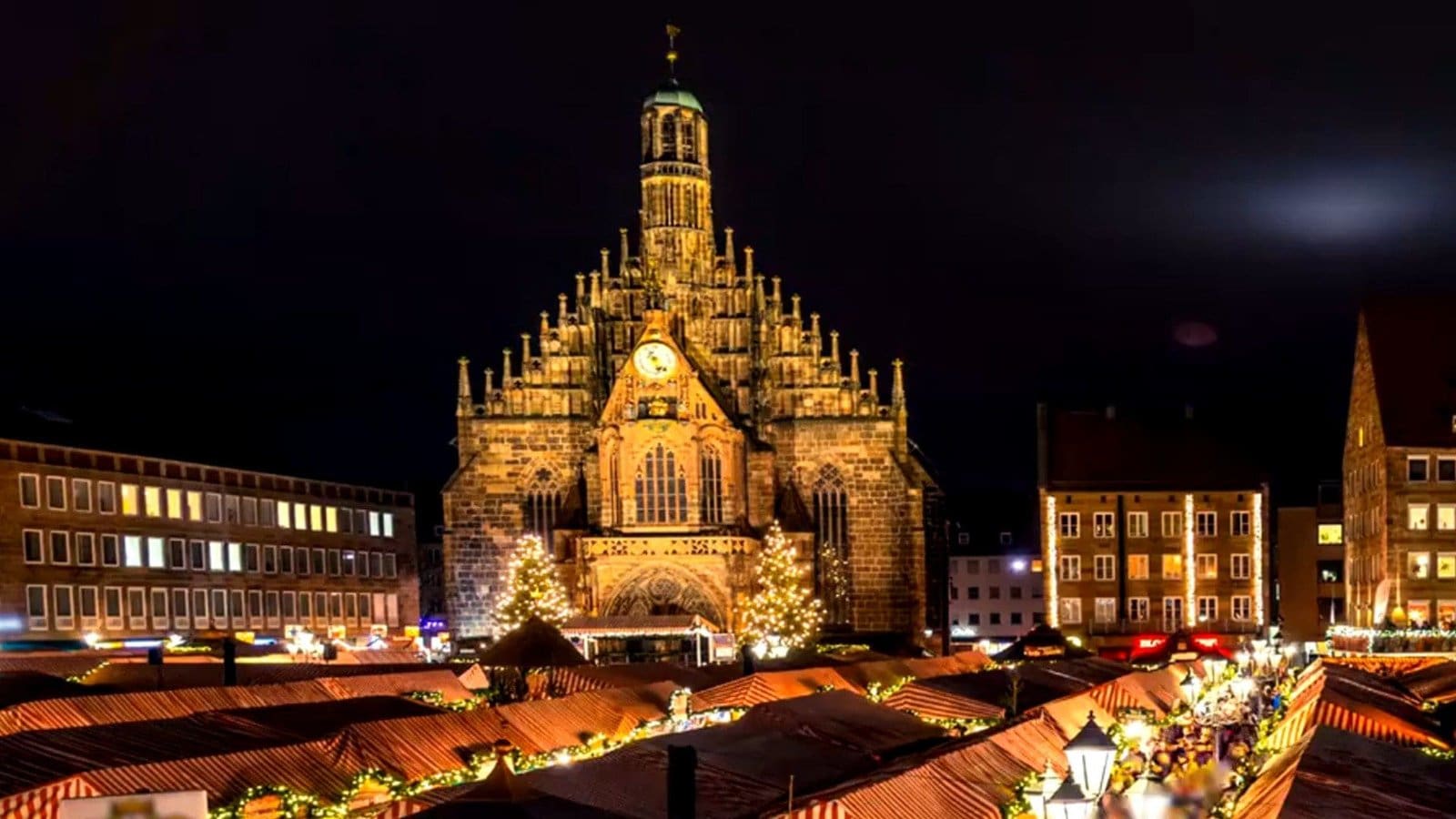
- Nuremberg: Medieval walls, Imperial Castle, and poignant WWII sites. Read our detailed Nuremberg Travel Guide for history highlights, markets, and practical tips.
- Regensburg: UNESCO‑listed old town on the Danube with a stunning stone bridge and Gothic cathedral; compact and walkable.
- Lake Tegernsee: Alpine lake vibes, easy hikes, spas, and lakeside cafés; a serene escape in all seasons.
Where to Stay: In or Outside the CBD
- Staying in/near the CBD (Altstadt‑Lehel, Maxvorstadt, Isarvorstadt‑Glockenbach):
- Pros: Walk to major sights, vibrant dining/nightlife, excellent transit.
- Cons: Higher prices, busier streets.
- Near Hauptbahnhof (Ludwigsvorstadt):
- Pros: Superb transport links for day trips, good value.
- Cons: More traffic and bustle; choose well‑reviewed streets.
- Residential districts (Schwabing, Westend, Sendling, Obergiesing):
- Pros: Local feel, better rates, easy U‑/S‑Bahn access.
- Cons: Longer walks to central sights.
- Sample stays:
- Budget: Wombat’s City Hostel Hauptbahnhof (dorms from ~€25–40).
- Mid‑range: Simple pensions/hotels near the station or in Maxvorstadt (~€90–150).
- Luxury: Sofitel Munich Bayerpost by the station (often €210+; more with breakfast).
To compare locations and reviews quickly, we usually start with Booking.com. You can also read our guide to finding accommodation in Germany for tips on choosing the best areas and avoiding overpriced stays.
Tip: Accommodation prices can vary significantly depending on your travel dates. Before booking, see our step-by-step guide on how we use Booking.com’s calendar tool to find cheaper hotel deals and lower overall travel costs.
Typical Travel Costs (Per Person)
- Public transport: Inner‑city day pass from ~€9; airport S‑Bahn single ~€13; regional day tickets vary.
- Attractions: BMW Museum ~€14; Nymphenburg combo tickets vary by season; many churches free; Dachau Memorial free (donation/tour extra).
- Food & drink:
- Coffee €3–6; beer €4–6 per pint/half‑liter.
- Meals: €10–20 (tight budget), €30–50 (casual/cheaper dining), more for upscale.
- Parking (central): €2–4/hour; ~€20/day.
For everyday spending and ATM withdrawals in EUR, a low‑fee option like Wise can be cheaper than using a standard bank card with foreign transaction fees.
Suggested Daily Budgets
- Shoestring (~€60–80): Hostel dorm, day pass, free/low‑cost sights, picnic/market meals, free walking tour (tip).
- Mid‑range (~€120–180): 3‑star hotel or private room, mix of paid sights, sit‑down meals, café breaks, day trip by regional train.
- Comfort (~€220–300+): 4–5 star hotel, guided tours, top restaurants, taxis when needed.
Money‑Saving Tips
- Use day/group tickets on MVV; validate where required and leverage the MVV app for easy purchases.
- Consider Munich Card/City Pass if you’ll visit multiple paid attractions and want transport included.
- Join a “free” walking tour on day one to orient—tip €10–20 is customary.
- Book popular attractions (BMW Museum time slots, palace combos) online to skip lines and secure times.
- Picnic from Viktualienmarkt or supermarkets; look for lunch specials (Mittagsangebote).
- Carry a refillable bottle—many public fountains are potable in season.
- Travel off‑peak (spring/late autumn) for lower hotel rates and fewer crowds.
Best Time to Go
- Spring (Mar–May): 10–20°C, blooming parks, lighter crowds.
- Summer (Jun–Aug): 20–30°C, festivals, longer days—also peak prices and crowds.
- Autumn (Sep–Nov): Crisp weather; Oktoberfest (late Sep–early Oct) draws huge crowds—book far ahead.
- Winter (Dec–Feb): Colder, fewer tourists, magical Christmas markets in December.
How to Get Around
- MVV network: S‑Bahn (suburban rail), U‑Bahn (subway), trams, and buses—fast, frequent, and integrated.
- Tickets: Single, stripe, day, and group options; zones determine price. The MVV app is best for route planning and purchases.
- From the airport: S1/S8 S‑Bahn to city center; trains every few minutes.
- For day trips: Hauptbahnhof has direct trains to major hubs like Salzburg, Nuremberg, and Regensburg.
- Cycling: Flat and bike‑friendly with dedicated lanes; rentals widely available.
- On foot: The Altstadt and museum quarters are very walkable.
Watch our video on our visit to Munich