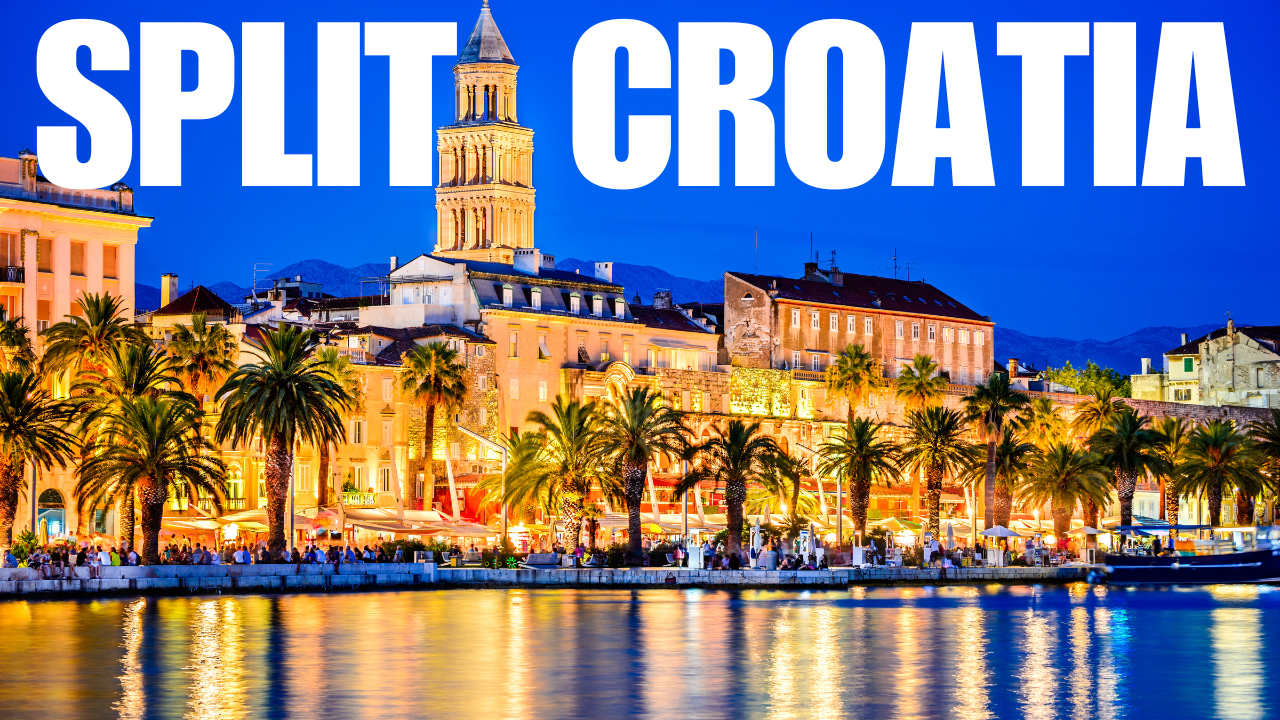
Split is one of Croatia’s most popular coastal destinations, combining Roman history, island day trips, and easy seaside living. This Split travel guide covers the best things to do, where to stay, typical costs, and how to get around — plus tips to avoid cruise crowds and plan your time efficiently.
Split sits on Croatia’s Dalmatian coast and centres around Diocletian’s Palace, where cafés, homes, and narrow lanes still sit inside the ancient Roman walls. It’s also a common Mediterranean cruise stop, so the old town and Riva can become crowded from mid-morning to late afternoon on cruise days. Early starts and later visits are usually much calmer.
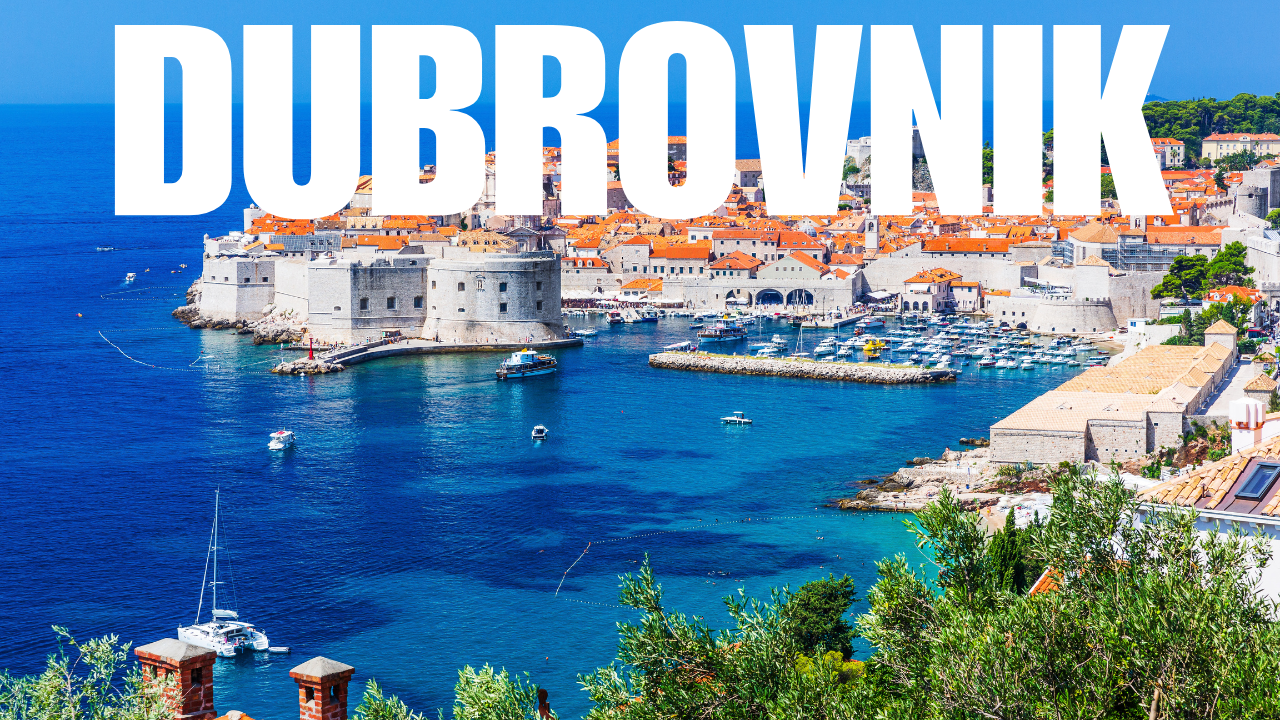
If you’re planning a wider cruise or Croatia itinerary, you may also find our Dubrovnik Travel Guide, Viking Mediterranean Odyssey review, and Viking ocean cruise tips helpful.
Split Travel Guide Quick Facts
- Ideal stay: 1 day for cruise visitors, 2–3 days for a city stay
- Daily budget: €90–€160 mid-range
- Do you need a car? No, not for Split itself
- Best time to visit: May–June and September–October
- Best for: Roman history, coastal views, island day trips, cruise stops
Split 1-Day Itinerary for Cruise Visitors
If you’re visiting Split on a cruise stop or short stay, this 1-day Split itinerary covers the main highlights efficiently.
Morning: Explore Diocletian’s Palace, the Peristyle, and Cathedral of Saint Domnius before the biggest crowds arrive.
Midday: Walk the Riva, stop for lunch or coffee, and browse the Green Market.
Afternoon: Choose between Marjan Hill for views and walking trails, Bacvice Beach for a swim, or a short trip to Trogir if you have more time.
Our Split Travel Guide

Diocletian’s Palace and Peristyle
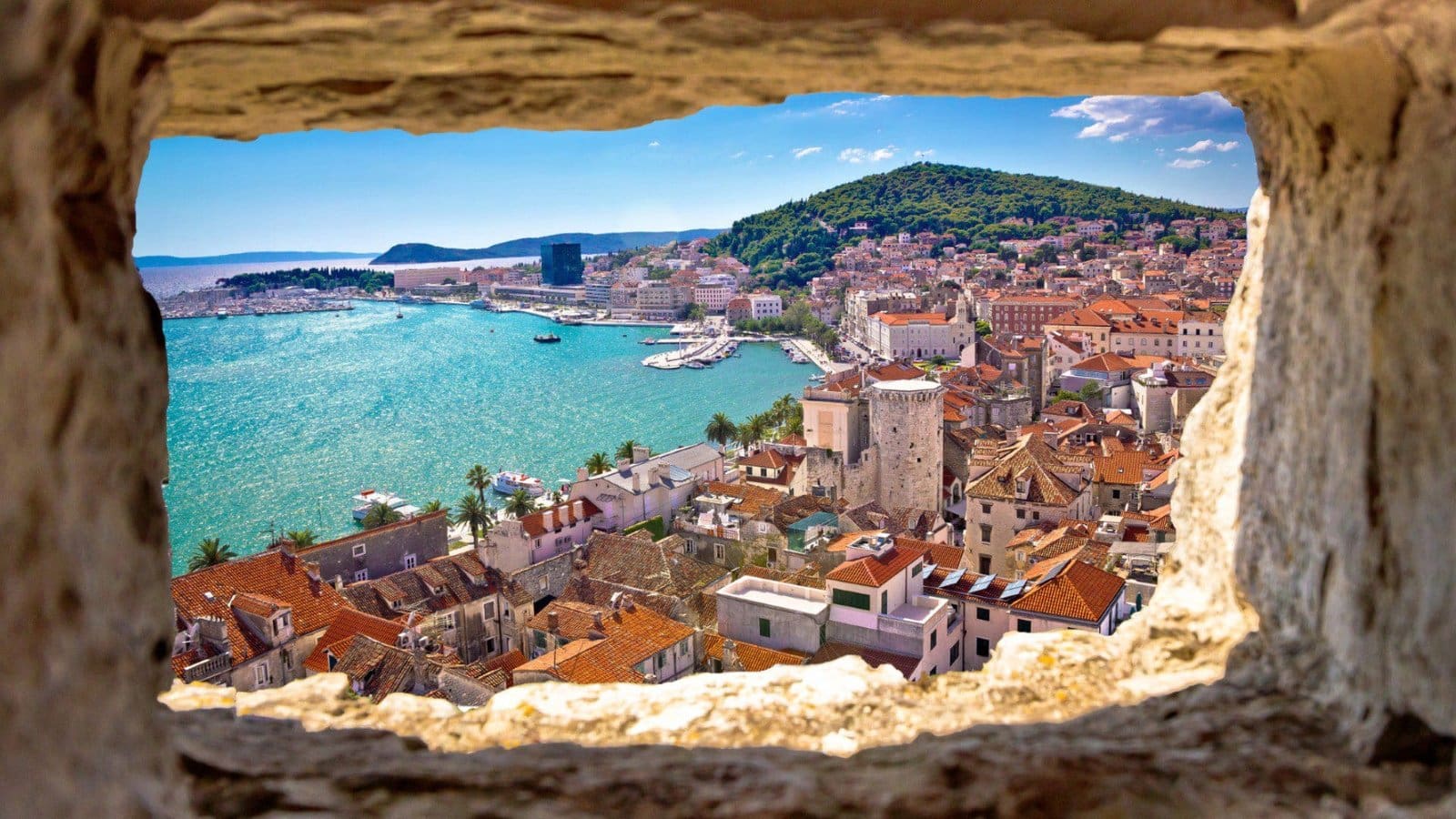
This UNESCO-listed complex is the heart of Split. Walk the narrow lanes, arches, and basements to see living history in action. Start at the Peristyle, the main courtyard, then visit the Cathedral of Saint Domnius, which was once Diocletian’s mausoleum. Climb the bell tower for city and sea views. Stop by the Vestibule, a round hall with great acoustics that hosts informal singers. Look for the Temple of Jupiter and the original granite columns.
The palace is full of small shops, cafés, and homes, so it feels active, not like a museum. Go early morning or after 5 pm to avoid cruise crowds. If you like TV locations, some palace spots appeared in Game of Thrones. Wear flat shoes; the stones can be smooth and slippery. If you prefer a structured introduction (ideal on a short cruise stop), look at palace and Old Town walking tours on GetYourGuide.

Riva Promenade
Riva is the main waterfront walkway in front of the old town. It is the city’s social hub, with many cafés and benches facing the harbour. Sit with a coffee, try gelato, or watch ferries come and go. The seats even have charging outlets for your phone. Palm trees give shade and there is often live music or small events.
It gets very busy when cruise ships dock, especially 10 am–4 pm. For a calmer feel, come before 9 am or at sunset. From here, you can join boat trips, island ferries, or short coastal walks. It is also a good place to start an evening out, with restaurants and bars close by.
Marjan Hill
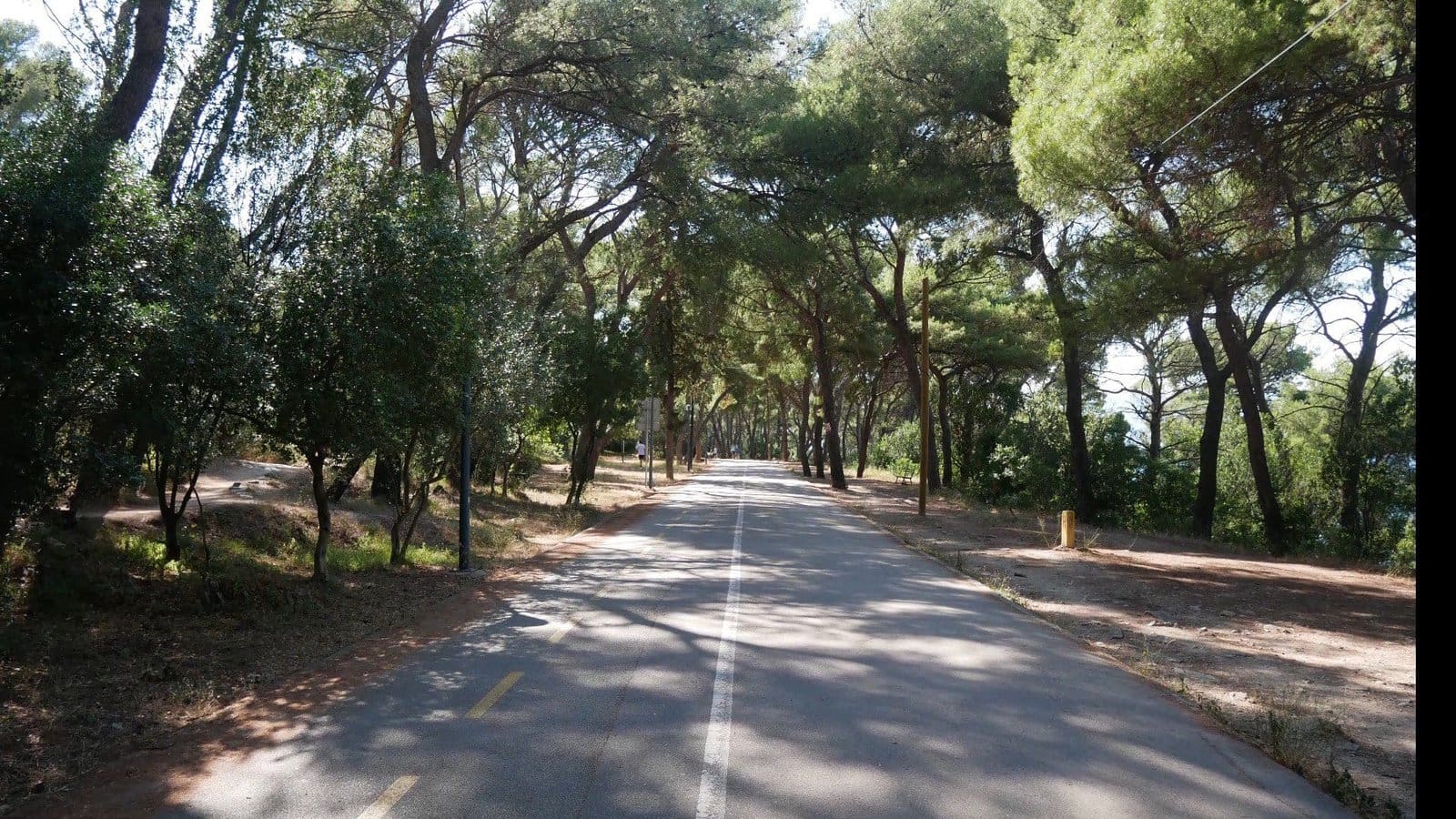
Marjan is a green headland west of the centre with marked paths, viewpoints, chapels, and beaches. From the Vrh Marjana viewpoints you see the city, islands, and mountains. Hike or bike the loop trails, or take the stairs from the old town to the main terrace for a quick panorama.
There are small churches like St. Nicholas and shaded pine areas that are welcome on hot days. Swim at Bene Beach or Kašjuni nearby. Bring water and wear sunscreen. Early morning or late afternoon gives cooler temperatures and softer light for photos. It’s an easy half-day escape without leaving the city.

The cathedral is one of the oldest in the world still in use. It began as Diocletian’s mausoleum, then became a church. Inside, look for carved wooden doors and fine stone work. The highlight is the bell tower. The climb is narrow with metal steps, but the view over Split and the harbour is worth it.
Go early to avoid lines and wind. A combined ticket may cover the cathedral, bell tower, treasury, and crypt. Dress modestly if visiting during services. You can sometimes book timed tickets and small-group cathedral tours via Tiqets or as part of wider city tour.
Bacvice Beach
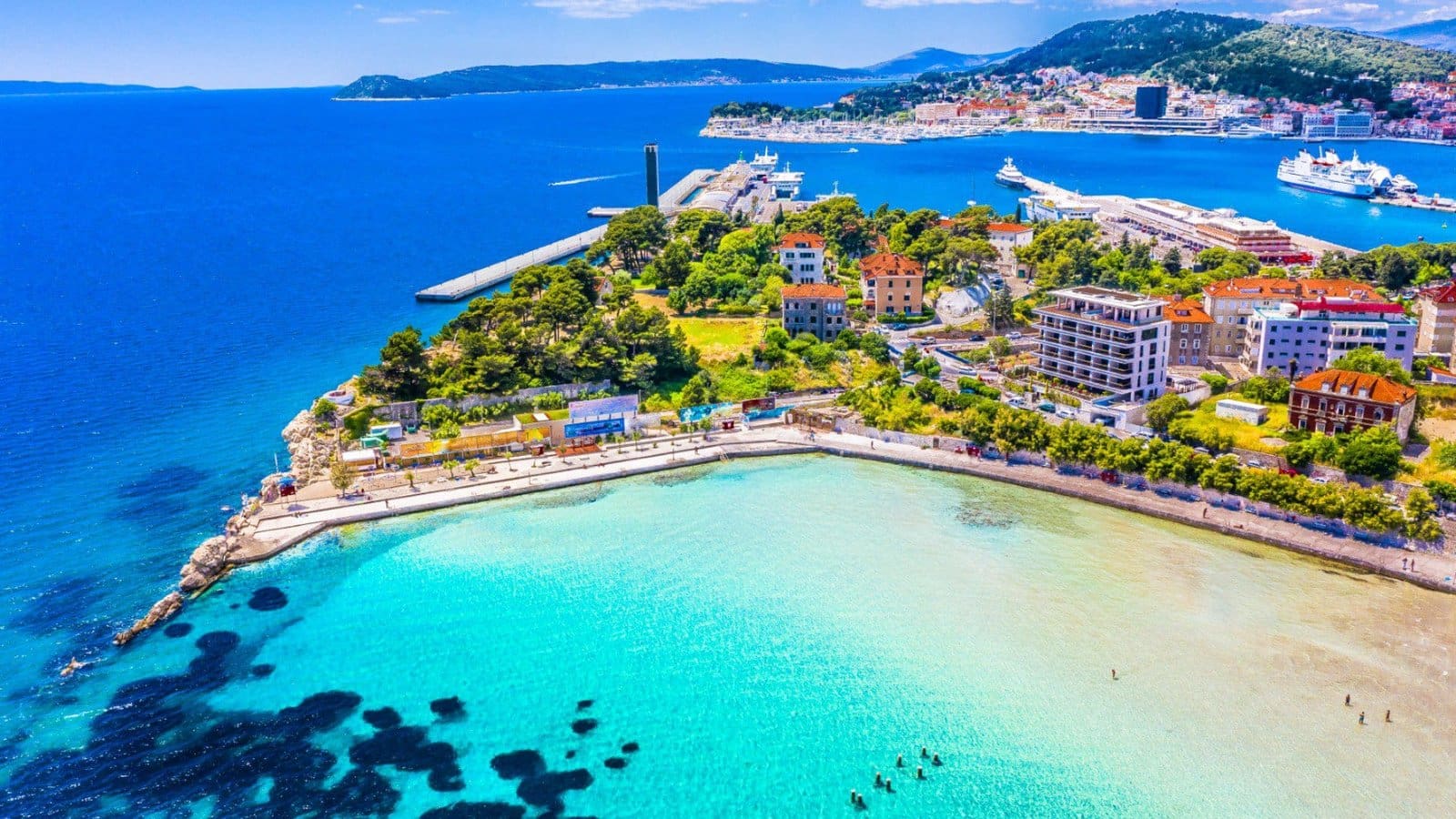
Bacvice is the closest sandy beach to the centre, with shallow water that is great for kids and casual swimmers. Locals play picigin, a fast handball-style game in the shallows. Rent loungers, grab a drink at beach bars, or walk the path to nearby coves.
It gets crowded in summer afternoons and on cruise days. Come before 10 am or after 5 pm for more space. Keep an eye on valuables and wear water shoes if you visit other pebbly beaches around Split.

Green Market (Pazar)
Pazar sits just east of the palace walls. It is the place to buy fruit, vegetables, olives, cheese, cured meats, and flowers. Vendors call out prices and you can try samples. Arrive early for the best produce. Bring cash and a small tote bag.
Simple picnic supplies here can save money on meals. There are also stalls with clothes and souvenirs. Combine a market visit with breakfast at a nearby bakery.
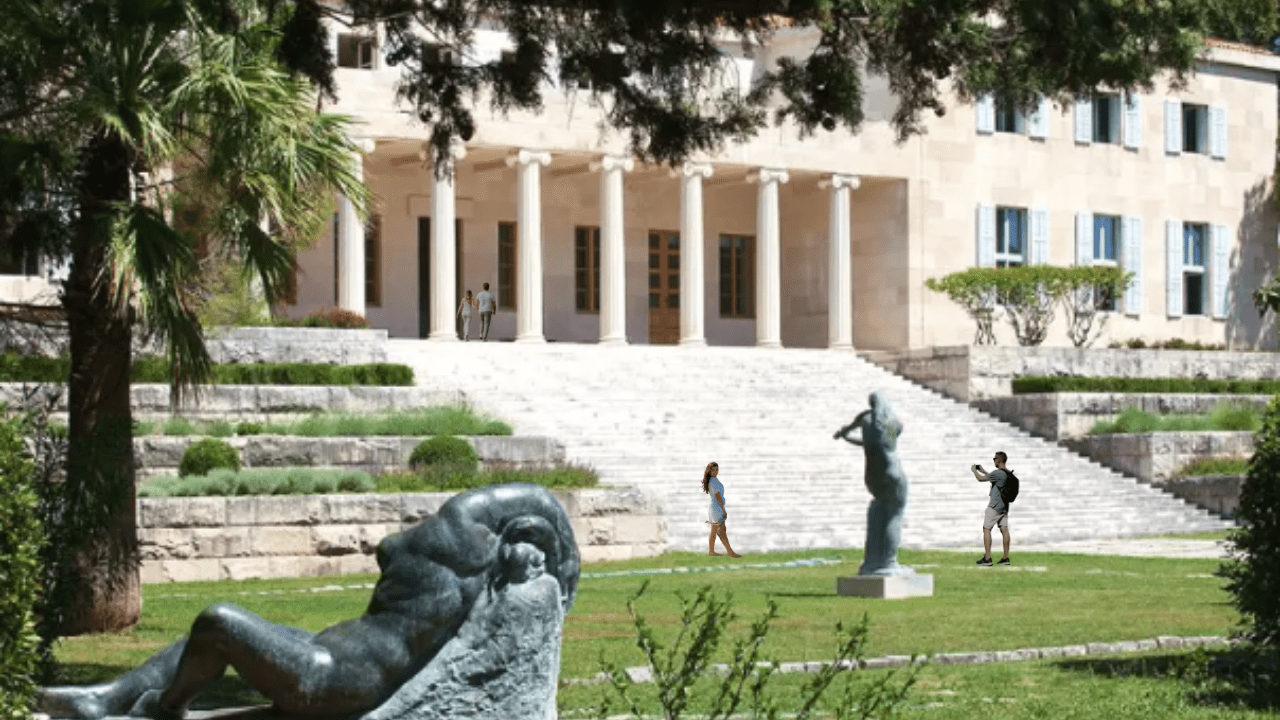
This museum in a seaside villa shows the work of Croatia’s most famous sculptor. Rooms display marble and bronze pieces, plus drawings and furniture from the artist’s studio. The setting is calm, with sea views and a garden.
Art fans should also visit Meštrović’s Kaštelet chapel nearby. Allow one to two hours. It’s a good stop after a Marjan walk or beach visit.
Split Archaeological Museum
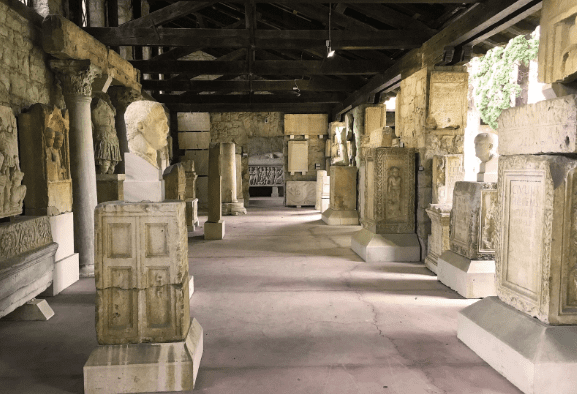
The oldest museum in Croatia covers prehistoric, Greek, Roman, and early medieval finds from the region. Highlights include carved stone reliefs, inscriptions, glass, coins, and jewellery. Exhibits explain how Split grew from the Roman town of Salona to the medieval city.
It’s a quiet break from the heat and a useful stop before or after exploring the palace. Expect one to two hours.
Other places to visit near Split

Trogir
A UNESCO-listed island town 35 minutes from Split by bus, boat, or car. Walk its narrow streets, see the Cathedral of St. Lawrence, and sit on the seafront. Good for a half-day or evening trip. If you prefer not to organise transport yourself, look for Split–Trogir half-day tours by boat or minibus on GetYourGuide.
Krka National Park
About 1.5 hours by bus or car. Follow boardwalks through lakes and waterfalls, take boat rides in season, and visit the monastery on Visovac island. Start early to avoid crowds. This is one of the most popular day trips from Split, so in July–August it’s worth pre-booking a small-group Krka tour on Klook.
Hvar Island (Hvar Town)
Reachable by catamaran in about 1 hour. Expect a pretty harbour, hilltop fortress views, and swimming spots. In summer, it is lively and can be pricey. Book tickets ahead with your preferred ferry operator, and allow extra time when returning to Split on busy cruise days.
Where to stay (in or outside the CBD)
- Inside the old town/palace: Best for first-time visitors and short stays. Walk everywhere, but expect higher prices and some noise.
- Near Riva or Bacvice: Easy access to beaches and ferries. Good balance of nightlife and transport.
- Marjan area/Varoš: Quieter, with local feel and quick walk to viewpoints.
- Outside the center (Žnjan, Trstenik, Stobreč, Solin): Better value, modern hotels, and parking. Use buses or rideshare to reach the old town.
For a quick overview of Split accommodation, we usually start by checking locations and reviews on Booking.com
Tip: Accommodation prices can vary hugely depending on travel dates. Before booking, see how we use Booking.com’s calendar tool to find cheaper hotel deals and reduce travel costs.
Travel costs (typical, per person, in euros)
- Coffee: €2–3
- Bakery snack: €2–4
- Casual meal: €10–16
- Mid-range dinner: €20–35
- Local beer/wine (bar): €3–6
- City bus ticket: €1.50–2
- Bell tower ticket: €7–10
- Beach lounger set (seasonal): €10–20
- Catamaran to Hvar (one-way): €6–25+ depending on season and operator
To avoid extra bank and card charges in Croatia, consider using a low-fee card such as Wise rather than relying on your home bank or cruise-ship exchange rates.
Suggested budgets (per person, per day)
- Backpacker: €45–70 (hostel, bakery/market meals, buses, free sights)
- Mid-range: €90–160 (3-star hotel/apartment, mix of dining, one paid sight/boat)
- Comfort: €170–280 (4-star hotel, daily dining out, island trip)
- Luxury: €300+ (5-star or boutique, private tours, fine dining)
Money-saving tips
- Visit main sights early or late to avoid cruise crowds and queues.
- Eat main meals at konobas off the Riva; lunch menus are better value than dinner.
- Use the Green Market for fruit, cheese, bread, and picnic lunches.
- Buy ferry and catamaran tickets in advance only in peak months; off-peak you can be flexible.
- Refill water at public fountains; tap water is safe.
- Choose beaches within walking distance to avoid extra transport costs.
- Consider shoulder seasons (May–June, September–October) for lower rates.
Best time to go
- Peak season (July–August): Hot, busy, highest prices; many events; heavy cruise traffic mid-morning to afternoon.
- Shoulder (May–June, September–October): Warm sea (especially September), fewer crowds, better value.
- Low season (November–April): Quiet, lower prices, some island services reduced; good for history and hikes.
How to get around
- Walking: Best for the palace, Riva, and nearby beaches.
- Public buses: Cover suburbs, beaches like Žnjan/Stobreč, and Solin; buy tickets at kiosks or on board.
- Rideshare/taxis: Uber and Bolt operate; agree or check the app price before riding.
- Ferries/catamarans: From Split Ferry Port to Hvar, Brač, Vis, Šolta, and more.
- Bikes/scooters: Rentals available; be careful on polished stone in the old town.
- Car rental: Useful for Krka, Trogir, and island car ferries; parking in the centre is limited and costly. If you need a car, compare prices in advance on DiscoverCars.
See other places nearby and explore more of our Mediterranean cruise articles if Split is just one stop on your wider voyage.
Watch our video on our visit to Split