

Naples, Italy, sits on the Bay of Naples with views of Mount Vesuvius and easy links to Pompeii and the Amalfi Coast. It is a city of layers: Roman streets, medieval castles, royal palaces, and busy local neighbourhoods. Food is central here, from classic Margherita pizza to street snacks and seafood. Many visitors rush through to Pompeii, but Naples itself rewards slow walking, museum time, and short ferry rides for views.
If you’re planning a wider trip, our Italy Travel Guide explains how to connect Naples with Rome, Florence, and other key destinations.
This Naples Travel Guide gives you a practical plan on what to see and do, whether you are visiting for a day on a cruise ship or staying for a few days. You’ll find the best things to see and do, simple tips for tickets and timing, where to stay, how much to budget, and how to get around. It also includes three easy day trips outside the city.
Naples is also a busy cruise port for Mediterranean itineraries, including lines like Viking and other ocean cruise companies. If you’re looking at combining Naples with a wider voyage, you might like our Viking Mediterranean Odyssey review and our practical Viking ocean cruise tips.
For those not visiting on a cruise, remember Naples is a popular cruise destination. On any given day you might encounter several ships in port with thousands of cruise tourists. To check how many ships and passengers are in, use the Cruisemapper website when planning your sightseeing days.
Naples Travel Guide: Quick Summary
- Ideal stay: 1–3 days
- Best for: History, food, and day trips (Pompeii, Capri, Amalfi Coast)
- Top highlights: Historic Centre, Pompeii, Vesuvius, waterfront castles
- Daily budget: €120–180 mid-range
- Getting around: Walk + metro + trains
- Good to know: Busy cruise port — expect crowds on certain days

Is Naples Worth Visiting?
Yes — but it depends on your expectations.
Naples is one of Italy’s most authentic and energetic cities, known for its history, street life, and world-famous food. It’s less polished than places like Florence or Rome, but that’s part of its appeal.
If you enjoy real local atmosphere, incredible food, and easy access to places like Pompeii and the Amalfi Coast, Naples is absolutely worth visiting. However, it can feel chaotic, crowded, and a little rough around the edges for first-time visitors.
👉 Most travellers find Naples most rewarding when they slow down, explore on foot, and use it as a base for nearby day trips.
Our Practical Naples Travel Guide

Historic Center & Duomo di Napoli (Cathedral)
The Historic Centre is a UNESCO site and the best place to feel Naples at street level. Walk Spaccanapoli and Via dei Tribunali to see churches, workshops, and food stops. The Duomo di Napoli is the main landmark, with 13th‑century roots and the Chapel of San Gennaro. If you come during the Miracle of San Gennaro (three times a year), crowds gather as the saint’s blood is said to liquefy.
Even outside festival days, the cathedral shows the city’s devotion and history in one visit. Plan one to two hours to wander, and wear good shoes for cobblestones. Early morning is calm and good for photos. Nearby cafés serve espresso and sfogliatella. Combine this area with San Gregorio Armeno for crafts and souvenirs, or join a small-group walking tour of the historic centre to get your bearings on day one – you can compare different styles of tours on GetYourGuide.

San Gregorio Armeno (Nativity Street)
San Gregorio Armeno is a narrow street known for handmade nativity scenes. Workshops sell figures of all sizes, from classic Holy Family sets to local icons and playful characters. Artisans carve, paint, and build entire scenes, which makes the street lively even outside December.
It is a good spot for gifts that pack small but feel personal. Prices vary, so compare shops before buying. Visit mid‑morning to avoid tour groups. This street links well with the Historic Centre and makes a short, focused stop during a walking day. Ask before taking close‑up photos of workbenches. If you like craft traditions, this is one of Naples’ most authentic places, and you can see makers at work.

Pompeii Archaeological Park
Pompeii is a full Roman city, frozen by the 79 AD eruption. Streets, houses, baths, bars, and theatres remain, with wall paintings and mosaics in place. It is large, so pick key sights: the Forum, House of the Faun, Villa of the Mysteries, the Amphitheatre, and bath complexes.
Buy tickets online and enter early to beat the heat and crowds. Bring water, sunscreen, and a hat; there is little shade. Trains from Napoli Porta Nolana or Garibaldi on the Circumvesuviana line go to “Pompei Scavi – Villa dei Misteri” in about 35–40 minutes. A guided tour helps make sense of daily life details and routes, but you can also use the official map and audio guide. Plan at least three to four hours.
If you prefer someone else to handle transport and timings, look at half‑day or full‑day Pompeii tours from central Naples or from the cruise port. You can compare styles and prices on Klook or search options on Trip.com.
Herculaneum (Ercolano)
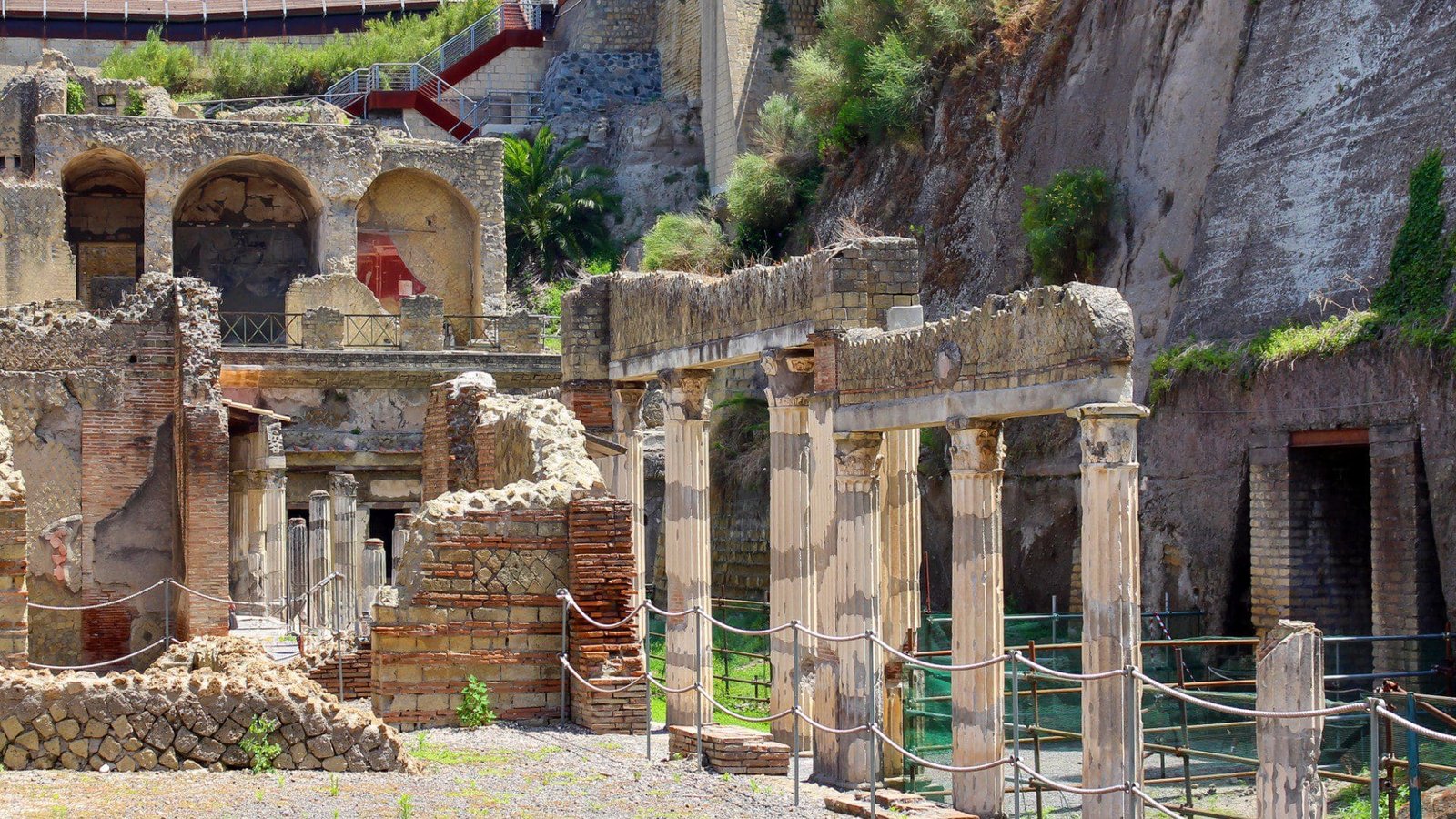
Herculaneum is smaller than Pompeii but more intimate and better preserved in places, with upper floors, wood, and even papyrus fragments found. Streets feel closer and easier to walk in a couple of hours. Highlights include the House of the Wooden Partition, the College of the Augustales, and seafront boat houses. You see domestic rooms, carbonised beams, and vivid wall colours.
It is great if you want depth without the scale of Pompeii. Trains on the Circumvesuviana stop at “Ercolano Scavi,” then it’s a short walk down to the site. Combine with a light lunch in town, or add a brief visit to the MAV virtual archaeology museum nearby if you want context. You can also find combined Herculaneum and Vesuvius or Pompeii and Herculaneum day trips on GetYourGuide if you prefer a structured day.

Mount Vesuvius Crater Hike
Vesuvius gives the backdrop to the bay and shaped the history of the area. You can hike to the crater rim on marked paths with a time‑slot ticket. Views cover Naples, Capri, and the coast on clear days. Wear closed shoes; the path is gravelly and dusty. Bring a layer as it can be windy.
Book timed entry in advance, especially in summer. Shuttle buses run from Ercolano and Pompeii to the park entrance. If you like geology, a guided visit explains past eruptions and current monitoring. Combine Vesuvius with Pompeii or Herculaneum for a full day focused on the volcano.
Castel dell’Ovo (Egg Castle)
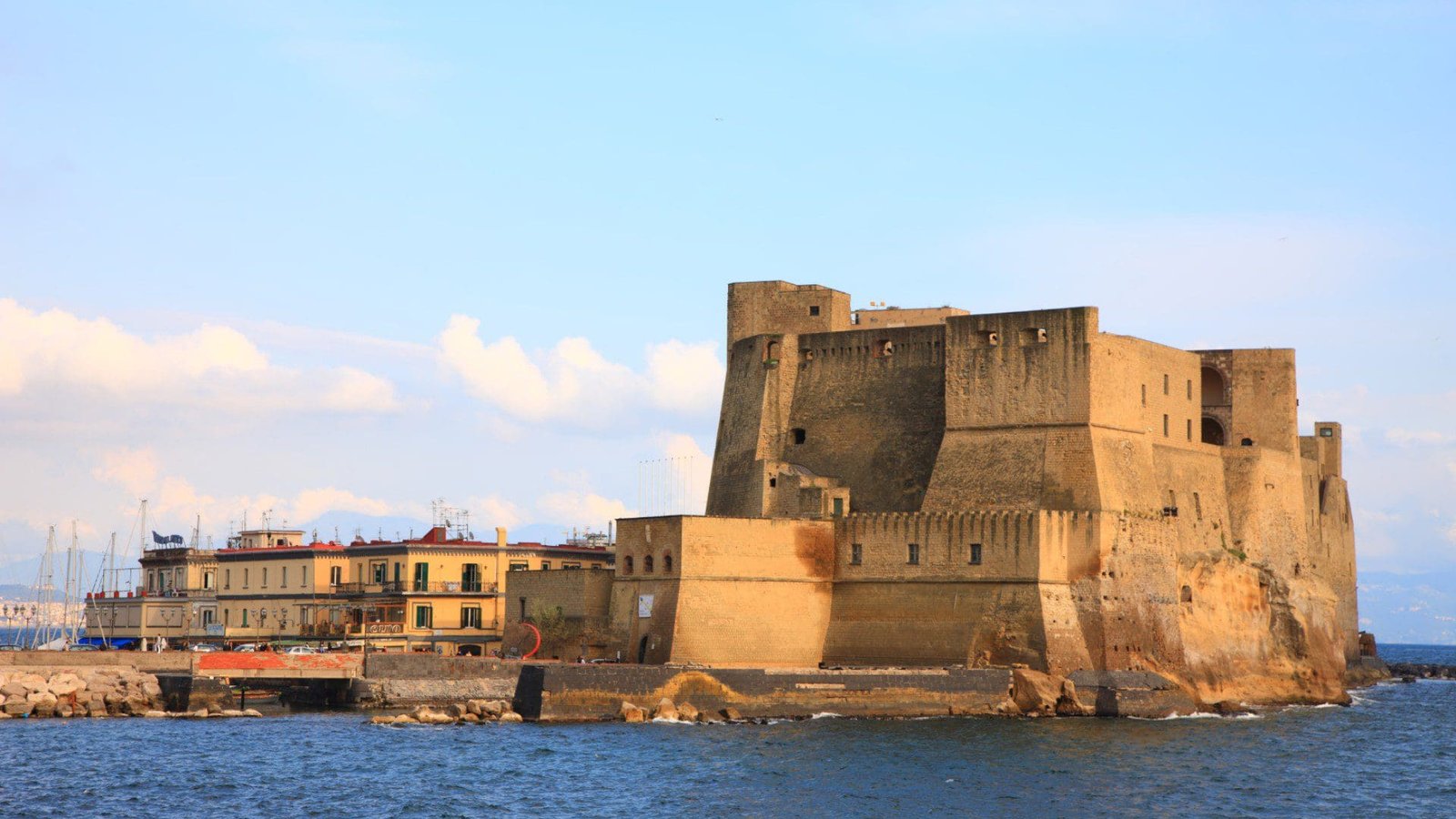
Castel dell’Ovo sits on a small island linked by a causeway, making it a scenic stop for views of the bay and Vesuvius. Legends say an egg was hidden in its foundations to guard the city. Walk the ramparts, take photos, and stroll the nearby waterfront at Borgo Marinari.
Sunset is ideal, and the area has seafood restaurants and cafés. Entry is often free, and the paths are easy, so it suits all ages. It is an excellent break during a coastal walk from Santa Lucia toward the seaside promenade.

Castel Nuovo (Maschio Angioino)
This fortress marks the port area near Piazza Municipio. Its round towers and triumphal arch tell the story of Angevins and Aragonese rule. Inside, the Hall of the Barons and small museum areas show art and history. It is easy to fit into a central day of sightseeing, with Piazza del Plebiscito and Galleria Umberto I.
Check opening hours and allow 60–90 minutes. The square outside is good for photos of the castle and passing trams. If you enjoy castles, pairing Castel Nuovo with Castel dell’Ovo gives two eras and two views in a short radius.

Piazza del Plebiscito, Royal Palace & Basilica
Piazza del Plebiscito is the grand open square of Naples. On one side sits the Royal Palace with furnished rooms and the historic theatre; on the other, the Basilica of San Francesco di Paola with a wide portico and dome. The nearby Galleria Umberto I, with its glass roof and mosaic floor, adds 19th‑century charm and a place to rest with coffee.
Walk the square, tour the palace rooms, then cross to the basilica for a quiet pause. This cluster makes a compact route with clear signs and easy access. If time is short, you still get a strong sense of Naples’ royal past in under two hours. To see more in less time, consider a guided walking tour that includes this area and the Spanish Quarter, which you can find on a mix of platforms like Trip.com.

Teatro di San Carlo (Opera House)
Opened in 1737, San Carlo is one of Europe’s oldest working opera houses. Its horseshoe auditorium, red and gold boxes, and stage machinery are impressive even without a performance. Guided tours explain the building and famous premieres.
If you can, book a ticket for opera, ballet, or a concert; prices vary, and upper tiers can be affordable. Dress code is smart casual unless noted. The theatre sits by Piazza del Plebiscito, so it fits neatly into a central walking day. Check schedules ahead, as tours pause during rehearsals.

Capodimonte Museum & Park
Set in a former royal palace on a hill, Capodimonte holds major works by Caravaggio, Titian, Raphael, and more. The collection ranges from Renaissance to contemporary, with space to see pieces without crowds. The surrounding park is large and green, with views over Naples, making it a restful end to a busy day.
Reach it by bus or taxi from the centre. Plan two to three hours inside and time for a park walk. If you enjoy art, pair Capodimonte with the Archaeological Museum on another day for a full picture of Naples’ culture. For timed entry or skip‑the‑line tickets, check what’s available on Tiqets.
Other places to visit outside Naples (Day trips)
Naples is a natural base for exploring the Bay of Naples and the Amalfi Coast. You can use regular ferries and trains, or join organised day tours if you prefer a simpler day.
-
Capri: Short ferry from Molo Beverello. Walk Capri town, ride up to Anacapri, see Villa San Michele, and take a boat tour around the island when seas are calm. For a stress‑free day, look for Capri small‑group boat trips and island tours on Klook.
-
Amalfi Coast (Positano/Amalfi/Ravello): Buses and boats link towns. Focus on one or two in a day. Expect crowds in summer; shoulder seasons are calmer. Consider a day tour or boat trip from Naples or Sorrento to avoid parking and bus queues – you’ll find a range of operators on GetYourGuide.
-
Royal Palace of Caserta: A vast palace with gardens and fountains, often called the “Versailles of Italy.” Easy train trip from Napoli Centrale. When planning your wider Italy route and train times, it can be handy to double‑check schedules with a metasearch tool such as KAYAK.
Where to stay: in or outside the centre
Naples has several different neighbourhoods that suit different styles and budgets. Where you stay will shape how you experience the city.
- Historic Centre / Via Toledo / Plebiscito: Best if you want walkable sights, food, and metro access. It can be lively and noisy at night, but you’re close to many highlights.
- Chiaia and Santa Lucia: By the waterfront, with calmer evenings and good restaurants. Slightly higher prices but a more relaxed feel.
- Near Napoli Centrale: Practical for early trains to Pompeii and the south. Pick reputable hotels and stay street‑smart, especially at night.
- Vomero / outside the centre: Quieter nights with metro/funicular links. Or base in Sorrento if you plan many day trips to the coast and Capri, then day‑trip into Naples once or twice.
To compare hotels and apartments quickly, we usually start with Booking.com for reviews and flexible cancellation.
Tip: Accommodation prices can vary hugely depending on travel dates. Before booking, see how we use Booking.com’s calendar tool to find cheaper hotel deals and reduce travel costs:
https://trustytraveltips.com/find-cheaper-hotel-deals-booking-com/
Travel costs (typical)
- Accommodation (per night): Budget €40–90; Mid‑range €100–180; Upscale €200–400+.
- Meals: Pizza/street food €6–12; Trattoria meal €15–30; Restaurant dinner €30–60.
- Coffee/pastry: €2–5.
- Local transport (metro/bus): Single €1.30–2.20; Day pass €4–6.
- Museum/sights: Most €5–18; Pompeii €16–22; Herculaneum €13–18; Vesuvius crater entry €10–15.
- Ferry to Capri (one way): €20–30+.
Costs change with season and how early you book. Using a low‑fee EUR card such as Wise can help you avoid extra bank charges when paying by card or withdrawing cash in Italy.
Suggested daily budgets
- Shoestring: €55–75 (hostel/private room, pizza/street food, transit passes, 1 paid sight).
- Comfort: €120–180 (mid‑range hotel, trattoria meals, a couple of paid sights, some taxis).
- Splash: €250–400+ (upscale stay, top restaurants, guided tours, ferries, events).
Money‑saving tips
- Buy combo passes (e.g. Campania Artecard) if visiting multiple museums and using transit.
- Prebook Pompeii/Herculaneum/Vesuvius to lock prices and times and avoid resellers.
- Eat where menus are in Italian and away from main squares for better value.
- Stand at the bar for cheaper coffee.
- Use tap water with a refillable bottle; many public fountains are safe.
- Travel in shoulder seasons for lower hotel rates.
- Validate paper tickets on trains/buses to avoid fines.
How to get around
- On foot: Walk the Historic Centre; distances are short, but streets are uneven, so wear good shoes.
- Metro: Lines 1 and 2 link many sights; day passes are good value for busy days.
- Funiculars: Connect the centre with Vomero and hill districts, with great views from the top.
- Taxis and rideshares: Useful at night or with luggage; use official stands or trusted apps.
- Trains: Circumvesuviana or Campania Express reach Pompeii and Herculaneum. Campania Express is faster and more comfortable in season.
- Ferries: Connect to Capri, Ischia, and Sorrento from Molo Beverello. Check times the day before in shoulder seasons.
- Car: Not needed for Naples itself and tricky with traffic and parking. If you plan a wider Amalfi or southern Italy road trip, consider picking up a car after Naples via a comparison site like DiscoverCars, then returning it before you head into big cities.
Best time to go
- April–June and September–October: Best mix of weather and crowds, good for outdoor sightseeing and day trips.
- July–August: Hot and busy; plan early starts, siestas, and evenings by the water.
- November–March: Cooler, fewer crowds, shorter hours; great for museums, food, and lower prices.
When you’re ready to explore beyond Naples, see our guides to other places in the Mediterranean and our coverage of Mediterranean and Viking cruises for more ideas.
Final Thoughts: Is Naples Worth Adding to Your Italy Itinerary?
Naples isn’t a polished, picture-perfect Italian city—and that’s exactly what makes it memorable.
It’s busy, energetic, and at times chaotic, but it offers a level of authenticity that’s hard to find in more tourist-focused destinations. From world-class pizza to centuries of history layered into its streets, Naples rewards travellers who take the time to explore beyond the surface.
For most visitors, the real strength of Naples is how easily it connects you to some of Italy’s most iconic experiences. Pompeii, the Amalfi Coast, Capri, and Mount Vesuvius are all within easy reach, making it one of the best bases in southern Italy.
If you approach Naples with realistic expectations and a flexible plan, it can become one of the most memorable stops on your trip — not just a gateway to somewhere else.
Watch our Video on Naples


