

Rome is a city where ancient history and everyday life sit side by side. You can walk between world-famous landmarks and stumble across ruins, churches and lively neighbourhoods almost everywhere you turn. Because Rome is also a popular cruise excursion stop from nearby Civitavecchia, crowds can build quickly around major attractions, particularly when several ships are in port. It’s worth checking CruiseMapper before your visit so you know how busy the city is likely to be on any given day.
Rome also features on many Mediterranean cruise itineraries, including lines such as Viking. If you’re visiting as part of a longer voyage, you might enjoy our Viking Mediterranean Odyssey review and our guide to what life is like onboard a Viking Mediterranean cruise.
This Rome travel guide keeps things practical and easy to follow. You’ll find the top places to visit, useful day trips, where to stay, realistic costs and budgets, money-saving tips, the best time to go and how to get around. Most importantly, it helps you plan enough time to actually enjoy the city.
The biggest mistake many visitors make — including us on our first trip — is trying to see Rome too quickly. The city is large, attractions are spread out, and crowds slow everything down. Trying to squeeze Rome into a single day usually leads to frustration. Plan on at least three to four days to experience the main highlights at a comfortable pace.
Before diving into individual attractions, it helps to understand how Rome fits together. Most major sights sit within walking distance, but queues, heat and crowds can quickly slow your day. We suggest grouping nearby attractions and planning early starts for the busiest sites, leaving afternoons for relaxed neighbourhood wandering and good food. The highlights below are organised to help you build a realistic sightseeing plan without rushing from place to place.
Rome Travel Guide: Quick Summary
- Ideal stay: 3–4 days
- Best for: History, landmarks, food, and culture
- Top highlights: Colosseum, Vatican, Pantheon, Trevi Fountain
- Cost level: Moderate to high
- Getting around: Walk + metro for longer distances
- Best areas to stay: Centro Storico, Monti, Trastevere
- Best time to visit: April–May and September–October
Is Rome Worth Visiting?
Yes — Rome is one of the most rewarding cities in Europe, especially for travellers interested in history, culture, and food.
The city offers a unique mix of world-famous landmarks and everyday local life, where ancient ruins sit alongside busy streets, cafés, and neighbourhoods. While it can be crowded and overwhelming at times, planning your visit well makes a huge difference.
👉 For most travellers, Rome is a must-visit destination and a key stop on any Italy itinerary.
Top Things To See & Do In Our Rome Travel Guide
Colosseum
The Colosseum is Rome’s most known site. Built under the Flavian emperors, it hosted shows for tens of thousands of people. Today, you can visit the arena, stands, and outside arches. Book timed-entry tickets online to reduce waiting. A guided tour helps you understand how events worked and gives access to areas like the underground on select tours. Go early morning to avoid crowds and heat. Wear good shoes; surfaces can be uneven. Security lines are standard, and large bags are not allowed. The Colosseum, Roman Forum, and Palatine Hill are covered by one combined ticket, which is good value if you plan your time. Bring a water bottle and refill at nearby public fountains. Photo spots are best from the east side near Via Labicana and at sunset from nearby viewpoints. Expect busy conditions, especially on days when cruise passengers arrive from Civitavecchia.
If you prefer everything organised, small-group Colosseum and Roman Forum tours on GetYourGuide
can bundle tickets, a guide and timed entry into one booking so you know exactly when your visit starts and finishes.

Roman Forum & Palatine Hill
The Forum was the centre of public life in ancient Rome. You can see temple columns, arches, and basilica remains that show how the city worked. Highlights include the Arch of Septimius Severus and the Temple of Saturn. Palatine Hill overlooks the Forum and has ruins of imperial palaces, plus green spaces and views of the Circus Maximus. A combined ticket also covers these sites along with the Colosseum.
Start at Palatine Hill to walk downhill through the Forum, which is easier on the legs. Take time to read signs or use an audio guide to connect the ruins with daily life in Rome. Go in the morning or late afternoon to avoid midday sun. Paths are rough in places, so wear stable shoes. Water and shade can be limited, so carry a bottle and hat. Allow two to three hours for both areas at a relaxed pace.

Pantheon
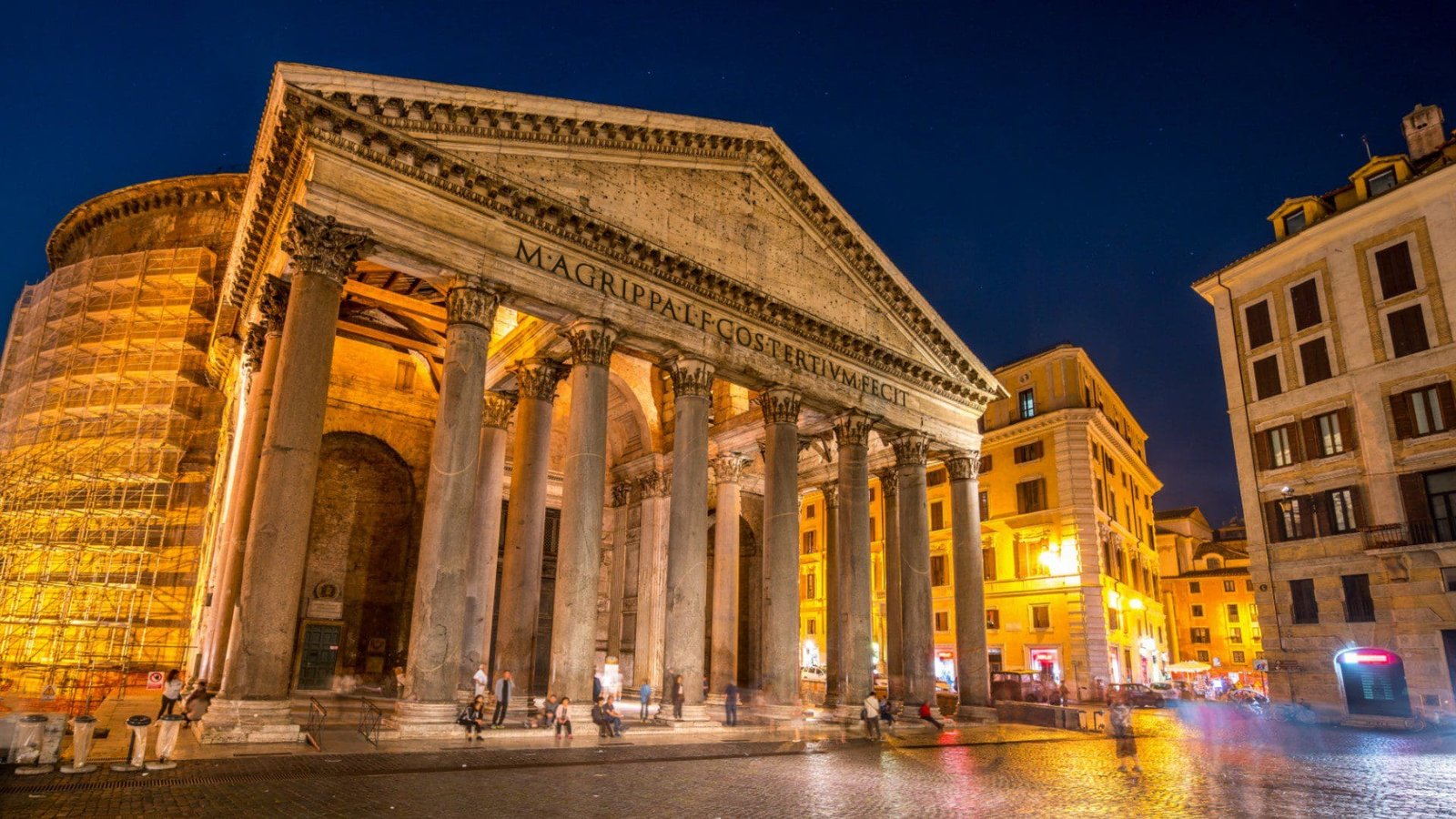
The Pantheon is a well-preserved temple turned church. Its dome is still the largest unreinforced concrete dome in the world. Light enters through the oculus, making a clear beam that moves during the day. Entry rules can change, and modest dress is required as it is an active church. Visit early to avoid crowds and tour groups. Step inside to see the perfect circle and the marble floor patterns. Check service times to avoid visiting during Mass if you are there for sightseeing.
The square outside has many cafés; prices can be higher, so consider standing at the bar if you just want a quick coffee. Take a few minutes to walk around the building to see the older brickwork and supports. Combine a visit with nearby sites like Piazza Navona and Trevi Fountain to make an easy walking loop through the historic centre.
Piazza Navona
Piazza Navona sits on the shape of an ancient stadium. It is known for fountains, street artists, and open space for resting during a walking day. Bernini’s Fountain of the Four Rivers sits at the center, with statues that represent major rivers from different continents. The church of Sant’Agnese in Agone adds a strong backdrop to the square.
Visit during late afternoon or evening when the square is lively and temperatures are lower. The area has many places to eat and drink; check menus before you sit to understand cover charges. Street performers are common, so keep an eye on your belongings. The square links well with a route that includes the Pantheon and Campo de’ Fiori. If you prefer quiet, go in the morning when vendors set up and crowds are thin. It is a good stop to rest, take photos, and plan your next move.

Vatican City: St. Peter’s Basilica & Museums
Vatican City holds St. Peter’s Basilica, St. Peter’s Square, and the Vatican Museums with the Sistine Chapel. Book museum tickets in advance to avoid long lines. Morning entries are calmer. The basilica is free but has a security line; dress modestly with shoulders and knees covered. Climb the dome for city views if you are comfortable with stairs and narrow spaces.
Inside the museums, follow signs to the Sistine Chapel and also give time to galleries like the Raphael Rooms. Guided tours can help with context and navigation through busy areas.
The square is a good place to pause and take photos of the colonnades. On major church days, queues can be longer. Cruise days add pressure on time slots, so book early if visiting from Civitavecchia. Plan at least half a day for the museums and basilica together, and bring water for the walk.

Trevi Fountain
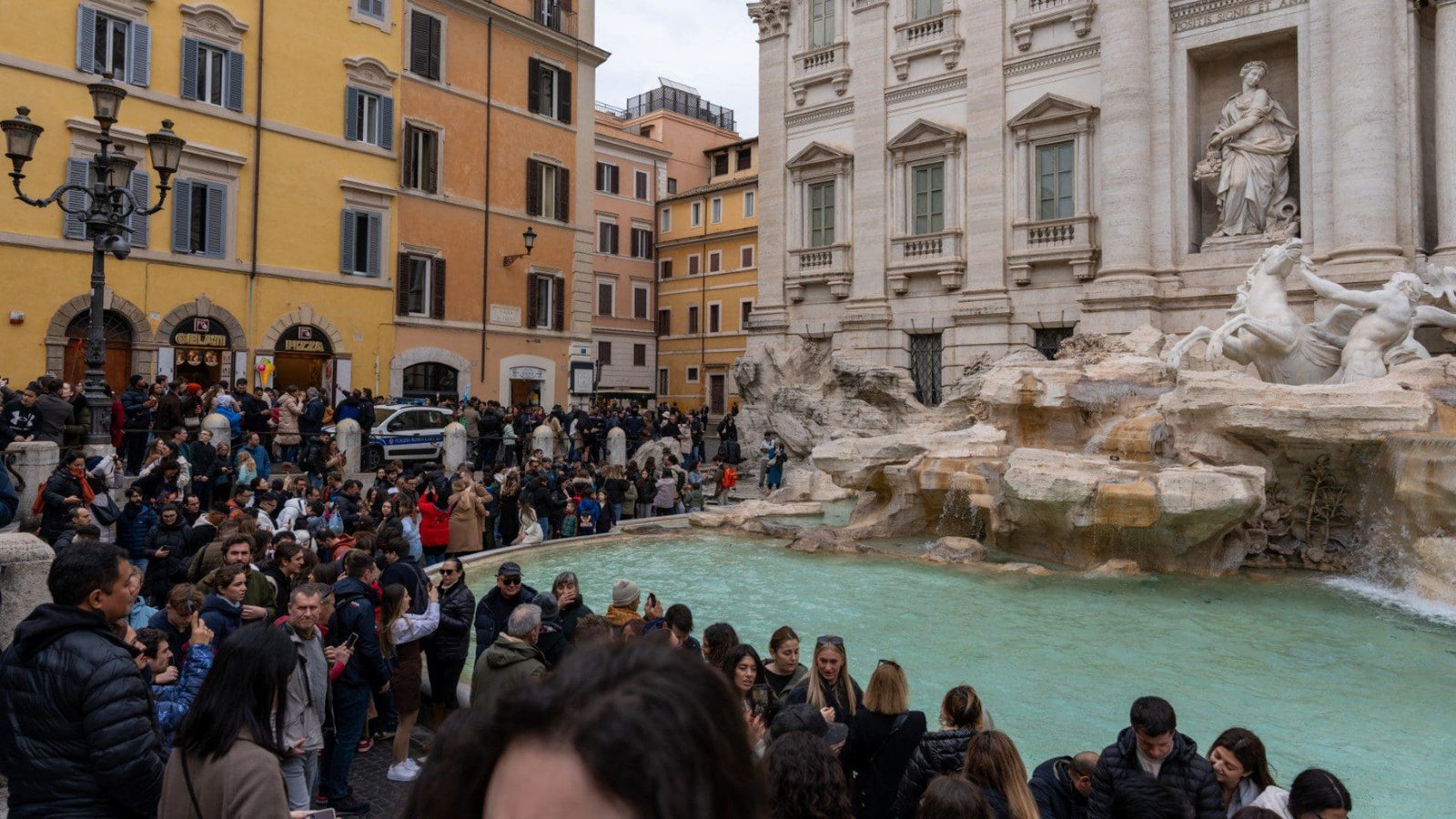
Trevi Fountain is known for the coin toss tradition: one coin to return to Rome. The fountain is busy most of the day. Go at dawn for fewer people, or late evening for a lit view. Be alert for pickpockets in tight spaces. Do not sit on the fountain edge or enter the water; fines are enforced.
After your visit, explore nearby gelato shops on quieter side streets rather than the main square. The fountain is part of an easy route with the Spanish Steps and the Pantheon. Watch your step on slick stones if it has rained. If you want a photo without crowds, plan your timing and be patient. Police often manage the flow of people during peak periods. The sound of the water is a nice break from street noise and marks a calm pause in a busy day.
Spanish Steps
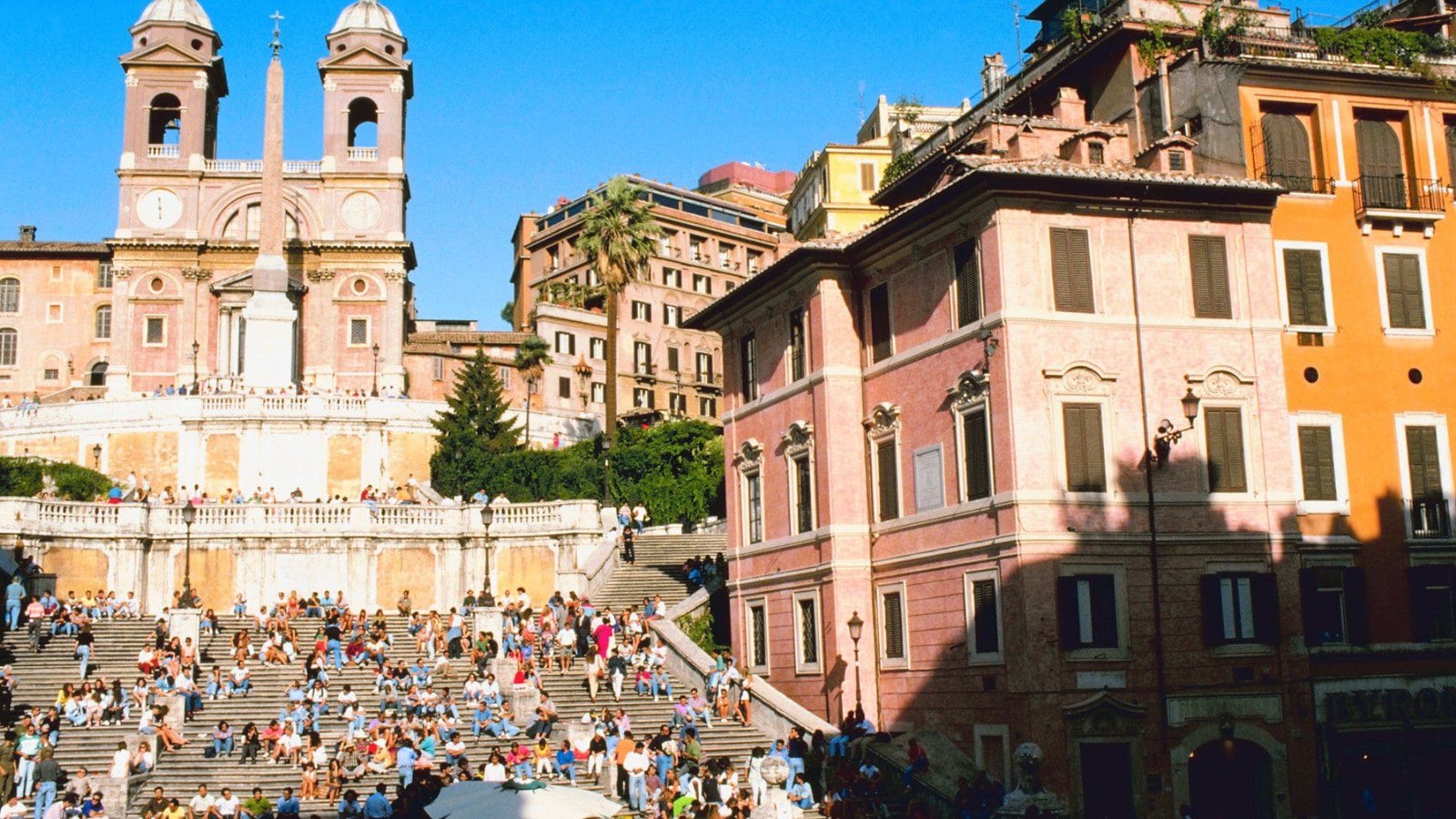
The Spanish Steps connect Piazza di Spagna with the church of Trinità dei Monti. People sit on the steps, but eating is restricted and fines are possible, so check local rules. The area is a hub for shopping streets and cafés. Go in the morning for calm and in spring for flower displays. The steps are close to the Keats-Shelley House, which you can visit if you enjoy literary history.
Combine the Steps with Trevi Fountain and the nearby Villa Borghese park for an easy half-day. Metro Spagna sits at the base, giving fast links across the city. The steps can be slippery when wet, so wear shoes with grip. Crowds build quickly when cruise buses arrive from Civitavecchia. Take short breaks in nearby side streets if you need quiet time away from the square.
Jewish Ghetto
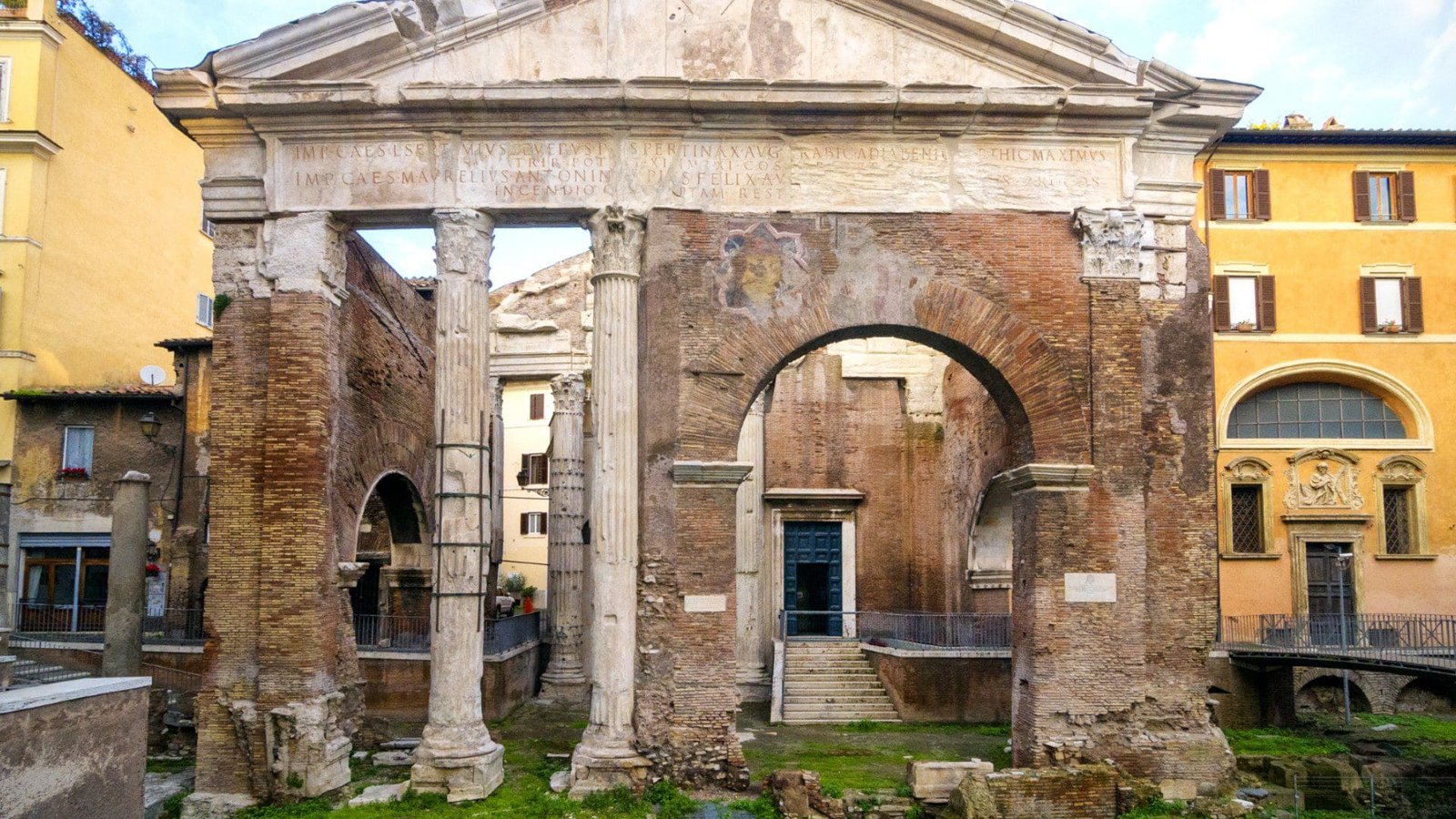
The Jewish Ghetto area shows a different side of Rome. It began as a restricted quarter and is now known for culture and food. Visit the Great Synagogue and museum of history. Try carciofi alla giudia (fried artichokes) when in season. The streets are narrow and shaded, making a good midday walk.
From here, you can reach the Tiber Island and Trastevere on foot. Book restaurants if you plan to dine on weekends. Prices vary, but lunch deals are common. Respect opening hours that may change on religious days. The area is compact, so you can see main sights in one to two hours, then continue to the Forum or Campo de’ Fiori. It is a good place to slow down and add variety to an ancient-ruins-focused trip.
How Many Days Do You Need in Rome?
A simple way to structure your visit:
Day 1: Colosseum, Roman Forum & Palatine Hill, Monti neighbourhood dinner.
Day 2: Vatican Museums, St. Peter’s Basilica, Castel Sant’Angelo area.
Day 3: Pantheon, Piazza Navona, Trevi Fountain, Spanish Steps, relaxed wandering.
Day 4 (optional): Trastevere, Jewish Ghetto, Villa Borghese, or a day trip such as Tivoli or Ostia Antica.
Try to visit major sights early morning or late afternoon, leaving midday for meals or quieter neighbourhoods.
Other Places to Visit Outside of Rome
- Tivoli (Villa d’Este & Hadrian’s Villa): Easy day trip by train or bus. See fountains and gardens at Villa d’Este and the vast ruins of Hadrian’s Villa. Allow a full day. If you prefer not to manage local buses, small-group day tours from Rome (often including both villas) are available on platforms like Klook.
- Ostia Antica: Ancient port city with streets, mosaics, and warehouses. Less crowded than central ruins. Reachable by metro + train from Piramide/Porta San Paolo. Plan two to four hours on site plus travel time.
- Orvieto: Hill town in Umbria reached by train. Visit the cathedral, underground tunnels, and views over the countryside. Slower pace and good food make a balanced day. You can compare train times and fares in advance on Rail Europe
if you prefer to book tickets before you travel.
Where to Stay (in or outside the “CBD”)
If you’re still deciding which area suits your budget and travel style, our detailed guide to finding accommodation in Italy compares hotel locations, pricing and tips across major Italian cities.
In Italy, we suggest these places:
- Centro Storico (Historic Center): Walk to the Pantheon, Trevi, and Navona. Higher prices, great access.
- Monti: Near Colosseum/Forum. Small hotels, cafes, and easy metro links.
- Trastevere: Local feel, nightlife, and tram access. Good for evening dining.
- Prati/Vatican Area: Quieter at night, close to the Vatican, good metro (Line A).
- Termini Area: Best for transport value and early trains; mixed vibe, choose carefully.
- Near Civitavecchia (outside Rome): Useful for early cruise departures or late arrivals. Trains connect to Rome for day trips.
If you’re continuing your trip beyond Rome, our Venice Travel Guide helps you plan transport, costs and timing for northern Italy.
Tip: Accommodation prices can vary significantly depending on your travel dates. Before booking, see our step-by-step guide on how we use Booking.com’s calendar tool to find cheaper hotel deals and lower overall travel costs.
Travel Costs (typical ranges per person)
- Accommodation (per night): Hostels €30–€60; budget hotels €80–€140; mid-range €140–€250+; peak season costs rise.
- Meals: Quick bites €6–€12; trattoria lunch/dinner €15–€30; sit-down dinner €25–€45 (excluding premium wine).
- Coffee/Gelato: Espresso €1–€2 at the bar; gelato €3–€5.
- Transport: Single metro/bus/tram ticket, about €1.50–€2 (time-limited). 24/48/72-hour passes offer value if you ride often.
- Major Sights: Colosseum/Forum/Palatine combo from ~€18–€24; Vatican Museums from ~€20–€30 plus booking fees; dome climbs extra.
Many travellers combine Rome with other Italian cities, particularly Venice and Naples, which are both easy to reach by train in just a few hours.
Suggested Budgets (per day, excluding flights)
- Shoestring: €70–€100 (hostel bed, street food/cheap eats, walking + day transit pass, 1 paid sight)
- Mid-Range: €150–€250 (3-star hotel or private room, two sit-down meals, multiple paid sights, metro/taxi as needed)
- Comfortable: €300–€450+ (4-star hotel, guided tours, nicer restaurants, taxis, dome climbs, timed entries)
Money-Saving Tips
- Book key sights (Colosseum, Vatican) in advance to secure official tickets and avoid reseller markups.
- It is often worth comparing official options on Tiqets before you look at third-party resellers.
- Use 24/48/72-hour transit passes if you ride more than twice daily, especially on full sightseeing days when you cross the city several times.
- Drink free water from public fountains (nasoni); carry a reusable bottle instead of buying bottled water each time.
- Eat away from main squares; look for “menu del giorno” lunch deals and where locals are eating rather than the busiest tourist terraces.
- Stand at the bar for coffee to avoid table service fees where they apply, especially around the Pantheon, Trevi and Piazza Navona.
- Choose combined tickets (Colosseum + Forum + Palatine) rather than separate entries wherever possible to keep costs down.
- Visit in shoulder seasons for lower hotel rates and lighter crowds, especially with cruise traffic from Civitavecchia.
- Consider a low-fee multi-currency card such as Wise
to reduce foreign transaction and ATM fees compared with many standard bank cards. - For peace of mind on flights, cruises and trains, arrange travel insurance before you leave home through a comparison site like VisitorsCoverage.
- If you rely on maps and apps, an eSIM such as one from Airalo
can be cheaper than roaming and saves time hunting for local SIM shops.
Best Time to Go
- Shoulder seasons (April–May, late September–October) balance weather and crowds. This is best for easier museum visits and lower prices.
- Summer (June–August) is hot and crowded, with many cruise day-trippers. Book everything early and plan early-morning or evening sightseeing with midday breaks.
- Winter (November–March, excluding holidays) is cheaper, cooler, and quieter; shorter daylight and some reduced hours apply, but it can be ideal for museums and food-focused trips.
How to Get Around
- Walking: Most sights in the centre are walkable; wear good shoes and expect cobblestones and uneven pavements.
- Metro/Bus/Tram: Simple for longer hops. Buy time-based tickets or day passes; validate when you start. Buses can be crowded at peak times but are useful in the evening when the metro closes.
- Taxis/Ride-hailing: Use licensed taxis from official stands. Fixed-rate official taxis serve Fiumicino Airport to central Rome; confirm the rate on the door before you get in. Pre-booked shared transfers are also available on platforms such as Klook if you prefer to have transport arranged in advance.
- Train: Fast for day trips (Tivoli via bus/train, Ostia Antica via metro+train, Orvieto by regional train). You can plan and pre-book intercity and regional routes on Rail Europe
so you know your timings before you arrive. - From Civitavecchia: Frequent trains to Rome; allow time for port transfers and city connections. Build in a buffer on the way back so you are not rushing to re-board your ship. If you are visiting Rome as part of a longer itinerary, our Viking Mediterranean Odyssey cruise guide
gives a good idea of how Rome fits into a typical Mediterranean cruise schedule. - Navigation and tickets: Offline maps and transit apps are handy.
lets you stay connected for route planning, translations and ride bookings without relying on hotel Wi‑Fi.
Final Thoughts on Visiting Rome
Rome rewards travellers who slow down. The best memories often come not just from major sights like the Colosseum or Vatican, but from wandering side streets, enjoying long meals, and discovering small neighbourhood squares away from crowds.
Plan enough time, start busy days early, and leave room in your itinerary to explore without a schedule. Rome is a city best enjoyed at a relaxed pace.
Many travellers continue on to Venice, Florence or Mediterranean cruises after Rome, and planning your next destination early makes travel smoother and less stressful.
Whenever you visit, Rome has a way of drawing people back again.
Watch our video on our visit to Rome


