It Happened to Us — And We Thought We Were Careful
It can happen to anyone. Anywhere. Even when you think you’ve done everything right.
You can have travel insurance. You can follow smart routines. You can consider yourself organised and cautious. And still, one small lapse in your travel safeguards can unravel an entire itinerary.
It happened to us.
We were staying at the Kruisherenhotel in Maastricht after enjoying an André Rieu concert the night before. We had arrived by train from Amsterdam and were preparing to move to another hotel closer to the station before spending the day exploring Maastricht ahead of our train to Cologne.
Mid-morning, while packing, Nawa suddenly said, “My passport isn’t here.”
At first, we weren’t worried. It had to be somewhere.
We emptied both suitcases. We checked every compartment of both backpacks. We retraced every step from the previous 24 hours.
Nothing.
The last time we clearly remembered using our passports was in Amsterdam the day before.
It was December. Cold. We were wearing heavy jackets. I keep my passport in the inside pocket of my coat — the closest and safest place I can think of. Most women’s jackets don’t have that luxury. Nawa kept hers in a zipped pocket inside her backpack.
Somewhere between Amsterdam and Maastricht, within 24 hours, it was gone.
Lost? Stolen? We still don’t know.
The only clue: the zipped pocket in her backpack was open.
The Reality of Losing a Passport Abroad

The rest of the day disappeared into admin.
We reported it to the hotel. They advised contacting the police in case it had been handed in. Hours were spent filing a lost passport report. Then we contacted the Thai embassy.
The advice was clear: Nawa would need an emergency temporary passport to leave the Schengen zone and re-enter Thailand. The nearest Thai embassy was in Munich.
Thankfully, our route already included Cologne, Nuremberg and Munich by train. But what was meant to be sightseeing days became embassy logistics days instead.
It took another half day in Munich to secure the temporary passport. We were lucky. We had digital copies and printed copies of all our documents. Without those, the process would have been far slower and far more stressful.
Financially, the damage was under $200 in fees and phone calls.
Emotionally? Far more.
Anxiety. Missed attractions. Disrupted plans. Constant background stress.
That experience changed how we approach travel safeguards forever.
What That Experience Changed for Us
We didn’t become paranoid travellers.
But we became structured travellers.
We stopped assuming “it won’t happen to us” and started building small, repeatable systems into every trip.
If you’re building your own systems, this pairs well with our guide to Travel Essentials.
Here are the safeguards we now follow every single time.
Our “Always On Us” Rule for Transit Days
On travel days, our core valuables stay on our body — not in our bag.
Our “core four”:
-
Passport
-
Primary bank card
-
Phone
-
Small amount of cash
If we are travelling in warmer weather without the luxury of inside pockets in a jacket to hold these then I will wear a money belt or small cross body bag to store our essential items.
The goal isn’t to look paranoid.
It’s to make it difficult for someone to access essentials without us noticing.
How We Pack and Split Valuables (So One Loss Isn’t a Disaster)
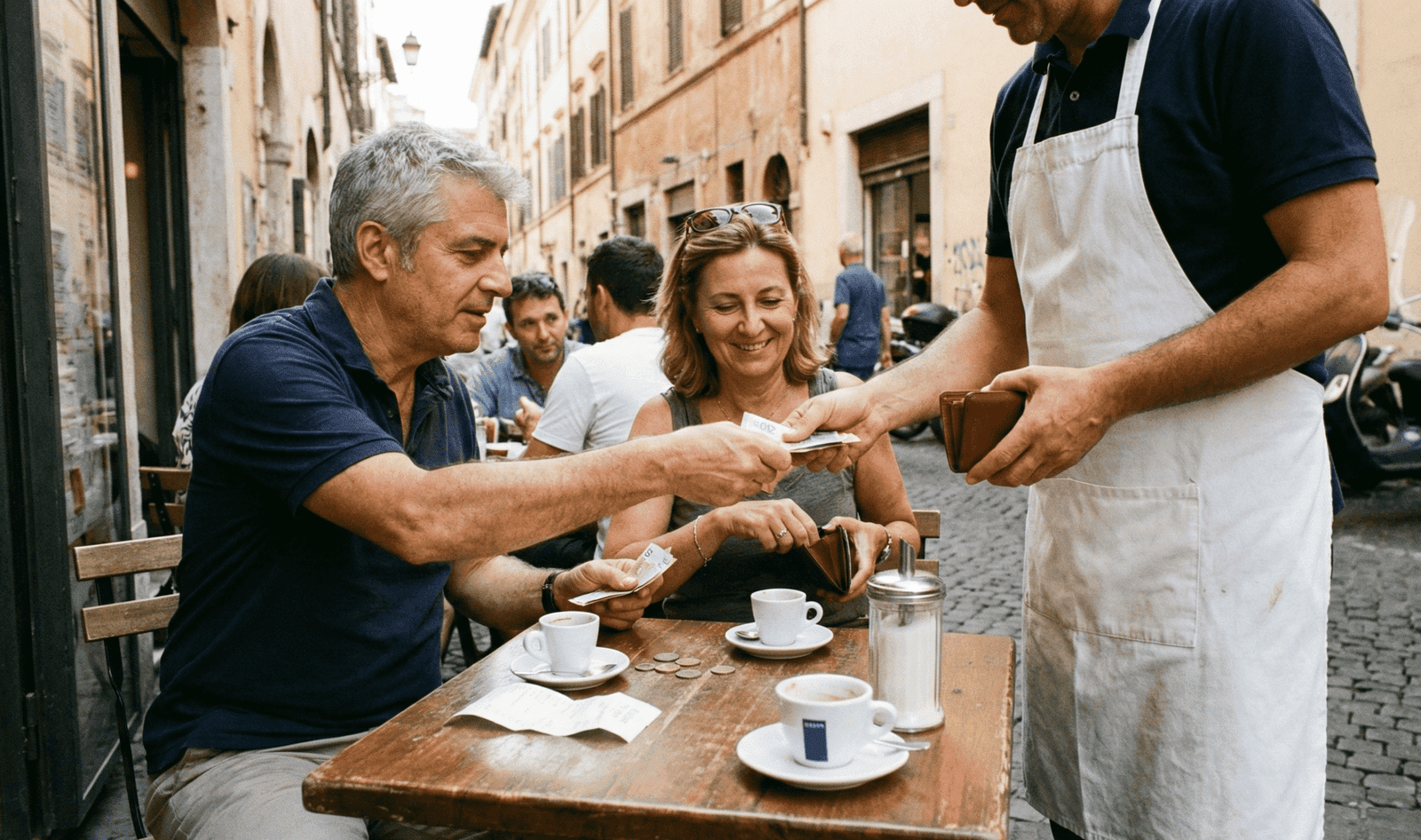
One of the biggest mistakes travellers make is keeping everything in one place.
We now split valuables deliberately:
Wallet (easy access):
Small cash + one everyday card
Secondary stash (hidden):
Backup card + emergency cash
Accommodation safe or locked bag:
Only items we can afford to be without temporarily
When travelling as a couple, we split cards and documents between us.
That way, if one bag disappears, the trip doesn’t stop.
For broader planning tips, see our article on Finding Accommodation in the Netherlands — location and logistics matter more than people realise.
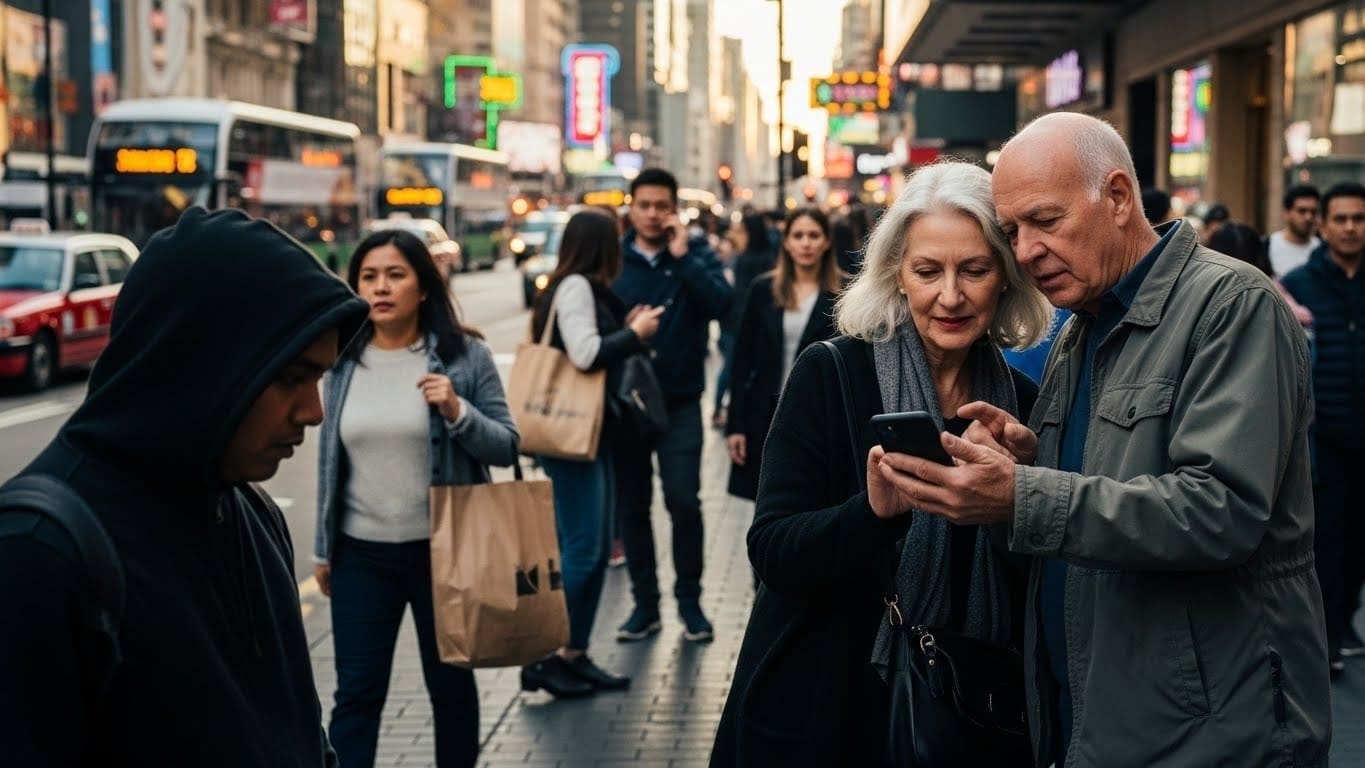
The Simple Anti-Pickpocket Habits We Use in Busy Cities
Pickpocketing is rarely dramatic. It’s distraction first — then the grab.
Our habits are simple:
-
No phones on café table edges
-
No bags hanging on chair backs
-
No valuables in back pockets
-
Zips always fully closed
-
Bag worn in front in crowds
We also avoid looking like easy targets:
-
Minimal jewellery
-
Phones secured between photos
-
Step aside before checking maps
Confidence and awareness are powerful safeguards.
If you’re travelling in Europe, this complements our guide to Common Travel Scams and How to Avoid Them.
Using Tech in 2026: Trackers, Secure Phones & Safer Wi-Fi

Technology won’t stop theft.
But it can dramatically reduce uncertainty — and that alone lowers stress when something goes wrong.
Trackers
We now use small trackers in our checked luggage and in the backpacks that carry important items.
If a bag is delayed, misplaced, or taken, we can see its last known location within minutes. That doesn’t guarantee recovery, but it removes the horrible “we have no idea where it is” feeling.
Trackers are especially useful for:
-
Checked luggage on multi-leg flights
-
Train travel with overhead storage
-
Busy stations where bags are briefly out of sight
They don’t prevent theft — but they shorten reaction time. And in travel situations, speed matters.
(As for passports — no, they don’t come with trackers built in. Which is exactly why where you store yours still matters more than any gadget.)
Secure Phones
Your phone is now your wallet, boarding pass, banking app, maps, translator and travel planner.
Losing it can lock you out of almost everything.
Before every major trip, we make sure:
-
A strong passcode is enabled (never a simple 4-digit code)
-
Face/Touch ID is active
-
We share each others ‘Find My Phone’ so if one goes missing the other can find it
-
Cloud backup is current
-
Two-factor authentication is enabled on banking and email accounts
It takes five minutes to check these settings — and it can save days of disruption.
Public Wi-Fi: Treat It as Untrusted
We assume public Wi-Fi is insecure.
That means:
-
No banking logins on open networks
-
Mobile data used whenever possible.
On longer International trips, we often buy a regional eSIM before we land so we can use mobile data immediately instead of relying on public Wi-Fi. We’ve used Airalo for this because it’s simple to install and avoids the hassle of finding a local SIM at the airport.
-
Two-factor authentication on key accounts
-
Considering a VPN if using hotel or airport Wi-Fi frequently
Most travel theft today isn’t physical — it’s digital. A compromised phone can be more disruptive than a stolen wallet.
Money Protection: Why We Use the Wise Travel Card
One financial safeguard we rely on is the Wise Travel Card .
What we like:
-
Multi-currency support
-
Competitive exchange rates
-
Real-time app monitoring
-
Instant freeze function if lost
If a card disappears, we can freeze it immediately from the app. That alone reduces stress significantly.
We still carry a backup card separately. No single card should be your only access to funds.
Travel Insurance: The Backup Plan We Don’t Skip
Insurance won’t prevent loss.
But it prevents financial disaster.
A good policy can help with:
-
Stolen belongings
-
Emergency document replacement
-
Trip disruption
-
Unexpected expenses
We compare policies through VisitorsCoverage before major international trips — especially when travelling across multiple countries or carrying valuable gear.
If you’re unsure what to look for, see our full guide on Why You Need Travel Insurance and What to Check Before You Buy .
Quick Checklist: What We Do Before Leaving the Room
This takes two minutes and prevents hours of stress:
-
Phone charged + power bank packed
-
Passport stored in the same place every time
-
One active card + backup separated
-
Bag fully zipped
-
Tracker in key bag
-
Digital copies stored securely
-
Aware of high-risk moments that day (train stations, markets, tourist zones)
Small systems. Big impact.
Final Thoughts
Travel isn’t risk-free.
But it doesn’t have to be fragile.
A few smart routines. Copies of documents. Split valuables. Backup plans.
That’s what travel safeguards really are.
Not fear.
Just quiet systems that let you relax — even when something goes wrong.
Watch Our Video On Travel Safeguards