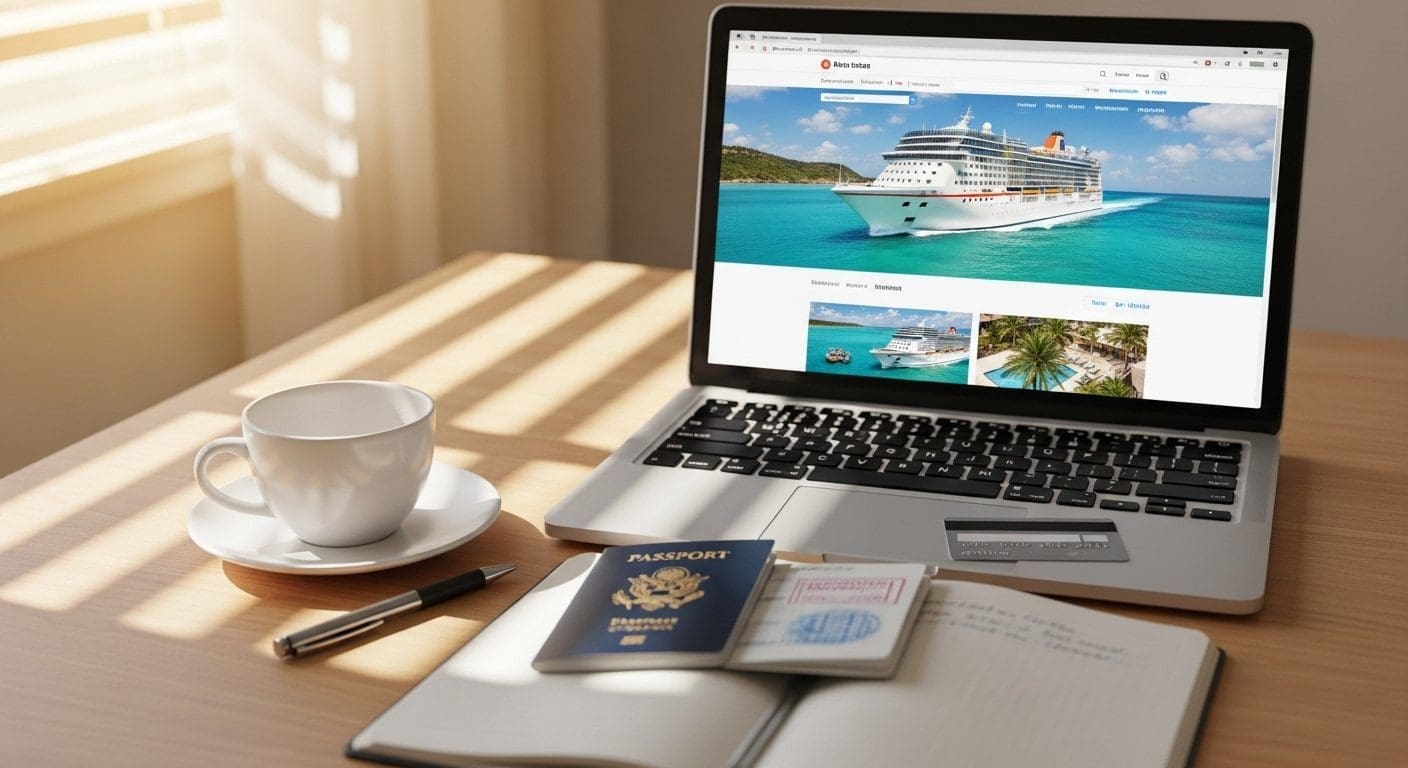

Luxury travel on a budget isn’t about pretending everything is cheap. It’s about being strategic so you can enjoy the things that feel “premium” (better seats, better stays, better meals) without paying full price.
In this post, we’re sharing the same approaches we use when we want the comfort of business class, the space of a private villa, or a special dinner out—while still keeping our overall spend under control. These are the tools and habits that make luxury travel on a budget realistic for everyday travellers, not just frequent flyers.
Luxury Travel on a Budget: Quick Summary
- Best strategy: Combine timing, flexibility, and smart booking tools
- Biggest savings: Off-peak travel and last-minute deals
- Flights: Use points or track business class prices
- Accommodation: Look for villas, apartments, or discounted luxury hotels
- Food: Choose high-end lunches instead of dinner
- Transport: Upgrade selectively for key moments
- Key mindset: Spend where it matters, save where it doesn’t
Is Luxury Travel on a Budget Really Possible?
Yes — but it requires a different approach to how most people plan trips.
Luxury travel on a budget isn’t about making everything cheap. It’s about choosing where to spend for maximum impact, while saving in areas that don’t matter as much. By combining smart timing, flexible planning, and the right tools, many travellers can enjoy premium experiences without paying full price.
👉 The key is being selective, not restrictive.
Luxury travel on a budget: our 10 tips
Start with travel reward points
If we had to pick one tool that changes everything, it’s points. Travel rewards credit cards (and airline/hotel programs) can turn everyday spending into flights, hotel nights, and upgrades.

What we do
- Pick a points program that matches how we actually travel (airline miles, hotel points, or flexible bank points).
- Pay attention to sign‑up bonuses (these can be the fastest way to earn a meaningful balance).
- Redeem for high‑value bookings (often long‑haul flights or peak‑season hotels).
What to watch for
- Annual fees: sometimes worth it for lounge access and perks, sometimes not.
- Redemption rules: some points are easier to use than others.
- Interest: we only recommend this if you pay the balance in full.
If you’re new to points and still paying mostly in cash, pairing a simple points card with a low‑fee travel card like Wise can help you earn rewards while still getting great exchange rates and avoiding unnecessary fees.
Use last-minute luxury deals (with a backup plan)
If your dates are flexible, last‑minute can be a sweet spot for luxury hotels. Some hotels would rather discount a room than leave it empty, which is where luxury travel on a budget really shines.
Where we look
- Last‑minute hotel deal apps and flash‑sale sites (often focused on 4–5 star stock).
- Hotel websites directly (sometimes they match or beat third‑party prices).
- Major booking platforms like Booking.com, where we can filter by rating, review score, and deals.
Our backup‑plan method (this matters)
- We book a cancellable rate in advance (so we’re covered).
- We then hunt for a better deal closer to the trip.
- If we find a better option, we cancel within the free‑cancellation window.
- If we don’t, we keep the original booking and avoid stress.
This way we get the best of both worlds: security if deals don’t appear, and the option to “trade up” if prices drop.
Tip: Accommodation prices can vary hugely depending on travel dates. Before booking, see how we use Booking.com’s calendar tool to find cheaper hotel deals and reduce travel costs.

Travel in the off-peak or shoulder season
Timing does a lot of the work for you. The same resort, same room type, and same views can cost far less just because it’s not peak season.
How we use this
- Aim for “shoulder season” (spring or autumn) when weather is still good but crowds are smaller.
- Avoid school holidays where possible.
- Book popular destinations outside their busiest months.
Extra wins of travelling off‑peak
- Better service (staff aren’t stretched).
- Easier restaurant reservations.
- More peaceful pools, beaches, and attractions.
We often start by checking flexible dates on KAYAK so we can see at a glance which weeks have cheaper flights. That usually lines up nicely with better hotel pricing too.

Book a “luxury” apartment or villa instead of a five-star hotel
Hotels are great, but luxury stays aren’t limited to hotels. We’ve found that private rentals and serviced apartments can give you more space and privacy for a similar (or lower) price—especially if you’re travelling with friends or family.
What we filter for
- Entire place (not a room).
- High review count and high average rating.
- Amenities that matter to us (pool, view, kitchen, washer/dryer, air‑conditioning).
Why it can feel “more luxe”
- You can have your own pool, terrace, or living area.
- You can cook breakfast at home and spend more on one great dinner out.
- You’re not paying for hotel extras you won’t use (like business centres or daily housekeeping).
On sites like Booking.com we’ll often filter for apartments, villas, or aparthotels in the 8.5+ review range. That’s where we tend to find “quiet luxury” without the full five‑star price tag.
Set alerts for business and first class prices
Premium cabin pricing moves around. Sales happen, and sometimes routes drop in price for short windows. If business class is part of your luxury travel on a budget wish list, tracking prices is essential.
What we do
- Set flight price alerts for business class on routes we’re willing to fly.
- Stay flexible with departure days (mid‑week often helps).
- Check nearby airports if that’s practical.
A solid starting point is using flexible date searches on KAYAK, which lets you compare premium cabins across airlines and dates.
Tip: Even if you don’t book business class outright, tracking prices teaches you what a “good” price looks like on your routes, and helps you spot genuine deals vs clever marketing.
Use airport lounge access even when flying economy
Lounges can make an economy trip feel far more luxurious. Free food, drinks, Wi‑Fi, quieter seating, and sometimes showers can change the whole day—especially on long layovers.
How we access lounges
- Credit cards that include lounge entry (often via lounge networks).
- Buying a lounge pass occasionally (if it makes sense for a long stopover).
- Sometimes through airline status or paid upgrades on individual flights.
When we think it’s worth it
- We’ve got a long wait between flights.
- Airport food is expensive.
- We’re travelling early morning or late night and want a calmer space.
We also factor this into our overall trip budget using our Travel Budget Planner, so lounge visits feel like an intentional treat, not an impulse add‑on.

Do Michelin-style dining at lunch
Fine dining doesn’t always mean dinner. Many top restaurants offer a lunch menu that’s much cheaper than their evening tasting menu, while still delivering the same level of cooking and service.
How we plan it
- Book lunch sittings and treat it as our “main event” meal.
- Keep dinner simple (or even do a picnic or room‑service‑style snack).
- Research fixed‑price or set lunch menus in advance.
Why lunch works so well
- Lower price point for similar quality.
- Often easier to get a booking.
- You still get the full experience of the kitchen and service.
In some cities, we’ll pair this with a walking tour from GetYourGuide—a neighbourhood tour in the morning, lunch at a special spot, then a relaxed, low‑cost afternoon.

Upgrade your ground transport (selectively)
We don’t upgrade every ride, but we do it when it adds real value—like after a long flight, or when we’re heading out for a special night.
Options we use
- Premium ride‑share tiers (when available).
- Pre‑booked airport transfers (if the price is close to taxis).
- Public transport most of the time, then a nicer ride for key moments.
For road trips, we compare car rental prices on DiscoverCars and sometimes choose a slightly nicer vehicle class if it’s only a small jump in price. A comfortable car can make a big difference on long drives without blowing the budget.
Plan one paid “wow” experience
Trying to “live luxe” every day is where budgets break. We prefer choosing one standout experience and doing it properly.
Examples of “wow” moments
- A spa afternoon.
- A private tour (or very small group tour).
- A fancy set‑menu lunch.
- A scenic flight or boat trip.
How we keep it controlled
- Decide the one splurge before the trip.
- Balance it with free or low‑cost days (beaches, walks, markets).
- Book early if it’s popular, so we’re not forced into expensive last‑minute options.
For special tours and activities, we often use GetYourGuide to compare prices and reviews, then pick one or two “wow” experiences that really matter to us.

Ask politely for upgrades
This is simple, and it works more often than people think—especially in quieter periods. It’s one of the easiest ways to add a touch of luxury travel on a budget.
Where we ask
- Hotels (room category upgrades, higher floor, better view).
- Car hire desks (better vehicle class).
- Airlines (standby upgrades or paid upgrade offers at check‑in).
How we ask (our script idea)
- Be friendly, keep it short, and accept “no” gracefully.
- If there’s a special occasion (birthday, anniversary), mention it calmly without overdoing it.
- Ask in a way that shows you understand it depends on availability, e.g. “If you happen to have any complimentary upgrades today, we’d really appreciate it.”
Important: Upgrades depend on availability. We never plan a trip assuming we’ll get one—but it’s a great bonus when it happens.
By combining these strategies—smart points use, well‑timed bookings, off‑peak travel, and a few carefully chosen splurges—you can enjoy luxury travel on a budget that still feels special, without waking up to a frightening credit card bill when you get home.
Final Thoughts: Making Luxury Travel Affordable
Luxury travel on a budget isn’t about cutting corners—it’s about making smarter choices.
By focusing on what actually improves your experience, whether that’s a better room, a more comfortable flight, or a memorable meal, you can create a trip that feels far more premium without dramatically increasing your budget.
The biggest difference comes from planning ahead, staying flexible, and understanding where real value exists. Once you start thinking this way, luxury travel becomes far more accessible than most people expect.
Watch our video on how to enjoy Luxury Travel on a budget