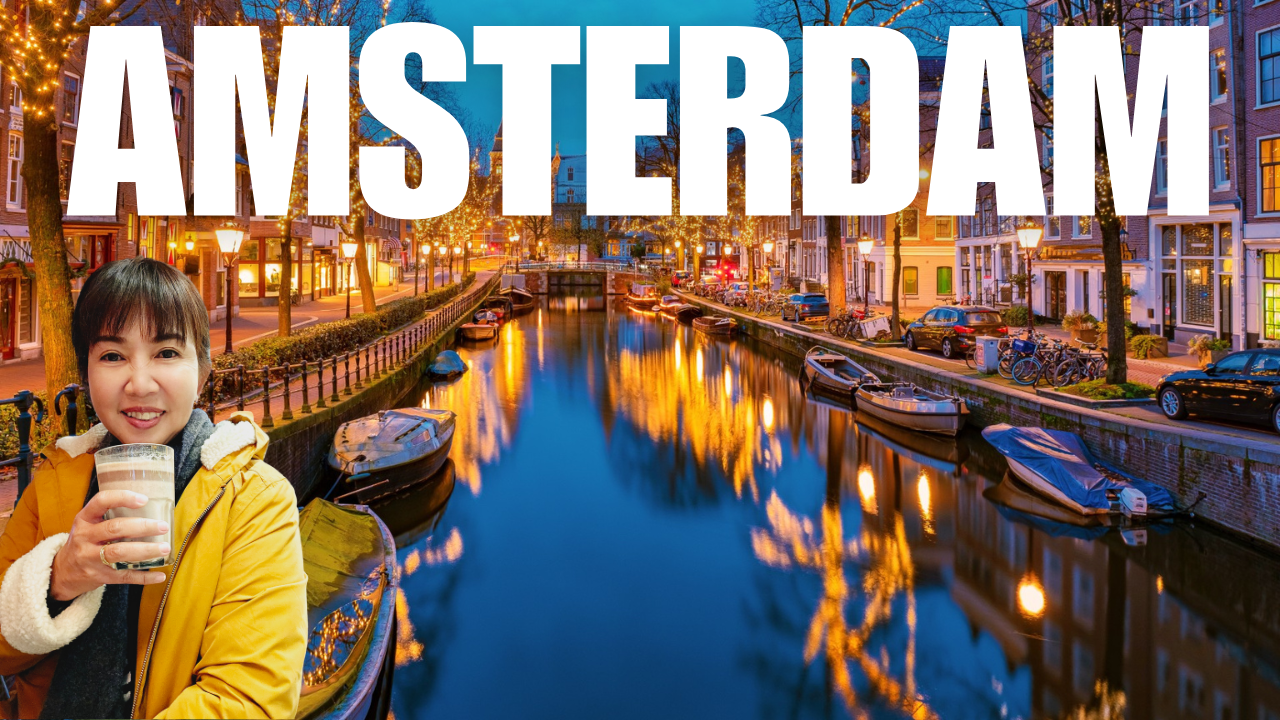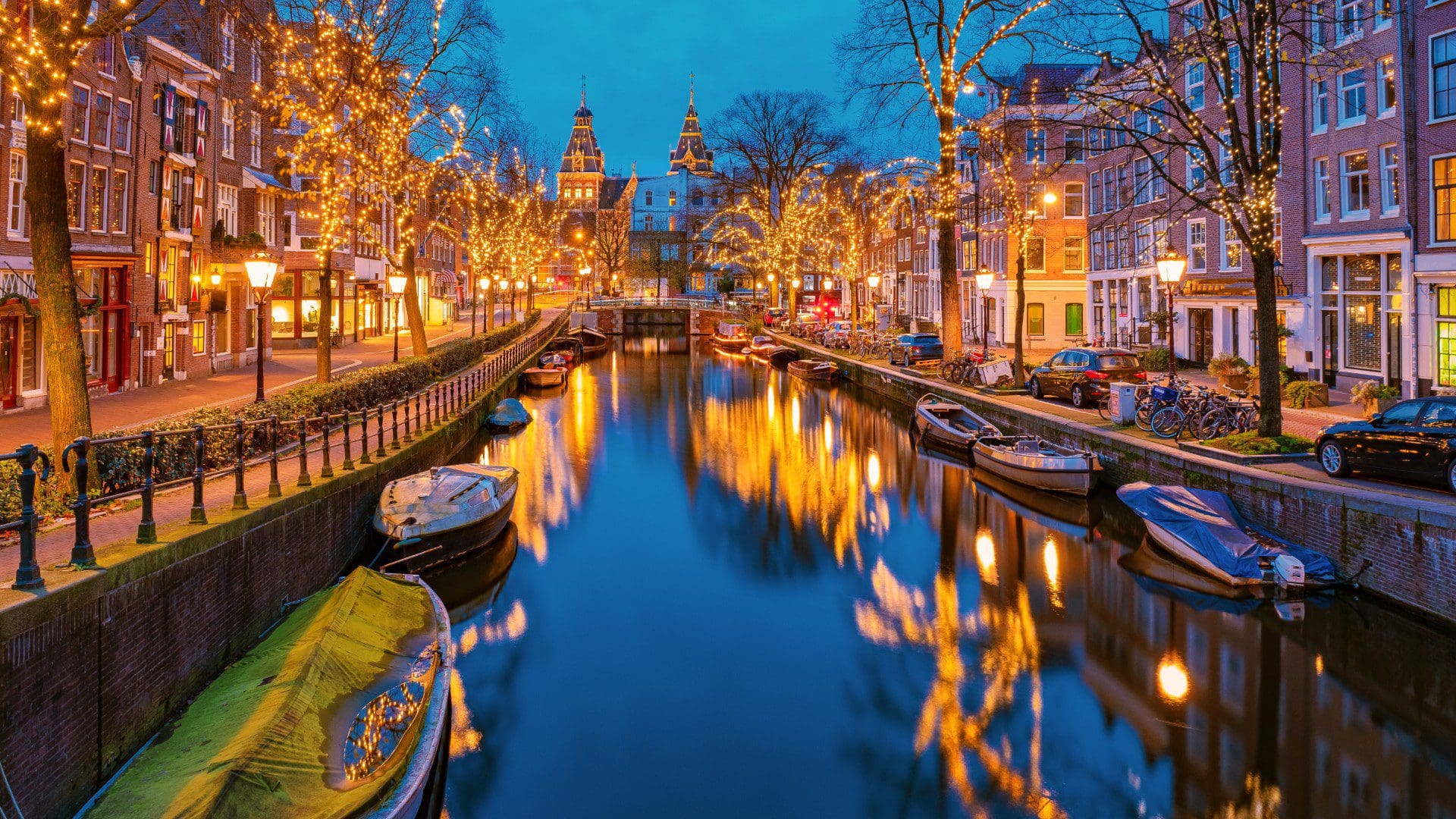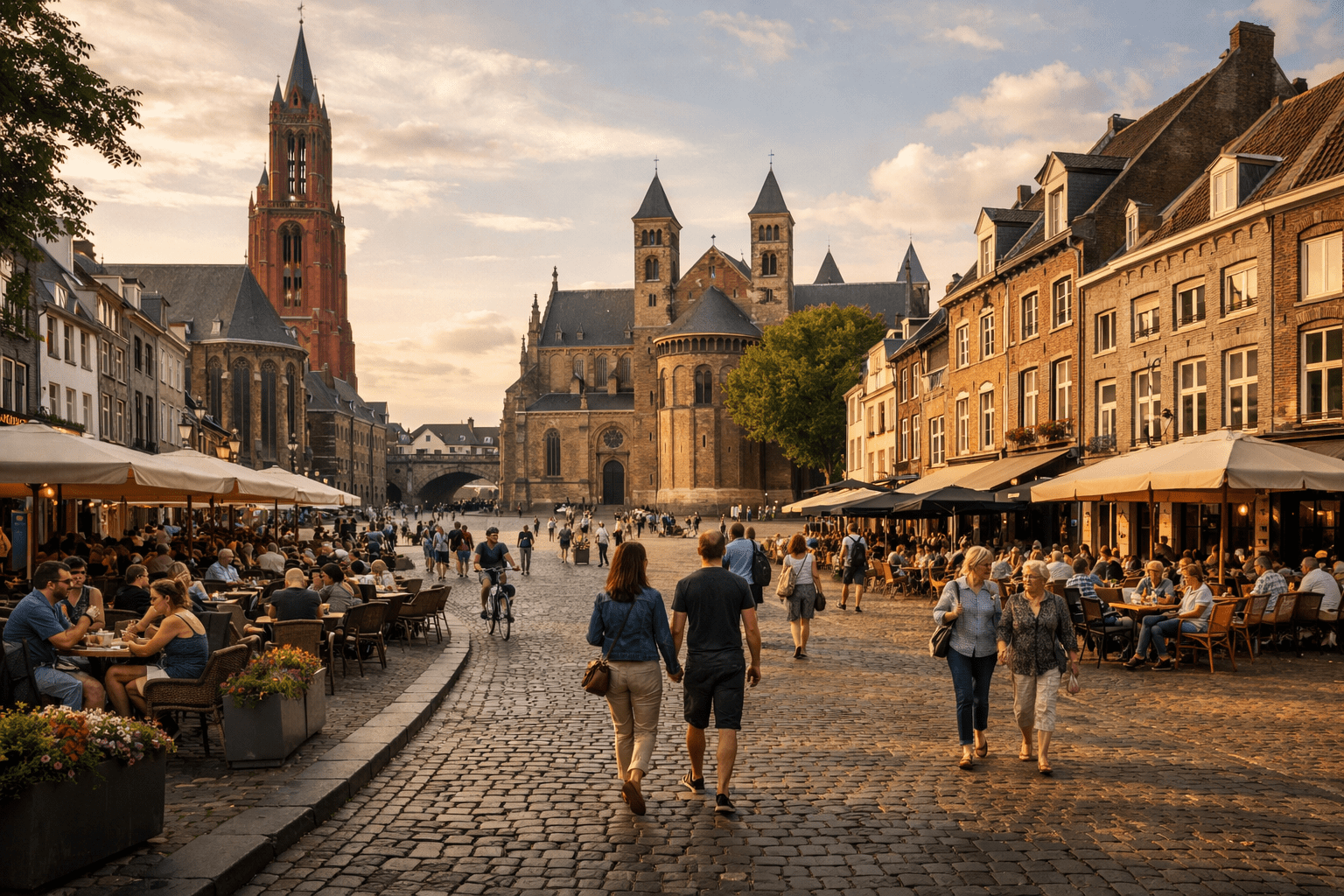
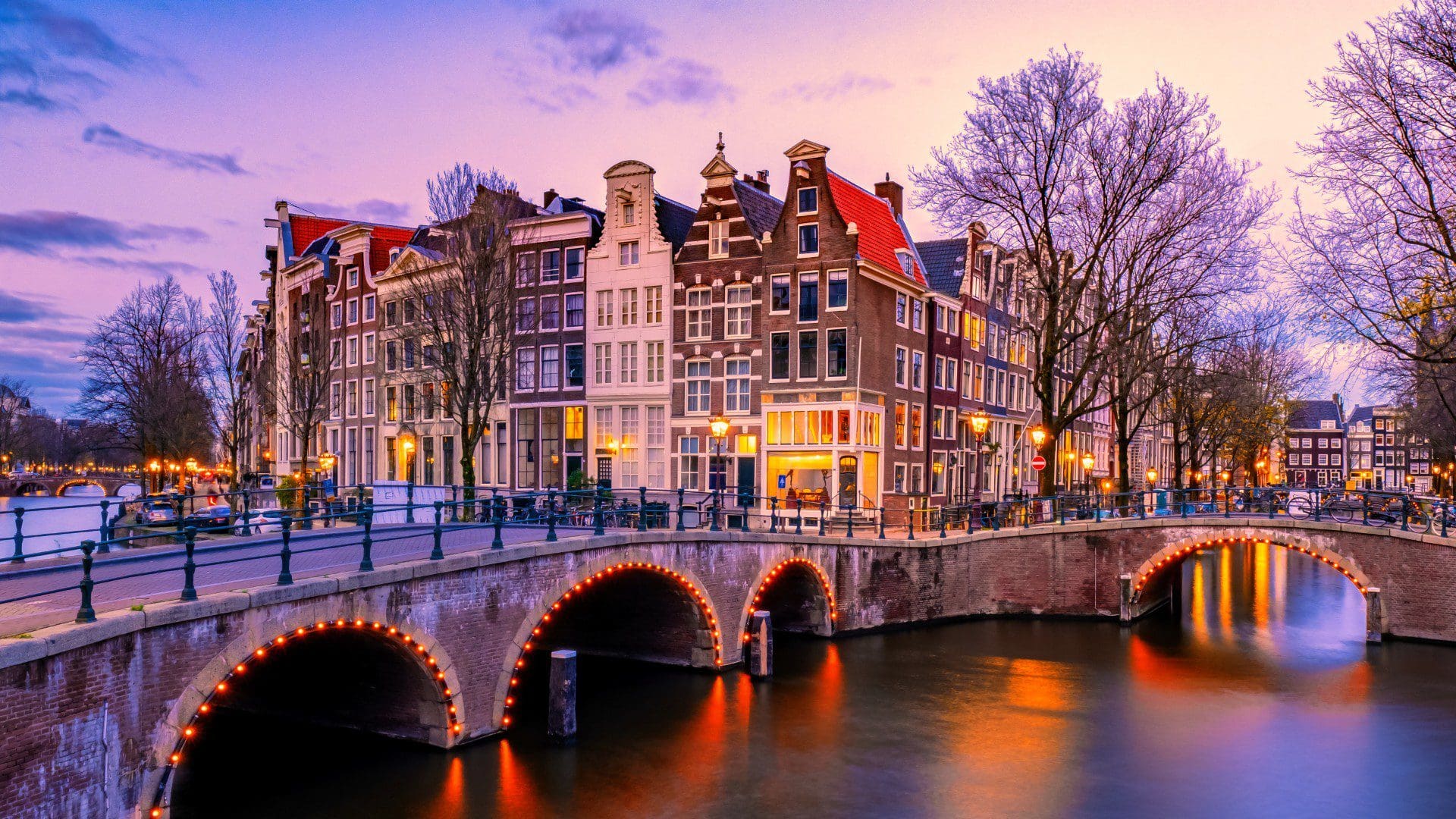
We visited Amsterdam in December 2024 as part of our 10-day European train trip. The main reason for the journey was to attend an André Rieu concert in Maastricht, but Amsterdam quickly became one of the most memorable stops. If you’re combining both cities like we did, here’s our full Maastricht Travel Guide (where to stay, costs & transport tips) with where we stayed and what we’d recommend.
It’s a city that feels instantly manageable. The distances are short. The public transport works. You can arrive by train, step outside the station, and immediately feel oriented.
Amsterdam is busy, yes — but it’s also compact, efficient and surprisingly calm once you step a street or two away from the main tourist strips.
This Amsterdam travel guide shares what we loved, where we stayed, realistic costs, and practical tips to help you plan your own visit in 2025.
If you’re planning a wider Dutch itinerary, you may also find our guide to finding accommodation in the Netherlands helpful for choosing the right base beyond Amsterdam.
Here’s what stood out to us, what we learned, and what we would recommend if you’re planning a visit.
The Most Moving Experience: Anne Frank House
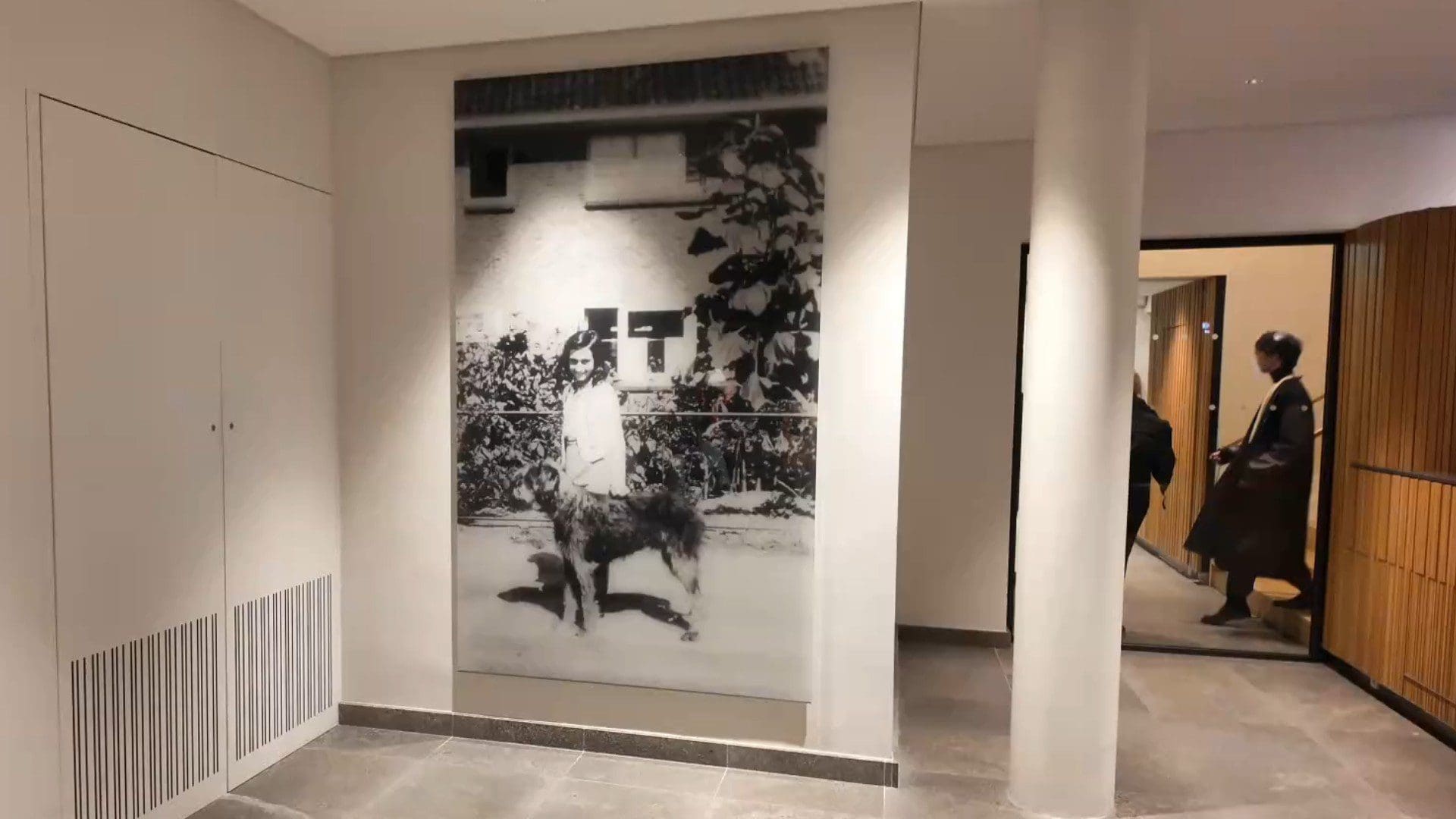
There’s a lot to see in Amsterdam, but the most powerful experience we had was visiting the Anne Frank House.
You must pre-book tickets — they sell out well in advance — and you can choose either a guided option or visit independently. We chose to go on our own.
If you’ve read the diary or seen one of the films, nothing really prepares you for standing inside the actual house.
Walking through the narrow stairways and into the small concealed rooms where Anne and her family hid during the Nazi occupation is deeply confronting. The rooms are smaller than you imagine. The ceilings feel low. The silence feels heavy.
The exhibition inside the house tells the story through Anne’s diary, which was discovered after the war. Seeing the original space where those words were written — knowing what was happening outside those walls — creates a weight that stays with you.
It’s not a “tourist attraction” in the usual sense. It’s a place of reflection.
If you visit Amsterdam, this is not something we would skip.
Book early. Take your time. And expect to feel it long after you leave.
If tickets are sold out on official sites, you can sometimes check availability through trusted tour platforms like GetYourGuide.
Other Places We Enjoyed in Amsterdam
After the emotional intensity of Anne Frank House, the rest of Amsterdam feels lighter — though still full of history.
Van Gogh Museum
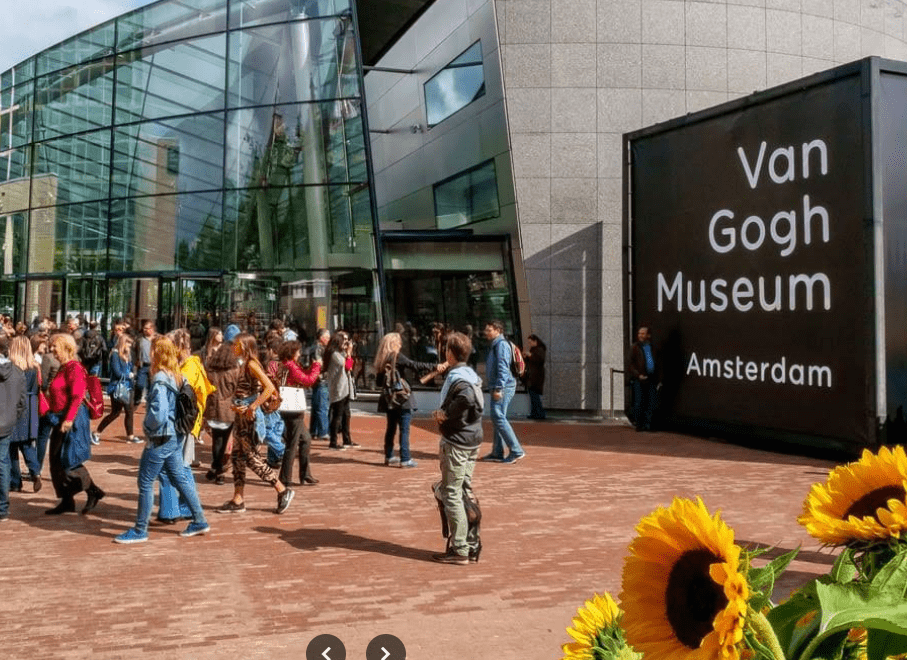
We enjoy art, and the Van Gogh Museum was well worth visiting. The chronological layout makes it easy to follow his life and artistic development. You see not just the famous works, but the progression — the struggle, the experimentation, the personality.
Timed entry tickets are essential here too.
Rijksmuseum
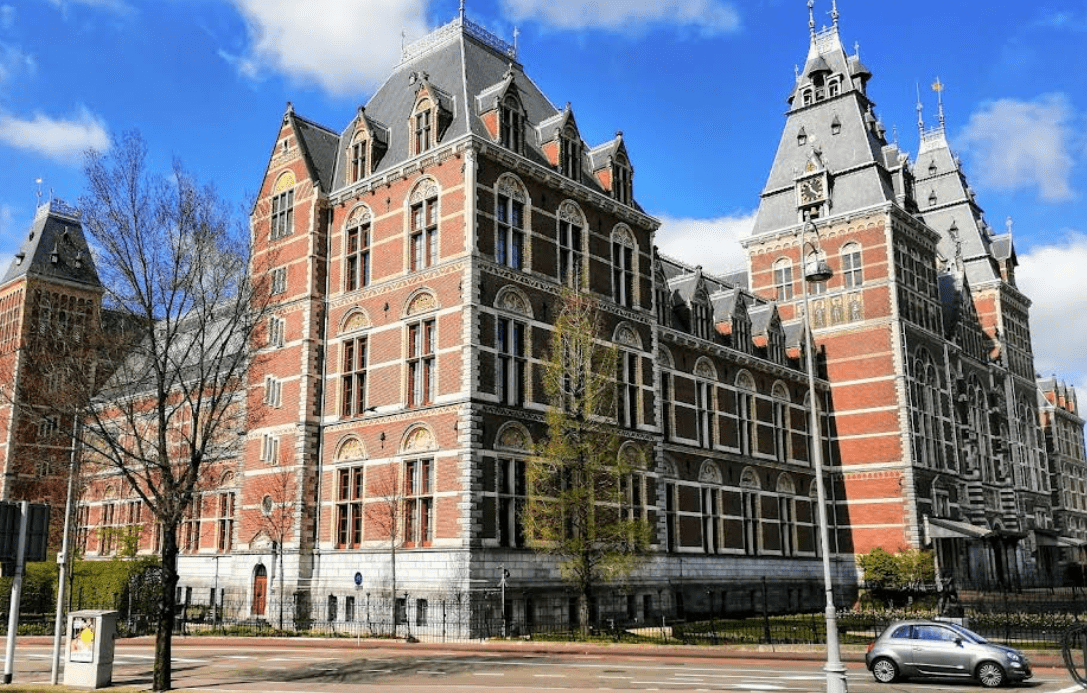
The Rijksmuseum gives you a broader sweep of Dutch history, including works by Rembrandt and Vermeer. It’s large, so don’t try to see everything. Choose a few sections and take your time.
The gardens outside are also a pleasant place to pause.
Jordaan & The Nine Streets
Some of our favourite moments in Amsterdam were not inside museums.
The Jordaan district is perfect for wandering. Small cafés, canal views, boutique shops — and everything within easy walking distance.
De Negen Straatjes (The Nine Streets) has a similar charm. It’s easy to lose an hour here just browsing and stopping for coffee.
Canal Cruise
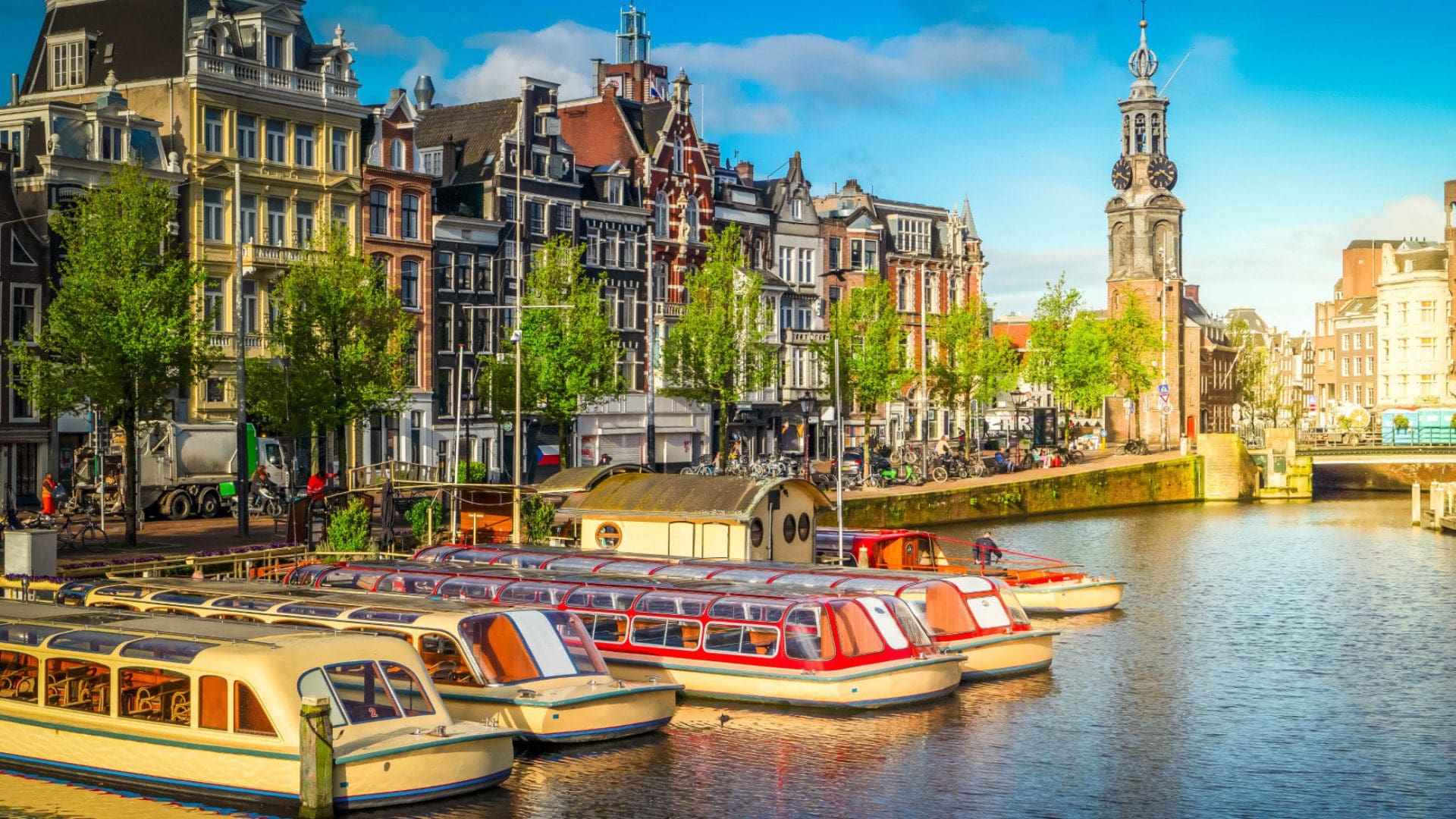
Amsterdam from the water gives you a different perspective. The canal ring is a UNESCO World Heritage Site, and drifting quietly past narrow townhouses while learning the history of the city adds context to what you see on foot.
If you plan to do one, book ahead — especially in peak seasons.
Where We Stayed (And Why Location Matters)
Because we were travelling by train, proximity to Amsterdam Centraal was our main priority.
Dragging luggage across cobblestones is not romantic.
We stayed at ibis Styles Amsterdam Central Station, directly across from the station. You can check current prices and availability for ibis Styles Amsterdam Central Station on Booking.com here.
The location was excellent. We could walk straight out of the station and into the hotel within minutes. Trams, canal cruises, and the historic centre were all right there.
The room was modern and clean, though compact — which is common in older European buildings. For a one- or two-night stay, it was perfectly fine. For a longer visit, we would probably look for something slightly larger or an apartment-style option.
Before booking, we always check prices across different dates using the calendar view. Here’s how we use Booking.com’s calendar tool to find cheaper hotel deals and avoid peak pricing.
The key lesson: if you’re arriving by train and plan to do day trips, staying near the station makes everything easier.
Getting Around Amsterdam
Amsterdam is one of the easiest cities in Europe to navigate.
-
Trams are efficient and easy to understand.
-
The city centre is highly walkable.
-
Ferries run free across the IJ river.
-
Trains connect seamlessly to other Dutch cities.
We found that once you’re based centrally, you rarely need taxis or rideshares.
And yes — watch for bicycles. They move fast and silently.
When to Visit Amsterdam
We visited in December. It was busy, but the Christmas atmosphere added something special. Markets, lights, colder air — it suited us.
Spring (April–May) is famous for tulips and longer daylight hours.
Summer is lively but crowded and more expensive.
If you prefer slightly calmer travel with lower prices, shoulder season is worth considering.
What Amsterdam Costs (Realistically)
Amsterdam is not cheap, but it is manageable if you plan.
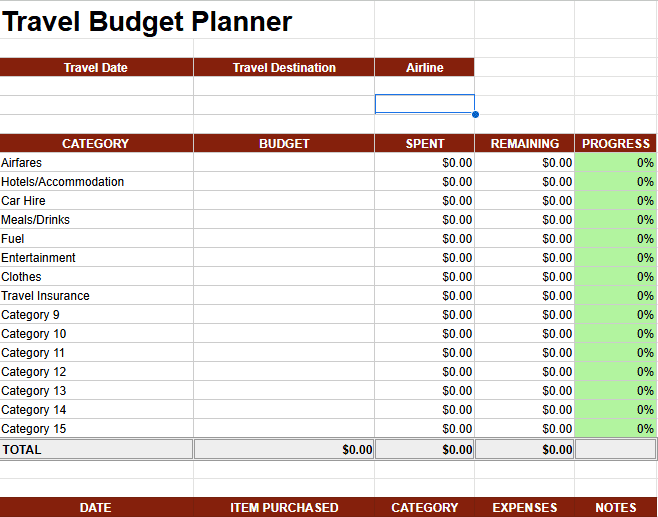
We track every trip using our simple Travel Budget Planner, which helps us stay realistic about daily costs before we book.
Rough averages we observed:
-
Coffee: €3–€5
-
Casual meal: €15–€25
-
Mid-range dinner: €30–€50 per person
-
Museum tickets: around €20–€25
-
Central mid-range hotel: €170–€260 per night
Prices increase significantly during tulip season and summer.
One final cost people often forget to factor in is travel insurance — especially when booking non-refundable trains or museum tickets. We compare policies through VisitorsCoverage before any European trip, particularly during winter travel.
A Few Practical Lessons We Learned
-
Book major museums in advance.
-
Stay near the station if travelling by rail.
-
Don’t over-schedule museums — build in time to wander.
-
Step away from the busiest streets to find calmer cafés.
-
Pre-book Anne Frank House as soon as tickets open.
Who This Amsterdam Travel Guide Is For
This guide will be especially helpful if you:
-
Are travelling by train in Europe
-
Prefer mid-range comfort over hostels
-
Want realistic costs before booking
-
Like balanced itineraries without rushing
Final Thoughts
Amsterdam is compact, layered and easy to explore without feeling overwhelmed.
It works well as:
-
A short 2–3 day city break
-
A base for Dutch train travel
-
The start of a wider European rail journey
For us, it was the perfect addition to our Maastricht concert trip — and a reminder that some of the most powerful travel moments come from slowing down and paying attention.
And of all the experiences we had, standing quietly inside the Anne Frank House is the one that will stay with us the longest.
Watch our video of our visit to Amsterdam