Australia is one of the world’s most geographically diverse countries, yet many visitors underestimate just how large and varied it is. From tropical Queensland to the temperate south, from cosmopolitan cities to remote outback towns, travel here works very differently depending on where you go.
These Australia Travel Tips are designed to help first-time and returning visitors understand how travel works on the ground—from visas and distances to weather patterns, transport and seasonal pricing—so you can travel confidently and avoid unnecessary surprises.
If you’re still planning where to go, start with our full Australia Travel Guide Hub, which brings together destination guides, city breakdowns, and regional itineraries across the country.
Arrival in Australia and First Steps

Most international visitors arrive through major gateways such as Sydney Airport, Melbourne Airport or Brisbane Airport. Immigration procedures are generally efficient, though flights arriving simultaneously can create queues.
Australia has strict biosecurity laws. You must declare food, wooden items, plant materials and certain outdoor equipment. Fines for undeclared items are significant, so when in doubt, declare it. Everyone entering Australia must complete a customs declaration form which is normally distributed by the air hostesses during your flight to Australia.
Visa Requirements
Australia operates an electronic visa system. Many nationalities must apply for an ETA or eVisitor visa before departure. Approval is usually quick but should not be left until the last minute.
Always check official government sources for up-to-date visa rules before travelling.
Once cleared through customs, transport into city centres is straightforward. Sydney and Brisbane offer train connections from the airport, while Melbourne primarily relies on buses, taxis and ride-share services. While trains are the most efficient in Sydney and Brisbane, the Airport bus in Melbourne is the most convenient and cheapest method of getting into the city. It’s a direct trip to Southern Cross Station, taking about half an hour depending on traffic, but you will be at the western end of the city. Depending on your plans and itinerary, you may want to find accommodation options near the station for convenience if you will be returning to the airport by bus.
Money Matters in Australia

Australia uses the Australian Dollar (AUD). It is largely a cashless society. Contactless card payments are accepted almost everywhere, including cafés, taxis and public transport in major cities.
Cash is rarely required, though carrying a small amount can help in remote areas.
ATMs are widely available. As with other countries, withdrawing larger amounts less frequently can help reduce fees. We personally use a Wise Travel Card for international travel, as exchange rates and fee transparency have consistently been better than traditional bank cards in our experience.
Australia is generally more expensive than much of Southeast Asia but comparable to Western Europe in major cities. Regional towns can offer better value, particularly for accommodation and dining.
Best Time to Visit Australia
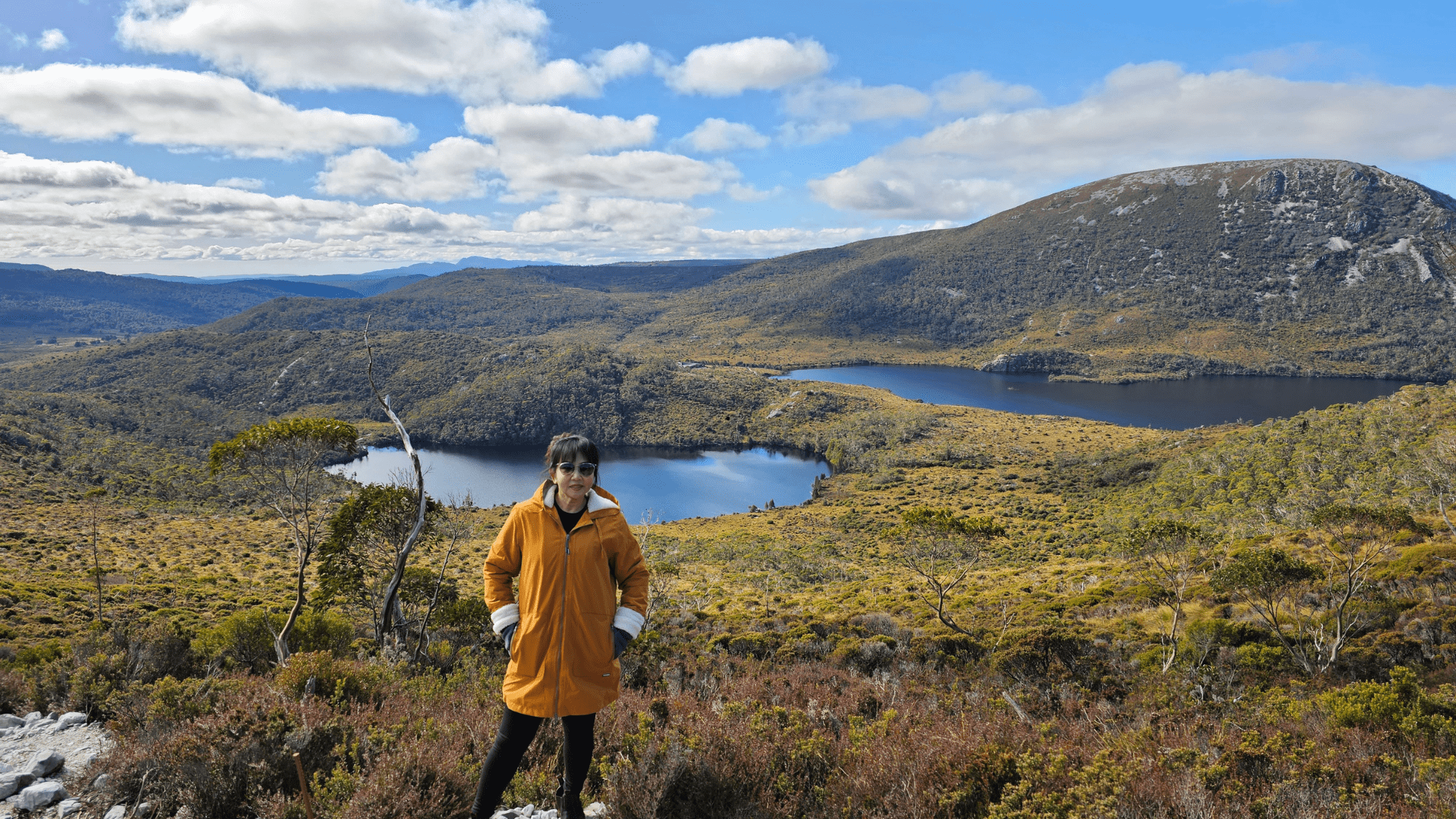
Australia’s seasons are opposite to Europe and North America.
-
Summer (December–February): Hot, especially in inland and northern regions. Coastal destinations are popular and accommodation prices peak.
-
Autumn (March–May): Mild and comfortable across much of the country.
-
Winter (June–August): Cooler in the south, tropical in the north. Ideal for visiting the Great Barrier Reef and northern Queensland.
-
Spring (September–November): Excellent balance of weather and crowd levels.
Distances are vast, so weather can vary dramatically between cities at the same time. Planning region by region is essential when following these Australia Travel Tips.
Getting Around Australia

Australia is much larger than many travellers expect. Flying is often the most practical way to move between major cities. Domestic airlines such as Qantas and Virgin Australia connect all capital cities.
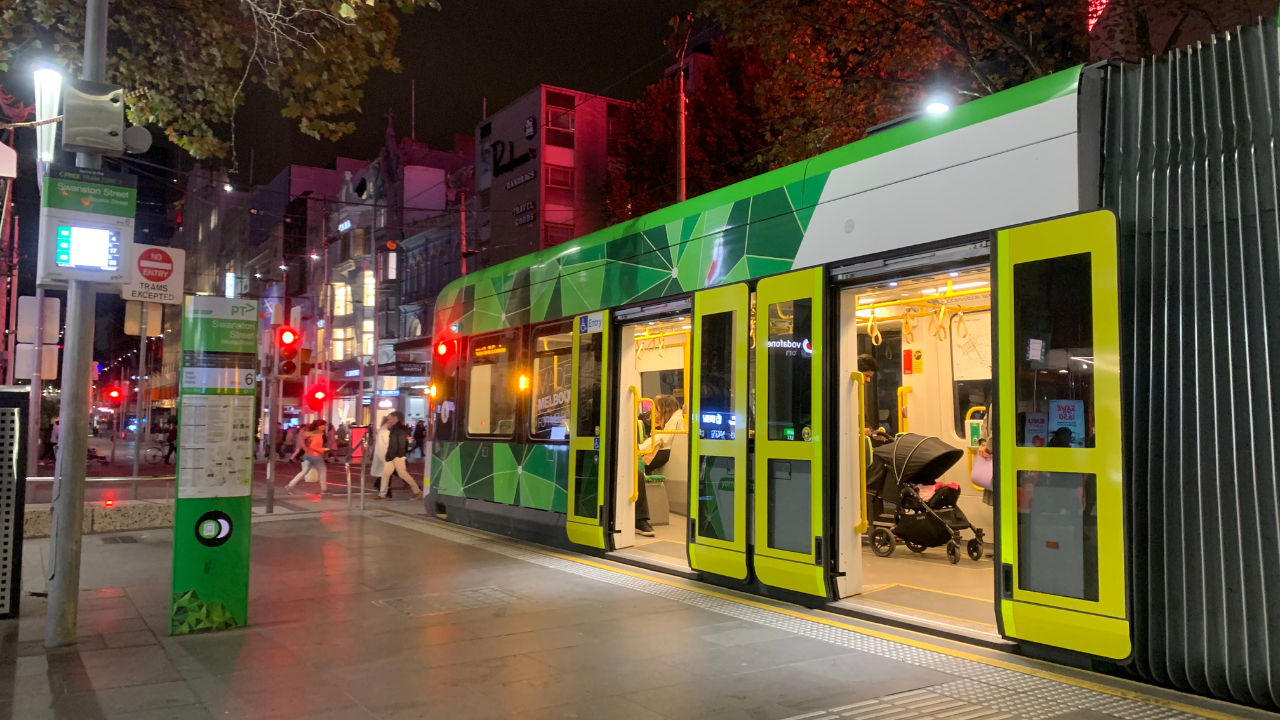
Train travel exists but is limited compared to Europe. Long-distance rail journeys are scenic but slow. Train services do operate between most capital cities so this can be a relaxing way to travel while seeing the Australian countryside at the same time. Most cities have reliable public transport options, including trains, buses, and trams in some cities.
Car rental becomes essential in rural areas, coastal drives, and regions such as Tasmania. Many of Australia’s highlights—including the Great Ocean Road and outback regions—are best explored by car. Most times when we visit Australia or flying to other cities we have found the best car hire deals on Discovercars.
If you plan to explore multiple states, allow for significant travel time. A short flight can replace what would otherwise be a 10–12 hour drive. Alternatively, guided bus tours are a popular way to also get around. There is no shortage of these to choose from on sites like GetYourGuide.
For a deeper breakdown, see our detailed guide to Getting Around Australia.
Choosing Accommodation Wisely
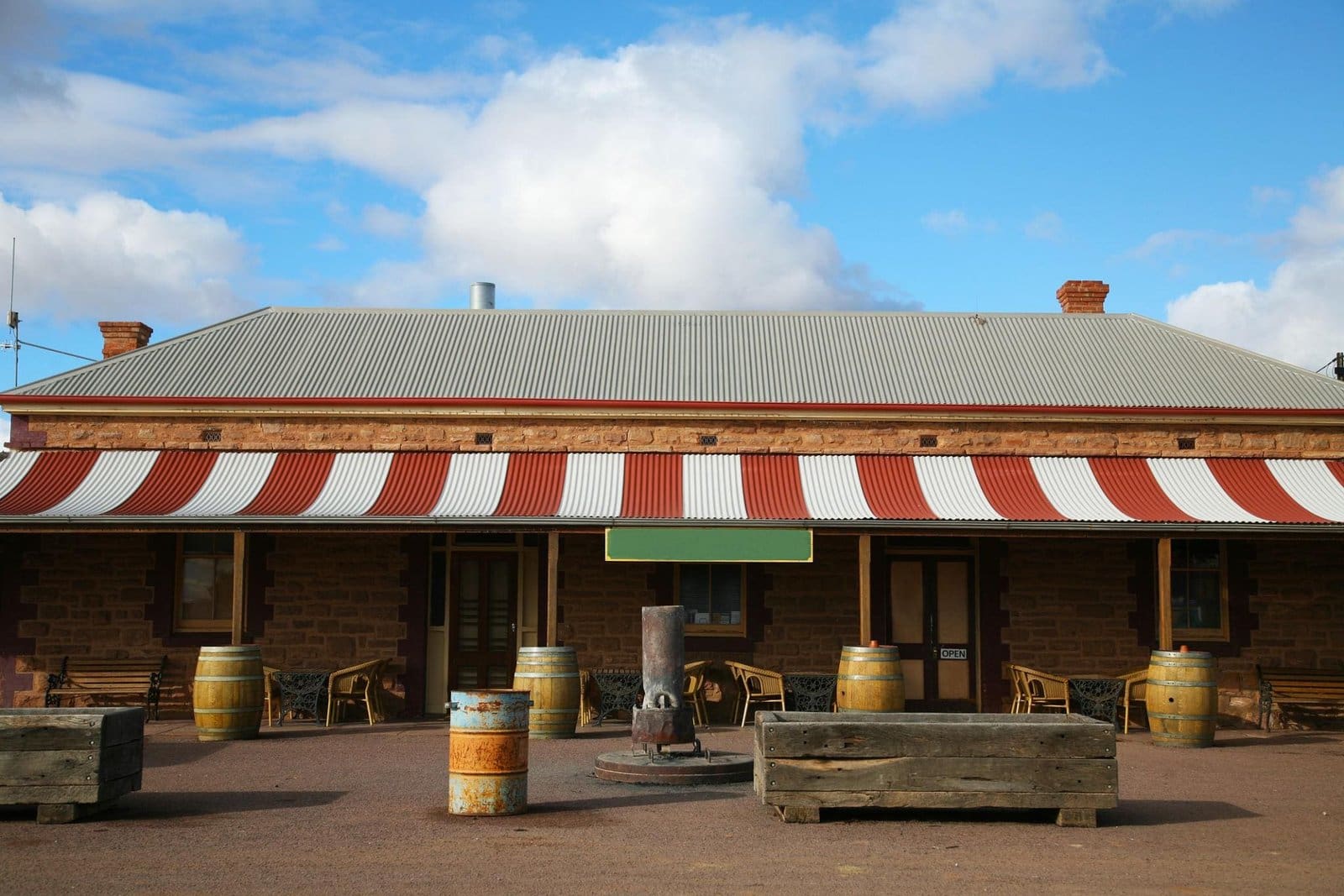
Accommodation in Australia ranges from backpacker hostels to luxury waterfront hotels.
City centres provide convenience but often come at a premium. Staying near public transport can reduce daily travel time and costs.
We usually begin planning accommodation budgets using Booking.com’s flexible date calendar tool, which clearly shows nightly price variations across different dates. Peak school holiday periods can increase rates significantly. Timing your visit can drastically reduce accommodation prices, and we show you how you can also do this in our guide on How To Find Cheaper Hotel Deals
Longer stays may benefit from serviced apartments, especially in cities such as Sydney, Melbourne or Brisbane.
For more detail, see our guide to Finding Accommodation in Australia.
Eating and Drinking in Australia

Traditional eating places across Australia include local hotels—more commonly referred to simply as “pubs.” You will find them in almost every suburb, regional town, and even remote outback communities, where the pub may be the only business operating in town.
Most pubs offer good value meals in relaxed, friendly surroundings. Classic pub dishes often include steak, schnitzel, burgers, and seafood, and many venues also have attached sports bars showing live sporting events from Australia and around the world. For travellers wanting a casual, reliable meal without high city prices, pubs are often a safe and enjoyable choice.
In major cities such as Sydney, Melbourne and Brisbane, multicultural dining options are extensive. Italian, Greek, Vietnamese, Thai, Chinese, Indian and Middle Eastern cuisines are widely available. Even in many regional and outback towns, it is not unusual to find a Chinese or Thai restaurant among the dining options.
Supermarkets and Self-Catering
If you are looking to reduce meal costs or prefer to cook your own food, Australia has several major supermarket chains, including Woolworths, Coles and ALDI. These are found in all capital cities and most large regional towns.
Supermarkets also sell alcohol in many states, though a wider selection is usually available at dedicated liquor stores such as Dan Murphy’s.
Fresh food markets are another excellent option for budget-conscious travellers. Most cities have central markets offering fresh fruit, vegetables, seafood and meats. A well-known example is Queen Victoria Market, famous for its extensive range of produce and local atmosphere.
Whether dining at a pub, exploring multicultural restaurants or shopping at markets, Australia offers a wide variety of eating options to suit different budgets and travel styles.
Cultural Etiquette and Local Behaviour

Australians are generally informal and friendly. First names are commonly used, and casual dress is normal in most situations.
Sun safety is taken seriously. Wearing sunscreen, hats and staying hydrated are essential, especially in summer.
Respect for Indigenous heritage is important. When visiting culturally significant sites, follow local guidelines and signage.
Health and Safety Considerations
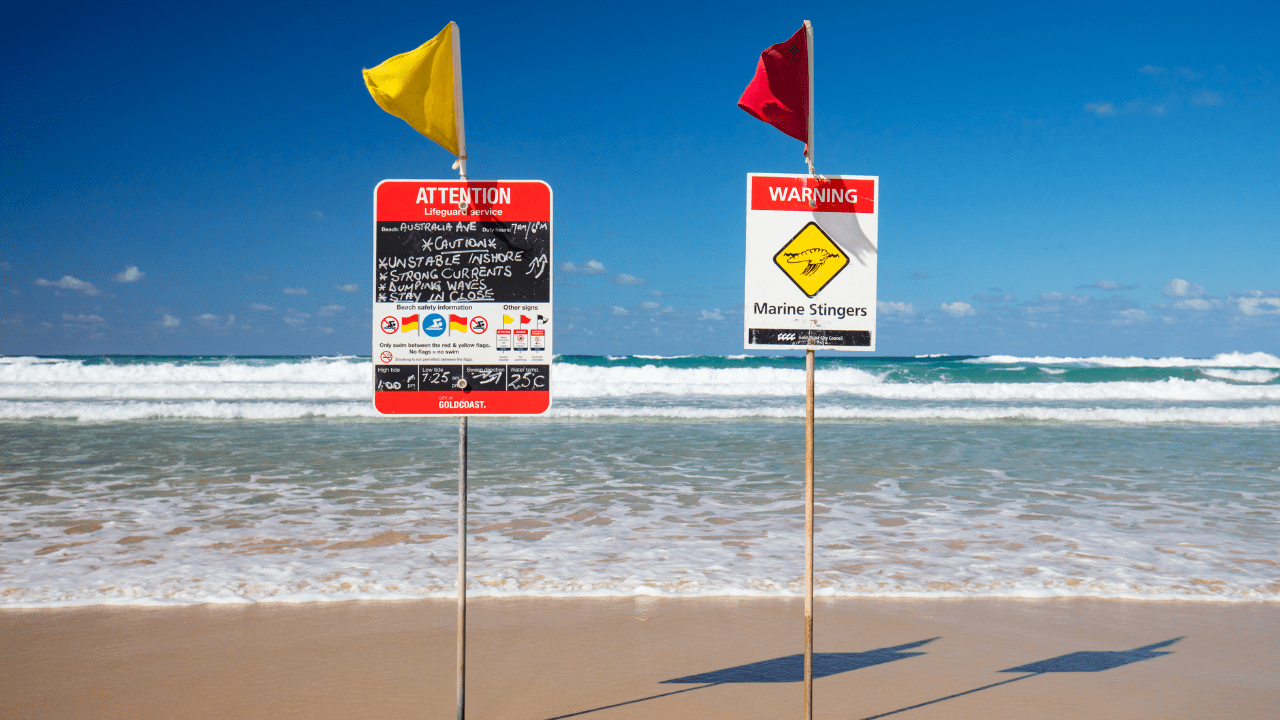
Australia is considered very safe for travellers, with low crime rates compared to many parts of the world. However, common sense should always be applied, particularly when walking alone at night in unfamiliar areas, just as you would in any major city globally.
Beach safety is extremely important. Always swim between the red and yellow lifeguard flags on patrolled beaches. These flags mark the safest area for swimming and indicate that trained surf lifesavers are monitoring conditions. Rip currents are common on Australian beaches, and swimming outside flagged areas can be dangerous.
Australia is an island continent, and its coastal waters are home to various marine life, including sharks. While shark incidents are rare, care should always be taken when swimming, especially at unpatrolled beaches or in remote areas. Pay attention to local signage and follow any safety advice provided.
Distances between towns in remote and outback areas can be significant. When driving long distances, particularly in rural regions, carry sufficient water, fuel and supplies. Mobile phone coverage may be limited outside major highways and towns.
Medical care in Australia is excellent, but treatment can be expensive for international visitors without insurance. Comprehensive travel insurance is strongly recommended to cover medical expenses, cancellations and evacuation if required. We typically compare policies through VisitorsCoverage before travelling to ensure adequate coverage for overseas trips.
With sensible precautions and realistic awareness of distances and natural conditions, travel in Australia is generally straightforward and safe.
Staying Connected

Mobile coverage across Australia is excellent in major cities and along populated coastal regions. However, once you move into rural or remote areas, coverage can become limited or disappear entirely. Distances between towns in the outback are large, so travellers should not rely solely on mobile reception when travelling far from urban centres.
SIM cards are easy to purchase at airports, supermarkets and convenience stores. eSIM options can also be arranged online before departure. For convenience and security, we prefer to pre-purchase an eSIM before arriving so mobile data works immediately upon landing. We typically use Airalo for this, as it allows us to install data access in advance without needing to find a store after a long flight.
Wi-Fi is widely available in hotels, cafés and airports throughout Australia. However, public Wi-Fi networks should always be treated as unsecured. Sensitive activities such as online banking or entering personal details should be avoided unless additional protection is in place. When we do use public Wi-Fi, we connect through Surfshark VPN for added security, but we still treat all public networks as potentially unsafe.
To minimise risk, we limit public Wi-Fi use to non-sensitive activities such as uploading images or posting to social media — particularly when these uploads might otherwise impact the data allowance on a purchased eSIM. For day-to-day browsing, navigation and secure transactions, we prefer to use mobile data instead.
If you are planning overseas travel, read our guide to Staying Connected Internationally for practical advice on eSIMs, VPN protection and how to prepare your devices before flying.
ure. We often install an Airalo eSIM prior to travel so data works immediately upon landing.
Wi-Fi is widely available in hotels and cafés, though speeds vary in regional areas.
Packing Smart
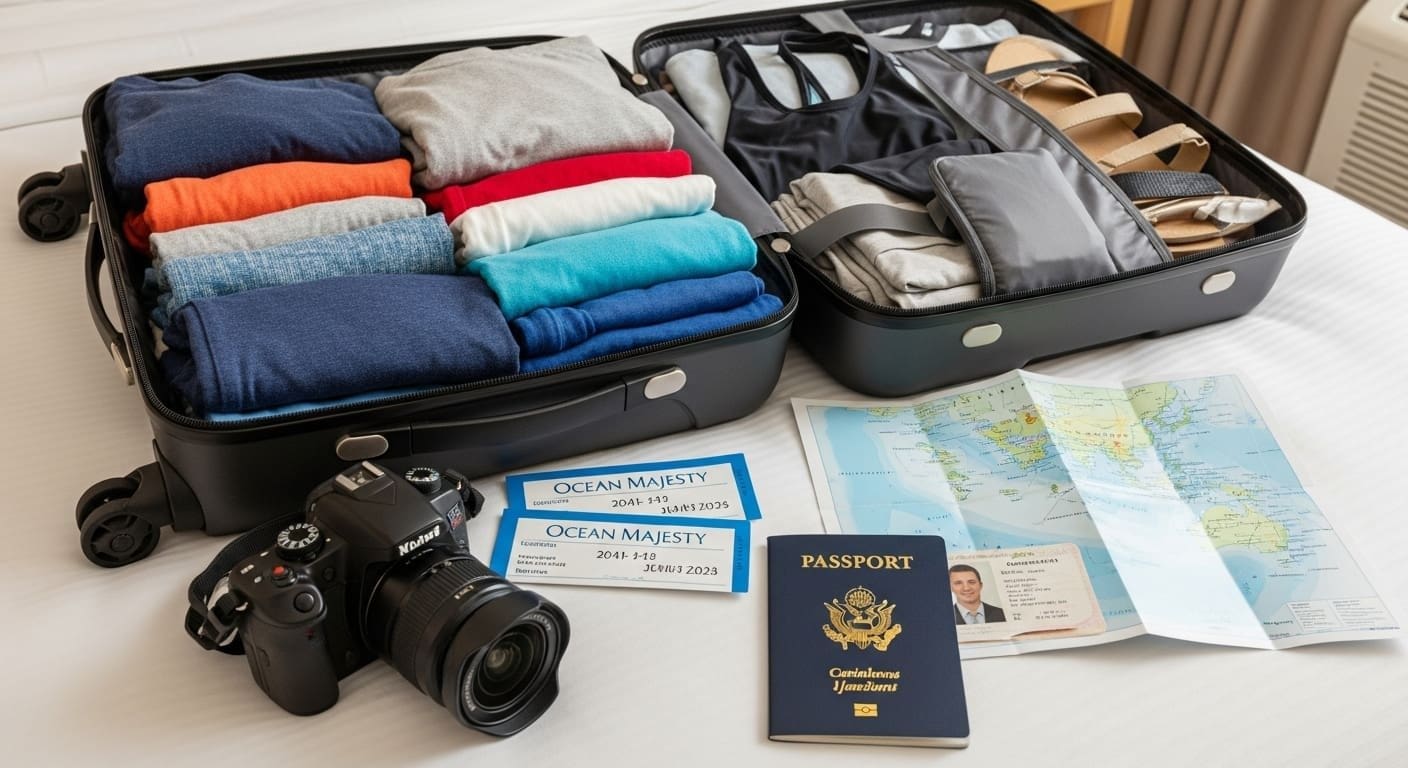
Packing depends heavily on region and season. Australia’s climate varies dramatically from tropical north to temperate south.
Comfortable walking shoes are essential, as is sun protection. If travelling to southern states during winter, warmer layers are necessary.
Laundry services and laundromats are widely available, allowing lighter packing.
Slow Down and Understand the Distances

One of the most important Australia Travel Tips is to avoid underestimating travel time. Attempting to see Sydney, Uluru, Cairns and Perth in one short trip often results in more time in airports than enjoying destinations.
Australia rewards slower, regional exploration. Combining one or two cities with nearby natural attractions usually creates a more balanced itinerary.
Final Thoughts on Australia Travel Tips
Australia offers extraordinary variety—beaches, reefs, rainforests, deserts and vibrant cities—but it requires realistic planning.
Understanding visa requirements, distances, seasonal weather, and transport options will dramatically improve your experience. With these Australia Travel Tips, you can focus less on logistics and more on enjoying one of the world’s most diverse travel destinations.
Once expectations align with geography and climate, travelling in Australia becomes relaxed, straightforward, and deeply rewarding.