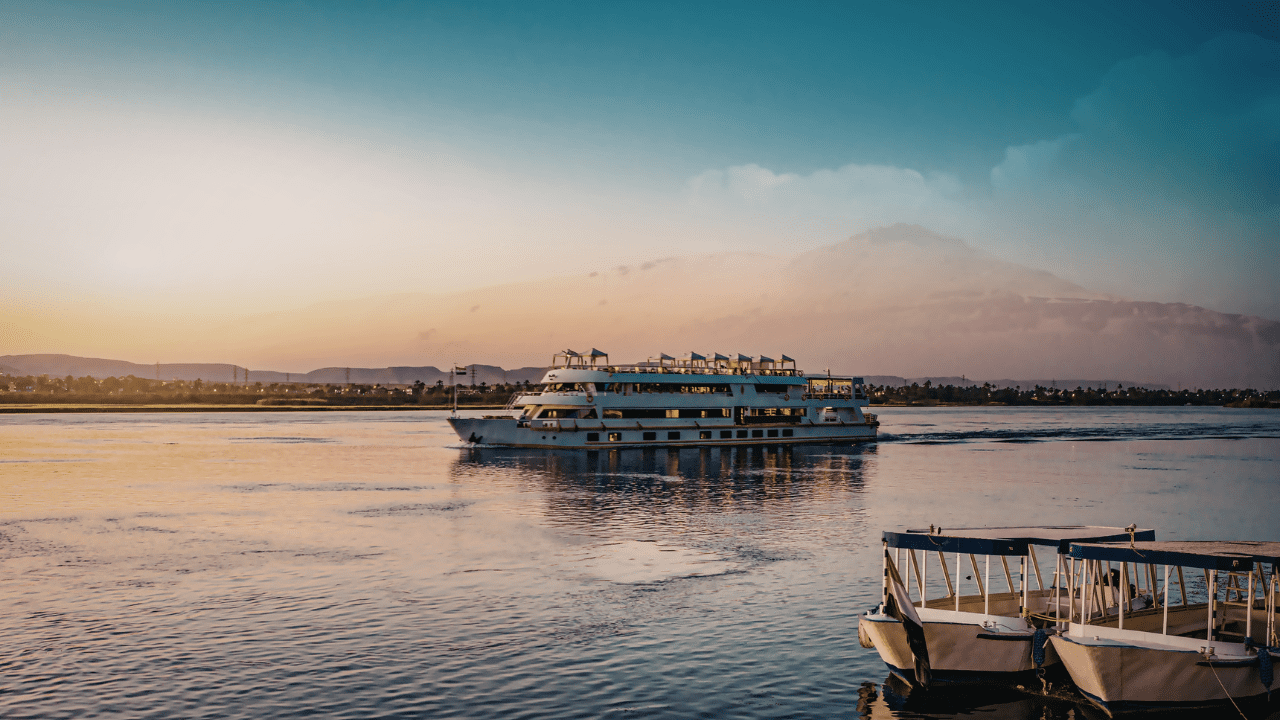
Best Asian Cruises For Seniors
Asian cruising has quietly become one of the most rewarding ways for seniors to explore the world, yet it’s still an option many people hesitate over. The distance, the unfamiliar cultures, the heat, and concerns about comfort or safety can all make Asia feel intimidating at first. But when experienced by cruise ship, Asia often turns out to be far more relaxed, accessible, and enjoyable than many expect. In this article we explore the best Asian cruises for seniors and why you might consider an Asian cruise over a European cruise.
For senior travellers, cruising through Asia removes many of the stress points that come with independent travel. You unpack once, settle into a familiar environment, and explore a region rich in history, scenery, and culture without constantly moving hotels, navigating language barriers, or worrying about transport. Whether you choose a river cruise or an ocean cruise, Asia offers a depth of experience that feels both eye-opening and surprisingly comfortable.
The key is choosing the right style of cruise and setting realistic expectations. Asia is not a one-size-fits-all destination, and what works beautifully for one traveller may feel overwhelming for another. This guide is designed to help you decide whether an Asian cruise is right for you, and if so, whether river or ocean cruising is the better fit.
If you’ve cruised in Europe before and are looking for something different, Asia offers a slower, less crowded, and often more affordable alternative.
If you’re still weighing up different cruise styles, you may also find our guide on choosing the right cruise for your travel style helpful.
Why Asia Appeals to Senior Cruise Travellers More Than Europe
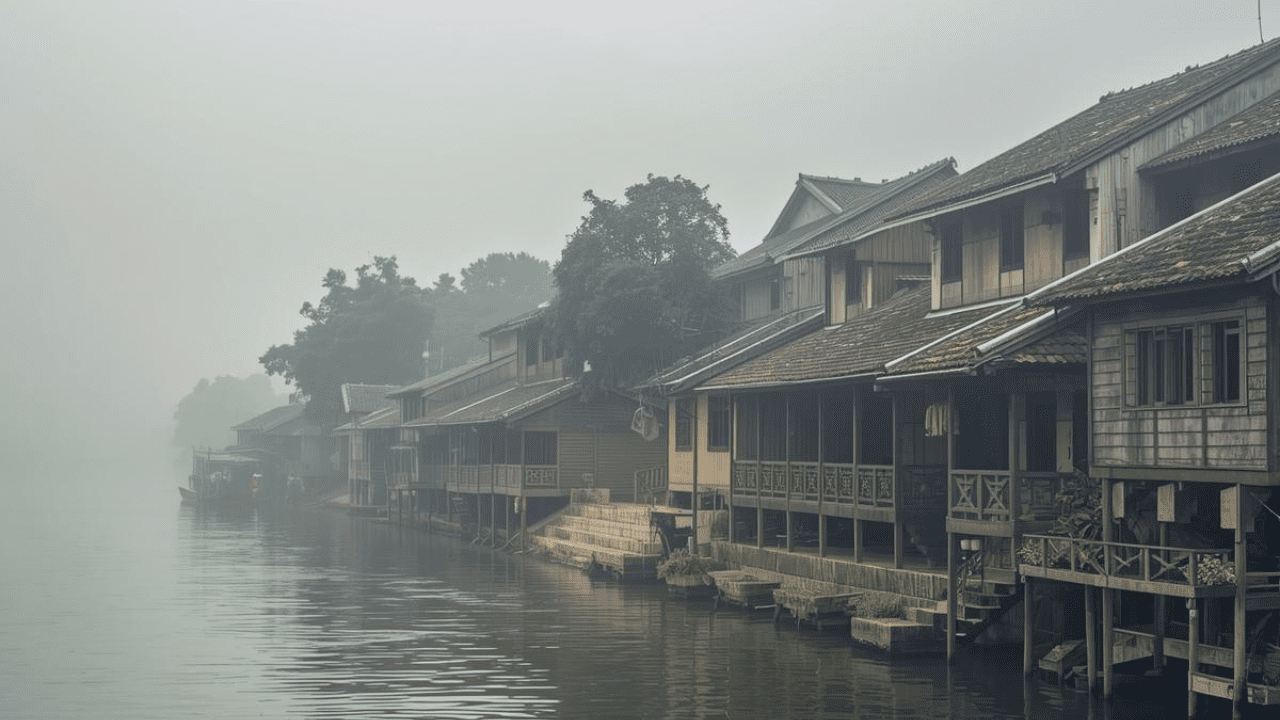
Asia has a way of leaving a lasting impression, not just because of its history, scenery, and culture, but also because the experience often feels far less crowded than many traditional cruise destinations. For senior travellers who have already cruised in Europe, particularly in the Mediterranean, this difference can be both noticeable and refreshing.
Many European ports are tied to iconic cities such as Rome, Naples, and Venice, where cruise passengers are funnelled into the same historic centres at the same times of day. During peak seasons, these crowds can become challenging, especially for seniors who prefer a slower pace or find congested streets and long queues physically tiring. Even well-organised shore excursions can feel rushed when thousands of visitors are competing for space at major attractions.
By comparison, many Asian cruise destinations feel more open and less congested, even in popular regions. While cities such as Tokyo, Bangkok, or Ho Chi Minh City are busy places, cruise itineraries are often designed to avoid peak tourist bottlenecks or focus on areas that are better equipped to handle visitor numbers. River cruises, in particular, tend to visit smaller towns and rural communities where tourism feels more balanced and personal.
For seniors who have already experienced European cruising and the intensity of Mediterranean ports, Asia can feel like a welcome change. There is often more room to move, fewer tour groups clustered in the same spots, and a greater sense of space during excursions. This can make sightseeing feel more relaxed and enjoyable, rather than something to be endured.
This relative lack of overcrowding also allows for deeper cultural engagement. Instead of spending time navigating through masses of people, travellers often have more opportunity to observe daily life, interact with local guides, and absorb the surroundings at a comfortable pace. For many seniors, this shift away from the overcrowding common in parts of Europe is one of the most appealing aspects of cruising in Asia.
River Cruises in Asia: A Gentle and Immersive Experience
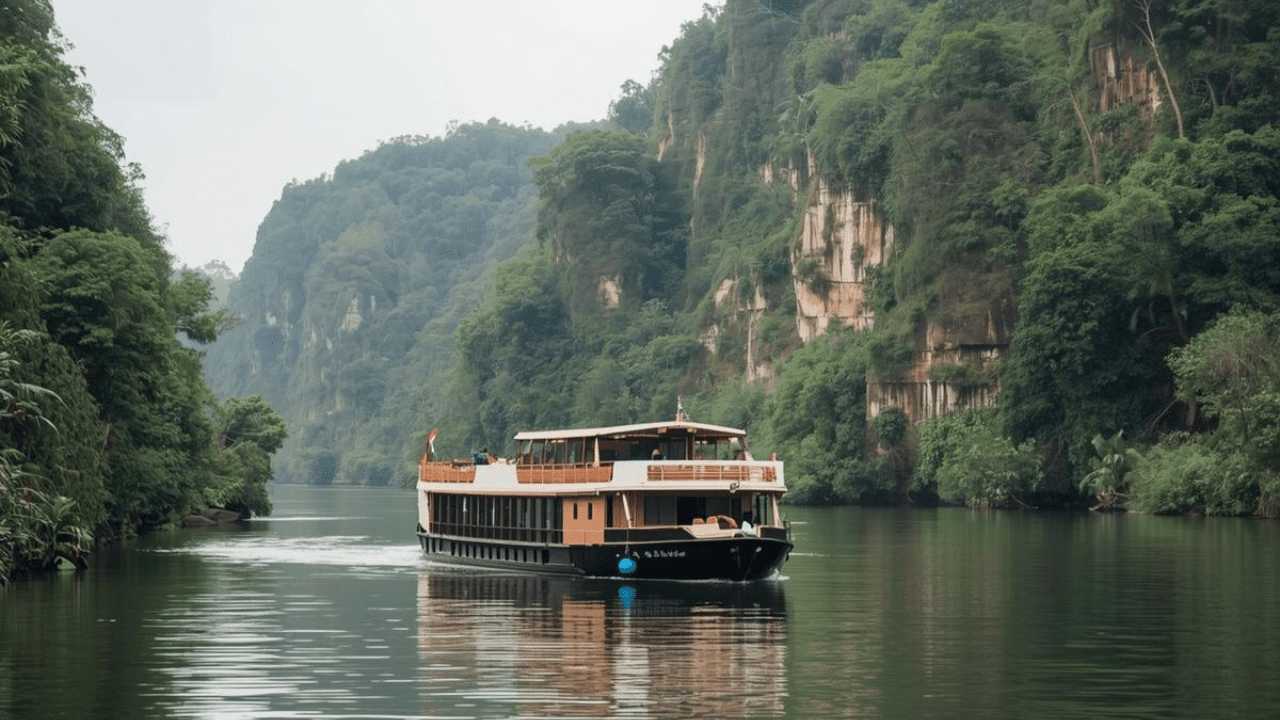
River cruising is often the most comfortable introduction to Asia for senior travellers. The ships are smaller, the pace is slower, and the experience feels immersive without being overwhelming. You glide through the heart of countries rather than skirting their edges, and daily excursions are usually included and well-paced.
Asian river cruises tend to focus on a small number of major rivers, each offering a very different experience. The Mekong River, flowing through Vietnam and Cambodia, is one of the most popular. It offers a blend of rural village life, floating markets, historic temples, and colonial-era towns. Days are typically structured with short excursions and plenty of downtime, which suits seniors who prefer a steady rhythm rather than packed schedules. If you’re considering this region, our detailed guide on the best time for a Mekong River cruise for seniors can help you choose the most comfortable season to travel.
Travellers with mobility concerns may also want to read our detailed guide to river cruises for seniors with walking difficulties, which explores what to expect ashore and onboard.
The Yangtze River in China provides a very different perspective. It’s broader, more dramatic, and often paired with land touring before or after the cruise. While it can feel more structured and less intimate than the Mekong, it offers insight into China’s history, engineering, and landscapes that would be difficult to experience independently.
River cruising in Asia tends to attract like-minded travellers, many of whom are retired or semi-retired and interested in culture rather than nightlife. This creates a social atmosphere that feels easy and natural, without pressure to keep up or participate constantly.
Ocean Cruises in Asia: Variety, Comfort and Flexibility

Ocean cruising in Asia opens up a wider range of destinations and experiences, particularly for seniors who prefer larger ships and more onboard facilities. These cruises often visit multiple countries in a single itinerary, allowing you to sample different cultures without committing to one region.
Japan has become one of the most popular ocean cruise destinations for seniors, thanks to its excellent infrastructure, cleanliness, and fascinating blend of tradition and modernity. Ports are well organised, excursions are efficient, and the country feels safe and orderly, even for first-time visitors.
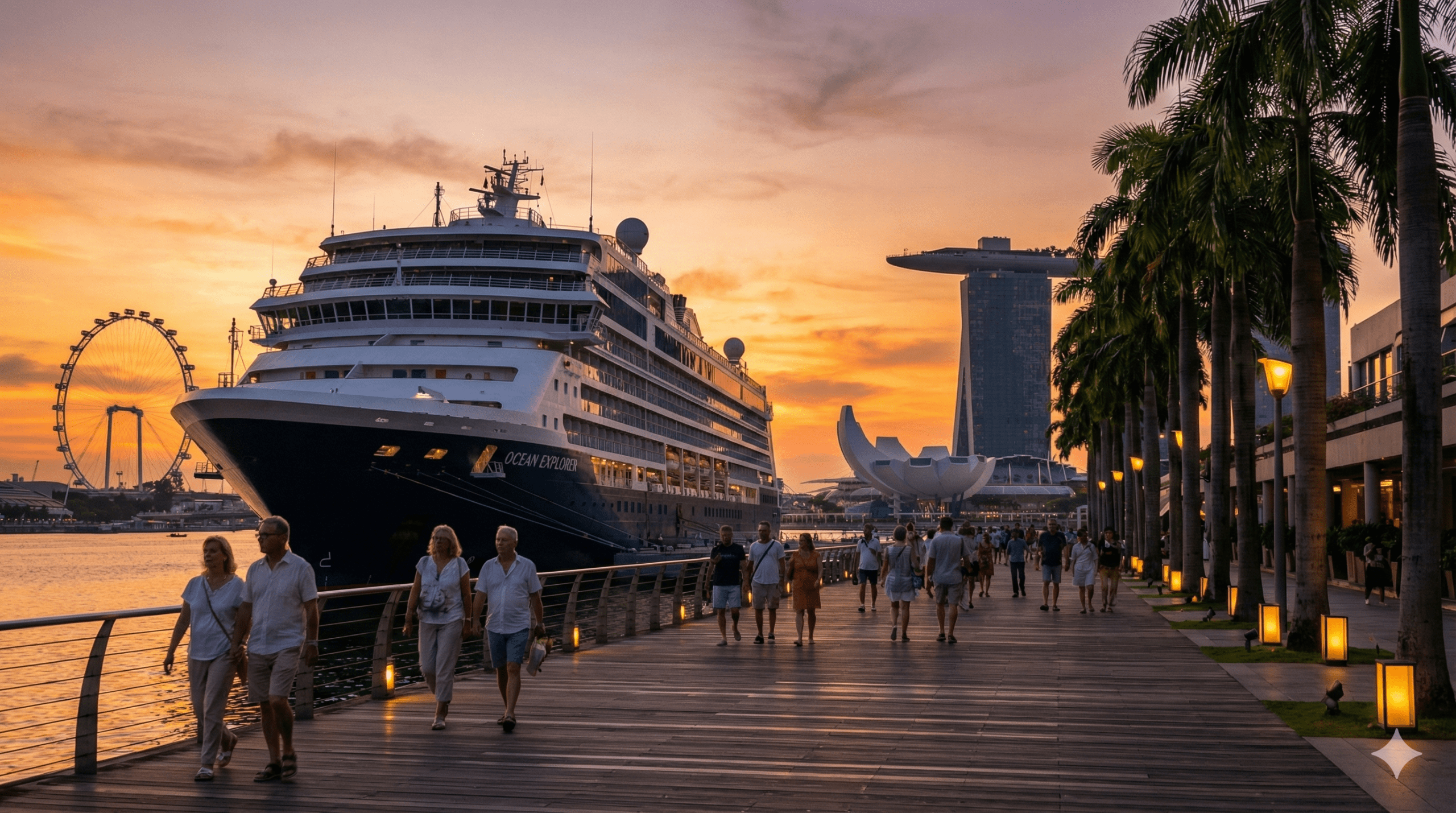
Southeast Asian ocean cruises often operate out of hubs like Singapore, making them relatively easy to access. These itineraries can include Thailand, Vietnam, Malaysia, and Indonesia, offering a mix of vibrant cities, beach destinations, and cultural highlights. Sea days provide time to rest and recover between ports, which many seniors appreciate.
Larger ships also offer advantages in terms of medical facilities, dining options, and entertainment. For travellers who like having multiple restaurants, comfortable lounges, and a choice of activities, ocean cruising can feel reassuring and familiar, even in distant regions.
River vs Ocean Cruising in Asia: Which Is Better for Seniors?
Choosing between a river cruise and an ocean cruise in Asia largely comes down to personal preferences and travel style. River cruises tend to feel more immersive and culturally focused, with fewer passengers and a quieter onboard atmosphere. They suit travellers who enjoy guided experiences, shorter walks, and a strong sense of place.
Ocean cruises offer greater variety and flexibility. You’ll experience more destinations but in shorter bursts, and the onboard experience plays a larger role in the overall enjoyment. For seniors who value space, choice, and amenities, ocean cruising often feels more comfortable.
Physical considerations also matter. River cruises typically involve more frequent but shorter excursions, often on flat terrain. Ocean cruise excursions can sometimes be longer or more varied in difficulty, though there are usually options to suit different mobility levels.
Neither option is inherently better. The best choice is the one that aligns with how you like to travel now, not how you travelled twenty years ago.
If you’d like to explore current Asian river and ocean cruise itineraries designed with seniors in mind, you can browse available sailings here.
Comfort, Health and Practical Considerations in Asia
One of the most common concerns seniors have about cruising in Asia relates to comfort and health. The climate, particularly in Southeast Asia, can be hot and humid, which can take some adjustment. Choosing the right time of year and pacing yourself during excursions makes a significant difference.
Cruise ships are well-equipped to handle medical needs, especially larger ocean-going vessels. River ships also carry medical supplies and have access to local facilities, though the level of onboard care can vary. For many seniors, the reassurance of having help readily available is one of the biggest advantages of cruising in Asia compared to independent travel.
That reassurance also extends to having the right travel insurance in place, particularly for medical treatment, evacuation, and cruise-related disruptions.
Food is another concern that often turns out to be a pleasant surprise. Cruise ships cater to Western tastes while still offering local flavours, allowing you to try new dishes without feeling overwhelmed. Special dietary needs are generally well accommodated.
Is Asia Suitable for Solo Senior Travellers?
Cruising can make Asia a far more approachable and enjoyable option for seniors travelling alone. Whether someone is travelling solo by choice or because they are widowed or separated, cruising provides a sense of structure and security that independent travel often lacks.
River cruises, in particular, foster a strong sense of community. Smaller passenger numbers make it easier to connect with others, and many travellers are in similar stages of life. Ocean cruises offer more anonymity but also more flexibility, allowing solo travellers to be as social or private as they wish.
The key benefit for solo seniors is not having to manage logistics alone. Transport, accommodation, meals, and excursions are all taken care of, reducing both physical and mental fatigue.
Cost and Value of Asian Cruises for Seniors

When comparing the overall value of cruising in Asia versus Europe, it’s important to look beyond the headline cruise fare and consider what you’re likely to spend once you step ashore. For many senior travellers, shore excursions make up a significant part of the overall cruise experience, and this is where Asia often offers a clear financial advantage.
In Europe, shore excursions tend to be noticeably more expensive. Higher operating costs play a big role, particularly staff wages, transport costs, and entrance fees to major attractions. In many European destinations, gratuities for local guides and drivers are also an expected part of the experience, and while these tips may be optional on paper, they are often socially expected and factored into what travellers feel comfortable paying.
By contrast, shore excursions in Asia are generally more affordable. Local wages are lower, transport costs are often reduced, and there is far less expectation around tipping or gratuities. In many parts of Asia, tipping is minimal or not expected at all, which can come as a pleasant surprise for travellers used to European or North American norms. As a result, guided tours, cultural experiences, and transport-heavy excursions often cost significantly less than comparable experiences in Europe.
This difference doesn’t usually reflect lower quality. In fact, many senior travellers find Asian shore excursions to be highly engaging, well organised, and excellent value. Smaller group sizes, enthusiastic local guides, and access to unique cultural experiences often make excursions feel more personal and immersive, without the premium price tag commonly seen in Europe.
Some travellers also choose to book small-group shore experiences independently in Asia, where pricing is often lower and options are more flexible.
River cruises in Asia often strengthen this value even further by including a higher number of excursions in the cruise fare itself. This reduces the need for additional spending and makes budgeting easier, particularly for seniors who prefer to know costs upfront. Ocean cruises may still charge separately for excursions, but the overall price point remains competitive compared to Europe.
When all of this is taken into account, the total cost of an Asian cruise can be surprisingly reasonable. While flights to Asia may be more expensive, day-to-day spending once onboard and ashore is often lower. For seniors who enjoy guided experiences and cultural exploration, Asia frequently delivers more value per dollar than many traditional European itineraries.
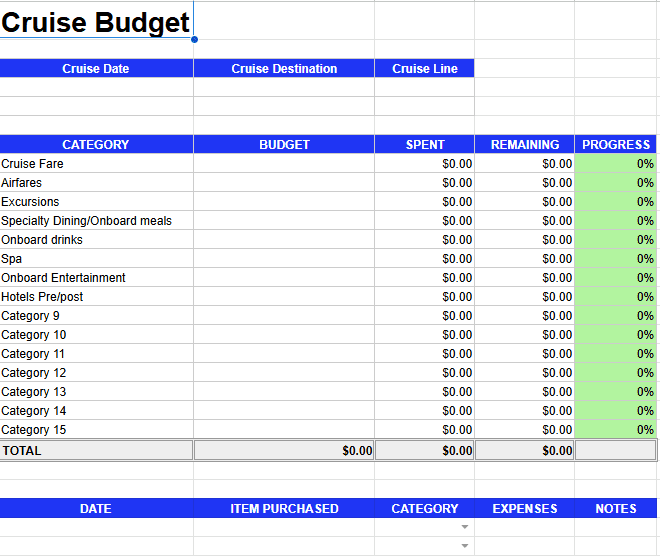
If budgeting is a concern, we break down cruise pricing in more detail in our guide on how to budget for a cruise without overpaying.
Cultural Enrichment and Learning Opportunities
One of the standout features of Asian cruising for seniors is the emphasis on cultural enrichment. Many cruises include onboard talks, demonstrations, and performances that provide context for what you’re seeing ashore. This deepens the experience and helps bridge cultural differences.
River cruises often include village visits, traditional ceremonies, and interactions with local communities that feel authentic and respectful. Ocean cruises tend to focus more on iconic sights and city highlights, but still offer plenty of opportunities to learn and explore.
For seniors who enjoy travel as a way to broaden understanding rather than simply relax, Asia delivers in a way few regions can.
When Is the Best Time for Seniors to Cruise Asia?
One thing that is almost certain when cruising in Asia is that it will not be cold. Unlike European or North American cruises, there’s no need to pack heavy jackets, scarves, or layers designed to keep you warm. For many senior travellers, that alone makes packing easier and the overall experience more comfortable. Warm clothing can be left at home, and luggage tends to be lighter and simpler.
Across most of Southeast Asia, the climate is warm year-round, and rather than the four distinct seasons many travellers are used to, the region generally operates on two. There is a dry season and a wet season, and understanding the difference between the two helps set realistic expectations rather than causing unnecessary concern.
The dry season is often considered the most popular time to cruise, with lower humidity and more consistent sunshine. This is when demand is highest and itineraries are busiest, particularly around major holidays. That said, the dry season is not the only good time to cruise Asia, especially for seniors who prefer fewer crowds and a slower pace.
The wet season tends to worry first-time visitors more than it should. Rainfall is usually heavy but brief, rather than constant drizzle throughout the day. Showers often pass quickly, and it’s not uncommon for sunshine to return soon after. Cruise lines are well prepared for this, and umbrellas are typically provided for shore excursions. A lightweight rain jacket or water-resistant outer layer is usually all that’s needed to stay comfortable.
For many seniors, cruising during the wet season can actually be a pleasant experience. Temperatures are often slightly cooler, landscapes are greener, and there are fewer tourists at popular sights. River levels are also generally higher during this period, which can be beneficial for river cruising itineraries.
The most important consideration is pacing rather than temperature. Warm weather is a constant in Asia, so planning excursions sensibly, staying hydrated, and allowing time to rest during the warmest parts of the day make a far bigger difference to enjoyment than the season itself.
When chosen thoughtfully, almost any time of year can work well for an Asian cruise. With realistic expectations and the right packing choices, the climate becomes one of the region’s strengths rather than something to worry about.
Visa Requirements for Popular Asian Cruise Destinations
While this may look detailed at first glance, most of these steps are simple, well guided, and often handled with support from the cruise line.
Visa requirements are often one of the biggest sources of anxiety for senior travellers considering Asia, but in reality they are usually manageable and well supported when travelling by cruise. Most Asian countries that regularly welcome cruise ships have established systems in place, and cruise lines are experienced in guiding passengers through what is required.
What’s important to understand is that visas for cruise passengers often work differently from independent travel, particularly when visits are short and organised. Below is a practical overview of visa requirements for some of the most popular Asian cruise destinations.
Thailand
Thailand is one of the easiest and most senior-friendly Asian destinations to visit by cruise. Most cruise passengers are granted 30 to 60 days of visa-free entry, provided their passport is valid for at least six months from the date of arrival.
One recent change to be aware of is that all travellers must now complete a Thailand Digital Arrival Card online. This must be submitted within three days before arrival. It’s a straightforward process and does not involve a visa application, but it is mandatory. Cruise lines typically remind passengers in advance and provide clear instructions.
For seniors, Thailand remains one of the least complicated Asian destinations from a visa perspective.
Cambodia
Most cruise passengers entering Cambodia do require a visa. In a cruise context, this is usually handled in one of two ways. The most common is a Visa on Arrival, which is often arranged by the ship on behalf of passengers. The cost typically ranges from USD 35 to USD 50, depending on handling fees.
Alternatively, some travellers choose to apply for an e-Visa in advance, which can reduce processing time on arrival. Regardless of the method, a passport valid for at least six months with at least one blank page is mandatory.
In addition, all passengers must complete the Cambodia e-Arrival digital form within seven days of arrival. This replaces several older paper forms and is now standard practice. On river cruises, particularly on the Mekong, visa arrangements are frequently handled almost entirely by the cruise operator, which significantly reduces stress for senior travellers.
Vietnam
Vietnam’s visa requirements are slightly more involved, and this is one destination where advance preparation is strongly recommended. Most international cruise passengers require a visa to go ashore, either an e-Visa or, less commonly, a pre-arranged landing permit. Some nationalities are visa-exempt, but this should never be assumed.
A passport valid for at least six months is mandatory. While cruise lines can arrange visas onboard, this often comes with high mandatory service fees, commonly ranging from USD 54 to USD 99 or more.
For this reason, it is highly recommended that senior travellers obtain a Vietnam e-Visa online in advance through the official government website. Doing so usually saves money and avoids unnecessary paperwork once onboard, making the overall experience far more relaxed.
Japan
Japan is another popular and very well-organised cruise destination. Cruise passengers may qualify for a visa exemption known as Landing Permission for Cruise Ship Tourists, provided certain conditions are met. These include the ship being registered with Japanese immigration, the visit being for sightseeing only, the stay being under 30 days, and passengers returning to the ship at each port.
A valid passport is required, and passengers must complete registration through Visit Japan Web, which replaces traditional arrival paperwork. Cruise lines usually provide guidance on this process, and ports in Japan are known for being efficient and orderly, something many senior travellers find reassuring.
China
China’s visa rules can appear complex, but cruise passengers often benefit from special exemptions. Foreign tourists arriving by cruise may be eligible for visa-free entry for up to 15 days, provided they are travelling as part of a group organised by a Chinese travel agency and arriving at designated coastal ports.
Another option available to some passengers is the 144-hour visa-free transit scheme, which applies when travellers have confirmed onward tickets to a third country. Cruise lines typically structure itineraries to take advantage of these exemptions where possible and will advise passengers well in advance if additional documentation is required.
Malaysia
All foreign cruise passengers entering Malaysia must complete the Malaysia Digital Arrival Card (MDAC) online within three days prior to arrival. A passport valid for at least six months is required.
Many nationalities receive visa-free entry for tourism for up to 90 days, although some travellers may need to apply for an e-Visa depending on nationality. As with other Asian destinations, cruise lines provide advance notice and instructions to ensure passengers are prepared.
A Reassuring Note for Senior Travellers
While this may seem like a lot of information, the reality is that cruise lines handle visa logistics every day. They design itineraries around what is practical, provide reminders and instructions, and in many cases manage the process directly with local authorities.
For seniors, cruising remains one of the easiest and least stressful ways to visit countries like Thailand, Cambodia, Vietnam, Japan, China, and Malaysia. Compared to independent travel, visa requirements are clearer, better supported, and far less daunting than they first appear.
Who Asia Is and Isn’t Right For
Asia is well suited to seniors who are curious, open-minded, and comfortable with cultural differences. It rewards patience and a willingness to experience things at a different pace. Cruising makes this easier by providing a familiar base and expert guidance.
However, Asia may not be ideal for travellers who prefer cooler climates, minimal travel time, or very short trips. Long flights and time zone changes can be tiring, particularly on shorter itineraries.
Being honest about your comfort levels and travel preferences is the best way to decide whether Asia is the right choice.
If you’re also comparing Asia with other senior-friendly cruise options worldwide (including European river cruises and the most comfortable ocean cruise lines), our complete guide to the best cruise lines for seniors breaks down comfort, mobility, inclusions and value across the major cruise brands:
https://trustytraveltips.com/best-cruise-lines-for-seniors/
Final Thoughts on Asian River and Ocean Cruises for Seniors

Asian cruising offers seniors a rare combination of comfort and discovery. Whether drifting quietly along a river through rural villages or sailing between vibrant cities on a modern ship, the experience is both enriching and manageable.
The decision between river and ocean cruising comes down to how you like to travel and what you hope to gain from the journey. Both styles offer unique advantages, and both can be deeply rewarding when chosen thoughtfully.
For seniors ready to explore beyond familiar destinations, Asia by cruise is not something to fear. With the right itinerary, timing, and expectations, it can become one of the most memorable travel experiences of your life.