Australia is one of those countries that simply cannot be understood from a map. Having visited every Australian capital city and many regional areas over the years, I’ve seen how dramatically the experience changes from coast to outback.
From every capital city around the country to outback towns, from Uluru in the Red Centre to the black opal fields of Lightning Ridge and the goldfields of Western Australia, the variety is extraordinary. It would take more than one visit — in fact, many visits — to see it properly.
Everyone publishes a “top 10 places to visit in Australia” list. But the right choices come down to your time, interests, and travel style. The best places to visit in Australia depend on what you want to see, how long you are staying, your age, and your mobility level.
Australia is vast. It rewards realistic planning and thoughtful pacing. Trying to see too much in one short visit usually leads to exhaustion rather than enjoyment.
This guide focuses on destinations we have personally visited and genuinely recommend, and it supports the detailed state and city guides we have created to help you plan properly.
If you are still working out transport logistics, our guide on getting around Australia explains how distances shape your itinerary.
Australia Is Enormous — And That Shapes Everything
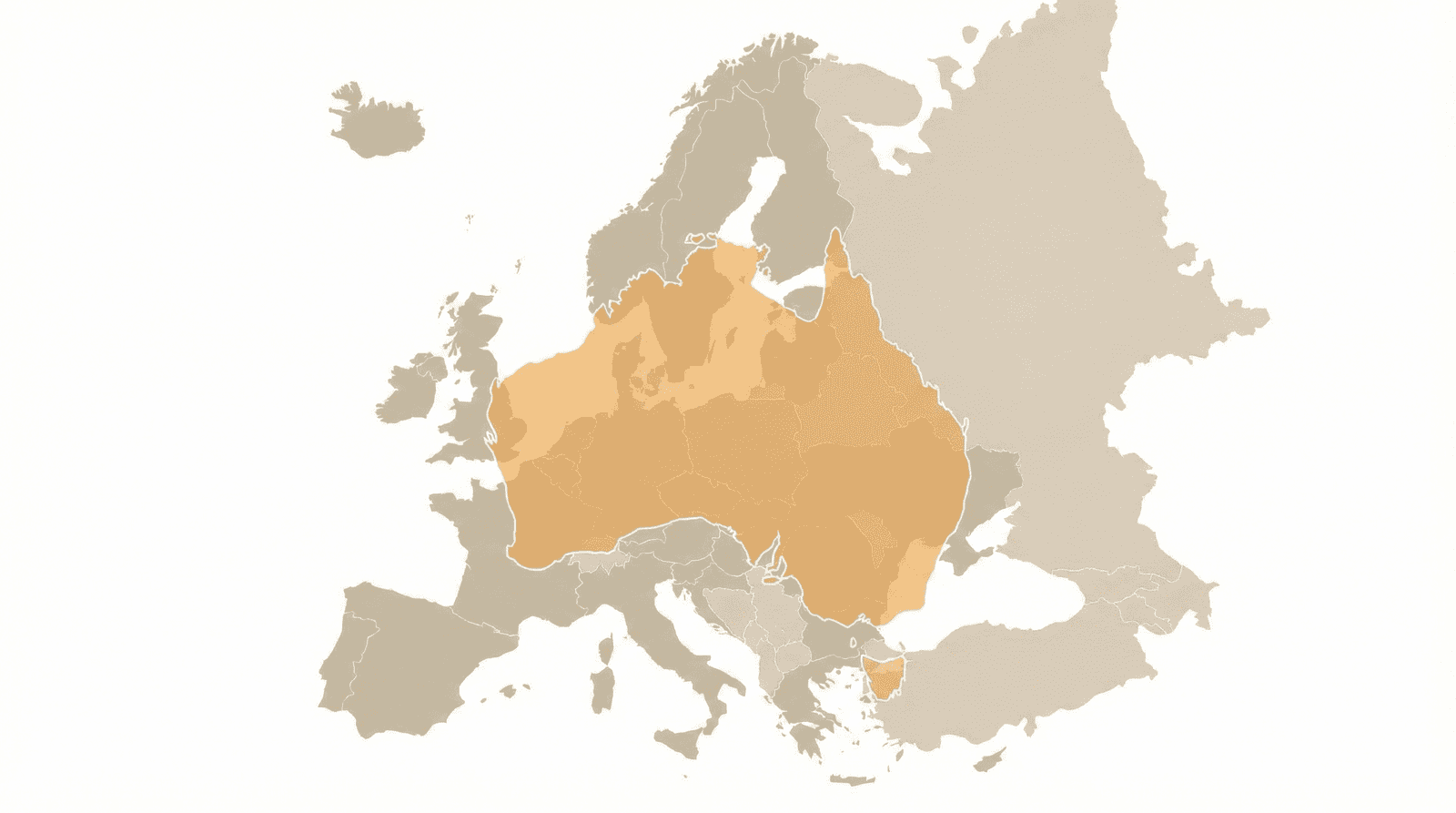
Australia is roughly the size of the continental United States, yet many overseas visitors underestimate the distances between cities.
Sydney to Melbourne is close to ten hours by car. Melbourne to Adelaide is another long drive. Sydney to Uluru involves either a long flight or days of driving. Western Australia feels almost like a separate country in terms of distance.
If you are visiting for only a few days or perhaps a week, you should not expect to see more than one major city properly. Trying to add multiple regions into a short visit often means spending more time in airports than enjoying the country.
If you have two weeks or more, you can realistically see two or three cities and perhaps one contrasting region such as Uluru in the Red Centre or parts of Western Australia.
Realistic expectations are the key to enjoying Australia.
Sydney: Australia’s Most Recognisable City

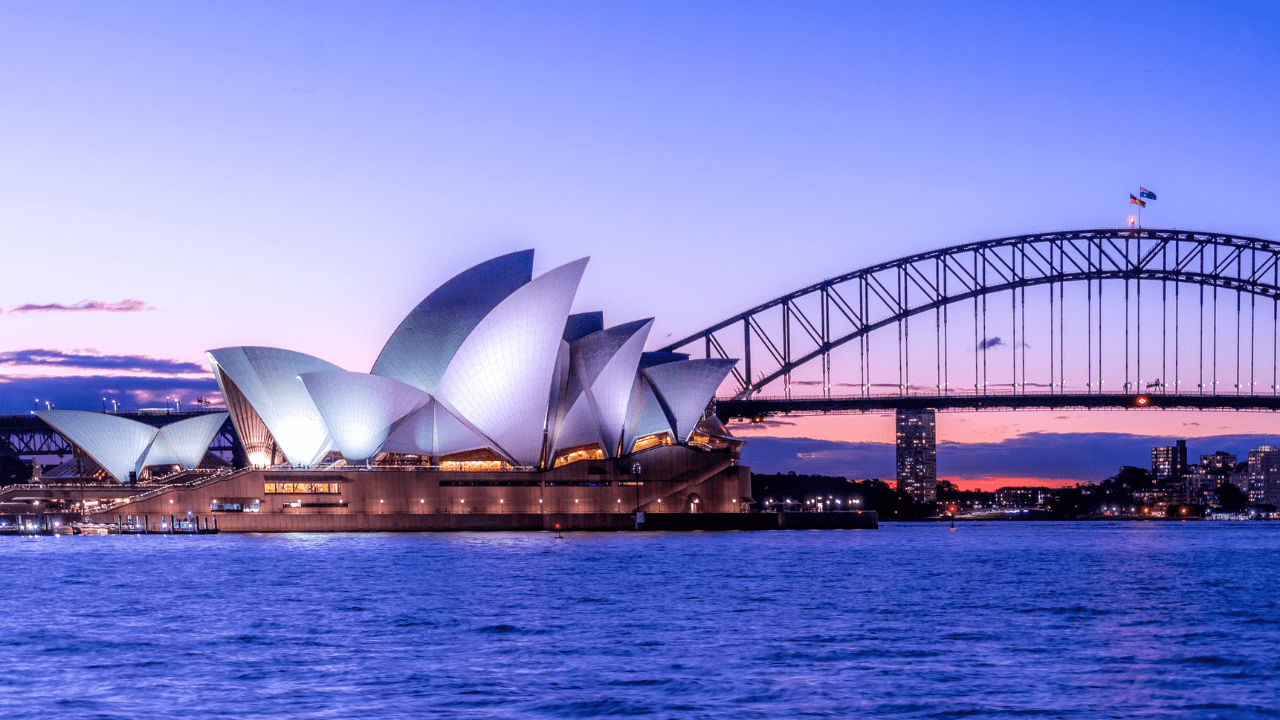
For most international visitors, Sydney is the natural starting point — and it rarely disappoints. The harbour setting alone makes it one of the most recognisable cities in the world. The Sydney Opera House and Harbour Bridge frame almost every angle of the waterfront, but what makes Sydney truly memorable is how accessible and varied it feels once you begin exploring.
One of the best ways to appreciate the scale and beauty of Sydney Harbour is from the water itself. We joined an organised lunch cruise during one of our visits, and it provided an entirely different perspective of the city. Gliding past the Opera House, under the Harbour Bridge, and along the shoreline gives you a sense of just how expansive and dramatic the harbour really is. Dinner cruises are also available and offer the chance to see the skyline illuminated at night, which adds an entirely different atmosphere. These cruises are extremely popular, particularly during peak travel periods and school holidays, so pre-booking is strongly recommended.
The Opera House itself deserves more than just a photograph from the outside. While it is instantly recognisable, stepping inside provides a deeper appreciation of its design and significance. Guided tours run throughout the day and typically last around an hour. Tickets can be purchased directly at the venue, but if you simply turn up on the day, you are taking a chance on availability, especially during busy periods. A more reliable approach is to pre-book through a platform such as GetYourGuide, which allows you to secure a specific time slot in advance and avoid disappointment.
Sydney also works exceptionally well for travellers who prefer structured sightseeing. Ferry services across the harbour double as scenic transport, allowing you to visit areas such as Manly while enjoying one of the most beautiful commuter rides in the world. The Rocks district provides historic charm, while coastal walks near Bondi and Coogee offer fresh sea air and spectacular views.
If you are spending more than a few days in Sydney, one of the most popular day trips is to the Blue Mountains. Located west of the city, this region offers dramatic sandstone cliffs, eucalyptus forests and sweeping valley views. While it is possible to drive yourself, many visitors choose guided bus tours departing early in the morning and returning in the evening. These tours often combine scenic lookouts with wildlife parks, where you can see kangaroos, koalas and sometimes even the Tasmanian devil up close. For travellers who prefer not to navigate unfamiliar roads or who want the added context of a guide, this can be an excellent option. We have found GetYourGuide to offer a particularly wide range of tour choices when comparing operators and itineraries.
Sydney caters well to both active travellers and those who prefer a slower pace. Whether you explore on foot, by ferry or through organised tours, the city provides enough variety to comfortably fill several days without feeling rushed.
For more detailed neighbourhood advice, accommodation suggestions, and practical planning tips, see our full Sydney Travel Guide.
Melbourne: Culture, Food and a Different Atmosphere
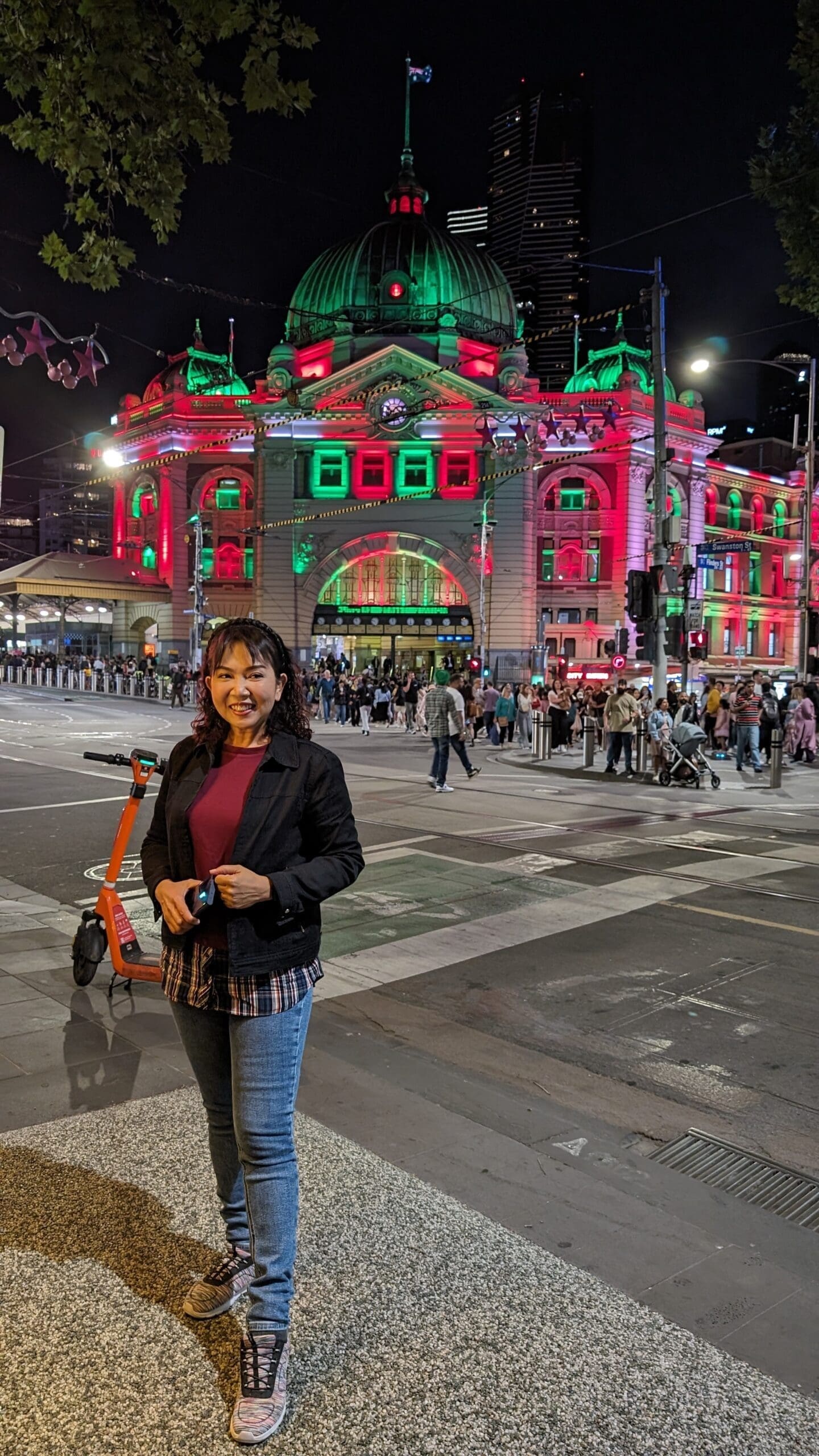
If Sydney is defined by scenery, Melbourne is defined by atmosphere.
Melbourne feels creative, cultural and layered. Its laneways hide cafés, street art and small bars. The city has a distinctly European feel in parts, particularly around the historic arcades and older sandstone buildings. It’s less about dramatic harbour views and more about character, food and neighbourhoods.
One of the things that makes Melbourne especially easy to navigate is the Free Tram Zone within the central business district. For mature travellers or anyone who prefers not to walk long distances, this makes getting around simple and cost-effective. You can move between key attractions without worrying about transport tickets or long uphill climbs.
We have spent extended time in Melbourne and still find something new on each visit. It’s a city that rewards wandering. Some of our favourite simple pleasures include walking through the laneways off Bourke Street and Collins Street, discovering small cafés, or browsing the covered arcades such as Block Arcade and Royal Arcade.
If you are spending a few days in Melbourne, there are several highlights that are well worth including in your itinerary. Flinders Street Station remains one of the city’s most recognisable landmarks and a natural starting point for exploring the centre. Directly opposite, Federation Square hosts galleries, events and river access, and acts as a hub for visitors.
A leisurely walk along the Yarra River toward the Melbourne Cricket Ground (MCG) is another enjoyable way to see the city from a different perspective. The riverfront area combines open space with restaurants and pedestrian paths, making it ideal for a relaxed afternoon.
For first-time visitors, a visit to Eureka Tower in Southbank is also worthwhile. The observation deck offers sweeping views across Melbourne’s skyline, Port Phillip Bay and, on a clear day, the distant Dandenong Ranges. Seeing the city from above provides useful perspective on its layout and scale, particularly if you’re planning to explore beyond the central area.
You will find more detailed information about these attractions, neighbourhood recommendations and practical advice in our Melbourne Travel Guide and our structured 3 Days in Melbourne itinerary, both of which help balance culture, food and exploration without rushing.
Melbourne also works exceptionally well as a base for exploring regional Victoria, which we cover in more detail in our Best Places Outside Melbourne guide.
Best Places Outside Melbourne: Coastal Drives and Regional Victoria
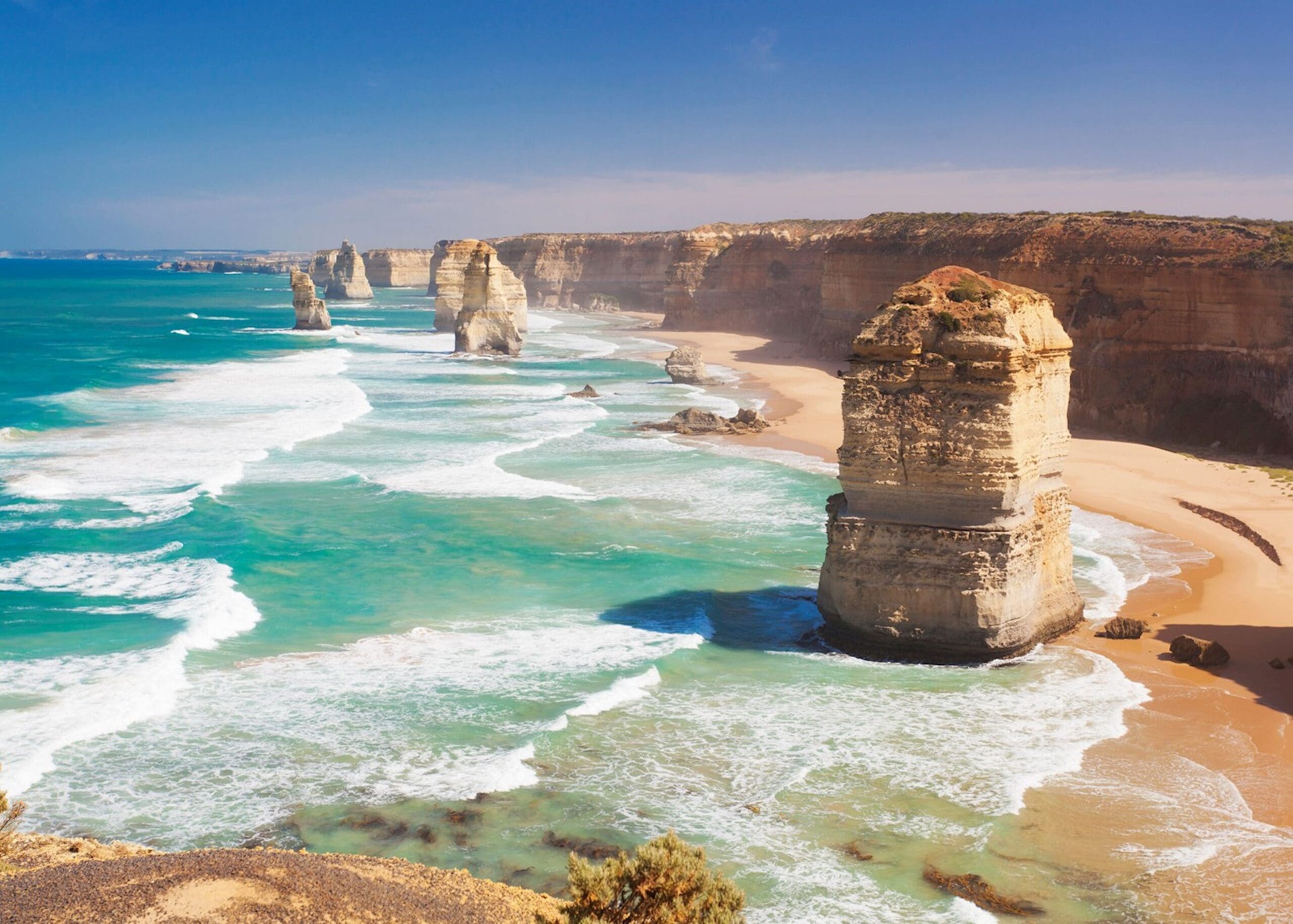
One of the advantages of spending time in Melbourne is how easily you can reach some of Victoria’s most interesting regional destinations. Within one to three hours of the city, the landscape changes completely — from coastal scenery to historic gold rush towns and rugged ocean drives.
We particularly enjoy exploring regional Victoria because it feels distinctly different from the pace of the city. Inland, the central goldfields region tells the story of Australia’s 1850s gold rush. Cities such as Bendigo and Ballarat still display the wealth and ambition of that era through grand civic buildings, wide boulevards and beautifully preserved architecture. Today, both cities blend history with modern cafés, art galleries and cultural attractions, making them worthwhile destinations in their own right rather than simple day trips. They are easily reached by train or less than two hours by car from Melbourne, which makes them accessible even for visitors with limited time.
In a completely different direction lies the famous Great Ocean Road. This coastal drive is one of Australia’s most photographed stretches of road, winding past cliffs, beaches and the iconic Twelve Apostles rock formations. While many people attempt it as a long day trip, we find it far more enjoyable when taken at a relaxed pace, either by staying overnight along the coast or allowing two days to properly experience it.
Another destination that attracts thousands of visitors from around the world is Phillip Island. The highlight here is the nightly Penguin Parade, when little penguins emerge from the ocean at dusk and make their way across the beach to their burrows. It is one of Victoria’s most popular wildlife experiences and, if your schedule allows, it is well worth seeing. Tickets should always be booked well in advance, particularly during school holidays and peak travel seasons.
The drive from Melbourne can take three to four hours return depending on traffic, so planning matters. Many visitors choose to join a guided bus tour from Melbourne, which removes the stress of driving and allows you to simply relax and enjoy the experience. Others prefer to stay overnight on Phillip Island, which we believe is the most relaxed option if time permits. If you are comfortable driving, that would be our preferred approach. Having your own vehicle allows you to explore more of the island during the day, including coastal lookouts and seasonal migratory bird areas, before returning to watch the penguins at dusk. It also gives you flexibility to leave when you choose rather than following a strict tour schedule.
What makes regional Victoria appealing is this variety. Within a short distance of Melbourne you can experience colonial gold rush history, dramatic coastal scenery and close wildlife encounters. It reinforces an important point about visiting Australia: the best experiences are often found just outside the main cities.
Gold Coast: Beaches and Sunshine
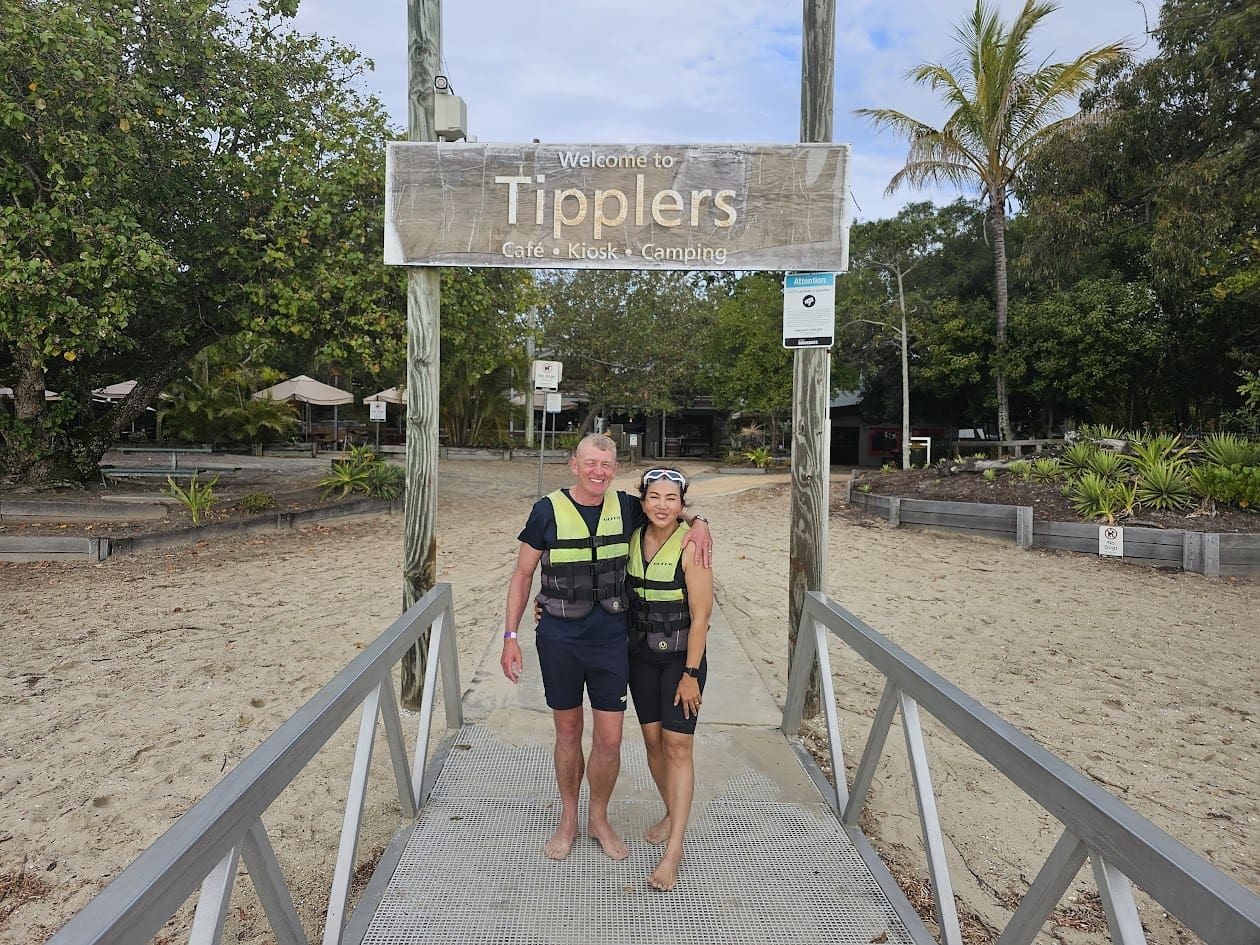
If you are travelling to Australia with a younger family, the Gold Coast in Queensland is arguably one of the easiest and most rewarding places to base yourself. The combination of warm climate, long sandy beaches, major theme parks and wildlife attractions creates a destination where it is almost impossible to run out of things to do.
That said, the Gold Coast is not just for families with children. We recently spent a full week here and were reminded that even for older travellers without young kids, the region offers far more variety than many people expect. The beaches stretch for kilometres, walking paths are well maintained, cafés line the waterfront, and there is an energy to the place that feels distinctly different from Sydney or Melbourne.
The area is most famous for its theme parks, including Warner Bros. Movie World, Sea World and Dreamworld. These are major attractions that draw visitors from across Australia and overseas.
Combination passes and skip-the-line tickets can often be compared in advance through GetYourGuide, which helps avoid long queues during busy periods.
Tickets can sell out during school holidays and peak periods, so pre-booking is wise if your dates are fixed.
Beyond the theme parks, Currumbin Wildlife Sanctuary is well worth including in your plans. It offers the chance to see native Australian animals up close in a relaxed, open setting. Even travellers who are not particularly focused on wildlife often enjoy the experience, especially if they are visiting Australia for the first time.
While public transport exists, we believe hiring a car is the most practical way to explore the Gold Coast. It allows you to move easily between beaches, theme parks and accommodation, and it opens up opportunities beyond the immediate coastline. A short drive inland brings you to Tamborine Mountain, where cooler temperatures, rainforest walks and scenic lookouts provide a completely different experience from the beachfront atmosphere.
For a slower-paced activity, we hired bicycles for a day and rode along the extensive coastal paths. This turned out to be one of the highlights of our stay. The flat, well-maintained pathways make cycling easy, and you can stop whenever you feel like it at one of the many cafés or restaurants overlooking the beach. It’s a simple way to experience the coastline without feeling rushed.
The Gold Coast suits travellers who want energy, accessibility and a wide range of activities within a relatively compact area. Whether you are visiting with children, travelling as a couple, or simply looking for sunshine and convenience, it offers a distinctly Australian coastal experience.
For accommodation ideas, neighbourhood suggestions and more detailed planning advice, see our full Gold Coast Travel Guide.
Uluru and the Red Centre: Australia’s Spiritual Core
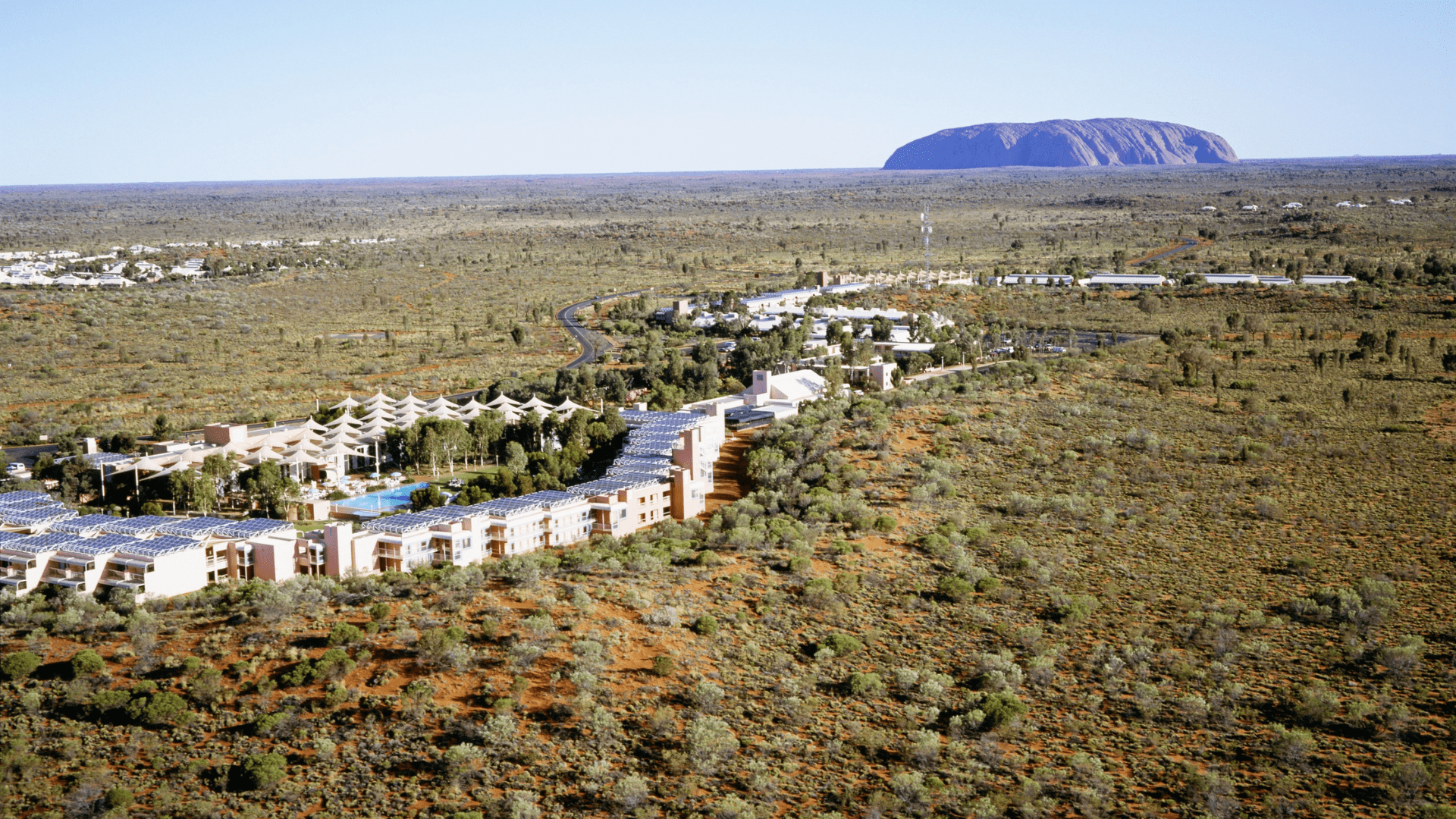
Uluru is not just another landmark. It is one of Australia’s most powerful landscapes.
Standing before Uluru at sunrise or sunset, watching the colours shift across the sandstone, is something that photographs simply cannot replicate.
The Red Centre also includes Kata Tjuta and Kings Canyon, which provide contrasting scenery and rewarding walks. While remote, this region is well organised for visitors arriving by air.
Because this region is remote, comprehensive travel insurance is particularly important. We compare policies through VisitorsCoverage before travelling into remote areas.
For many travellers, Uluru offers the greatest contrast to Australia’s coastal cities. It reveals the country’s scale, history and cultural depth.
We share practical planning advice in our Uluru and Red Centre Travel Guide, including realistic timeframes and seasonal considerations.
If your trip allows two weeks or more, combining Sydney or Melbourne with Uluru creates a memorable contrast.
Western Australia: Vast Distances and Historic Goldfields
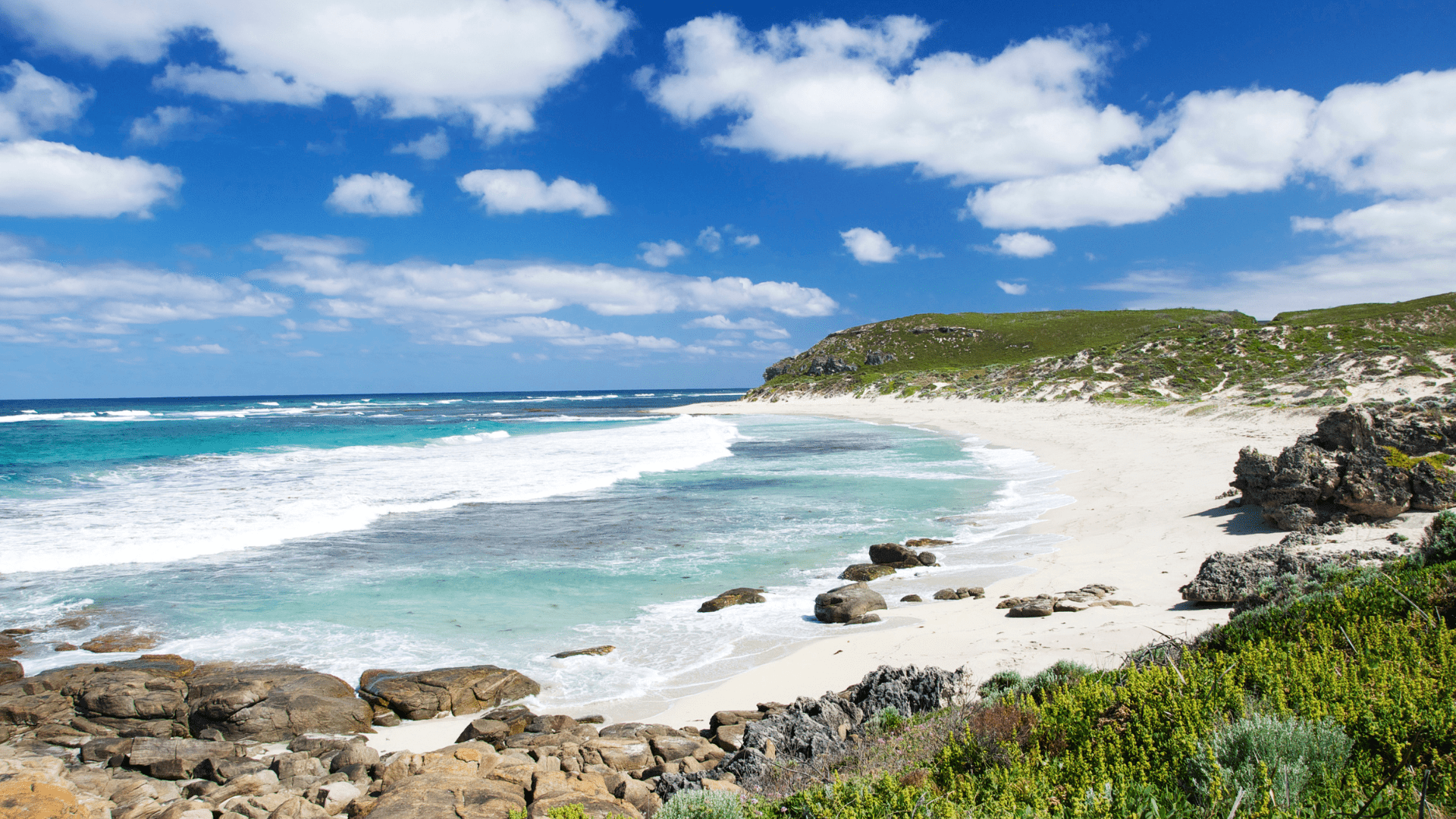
Western Australia feels different from the rest of the country. The distances are larger, the landscapes more open, and the pace noticeably slower. It rewards travellers who allow time to explore rather than rushing through.
If you are visiting for a week or less, basing yourself in Perth or nearby Fremantle is the most practical approach. Perth sits along the Swan River, which is a highlight in itself. Walking paths follow the riverbanks, Kings Park offers sweeping views back over the skyline, and ferry rides provide a relaxed way to experience the water.
Fremantle, just a short drive or train ride from Perth, adds a completely different atmosphere. Historic buildings, weekend markets and waterfront restaurants give it a character that contrasts nicely with the more modern feel of Perth’s city centre.
If your schedule allows, heading south to the Margaret River region is well worth the effort. We spent several days there and based ourselves at Cape Lodge, which proved to be an excellent decision. From there, we explored nearby wineries, coastal cliffs and some of the region’s spectacular beaches. The combination of world-class wine, forested countryside and rugged coastline makes Margaret River one of Australia’s most rewarding regional escapes. Even a short visit provides a completely different experience from city-based travel.
Travellers with more than a week in Western Australia should consider heading inland to experience another side of the state entirely. Kalgoorlie, in the eastern goldfields, offers insight into the mining history that helped shape Western Australia. The town remains active and working, not simply preserved for tourism.
One of its most striking sights is the Super Pit, one of the largest open-cut gold mines in the world. Standing at the lookout and watching the scale of the operation is a reminder of how significant mining remains to the state’s economy. Beyond the mine itself, Kalgoorlie rewards visitors with historic architecture, heritage trails and stories from the gold rush era.
Reaching Kalgoorlie can be done by air from Perth or by car for those prepared for a long inland drive.
If you plan to hire a vehicle for regional travel, we usually compare options through DiscoverCars, which checks multiple providers and often finds competitive rates.
Either option adds depth to a Western Australia itinerary and highlights how diverse the state truly is.
Western Australia suits travellers who appreciate wide landscapes, fewer crowds and the sense of space that defines much of Australia’s identity. Whether you stay close to the coast or venture into the goldfields, the experience feels distinctly different from the east coast.
For more detailed planning suggestions, accommodation ideas and regional insights, see our full Western Australia Travel Guide.
Tasmania: Compact Wilderness and Scenic Road Trips
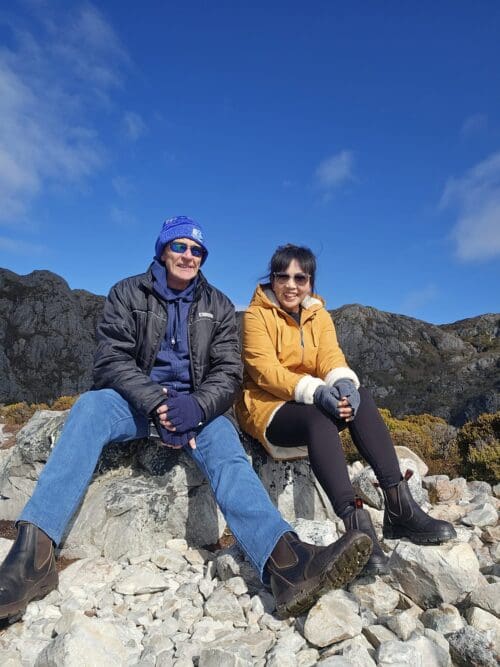
If you have travelled elsewhere in Australia, Tasmania feels noticeably different the moment you arrive. The landscapes are greener, the air cooler and the pace far more relaxed.
One of the first things we noticed during our recent seven-day visit was the absence of air conditioners. Tasmania’s climate is much milder than mainland Australia. Temperatures rarely exceed 30 degrees Celsius and for much of the year sit comfortably below 20 degrees. For travellers who enjoy walking, hiking and being outdoors without intense heat, it is an ideal environment.
Tasmania is especially well known for its protected national parks and World Heritage wilderness areas. The island’s natural beauty feels untouched in many regions. One of the best ways to appreciate this is on a Gordon River cruise departing from Strahan on the west coast. Cruising through calm waters surrounded by ancient rainforest provides a completely different perspective on Australia’s landscape — quiet, remote and deeply atmospheric.
Hobart, the state’s capital, adds historical depth to the experience. The city reflects Australia’s early colonial beginnings, and nearby Port Arthur tells the powerful story of the convict settlements that shaped the nation’s early history. Walking through Port Arthur is sobering and educational, yet it remains one of Tasmania’s most important historical sites.
The east coast offers yet another contrast. Freycinet National Park and nearby Coles Bay are among the island’s highlights. The scenery here feels almost Mediterranean at times, with white sand beaches, pink granite mountains and clear blue water. It is easily one of the most photogenic regions in Australia.
Tasmania may look small on a map compared to mainland Australia, but distances and winding roads mean it should not be rushed. Having lived in Tasmania for three years, I was fortunate to know many of the lesser-known spots when planning our recent seven-day itinerary for Nawa’s visit. That local knowledge made a significant difference in structuring the trip realistically and comfortably.
You can follow that exact route in our detailed Tasmania 7-Day Itinerary, which breaks down how to explore the island without feeling hurried.
Tasmania suits travellers who appreciate nature, cooler climates, history and a slower style of travel. It feels distinct from the rest of Australia — and that difference is precisely what makes it so memorable.
Australia for Different Ages and Mobility Levels
The best places to visit in Australia depend heavily on who is travelling.
If you are younger and highly mobile, you may gravitate toward adventure experiences. Fishing for barramundi in the Northern Territory, exploring remote outback roads or focusing on theme parks in Queensland may appeal.
If you have mobility limitations, Australia’s major cities offer better infrastructure, smoother footpaths and easier transport access. Sydney and Melbourne in particular are well suited to travellers who prefer structured sightseeing rather than rugged exploration.
Australia accommodates both adventure travellers and those seeking comfort — but choosing the right destinations for your physical capacity makes a significant difference.
Choosing the Best Places to Visit in Australia for Your Trip
If you are visiting from overseas, Sydney and Melbourne are the two most common entry points due to frequent international flights. Brisbane, Perth and Adelaide follow.
The length of your stay should guide your decisions.
Once you’ve narrowed down your destinations, it’s worth comparing accommodation options early, particularly during peak travel periods. We use Booking.com to review neighbourhoods, check cancellation policies and compare prices before locking anything in.
For a short visit of one week or less, focus on a single city and perhaps one nearby regional attraction. For two weeks, combining two cities and one contrasting region is realistic. Anything more ambitious risks spending too much time in transit.
Australia cannot be “completed” in one visit. It rewards those who return and explore gradually.
Before finalising flights, we recommend checking accommodation availability across your chosen cities. Our guide on finding accommodation in Australia explains how neighbourhood choice affects convenience and comfort.
Final Thoughts: Australia Is Too Big for One List
There are countless fascinating places to visit in Australia, far beyond what can fit into one article.
From capital cities to outback towns, from coastal drives to desert landscapes, the country’s diversity makes it impossible to define a single “best” list.
The key is understanding what you want from your visit and allowing enough time to enjoy it properly.
Australia is not a country you rush through. It is one you experience gradually.
If you are building your full itinerary, explore our complete Australia Travel Hub, where we link all of our state and city guides together to help you plan with clarity and realistic expectations.