Best time for a Mekong River cruise for seniors

January is one of those months where everything feels manageable. The heat has backed off after the sticky end of the year, mornings can even feel slightly crisp by Southeast Asian standards, and afternoons are warm without being oppressive.
For seniors, this is prime wandering weather. Walking through Phnom Penh’s riverfront, climbing the steps at Wat Hanchey or meandering through village paths doesn’t feel like a physical challenge. You are more likely to sit and linger with an iced coffee and actually notice the details rather than simply looking for shade.
The trade-off is popularity. This is peak season, so ships are often full and well-known sites are busy.
Prices tend to be at their highest, but so is the overall ease of travel. If your priority is maximum comfort and predictable weather, January is hard to beat.
February: sunshine, festivals and gentle energy
February carries the same pleasant temperatures as January but adds a touch more colour. Depending on the lunar calendar, you may encounter Tet celebrations in Vietnam. Markets are lively, temples are decorated, and there is a sense of renewal in the air.
River conditions are stable and excursions are straightforward. The light is beautiful for photography, with clear blue skies and bright reflections off the water.
Because this is still high season, pre or post-cruise hotel nights in Ho Chi Minh City or Siem Reap are worth considering and booking early so you can stay close to the river or main sights without long transfers.
For seniors who enjoy cultural atmosphere without extreme heat, February is a sweet spot.
March: warming up but still comfortable
March is when you start to notice the temperature creeping up. It is still dry, skies are generally clear, but the midday sun has more bite.
Onboard life remains relaxed. River cruises are naturally paced, with plenty of shaded seating and air-conditioned lounges, so even warmer afternoons are rarely a problem. The main difference is felt during longer shore visits.
The upside is slightly smaller crowds than January and February. You still get reliable weather, but with a little more breathing space at major attractions.
If you like sunshine and don’t mind retreating indoors for a short rest after lunch, March offers a nice balance of value and comfort.
April: heat arrives, but so does character
April is hot. There is no gentle way to put it. Midday excursions can feel intense, and this is when listening to your body becomes important. The good news is that most cruise lines adjust schedules to avoid the worst of the sun, often heading out early in the morning and returning to the ship for a relaxed afternoon.
This is also the time of Khmer New Year in Cambodia, which brings joyful chaos, music and celebration to towns along the river. You may see water splashing festivities and families gathering by the riverbanks.
Because the heat deters some travellers, fares can soften. If you are comfortable pacing yourself and embracing the local rhythm rather than trying to see everything, April can be rewarding, but for us, it was a time to avoid.
One thing we found particularly handy during this time was having an eSIM set up for mobile data when going ashore. While many cafés and hotels do offer Wi-Fi, connections can be patchy or unreliable once you move away from tourist areas, and having your own data makes life much easier when checking maps, contacting guides, or arranging transport back to the ship. We prepaid an eSIM before departure and ended up using it far more than expected. We’ve personally found Airalo one of the easiest options to set up and use across Southeast Asia, and it saved us hunting for connections in the heat.
May: the first hints of rain and lush scenery
In May, the dry season begins to loosen its grip. You might get short, sharp showers, usually in the late afternoon or evening. Rather than being a nuisance, they often cool the air and wash the dust from the leaves.
The countryside starts turning a richer green. Rice fields wake up, palms look freshly polished, and the river itself begins its gradual rise.
Crowds thin further, creating a more intimate feeling when visiting villages or monasteries. If you don’t mind the occasional umbrella moment, May offers a softer, greener Mekong.
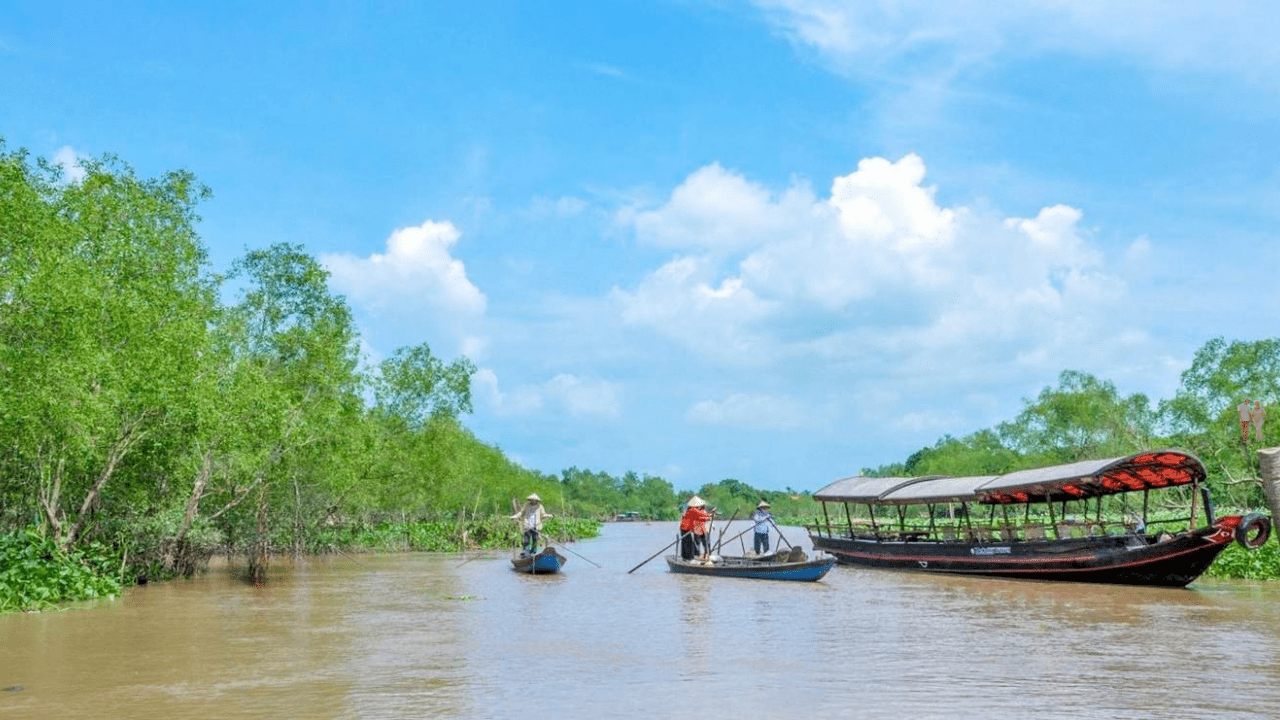
September is often when the Mekong is at its fullest. Boats can travel into areas that are unreachable at other times of year, giving you glimpses of daily life in flooded forests and remote hamlets.
Rain is still part of the story, but it tends to come in bursts rather than endless drizzle. Between showers, the world looks freshly painted.
For seniors who are more interested in authentic rural encounters than postcard-perfect blue skies, September can be one of the most memorable months to travel.
October: easing rains and comfortable warmth
October marks the beginning of the transition back towards the dry season. Rainfall tapers off, humidity starts to drop, and temperatures settle into a comfortable warm range.
The landscape remains green, but days feel lighter and easier for walking. River levels are still relatively high, so you keep that enhanced access to smaller waterways.
This is an excellent shoulder month. You get much of the beauty of the wet season without as much unpredictability, and prices have not yet climbed to peak levels.
November: clear skies and returning crowds
By November, sunshine dominates again. Skies are blue, air is drier, and evenings are pleasantly mild.
This is when many travellers rediscover the Mekong, so ships begin to fill. The atmosphere is lively but not yet at the intensity of January.
Excursions are straightforward and comfortable. Long temple visits, city walks and market explorations feel easy, making November a strong all-round choice for seniors who want good weather without extreme heat.
December: festive, fresh and popular
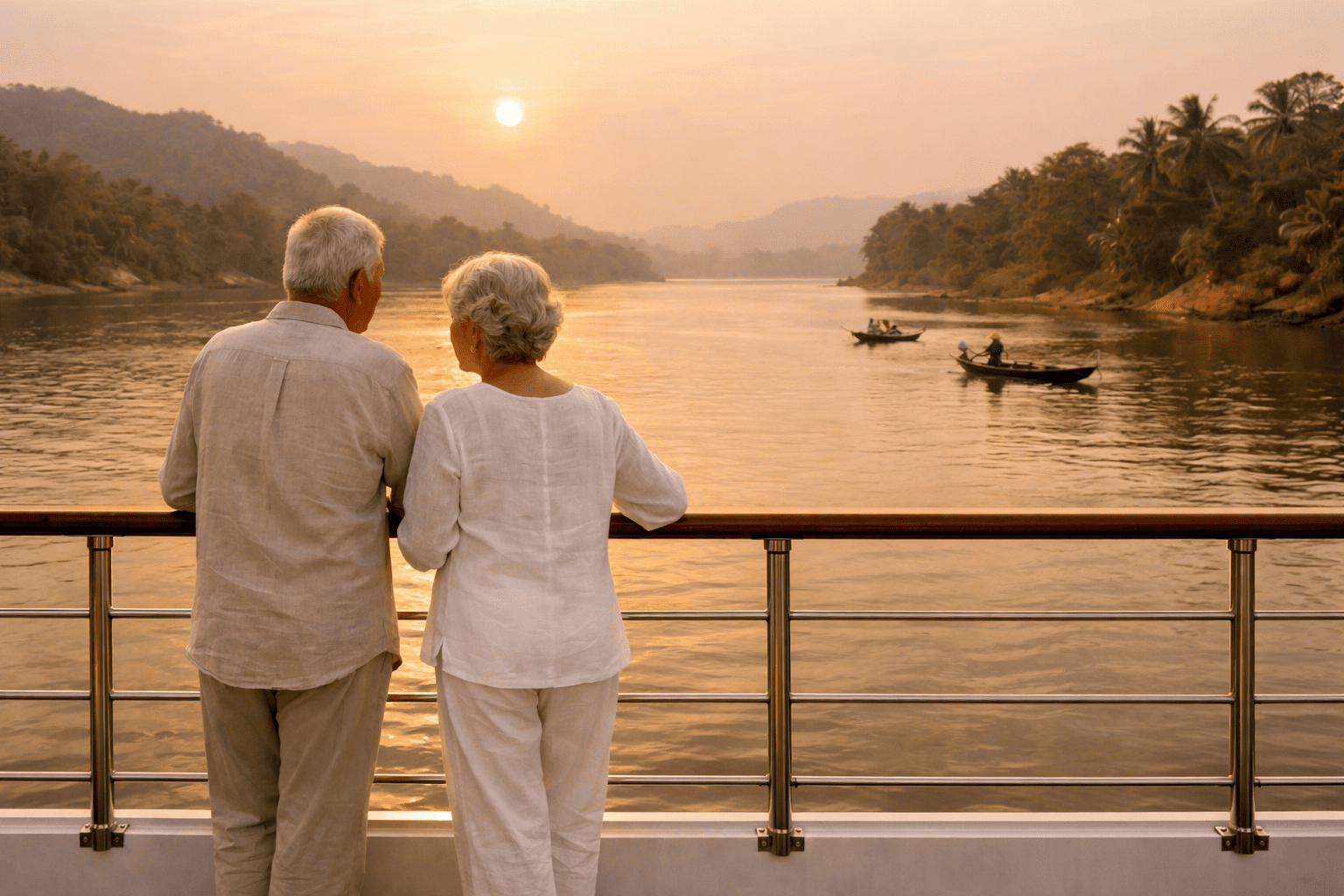
December combines dry, comfortable weather with a festive travel mood. River sunsets are clear and golden, mornings are cool enough for a light jacket, and afternoons invite slow deckside watching of passing life.
It is another peak period, so early booking is essential.
For many seniors, December feels like the most effortless time to travel. The only real downside is demand.

Choosing the right cruise style for your comfort
Different cruise lines approach the Mekong in slightly different ways, and matching the cruise style to your own comfort preferences can make a surprising difference to how much you enjoy the journey.
When we first started researching, we cast the net fairly wide. There are more operators on the Mekong than many people realise, and several of them offer excellent experiences. Over time, though, we found ourselves narrowing the field based on cabin comfort, excursion pacing, onboard atmosphere and overall value for senior travellers.
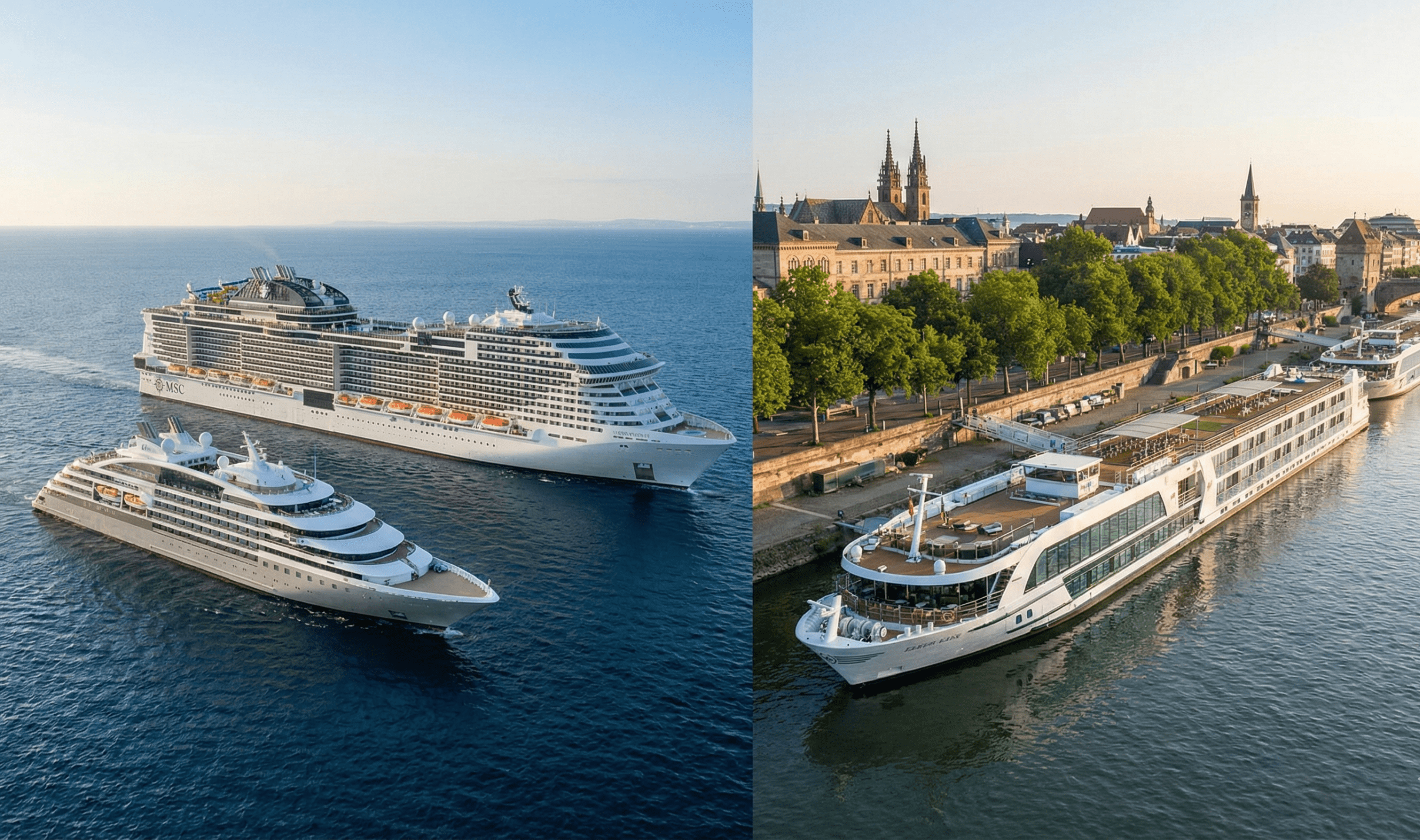
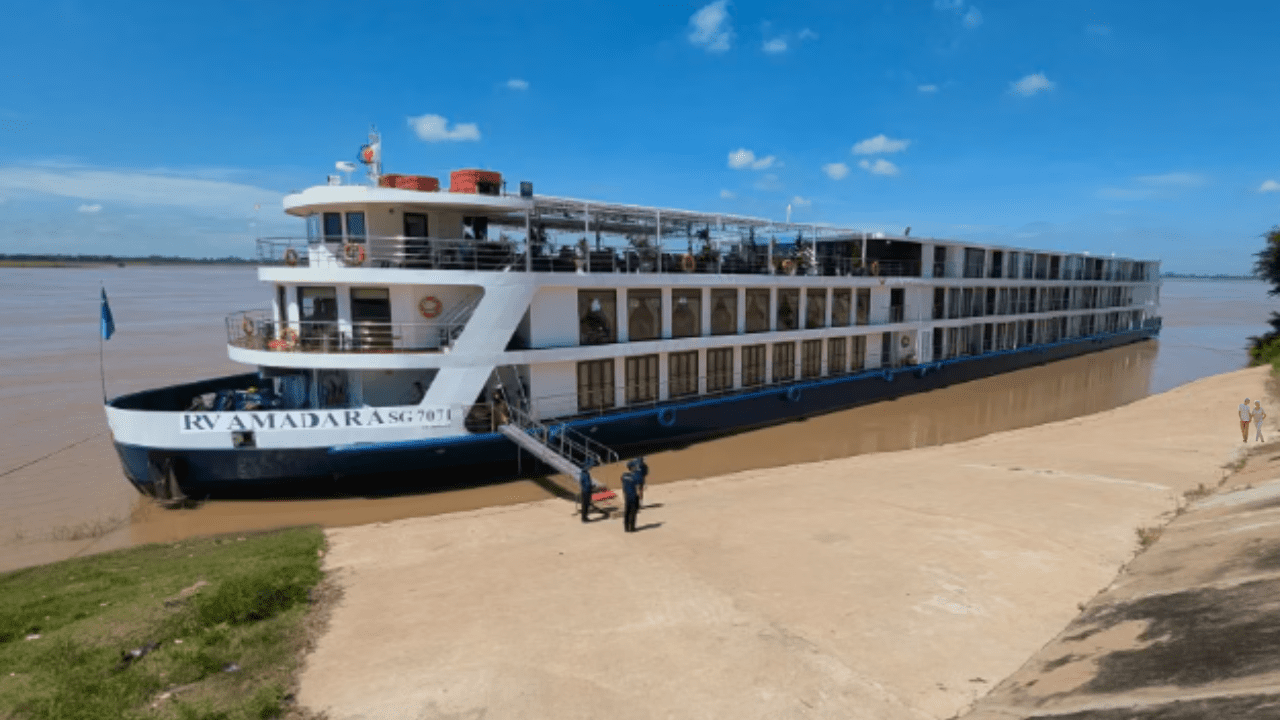
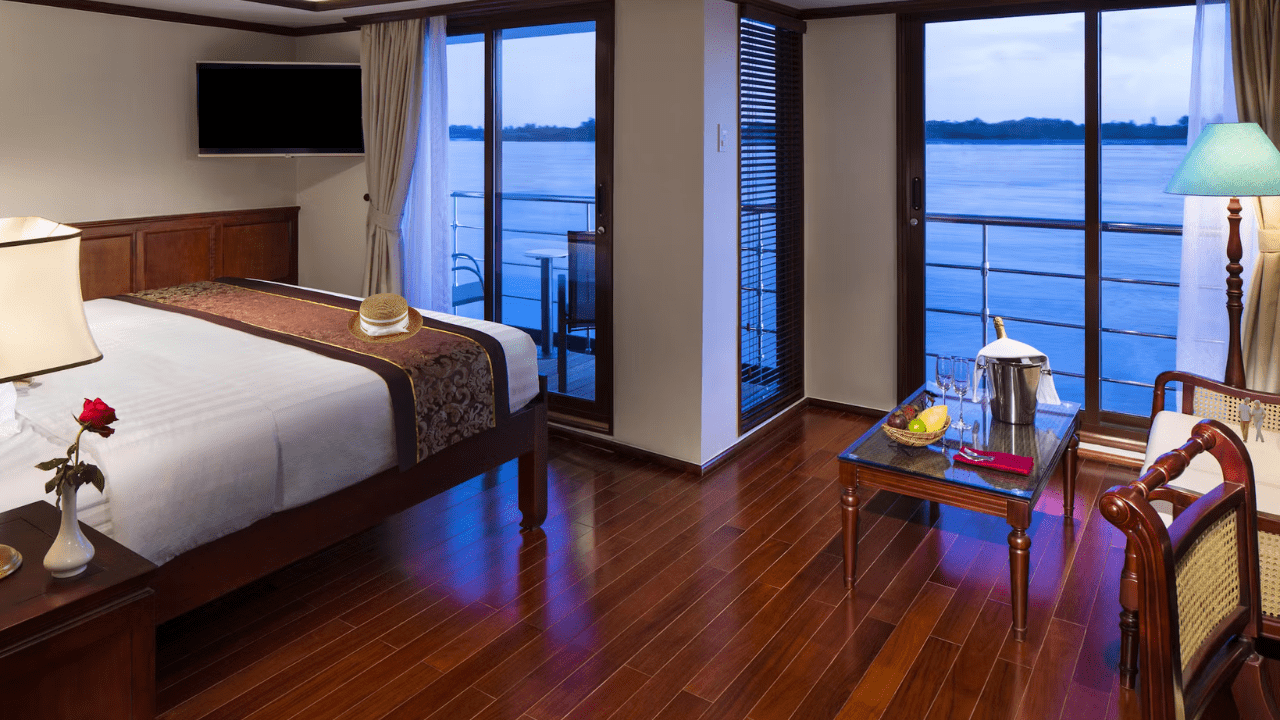
AmaWaterways quickly stood out and ultimately became our choice. It sits firmly in the luxury bracket, but without feeling formal or stuffy. Cabins are spacious, dining is excellent, and service feels polished yet genuinely warm. Excursions are well organised and paced sensibly, often including gentler options for travellers who prefer not to tackle long walks or steep steps. For us, it struck a very comfortable balance between luxury and relaxed atmosphere.
Emerald Cruises was the other line we seriously considered and remains an excellent alternative. It generally sits in the premium mid-range category, offering modern ships, cleverly designed cabins and a friendly, sociable onboard feel. It represents strong value for travellers who want comfort and quality without stepping fully into ultra-luxury pricing, and many senior travellers we spoke with were very happy with their experiences onboard.
During our research we also looked closely at Avalon Waterways and Aqua Expeditions, both of which offer Mekong itineraries and, in some cases, operate limited departures even during quieter months such as August. Avalon’s ships are modern and comfortable, with well-designed cabins and good onboard service, while Aqua Expeditions focuses more on boutique-style luxury with distinctive ship design and a strong culinary reputation.
In the end, though, once we compared itineraries, cabin layouts, pricing and sailing dates, we found ourselves consistently coming back to AmaWaterways and Emerald Cruises as offering the best combination of comfort, schedule choice and overall experience for what we wanted from the trip.
All of these lines cater well to senior travellers in different ways, but your final decision usually comes down to whether you prefer understated luxury, modern value, or a smaller boutique-style experience. For us, the decision became clearer the deeper we went into planning, and it ultimately helped shape one of our most memorable river journeys. Check out the latest prices and itineraries here.
Weather versus crowds: what matters more to you?
If predictable sunshine and minimal rain are top priorities, the period from November through February is your safest bet. You will share the river with more travellers, but conditions are reliably comfortable.
If you value space, quiet and greener scenery, the shoulder and low months from May through September can be surprisingly appealing. You may dodge a shower or two, yet you gain intimacy and depth of experience.
Many seasoned river cruisers eventually drift towards the shoulder months. They discover that a little weather drama often makes the journey feel more alive, not less.
Pacing your days as a senior traveller
One of the quiet joys of a Mekong cruise is that you never need to rush. Even in warmer months, excursions are usually short and broken into manageable segments. You might visit a pagoda, return to the ship for lunch and rest, then head out again in cooler late afternoon light.
If mobility is a concern, talk to your cruise director early. Most lines offer gentler alternatives or shorter walking routes so you can still enjoy the cultural highlights without overexertion.
This flexibility is what makes the Mekong so well suited to travellers in their later years. The river sets the tempo, and it is rarely fast.
Extending your trip before or after the cruise
Many seniors add a few days in Siem Reap to see Angkor or in Ho Chi Minh City to explore colonial streets and museums. Most cruise lines offer pre- and post-extensions, but we have always found these to be expensive and have always found far cheaper options, booking our accommodation or tours ourselves. We spent 2 days in Ho Chi Minh City before our cruise and also booked a car through Trip.com which saved us a lot of walking between sightseeing visits.
These extra days turn a cruise into a rounded Southeast Asian journey rather than a single experience.
If you’re still comparing cruise lines beyond just timing — including European river cruises and ocean options — our complete guide to the best cruise lines for seniors compares comfort, mobility, inclusions and overall value across major cruise brands worldwide:
https://trustytraveltips.com/best-cruise-lines-for-seniors/
So when is truly the best time?
The honest answer is that the best time for a Mekong River cruise for seniors depends less on the calendar and more on your personal rhythm.
If you want cool mornings, clear skies and maximum ease, aim for January or February.
If you prefer warmth without extremes and slightly fewer people, look to March or November.
If you love greenery, quiet ships and don’t mind the occasional shower, the months from May to September offer depth and serenity that peak season cannot match.
There is no wrong choice. The Mekong is generous year round. Pick the month that feels right for your body, your curiosity and your idea of a perfect slow day on the water.