Best time to take a Mediterranean cruise for first timers is one of the most common — and most misunderstood — questions people ask when planning their first voyage to Europe.
Before our first Mediterranean cruise, we thought we already knew the answer. Summer. Warm weather. Long days. That’s what the brochures told us, what cruise marketing reinforced, and what most first-time cruisers instinctively assume.
What we didn’t realise — and what we learned very quickly — is that timing in the Mediterranean doesn’t just affect the weather. It shapes everything. Crowds, energy levels, enjoyment, and how immersive the entire experience feels all hinge on when you travel.
If we were booking our first Mediterranean cruise again today, timing would be one of the very first decisions we’d make — and we’d approach it very differently.
This article is written for first-time Mediterranean cruisers, particularly couples and seniors, who want their first experience to feel enriching rather than exhausting. If you’re still deciding which cruise line best suits a relaxed, senior-friendly Mediterranean experience, our guide to the best cruise lines for seniors breaks down which cruise brands consistently deliver comfort, pacing, service, and value for mature travellers.
It’s not about chasing “perfect” weather. It’s about choosing a time of year that supports the way the Mediterranean actually feels once you’re on the ground. If you haven’t already read it, this article works best alongside our main guide to Mediterranean cruises for first timers, which looks more closely at ship size, cruise lines, crowd timing, and onboard pacing plus access to our exclusive video on the Mediterranean.
When we’re checking how timing affects pricing and availability, we usually start by comparing Mediterranean sailings on CruiseDirect.
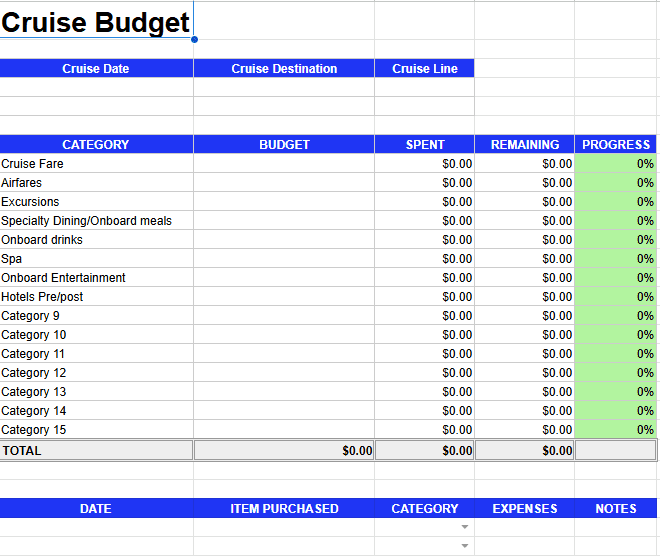
If you are planning your first cruise, make sure you check out our cruise budget planner
Why timing matters more than first-time cruisers expect
On a Mediterranean cruise, you’re not just visiting destinations. You’re stepping into some of the most visited cities in the world.
Rome, Venice, Barcelona, Dubrovnik and Florence aren’t quiet ports that spring to life when a ship arrives. They’re already busy, already layered with visitors, and already operating close to capacity for much of the year. When cruise traffic is added to that mix, timing becomes critical.
On our first cruise, we underestimated just how much timing would influence the experience. It affected how crowded ports felt, how long transfers and queues took, how tiring sightseeing days became, and whether we felt rushed or reflective by the end of each day.
We assumed the ship would buffer us from those pressures. In reality, no ship can insulate you from peak-season crowds once you step ashore.
Why the Best Time to Take a Mediterranean Cruise for First Timers Isn’t Summer
Cruise marketing overwhelmingly frames summer as the ideal time to cruise the Mediterranean, and it’s easy to understand why. Long daylight hours, guaranteed warmth, blue skies, and the idea of the Mediterranean being “in full swing” are powerful selling points.
That narrative certainly influenced us.
What marketing rarely shows is what summer actually looks like in practice. Cities operate at maximum capacity. Multiple cruise ships arrive at the same ports at the same time. Shore excursions funnel thousands of people toward the same landmarks. Heat compounds physical fatigue, especially on walking-heavy days.
Summer isn’t inherently bad. But for first-time Mediterranean cruisers, it often delivers intensity rather than ease.
What peak season really felt like for us
Our first Mediterranean cruise took place during peak season, and that decision shaped the experience more than we expected.
The weather was warm, yes. But the crowds were relentless.
In Venice, simply walking through the city felt like navigating a moving wall of people. In Rome, iconic sites were so busy that lingering or reflecting wasn’t really possible. Dubrovnik was the moment it truly crystallised for us — walking the old town walls felt less like a historic experience and more like crowd management.
None of this ruined the trip. But it did change how it felt.
Instead of absorbing places, we found ourselves constantly adjusting. Timing movements to avoid bottlenecks. Standing rather than strolling. Thinking about logistics when we wanted to think about history and atmosphere. If immersion is what you’re hoping for, summer can make that surprisingly difficult on a first Mediterranean cruise.
Why shoulder season is what we’d choose now
If we were booking our first Mediterranean cruise again, we would choose shoulder season without hesitation.
Spring and autumn offer a completely different experience. Temperatures are still comfortable for sightseeing, but cities feel noticeably calmer. Transfers are smoother. Museums feel less frantic. You can stop, look, and absorb where you are instead of constantly negotiating space.
Ports that felt overwhelming in summer suddenly feel manageable — and often genuinely enjoyable.
There’s also a financial reality that first-time cruisers often overlook. Shoulder-season cruises are usually cheaper, and airfares are often significantly lower as well. You’re not paying a premium to share the Mediterranean with its busiest weeks of the year. The price difference between peak and shoulder season becomes very obvious when you compare the same Mediterranean itinerary across different months.
Most importantly, shoulder season restores something essential: time and space. And those are the two things the Mediterranean rewards most generously.
Off-season cruising: quieter than you’d expect
Before our first cruise, we barely considered off-season Mediterranean cruising. It sounded cold, risky, and somehow less “Mediterranean”.
In reality, months like March — and even November on select itineraries — can be deeply rewarding for the right traveller. You trade beach weather for calmer ports, quieter museums, and cities that feel lived-in rather than overrun.
This time of year suits travellers who care more about culture than sun, who dislike crowds more than cooler temperatures, and who want to walk cities rather than rush through them. It’s not for everyone, but for the right first-timer, it can be transformative.
How the Mediterranean actually feels, month by month
Rather than naming a single “best” month, it’s more helpful to understand how the Mediterranean feels across the year for first-time cruisers.
March is cool, calm, and largely uncrowded, making it ideal if atmosphere matters more to you than warmth. April brings spring colour and energy without the pressure of peak crowds. May often feels like the sweet spot — lively, warm, and balanced without being overwhelming.
June marks the beginning of rising heat and noticeably heavier crowds. July and August bring maximum intensity, with peak temperatures and very little breathing room in popular ports. September retains much of the summer warmth but regains a sense of space as holiday travel fades. October feels reflective and comfortable, especially for walking-heavy itineraries, while November is quiet and cool, best suited to travellers who value culture and calm above all else.
The “best” month depends far less on weather than on how you want to feel at the end of each day.
How timing can change the same itinerary completely
One of the most surprising lessons we learned is that the same itinerary can feel like two entirely different trips depending on when you sail.
Rome in July is a test of endurance. Rome in October is a pleasure. Venice at midday during peak season feels strained. Venice early in the morning or later in the evening, outside peak season, feels almost magical.
We experienced this contrast firsthand when we stayed in Venice after our cruise ended. Seeing the city outside daytime port-call hours changed everything. Streets that had felt overwhelming suddenly felt intimate and alive. That experience reshaped how we think about timing more than any guidebook ever could. We break down specific route choices and pacing in more detail in our guide to the best Mediterranean cruise itineraries for first timers.
What we’d do differently now
If we were booking our first Mediterranean cruise today, we’d make a few decisions without hesitation.
We’d prioritise shoulder season over peak, even if it meant slightly cooler weather. We’d accept fewer guarantees about sunshine in exchange for space, calm, and comfort. And we’d treat timing as a core part of itinerary planning rather than an afterthought.
The Mediterranean doesn’t reward perfect conditions. It rewards presence. And presence is far easier when you’re not fighting the calendar.
The real lesson timing taught us
What we wish we’d known before booking our first Mediterranean cruise isn’t that summer is “bad” or that there’s one perfect month to go.
It’s that timing shapes how you experience the Mediterranean far more than what you see.
Choosing when to go determines whether your first cruise feels rushed or reflective, exhausting or energising, overwhelming or immersive. If you’re planning your first Mediterranean cruise, don’t just ask which ship or which itinerary. Ask when — and be honest about what kind of experience you want.
Our first Mediterranean cruise taught us many things. But timing may have been the most valuable lesson of all.