
Retirement is the ideal time to travel — but rising prices make many retirees nervous about spending too much.
The truth is this:
Budget vacations for retirees are not about cutting corners.
They are about travelling strategically.
After years of travelling across Australia, Europe and Southeast Asia in retirement, we’ve learned something important:
Flexibility is your greatest financial advantage.
And nothing saves more money than avoiding peak season.
This guide breaks down how retirees can travel more, spend less, and still stay comfortable — with real examples and realistic cost comparisons.
If you’re planning a trip now, you can explore all of our practical planning guides in one place in our main travel planning hub.
The Biggest Advantage Retirees Have (That Most Travellers Don’t)
When you’re no longer tied to school holidays or limited annual leave, you can completely avoid peak season.
And peak season is where most people overspend without realising it.
Hotels don’t charge high prices because rooms are better in February than May. They charge high prices because demand is higher. It’s simple supply and demand.
If a hotel has 10 rooms and 15 people want to book them, they’ll charge whatever the market will bear. And they track this data carefully. They know exactly when peak periods are coming.
We’ve seen this firsthand.
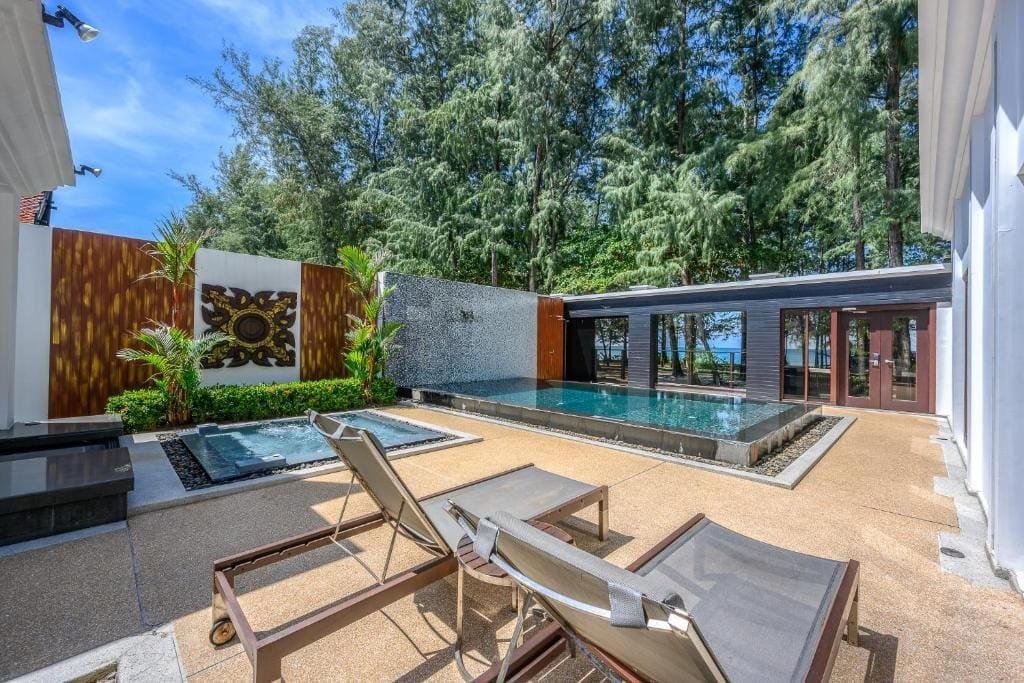
We recently looked at booking a three-night stay at Maikhao Dream Villa Resort and Spa in Phuket. Mid-February prices were showing around 28,000 baht per night (about US $900). That’s peak season — dry weather, heavy tourist demand.
We already knew that February was not the time to travel because of extremely hot weather and peak prices so we cast our research out a few months to early May.
The price dropped to 14,400 baht per night.
Almost 50% cheaper.
Same resort. Same room. Same beach.
The only difference? Timing.
Yes, May marks the beginning of the wet season in Thailand. But “wet season” in Southeast Asia often means a brief afternoon storm and sunshine the rest of the day. And while February is technically peak season, it’s also extremely hot — often uncomfortably so unless you’re sitting in a pool all day.
Being retired means you can choose early May over mid-February. That one decision can fund another entire trip.
That’s how retirees travel more without spending more.
If you want to see exactly how we compare dates and uncover off-season pricing like this, we break it down step by step in our guide on how to find cheaper hotel deals.
Choosing the Right Destination Makes a Huge Difference

Not all destinations are equal when it comes to cost.
Southern Europe often feels more affordable than northern Europe. Southeast Asia can stretch your dollar far further than the US or Australia. Smaller towns almost always cost less than capital cities.
But there’s another approach many retirees overlook: staying longer in one place.
Slow travel is usually cheaper.
When you move less, you spend less on transport. You settle into neighbourhood cafés. You shop at local supermarkets instead of tourist restaurants. Weekly or monthly accommodation rates can be significantly lower than nightly rates.
And perhaps most importantly, the trip feels less exhausting.
You’re not trying to “see everything.” You’re actually enjoying it.
Transport Is Where Many Retirees Overspend

Flights can feel expensive — but they don’t have to be. Before we book, we often check Google Flights to compare flexible date pricing across nearby airports.
If you’re flexible with dates, airports, and departure days, you can often save hundreds. Midweek flights are frequently cheaper. Shoulder season fares are usually lower. Even shifting your trip by a week can change the price dramatically.
We also look beyond flights.
Regional trains can be comfortable and affordable. Road trips can be economical if planned properly. And repositioning cruises — when ships move between seasonal regions — can offer surprisingly good value if you’re open to the route.
If cruising is part of your retirement plans, our Cruise Budget Planner helps estimate the full cost before you commit.
The key is flexibility. And retirees have that in abundance.
Comfort Is Not the Opposite of Budget

One of the biggest myths about budget travel is that it means giving up comfort.
It doesn’t.
It means choosing comfort strategically.
We have absolutely booked five-star luxury — but we’ve done it on our terms. That Phuket resort we mentioned? In peak season it was priced at 28,000 baht per night. In early May, it dropped to 14,400 baht.
Same resort. Same room. Same view.
Half the price.
That’s not “cutting back.” That’s using timing to your advantage.
Being retired means you don’t have to compete with school holidays or peak demand. You can enjoy premium properties when they’re quieter, more relaxed, and significantly more affordable.
Budget travel isn’t about staying in basic accommodation unless that’s what you prefer. It’s about avoiding inflated prices caused by demand. Sometimes that means choosing a well-rated apartment. Other times it means enjoying five-star luxury for what a three-star hotel would cost in peak season.
Comfort and budget absolutely coexist — when you let timing work in your favour.
Eating Well Without Overspending

Food can quietly become one of the biggest daily expenses when you travel.
But for us, it’s not about skipping restaurants. It’s about structuring meals in a way that feels comfortable and still keeps costs under control.
For shorter stays — especially one to three nights — we almost always book accommodation that includes breakfast. Starting the day with a relaxed, included breakfast just feels easier. There’s no hunting for coffee first thing in the morning, no early decision-making, and no extra daily spend. It sets a comfortable tone for the day.
When we stay somewhere for a week or longer, we usually switch strategies. That’s when we look for a self-contained apartment or villa. Having a kitchen gives us flexibility. We can prepare simple breakfasts or light meals ourselves, pick up fresh produce locally, and avoid eating out three times a day.
That doesn’t mean we don’t enjoy restaurants.
We typically have one proper meal out each day — often lunch or an early dinner — and keep the rest simple. Sometimes that means a local market snack, a bakery stop, or something small from a street stall.
And one rule has served us well almost everywhere in the world: eat where locals eat.
Walk a few streets away from the main tourist strip. Look for places that are busy with residents rather than visitors. You’ll usually pay less, and the food is often better.
It’s not about restriction. It’s about rhythm. When you balance convenience, flexibility, and one good daily meal out, food becomes part of the experience — without quietly draining the budget.
Why Travel Insurance Is Not an Optional Extra
Budget travel isn’t just about saving money — it’s about protecting it.
About a year ago, I fell from a ladder in Thailand and ended up in a private hospital in Surat Thani with multiple deep cuts requiring X-rays and extensive stitching. The initial visit cost 25,000 baht. Four follow-up visits added another 18,000 baht.
Total cost: 43,000 baht.
Fortunately, we had travel insurance. After a 5,000 baht excess, the rest was covered. We typically compare policies through VisitorsCoverage before we travel to make sure medical limits and evacuation coverage are appropriate for the destination.
Medical care overseas can be expensive, even for relatively straightforward treatment. For retirees especially, comprehensive coverage isn’t a luxury — it’s a safeguard.
If you’d like a deeper breakdown of what travel insurance actually covers (and what it doesn’t), read our full guide on why you need travel insurance.
Stretching Your Travel Budget Across the Year
Instead of thinking about one big holiday, think about the entire year.
Maybe one longer, lower-cost trip to a value destination. A few short regional getaways. Travel outside school holidays. Midweek stays instead of weekends.
Set aside a dedicated travel fund. That way, when you book, you’re spending from a plan — not reacting emotionally to a deal.
And always track your spending. Even loosely. Awareness alone prevents overspending.
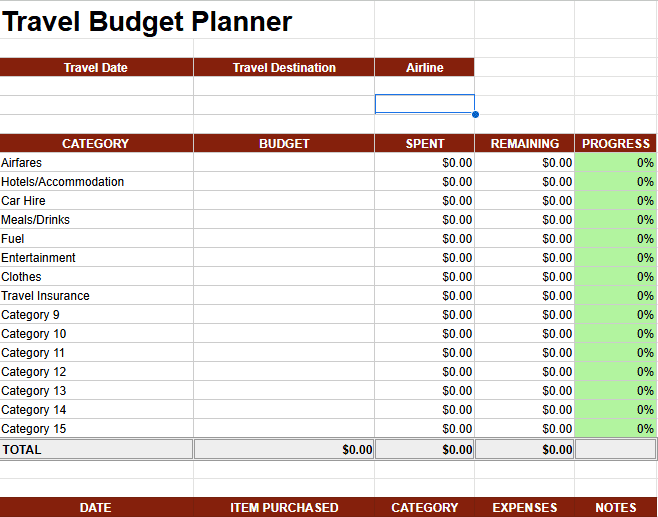
If you prefer something structured, we created a simple Travel Budget Planner that helps you see your full trip cost before you book.
The Real Secret to Budget Vacations for Retirees
When people hear “budget travel,” they often assume it means cutting corners or settling for less.
That’s never been our approach.
For us, the real difference isn’t about hunting down the absolute cheapest option or staying somewhere uncomfortable just to save a few dollars. It’s about timing and flexibility.
That’s the real advantage of retirement.
When you’re no longer tied to school holidays or limited annual leave, you can travel when demand drops. You can shift your dates by a few weeks and suddenly find prices that are dramatically lower. You can stay longer, move slower, and make decisions based on value instead of urgency.
That freedom changes everything.
It means you don’t have to compete with peak-season crowds or pay inflated prices simply because “this is the only time we can go.” You can look at a destination, watch the pricing patterns, and choose the window that makes financial sense.
That isn’t cheap travel.
It’s thoughtful travel.
And over time, those smarter decisions add up. They allow you to take more trips, stay in better places for less, and protect the financial future you worked hard to build — without feeling like you’re constantly compromising.