Dubrovnik Cruise Port Guide: How to Plan Your Day
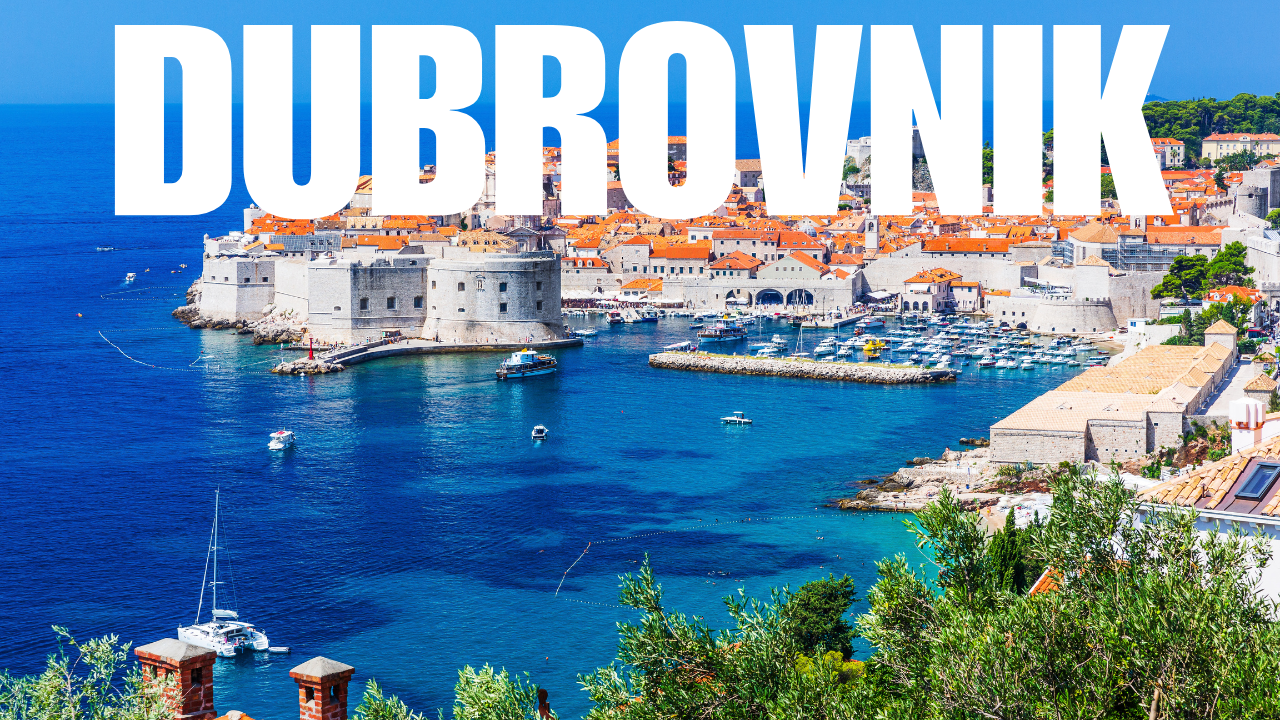
Dubrovnik sits on the southern coast of Croatia and is one of the most visually dramatic stops on any Mediterranean cruise itinerary. Medieval stone walls rise above terracotta rooftops, backed by the deep blue Adriatic Sea.
It’s also one of the Mediterranean’s most popular cruise ports. Although authorities now limit cruise arrivals to two ships per day with a combined capacity of roughly 5,000–8,000 passengers, the Old Town can still feel concentrated when thousands disembark within a short time window.
If you’re visiting Dubrovnik as a cruise stop, you likely have just one day. With that in mind, timing is everything. Dubrovnik was one of the ports on our Viking Mediterranean Odyssey cruise from Barcelona to Venice, and it quickly became one of the most visually striking stops of the itinerary.
Most cruise ships allow between six and eight hours in Dubrovnik. While that may sound generous, the City Walls alone can consume two hours, and transfers to and from the port add additional time.
With careful planning, you can realistically fit in:
• The City Walls
• A relaxed Old Town wander
• One additional attraction (cable car or Lokrum)
Trying to do everything will leave you rushed and overheated — especially in summer.
In truth, like most cruise ports, one day is not enough to experience Dubrovnik fully. There are beaches, nearby towns, wine regions and islands that deserve far more time than a single port call allows.
However, if you focus on one or two priority experiences and pace yourself, Dubrovnik delivers a meaningful and memorable overview within a cruise schedule.
Here’s how we would structure a day at the Dubrovnik cruise port — and what we would do differently if we had our time again.
Visiting the Dubrovnik Cruise Port: What to Expect

Cruise ships dock at Gruž Port, about 10–15 minutes by bus or taxi from the Old Town. Many cruise lines offer shuttle transfers, and local buses and taxis are easy to access at the port.
The transfer itself is simple. The real challenge in Dubrovnik is crowd management. Most cruise passengers head straight for the Old Town, and congestion peaks from late morning through mid-afternoon.
If possible, plan your day so your highest-priority attraction comes first.
Is Dubrovnik Walkable from the Cruise Port?
Cruise ships dock at Gruž Port, which is not directly adjacent to the Old Town. Walking the full distance would take approximately 35–45 minutes and is not particularly scenic.
Most cruise passengers use either the ship’s shuttle bus, a local Libertas bus, or a taxi. The transfer time is usually around 10–15 minutes depending on traffic.
Once inside the Old Town, everything is walkable — but be prepared for uneven limestone streets and plenty of steps. Dubrovnik is not flat. The polished stone can also become slippery, particularly in wet conditions.
If mobility is a concern, the cable car to Mount Srđ may be a better option than the City Walls walk. Lokrum Island can also provide a gentler alternative, depending on how much walking you choose to do.
Dubrovnik is compact once you’re inside the walls, but it does require a reasonable level of mobility to explore comfortably.
The One Thing to Prioritise: Walk the City Walls Early
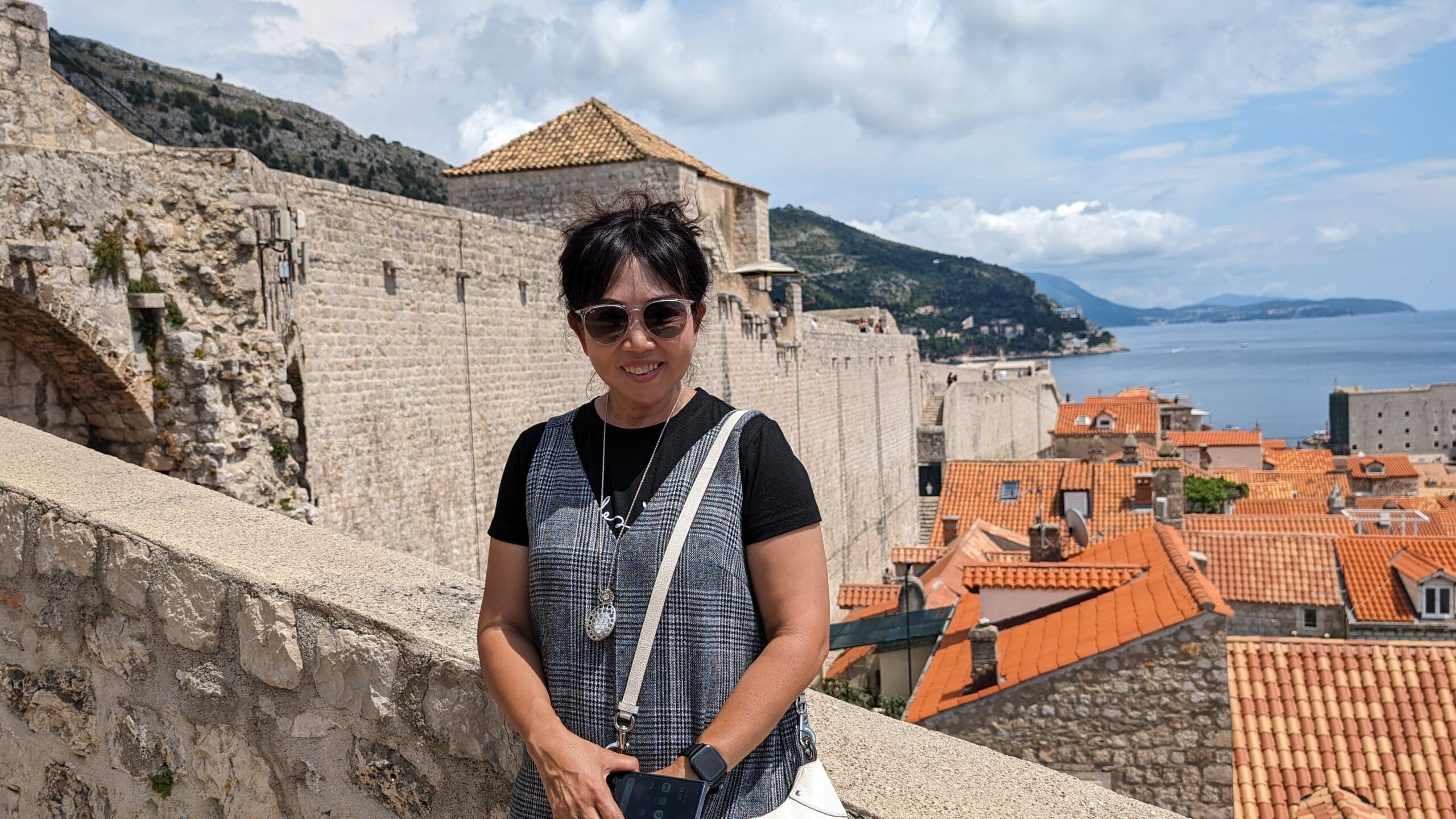
If we had our time again, we would have skipped the included Viking coach excursion and gone straight to the City Walls.
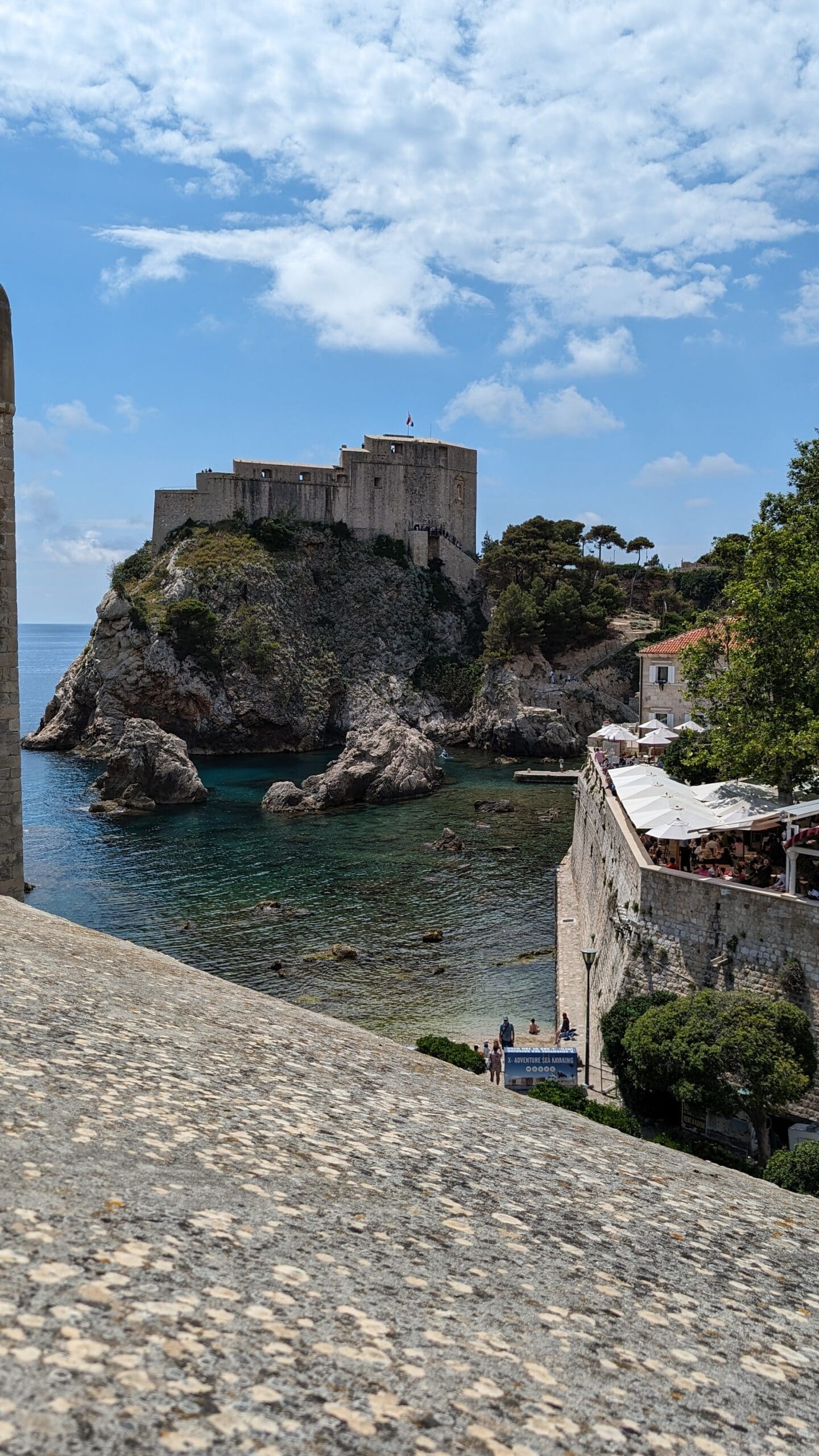
The 2km walk around Dubrovnik’s medieval fortifications is the defining experience of this cruise stop. The walls rise over 20 metres in places and completely encircle the Old Town. Originally constructed between the 12th and 17th centuries, the walls protected the Republic of Ragusa from repeated naval and land-based attacks.
From the top, you see the sea stretching endlessly in one direction and terracotta rooftops packed tightly below in the other.
We completed the walk mid-afternoon after finishing our included excursion — and it was hot. Very hot.
There is virtually no shade along the walls. In summer, and even in the shoulder seasons, the stone reflects heat intensely. After two hours in direct sun, we were exhausted.
If you are visiting Dubrovnik on a cruise, make the City Walls your first stop of the day. Do it before the main crowds arrive and before the sun becomes punishing.
The walk takes approximately two hours at a relaxed pace. There are steps, uneven surfaces and no lift access, so if you have mobility concerns, this may not be suitable.
Be prepared for crowds. Dubrovnik struggles with over-tourism, particularly on cruise days. Starting early transforms the experience.
Tickets are not cheap — around €40 per person in peak season — but in our opinion, this is one of those must-do experiences if Dubrovnik is on your cruise itinerary.
Should You Book a Guided City Walls Tour?
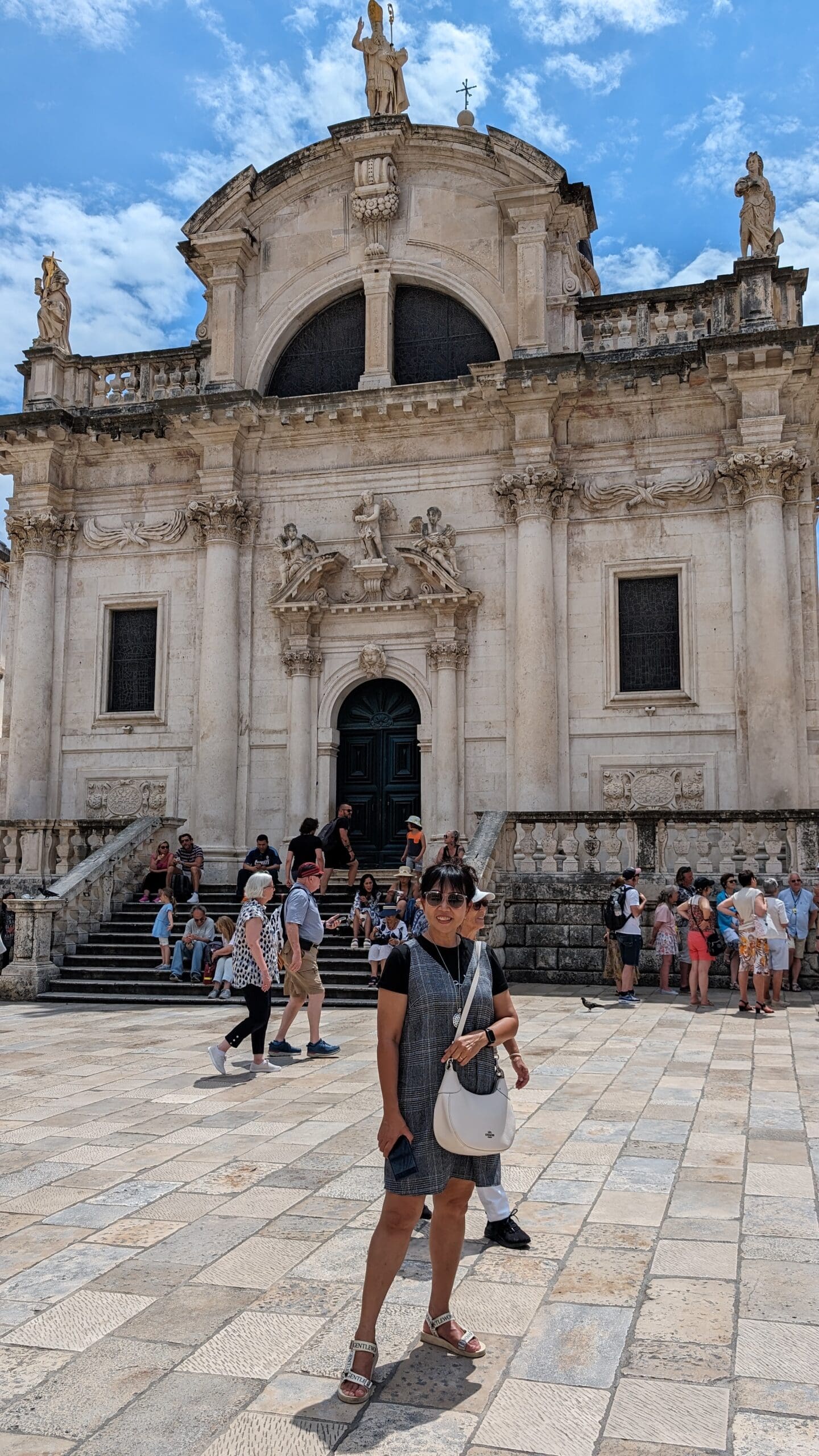
Another thing we would change is booking a guided walk.
The sheer scale of the walls is impressive, but we realised as we walked that we lacked historical context. Having a knowledgeable guide explaining the sieges, defences and political history of the Republic of Ragusa would have added real depth to the experience.
There’s no shortage of third-party operators offering City Walls tours, and you can compare options, pricing and group sizes on GetYourGuide before you arrive.
If you book one, choose carefully. If you’re new to Viking or ocean cruising in general, our practical Viking ocean cruise tips explain how we decide between included and independent excursions.
Some tours bundle multiple attractions and extend for several hours, which may be exhausting on a cruise schedule.
We would recommend selecting a tour that focuses specifically on the City Walls.
Also, be aware that most guided tours do not include the actual City Walls ticket in the advertised price. You will usually need to purchase the entrance ticket separately, and it is not inexpensive.
After completing the full 2km circuit, you will likely want a rest — we certainly did.
Late Morning: Explore the Old Town
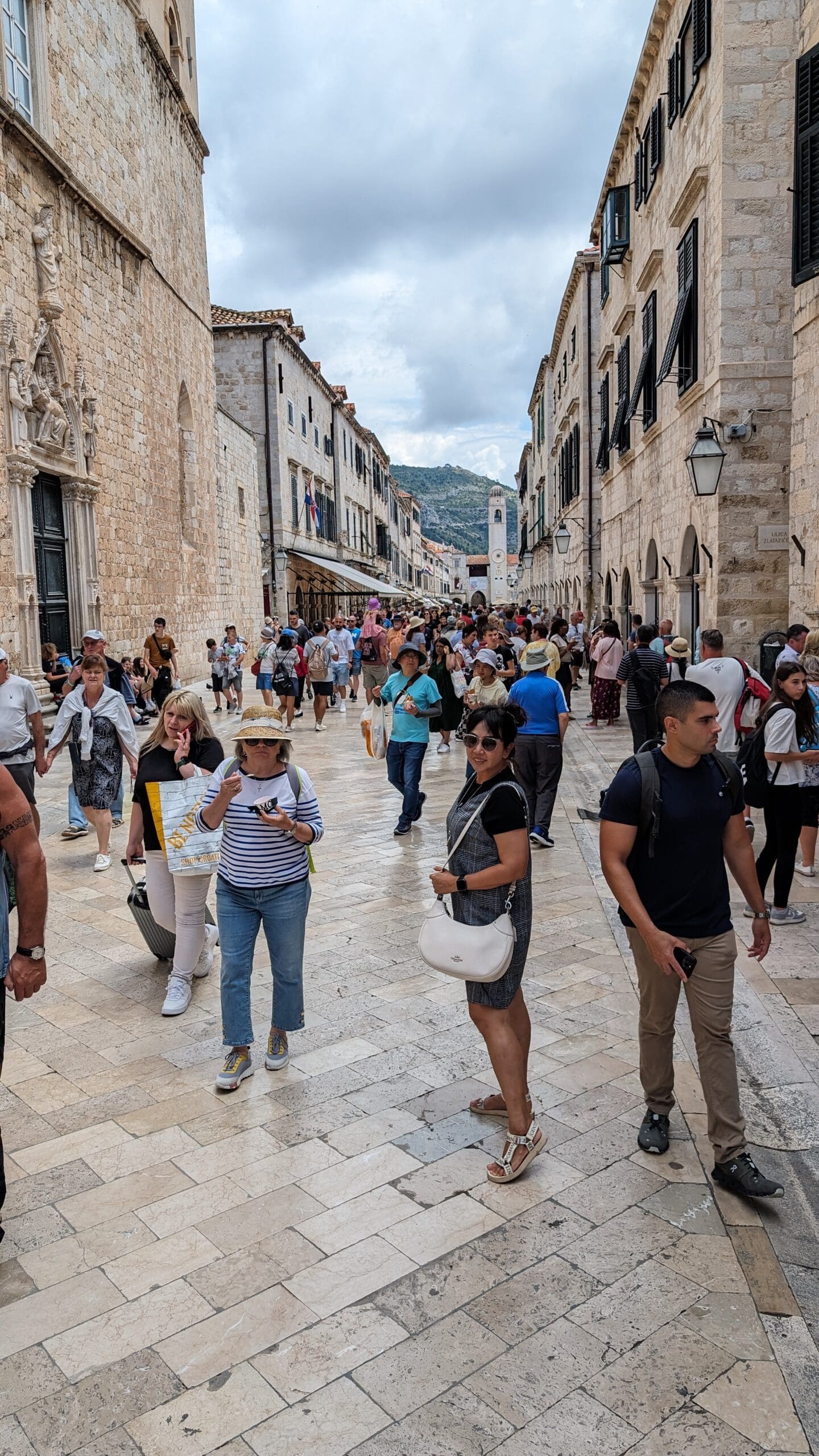
After descending from the walls, take time to explore Dubrovnik’s UNESCO-listed Old Town.
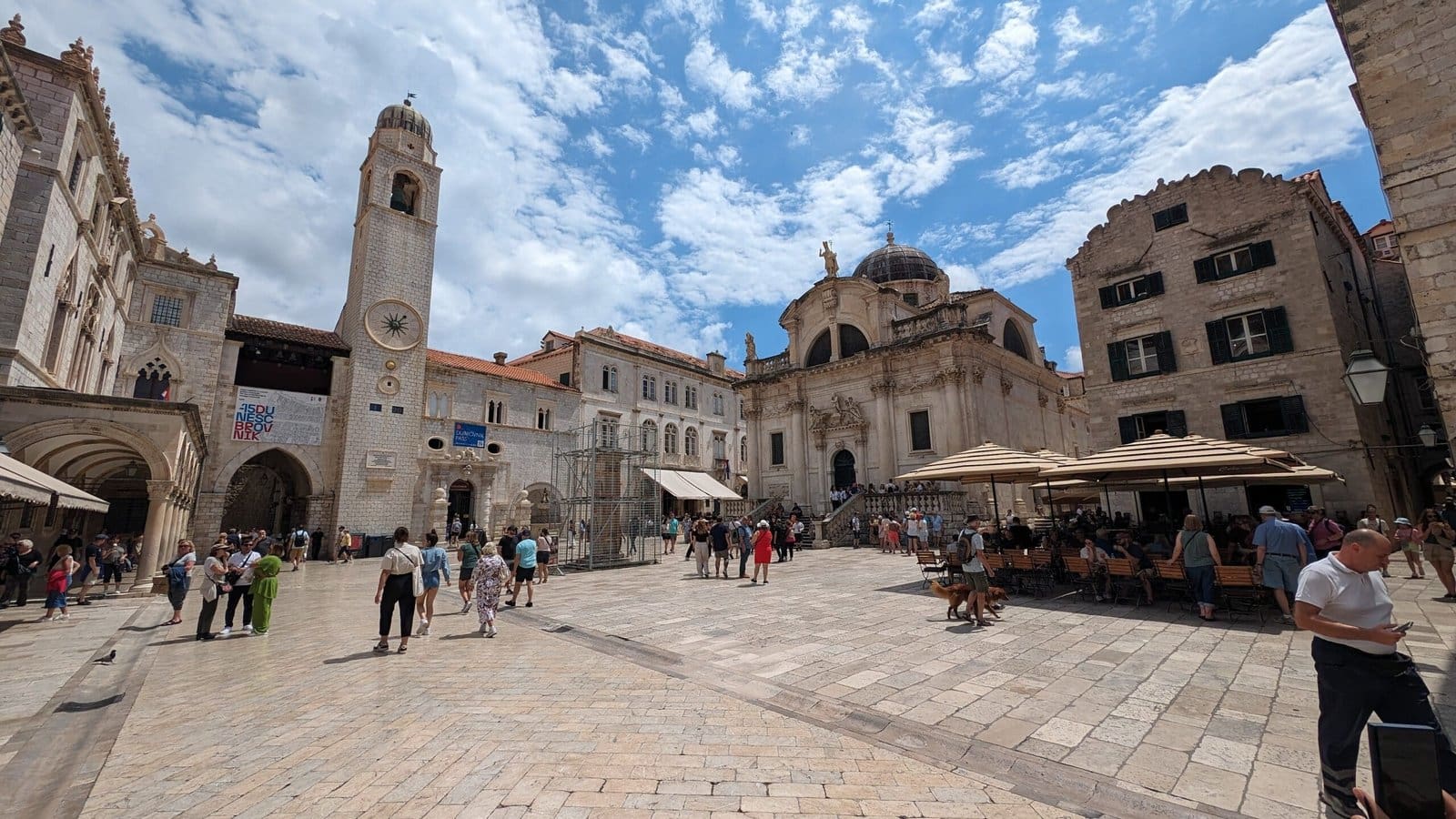
Stradun, the polished limestone main street, runs from Pile Gate to Ploče Gate and serves as the city’s main artery. However, some of the most charming areas lie just beyond it in the narrow alleyways.
The Old Town is compact and walkable, which works well for cruise passengers. Distances are short, and cafés and shaded cloisters provide welcome breaks from the sun.
Unlike some Mediterranean cruise ports that feel overly commercialised, Dubrovnik still retains a strong historic atmosphere — particularly in quieter corners.
Rector’s Palace and Cultural History
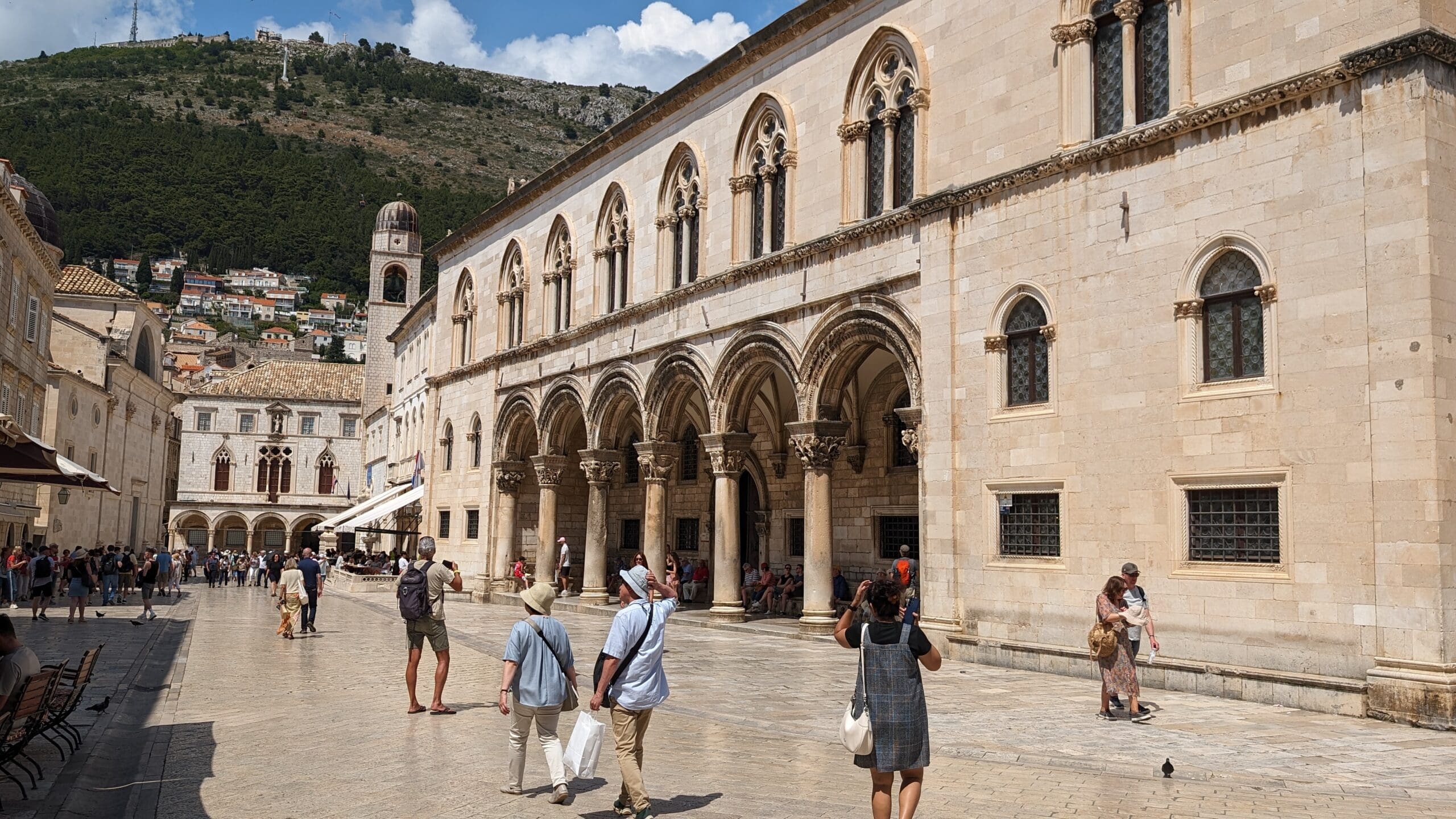
If you need a break from the heat, the Rector’s Palace provides indoor relief and historical insight.
Once the seat of the Republic of Ragusa’s elected leader, the Gothic–Renaissance building now houses the Cultural History Museum. Exhibits outline Dubrovnik’s political diplomacy, maritime trade and resilience through centuries of conflict.
Allow around 60–90 minutes if you enjoy museums.
Cable Car to Mount Srđ: A Good Alternative to the City Walls
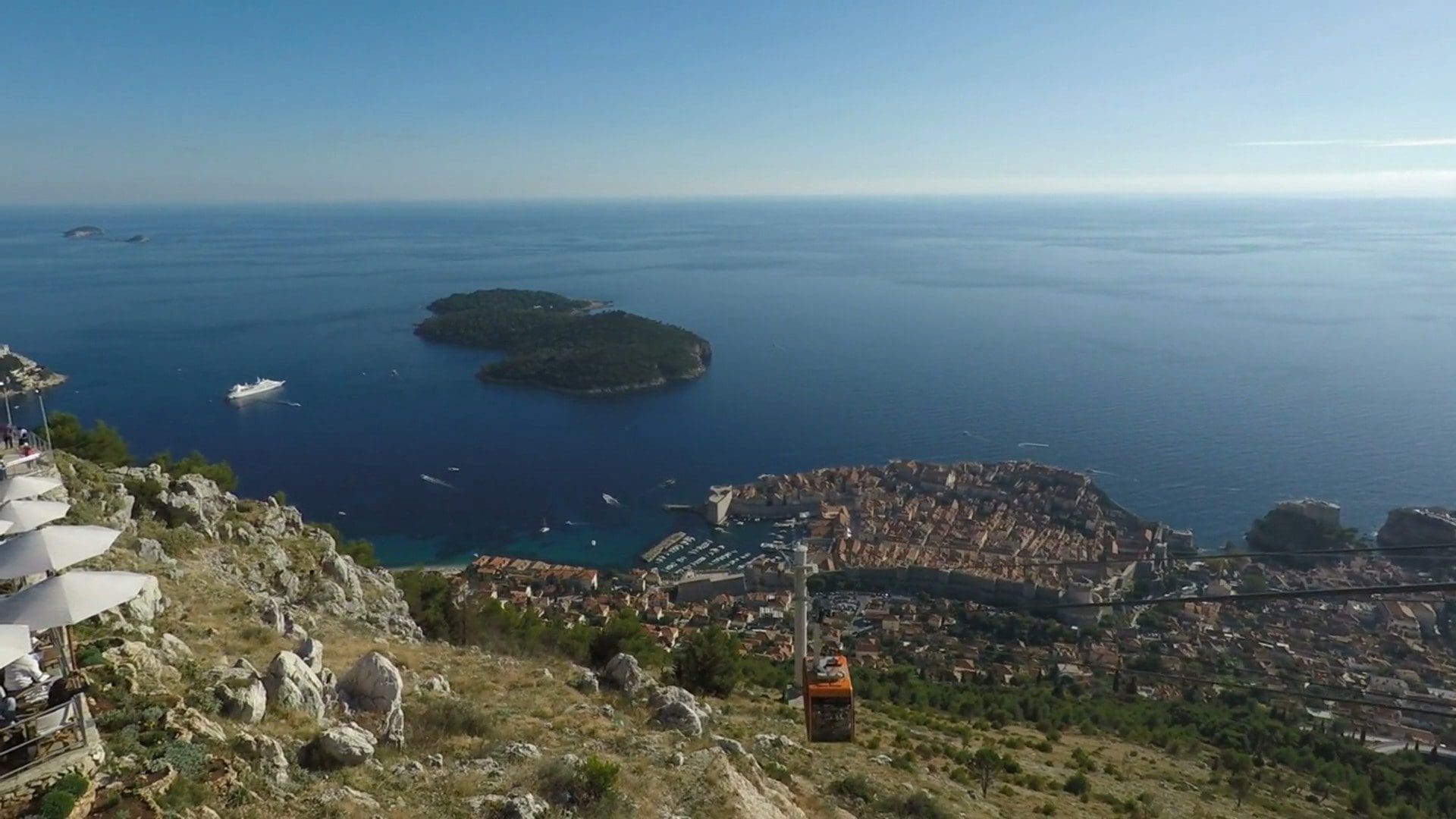
We didn’t take the cable car to Mount Srđ on our visit, as we prioritised walking the City Walls. However, several cruise passengers we spoke to — including some with more limited mobility — chose this option instead and said it was one of their highlights of the day.
The cable car ride itself takes only around four minutes, but it lifts you high above the Old Town to sweeping views across Dubrovnik’s terracotta rooftops and out over the Adriatic Sea. From the summit, you gain a completely different perspective of the city and coastline that you simply don’t see from ground level.
If you have mobility concerns or prefer to avoid the 2km City Walls walk in direct sun, this can be a very worthwhile alternative. There is far less walking required compared to the walls, and much of the viewing area at the top is accessible and easy to navigate.
Round-trip tickets are typically around €27–€30 per adult. During peak season and on busy cruise days, queues can form, so it’s sensible to allow some buffer time if you choose this option.
At the summit, you’ll also find Fort Imperial, which houses a small museum, and a restaurant and café with panoramic views. Depending on your schedule, it could be a pleasant place to stop for coffee or even lunch while enjoying the scenery before descending back into the Old Town.
For cruise visitors who want elevated views without the physical demands of the City Walls, the cable car to Mount Srđ offers a comfortable and rewarding alternative.
Lokrum Island: A Midday Escape Option
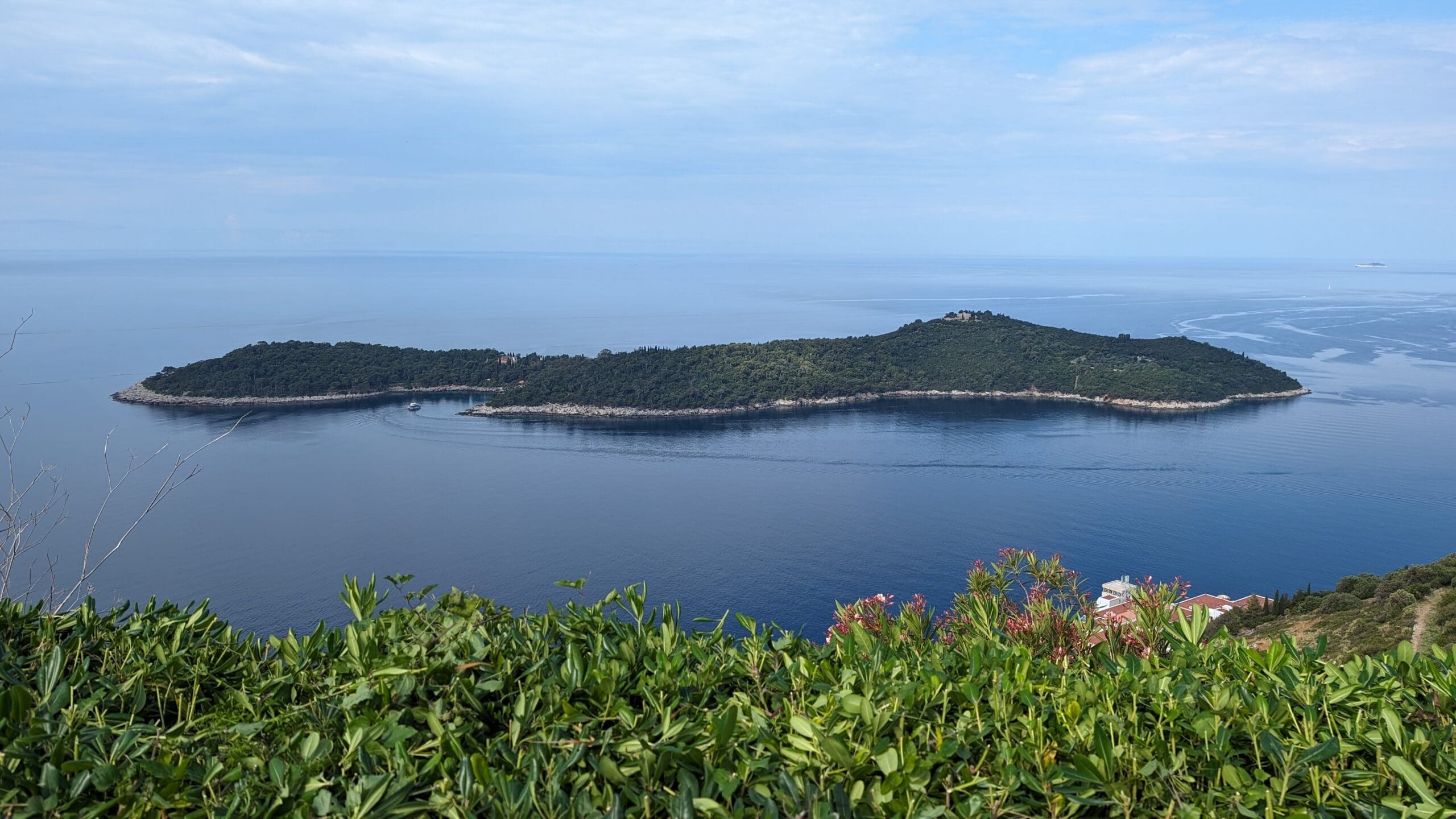
For cruise visitors who prefer a quieter alternative to the Old Town, Lokrum Island offers a very different pace.
The key is limiting expectations to what you can realistically see — and what suits your mobility and energy levels.
One option that stood out to us, even though we didn’t choose it ourselves, was Lokrum Island.
A couple we spoke to onboard deliberately skipped parts of the Old Town during peak hours and took the short boat ride to Lokrum instead. They told us it was one of the most enjoyable parts of their day.
Lokrum sits just 15 minutes by boat from Dubrovnik’s Old Port. It’s a pine-covered island with botanical gardens, rocky swimming coves, peacocks roaming freely, and the ruins of a Benedictine monastery. There’s also a small saltwater lagoon known as the “Dead Sea” and walking paths leading to Fort Royal for sweeping views back toward Dubrovnik.
What they appreciated most was the contrast. While the Old Town was busy with cruise passengers and tour groups, Lokrum felt noticeably calmer. Once away from the main drop-off point near the harbour, they said the island became very quiet and relaxed.
If you prefer a little more structure, there are also organised Lokrum boat trips and guided options available through platforms such as GetYourGuide, which can simplify timing — particularly on cruise days when you want clarity around departure and return windows.
For cruise visitors looking to avoid peak congestion — especially if multiple ships are in port — Lokrum can be a smart choice. It allows you to experience Dubrovnik’s coastal landscape without navigating narrow city streets.
That said, it does require several hours to do properly. Boats run frequently during the main season, but you’ll want to allow enough time for both exploration and a comfortable return before all-aboard.
If you’re prioritising a more relaxed, nature-focused experience over historic monuments, Lokrum is one of the best alternatives available on a one-day cruise stop.
Travel Costs at the Dubrovnik Cruise Port (2025)
City Walls: €20–€40 depending on season
Cable car: €27–€30
Museum combos: €15–€25
Coffee: €2.50–€4
Casual meals: €12–€20
Dubrovnik sits on the higher end of pricing among Mediterranean cruise ports, particularly for major attractions. Croatia uses the Euro, and using a low-fee travel card such as Wise can help reduce foreign transaction costs when paying for tickets, meals and transport during your stop.
Is Dubrovnik Worth a Cruise Stop?
Most cruise passengers do not choose Dubrovnik independently — it appears as part of a broader Mediterranean itinerary.
With one day in port, you will not see everything. That is the nature of cruise travel.
However, Dubrovnik delivers something unforgettable within that time.
The City Walls alone justify the stop. The views from above the terracotta rooftops are iconic, and the preserved medieval structure creates a strong sense of place.
If we had structured our day differently — starting early on the walls and adding a guided tour — it would have been even better.
For a single cruise day, Dubrovnik offers history, scenery and walkability in a compact format. Prioritise the City Walls early, pace yourself through the Old Town, and choose one additional highlight. Done well, Dubrovnik can be one of the most visually memorable stops on your Mediterranean cruise.
If Dubrovnik Is Part of a Wider Cruise

If Dubrovnik forms part of a longer Mediterranean itinerary, comparing how you structure time across different cruise ports can make a significant difference to your overall experience.
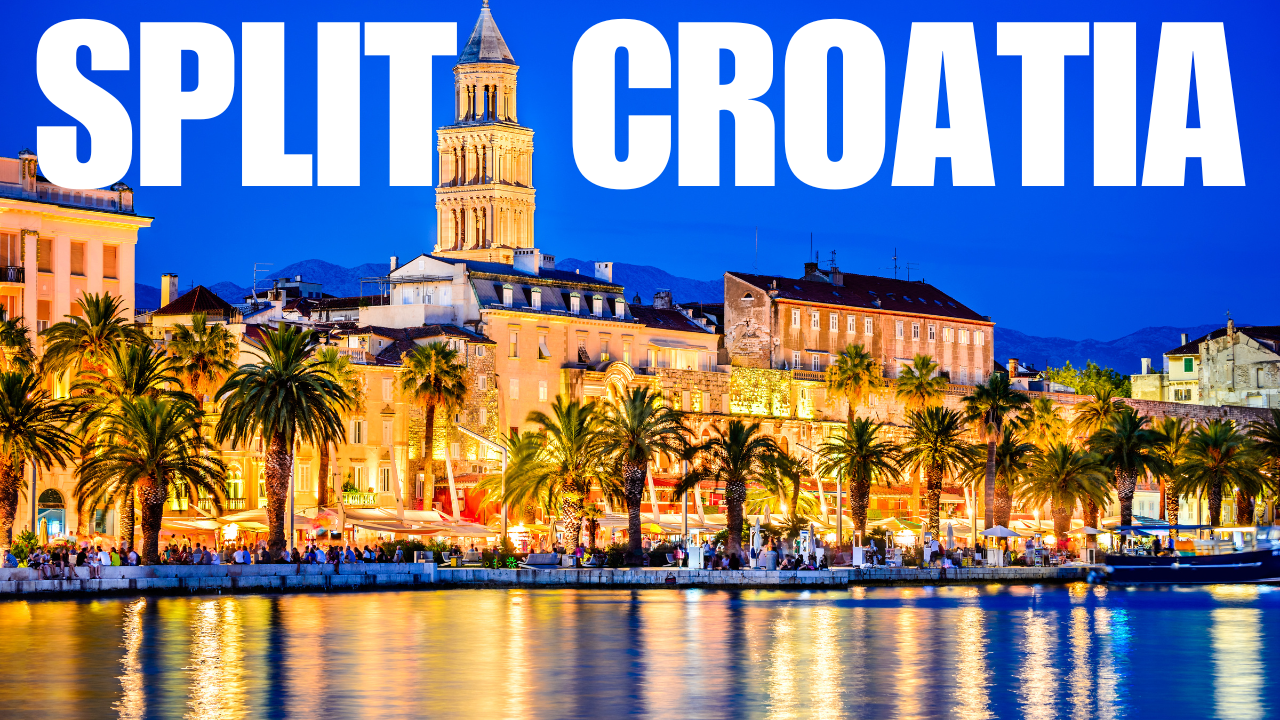
You can also explore our Split travel guide which is often included in the same Mediterranean itinerary.
Each stop has its own rhythm. Dubrovnik rewards early starts and smart pacing.
We’ve shared how we approached other Mediterranean cruise ports in our Mediterranean cruise guides.
Watch our video on our visit to Dubrovnik