Edinburgh is one of Europe’s most atmospheric cities, combining medieval streets, dramatic views, and world-famous festivals. Whether you visit during the Edinburgh Fringe or in quieter months, the city offers a mix of history, culture, and walkable attractions.
This Edinburgh travel guide covers the essential places to visit, how to plan your trip, where to stay, and practical tips to help you make the most of your time.
Edinburgh Travel Guide: Quick Summary
- Ideal stay: 2–3 days
- Best time: August (Fringe) or shoulder seasons (April–May, Sept–Oct)
- Top highlights: Edinburgh Castle, Royal Mile, Arthur’s Seat, Fringe Festival
- Daily budget: £140–£220 mid-range
- Getting around: Walk + bus + tram
- Good to know: Hills, cobblestones, and busy festival crowds
Is Edinburgh Worth Visiting?
Yes — Edinburgh is one of the most unique and rewarding cities in Europe.
It combines dramatic history, walkable streets, iconic landmarks, and one of the world’s largest cultural festivals. Whether you visit during the Fringe Festival or in quieter months, the city offers a strong mix of sightseeing, atmosphere, and easy day trips.
For most travellers, Edinburgh is best experienced over two to three days, allowing time to explore both Old Town and New Town, as well as climb Arthur’s Seat or take a day trip beyond the city.
Top Things to See & Do in our Edinburgh Travel Guide
1) Edinburgh Fringe Festival
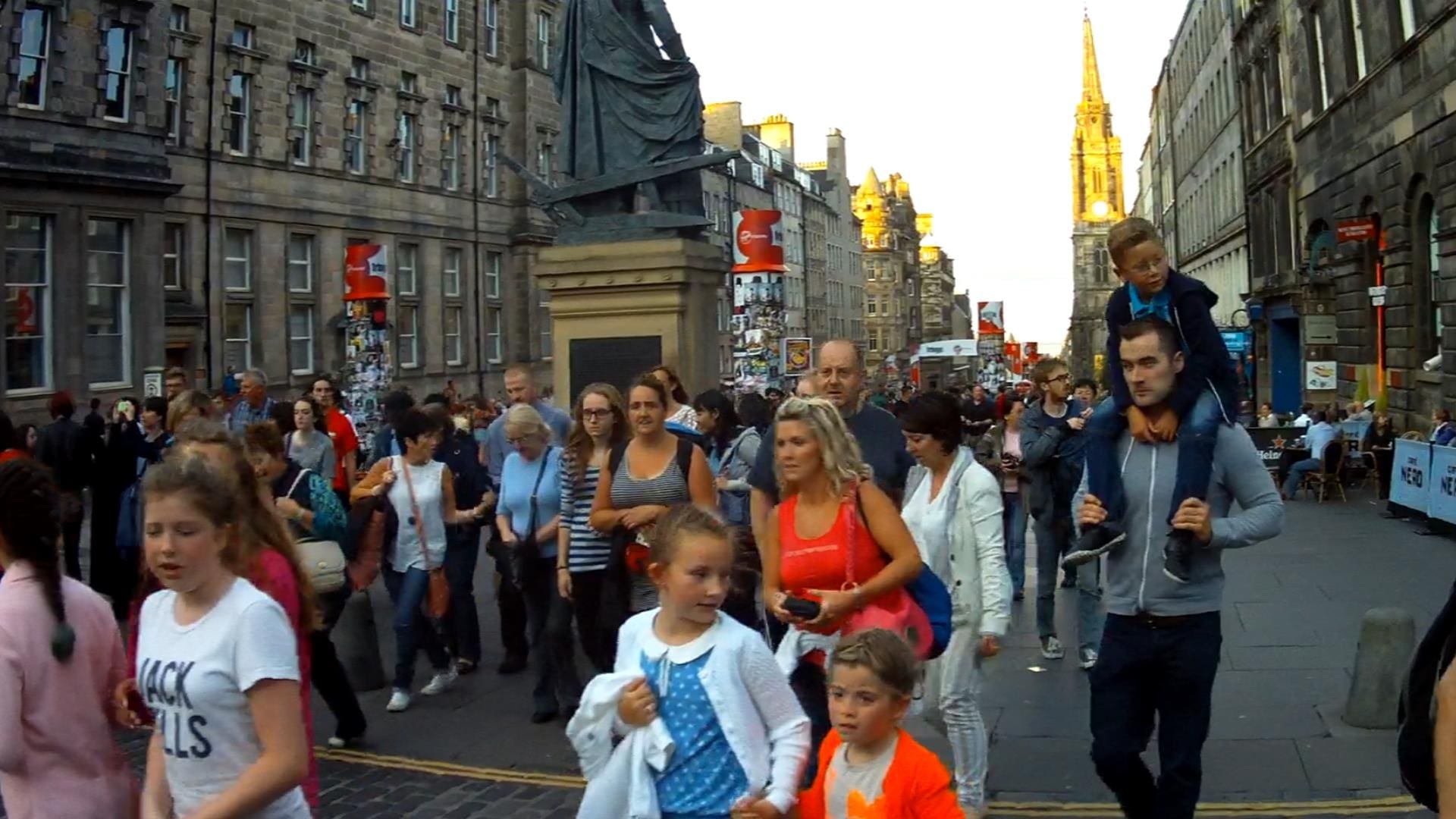
Every August, Edinburgh transforms into the world’s biggest stage. The Fringe serves up thousands of performances across hundreds of venues—grand theatres, basement pubs, pop-up stages, and cobbled alleyways. Expect stand-up comedy, cutting-edge drama, street performances, and experimental art with a contagious, citywide buzz. For budget travellers, the Free Fringe unlocks hundreds of no-ticket shows; for major headliners, book early, as popular acts and time slots sell out fast. The Royal Mile becomes the festival’s beating heart—arrive early for the best street performances and use quiet mornings to scout venues. Crowds swell, prices rise, and accommodations book out months in advance, but the atmosphere—collaborative, creative, electric—is unmatched. If you want the essence of Edinburgh at full volume, the Fringe is the moment. If you intend to visit Edinburgh during the Fringe Festival, then you need to plan and book early. Start with the dedicated Fringe Festival website which gives you everything you need to know about the event.

2) Edinburgh Castle and the One O’Clock Gun
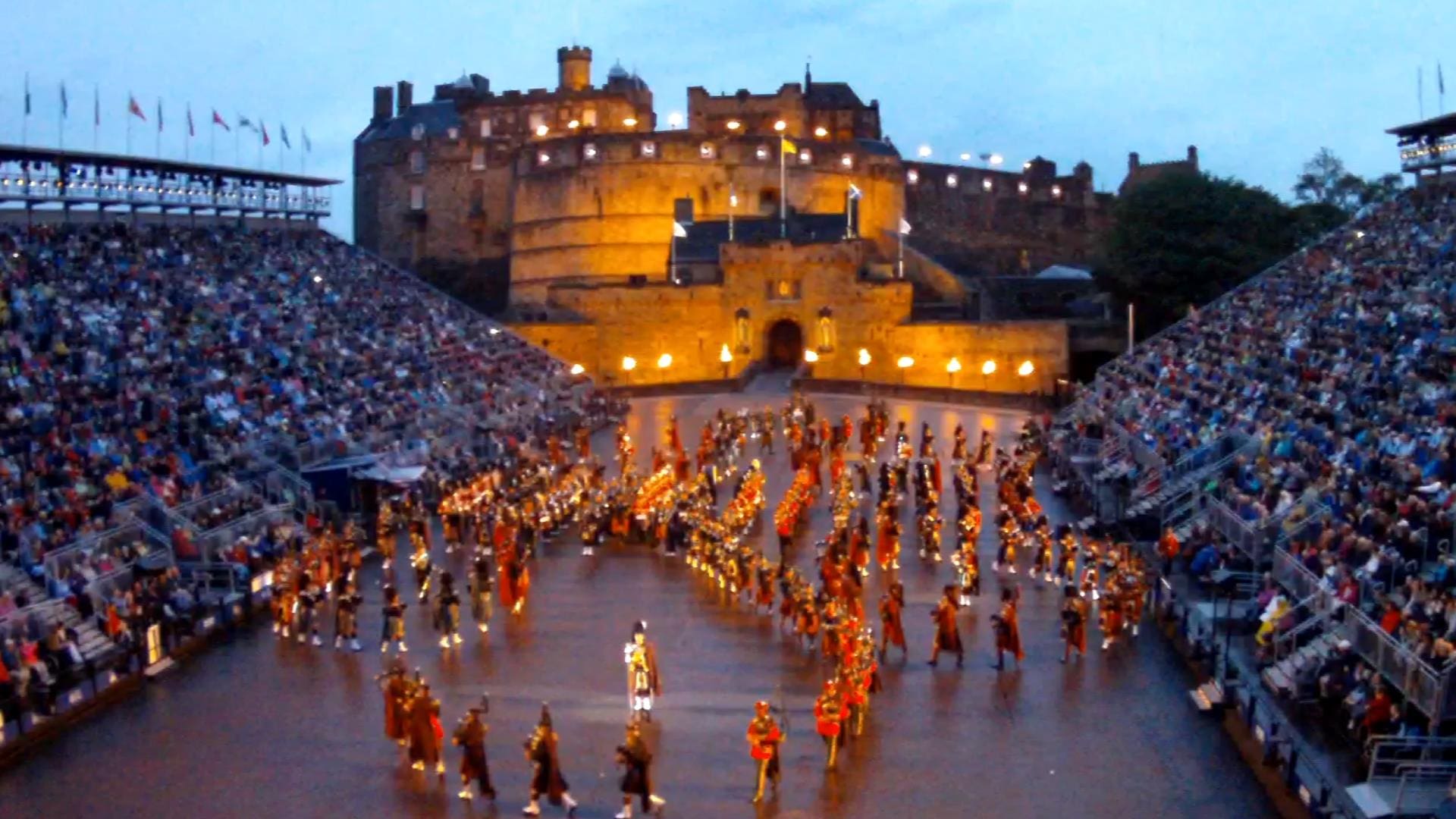
Perched on Castle Rock, an extinct volcanic plug, Edinburgh Castle has guarded the city for centuries. Inside, you’ll find the Crown Jewels of Scotland and the Stone of Destiny—central to royal coronations—plus the National War Museum’s stirring exhibits. Don’t miss St. Margaret’s Chapel, the city’s oldest surviving building, and panoramic views that stretch across Old and New Towns to the Firth of Forth. Time your visit to 1 p.m. to feel the crack of the One O’Clock Gun, a tradition dating to 1861 that once helped ships set their chronometers. Lines can be long in summer; pre-book timed entry and arrive early. Combine with a leisurely stroll down The Royal Mile to weave history, architecture, and street life into one perfect day.
3) The Royal Mile, Holyrood Palace, and Holyrood Abbey
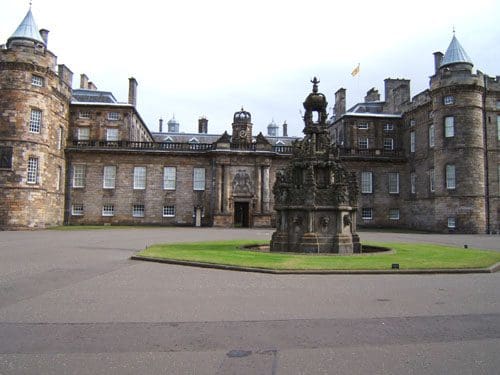
Edinburgh’s spine runs from the Castle to the royal residence of Holyrood Palace. Along the way, The Royal Mile is dense with historic closes (lanes) where stories linger in stone. Duck into Mary King’s Close for eerie social history and folklore, or wander Advocate’s Close for atmospheric views. At Holyrood, tour Mary, Queen of Scots’ chambers and trace the dramatic turns of her reign. Just beyond, the roofless Gothic shell of Holyrood Abbey remains hauntingly beautiful—its intricate stonework and evocative setting make for memorable photos. Tip: Go early to avoid peak tour groups, and leave time to explore the hidden closes—some of Edinburgh’s best moments happen between headline sights.
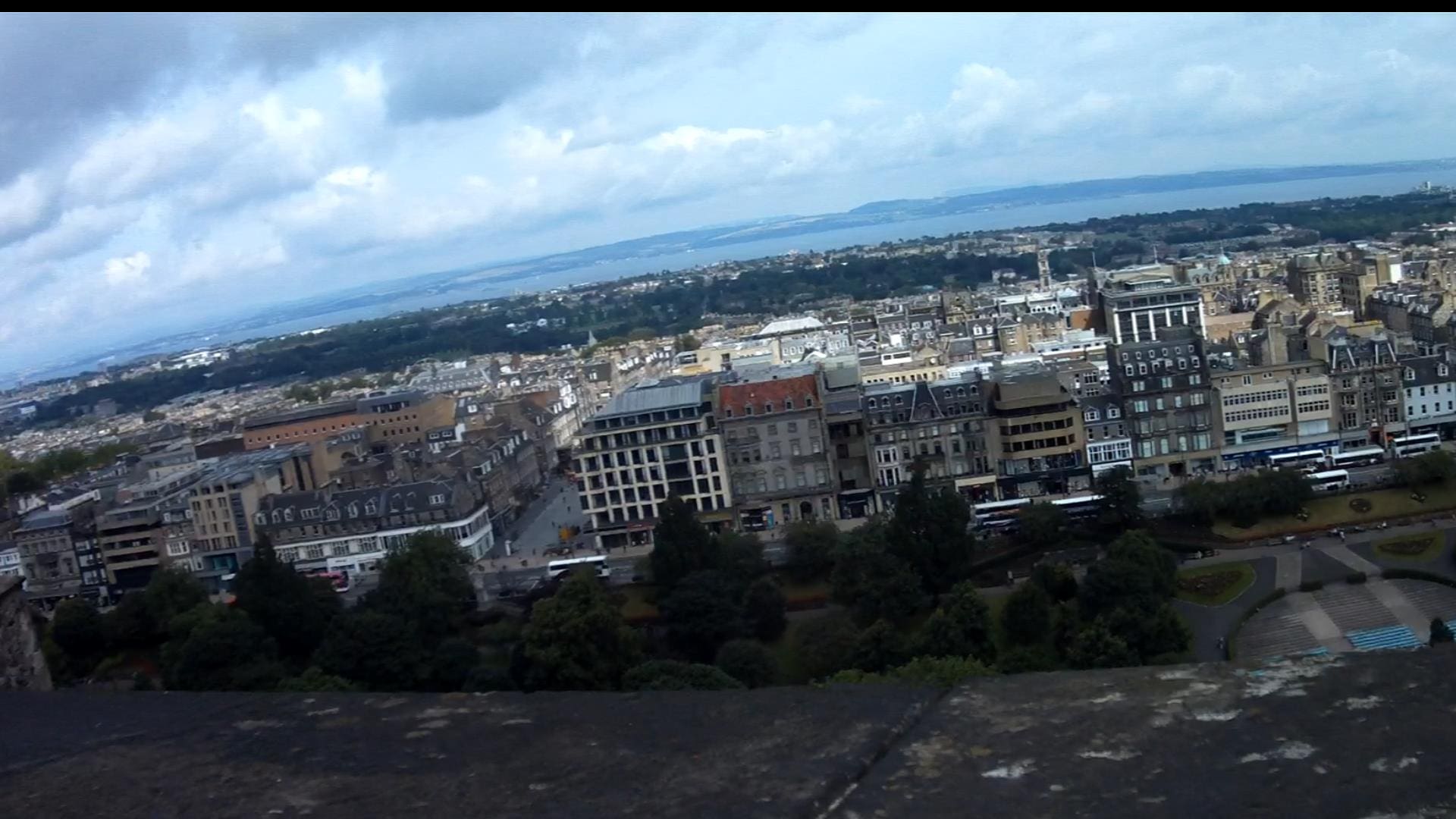
4) Arthur’s Seat and Holyrood Park
Rising 251 meters above sea level, Arthur’s Seat is the city’s wild heart—an extinct volcano with trails that reward walkers with cinematic views over Edinburgh and the Firth of Forth. The main loop takes roughly two hours round-trip with moderate effort; wear sturdy shoes, as paths can be rocky and windy at the top. Sunrise or golden-hour ascents deliver the best light and thinner crowds. Legends tie Arthur’s Seat to Camelot, lending a mythic spark to the climb. Not up for the summit? Opt for gentler circuits around Salisbury Crags or the park’s lower paths for vistas without the push. Pack layers, water, and a camera—you’ll use all three.
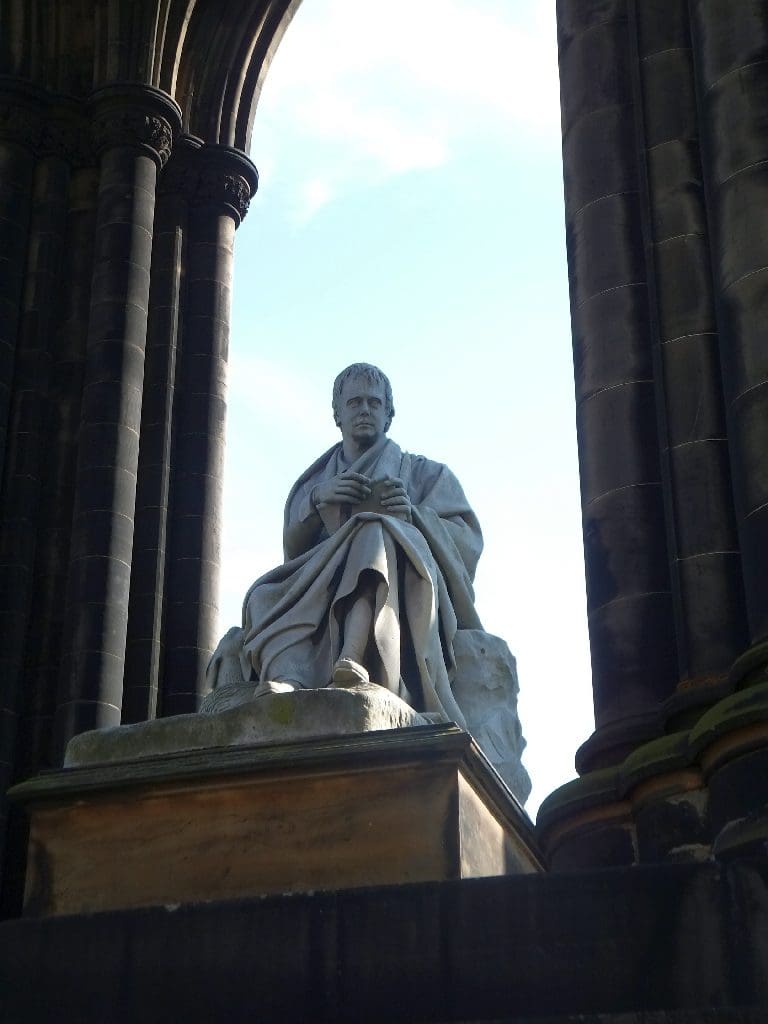
5) Scott Monument and Princes Street Gardens
The Scott Monument’s Gothic spire punctuates the skyline beside Princes Street Gardens, a green ribbon carved from the drained Nor Loch. Climb its narrow spiral staircases for layered views across New Town’s Georgian grid and Old Town’s jagged silhouette. Along the ascent, sculptures and plaques celebrate Sir Walter Scott’s literary legacy, from Waverley to Ivanhoe, and a top platform offers one of the city’s finest photo perches. Afterward, unwind in Princes Street Gardens beneath the castle’s cliffs—summer brings floral displays and picnic-perfect lawns, while winter transforms the space into a festive market with rides, stalls, and an ice rink. Book timed entry for the monument during busy periods; the stairs are tight and can feel vertical.
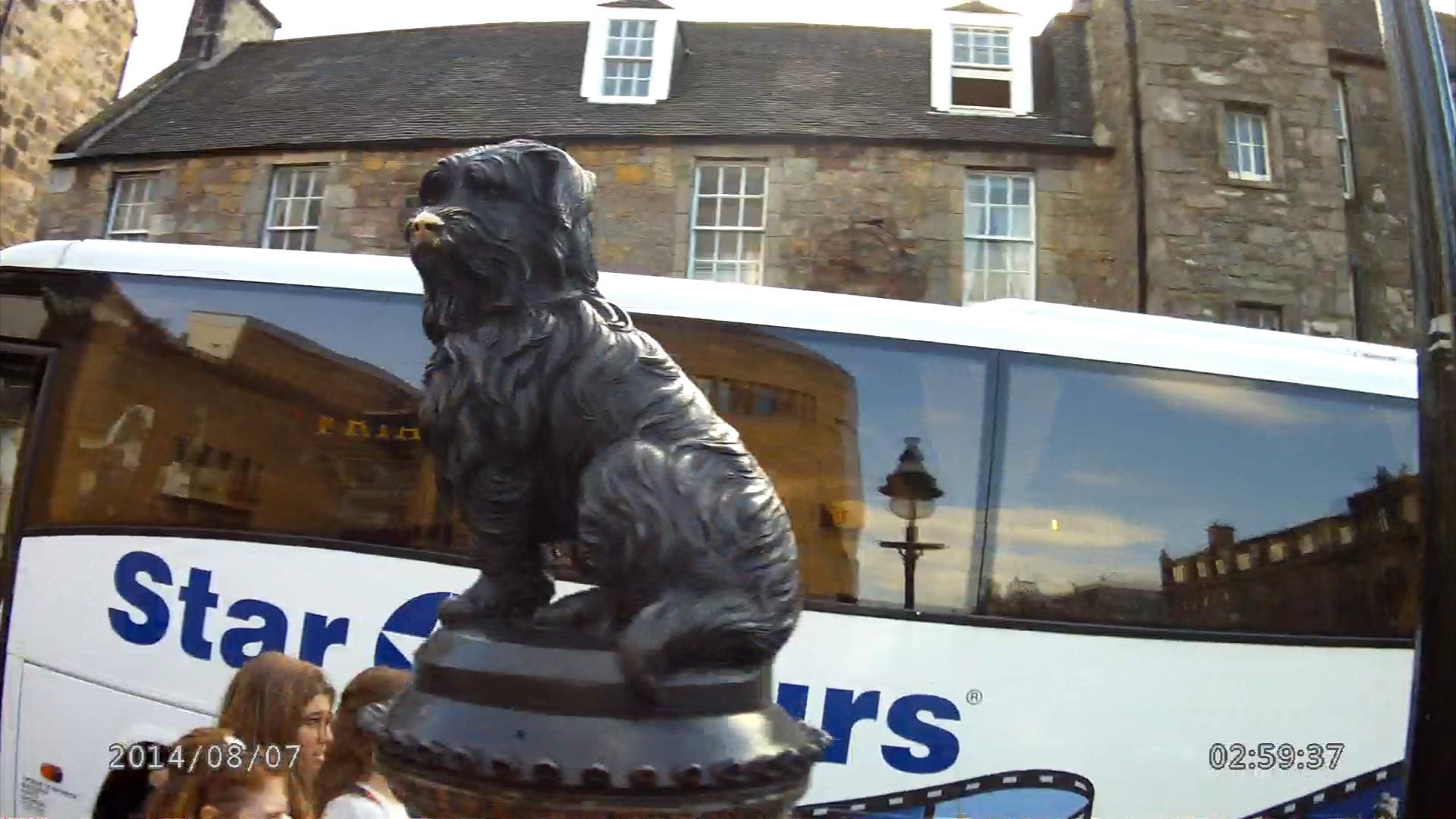
6) Greyfriars Kirkyard and Haunted History
Few places capture Edinburgh’s blend of tenderness and terror like Greyfriars Kirkyard. Pay respects to Greyfriars Bobby—the loyal Skye Terrier who kept vigil at his owner’s grave for 14 years—then trace the city’s darker chapters. The infamous “Bloody” Sir George Mackenzie’s mausoleum is linked to one of the world’s most reported poltergeist phenomena; visitors have told of cold spots and mysterious marks after passing the Black Mausoleum. History buffs will find the graves of James Hutton, father of modern geology, and William McGonagall, Scotland’s most notorious “worst” poet. Harry Potter fans can hunt for name inspirations, including Tom Riddle. Evening ghost tours heighten the atmosphere; by day, the kirkyard’s carvings and epitaphs reward slow, thoughtful wandering.
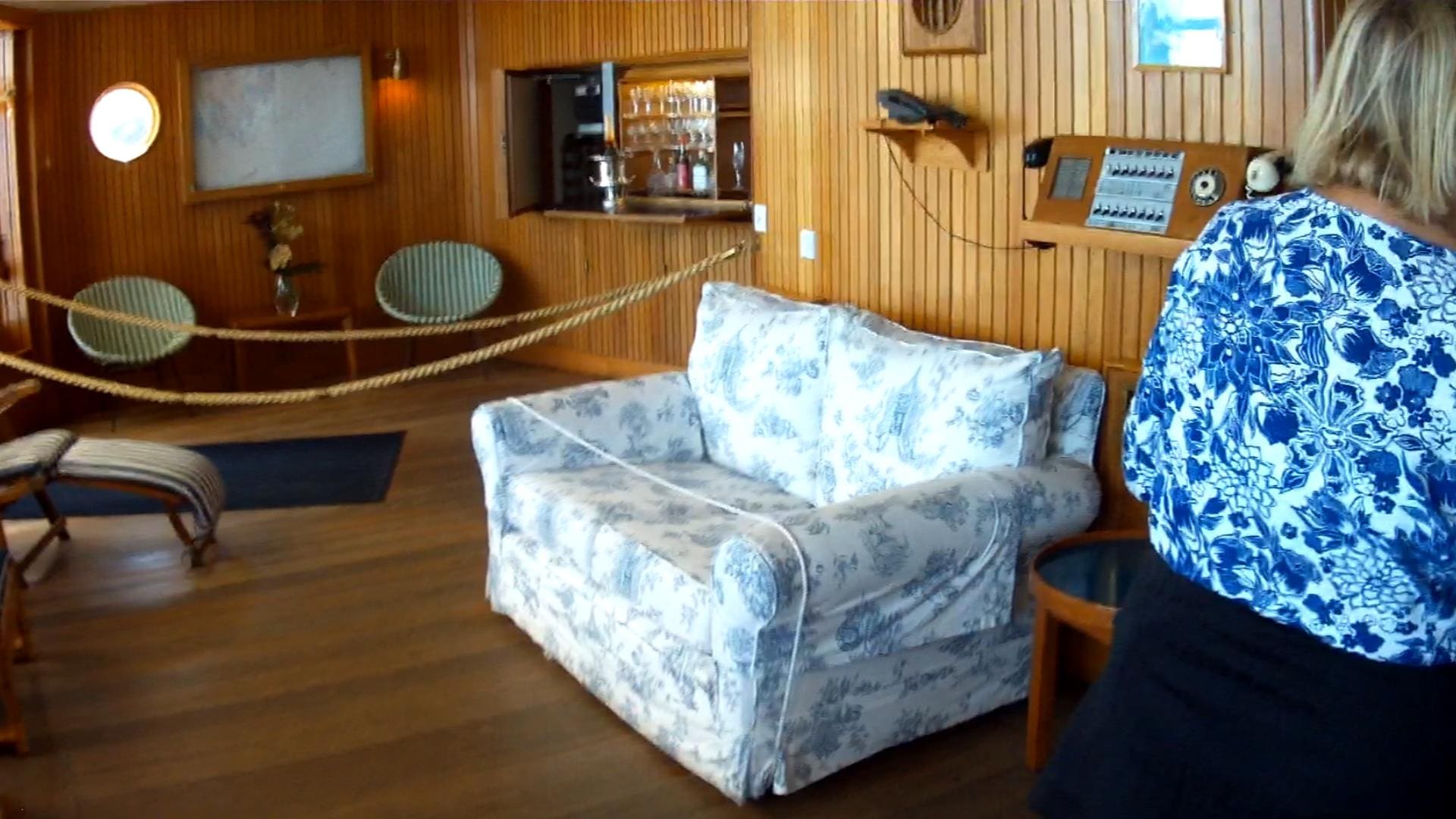
7) Royal Yacht Britannia (Leith)
Moored at Ocean Terminal in Leith, the Royal Yacht Britannia offers a rare window into royal life at sea. For over forty years, Britannia carried the Royal Family around the globe—today, a self-guided tour spans five decks, from polished state apartments to the engine room’s gleaming brass. Audio guides add context about crew routines, royal receptions, and long voyages. It’s a different side of Scottish heritage that pairs well with a stroll around rejuvenated Leith—now a culinary hotspot with waterfront restaurants and bars. Book ahead in summer and consider visiting late afternoon for a calmer experience. Families love the hands-on displays and clear storytelling.
Other Great Day Trips from Edinburgh (5)
Stirling & the Wallace Monument
Medieval Stirling Castle rivals Edinburgh’s for drama, while the Wallace Monument honours Scotland’s fight for independence. Walk old-town lanes and survey battlefields from castle ramparts.
St Andrews
A seaside town famed for golf, cobbled streets, and university heritage. Explore cathedral ruins, castle remains, and wide beaches; combine with coastal villages in the East Neuk.
Rosslyn Chapel (Roslin)
Exquisite stonework and mysterious symbolism made famous by The Da Vinci Code. Easy half-day from Edinburgh; pair with a woodland walk in Roslin Glen.
North Berwick & the Bass Rock
A charming harbour town with beaches, seafood, and the Scottish Seabird Centre. Boat trips circle the Bass Rock, home to one of the world’s largest gannet colonies.
Loch Lomond & The Trossachs (or Glencoe for a longer day)
Lochs, peaks, and classic Highlands scenery. Enjoy short hikes, boat trips, and photo stops; Glencoe adds brooding mountain drama if you’re up for a longer drive.
If you’re planning to explore more of Scotland beyond Edinburgh, our guide to the best places to visit in Glasgow highlights the city’s top attractions, culture, and how it compares to Edinburgh.
Where to Stay: In or Outside the CBD
Old Town (CBD-adjacent, historic heart)
- Best for: First-timers, history lovers, festival-goers
- Vibe: Medieval streets, close to the Castle, Royal Mile, major sights
- Notes: Quieter lanes exist, but crowds and prices spike in August
New Town (CBD edge, Georgian elegance)
- Best for: Shopping, dining, classic architecture
- Vibe: Wide boulevards, chic hotels, good transport
- Notes: Great balance of convenience and calmer evenings
Leith (waterfront)
- Best for: Foodies, longer stays, local feel
- Vibe: Revitalised docks, indie restaurants, Royal Yacht Britannia
- Notes: Quick bus/tram to centre; better value during festivals
Southside/Bruntsfield/Morningside
- Best for: Families, café culture, parks
- Vibe: Leafy neighbourhoods with independent shops
- Notes: Walkable or short bus rides to the Old Town
Outside the CBD (airport corridor or outskirts)
-
- Best for: Drivers, budget stays during festivals
- Vibe: Modern hotels, easy roads/parking
- Notes: Use tram or park-and-ride to avoid city-centre parking costs
Tip: Accommodation prices can vary hugely depending on travel dates. Before booking, see how we use Booking.com’s calendar tool to find cheaper hotel deals and reduce travel costs.
Find Accommodation Here
Travel Costs (Typical)
- Local transport: Day ticket bus/tram ~£5; Airport tram to centre ~£6 (≈35–40 minutes)
- Attractions: Major sights £10–£25; Castle adult ticket typically in the £20–£30 range
- Meals: Casual £10–£18; mid-range dinner £20–£35 pp; coffee £3–£4
- Accommodation: Off-peak £80–£200; peak/festival £150–£400+ per night
- Tours/day trips: £40–£80 (group); more for private
To avoid unnecessary bank fees on GBP payments and cash withdrawals in Edinburgh, it can help to use a low‑fee provider such as Wise instead of a standard bank card with high foreign transaction charges.
Suggested Daily Budgets (per person)
- Shoestring: £60–£90 (hostel, Free Fringe, self-guided walks, day transport pass, simple meals)
- Mid-range: £140–£220 (3-star hotel or serviced apartment, a paid attraction or two, sit-down meals)
- Comfort: £250–£400+ (central 4-star, top attractions, taxis/Ubers, higher-end dining)
Money-Saving Tips
- Book early for August: Lock in accommodation months ahead to avoid surge pricing.
- Use day passes: The £5 bus/tram day ticket pays off with 3+ rides.
- Free Fringe and museums: Many shows are free/donation; several museums and galleries are free.
- Picnic in the parks: Princes Street Gardens and The Meadows are perfect for budget-friendly lunches.
- Time your visits: Go early or late afternoon to skip queues and make the most of long summer daylight.
- Consider shoulder seasons: April–May and September–October have lower prices and thinner crowds.
- Walk: Edinburgh is compact—walk between Old and New Towns and save on fares.
Best Time to Go
- Summer (July–August): Festivals, late sunsets (often near 10 p.m.), peak buzz—and peak prices/crowds.
- Shoulder (April–May, September–October): Ideal balance of manageable crowds, milder weather, and better value.
- Winter (Nov–Feb): Atmospheric, festive markets, lower hotel rates; short daylight, colder/wetter.
How to Get Around
- On foot: Best for Old/New Towns; expect hills and cobbles.
- Bus and Tram: Reliable, frequent, and affordable; day ticket ~£5 for unlimited rides.
- Airport to city: Tram ~£6, 35–40 minutes; frequent services from early till late.
- Taxis/Rideshare: Handy late-night or with luggage; pricier than public transport.
- Driving: Not recommended in the centre; narrow streets, limited parking. Use park-and-ride if needed.
- Cycling: Growing network; mind tram tracks and traffic in the core.
Final Thoughts: Is Edinburgh Worth Visiting?
Edinburgh is one of those cities that delivers far more than you expect.
It’s not just about ticking off landmarks like the Castle or the Royal Mile—it’s about the atmosphere. The mix of history, dramatic scenery, and everyday life gives the city a character that feels completely different from anywhere else in the UK.
If you visit during the Fringe Festival, you’ll experience Edinburgh at its most energetic and creative. If you come in the off-season, you’ll see a quieter, more atmospheric side of the city that many travellers actually prefer.
The key to enjoying Edinburgh is not to rush it. Take time to walk the streets, explore the hidden closes, and enjoy the views from places like Arthur’s Seat or Calton Hill.
For most travellers, two to three days is enough to see the highlights and get a real feel for the city—especially if you mix iconic sights with a few slower moments.
See other places in Europe to visit here.
Watch our video on our visit to Edinburgh