
Finding accommodation in Italy can feel daunting, so this guide focuses on calm, comfortable places to stay—plus practical tips for choosing the right city, neighbourhood and hotel type for your first or next trip.
Italy is a fascinating country where you can explore centuries old history from the Roman days in places like Rome, Naples and Venice while viewing Renaissance masterpieces in places like Florence. From the industrial energy of the north to the sun‑soaked south, each region has its own flavours, dialects and traditions. Travelling by train is a great way to explore Italy and you can move easily between grand cities, hilltop towns and coastal village
Our travel blog contains affiliate links to products and services we use, love, or have carefully researched (such as hotels, tours, insurance, and gear). This means we may earn a small commission if you make a booking or purchase through these links, at no extra cost to you.
These commissions help support the running of this site so we can keep creating free travel guides and resources. All opinions, recommendations, and reviews are our own and based on our personal experience or detailed research. Please always check current prices, conditions, and policies directly with the provider before booking.
Italy is one of Europe’s most popular destinations, but your experience can be very different depending on where you stay and how you move around.
This guide is for travellers who:
We focus on Milan, Venice (Mestre) and Bergamo—places where we’ve stayed—plus suggestions for planning wider Italian itineraries.
Italy’s long history spans the Roman Empire, medieval city‑states and the Renaissance, but traces of World War II are still visible in many cities if you know where to look.
During WWII:
Today, alongside classic art and architecture, you’ll find memorial sites and small museums that quietly preserve this history.
One powerful example in Milan is the Memoriale della Shoah at the Central Station area. This underground museum is housed at the historic Platform 21 (Binario 21), from where Jewish citizens and political prisoners were deported to concentration and extermination camps.
If you are visiting Milan we highly recommend seeing this museum as a stark reminder of the horrors of WW2. You can see original freight cars, documents and testimonies which tell the story of persecution and deportation. It’s a sobering counterpoint to the grandeur of Milan’s boulevards and shopping streets and a reminder that many Italian sites of everyday travel—stations, rail lines, bridges—also carry wartime stories.
When you choose where to stay in Italy, you’re often staying near places that witnessed occupation, resistance and rebuilding. Many modern hotels and station districts sit on ground that was once bombed or reshaped during and after WWII, blending contemporary convenience with layered, sometimes painful history.
Travelling Italy by train is one of the easiest and most enjoyable ways to see the country:
Using trains rather than driving lets you:
In our own travels, we’ve found it particularly helpful to stay within walking distance of major stations in cities like Milan, and then use regional trains for side trips to places such as Bergamo or Venice.
Mid‑Range City Hotels
Common in business and transport hubs like Milan, Turin and Bologna:
Good if you want function, cleanliness and a predictable level of comfort.
Modern Chain Hotels and Business Hotels
Often found near stations or on the edge of historic centres:
Guesthouses, B&Bs and Boutique Hotels
More common in historic centres and smaller cities:
Apartments and Aparthotels
Useful if you’re staying longer or travelling as a family:
Tip: Accommodation prices can vary hugely depending on travel dates. Before booking, see how we use Booking.com’s calendar tool to find cheaper hotel deals and reduce travel costs:
https://trustytraveltips.com/find-cheaper-hotel-deals-booking-com/
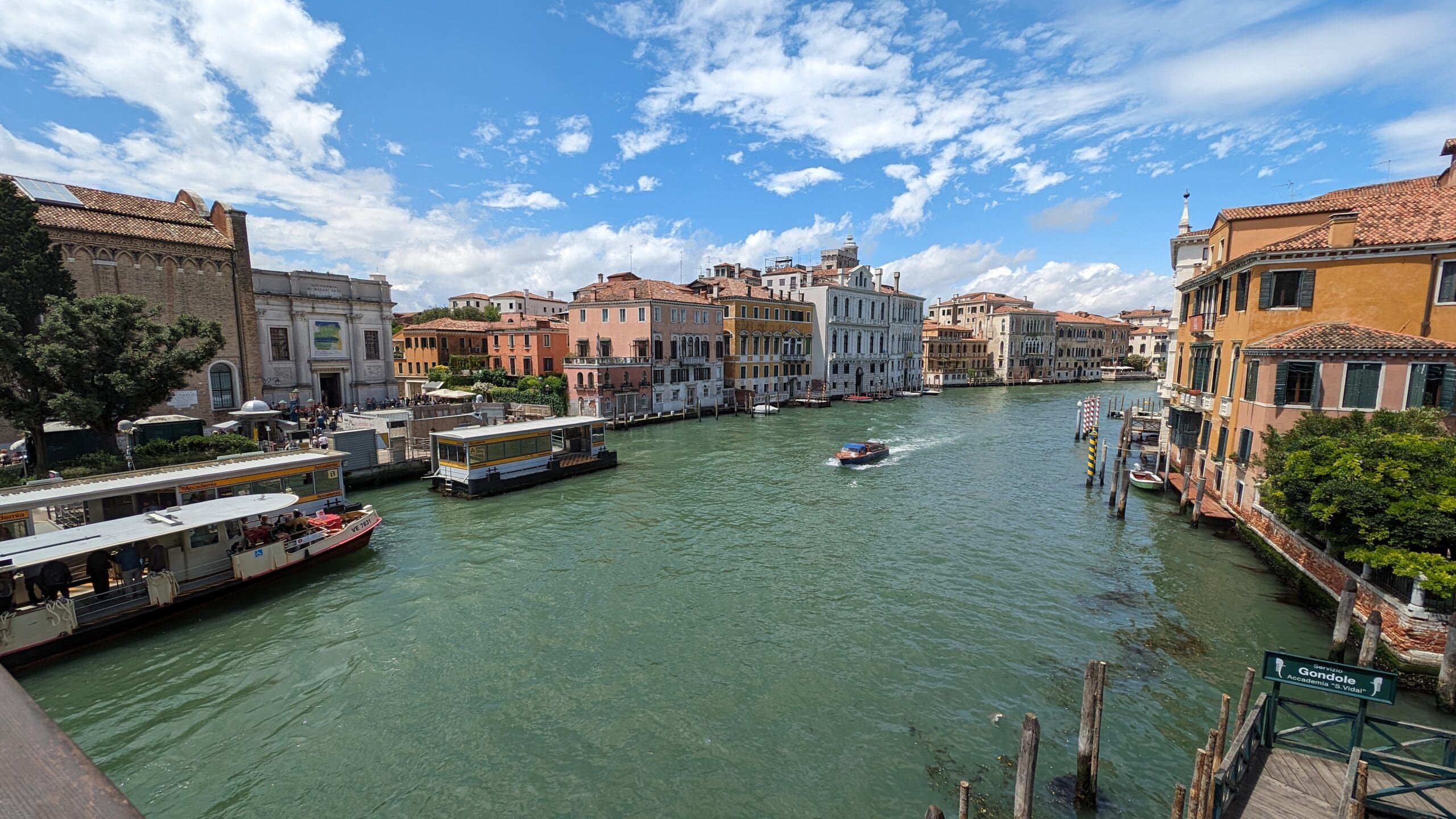
Northern Italy is well-connected by rail, so you can see a lot with only a few bases. We based ourselves in both Venice and Milan to explore for a few days in each, including an overnight stay in Bergamo where you can enjoy a more relaxed historic atmosphere.
From these, you can easily reach lakes (Como, Garda, Iseo), other cities (Verona, Bologna, Turin) and even cross into neighbouring countries by train.
Why Milan Works as a Base
Milan is Italy’s main business and fashion capital, but it’s also:
Close to the central station, you’re also near sites that recall the war years—such as the Memoriale della Shoah / Binario 21, the deportation platform turned underground museum.
Where We Stayed in Milan
Join our list for our best travel advice and instant access to:
We stayed at AV Hotel Milano, which offered a modern, practical base in the city.
Why Consider Mestre for Venice
Staying directly on the islands of Venice is magical, but it can also be:
Mestre, on the mainland, sits just a short train or tram ride from Venezia Santa Lucia station and the lagoon.
Advantages of basing in Mestre:
Where We Stayed for Venice

We stayed at Belstay Venezia Mestre, using it as a comfortable base to visit Venice.
We found Belstay Venezia Mestre a good compromise: Venice by day, with easier logistics and quieter evenings back on the mainland.
Why Bergamo Is Worth a Stay
Often overlooked in favour of Milan or the lakes, Bergamo is a gem:
Bergamo was also affected by WWII, with air raids and later resistance activity; today it feels peaceful and lived‑in, with history visible in its walls, churches and museums rather than front‑and‑centre memorials.
Where We Stayed in Bergamo
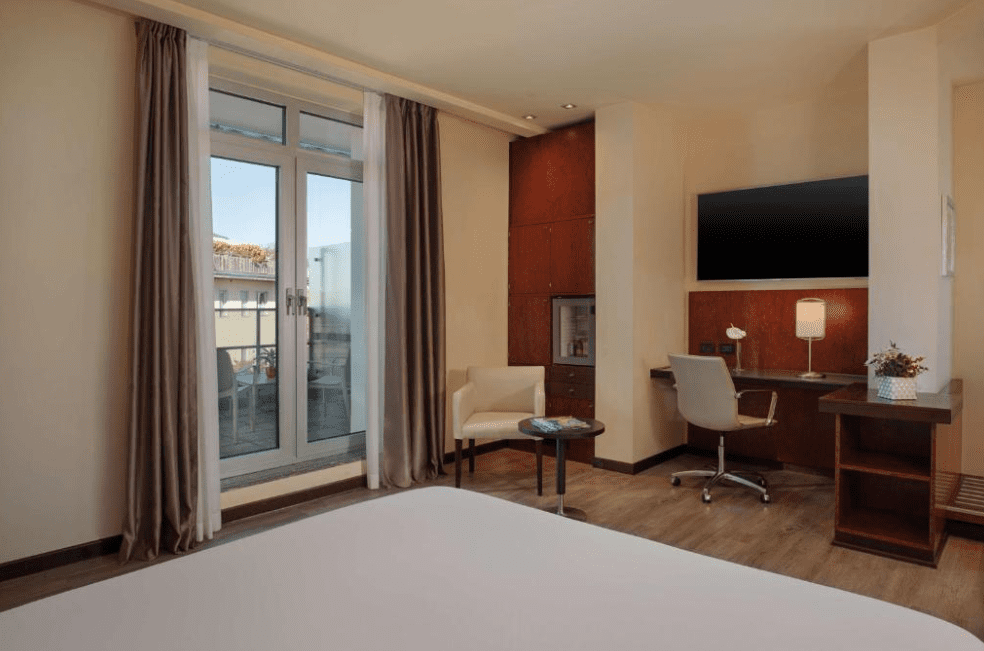
We stayed at NH Bergamo for one night, which offered a very convenient base in the modern part of town.
We found NH Bergamo ideal for combining daytime exploring in the historic upper town with easy rail connections for the rest of our itinerary.
If you’re building a longer rail‑based itinerary, consider:
Florence (Firenze)
Rome
Turin (Torino)
The Lakes (Como, Garda, Iseo)
When choosing accommodation in Italy, think about:
Proximity to Stations
Historic Centre vs Modern District
Your Priorities
Facilities Checklist
Book Early for Peak Seasons
Italy gets very busy during:
Popular cities like Venice and Florence can sell out well in advance. They are also very popular with cruise itineraries. Many ports near bigger cities may have several cruise ships visiting every day with an influx of thousands of day tourists. It’s better to avoid these places in peak season or plan your day trips to see attractions early morning or late afternoons before the main cruise tourists arrive.
Read Reviews with Your Needs in Mind
Look specifically for:
Safety and Practicalities
Very rough ranges (per night for a double/twin room):
Major Cities (Milan, Venice, Florence, Rome)
Smaller Cities (Bergamo, Bologna, Turin, Verona)
Many travellers manage costs by:
There are many ways and places to see in Italy, but we found our bases in Milan and Venice were a practical way to explore the parts of Italy we wanted to see. Joining a cruise is also a great way to see Italy as you can get to see large cities like Rome, Florence and Naples without having to worry about accommodation.
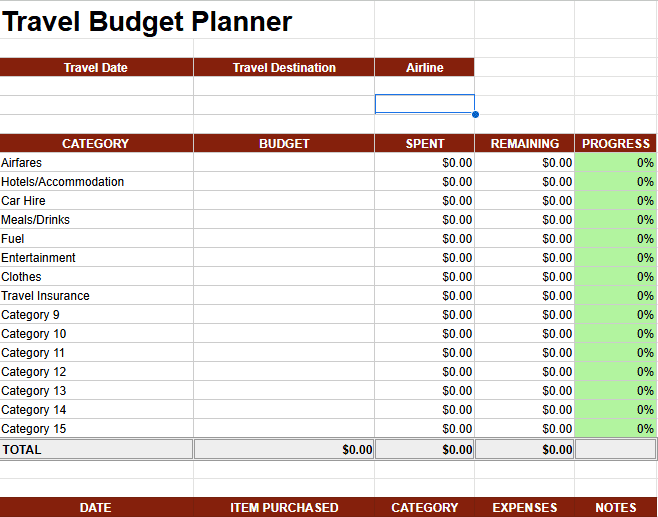
Download our easy-to-use Travel Budget Planner
One simple form to budget and control all your Travel expenses. Free to use for multiple trips.
Below are our go-to sites for planning trips.
Cruises – Vacations To Go is a discount cruise marketplace offering expert agents, comprehensive itineraries, last-minute deals, and easy booking worldwide online.
Skyscanner — Our favourite flight search engine, especially for finding budget carriers and smaller sites others miss.
Booking.com — The most reliable all-around hotel and budget stay finder, often with the lowest rates and huge inventory.
GetYourGuide — A massive marketplace for tours and activities (walking tours, day trips, classes, and more).
World Nomads — Flexible travel insurance designed for travellers and adventure activities.
Wise Travel Card — Low-fee international spending and transfers with great exchange rates; perfect for multi-currency trips.
Sixt — Reliable car rentals with a broad fleet; handy for Great Ocean Road or Yarra Valley trips from Melbourne.
Some links in this guide are affiliate links. If you book or buy through them, we may earn a commission at no extra cost to you. Thanks for your support.

Sign up to get access to all our exclusive private videos on YouTube with no ads!
Our score is out of 10 and based on:
Location & convenience – 30%
Room Quality & cleanliness – 30%
Facilities & services – 25%
Dining – 15%
We do not take price (value for money) into our calculations, as rates can differ substantially depending on when you go. If you travel in peak season, then expect to pay the highest rates, but it does not (or should not) change the quality of the hotel. If we give it a rating of 8.0 or higher, we would consider staying again.
TBA – means we have not stayed at this hotel but have booked for a future visit or included in our research as a suggested place to stay
We’ll send you a direct link to our Google Sheets Travel Budget Planner. Easy to use for multiple trips.
We’ll send you a direct link to our Google Sheets Cruise Budget Planner. Easy to use for multiple cruises.
Travel Tips Straight To Your Inbox
Subscribe today and get access to our exclusive travel videos.