
Switzerland is a compact country of dramatic contrasts, where soaring Alpine peaks drop into deep blue lakes and medieval old towns sit alongside sleek, modern cities. Known for its reliability, cleanliness and world‑class public transport, it’s remarkably easy to explore by train, boat and cable car. Four national languages and distinct regional cultures give each area its own character, from German‑speaking mountain villages to Italian‑influenced lakeside towns in the south.
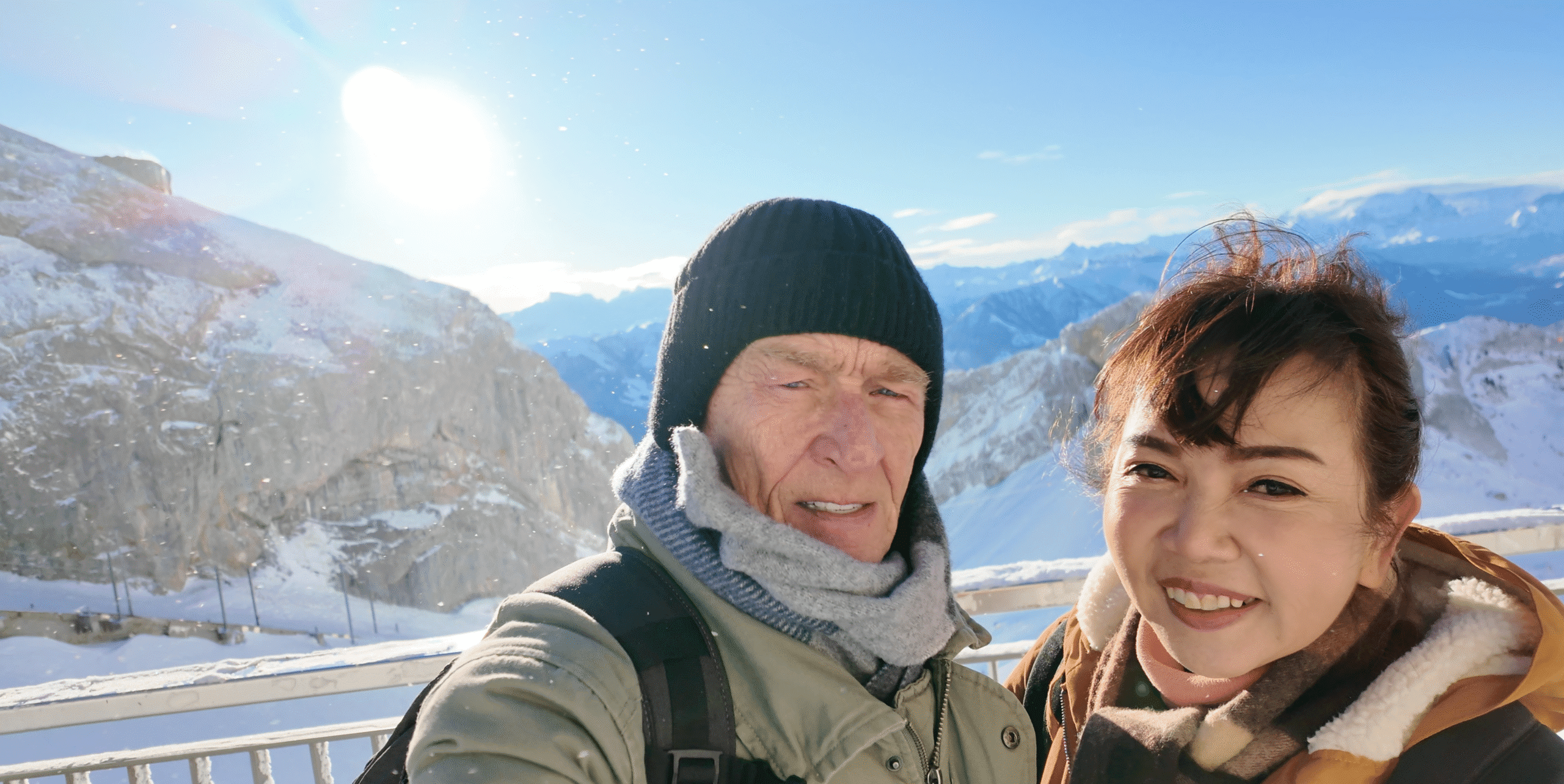
Our travel blog contains affiliate links to products and services we use, love, or have carefully researched (such as hotels, tours, insurance, and gear). This means we may earn a small commission if you make a booking or purchase through these links, at no extra cost to you.
These commissions help support the running of this site so we can keep creating free travel guides and resources. All opinions, recommendations, and reviews are our own and based on our personal experience or detailed research. Please always check current prices, conditions, and policies directly with the provider before booking.
Switzerland is ideal if you like clean, efficient travel, dramatic scenery and calm, comfortable hotels at the end of the day. This guide is for travellers who:
We focus on central locations, reliable comfort and good access to Switzerland’s superb rail network.
Switzerland’s history shapes where you stay and what you see:
Where you stay in Switzerland is often a question of which landscape you want to wake up to: a lake, a historic old town, or dramatic peaks.
Travelling by train in Switzerland was one of the highlights of our trip and an excellent way to see both the country and surrounding regions of Europe.
If you enjoy watching peaks, forests and turquoise lakes glide past your window, basing yourself near main stations (or near good bus/train hubs in resort areas) makes your travel days part of the experience rather than just transit.
Mid‑Range City and Resort Hotels
In Swiss cities and resort towns, well‑run mid‑range hotels are common:
These hotels are ideal if you value practicality and comfort over luxury.
Traditional Alpine Hotels and Guesthouses
In mountainous areas and smaller towns you’ll find:
They’re perfect if you want Alpine atmosphere and easy access to trails, cable cars and viewpoints.
Modern Design Hotels and Aparthotels
In larger towns and newer resort developments:
These can be a good match if you like contemporary design and the option to cook simple meals, which also helps manage costs.
Lakeside and Historic Hotels
Around lakes and in old towns you’ll see:
If you enjoy strolling along the lake before dinner or sitting outside with a view, these locations are very rewarding.
Switzerland is compact enough that you don’t need to change hotels every night. Many travellers:
Using trains and boats, you can explore a wide area without frequent packing and unpacking.
Below we focus on Interlaken and Lucerne, where we stayed, then suggest other options.
Tip: Accommodation prices can vary hugely depending on travel dates. Before booking, see how we use Booking.com’s calendar tool to find cheaper hotel deals and reduce travel costs:
https://trustytraveltips.com/find-cheaper-hotel-deals-booking-com/
Why Interlaken Works as a Base
Interlaken sits between Lake Thun and Lake Brienz, backed by mountains and serving as a gateway to the Jungfrau Region (Grindelwald, Lauterbrunnen, Wengen, Mürren and beyond).
It’s a practical base if you want:
Where We Stayed in Interlaken
Join our list for our best travel advice and instant access to:
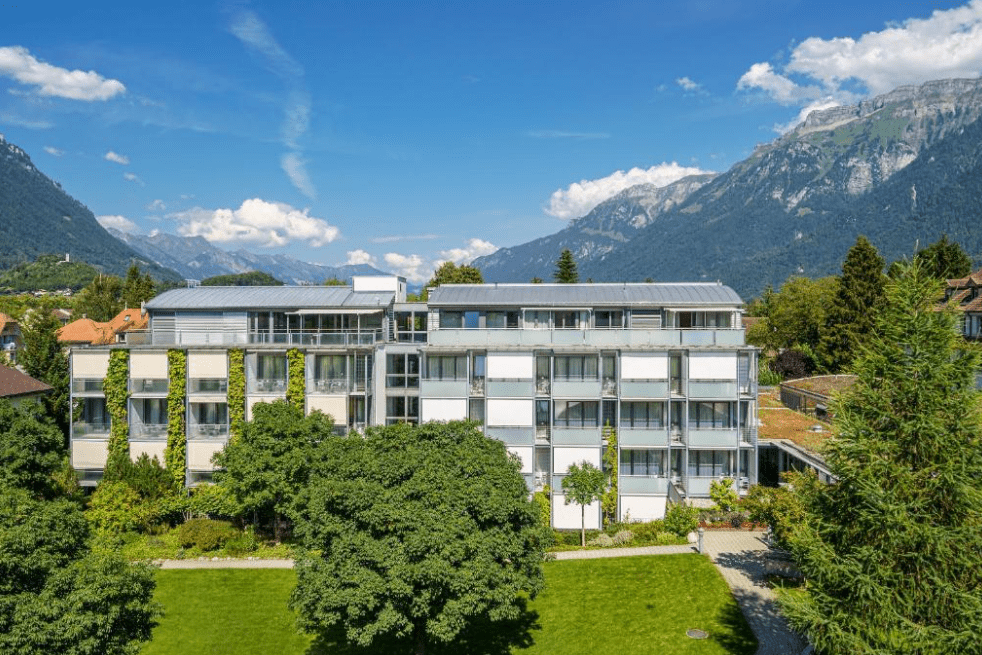
We stayed at Artos Interlaken, which offered a calm, comfortable base slightly away from the busiest streets.
We found Artos Interlaken a good choice if you value a quiet setting and easy access to the region rather than being in the middle of the city. In hindsight, there were not many tourists around, so if you are going in winter, then maybe consider somewhere closer to town.
Why Lucerne Is an Excellent Base
Lucerne combines a beautiful lakeside setting with a compact, atmospheric old town:
It’s a great base if you like mixing gentle city exploring with classic lake‑and‑mountain excursions.
Where We Stayed in Lucerne
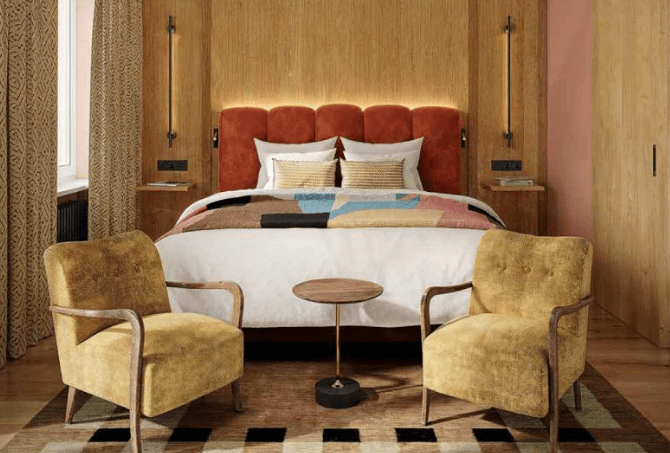
We stayed at Hotel Alpina Luzern, which was particularly convenient for train travel and less than 100 metres from the station.
If you’re planning a longer itinerary by train, consider adding one or more of these bases:
Zurich
Bern
Montreux / Vevey (Lake Geneva)
Zermatt
Lugano / Locarno (Ticino)
When deciding where to stay in Switzerland, consider:
What kind of scenery do we want most days?
How much moving around do we enjoy?
Are we prioritising views or convenience?
Facilities that matter
Create a short checklist:
Book early, especially in high season
Switzerland is popular in:
Smaller mountain towns and lakeside resorts can sell out months in advance.
Use guest reviews carefully
Look specifically for:
Check transport connections
Before booking, look at:
General safety
Switzerland feels very safe and orderly:
Switzerland is one of Europe’s more expensive destinations, and accommodation reflects this. Rough, very general ranges:
Cities and Major Resorts (Zurich, Lucerne, Interlaken, Zermatt)
Comfortable mid‑range hotel
Around CHF 180–280 per night for a standard double with private bathroom and breakfast or easy breakfast options nearby.
Boutique / 4★ hotels and prime‑view properties
Often CHF 280–450+ per night, particularly for lakeside or mountain‑view rooms in peak season.
Smaller Towns and Less Touristed Areas
Many travellers balance costs by:
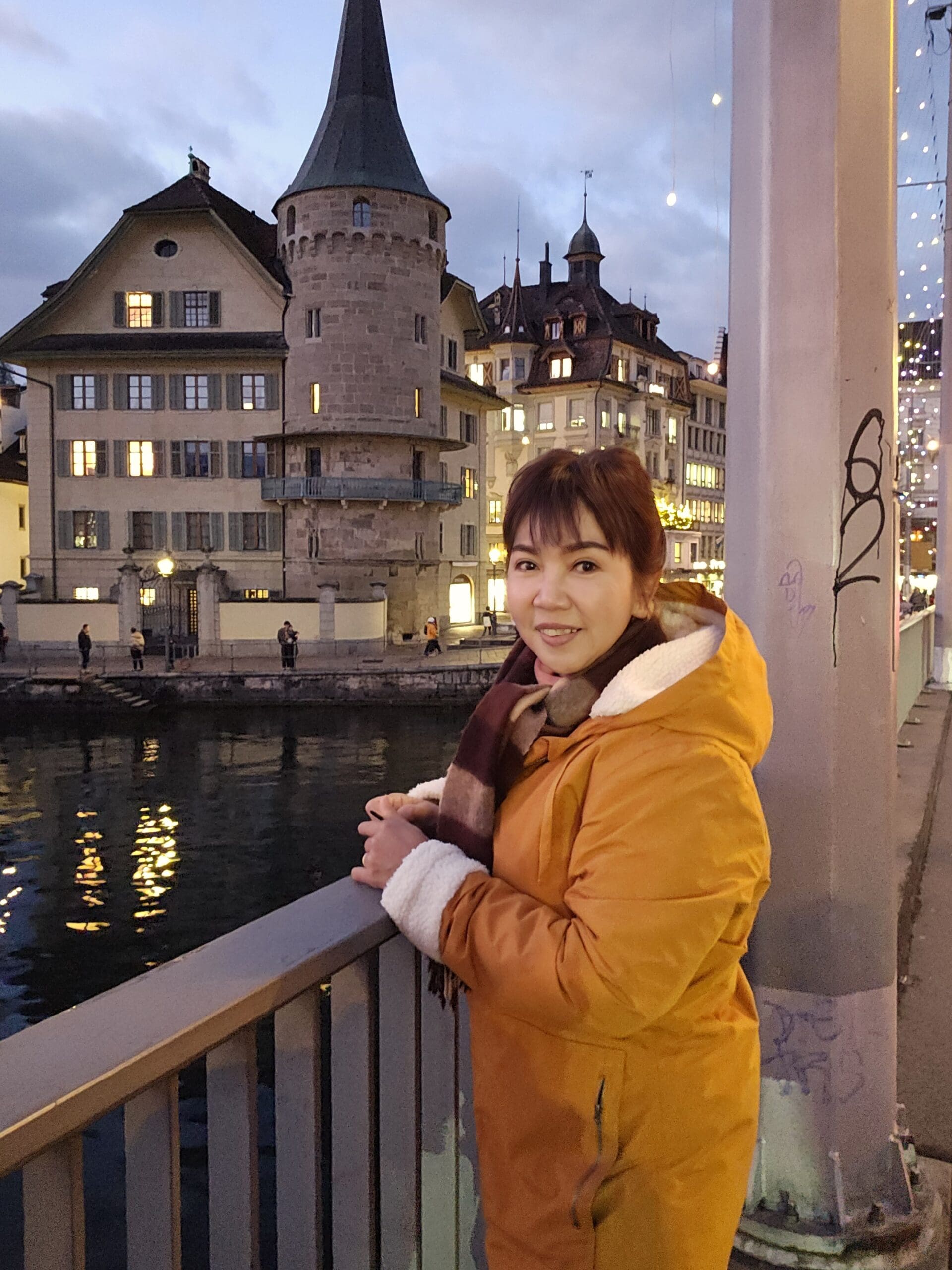
Our main priority was seeing Switzerland and the snow in Winter so we found Interlaken and Lucerne ideal places to achieve this. They can also be popular places in the summer but expect more tourists.

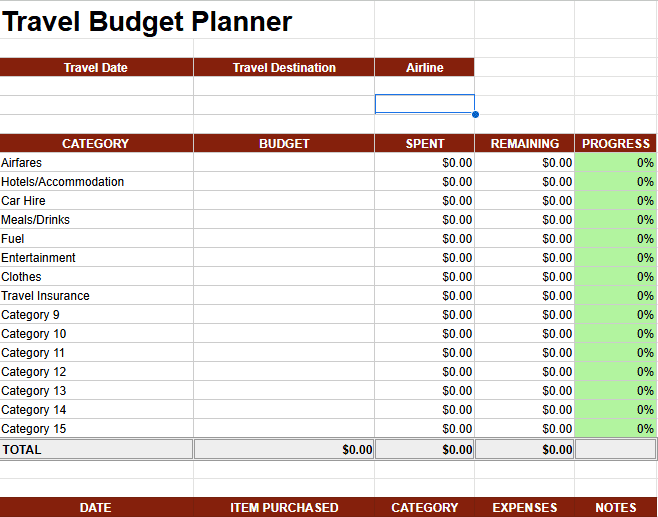
Download our easy-to-use Travel Budget Planner
One simple form to budget and control all your Travel expenses. Free to use for multiple trips.
Below are our go-to sites for planning trips.
Cruises – Vacations To Go is a discount cruise marketplace offering expert agents, comprehensive itineraries, last-minute deals, and easy booking worldwide online.
Skyscanner — Our favourite flight search engine, especially for finding budget carriers and smaller sites others miss.
Booking.com — The most reliable all-around hotel and budget stay finder, often with the lowest rates and huge inventory.
GetYourGuide — A massive marketplace for tours and activities (walking tours, day trips, classes, and more).
World Nomads — Flexible travel insurance designed for travellers and adventure activities.
Wise Travel Card — Low-fee international spending and transfers with great exchange rates; perfect for multi-currency trips.
Sixt — Reliable car rentals with a broad fleet; handy for Great Ocean Road or Yarra Valley trips from Melbourne.
Some links in this guide are affiliate links. If you book or buy through them, we may earn a commission at no extra cost to you. Thanks for your support.

Sign up to get access to all our exclusive private videos on YouTube with no ads!
Our score is out of 10 and based on:
Location & convenience – 30%
Room Quality & cleanliness – 30%
Facilities & services – 25%
Dining – 15%
We do not take price (value for money) into our calculations, as rates can differ substantially depending on when you go. If you travel in peak season, then expect to pay the highest rates, but it does not (or should not) change the quality of the hotel. If we give it a rating of 8.0 or higher, we would consider staying again.
TBA – means we have not stayed at this hotel but have booked for a future visit or included in our research as a suggested place to stay
We’ll send you a direct link to our Google Sheets Travel Budget Planner. Easy to use for multiple trips.
We’ll send you a direct link to our Google Sheets Cruise Budget Planner. Easy to use for multiple cruises.
Travel Tips Straight To Your Inbox
Subscribe today and get access to our exclusive travel videos.