
Getting around Australia is unlike travelling through Europe or Southeast Asia. Distances are vast, cities are spread far apart, and what looks manageable on a map can easily turn into a full day of travel.
Australia isn’t a place where you simply “hop” between cities. Transport planning genuinely shapes your entire itinerary. The way you choose to move around — whether by plane, car, train or tour — will determine how relaxed, flexible and enjoyable your trip feels.
We’ve travelled extensively across Australia by plane, car and local transport, and one thing becomes obvious very quickly: there is no single best way to get around. The right option depends on how much time you have, how far you’re travelling, and whether you prefer structure or flexibility.
If you’re still choosing where to base yourself, our guide to finding accommodation in Australia explains which neighbourhoods and locations make transport days far easier.
Australia Is Bigger Than Most Visitors Expect
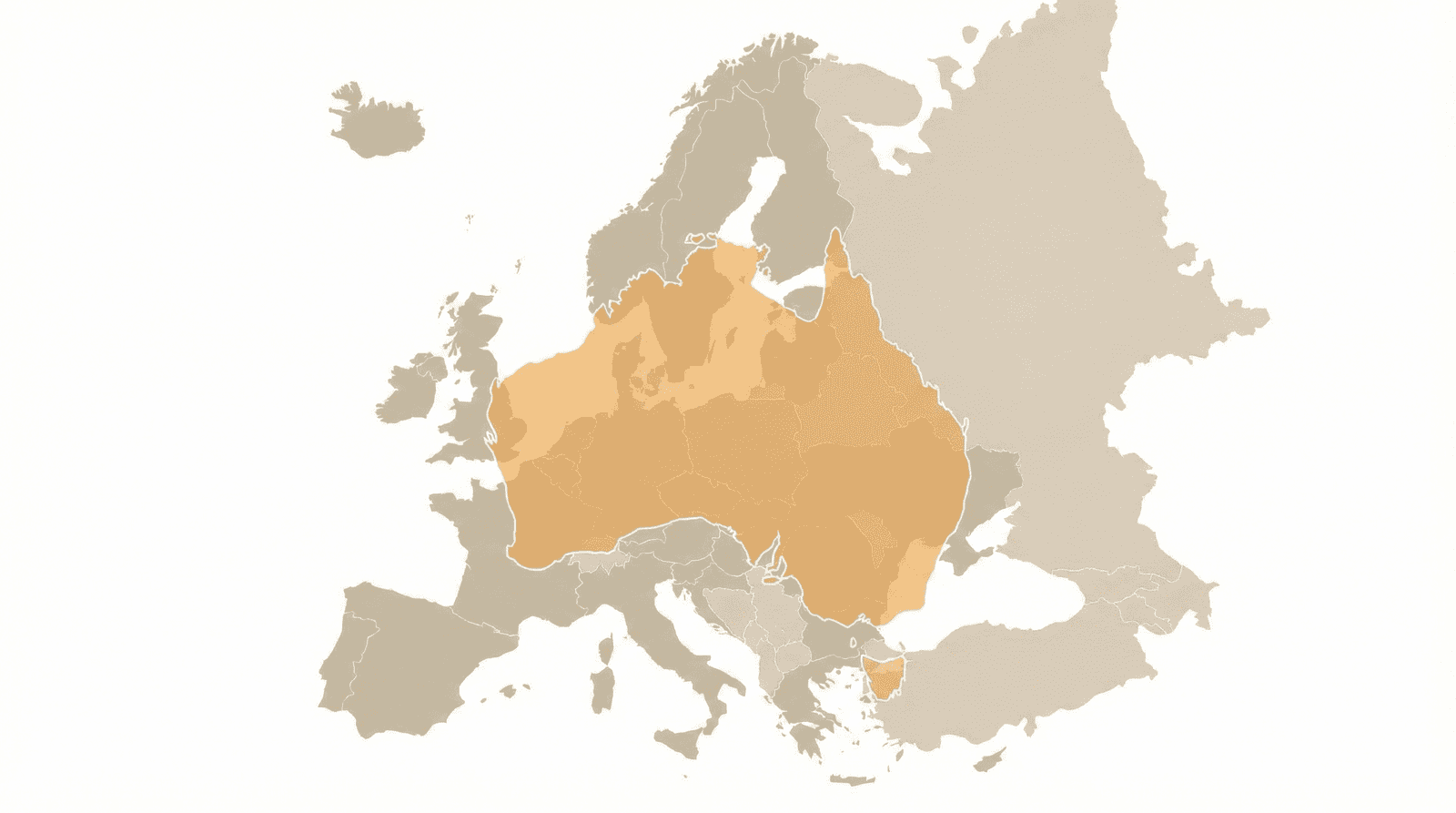
Before discussing specific transport options, it’s important to understand Australia’s scale.
Australia is roughly the size of the continental United States. Flying from Sydney to Perth takes about five hours — similar to flying across Europe. Driving between capital cities can take multiple days.
Sydney to Melbourne takes around nine or ten hours by car. Melbourne to Adelaide is close to eight. Sydney to Brisbane is another long day behind the wheel. Sydney to Uluru is closer to thirty hours of driving.
These distances mean that transport decisions are not minor logistical details. They shape how much you see and how tired you feel along the way.
If you’re planning detailed city stays, our Sydney travel guide, Melbourne travel guide, Gold Coast travel guide, Western Australia guide, Uluru and Red Centre guide, and Tasmania road trip itinerary all break down regional transport considerations in more depth.
Flying Between Cities: Often the Most Practical Choice

For long distances, flying is usually the most efficient option.
Australia has a strong domestic airline network connecting Sydney, Melbourne, Brisbane, Adelaide, Perth and regional hubs. Flights are frequent and, when booked early, often reasonably priced.
Flying is especially helpful when connecting the east coast with Western Australia or heading into remote areas such as the Red Centre. In those cases, driving can consume several days that many visitors simply don’t have.
That said, for shorter routes such as Sydney to Melbourne, flying isn’t always dramatically faster door-to-door once airport transfers and security are included. It’s convenient, but not necessarily transformative.
When we fly between cities, we always try to book accommodation close to public transport links or central districts through Booking.com so we’re not wasting time commuting after landing.
Getting Around Australia by Car: What Visitors Need to Know

For many travellers, hiring a car becomes the most rewarding way to explore Australia — particularly once you leave major cities.
Driving gives access to coastal routes, small towns, national parks and regional destinations that public transport simply does not reach. In areas like Tasmania, Western Australia and parts of regional Victoria, having your own vehicle dramatically improves flexibility.
However, there are a few important considerations.
Visitors from the United States and most European countries should remember that Australia drives on the left-hand side of the road. If you are used to driving on the right, this can feel surprisingly unnatural at first. Roundabouts in particular require concentration, and turning across traffic takes a moment of adjustment. Most travellers adapt quickly, but it does require awareness during the first day or two.
If you feel uncomfortable switching sides — especially for longer rural drives — organised bus tours can be a more relaxed alternative. This is particularly relevant for routes like the Great Ocean Road or remote areas such as the Red Centre, where distances are long and road fatigue can become an issue.
Road quality in Australia is generally excellent near cities and along major highways. However, remote roads can be narrow, wildlife is common at dawn and dusk, and fuel stations may be far apart in rural areas.
One thing that often surprises overseas visitors is how common kangaroos are on country roads, particularly at dawn, dusk and during the night. In many rural areas, especially in the outback and regional highways, it is not unusual to see large numbers of kangaroos grazing beside the road. Sadly, you will also see many that have been hit by vehicles.
Kangaroos can cause serious damage to a car if struck, and in remote areas that can leave you stranded a long way from assistance. For that reason, we strongly recommend avoiding night driving outside major towns and cities wherever possible. If you must drive at night, reduce your speed, use high beam where appropriate, and stay alert for movement at the roadside. Kangaroos tend to travel in groups, so if you see one cross the road, there are often more following behind.
Planning fuel stops carefully, allowing generous travel time, and treating rural distances with respect will make driving in Australia far safer and more enjoyable.
When we hire cars in Australia, we usually compare options through Discover Cars, which checks multiple rental companies and often provides better value than booking directly at airport counters.
Driving in Australia is not difficult — but it does reward preparation, patience and realistic expectations about distance.
Road Trips: The Heart of Australian Travel

If there is one transport experience that truly defines Australian travel, it is the road trip.
Australia was built for driving. Long coastal highways, open inland roads and small towns scattered across wide landscapes make road travel part of the adventure.
Driving gives you something flights never can: flexibility. You can stop at beaches, scenic lookouts, country bakeries, wineries or small historic towns that public transport simply doesn’t reach.
When we’ve explored regional Victoria and Western Australia, having our own car completely changed the experience. We could slow down when we wanted, change direction if something caught our interest and avoid the rigidity of timetables.
We usually compare rental options through Discover Cars, which checks multiple providers and often finds better pricing than booking directly at airport counters. Rental costs in Australia fluctuate widely depending on season and location, so comparing rates makes a noticeable difference.
But driving in Australia requires realistic expectations. Distances are long. Roads in remote regions can feel endless. Fuel stations in the Outback may be hours apart. Wildlife is common on rural roads, especially at dawn and dusk. Travel days are often longer than expected.
Planning conservatively makes road trips enjoyable rather than exhausting.
Australians and Their Love of Caravans
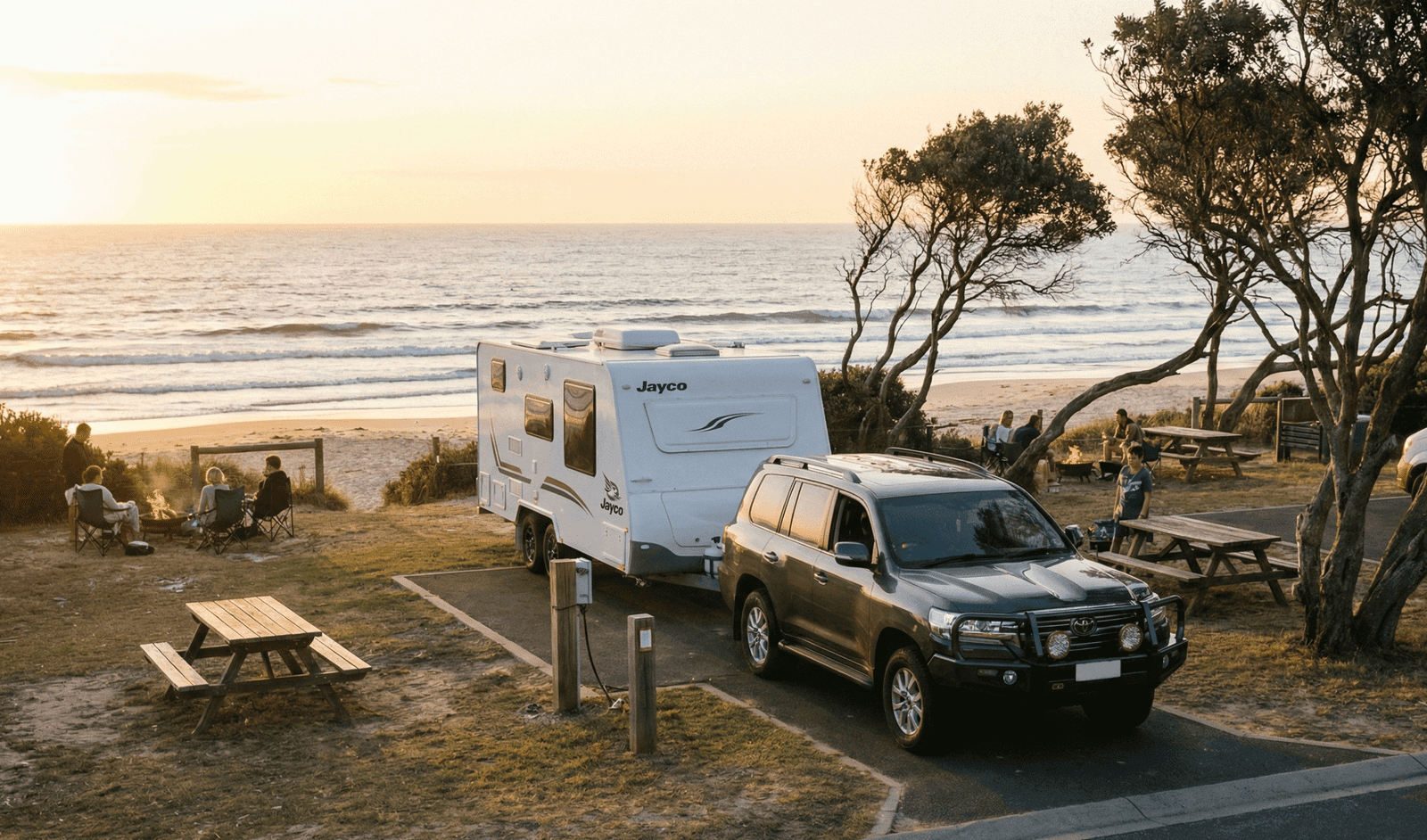
One of the most uniquely Australian transport experiences isn’t flying or hiring a car — it’s caravanning.
Australians love their caravans.
We once experienced this in a way that really brought it home. While staying in Bendigo in central Victoria, we decided to take a day trip to Echuca on the New South Wales border. It was the end of a long weekend, and between Rochester and Echuca we started noticing an unusually high number of caravans heading in the opposite direction.
Out of curiosity, we began counting.
In one relatively short stretch of road, we counted 115 caravans.
That moment perfectly summed up how deeply caravanning is woven into Australian travel culture.
Caravans offer something that traditional hotel-based travel cannot: complete flexibility. You can stop where you like, adjust your plans without worrying about reservations, and carry your accommodation with you.
From personal experience, travelling with a caravan feels liberating. You wake up near the beach one day, by a river the next, and in a quiet country town after that.
Caravans can be hired, and for international visitors it’s certainly an option worth considering. However, cost-wise they often work out similar to staying in mid-range motels once hire fees, insurance, and fuel are factored in. They aren’t necessarily a cheaper accommodation solution.
What they do offer is freedom.
Australia is blessed with excellent caravan parks. Even small towns typically have well-maintained caravan parks with powered sites, facilities and often scenic settings. Free camping is available in some state forests and national parks, although certain sites still charge modest fees. Rules vary by state, so checking local regulations is important.
Caravanning isn’t just transport in Australia — it’s a lifestyle.
Trains in Australia: Scenic but Limited
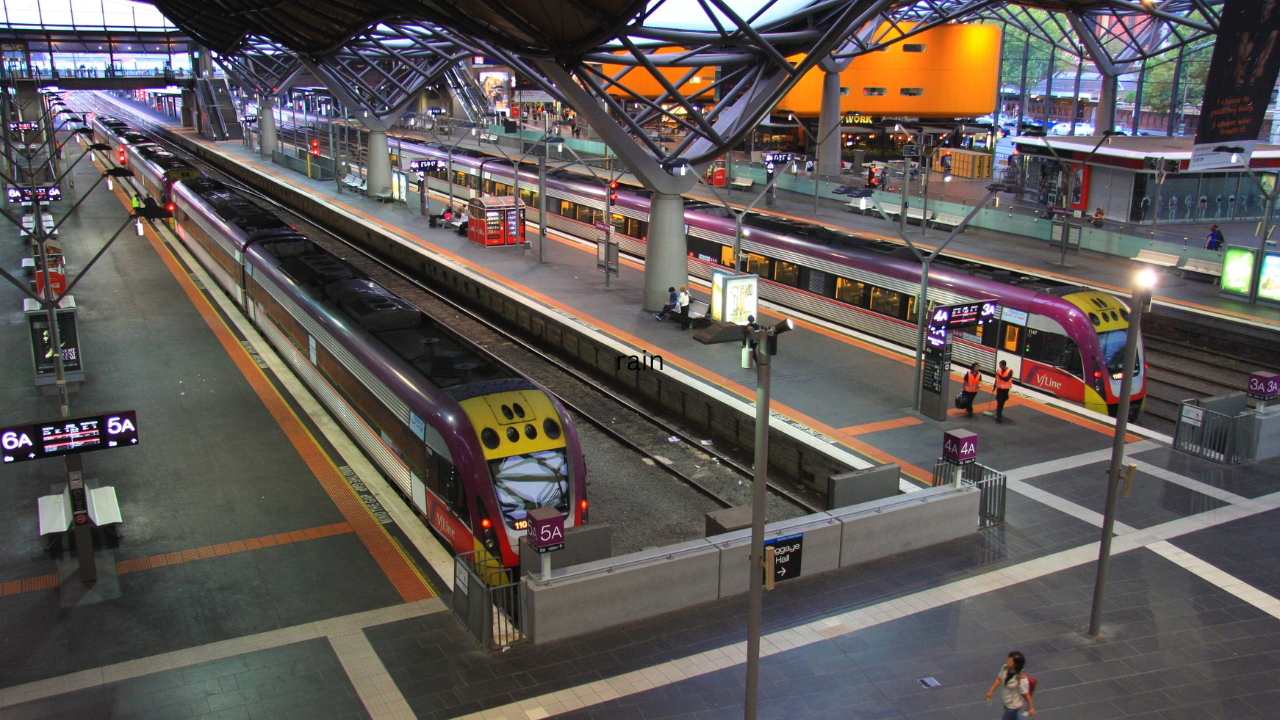
While trains play a smaller role in getting around Australia compared to Europe, they still serve useful regional routes.
Unlike Italy or Japan, Australia does not have an extensive high-speed rail system.
Intercity trains exist between major cities, but they are generally slower than flying and often slower than driving. They are comfortable and reliable, but rarely the fastest option.
Where rail travel shines in Australia is in scenic and luxury routes. The Indian Pacific runs from Sydney to Perth across the Nullarbor Plain. The Ghan travels north-south from Adelaide to Darwin. These are experiences rather than simple transport.
Within cities, suburban rail systems in Sydney, Melbourne and Perth are efficient and affordable. Melbourne’s tram network, particularly the Free Tram Zone in the city centre, makes exploring easy and practical.
For most visitors, trains are best used within cities or for relaxed regional travel rather than cross-country movement.
City Transport Is Straightforward

Australian cities are generally easy to navigate.
Sydney combines trains, buses, ferries and light rail. Taking a ferry across Sydney Harbour is one of the most scenic public transport rides in the world.
Melbourne’s tram network is extensive and intuitive, especially within the central area.
Brisbane and the Gold Coast rely heavily on buses and light rail. Perth’s suburban train system is clean and efficient.
Ride-share services are widely available in cities, though we tend to use them selectively when carrying luggage or travelling late at night.
In many central areas, walking remains the best way to explore.
Bus Tours and Organised Day Trips

While Australia is often associated with road trips, bus tours play an important role — especially for travellers who prefer not to drive long distances.
In cities such as Sydney and Melbourne, hop-on hop-off sightseeing buses can be a practical way to get oriented on arrival. They’re not something we use on every visit, but for first-time travellers with limited time, they provide an easy overview without worrying about navigation.
Where bus tours become especially valuable is outside major cities.
The Great Ocean Road from Melbourne, the Blue Mountains from Sydney, wine regions in South Australia, and day trips to places like Phillip Island are all easily accessible by organised coach tours. These remove the stress of driving unfamiliar roads while still allowing you to experience scenic regions.
In remote destinations such as Uluru and the Red Centre, organised tours can actually be the most practical option. Distances are large, signage is minimal in places, and the climate can be extreme. Having a guide not only simplifies logistics but adds historical and cultural context that you would otherwise miss.
Tasmania is another example. While we personally prefer hiring a car there, travellers who don’t want to drive winding rural roads often choose multi-day bus tours instead.
We usually browse small-group and day tour options through GetYourGuide before arriving in a city. It helps to see pricing, availability and meeting points in advance — particularly during peak seasons when tours can sell out.
Bus tours aren’t necessarily the cheapest way to travel, but they often strike a good balance between convenience and comfort, especially for mature travellers who prefer not to handle long driving days themselves.
Tasmania and Regional Exploration

Tasmania is best explored by car.
Public transport outside Hobart and Launceston is limited. If you’re following our Tasmania 7-day road trip itinerary, hiring a car is almost essential to reach national parks and coastal regions comfortably.
Driving distances are shorter than mainland Australia, but roads can be winding. The scenery makes the slower pace worthwhile.
Remote Travel and the Red Centre
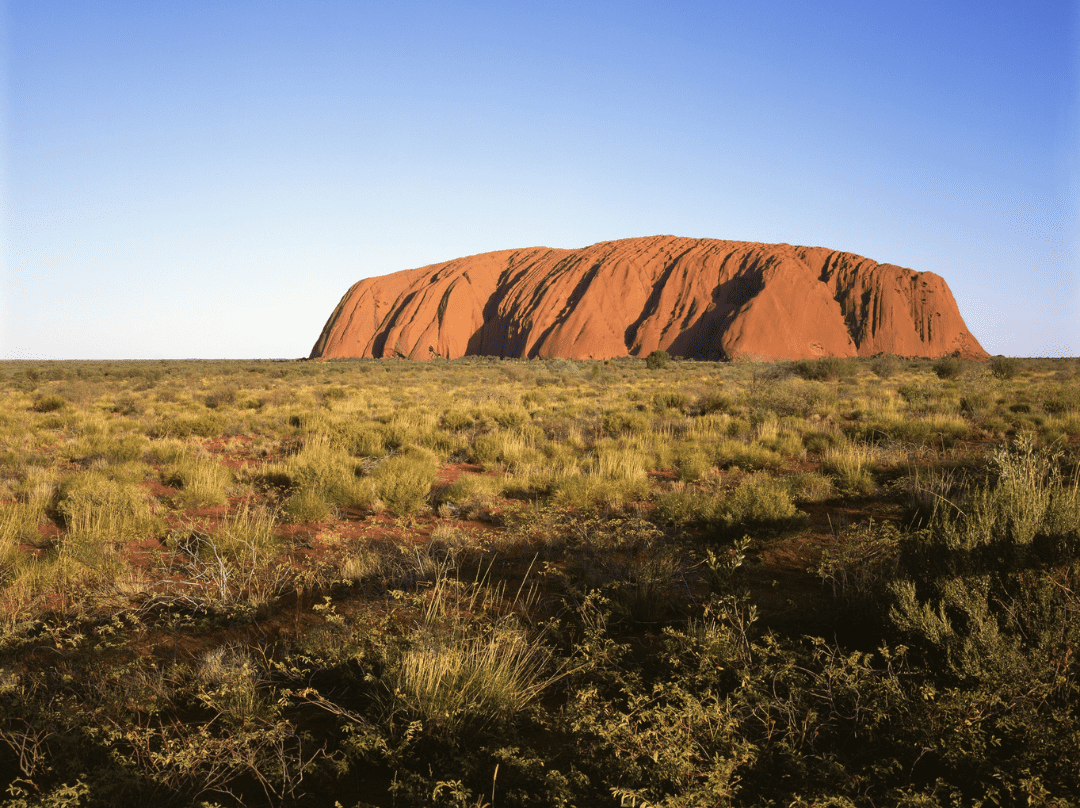
Travelling to Uluru and the Red Centre requires additional planning.
Flying into Ayers Rock Airport is the simplest option for most visitors. Driving long distances through remote desert regions is possible but requires careful preparation.
Fuel stops can be far apart. Mobile coverage may drop out. Road conditions can change quickly.
In these areas, many visitors choose guided experiences booked in advance through platforms such as GetYourGuide. Structured tours remove logistical stress and allow you to focus on the experience.
Travel insurance is especially important in remote regions. Medical evacuation can be extremely expensive. We compare options through VisitorsCoverage to ensure adequate coverage before travelling into isolated areas.
Connectivity and Practicalities
Mobile coverage in Australia is excellent in cities and towns but limited in remote regions.
If you’re arriving from overseas, arranging an eSIM before arrival simplifies things considerably. We’ve used Airalo when travelling internationally because it allows instant activation without hunting for SIM cards at airports.
In remote areas, even local SIMs can lose signal, so downloading offline maps is wise.
Money and Payments
Australia uses one national currency, which simplifies travel across states.
Contactless payments are accepted almost everywhere, including small regional towns.
For international visitors, using a multi-currency card such as Wise can reduce foreign transaction fees and often provides better exchange rates than standard bank cards.
Is Renting a Car Necessary in Australia?
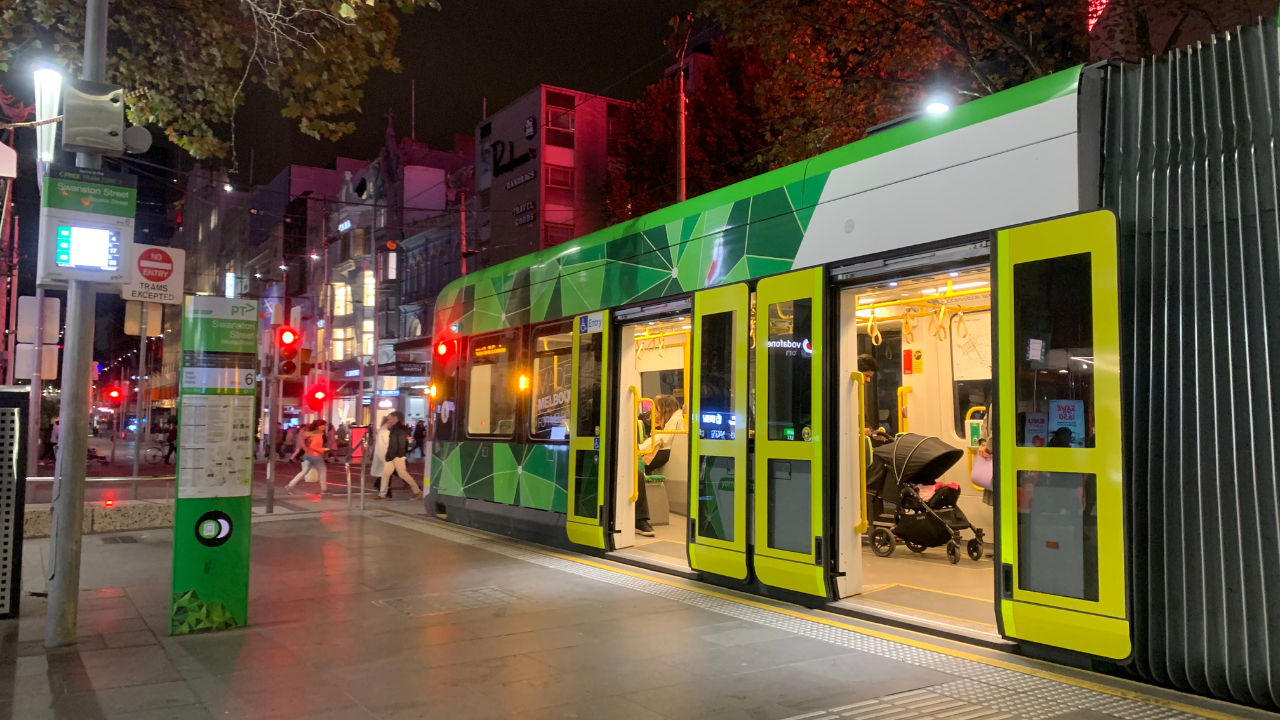
Whether you need a car in Australia depends entirely on your itinerary.
If you’re staying within central Sydney or Melbourne, you do not need a car. Public transport is reliable, parking is expensive, and traffic can be frustrating.
However, once you plan to explore coastal drives, regional wine areas, national parks, Tasmania, Western Australia or the Red Centre, a rental car becomes extremely valuable.
Australia is not built around dense rail networks. Many of the country’s most beautiful destinations simply aren’t reachable without your own vehicle or a guided tour.
For travellers uncomfortable with long drives, driving on the left, or navigating remote roads, organised tours can be a sensible alternative.
The key is matching your transport choice to your itinerary — not automatically assuming you need (or don’t need) a car.
Final Thoughts
Getting around Australia requires more planning than many countries, but it is rarely complicated once you understand the geography.
Flights handle the vast distances. Road trips unlock the best scenery. Cities are simple to navigate. Remote regions require preparation.
Transport in Australia isn’t just a means to an end. Coastal drives, harbour ferries, desert highways and caravans lined up along country roads are part of the story.
Australia rewards those who travel with patience and flexibility.
If you’re building your full itinerary, explore our complete Australia travel guide for destination ideas, regional planning advice and practical tips to structure your journey at a comfortable pace.