
For many mature travellers, planning a land vacation means something very different from backpacking, dorm rooms, and camping. You want a comfortable bed, stylish surroundings, good food, and reliable service—but you still appreciate getting excellent value for your money.
This guide is designed for travellers who have graduated from roughing it. You may be in your 50s, 60s, or beyond, with more disposable income, higher standards, and a preference for comfort, convenience, and perhaps a touch of luxury. We’ll walk through each step—from the first idea to the moment you leave home—so you can design a land vacation that feels indulgent, but still smart and price‑savvy.
Helpful tools for planning a land vacation with comfort in mind
Short on time but want a high‑comfort, good‑value trip? These tools make planning a land vacation much easier:
- Compare flights & routes: Use
KAYAK or
Trip.com to find convenient flight times (and premium economy options) that fit your comfort level. - Upscale hotels & resorts: Browse well‑reviewed 4–5 star hotels, resorts and serviced apartments on
Booking.com and
Hotels.com, using filters for rating, location and amenities.
Tip: Accommodation prices can vary hugely depending on travel dates. Before booking, see how we use Booking.com’s calendar tool to find cheaper hotel deals and reduce travel costs:
https://trustytraveltips.com/find-cheaper-hotel-deals-booking-com/
- Day tours & extras: Add small‑group tours, airport transfers and special experiences via
Klook to round out your itinerary without over‑scheduling. - Travel money without huge fees: If you’re visiting multiple countries or paying for hotels in foreign currencies, consider a Wise account for better exchange rates and low‑fee international spending via
Wise.
As you read through each step below, keep these tools in mind—they’re ideal for turning your plans into booked flights, hotels and transfers at your preferred comfort level.
Step 1: Define your ideal style of comfort
Before choosing a destination or hotel, get clear about what “comfort” means to you now.
Questions to shape your travel style
- Do you prefer boutique hotels, full‑service resorts, or upscale apartments?
- Is a central location more important than having a pool or spa?
- Do you value quiet, adult‑oriented stays over family‑focused properties?
- Are you willing to pay more for direct flights, premium economy, or business class on longer routes?
Write down what you must have (e.g., a high‑quality mattress, private bathroom, good Wi‑Fi) and what you’d simply like to have (e.g., spa, balcony, sea view). This list becomes your guide for every booking decision when you’re planning a land vacation.
Step 2: Choose destinations that match comfort and value
Not all destinations are equal when it comes to offering upscale experiences at reasonable prices. Some cities are famously expensive; others deliver five‑star feeling at three‑star prices. Places like Europe or the UK can be frightfully expensive compared to countries in Asia. A 3‑star hotel in London could easily cost more than a 5‑star hotel in Thailand.
We recently stayed at a 3‑star resort in Koh Phangan but upgraded to their Villa option. This worked out roughly the same price as a standard room at a nearby 4‑star resort but was three times the size, with two bathrooms and an outdoor pool, which we would not have had at the 4‑star resort.
What to look for in a destination
- Strong four‑star hotel market: Cities with many mid‑to‑upper‑tier hotels often have competitive pricing.
- Good restaurant scene: Look for places known for bistros, wine bars, and cafés rather than only fine dining.
- Easy airport access: Shorter transfers and simple public transport or taxi options add to the feeling of ease.
- Off‑peak luxury: Some destinations (like alpine resorts or beach towns) have high and low seasons. In shoulder seasons, upscale properties can be surprisingly affordable.
Destination research is easier when you use a mix of official tourism websites and booking platforms. Sites like
Booking.com let you filter by star rating, review score, and amenities, which can quickly reveal where comfortable stays are plentiful and reasonably priced.
Our accommodation finder (powered by a Stay22 map widget) can search across major booking sites—including Booking.com, Agoda, Trivago, Expedia and more—to help you find the best combination of comfort, location and value. Simply enter where you’re going and your dates, then zoom in on the neighbourhoods that best match your travel style.
Step 3: Budgeting for comfort without overspending
A comfort‑focused trip doesn’t have to be extravagant; it just requires smart budgeting.
Core budget categories
- Flights or trains (including upgrades or premium cabins, if desired)
- Accommodation (typically 3.5–5‑star hotels, resorts, or serviced apartments)
- Dining (mix of casual, mid‑range, and occasional splurge meals)
- Local transport (taxis, rideshares, private transfers, or first‑class rail)
- Experiences (guided tours, wine tastings, spa treatments, cultural events)
Decide where comfort matters most to you. You might choose:
- A higher hotel budget and economy flights, or
- Premium flights and a stylish, but not ultra‑luxury, hotel.
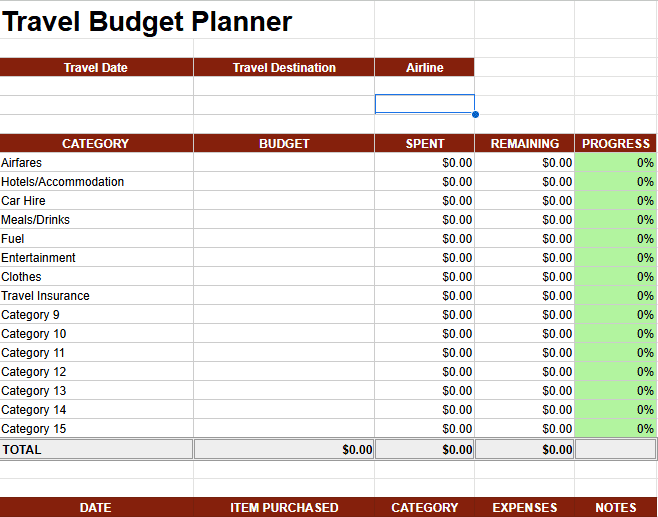
Build a realistic daily budget per person and add a 10–15% buffer for spontaneous treats—a sunset cocktail with a view, an unplanned day tour, or room‑service breakfast.
As you’re planning a land vacation, it can also be worth thinking about how you’ll pay for things in‑destination. If you’re regularly paying in foreign currencies (for hotels, rail tickets, or restaurant bills), using Wise for international spending and ATM withdrawals can help you avoid many of the hidden fees that eat into your comfort budget.
Download our easy‑to‑use travel budget planner below. It will help you budget every aspect of your vacation and keep track of all expenses once you start.
Step 4: Smart booking strategies for upscale stays
This is where your plan turns into reality and your money can work hardest for you.
Finding quality hotels at fair prices
- Book early for popular destinations, especially in Europe and during festivals or holidays.
- Use filters and reviews: look for properties rated 8.5+ or 4.5+ stars with consistent comments about comfort, quiet rooms, and service.
- Compare non‑refundable vs. flexible rates; sometimes flexibility costs only a little more and is worth the peace of mind.
- Consider aparthotels or serviced apartments if you like extra space and a small kitchen, but still want hotel‑style service.
When comparing options on Booking.com or Hotels.com, use the map view to combine location with comfort. Often, a slightly less famous neighbourhood just outside the centre will offer more space and better value while still being close to everything you want to see.
Location, location, relaxation
Choose properties that let you step out into the heart of the action—or retreat easily from it.
- Being central often saves money on taxis and time on transit.
- Neighbourhoods just outside the absolute centre can offer quieter, more spacious, and better‑priced options, while still being walkable or one metro stop away.
Step 5: Planning a land vacation at your ideal comfort level
Now it’s time to shape your days so the entire trip feels easy, enjoyable, and unhurried. This is the heart of planning a land vacation that truly suits mature travellers.
Designing a comfort‑first itinerary
- Aim for one “anchor” experience per day (a guided tour, a museum, a food tour, a scenic day trip).
- Build in slow mornings or lazy afternoons by the pool, in a café, or at the spa.
- Alternate busier sightseeing days with more relaxed, local‑flavour days.
The art of “just enough”
Resist the urge to see everything. You’ll enjoy your trip more if you give yourself time to savour each experience:
- Instead of four museums in one day, pick one or two and add a long lunch.
- Choose fewer hotel changes; staying three or more nights in each location often feels more luxurious than constantly packing and unpacking.
Step 6: Flights, trains, and transfers that feel effortless
Comfort doesn’t start at the hotel; it starts the moment you leave home.
Upgrading the journey (without overspending)
- Consider premium economy on long‑haul flights; the extra space, priority boarding, and better meals can make a big difference.
- Watch for fare sales or use points and miles to upgrade.
- For shorter distances, check if a first‑class train ticket is only slightly more than standard. Extra legroom and quieter carriages often justify a modest increase in price.
Use KAYAK or Trip.com to compare premium economy and business class fares across multiple airlines at once. This is an easy way to see whether a more comfortable cabin fits within your overall budget for planning a land vacation.
Stress‑free arrivals
- Pre‑book private or shared airport transfers so you’re not negotiating taxis while tired.
- If using public transport, research the simplest routes and whether your hotel can arrange a pick‑up or provide clear directions.
Airport transfers and key day trips can often be arranged in advance through
Klook, which helps ensure you arrive smoothly and safely at your first hotel.
Step 7: Dining, experiences, and little luxuries
A mature traveller’s land vacation is less about ticking boxes and more about savouring moments.
Eating well, not extravagantly
- Mix smart casual restaurants and bistros with occasional fine dining. If we are staying in a hotel for more than a couple of days we normally try out their restaurant for one meal but will look elsewhere for other restaurants if convenient on other days.
- Look for set menus or lunch specials at high‑end restaurants to enjoy top‑tier cuisine at better prices.
- Ask hotel staff for recommendations where locals eat when they want something special—but not overly touristy.
Curated experiences
Consider:
- Small‑group or private tours for a more relaxed pace
- Wine, cheese, or chocolate tastings
- Concerts, theatre, or local cultural performances
- Spa days or half‑day wellness experiences
These add a sense of indulgence without requiring a five‑star hotel every night. Many of these experiences can be reserved ahead of time through platforms like
Klook, so they slot neatly into your comfort‑first itinerary.
Step 8: Packing for comfort and style
What you pack dramatically affects how your trip feels day to day.
Clothing and footwear
- Choose a coordinated capsule wardrobe in neutral tones with a few accents. This keeps luggage lighter while still looking put‑together.
- Bring comfortable but stylish walking shoes; consider two pairs that work with most outfits.
- Pack a lightweight blazer, cardigan, or shawl that can dress up outfits for nicer dinners.
Practical extras
- A compact umbrella and light rain jacket
- A small, chic day bag or cross‑body that works day and night
- Travel‑size toiletries (even if your hotel provides them—you know what you like)
Remember: the less you carry, the more smoothly you move through airports, stations, and city streets—especially important when you’re planning a land vacation with multiple stops.
Step 9: Final checks before departure
The last week is all about making sure nothing disturbs that calm, comfortable experience you’ve planned.
Home and admin checklist
- Confirm all hotel, flight, and transfer bookings.
- Double‑check passports, visas, and any entry requirements.
- Notify your bank of travel dates to avoid card issues.
- Arrange mail holds, plant watering, and any house‑sitting if needed.
- Make sure you have travel insurance.
For travel insurance that matches the style of trip you’re planning, you can compare policies and coverage levels (including medical and trip interruption) through
VisitorsCoverage before you go.
Digital organisation
- Save all confirmations in a single travel folder on your phone, plus a printed copy.
- Download offline maps and key translations if travelling abroad.
- Keep digital copies of passports and insurance documents stored securely.
With everything in order, you’re free to focus on enjoying the journey—not worrying about details you may have missed.
Planning a land vacation is about aligning your trip with who you are now: someone who values comfort, quality, and authentic experiences, but still appreciates a smart deal. With thoughtful choices about destination, hotels, flights, and daily pace, you can create journeys that feel luxurious, relaxed, and deeply rewarding—without spending more than you need to.
Next step: Choose your region and dates, then:
• Compare routes and cabin classes on KAYAK or Trip.com
• Use our Stay22 accommodation map and Booking.com / Hotels.com to pick 3.5–5★ stays in the right neighbourhoods
• Add a few curated tours and transfers with Klook
• Set up a low‑fee travel money solution via Wise and secure insurance through VisitorsCoverage