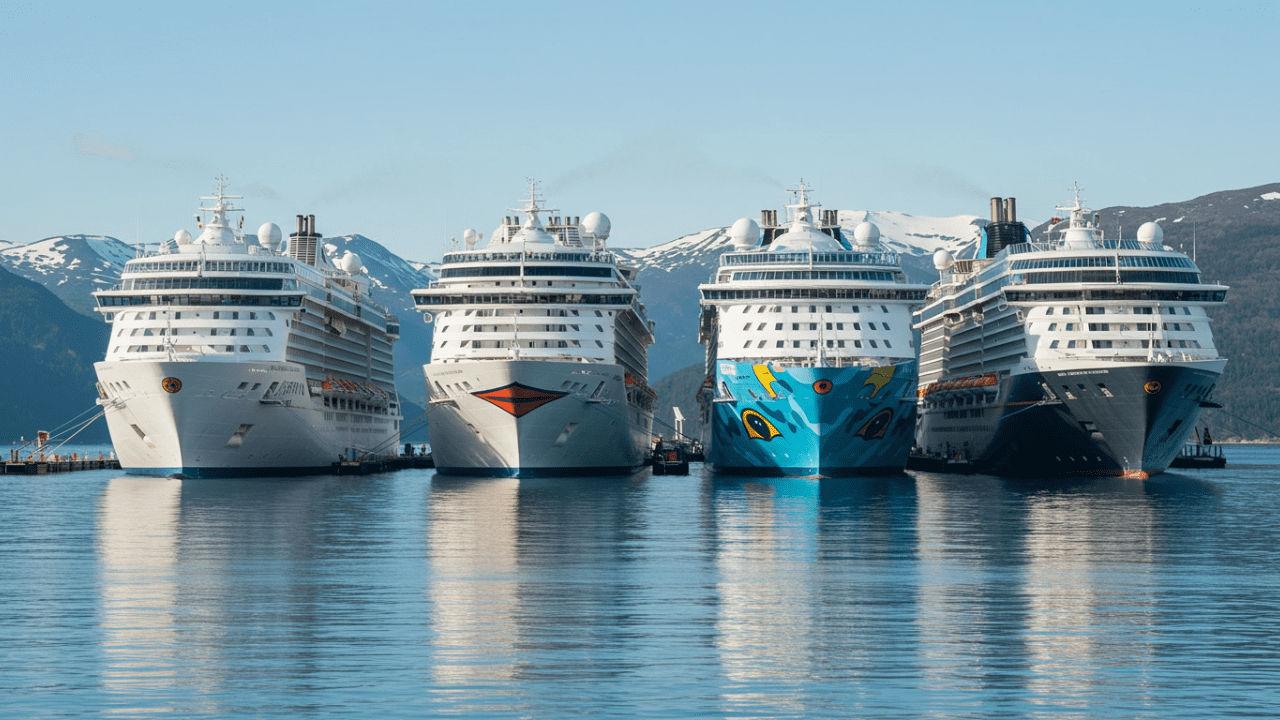
Cruising isn’t one-size-fits-all. The “right” cruise is the one that matches your travel style, budget and expectations for space, service and ports. Learning how to choose the right cruise means thinking about where you want to sail, what kind of ship vibe you like, how much space you want and how all of that fits your budget.
This guide walks you step by step through the key decisions – region and season, ship size and space ratio, cabin type, inclusions and value – so you can confidently choose the right cruise for your travel style. If you’re also thinking about timing and costs, see our guides on when to cruise and how to budget for a cruise.
Start With Your Goal
- Relax and recharge with sea days and a resort feel
- See as many ports as possible (culture and excursions)
- Celebrate with family—many activities, kid clubs, casual dining
- Adults-only, serene vibe, slower pace
- Enrichment: lectures, destination focus, small groups
- Expedition-style adventure (Zodiacs, remote regions)
Write down your priority in one sentence. It will be your tie-breaker when choices look similar.
Quick Tools to Compare Cruise Options
Once you’ve written down your one‑sentence goal, it’s time to see what’s actually available. These are the tools we use when we’re working out how to choose the right cruise for a new itinerary:
- Cruises – CruiseDirect: Compare multiple cruise lines, ships and dates side by side. You can filter by region, length, departure port and more, then save a shortlist that matches your goal.
- Flights – KAYAK: Check how long and how expensive it is to reach different embarkation ports. Sometimes a “cheaper” cruise becomes more expensive once flights are added.
- Hotels – Booking.com: Look at the cost of pre‑ and post‑cruise hotels in each port, especially if you’re flying in a day early as we recommend.
- Tours & shore days – GetYourGuide: Search key ports on your shortlist to see what you can actually do there and how much typical shore days cost.
Pick the Right Region and Season
- Mediterranean: spring and fall for cooler temps, fewer crowds; summer for beach time but busier ports.
- Alaska: late May–early Sept; peak wildlife June–July, best value shoulder season.
- Northern Europe: May–Aug; longer daylight in June.
- Caribbean: year-round; best prices late Aug–Oct but it’s hurricane season.
- Asia/Australia/NZ: typically Sept–Apr. Check flight length and one-way vs round trip itineraries. If you want immersive time ashore, prioritise itineraries with longer port calls or overnights.
If you’re torn between a couple of regions, our guide on when to cruise compares seasons, crowds and prices for popular cruise areas like Alaska, the Mediterranean and the Caribbean. It’s a useful companion when you’re learning how to choose the right cruise that fits your weather and budget preferences.
Understand Ship Size and Vibe
- Mega (4,000–6,500 guests): water parks, shows, many dining options; more crowds, great for families.
- Large (2,500–4,000): lots to do, still busy at peak times; broad appeal.
- Mid-size (1,000–2,500): easier logistics, a bit more space, still lively.
- Small/Luxury (500–1,000): calmer, more staff per guest, destination focus, fewer lines.
- Expedition (100–250): remote regions, lectures, Zodiacs; cabins smaller, excursions central to the experience.
Passenger Numbers and “Space Ratio” Explained (With Examples)
Space ratio is a quick way to sense how roomy a ship feels. It’s the ship’s gross tonnage divided by the number of passengers at double occupancy.
What the numbers generally mean
- ~30–40: Busy, resort-like feel (mass-market big ships)
- ~40–55: Comfortable, more elbow room (premium)
- ~55–75+: Spacious luxury feel
- 80–90+: Exceptionally airy for ocean cruising
Approximate examples (ship-specific; figures can vary by class and refits)
- Princess Cruises (Royal/Discovery-class): roughly 3,500–3,700 guests; space ratio often around high-30s to ~40.
- Viking Ocean (identical 930‑guest ships): about 47,800 GT / 930 guests ≈ ~51–52.
- Regent Seven Seas Explorer/Splendor: ~55,000 GT / 750 guests ≈ ~73–74.
- Crystal Serenity after refit: ~68,800 GT with ~740 guests ≈ ~90+ (noting this is unusually high and helps explain the “airy” feel).
Key notes
- Space ratio is a proxy. GT isn’t “public square meters,” but higher numbers do tend to correlate with fewer crowds.
- Two ships with similar ratios can still feel different due to layout (bottlenecks vs. wide promenades), pool deck size, and how venues are scheduled.
- If you love a calmer vibe, consider lines consistently above ~50; for a lively resort atmosphere and budget value, lines in the 30s–40s can be perfect.
Cabin Choices That Change Your Experience
- Inside/Oceanview: best value; good if you’ll be ashore all day.
- Balcony: private outdoor space; great in scenic regions (Alaska, fjords, Greek isles).
- Suites: extra space, priority services, included perks; especially impactful on premium/luxury lines.
- Location tips: lower/midship for less motion, cabins under public decks can pick up noise, and forward balconies are windier but great views.
Your cabin can make or break how your cruise feels, especially if you value quiet or get motion sick. Our full guide on how to choose the right cruise cabin explains which locations to avoid and how to balance price versus comfort.
Dining Style and What’s Included
- Mass-market/premium (e.g., Princess): main restaurants + speciality venues; beverages, Wi‑Fi, gratuities may be add-ons or bundled in “perks” packages.
- Luxury (e.g., Regent, Crystal): more inclusions—speciality dining, premium drinks, Wi‑Fi, gratuities, often excursions.
- Viking: wine/beer with lunch/dinner, speciality dining included; typically no casino and adults-only vibe.
Decide if you prefer “pay as you go” lower fare or “pay once” higher fare with more included.
Budget and Value: Compare Apples to Apples
When comparing fares, standardise for what you’ll actually use:
- Base fare vs. included drinks, Wi‑Fi, tips, excursions
- Speciality dining costs
- Airfare, transfers, and pre/post nights
- Shore excursions and private tours Luxury can look expensive up front but be close in net cost if you would buy all the same add-ons elsewhere.
Don’t forget travel insurance in your “all-in” total. Cruise medical care and emergency evacuation can be expensive, and many policies handle pre-existing conditions and age limits differently. For a simple checklist of what seniors should look for (and what to avoid), see our guide to the best travel insurance for seniors going on cruises.
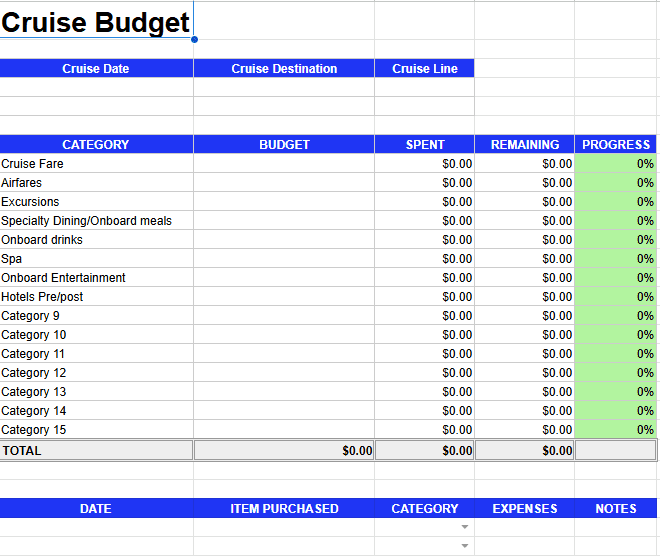
To really compare value, build a simple “all‑in” cost for each option: base fare, add‑on packages, flights, hotels and excursions. Our guide on how to budget for a cruise walks through this step by step, and a multi‑currency card like the Wise travel card can help reduce hidden exchange fees when you actually pay for everything.
Motion, Accessibility, and Wellness
- If you’re motion-sensitive: choose a larger, modern ship, book midship/low deck, and consider calmer seasons/routes.
- Accessibility: verify accessible cabin availability early; ask about tender ports and gangway slopes.
- Wellness: check for proper gyms, walking tracks, quiet areas, and spa facilities if that matters to you.
If motion sickness or mobility is a concern, factor it into how you choose the right cruise from the start rather than as an afterthought – it’s much easier to pick the right ship and cabin up front than to fix discomfort once you’re on board.
River cruises are often marketed as relaxed and easy, but walking distance on excursions, elevator access between decks, and ship layout can vary a lot from line to line. If you or your travel partner prefers a gentler pace, it’s worth choosing a river cruise designed with that in mind.
See our guide to the best river cruises for seniors with walking difficulties for a detailed comparison of river cruise lines, excursion styles, and accessibility factors.
Booking Strategy and Timing
- Book early for peak seasons, top cabins, and small ships (luxury/exploration).
- Watch shoulder seasons for deals in the Med and Alaska.
- Consider repositioning cruises for value if you enjoy sea days.
- Work with a cruise specialist for extra onboard credit, group rates, or perks.
When comparing actual sailings, use CruiseDirect to watch prices over time and spot promotions, and read our guide on how to find the best cruise deals for tips on wave season, price drops and when to lock things in.
Quick Comparison Snapshot (Approximate Ranges)
- Princess Cruises: 2,600–4,600 guests; space ratio often high-30s to ~40; family-friendly, broad itineraries, strong value.
- Viking Ocean: ~930 guests; space ratio ~51; adults-only, destination focus, quiet vibe.
- Regent Seven Seas: ~700–750 guests; space ratio ~70+; highly inclusive luxury, spacious suites.
- Crystal: ~700–740 guests; space ratio can be ~90 on Serenity post-refit; refined service, enrichment focus.
Use these as directional guides; check the specific ship you’re eyeing.
Example Shortlists by Travel Style
- Relaxed, adults-forward, destination-led: Viking Ocean; Oceania small ships; Azamara.
- Resort energy, many dining/entertainment options: Princess; Royal Caribbean; Norwegian.
- All‑inclusive luxury, high space ratio: Regent; Crystal; Seabourn; Silversea.
- Alaska wildlife focus with comfort: Princess (wide deployment), Holland America, Seabourn (smaller-ship luxury).
- Culture-heavy port immersion: Azamara; Oceania; Viking.
- Family fun with kids’ clubs: Royal Caribbean; Norwegian; Princess.
How to Compare Two Contenders in Five Minutes
- Write your one-sentence goal
- Check passenger count and space ratio
- Scan 3–5 top ports and time in port
- Tally what’s included vs extras you’d buy
- Look at cabin photos and deck plans for flow and quiet spaces
Run this five‑step check on each option and you’ll quickly see which ship and itinerary truly match your one‑sentence goal. That’s the heart of how to choose the right cruise without getting overwhelmed by marketing or endless small differences.
More Cruise Planning Guides
- When Is the Best Time to Cruise?
- How to Budget for a Cruise
- How to Find the Best Cruise Deals: 5 Top Websites Compared
- How to Choose the Right Cruise Cabin
- Ultimate Cruise Tips: 15 Essential Tricks for a Stress‑Free Voyage