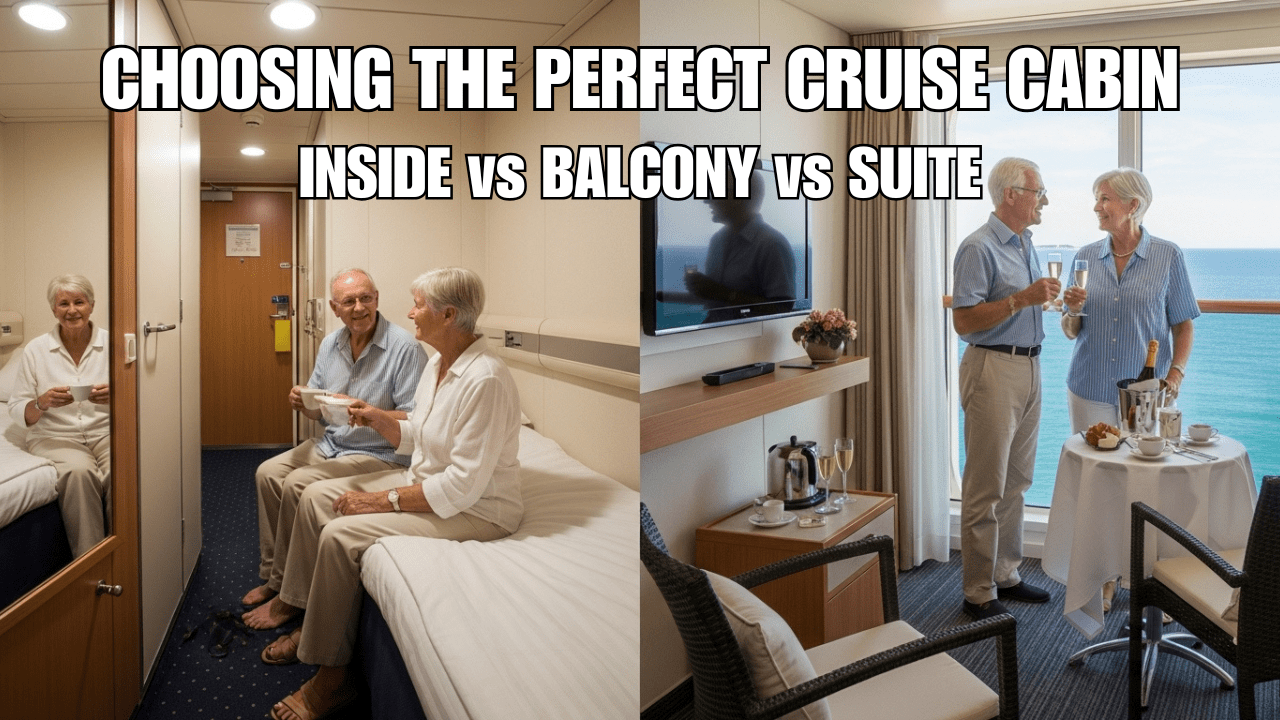
How to Choose the Right Cruise Cabin
Working out how to choose the right cruise cabin is just as important as picking the ship itself. Just as hotels are graded from 2-star budget stays to 5-star luxury properties, cruise lines and ships can be thought of in a similar “star rating” way—some are basic but good value, others are all-out premium or ultra-luxury. The right cabin for you depends not only on your budget and travel style, but also on the overall “star level” of the cruise ship you’re sailing on. A modest inside cabin on a 5-star ship can feel very different from a balcony on a more budget-focused 3-star style ship.
In this guide, we’ll walk through how ship “star ratings” affect your cabin experience, the pros and cons of inside, ocean view, balcony and suites, plus how deck location, noise and itinerary all influence what will actually feel comfortable once you’re on board.
If you’re still deciding on a ship or itinerary, start with our guide to How to Find the Best Cruise Deals (5 Top Websites Compared) so you can lock in the right sailing at the right price before choosing your cabin.
Plan & Book Your Cruise (So You Can Choose the Right Cabin)
Before you get too deep into deck plans, it helps to have your shortlist of ships and itineraries ready. These are the tools we personally use when we’re working out how to choose the right cruise cabin for a particular trip:
- Cruises: Compare cruise lines, ships and itineraries – including cabin types and locations – on CruiseDirect. It’s an easy way to see pricing across multiple lines in one place.
- Flights: Use KAYAK to find flights to and from your embarkation port, including budget carriers and smaller sites other engines can miss.
- Hotels: For pre- and post-cruise stays near the port or city centre, we like Booking.com for its large inventory and flexible cancellation options.
- Tours & shore excursions: Compare ship tours with independent options on GetYourGuide. Knowing your excursion plans can help you decide whether you’ll really use a balcony or spend most of your time ashore.
- Travel insurance: Cruises bundle flights, hotels and onboard spending, so we use VisitorsCoverage to make sure the whole trip—not just the cabin—is covered.
- Spending money: A Wise travel card gives us low-fee international payments and good exchange rates when paying for tips, drinks and incidentals before and after the cruise.
- Staying connected: For port days, an eSIM from Airalo is an easy way to stay in touch and check deck plans or port maps without relying on expensive ship Wi‑Fi.
Understanding Cruise Ship “Star Ratings” and Why They Matter
Cruise Lines vs. Hotels: A Useful Comparison
Hotels use 2, 3, 4, and 5-star ratings to signal what you can expect in terms of service, room size, amenities, and overall experience. Cruise lines don’t have a single universal rating system, but industry experts and reviewers often describe ships in similar tiers:
- “3-star style” cruise ships: Value-focused, simpler cabins, more basic included services.
- “4-star style” cruise ships: Mid-range comfort, more dining options, better cabin features.
- “5-star style” and above: Premium or luxury ships with higher space-per-guest, elevated service, and higher-end cabins.
How Ship Rating Affects Your Cabin Experience
On a higher-rated ship, even a standard inside or ocean view cabin may feel more refined—better bedding, quieter design, nicer bathrooms, and more thoughtful storage. On a budget-oriented ship, upgrading to a balcony may give you more space and fresh air, but not necessarily higher-end finishes. Knowing the “star style” of your ship helps you decide whether to:
- Book a simpler cabin on a better ship, or
- Book a higher-category cabin on a more budget-focused ship.
Once you understand your ship’s general “star style”, it becomes much easier to decide how to choose the right cruise cabin for your budget—either a simpler cabin on a better ship, or a higher-category cabin on a more budget-focused line.
How to Choose the Right Cruise Cabin for Your Travel Style
Start with Your Priorities (Not Just the Price)
Before you look at deck plans, decide what matters most to you:
- Sleep quality (noise, motion, bed comfort)
- Views and outdoor space (windows vs. balcony vs. suite)
- Budget flexibility (are you willing to pay more for comfort?)
- Time spent in the cabin (are you an explorer or a relaxer?)
If you’re rarely in the room, an inside cabin on a well-rated ship might be perfect. If you love private downtime, the upgrade to a balcony on any “star level” of ship may be worth every cent.
Match Cabin Type to Your Personality
- Inside cabin: Best for budget-conscious travellers, heavy sleepers, and those who don’t mind any natural light.
- Ocean view cabin: Good for those who want daylight and a view but don’t need a balcony.
- Balcony cabin: Ideal for people who value private outdoor space, fresh air, and quiet time.
- Suite: Suits travellers who want extra space, perks, and a more “5-star hotel” feel.
Think of this as choosing between a standard room and a suite at a hotel: same property, very different in-room experience.
If you’re still early in your planning, it can also help to step back and think about the overall trip first. Our guides on how to choose the right cruise and how to budget for a cruise walk through the bigger picture before you lock in a specific cabin type.
Cabin Types Explained: Inside, Ocean view, Balcony, and Suites
Inside Cabins
Inside cabins have no window or balcony. They are:
- The most affordable option
- Perfectly functional, often compact but well-designed
- Dark and quiet at night—great for sleeping
They’re a smart choice if your cruise ship is more “5-star style,” where even the smallest cabins feel well-thought-out.
Ocean view Cabins
Ocean view cabins have a porthole or picture window you cannot open. They:
- Offer natural light and a sense of space
- Cost more than inside cabins but less than balconies
- Are great if you get claustrophobic but don’t need outdoor space
On a more basic “3-star style” ship, an ocean view can be a sweet spot between cost and comfort.
For many mature travellers, an ocean view on a well-rated ship is a comfortable middle ground—enough light and a view without stretching the budget too far. If you’re planning a river-style or coastal itinerary, our best river cruises for couples guide gives some examples of routes where outside views matter a lot.
Balcony Cabins
Balcony cabins offer a private veranda with seating. They:
- Provide fresh air, private views, and sunrise/sunset moments
- Give you a quiet space away from busy public decks
- Are especially valuable on scenic itineraries (fjords, Alaska, Mediterranean coastlines)
On a higher-rated ship, a balcony can feel like your own mini suite; on a budget ship, it might simply add outdoor space without luxury finishes.
Balconies can also change how you use the rest of the ship. On port-intensive itineraries like our Viking Mediterranean Odyssey cruise, we found we spent more time on deck and ashore than in our own balcony space. On more sea-day-heavy itineraries, you may find a balcony becomes your favourite private retreat.
Suites and Premium Cabins
Suites and premium categories vary widely, but typically include:
- Extra living space (separate sitting area or bedroom)
- Larger balconies or even wraparound verandas
- Priority boarding, butler or concierge service, and access to special venues
Think of these as the “5-star suite” equivalent on a ship of any star level.
Suites often come bundled with extra perks such as priority dining reservations, speciality restaurant access or lounge areas. When you’re comparing suite prices, factor in the potential savings or added value on things like cruise dining options and cruise ship drink packages.
Location, Location, Location: Where Your Cabin Is on the Ship
Midship vs. Forward vs. Aft
- Midship: Generally the most stable and comfortable in rough seas. Great for anyone prone to motion sickness.
- Forward (front): Can feel more motion, especially in rough seas. Good for those who like a sense of speed and drama.
- Aft (back): Often prized for wake views and large balconies, but may have more vibration and engine noise on some ships.
On a more premium ship, the engineers often do a better job with noise insulation and vibration control, but physics still applies—midship is usually calmest.
Deck Height Considerations
- Lower decks: Closer to the waterline, often with less motion. Fine, if you don’t mind being lower in the ship.
- Higher decks: Better views and faster access to top-deck attractions, but more motion in rough seas.
If you’re on a large, resort-style ship, higher decks may also be noisier near pools and public areas.
Avoiding Noisy Spots
Try not to book cabins directly above or below:
- Theatres or show lounges
- Nightclubs and bars
- Pool decks with early-morning chair setup
- Service areas or crew access corridors
Even on high “star style” ships, noise can be a factor if you’re in the wrong spot, so study the deck plan—both the deck above and below your chosen cabin.
It’s worth spending a few minutes studying the deck plans for any ship you’re considering. On lines like Viking, Regent and other premium brands, a well-located standard cabin can feel far more relaxing than a larger suite in a noisy or high-traffic area.
Matching Your Cabin Choice to Your Itinerary and Cruise Ship
Scenic vs. “Sea Day” Cruises
- Scenic itineraries (Alaska, Norwegian fjords, river-like coastal routes): A balcony or at least an ocean view greatly enhances the experience.
- Port-intensive cruises (Mediterranean city hopping, Caribbean with many stops): You may spend more time onshore, so an inside or ocean view on a nicer-rated ship can be a smart choice.
Ask yourself: Will I be using my cabin mostly to sleep, or as a private viewing platform?
Short Breaks vs. Long Voyages
- Short cruises (3–5 nights): You can often tolerate a smaller, simpler cabin—especially if it saves money on excursions and dining.
- Longer voyages (7–14+ nights): Extra space, natural light, and a comfortable layout become more important. Investing in a mid-tier or higher cabin category on a 4- or 5-star-style ship can significantly improve your overall experience.
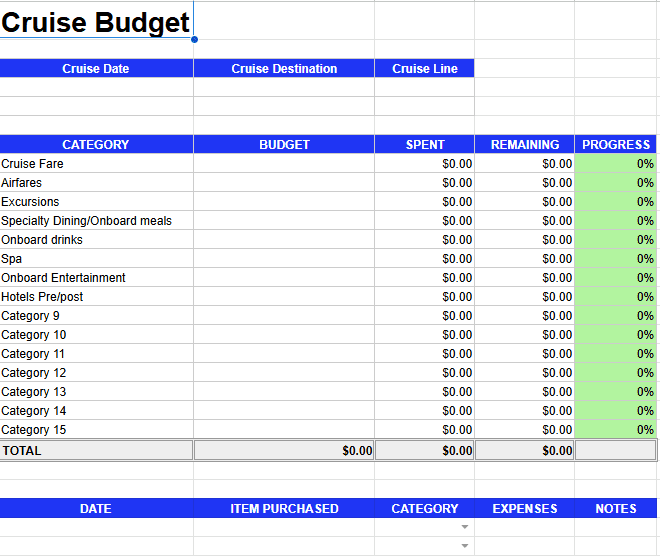
When you’re deciding how to choose the right cruise cabin for a specific itinerary, think about how many days you’ll actually be on board versus ashore, and how much time you realistically spend in your room. Our free Cruise Budget Planner has space to compare the cost difference between cabin types so you can see whether upgrading will squeeze your budget for excursions or dining.
Common Mistakes to Avoid When Choosing a Cruise Cabin
Ignoring the Ship’s Overall “Star Style”
Focusing only on cabin type and price while ignoring the quality level of the ship can lead to disappointment. A basic cabin on a well-rated ship is often more satisfying than a fancy category on a lower-rated one.
Not Checking the Deck Plan Carefully
Guests often regret cabins near noisy venues, under overhanging decks that block sunlight, or near heavily used service areas. Always:
- Check what’s above and below your cabin
- Look for clusters of similar cabins (less chance of noise from public spaces)
Over- or Under-Spending on the Cabin
- Over-spending: Paying for a suite you barely use because you’re always on deck or ashore.
- Under-spending: Booking the cheapest inside cabin even though you know you hate small, windowless spaces.
Be honest about your habits. Your cabin is your home at sea—choose it as carefully as you would a hotel room you’ll stay in for a week or more.
From our own experience, our last cruise was a Viking Mediterranean itinerary where we booked a premium Explorer Suite right at the front of the ship. What we didn’t pay attention to was the exact location of the suite: it was directly above the main theatre. On the nights we wanted to turn in early, we had to contend with music and show noise drifting up from below.
All the main restaurants were also located at the rear of the ship, which meant that for every meal we had to walk the full length of the vessel—over 200 metres each way. It quickly became a bit of a trek, especially after long days in port.
And was the premium suite really worth it at more than double the price of a standard cabin? Honestly, not for this itinerary. The extra space was certainly nice to have, but on a Mediterranean cruise with port calls almost every day, we spent most of our time off the ship or out on deck. We ended up using very few of the “premium” features we’d paid for.
In hindsight, we feel that a premium suite makes far more sense on longer ocean voyages with multiple sea days, where you actually have time to relax in your cabin and enjoy the extra space and amenities. On a port‑intensive Mediterranean cruise, a well-located standard or balcony cabin would likely have been a better value.
If you’re considering Viking specifically, our more detailed Viking Ocean cruise tips and life on board review share what we’d do differently next time.
For more general guidance on different cabin types and what to expect across many cruise lines, check out the resources at Cruise Critic – Cruise Ship Cabins & Suites.
More Cruise Planning Guides
- Ultimate Cruise Tips: 15 Essential Tricks for a Stress-Free Voyage
- How to Choose the Right Cruise
- How to Find the Best Cruise Deals: 5 Top Websites Compared
- How to Budget for a Cruise
- When Is the Best Time to Cruise?
- Cruise Dining Options: What to Expect
- Cruise Ship Drink Packages: How They Work & When They’re Worth It