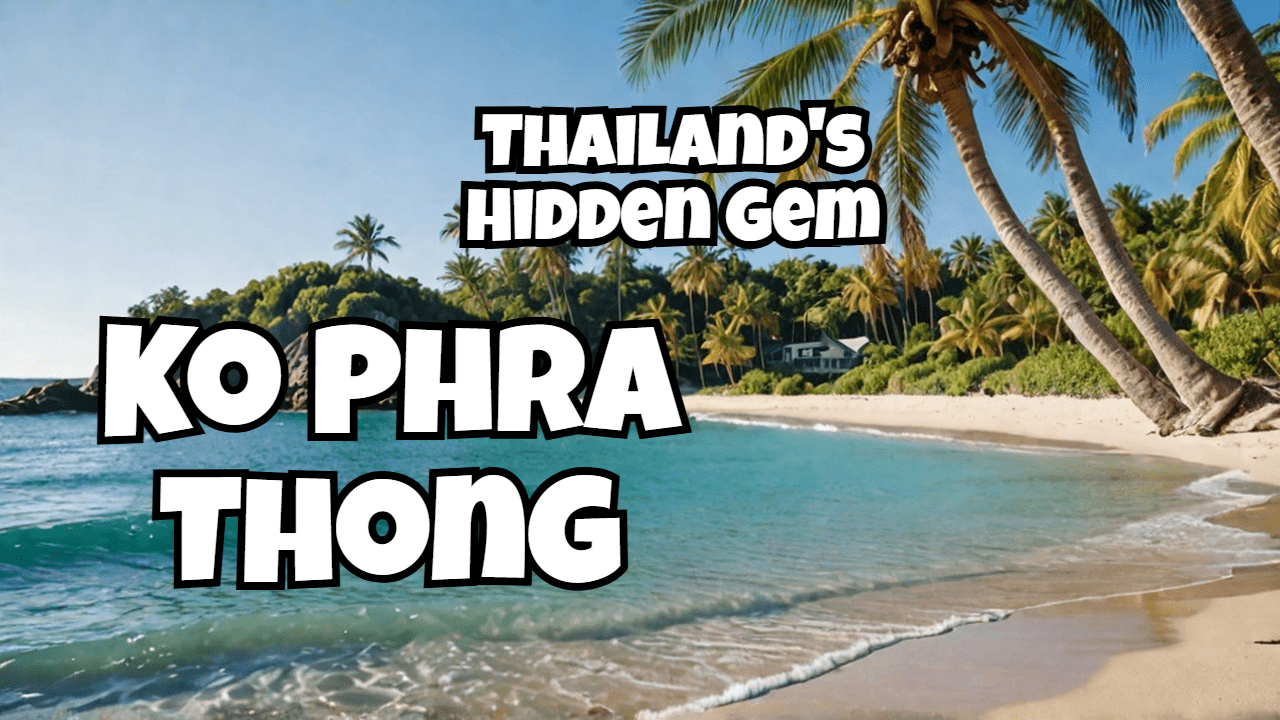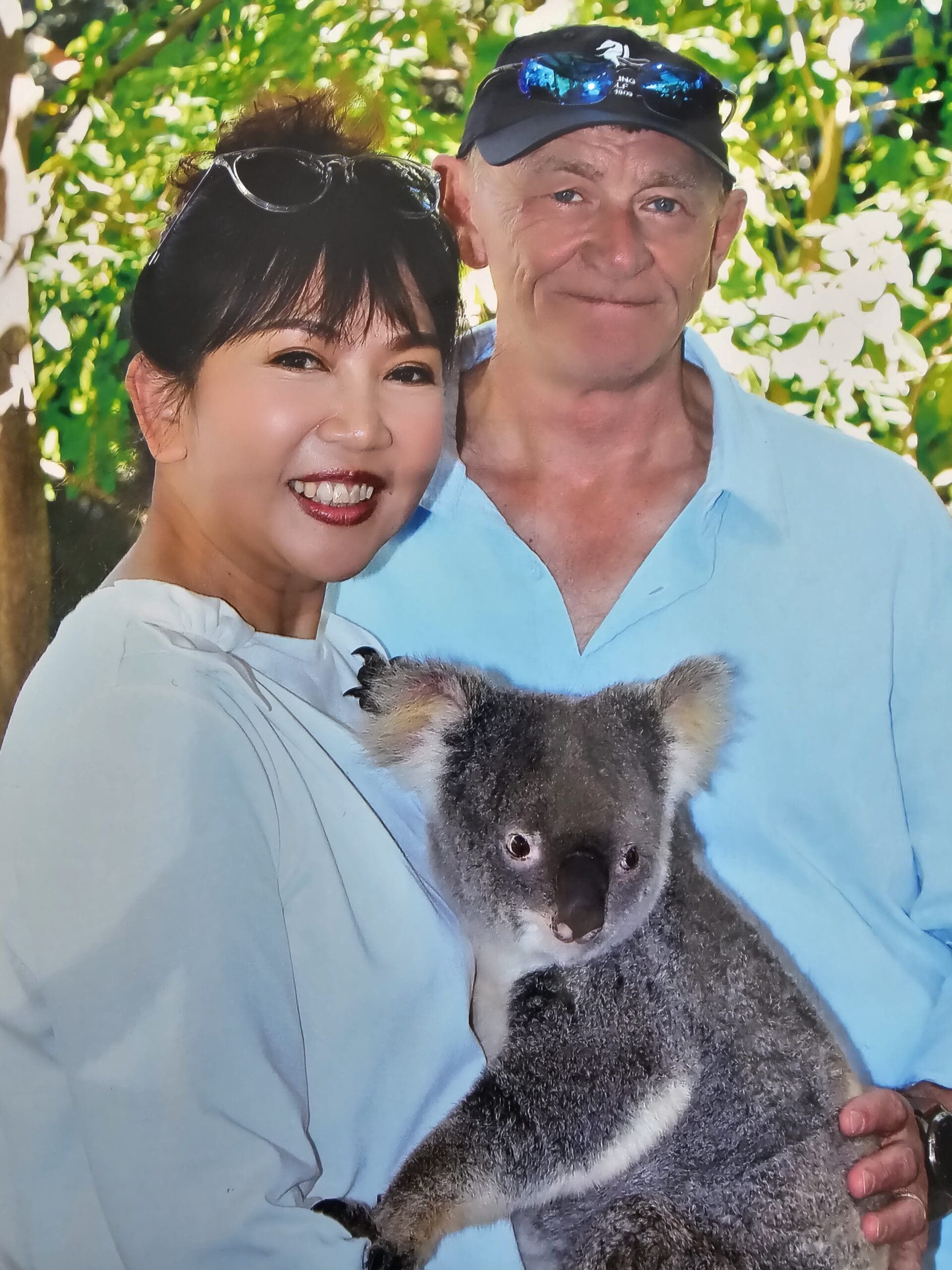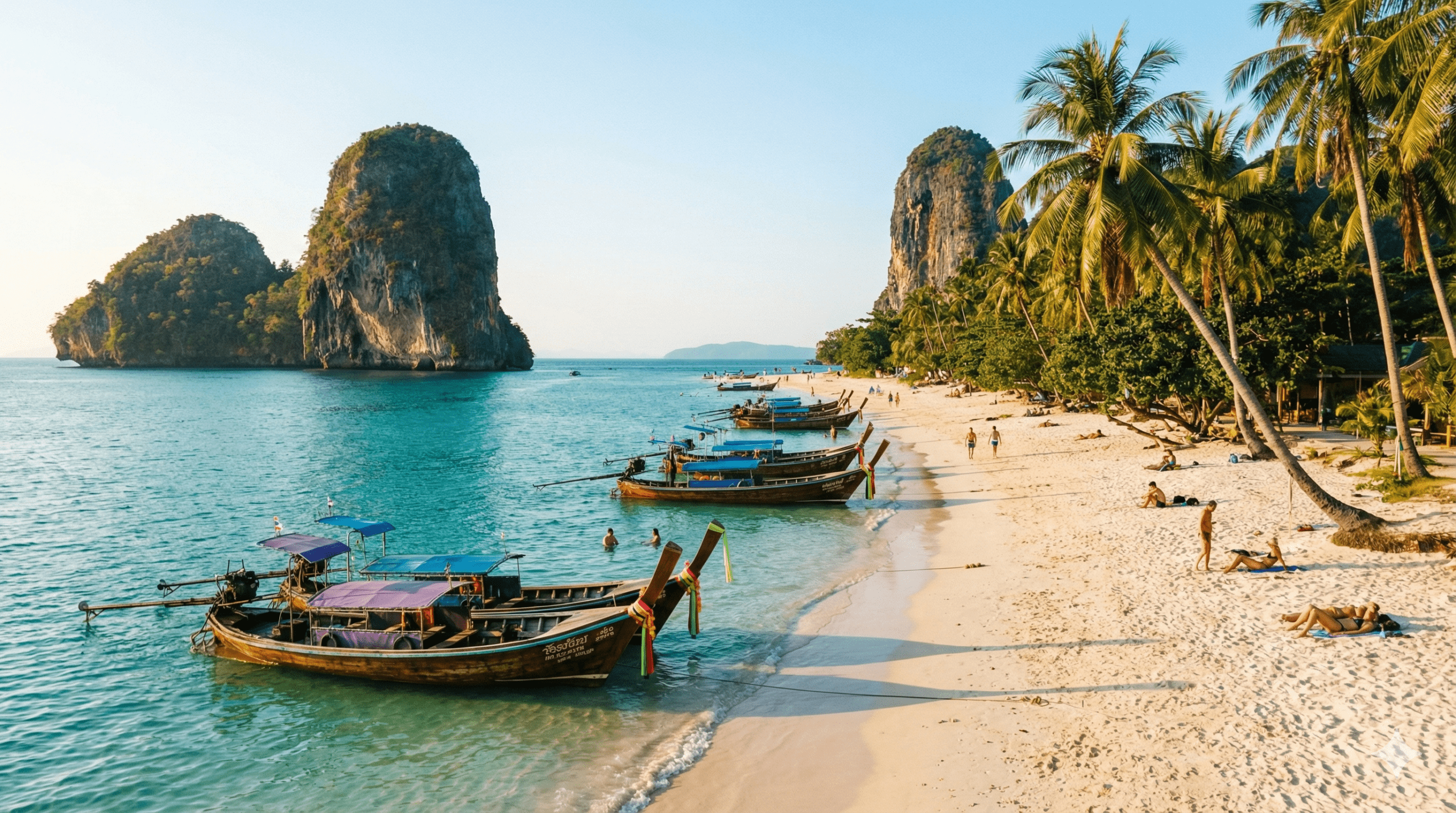
Ko Phra Thong is a rare gem in Thailand—an uncrowded, eco-forward island where savanna grasslands meet mangroves and quiet beaches. We bought a few acres here some years ago so you get the picture of how special this place is. If you’re craving nature, cultural connection, and responsible travel, this Ko Phra Thong guide covers everything you need: how to get there, where to stay (including the inspiring Moken Eco Village), what to do, and when to go. Make sure you also check out our full guide to Best Thailand Islands. It’s a full guide to the most popular islands in Thailand.
Where Is Ko Phra Thong?
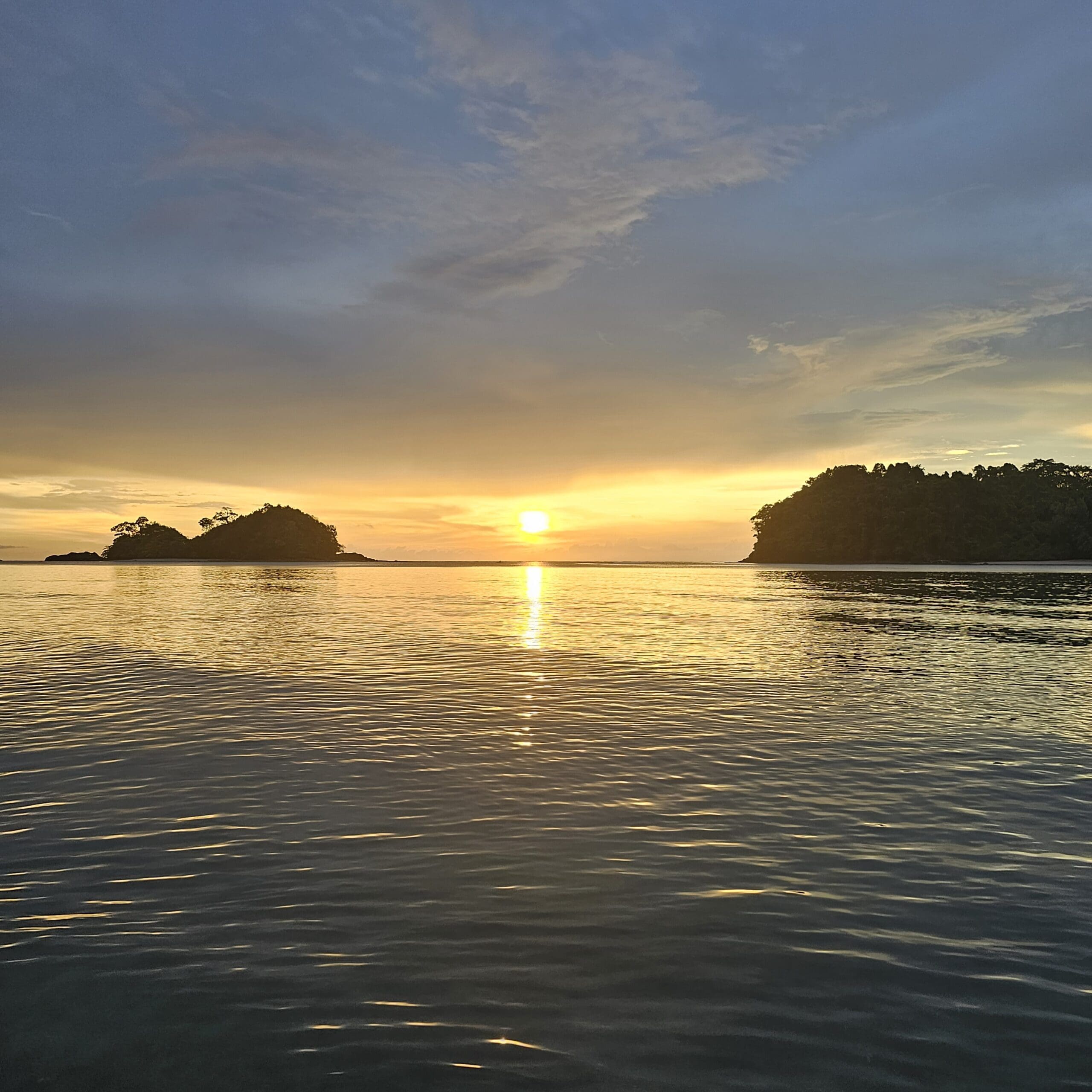
Tucked off Thailand’s Andaman coast in Phang Nga province, Ko Phra Thong sits between Ko Ra and Ko Kho Khao. Its isolation is the secret to its quiet beauty—and one reason the island remains a sanctuary for sustainable travel.
How to Get There (And What It Costs)
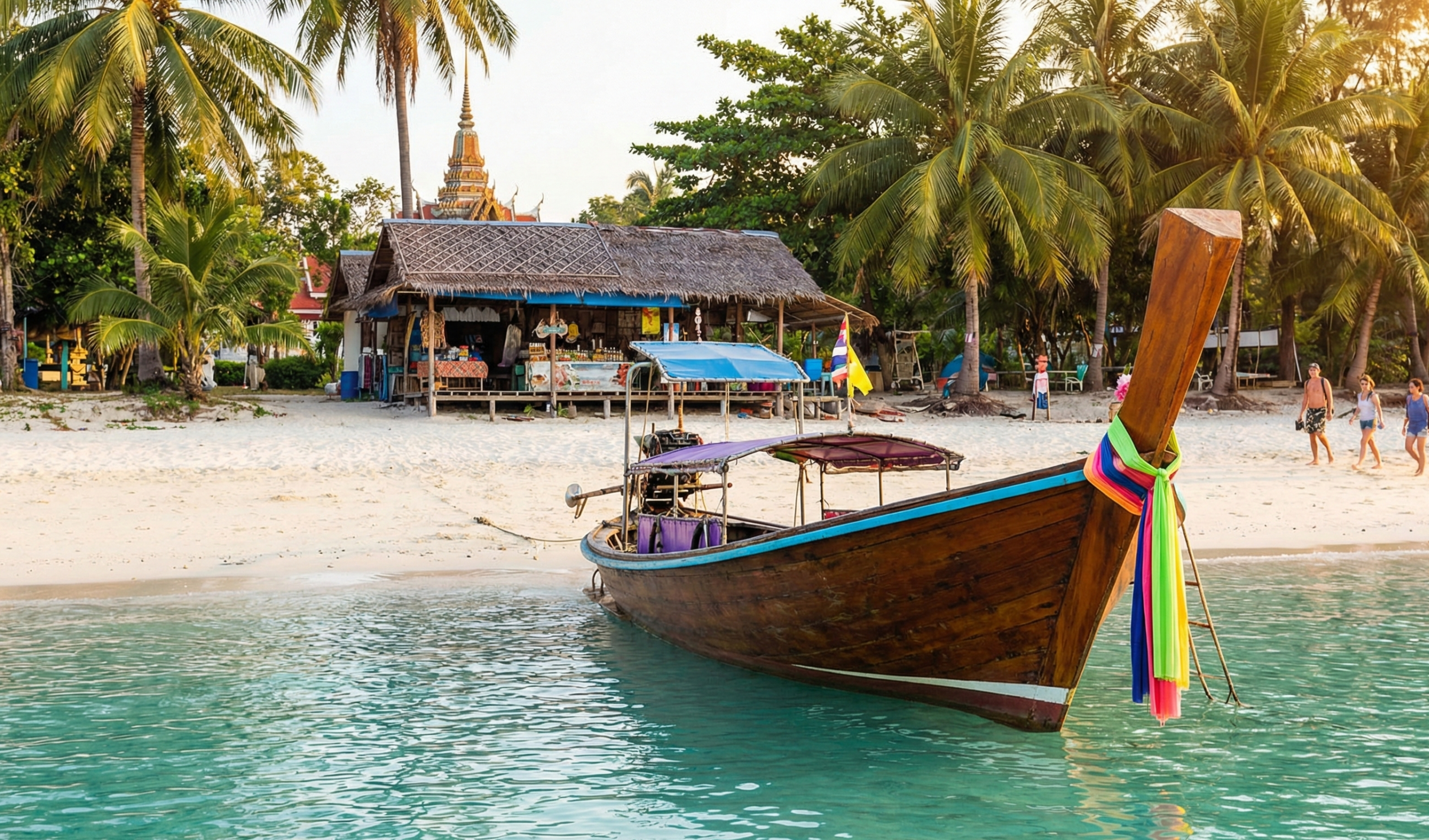
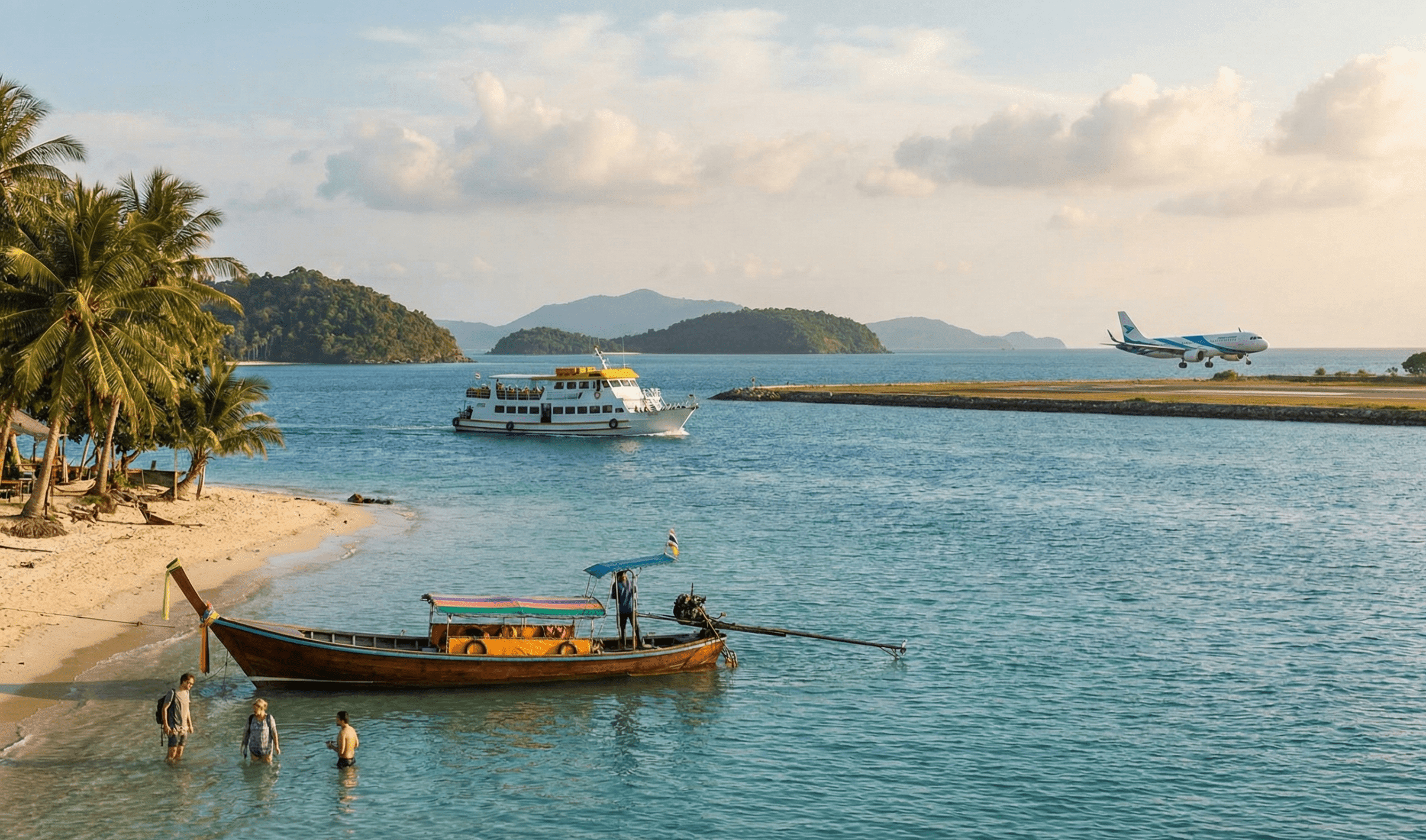
Arrive via Phuket (HKT) or Surat Thani (URT), then take a 2–3 hour drive to Kuraburi Pier. From there, it’s about a one-hour boat ride to the island. Expect the full journey from Phuket to cost roughly 2,500–4,000 THB; travelling from Surat Thani is often slightly cheaper. Plan your trip between November and April—outside of monsoon season—when seas are calmer and the island is at its best. The normal transfer to the island is by using a longboat. Expect to pay around 1000-1500 baht each way. The more people you can fit in the boat, the cheaper it is per person. When you book your accommodation, most places will offer to arrange the longboat for you, which is convenient, but be prepared to pay a higher price for the convenience.
The longboats typically arrive at the nearest pier on the eastern side of the island, and from there you need to get to your accommodation, which is mostly on the western side of the island. The bigger accommodation places will provide transport like Moken Eco Village, which has all-terrain vehicles to pick you up and drop you back at the end of your stay.
Some accommodation places, such as the popular Sea Rounding Resort, only provide boat transfer directly to the beach where the resort is located, as there is no direct road access.
On one of our visits to the island, we hired an all terrain vehicle (ATV) which came with a small trailer and was a great way to get around the island during our stay. These are not advertised publicly, but there is a contact at the small local hospital that hires it out for around 1000 baht a day. If you intend to spend more than a few days on the island, this is a great way to see more of the island. The ATV is excellent for travelling on the firmer beaches but less so inland due to the dry and deep sand tracks.
A Rare Island Ecosystem: Savannas, Mangroves, and Paperbark Forests
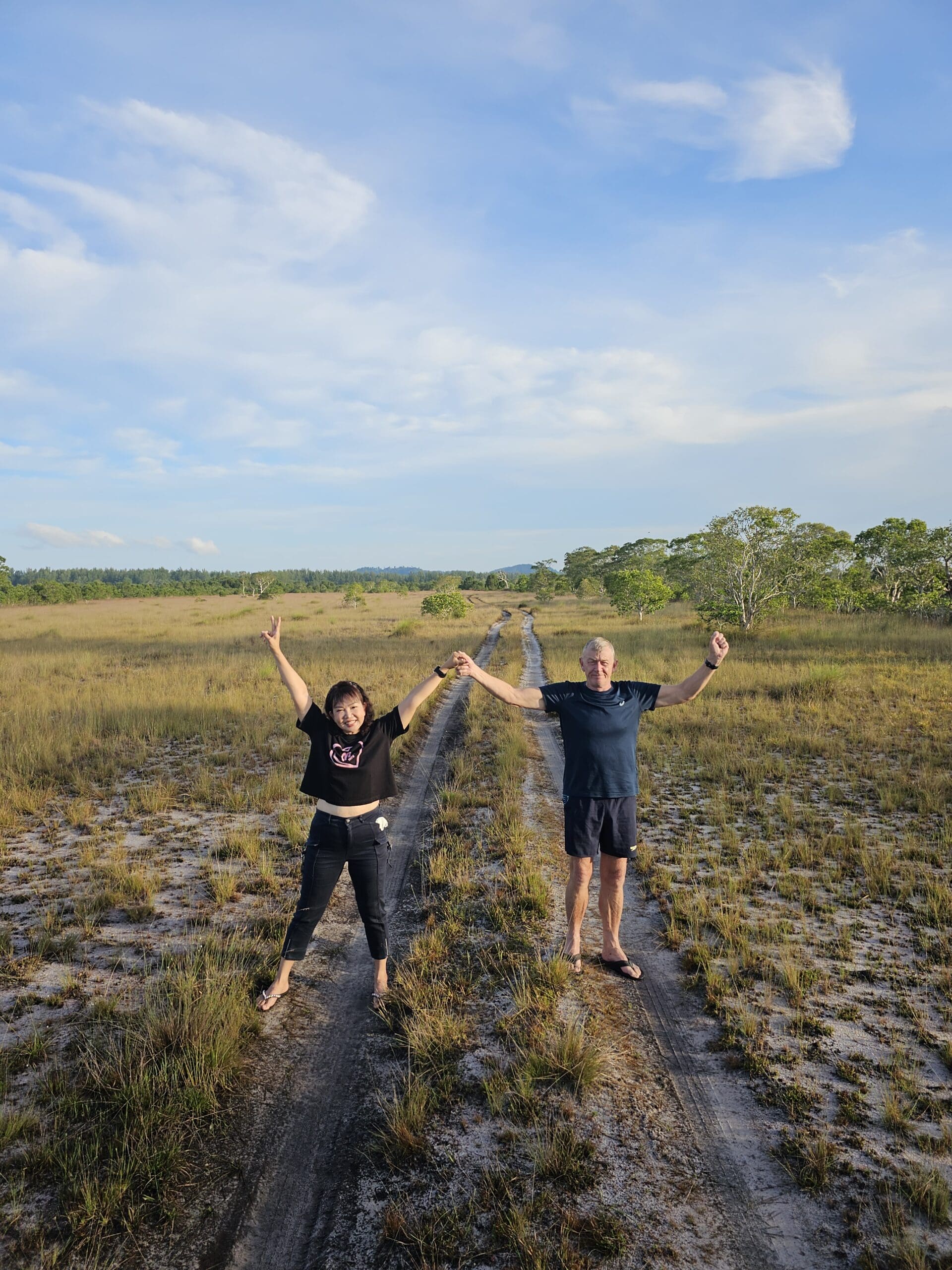
Unlike many Thai islands covered in dense rainforest, Ko Phra Thong features a distinctive savanna-like interior: open grasslands dotted with hardy shrubs and short trees adapted to sandy soils and drier microclimates.
- Cajeput (paperbark) trees: With thick, pale, peeling bark, these trees thrive in swampy pockets and near mangrove edges, lending landscapes an ethereal, “ghostly” look.
- Mangroves: Dense coastal mangrove forests protect shorelines from erosion and provide essential nurseries for fish, crustaceans, and birdlife.
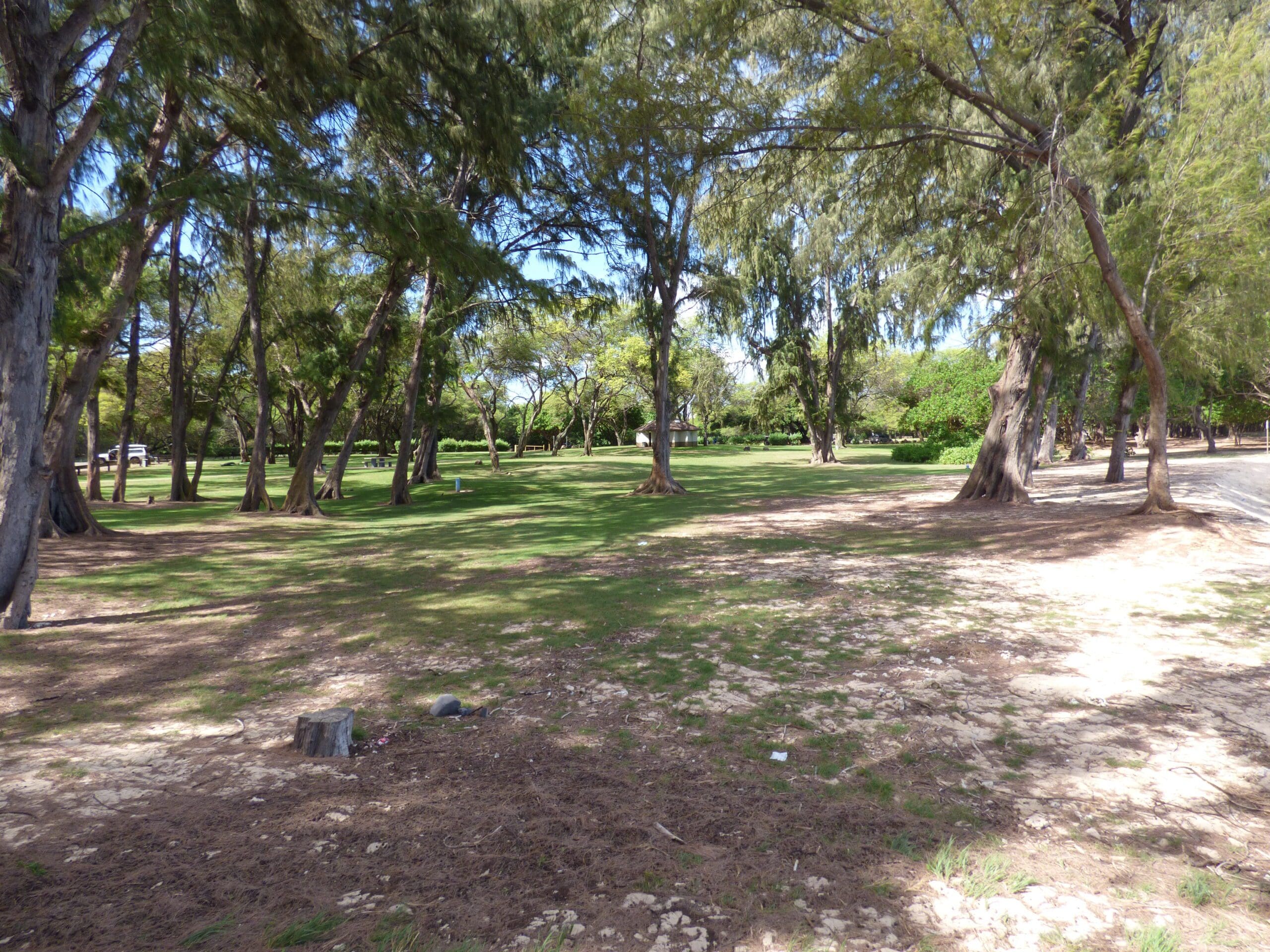
- Casuarina (Australian pine): Needle-like foliage shades stretches of beach, shifting the mood from wild savanna to classic tropical.
- Coastal palms and lush vegetation: Around resorts and beachfronts, you’ll find familiar tropical greenery that contrasts beautifully with the inland grasslands.
This mosaic of habitats supports rare wildlife and makes the island a magnet for eco-tourists, birders, and conservationists.
Stay With Purpose: Moken Eco Village
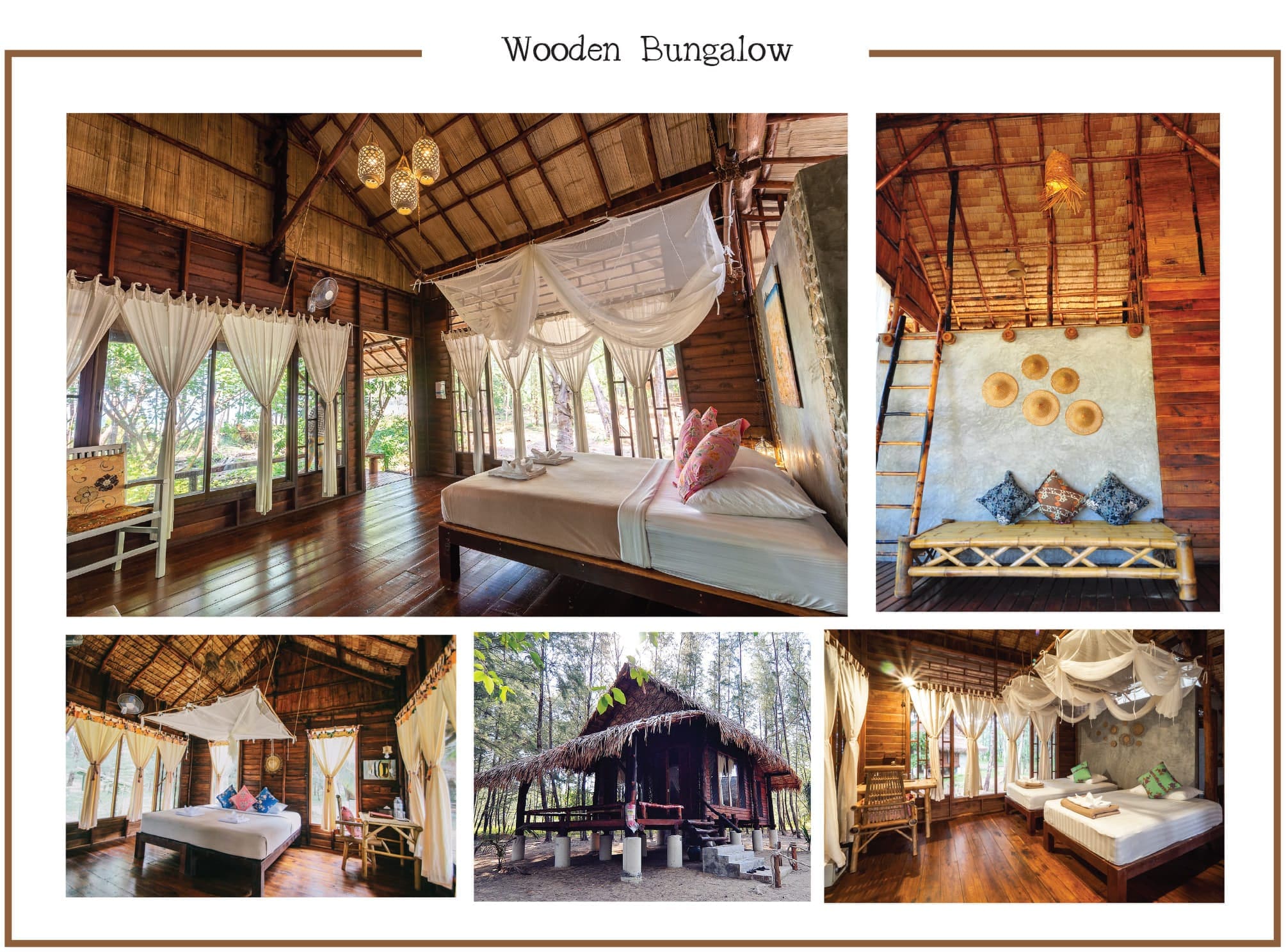
For travellers seeking meaningful, community-focused stays, the Moken Eco Village is a standout. Named after the indigenous Moken (often called “sea gypsies”), the village offers rustic bamboo bungalows designed with sustainability in mind.
- Price range: Approximately 2,400–3,600 THB per night (seasonal), breakfast for two included.
- Why it matters: Your stay supports the local Moken community and helps preserve culture and coastal ecosystems.
We found Moken Eco Village to be the best accommodation option on the island, and you will need to book early during peak periods as it gets very popular. We missed out on one visit and stayed at the nearby Sea Rounding Resort, which was overall very disappointing for the price paid. We ended up walking the 200-300 metres for our meals at Moken, as the food was below standard at Sea Rounding. If you find yourself staying at Sea Rounding, you will also have no way of getting around other than on foot, as they offer no tours like Moken does. It was lucky we hired the ATV on this trip; otherwise, we would have been confined to just walking around the resort.
Activities for Eco-Lovers
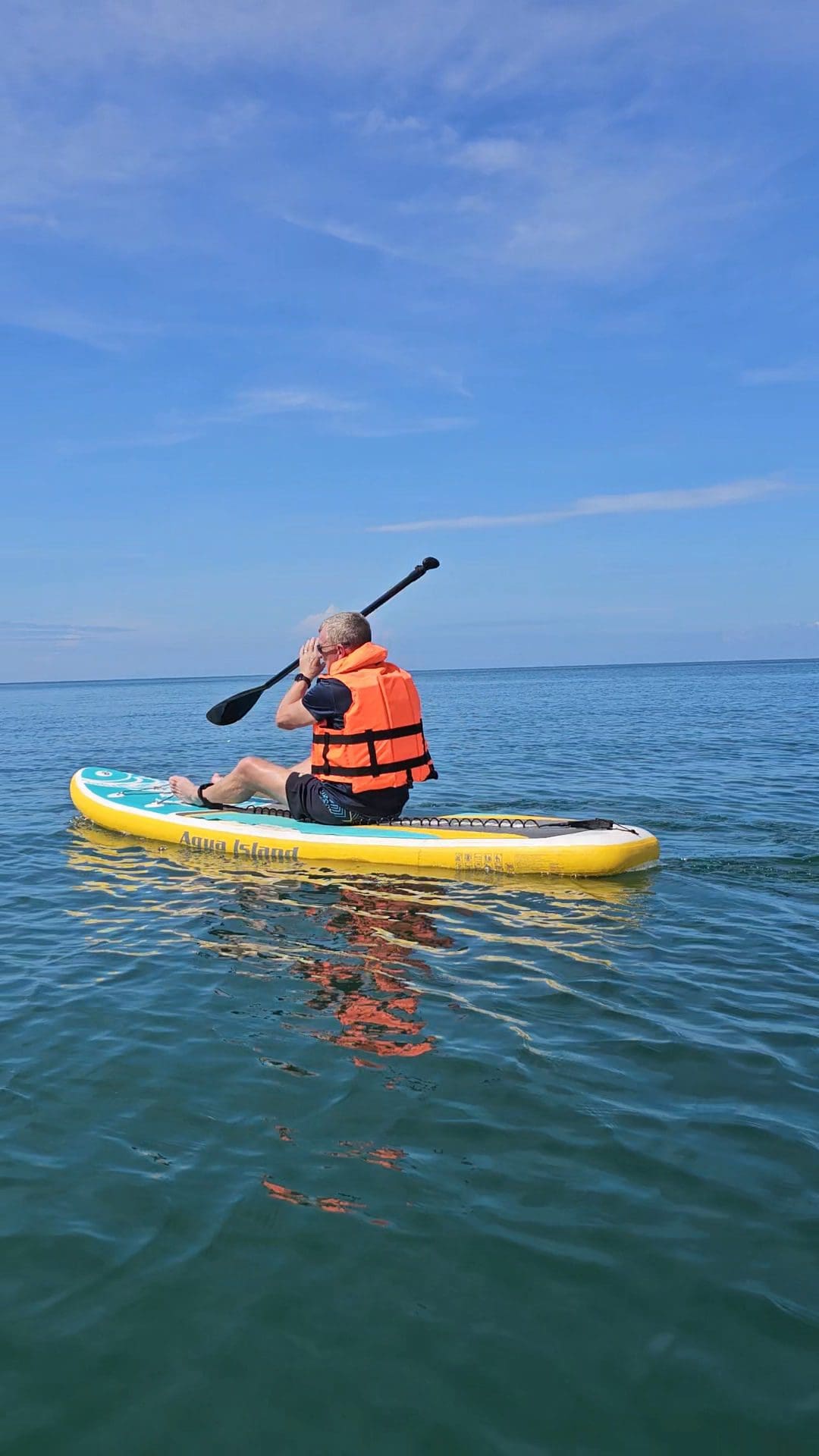
- Kayak the mangroves: Glide through quiet channels with a guide and learn how mangroves protect the coast and wildlife.
- Snorkel clear waters: Spot reefs and sea life; with luck, you might hear about rare dugong sightings in the region.
- Nature treks and birding: Explore the savanna at sunrise for best bird activity and golden light for photography.
- Island-hop to Ko Ra: Add more off-grid exploration on a neighbouring island with similar conservation credentials.
Wellness, Naturally
While Moken Eco Village doesn’t run formal yoga programs, Ko Phra Thong’s tranquillity makes it ideal for slow mornings, beach meditations, and ocean swims. For wellness services, nearby Golden Buddha Beach Resort often offers traditional Thai massage and gentle, guided nature experiences.
Other Eco-Friendly Stays
- Golden Buddha Beach Resort: A luxury eco-resort with beachfront villas. Low season rates start around 1,350–4,250 THB; peak season runs approximately 5,400–17,000 THB depending on villa choice.
- Phra Thong Nature Resort: A budget-friendly option with eco-minded cottages starting from about 1,000 THB per night.
- Sea Rounding Resort: A larger type resort with basic accommodation. Expect to pay around 1500 baht per night. If you stay here, make sure you try out the restaurant at the nearby Moken Eco-village resort. It was our preferred option when we stayed here.You will also find a number of smaller, family-run accommodation options, and these are popular if you are on a budget.
Whether you want simple, sustainable comfort or semi-luxury, there’s a stay that aligns with your values and budget.
Other Places To Stay At Koh Phra Thong
When to Visit and What to Pack
-
- Best time: November–April for dry weather and calmer seas.
- Essentials: Reef-safe sunscreen, reusable water bottle, light breathable clothing, insect protection, hat, sandals, and a dry bag for boat rides.
- Mindset: Prepare for limited development—this is part of the island’s charm. Pack out what you bring in and support local guides and businesses.
Final Thoughts
Ko Phra Thong is for travellers who value nature over nightlife and purpose over polish. From savanna trails and haunting paperbark groves to community-powered stays with the Moken, this is Thailand at its most quietly spectacular. Pack light, tread gently, and let the island’s slow rhythm work its magic.
See also our full Thailand Travel Guide for other great places and islands to visit in Thailand.
Watch our video of when we visited Ko Phra Thong