If you’re looking at your first Mediterranean cruise, you’re probably feeling a mix of excitement and uncertainty. The Mediterranean is one of the most rewarding cruise regions in the world — but it’s also one of the easiest places to make expensive mistakes if you don’t understand how different it is from cruising elsewhere.
I know this because we’ve done it ourselves. We sailed on a Viking Mediterranean Odyssey cruise and learned very quickly that the Mediterranean isn’t about flashy ships or endless onboard activities It’s about long, full days ashore, historic cities that demand energy and focus, and returning to a ship that either helps you recover — or exhausts you further.
This article is written for people booking their first Mediterranean cruise, particularly couples and seniors who want a calmer, more enriching experience and are wondering which cruise lines genuinely suit that style of travel. If you’re still weighing up cruise line options beyond the Mediterranean, our guide to the best cruise lines for seniors compares the top brands for comfort, service, onboard atmosphere, and overall value for mature travellers.
It’s not about finding the cheapest fare. It’s about choosing the right cruise so your first Mediterranean experience doesn’t feel rushed, crowded, or overwhelming.
If you want a realistic sense of what a first Mediterranean cruise feels like day to day, this short video from our Viking Mediterranean Odyssey shows the pace, ports, and onboard atmosphere.
Why Mediterranean cruises for first timers are different
The Mediterranean is not an “easy” destination in cruise terms. Ports are busy, distances are longer, and sightseeing is more demanding than in places like the Caribbean or Alaska.
You’re not stepping off the ship onto a beach. You’re walking cobblestones in Rome, climbing hills in Dubrovnik, navigating crowds in Barcelona, and absorbing centuries of history day after day. That’s part of the magic — but it’s also why your ship matters far more than many first-time cruisers expect.
For first timers, the biggest mistake is choosing a cruise line where the ship itself is the main attraction. In the Mediterranean, the ship should support the destination, not compete with it. When you return onboard in the evening, what you need most is space, calm, good food, and a predictable rhythm — not noise, queues, and stimulation overload.
This is also why Western Mediterranean cruises tend to work better for first timers than Eastern Mediterranean itineraries.
Western Mediterranean routes — typically visiting Spain, France, and Italy — are more forgiving. Ports are better set up for cruise traffic, travel times are shorter, English is more widely spoken, and logistics tend to be smoother. Cities like Barcelona, Marseille, Rome, and Florence are busy, but they’re familiar and easier to navigate, especially if it’s your first time combining cruising with European sightseeing.
Many Mediterranean cruises also start or finish in Venice and this is a great place to spend a few days exploring before or after your cruise. See our Venice Travel Guide on what to do and see.
Eastern Mediterranean itineraries, by contrast, often involve longer port days, more complex logistics, and culturally denser experiences. Greece, Turkey, and Adriatic ports like Dubrovnik and Kotor are stunning, but they can feel more intense for first-time cruisers — particularly when combined with jet lag, heat, and long excursions.
That doesn’t mean the Eastern Mediterranean is “hard” or should be avoided. It simply means that many travellers find the Western Mediterranean is a gentler introduction, helping you learn how Mediterranean cruising works before tackling more demanding routes later.
If this is your first Mediterranean cruise, choosing a Western itinerary on a calm, adult-focused ship can make the difference between feeling overwhelmed and feeling completely at ease.
Small and mid-sized ships matter more than price
One of the lessons we learned after our first Mediterranean cruise is that ship size shapes your entire experience.
Large ships may look appealing because of their lower base fares, but they come with trade-offs that first-time Mediterranean cruisers often underestimate. More passengers mean longer waits, more congestion, and often docking further from city centres. Onboard, it means more walking, busier dining rooms, and fewer quiet spaces to decompress after a demanding day ashore.
Smaller and mid-sized ocean ships operate very differently. They dock closer to historic ports, move passengers on and off more smoothly, and offer layouts that are far easier to navigate — something that becomes increasingly important for travellers over 55, even if you don’t think of yourself as having mobility issues.
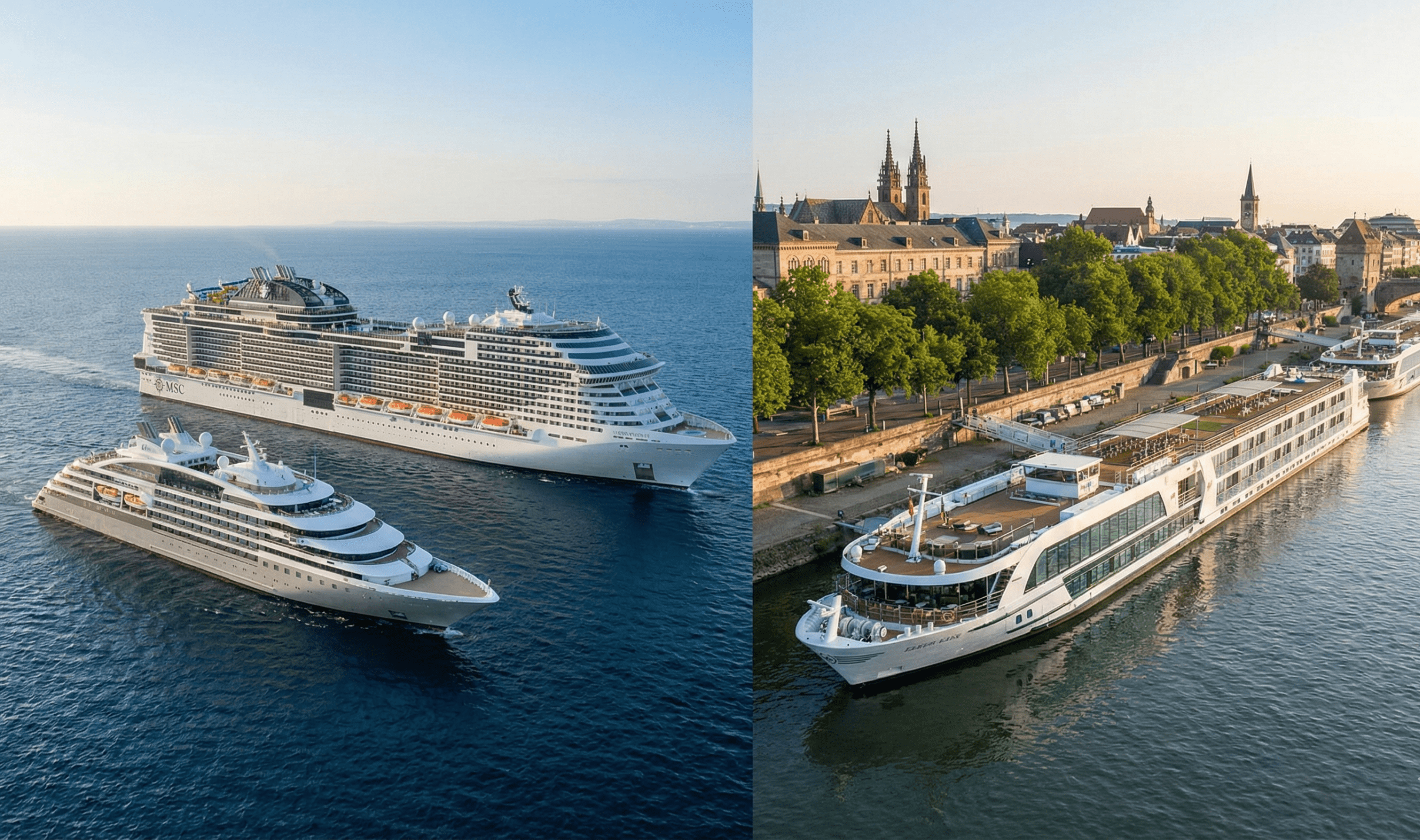
This is also why ocean ships are generally better than river ships for the Mediterranean, particularly for seniors. Mediterranean cities are built around hills, steps, and uneven surfaces. Ocean ships provide more elevators, wider corridors, better medical facilities, and more accessible cabins, making the overall journey far less physically stressful.
Why cheaper, larger cruise lines can disappoint first timers
Cruise lines like Celebrity, Princess, and Royal Caribbean often appear attractive to first timers because their fares are lower and their marketing is familiar. But in the Mediterranean, these lines introduce risks that many newcomers don’t anticipate.
Larger passenger numbers mean longer waits, busier ports, and less flexibility. Entertainment-focused ships can feel overwhelming after demanding sightseeing days. And while these lines are not “family cruises” in name, they carry significantly more children during school holidays and summer peak season.
For first timers — especially seniors or couples seeking a calm introduction — choosing a cheaper, larger ship can be a false economy. The savings rarely compensate for the loss of comfort, pace, and atmosphere.
We’re not anti-family or anti-entertainment. For our first Mediterranean cruise, we simply wanted to experience the region itself in a calmer, more focused way. If our goal had been an entertainment-led cruise, we would have chosen something closer to home in Australia — not a destination that rewards energy, attention, and time ashore as much as the Mediterranean does.
Once we’d settled on a Western Mediterranean itinerary, the next real decision came down to budget — and, more importantly, what kind of onboard experience we wanted to support those long, demanding days ashore. We focused our research on cruise lines that are genuinely adult-oriented and destination-focused, including Regent Seven Seas, Oceania, Seabourn, Scenic Eclipse, Viking, and Silversea. All of these offer smaller ships, calmer atmospheres, and itineraries designed around the ports rather than onboard entertainment. To keep our decision manageable, we eventually narrowed this shortlist to three lines — Regent, Viking, and Scenic — each offering a different balance of price, inclusions, and overall cruising style that felt well suited to first-time Mediterranean travellers seeking a quieter, more enriching experience.
Dining options also play a part in the cruise line you choose, particularly if you are travelling to areas like Asia where the menu selections may not include any western type menus. Read our guide on cruise dining options so you know what to expect.
Regent Seven Seas: when you want nothing left to think about
Regent Seven Seas Cruises is often described as the gold standard of all-inclusive ocean cruising, and that reputation is well earned.
On a Regent Mediterranean cruise, almost everything is included in the fare. Drinks, gratuities, shore excursions, speciality dining, and often even flights are bundled upfront. Once you board, there’s very little decision-making required. You’re not checking menus for prices or wondering whether an excursion is “worth it.” You simply choose what interests you and go.
That simplicity has a noticeable effect on the onboard atmosphere. Regent ships attract a mature, well-travelled crowd who value space, service, and calm over activity schedules. Evenings are elegant but restrained. Days are centred on the ports rather than onboard entertainment.
For a typical 14-day Mediterranean itinerary in a balcony cabin, Regent pricing generally sits around USD $13,000–$14,500 per person, depending on season and route. At first glance, that number feels confronting. But it’s also very close to the final amount you’ll pay. There are no gratuities added later, no drinks packages to consider, and no paid excursions quietly inflating the bill.
For first timers who want absolute predictability and are comfortable paying more upfront in exchange for zero financial surprises onboard, Regent makes a lot of sense.
If you want to see how Regent itineraries compare on similar Mediterranean routes, you can benchmark them here.
Scenic Eclipse: ultra-luxury and ultra-quiet
Scenic is best known for river cruising, but its ocean yachts — particularly Scenic Eclipse — operate in a very different space to traditional cruise ships.
Scenic Eclipse is not about scale or variety. It’s about effortlessness. Everything is included: drinks, gratuities, excursions, speciality dining, and even small-group experiences. The ships are significantly smaller than most ocean liners, which creates a noticeably quieter, more intimate onboard environment.
That smaller scale appeals strongly to travellers who dislike crowds and value personal space. After long Mediterranean days ashore, Scenic’s ships feel more like private retreats than floating resorts. There’s very little noise, very little queuing, and very little pressure to do anything other than rest.
That experience comes at a premium. A 14-day Mediterranean cruise on Scenic Eclipse typically starts around USD $15,000 per person and can climb higher depending on suite category and itinerary. Scenic isn’t trying to compete on value or flexibility. It’s designed for travellers who already know they want the highest level of inclusion and are happy to commit to that from the outset.
For some first timers, that level of certainty is comforting. For others, it can feel like too big a leap before you’ve even learned what kind of Mediterranean cruiser you are.
Viking Ocean Cruises: where we found the balance
Viking was the third option we examined — and ultimately the one we chose.
Viking’s Mediterranean ships are adults-only, calm by design, and built around cultural immersion rather than onboard spectacle. There are no casinos, no children’s programs, and no pressure to fill your days with activities. Instead, the rhythm is predictable: ports during the day, relaxed evenings onboard, and a sense that the ship exists to support the journey rather than dominate it.
Viking includes Wi-Fi, speciality tea and coffee, beer and wine with lunch and dinner, and at least one shore excursion in every port. For most Mediterranean days, that already covers what you need. You can add extras — such as the Silver Spirits drinks package or optional excursions — but you’re not forced into an all-inclusive price point before you understand how you’ll actually travel. For a detailed breakdown of drink pricing and whether upgrading makes sense, we explain it fully in our Viking Silver Spirits drinks guide.
For a 14-day Mediterranean itinerary in a standard veranda cabin, Viking pricing typically sits around USD $9,500–$10,500 per person at the time of booking. Depending on where you book, gratuities may already be included, or they may be added daily to your onboard account. Either way, the base fare is noticeably lower than ultra-luxury lines, while still delivering a calm, adult-focused experience.
So why did we choose Viking?
For us, it came down to balance.
We wanted a ship that felt calm after long, demanding days ashore, but we also wanted flexibility rather than an all-or-nothing luxury commitment. We liked knowing that the essentials were covered — including Wi-Fi, meals, and a shore excursion in every port — without being locked into a top-tier price before we’d even learned what Mediterranean cruising really involves.
Viking’s approach suited us well. Every port includes a complimentary excursion, which takes the pressure off planning and ensures you always have a structured way to experience each destination. If you’re considering Viking for your first Mediterranean cruise, our Viking Ocean Cruise Tips guide goes deeper into onboard life, pacing, cabins, and what to expect day to day. At the same time, Viking offers optional paid excursions for travellers who want to go deeper or see specific highlights.
What we wish we’d known before booking our first Mediterranean cruise is how valuable those optional excursions can be. In Naples, for example, the included city tour was interesting, but if we had our time again, we would have booked the paid Pompeii excursion without hesitation. The Mediterranean is dense with once-in-a-lifetime sites, and on a first cruise it’s easy to underestimate how hard it can be to return independently or how much energy that extra planning requires.
That choice won’t resonate with everyone — and it shouldn’t. Some travellers will read this and realise Regent’s total simplicity suits them better. Others will feel drawn to Scenic’s ultra-quiet, ultra-luxury approach.
For our first Mediterranean cruise, Viking felt like the right place to start. It let us experience the region fully, learn what we value most on this kind of itinerary, and enjoy the journey without feeling overwhelmed — which, for a first timer, mattered more than anything else.
To compare real Mediterranean itineraries, dates, and pricing across cruise lines, we usually start with CruiseDirect before narrowing things down.
What we wish we’d known before booking: crowd reality matters more than marketing
If there’s one thing we genuinely underestimated on our first Mediterranean cruise, it was crowds.
Like many first-time cruisers, we were influenced by marketing that frames late spring and summer as the “best time” to cruise the Mediterranean. The messaging is seductive: warm weather, long days, vibrant cities, everything in full swing. On paper, it makes sense — and that’s exactly why so many people choose the same window.
What the brochures don’t prepare you for is just how intense that can feel on the ground.
In ports like Venice, Rome, and Dubrovnik, the crowds were overwhelming at times. Not just busy, but physically uncomfortable. We found ourselves inching through narrow streets, waiting just to glimpse landmarks we’d travelled thousands of kilometres to see, and competing with tour groups simply to take a photo or pause long enough to absorb where we were.
Dubrovnik was the moment it really hit home. Walking the old town walls — something we’d dreamed about — felt less like a reflective experience and more like managing foot traffic. In Rome, iconic sites were so packed that lingering wasn’t really an option. Venice, beautiful as it is, felt strained under the sheer volume of people moving through it at once.
None of this ruined the trip — but it did change how it felt.
And here’s the important part: it wasn’t the cruise line’s fault. It was timing.
If we had our time again, we would absolutely choose a shoulder or off-peak season for a first Mediterranean cruise.
Spring (March, April) and autumn (September, October) offer a dramatically different experience. Temperatures are still comfortable for sightseeing, but the crowds thin noticeably. Ports feel more navigable. Museums are less frantic. You can actually stop, look, and absorb what you’re seeing instead of constantly negotiating space.
There’s also a financial upside that first-timers often overlook. Cruise fares in shoulder season are typically lower, and airfare can be significantly cheaper as well. You’re not paying a premium to be surrounded by the largest crowds of the year.
Perhaps most importantly, travelling outside peak season gives you time and space — two things the Mediterranean rewards deeply. Historic cities aren’t meant to be rushed through or jostled for position. They’re meant to be walked, observed, and felt.
For first-time Mediterranean cruisers, especially couples and seniors, this is one of the most valuable lessons we took away. The Mediterranean isn’t about ticking boxes or getting the perfect photo. It’s about immersion. And immersion is far easier when you’re not fighting the crowd to experience it.
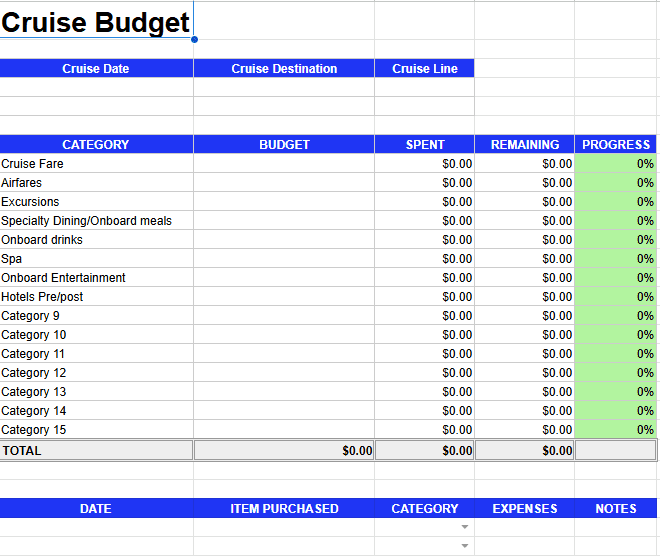
If you’re planning your first Mediterranean cruise, don’t just ask which ship or which itinerary. Ask when. That single decision can shape your entire experience more than you might expect. If you want to see how all these costs add up before booking, our Cruise Budget Planner walks through the process step by step.