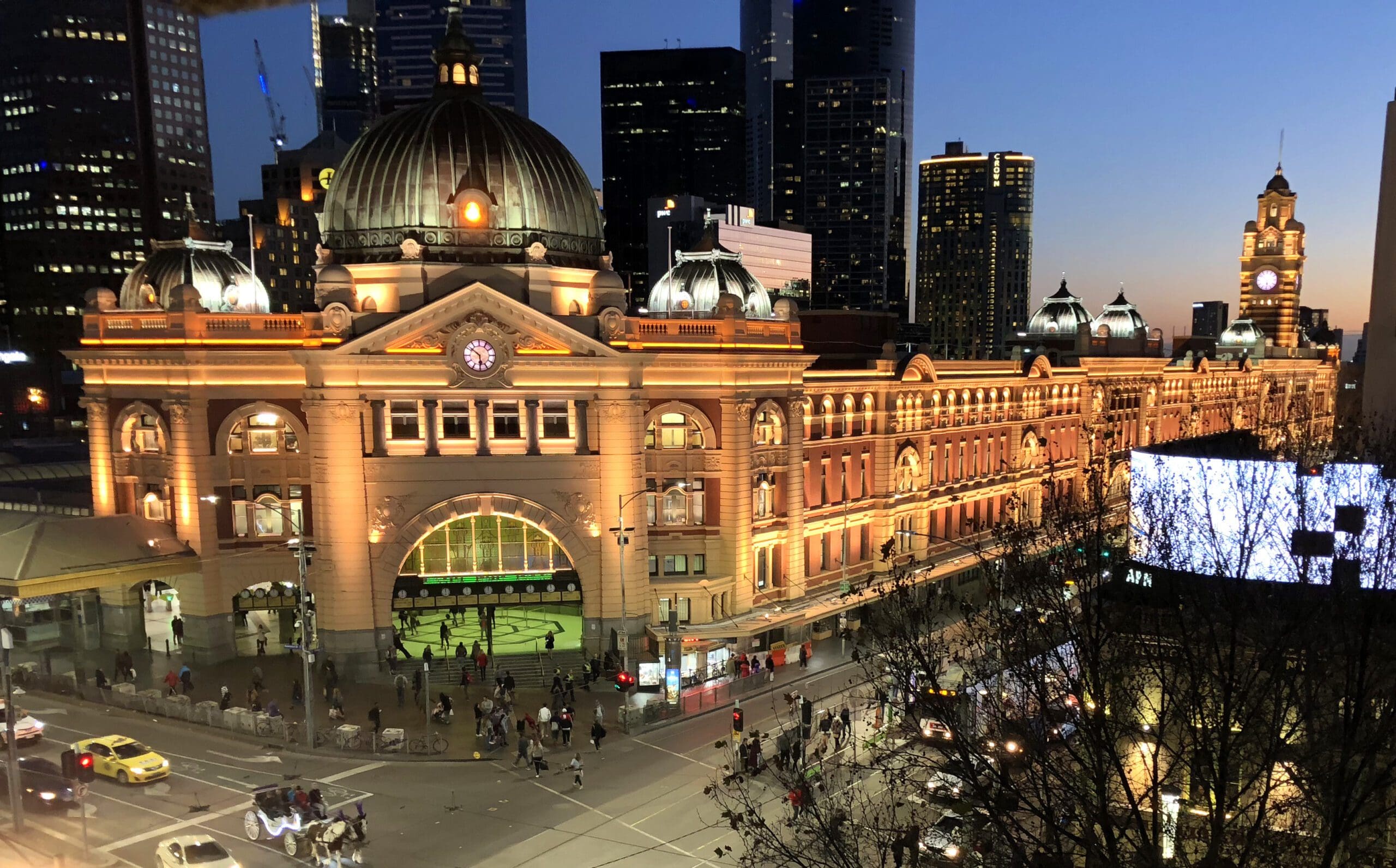
Melbourne is a city that rewards curiosity—an ever-evolving blend of grand Victorian facades, cutting-edge design, world-class coffee, and a thriving arts and sports culture. I grew up in Melbourne and have seen the city evolve over the years to a more inclusive, sustainable, and endlessly curious place—one that celebrates festivals, footy, food, and the arts with equal passion. In this guide to Melbourne travel tips and costs, you’ll discover a city of laneways sprayed with colour, hidden bars humming late into the night, and waterside promenades where the skyline glitters after dusk.
Melbourne’s neighbourhoods each have distinct personalities: the stately CBD and Treasury precinct; eclectic Fitzroy and Collingwood; Bayside St Kilda; and the sports mecca around the MCG. Food is a civic obsession, from fresh pasta on Lygon Street to hawker-style bites at Queen Victoria Market. The tram-bell soundtrack and ritual of footy season are as Melburnian as the flat white. Museums, galleries, and festivals fill the calendar year-round, but spring brings a special buzz with marquee sporting events. Whether you’re here for culture, cuisine, or competition, this Melbourne travel guide helps you plan smarter, spend wisely, and see more—without missing the city’s spontaneous magic.
This guide is based on personal experience living in Melbourne and is designed to help you plan a comfortable and cost-conscious visit.
If you’re planning a broader trip, our Australia travel guide breaks down where to go and how to structure your itinerary.
Melbourne Travel Tips: Quick Summary
– Daily budget: $160–$280 for most travellers
– Best areas to stay: CBD, Southbank, Docklands
– Must-see highlights: Botanic Gardens, laneways, MCG, Queen Victoria Market
– Transport tip: Use the Free Tram Zone in the CBD
– Money-saving tip: Visit markets, free galleries, and travel off-peak
How Much Does a Trip to Melbourne Cost?
A trip to Melbourne typically costs between $160 and $280 per day for mid-range travellers, including accommodation, food, transport, and one or two attractions.
Budget travellers can spend as little as $70–$110 per day by staying in hostels, using free transport options, and visiting free attractions. For a more comfortable or premium experience, costs can exceed $350 per day depending on hotel choice and activities.
Melbourne can be adjusted to almost any budget, making it one of the more flexible cities in Australia to plan.
Top Things To See & Do In Melbourne
Short on time? Follow our detailed 3 days in Melbourne itinerary to see the highlights efficiently.
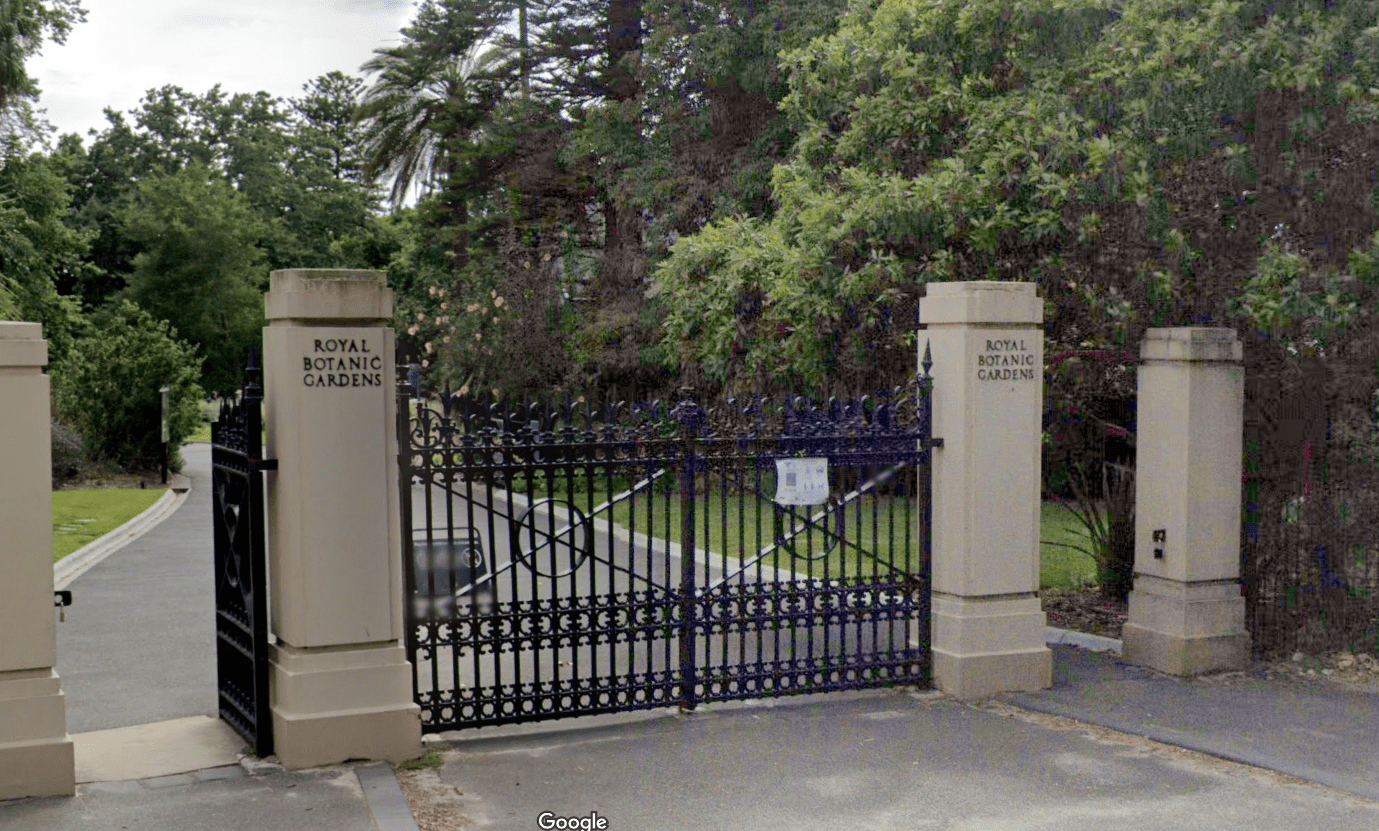
Royal Botanic Gardens, Melbourne
One of the best ways to slow down in Melbourne is to spend a few hours wandering through the Royal Botanic Gardens. Located just a short walk from the CBD, this expansive green space feels a world away from the city’s busy streets.
We’ve always found this to be one of the most relaxing places in Melbourne—especially if you’re travelling at a slower pace. Wide, flat walking paths make it easy to explore without rushing, and there are plenty of shaded spots to sit and take in the views.
Highlights include the Ornamental Lake, the peaceful Fern Gully, and Guilfoyle’s Volcano. If you’re interested in Indigenous culture, the Aboriginal Heritage Walk is well worth doing and adds a deeper understanding of the land.
💡 Tip: Visit early morning or late afternoon for cooler temperatures and fewer crowds, especially in summer.
Shrine of Remembrance
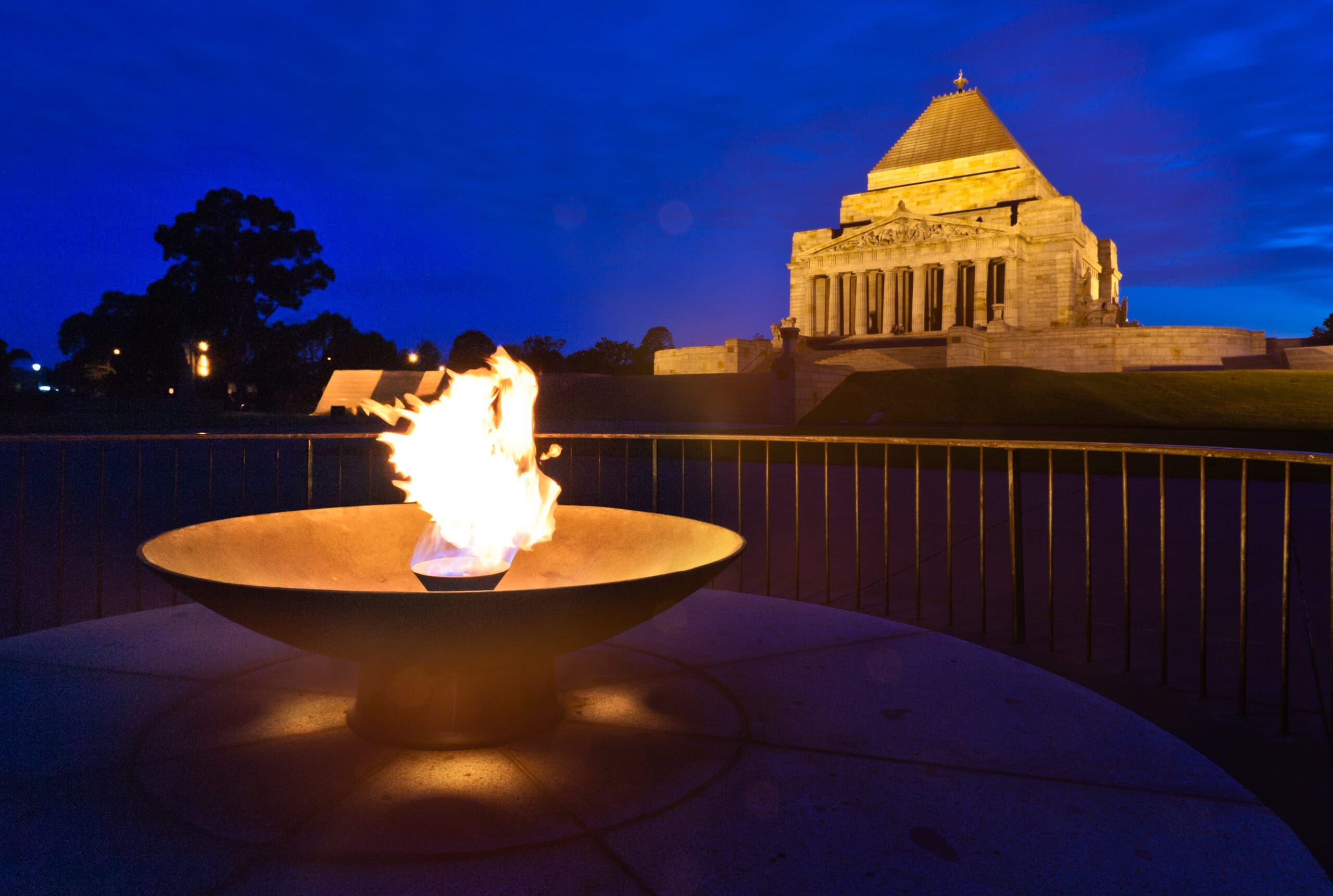
The Shrine of Remembrance is one of Melbourne’s most significant landmarks, both historically and visually. Set on a rise just south of the CBD, it offers some of the best panoramic views of the city skyline.
Built to honour Australians who served in war, the Shrine is far more than just a monument. Inside, the Galleries of Remembrance present personal stories, artifacts, and interactive displays that give real insight into Australia’s military history.
We’ve always found this to be a powerful but calm experience—especially compared to busier attractions. It’s somewhere you can take your time, reflect, and learn without feeling rushed.
The balcony at the top is well worth the climb, offering clear views across Melbourne and the surrounding gardens.
💡 Tip: Visit around midday to see the Ray of Light ceremony, where sunlight aligns to illuminate the word “Love” on the Stone of Remembrance (this only occurs at specific times of the year).
Eureka Skydeck
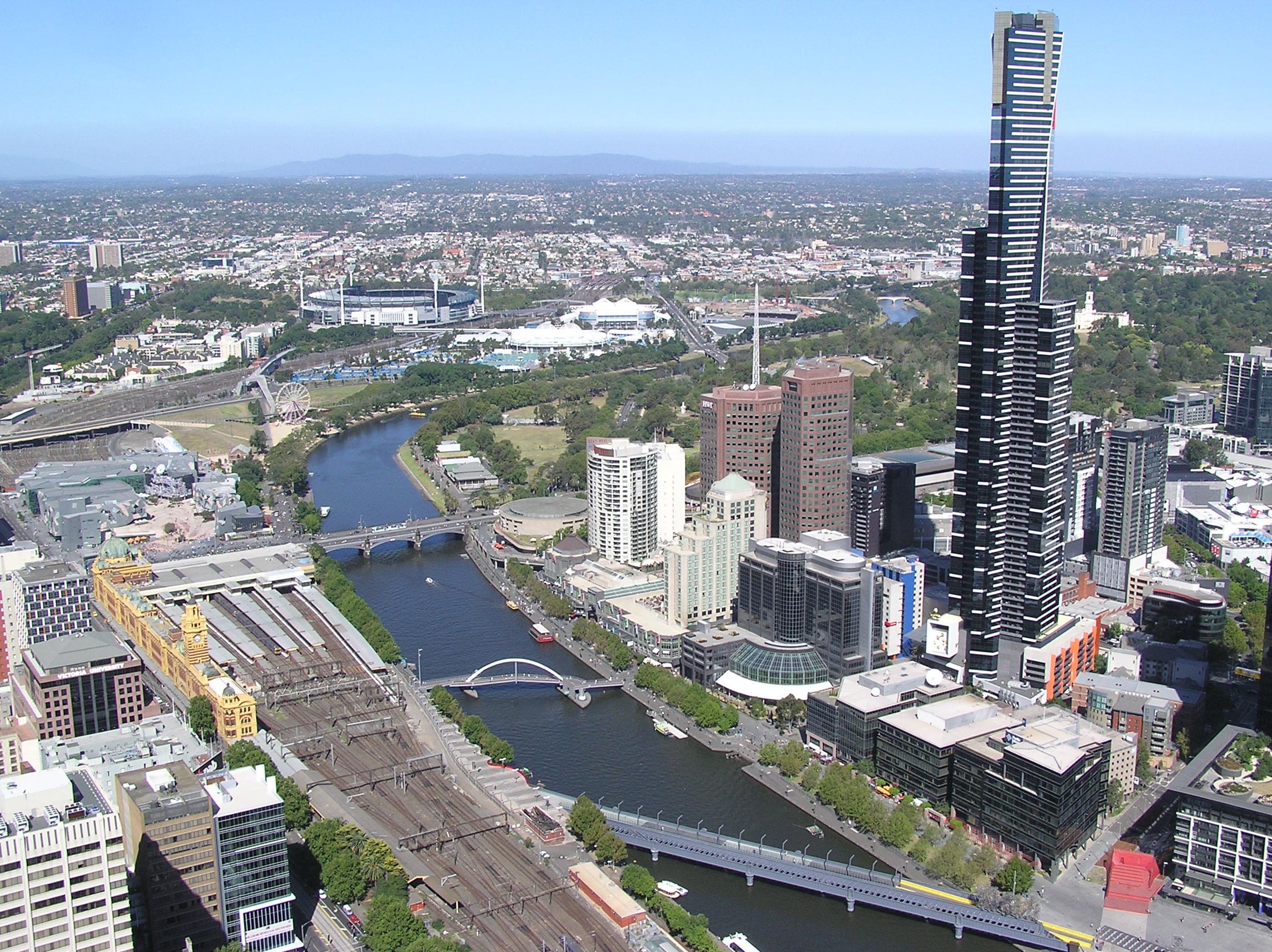
For the best views over Melbourne, the Eureka Skydeck is hard to beat. Located on Southbank, it rises 285 metres above the Yarra River and offers uninterrupted views across the entire city.
The main viewing area features floor-to-ceiling glass, allowing you to see Melbourne’s grid layout, the Yarra River, and landmarks like the MCG from above. On a clear day, you can see surprisingly far beyond the city itself.
For those wanting something more adventurous, the “Edge” experience—a glass cube that extends out from the building—adds a thrill element. That said, many visitors (especially those who prefer a more relaxed experience) are perfectly happy just enjoying the views from inside.
We usually recommend timing your visit for late afternoon into evening, when you can see the city transition from daylight to night. The skyline lighting up is one of the highlights.
💡 Tip: Book your ticket online in advance, particularly on weekends or during school holidays, to avoid waiting in queues.
Melbourne Zoo
Melbourne Zoo is one of the easiest wildlife experiences to access from the city, located just a short tram ride from the CBD.
The zoo is well laid out with wide paths, shaded areas, and plenty of seating, making it comfortable to explore at your own pace—something we think is especially important for a full day out.
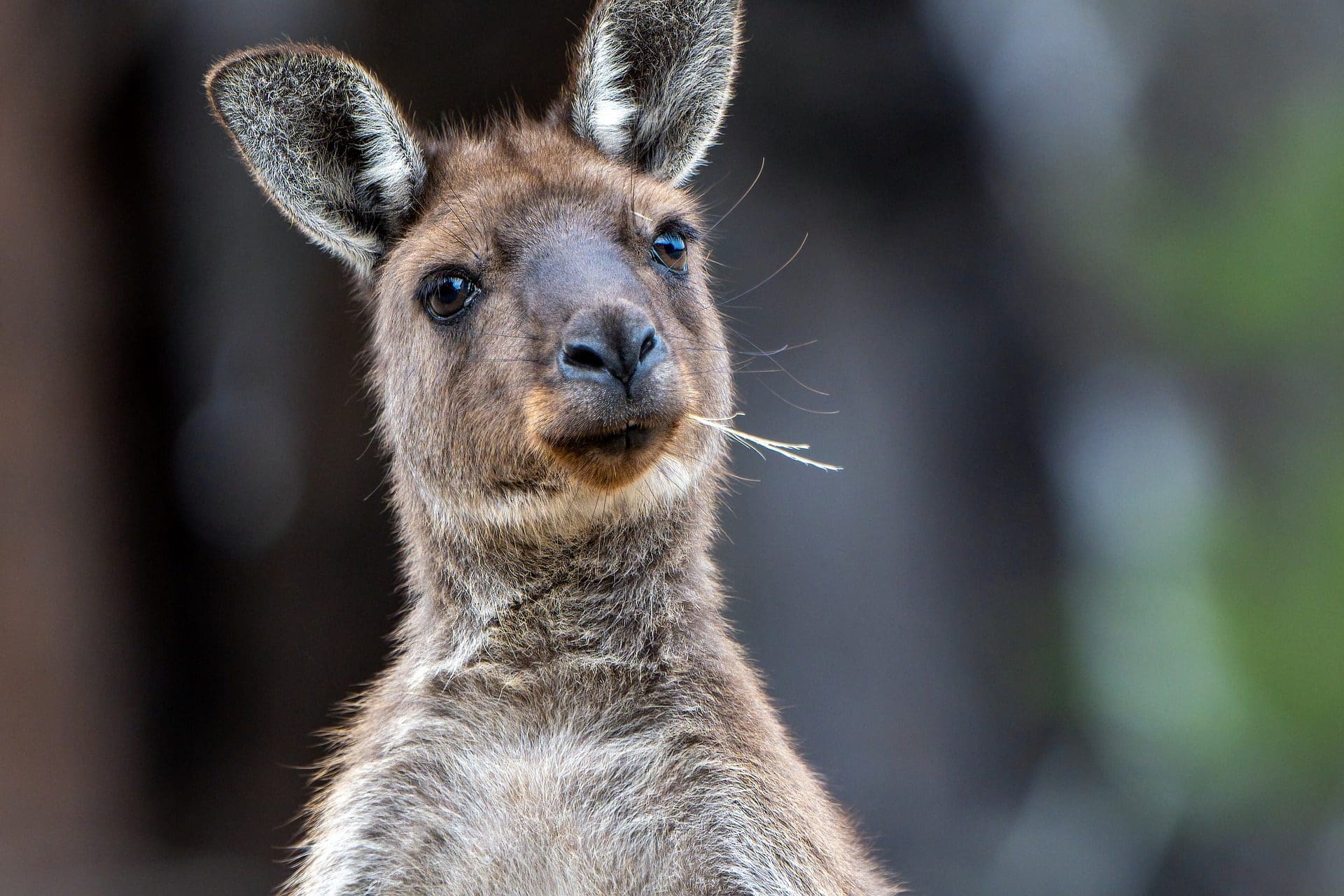
You’ll see a mix of international and native animals, including lions, orangutans, elephants, and Australian favourites like kangaroos and koalas. The Trail of the Elephants is one of the standout areas, designed to give more space and a more natural environment for the animals.
Beyond the animals, there’s a strong focus on conservation and education, which adds more depth to the visit compared to a typical zoo experience.
💡 Tip: Arrive early in the morning when animals are more active and temperatures are cooler, particularly in summer.
Old Treasury Building
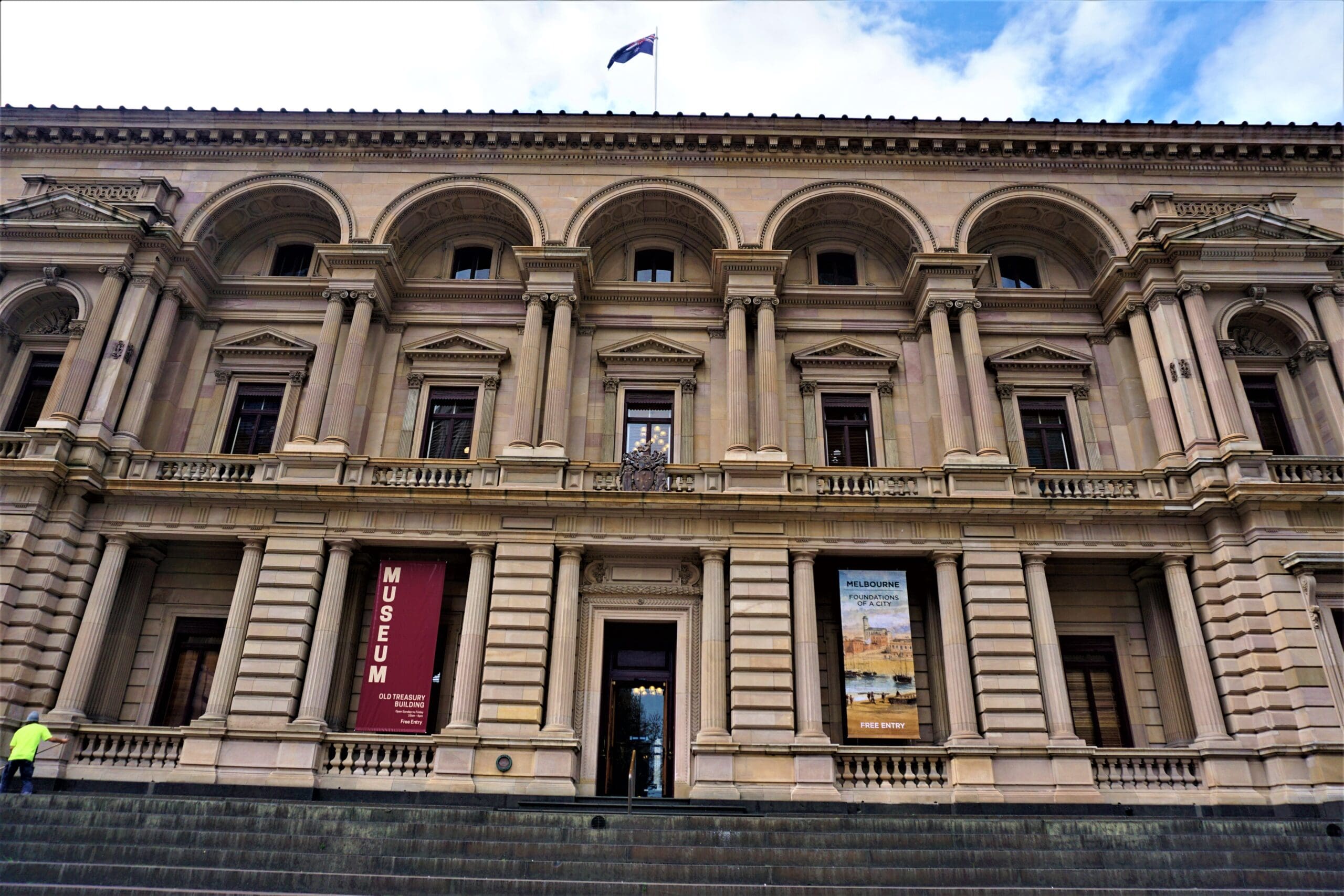
The Old Treasury Building is one of Melbourne’s most impressive historic landmarks and a great place to understand how the city developed during the gold rush era.
Located at the edge of the CBD near Spring Street, the building itself is worth seeing for its grand Renaissance Revival architecture. Inside, the exhibitions focus on Melbourne’s rapid growth during the 1800s, including stories of immigration, wealth, and the social changes that shaped the city.
What makes this particularly interesting is the original gold vaults in the basement, where bullion was once stored during the height of the gold rush. It gives you a real sense of how important Melbourne was economically at the time.
We’ve always found this to be a quieter, less crowded attraction compared to others in the city, making it a good option if you prefer a more relaxed pace.
💡 Tip: Entry is free, and it’s an easy stop to combine with a walk through the nearby Treasury Gardens or a visit to Parliament House.
Queen Victoria Market
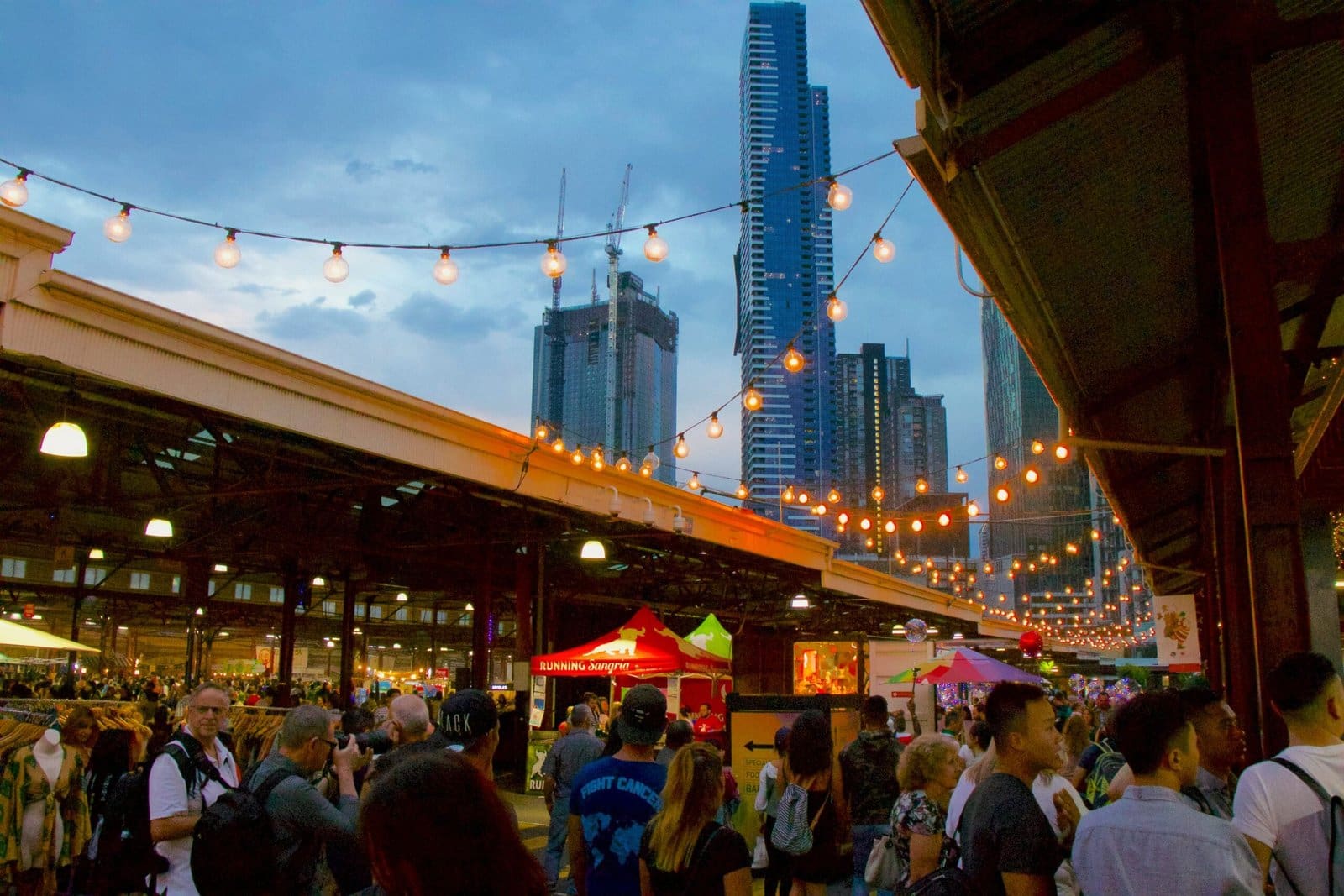
Queen Victoria Market is one of the best places in Melbourne to experience the city’s food culture without spending a fortune. It’s been operating since 1878 and remains a favourite for both locals and visitors.
You can easily build a great-value meal here—fresh pastries for breakfast, street food for lunch, and local produce or deli items to take away. We often recommend this as a go-to spot for travellers wanting to eat well on a budget.
Beyond food, you’ll find souvenirs, clothing, and local crafts, making it a good place to pick up gifts without paying tourist prices.
💡 Tip: Visit mid-week mornings for a quieter experience. Night markets (seasonal) are lively but much busier and more expensive.
MCG & Australian Sports Museum
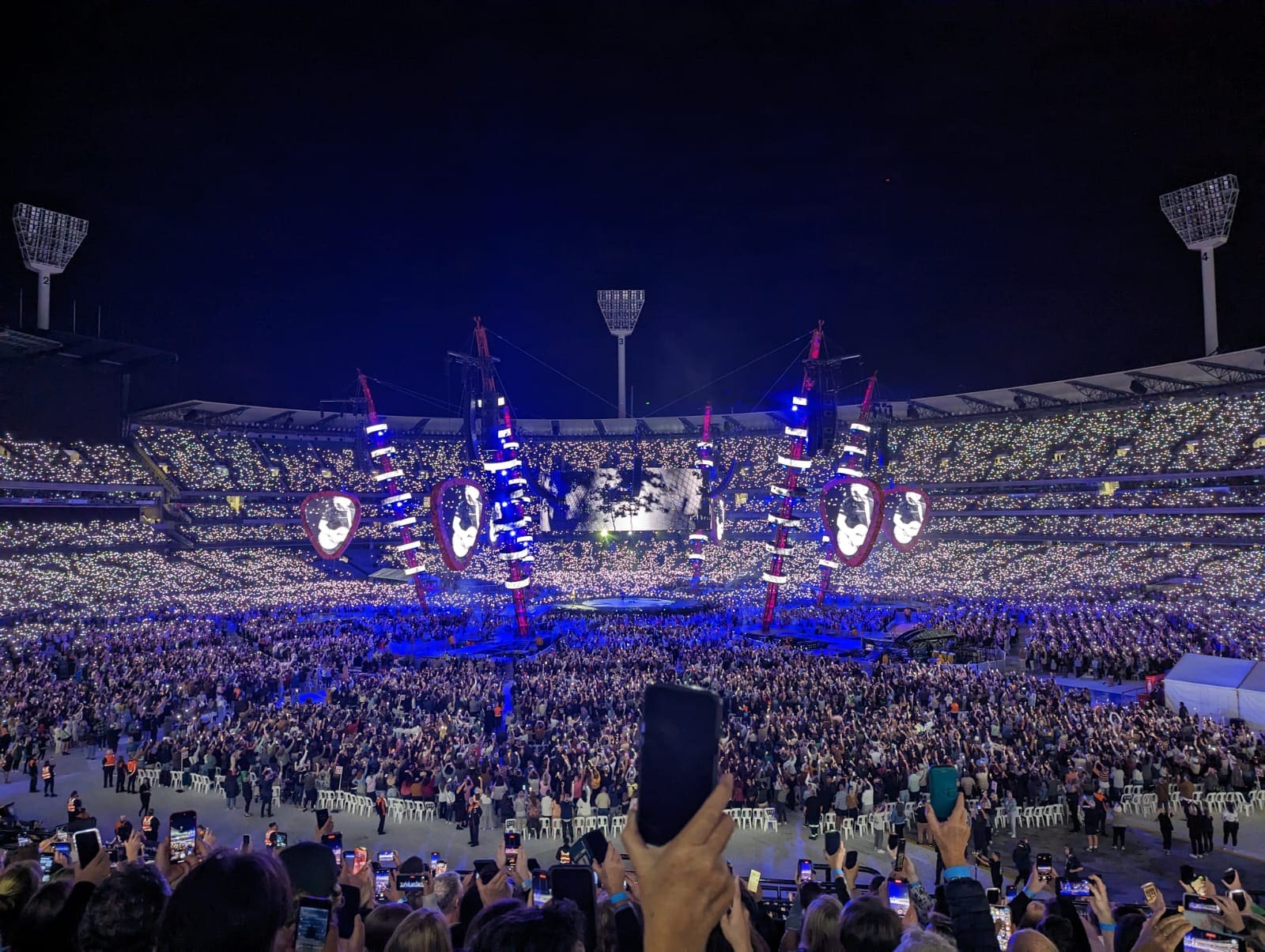
Even if you’re not a sports fan, the Melbourne Cricket Ground (MCG) is worth visiting—it’s one of Australia’s most iconic landmarks.
We’ve found that the guided tour is the best way to experience it. You’ll get access to areas you wouldn’t normally see, including the players’ rooms, media areas, and the famous Long Room. The scale of the stadium is impressive, especially when you’re standing pitch-side.
Inside, the Australian Sports Museum adds context with interactive exhibits covering AFL, cricket, and Olympic history.
💡 Tip: If you’re visiting during AFL season or a major cricket match, book well in advance—tickets sell out quickly.
Other Places To Visit
Federation Square
Federation Square (often called “Fed Square”) is Melbourne’s central meeting point and a good place to get your bearings when you first arrive in the city.
Located opposite Flinders Street Station, it’s surrounded by key attractions and connects directly to the Yarra River promenade. While the architecture is modern and sometimes divisive, the square itself is always active with events, exhibitions, and public screenings.
We’ve found this is less about “what to see” and more about soaking up the atmosphere. It’s a great place to sit with a coffee, watch the city move around you, and decide where to go next.
It also acts as a convenient base for exploring nearby areas like the laneways, Southbank, and the National Gallery of Victoria.
💡 Tip: Check what events are on before you visit—there are often free festivals, cultural displays, or live screenings happening throughout the year.
National Gallery of Victoria (NGV International)
The National Gallery of Victoria (NGV International) is one of the easiest cultural highlights to include in your Melbourne itinerary, especially as the permanent collection is free to enter.
Located on St Kilda Road, just a short walk from the CBD, the gallery houses an impressive mix of international and Australian art, ranging from classical works to contemporary exhibitions.
One of the most recognisable features is the Great Hall, with its stained-glass ceiling—many visitors spend time simply lying on the floor to take it in. Major temporary exhibitions are also held here and are often well worth the ticket price if something interests you.
We’ve always found the NGV to be a relaxed and accessible way to experience Melbourne’s arts scene, whether you stay for an hour or half a day.
💡 Tip: Visit mid-week mornings for a quieter experience, especially if you want to take your time without crowds.
Hosier Lane & Melbourne Laneways
Melbourne’s laneways are one of the city’s most distinctive features and a must-see for first-time visitors. What looks like narrow alleyways from the outside opens up into a network of cafés, street art, and hidden bars.
Hosier Lane is the most famous, known for its constantly changing street art. But don’t stop there—Degraves Street and Centre Place are just as rewarding, especially if you’re looking for coffee or a casual meal.
We always recommend allowing time to explore without a strict plan. Some of the best discoveries in Melbourne happen when you simply wander.
💡 Tip: Go early in the morning if you want photos without crowds—by midday, these areas can get very busy.
If you have extra time beyond the city, explore the best places outside Melbourne for coastal drives, wildlife encounters and regional escapes.
Tip: Cluster sites by area to minimise travel time—many CBD highlights are walkable or within the Free Tram Zone. This Melbourne travel guide recommends booking timed tickets (Eureka, MCG) during peak weekends.
Melbourne Travel Tips and Costs: What to Budget Per Day
- Accommodation (per night):
- Hostel dorm: 35–60
- Budget hotel: 110–170 We recommend the Atlantis Hotel. Have stayed here once and it is very comfortable and affordable, plus it’s close to Southern Cross railway station.
- Mid-range: 180–280 For mid-range, we recommend Quest Southbank – a great location if you want to explore Southbank promenade and be close to Crown Casino.
- Upscale: 300–500+ For total luxury, you can’t go past the Park Hyatt Melbourne. It has been my favourite hotel for special occasions in Melbourne for many years.
Tip: Accommodation prices in Melbourne can vary dramatically depending on the season, major events, and even the day of the week. Before you book, see how we use Booking.com’s calendar tool to compare dates and uncover cheaper hotel deals — it’s one of the easiest ways to reduce your overall travel costs.
👉 Learn how to find cheaper hotel deals here.
Where To Stay In Melbourne
- Food & Drink (per day):
- Budget: 25–45 (bakery breakfasts, market lunches)
- Mid-range: 50–90 (cafés, casual dinners)
- Splurge: 120–200+ (fine dining, wine bars)
- Transport:
- Myki card: capped at 11 per day and 7.60 on weekends and public holidays (Zone 1+2).
- Airport transfer: 19–25 (SkyBus), 45–70 rideshare/taxi.
- CBD – Free trams.
- Activities:
- Museums/galleries: Free–30
- Eureka Skydeck: around 28–36
- MCG tour: around 30
If you’re visiting from overseas, paying in AUD with a low‑fee provider like Wise can help reduce foreign transaction and currency conversion fees on accommodation, dining and attractions.
Suggested Budgets (Per Day, AUD)
- Shoestring: 70–110
- Hostel dorm, market meals, Free Tram Zone, free museums/parks.
- Mid-range: 160–280
- Comfortable hotel, café brunches, one paid attraction, tram/train travel.
- Luxury: 350–650+
- Premium hotel, tasting menus, private tours, theatre/sport tickets.
It’s best to pre-book big-ticket items during spring events to lock in prices.
Money-Saving Tips
- Use the Free Tram Zone within the CBD; tap on/off only outside the zone.
- Eat at Queen Victoria Market or Asian food courts for value-packed meals.
- Seek free culture: NGV (main), State Library, many city galleries and festivals.
- Book combo tickets (Eureka + attractions) and look for early-bird online rates.
- Stay slightly outside the CBD (e.g., Southbank/Docklands) for better hotel deals.
- BYO water bottle; free public fountains are common in parks and stations.
- Visit during shoulder seasons for lower rates—late autumn to late winter.
How To Get Around
- Trams: Extensive network; CBD’s Free Tram Zone is ideal for short hops.
- Trains: Fast for suburbs and venues like the MCG (Richmond/Jolimont stations).
- Buses: Fill gaps between tram/train lines and reach the zoo easily.
- Myki: Required for public transport; buy at stations, 7‑Eleven, and major stops.
- Rideshare/Taxis: Handy late night or to/from the airport if splitting fares.
- Bikes & E‑Scooters: Dedicated paths along the Yarra and through parks.
- Walking: Compact CBD and laneways reward strolling; this Melbourne travel guide recommends comfy shoes.
Best Time To Go
Spring (September–November) is prime. The city buzzes with:
- AFL Finals Series at the MCG (September) with electric citywide energy.
- Spring Racing Carnival, including the Melbourne Cup (early November).
- Mild weather, blossoming gardens, and packed event calendars.
Summer brings festivals and beach days (St Kilda) but higher prices. Autumn is crisp and cultural; winter is cosy, with truffle menus and museum time. We think spring is best for atmosphere plus marquee sport and racing.
Planning a longer trip? Discover more destinations in our Australia travel guide.
Watch our video on Best Places To visit in Melbourne