This Nuremberg travel guide explores a city rich in medieval heritage, world-shaping 20th-century history, and festive traditions. From hilltop castles and Gothic churches to thought-provoking museums and storybook markets, Nuremberg blends the past and present with remarkable grace. We included Nuremberg on our European itinerary due to its history of the WW2 war trials. I remember my father recounting many horrific stories of his time while serving with the RAF during the final years of the war with Germany. Our visit to Nuremberg was an opportunity to reflect on his stories, our history, and human cost. Poor planning on our part, as the two days we allocated were nowhere near long enough and the documentation centre was closed for renovations but had a temporary display. Apart from the war-related history, there is so much to see, and this Nuremberg travel guide we have put together will help you plan your trip if you intend to visit.
Planning a trip to Nuremberg?
These are tools we personally find useful for booking Nuremberg and wider Germany trips:
- Hotels and apartments in/near the Altstadt or close to the station: compare Nuremberg stays on Booking.com and check hotel deals on KAYAK.
- Walking tours, Nuremberg Trials sites, rally grounds and Christmas market experiences: see Nuremberg tours on GetYourGuide.
- Trains to/from Munich, Berlin, Prague and beyond: compare rail and coach options on KAYAK.
- Travel insurance for Europe: get a VisitorsCoverage quote before booking non‑refundable hotels and tours.
- Low‑fee EUR payments and ATM withdrawals: open a Wise multi‑currency account to avoid poor exchange rates on accommodation, food and museum tickets.
- Europe eSIM for maps and transit apps: buy an eSIM on Airalo before you land.
- Car hire for Franconia day trips (e.g. Bamberg, Rothenburg ob der Tauber): compare rental cars on DiscoverCars.
Using these links doesn’t cost you anything extra, but it helps support this free Nuremberg travel guide.
Why Nuremberg belongs on your list
Nuremberg’s origins reach back to 1050. The name likely derives from the Old High German “Nurinburg,” meaning rocky hill—apt for a city crowned by its fortress. In the Middle Ages, Nuremberg rose as a political and cultural force within the Holy Roman Empire and later flourished during the Renaissance, home to renowned artist Albrecht Dürer. World War II devastated much of the city, and the subsequent Nuremberg Trials shaped modern international law. Today, this Nuremberg travel guide highlights how the rebuilt old town, vibrant cultural life, and seasonal markets make the city both reflective and joyfully alive.
Top sights you shouldn’t miss
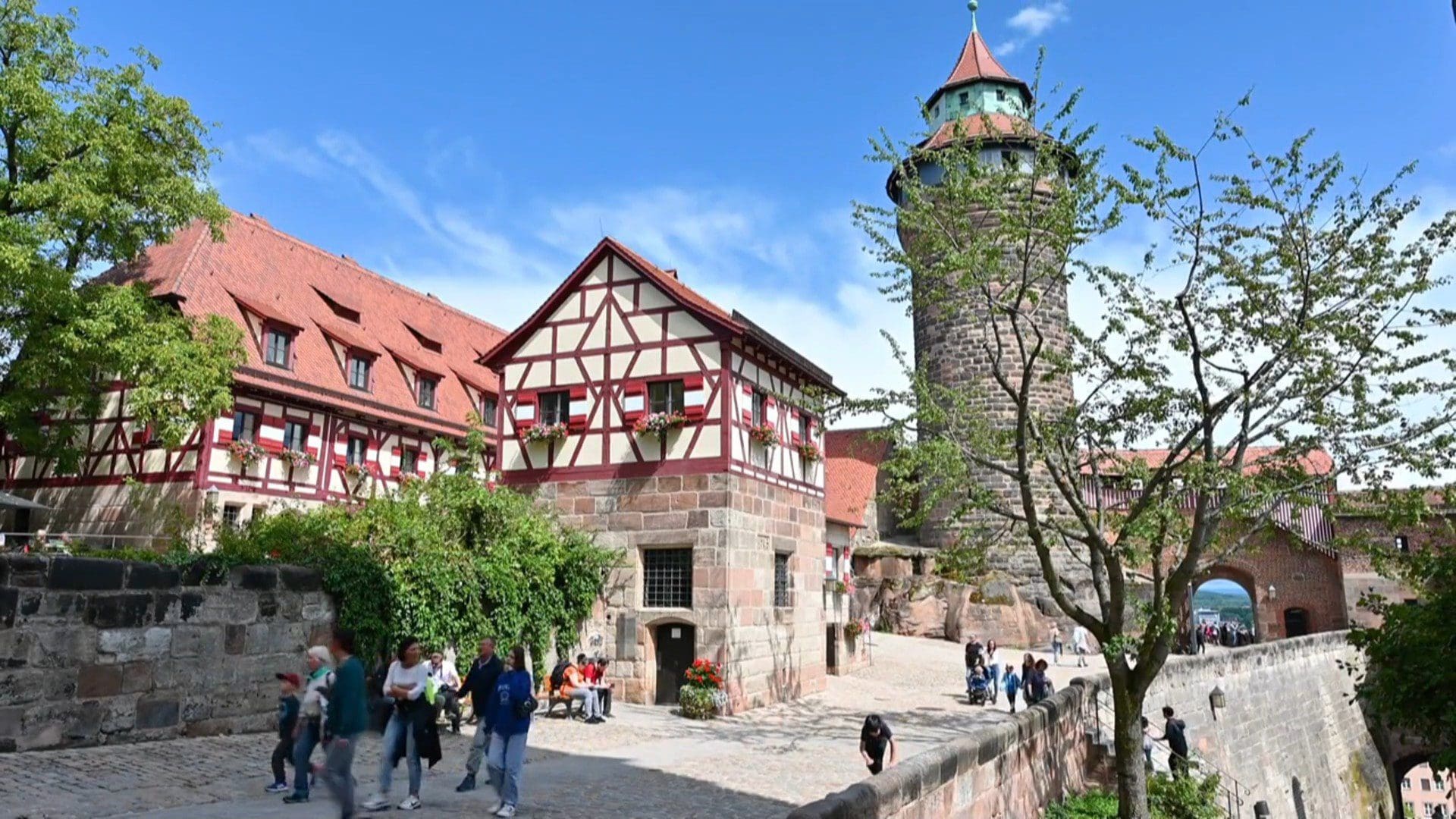
- Nuremberg Castle (Kaiserburg): Perched above the old town, the castle once hosted Holy Roman Emperors and offers sweeping views from the Sinwell Tower. Explore the museum, the deep well, and tranquil castle gardens showcasing Gothic and Romanesque details.
- Albrecht Dürer House: Step inside the half-timbered home of the German Renaissance master. Exhibits and demos bring historical printmaking to life and deepen appreciation for Dürer’s influence.
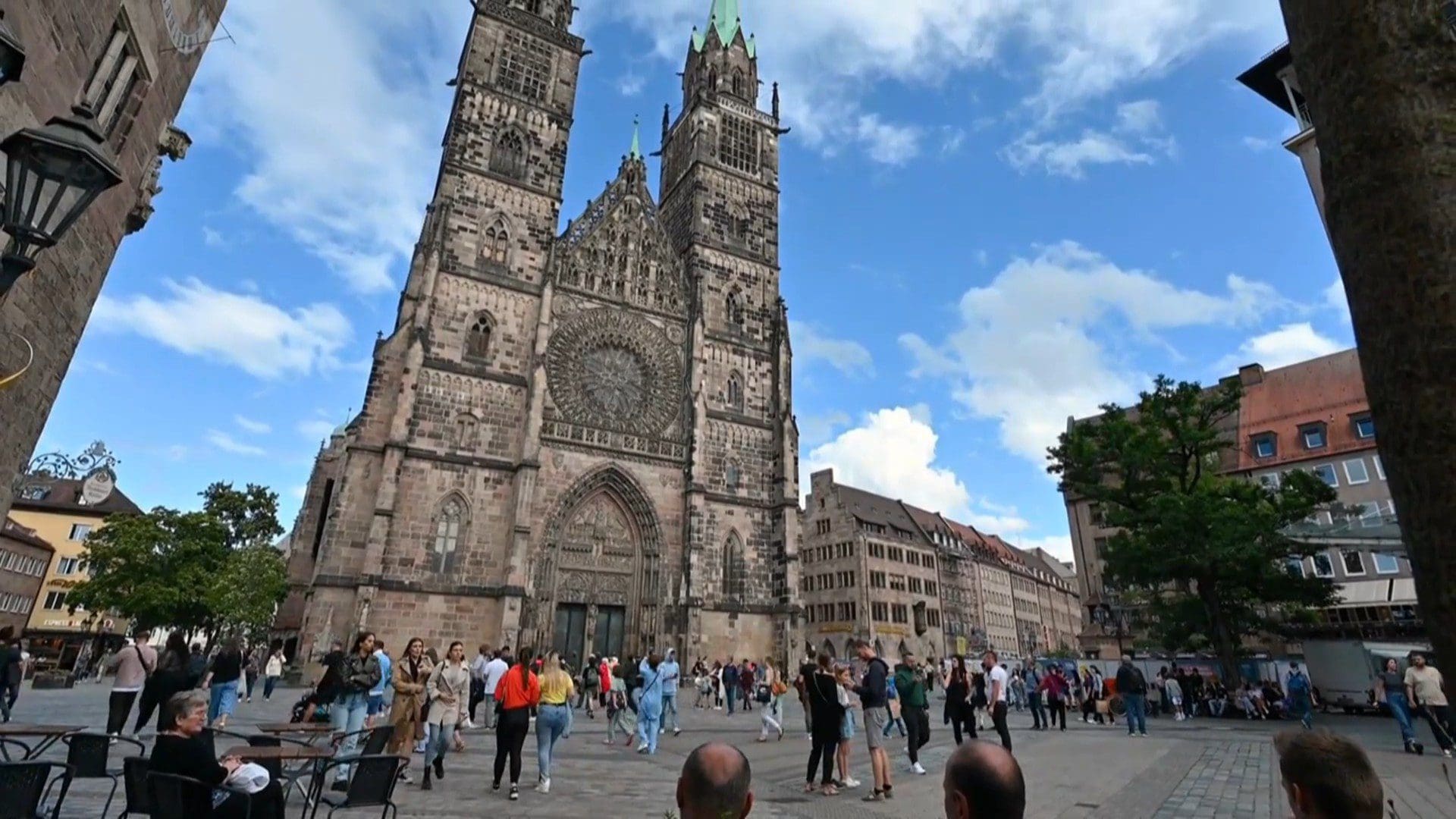
- St. Lorenz Church (Lorenzkirche): A Gothic masterpiece with soaring spires, radiant stained glass, the Angelic Salutation by Veit Stoss, and the Tabernacle by Adam Kraft.
- Handwerkerhof: Tucked within the city walls, this artisan quarter sells pottery, glass, leather, and traditional snacks—a charming spot for unique, locally crafted souvenirs.
- Toy Museum: Celebrates Nuremberg’s long toy-making heritage, from antique wooden pieces to modern favorites, with interactive displays that delight kids and adults alike.
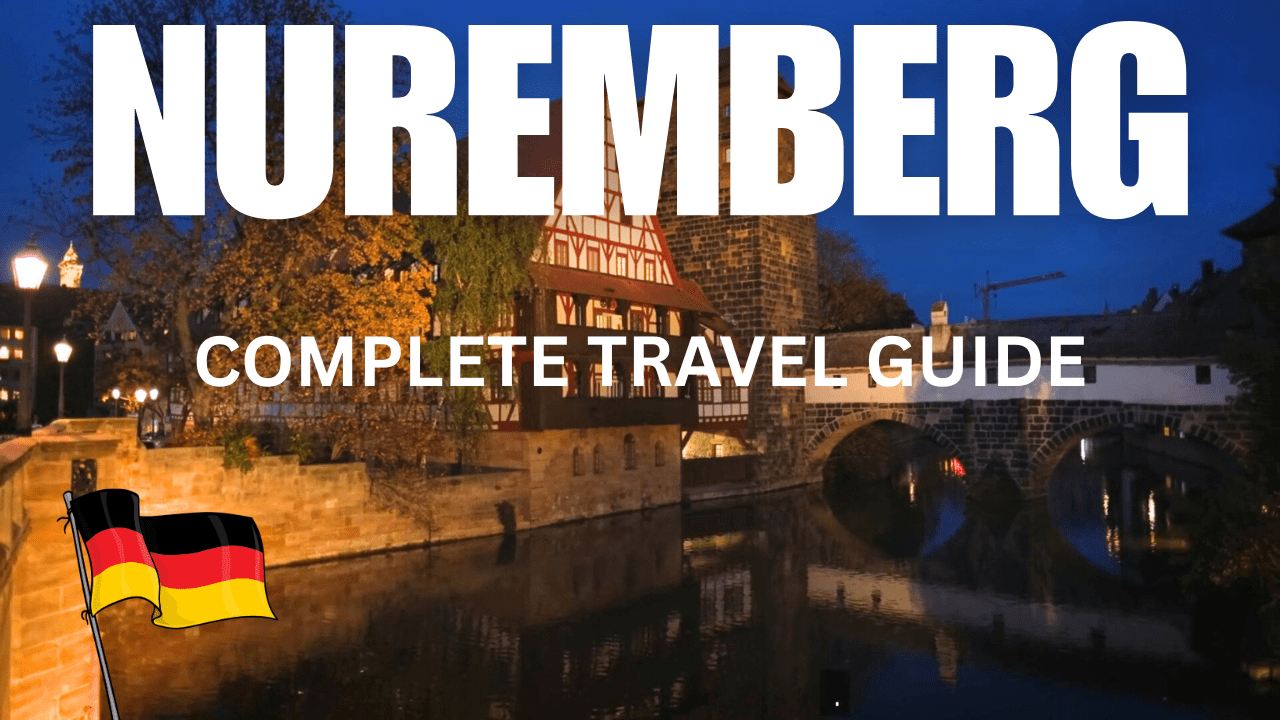
- Weinstadel and Henkersteg: One of the most photographed corners of Nuremberg, this medieval wine storehouse and Executioner’s Bridge span the Pegnitz River—ideal for serene strolls and photos.
- Nuremberg Trials Memorial: Located in the Palace of Justice, this museum includes Courtroom 600 (when available) and exhibits that explain the trials’ enduring legacy in international law.
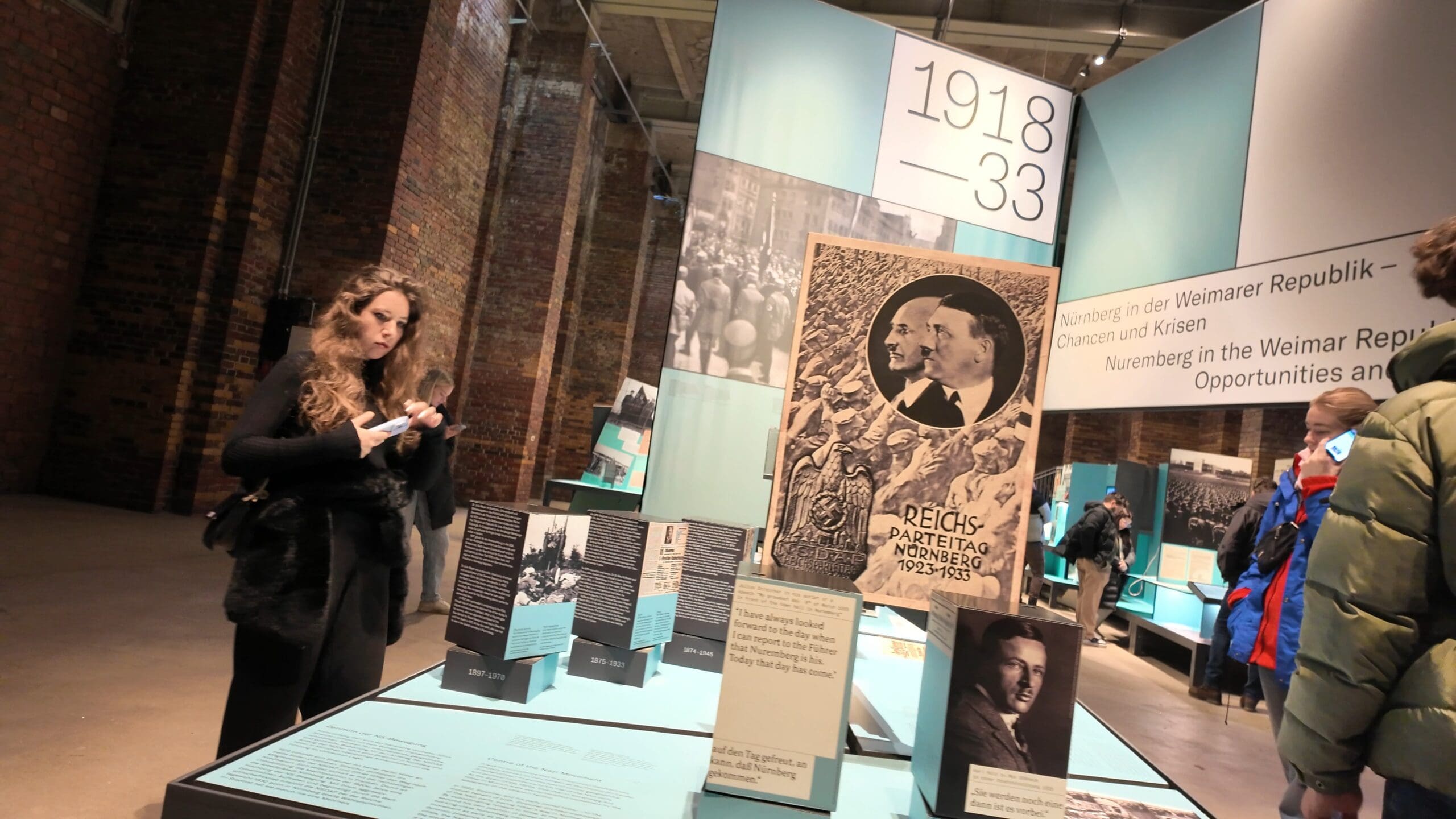
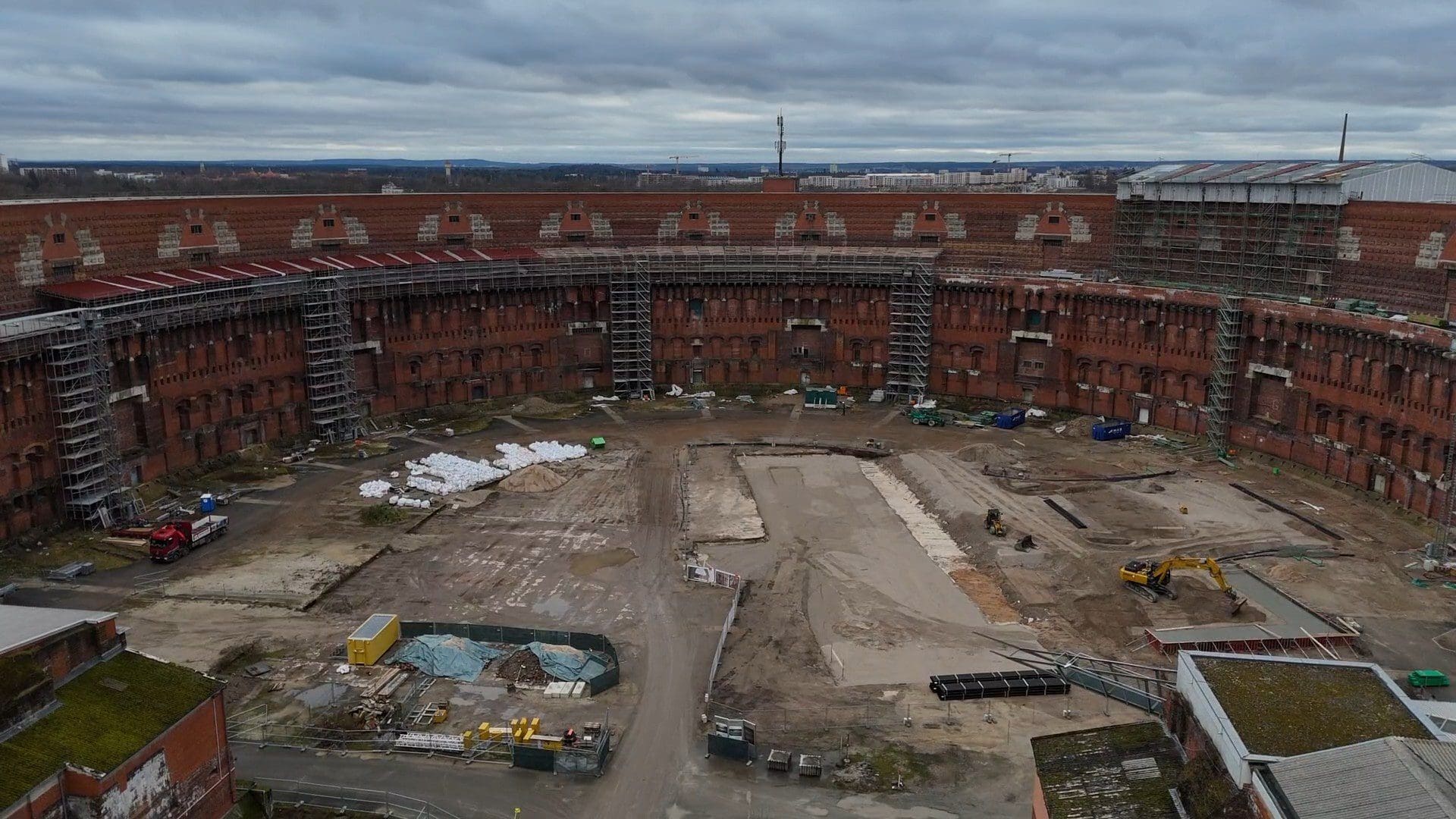
- Documentation Center and Nazi Party Rally Grounds: A sobering site that examines propaganda, mass rallies, and their impact. Note: major renovations have affected access and exhibits; check the official site before you go. The plans are for it to be open again in late 2025.
Nuremberg travel guide: Essential facts
- Best times to visit: Spring (March–May) brings mild weather and fewer crowds; summer (June–August) is lively and warm; autumn (September–November) has cooler temps and better deals; winter (December–February) transforms the city with its famed Christkindlesmarkt and brisk weather.
- Budget snapshot: Expect coffee at about €3–€5 and beer at €4–€6. Budget travellers might spend €30–€50 per day on meals and activities; prices rise for mid-range and luxury.
- Transit tips: Buses, trams, and U-Bahn make getting around easy. Single tickets are around €3 and day passes about €10. Check the VGN website and ticket machines or apps for the latest options.

Where to stay: From hostels to heritage hotels
- Five Reasons Hostel & Hotel: Clean, central, and great for budget travellers, with dorms from around €25 per person.
- Motel One Nürnberg-City: Comfortable, contemporary, and an easy walk from the main station, with a good bar and restaurant. Rooms typically start around €90 per night. This is where we stayed while in Nuremberg, and we recommend it for a mid-range accommodation option close to the station.
- Le Méridien Grand Hotel: Opposite the railway station, this classic choice pairs convenience with elegant interiors. Rooms with breakfast can be about €300 per night.
Tip: Accommodation prices can vary hugely depending on travel dates. Before booking, see how we use Booking.com’s calendar tool to find cheaper hotel deals and reduce travel costs:
https://trustytraveltips.com/find-cheaper-hotel-deals-booking-com/
Other Places To Stay In Nuremberg
Check out our Nuremberg travel guide video below for more details on accommodation. We recommend booking early during peak periods—especially around December—when the city swells for the Christmas market. If you plan to arrive by rail or take day trips, staying within a short walk of the station can save time and hassle.
The magic of Christkindlesmarkt
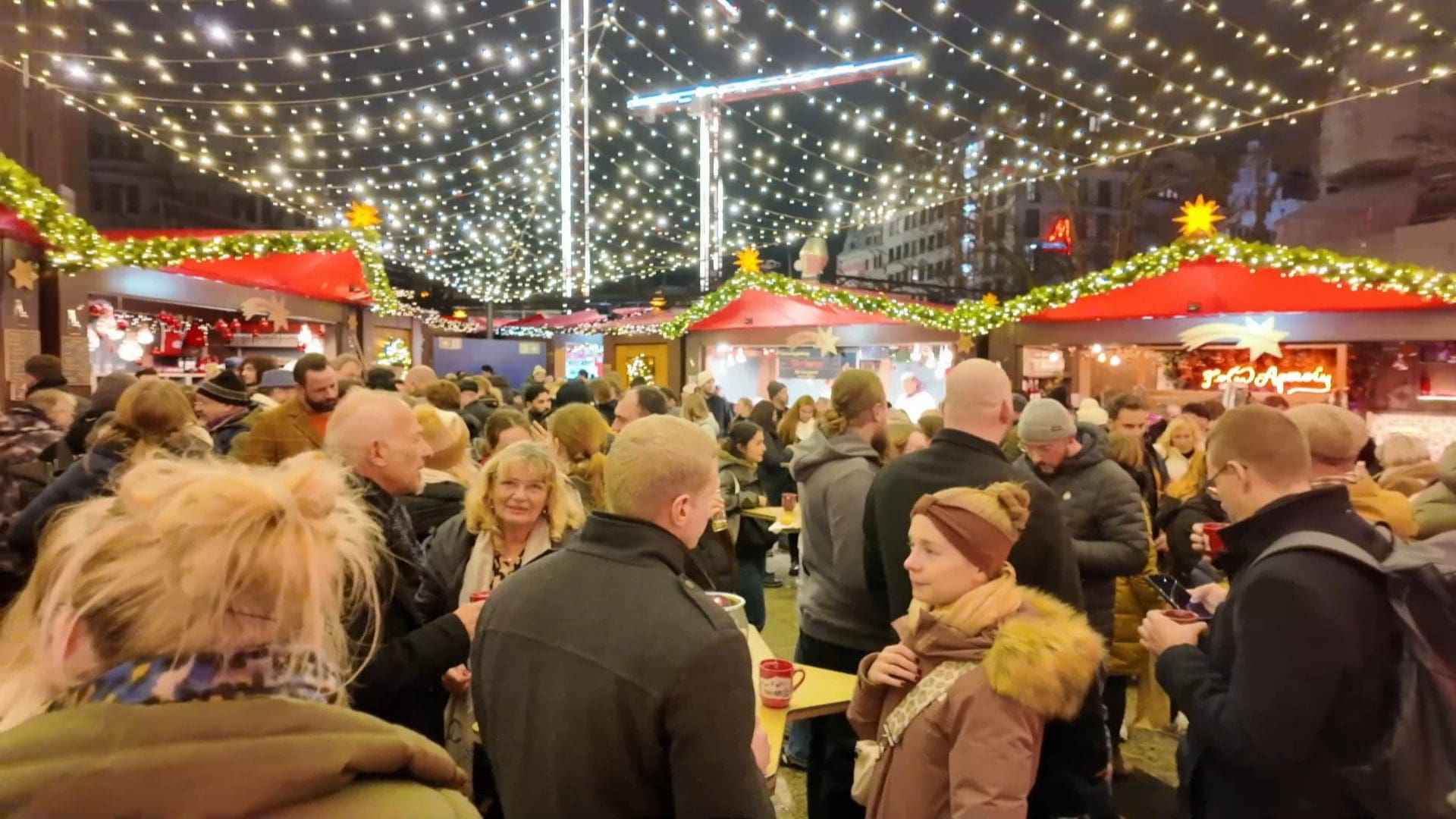
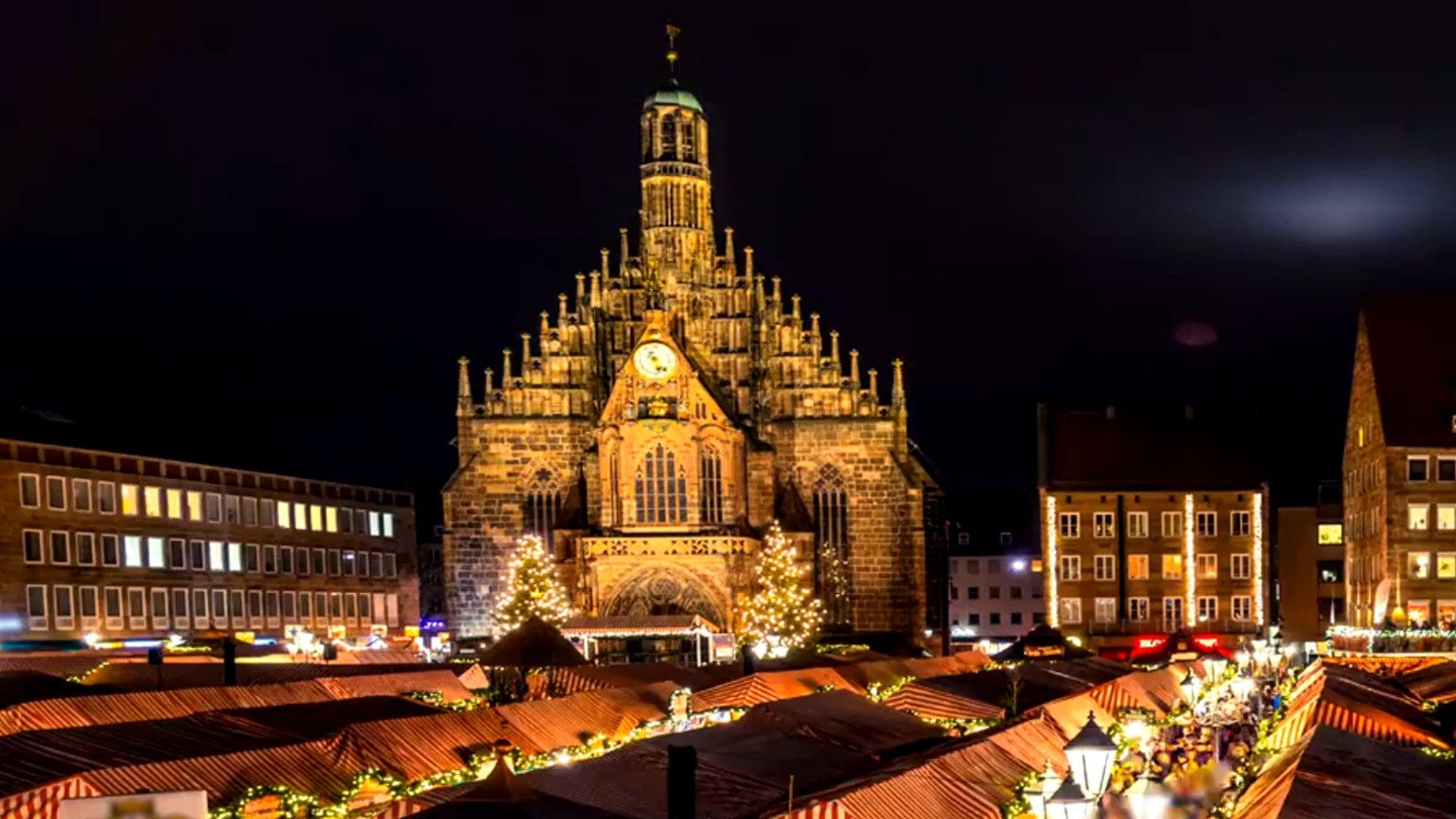
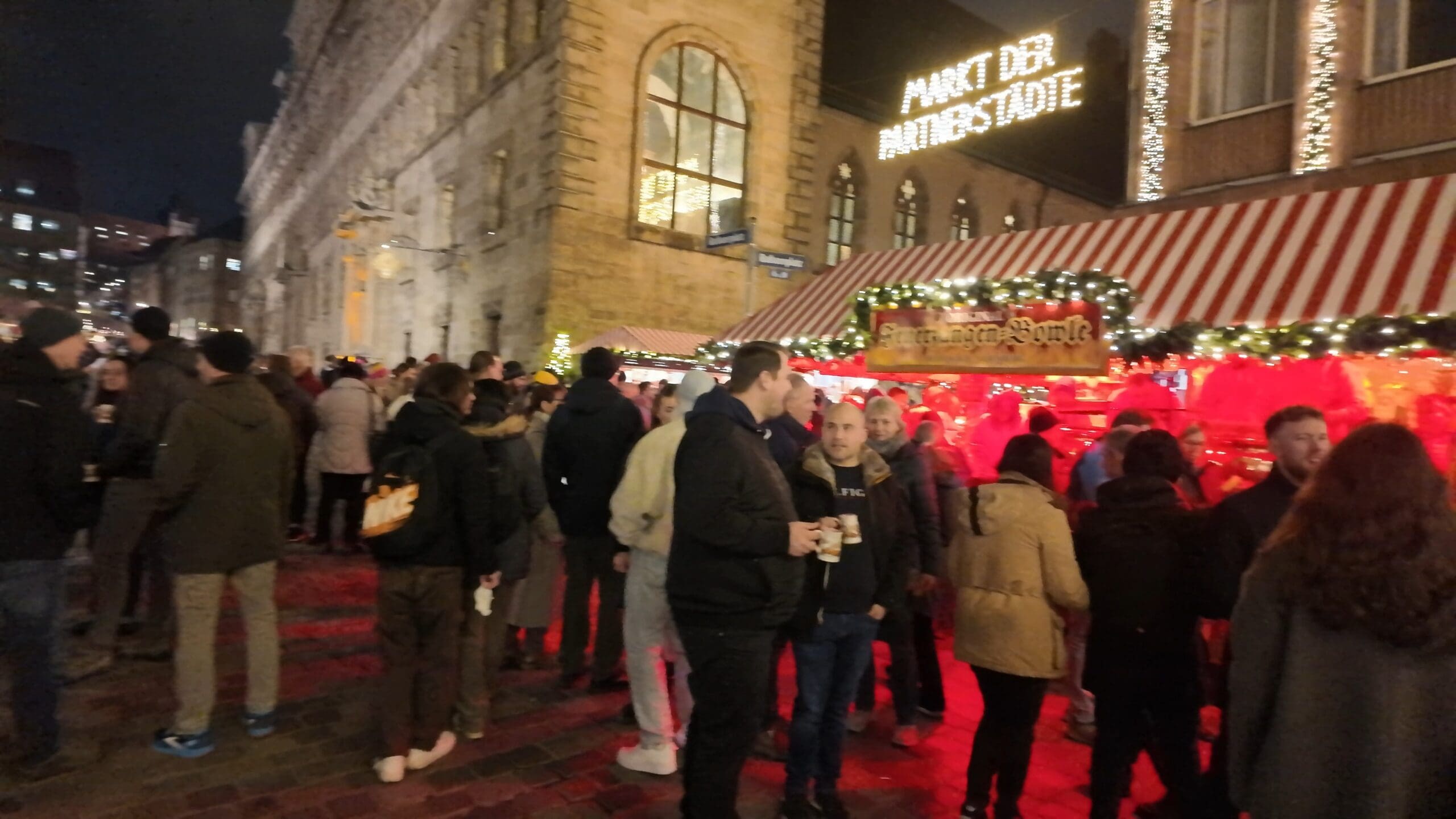
Few winter experiences rival Nuremberg’s Christkindlesmarkt in Hauptmarkt Square. Twinkling lights, mulled wine aromas, and stalls brimming with handcrafts create a festive wonderland. Don’t miss the traditional Lebkuchen (gingerbread) and handmade ornaments. Each year, the Christkind—an angelic figure—opens the market with a prologue that sets a spellbinding tone for the season. A Nuremberg travel guide wouldn’t be complete without this quintessential highlight.
Culture, cuisine, and local flavor
- Food and drink: Sample Nürnberger Rostbratwürste (small grilled sausages), pretzels, and Franconian beers. Traditional taverns and modern eateries live side by side in the old town. You can sample these at most of the markets around the city.
- Arts and heritage: Beyond Dürer, look for rotating exhibitions across city museums and galleries. Music festivals and seasonal events keep the calendar lively.
- Shopping: From artisan crafts in Handwerkerhof to modern boutiques, you’ll find compelling gifts and design-forward pieces.
Getting there and getting around
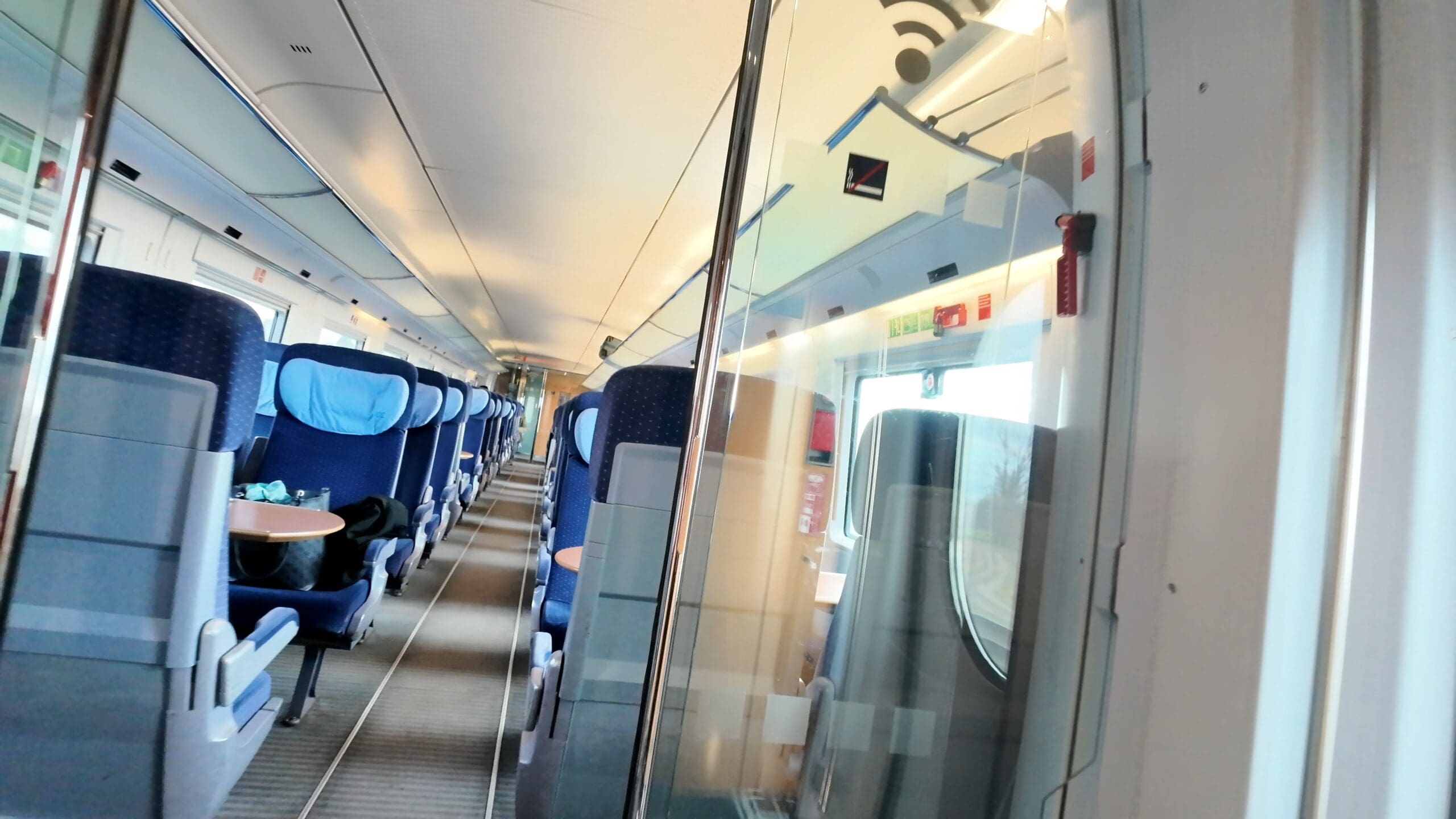
- By train: Nürnberg Hauptbahnhof connects to Munich, Berlin, Prague, and beyond, with frequent services and easy local transfers.
- By air: Nuremberg Airport (NUE) sits a short metro ride from the center, keeping arrivals straightforward.
- By car: Central parking averages about €3 per hour; day rates in garages are around €15. Consider parking outside the busiest core when possible.
Public transport is reliable and punctual. We suggest day passes for multi-stop itineraries and free walking tours (usually 2–3 hours, tips appreciated €10–€20) to orient yourself on day one.
Smart planning and booking tips
- Reserve popular sights and tours ahead of time, especially the castle and seasonal exhibitions. A Nuremberg travel guide is most useful when paired with timely reservations.
- For trains and longer intra-European connections, use reputable apps/websites to simplify bookings and ticket storage.
- During high season (summer and December), expect crowds; shoulder seasons bring calmer streets and better hotel value.
Sample one-day itinerary
- Morning: Start at Nuremberg Castle for panoramic views, then walk down to Albrecht Dürer House.
- Midday: Pause in the old town for sausages and pretzels near Hauptmarkt; peek into St. Lorenz.
- Afternoon: Visit the Toy Museum or Nuremberg Trials Memorial.
- Evening: Stroll Weinstadel and Henkersteg at golden hour; end with a Franconian beer. This compact loop shows why any Nuremberg travel guide praises the city’s walkability.
Check out the nearby city of Cologne here
Watch our video on our visit to Nuremerg