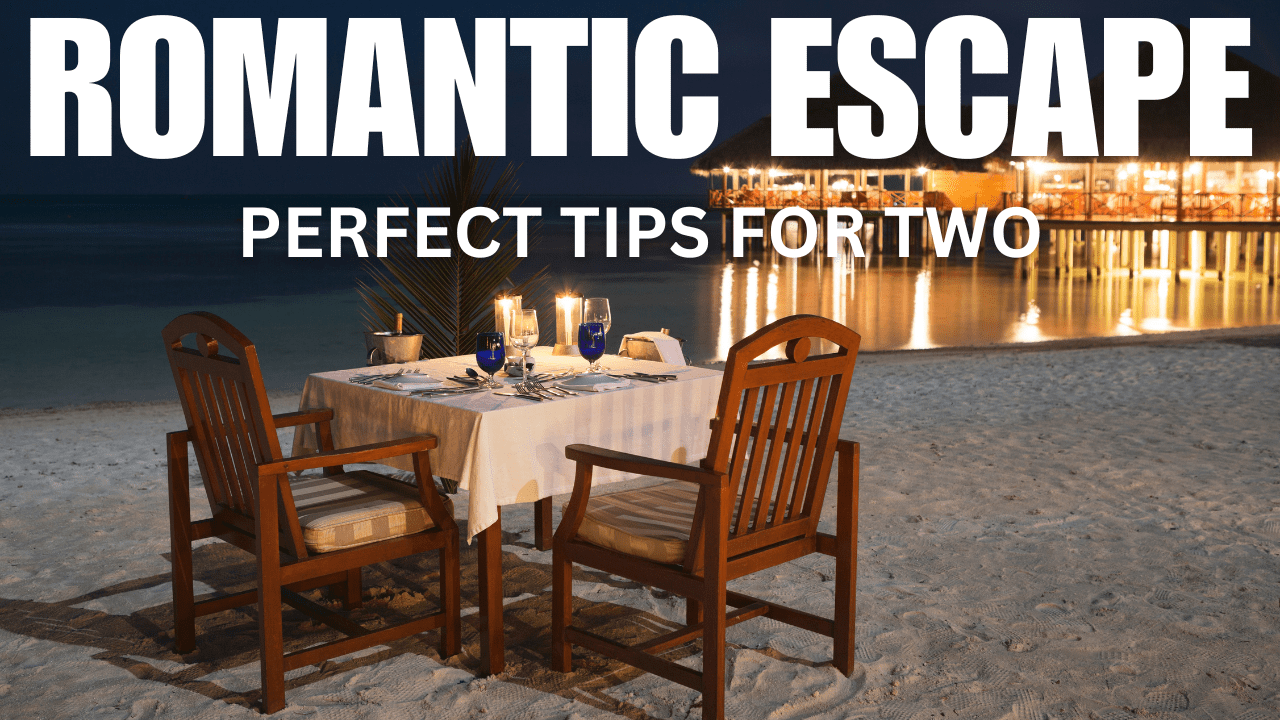
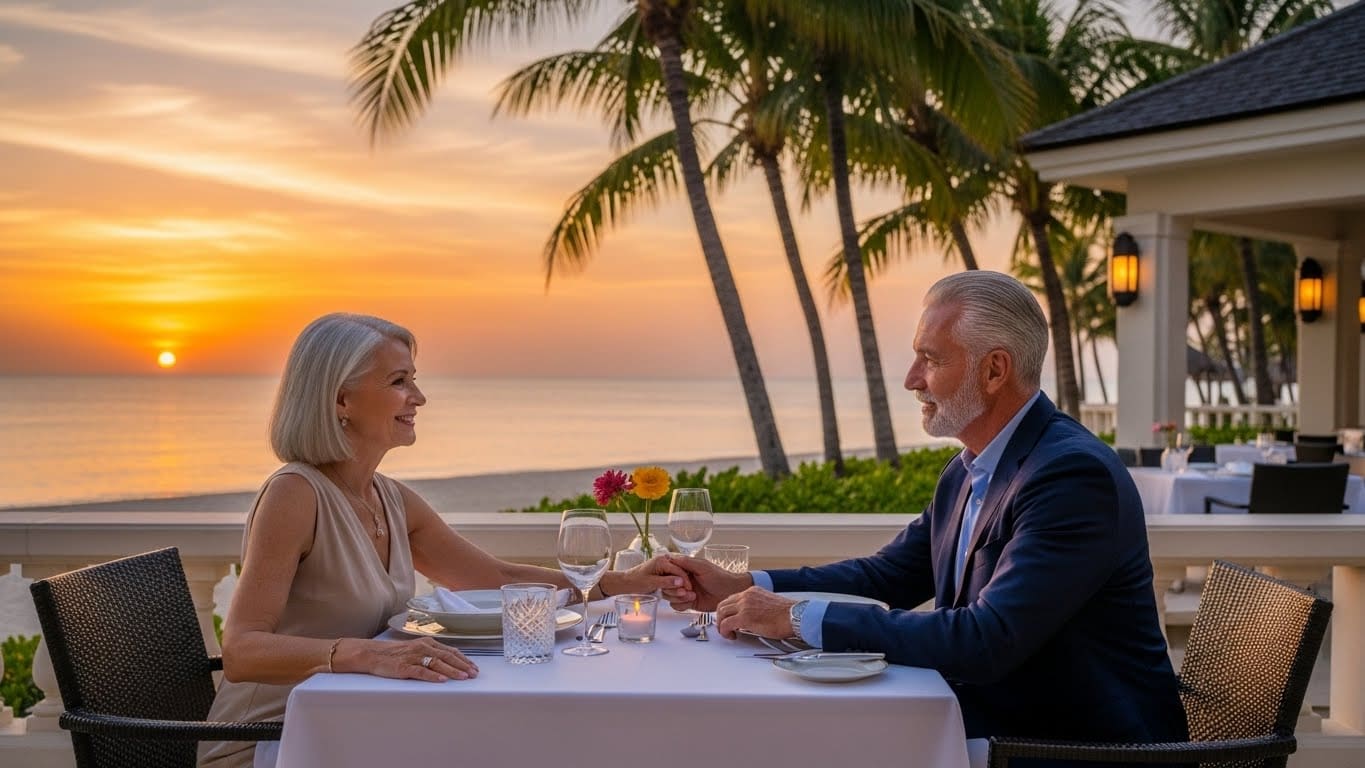
If we want romantic escapes without the extravagant price tag, we don’t need to book the most famous city, the most expensive hotel, or a schedule packed to the minute. What we really need is a getaway that feels personal—something that gives us space to reconnect and create a few moments we’ll talk about for years.
Most couples overspend because they copy what they’ve seen online: the same landmarks, the same restaurants, the same rushed “must‑do” lists. But romance isn’t a checklist. It’s the details we choose on purpose: a sunrise walk, a note left on the pillow, a quiet table away from the noise, or a slow afternoon where we do nothing except be together.
When planning any getaway, it does not have to be far. Between our overseas trips and adventures, we make a point of going away locally for 2 or 3 nights every month. Sometimes, it’s only an hour’s drive, but the point is it does not need to be a long flight away to feel like a real break. It’s easy to get lost in our own world between work, socialising, or whatever phase of life you’re in, but having a long‑term plan—like going away for a couple of days every month—helps to make sure you stay connected and keep choosing each other on purpose.
We don’t always need a big itinerary, either. The reset often comes from the simple change of scenery: waking up somewhere different, going for a walk without rushing, eating a meal we didn’t cook in our own kitchen, and having a proper chat without distractions. Even if it’s just a small coastal town, a country pub, or a cabin in the bush, those 2–3 nights give us space to slow down and remember what matters.
We also find that having it as a regular plan takes the pressure off. We’re not waiting for the “perfect time” or the next big holiday to reconnect. We just lock in a couple of dates, keep the trip simple, and treat it like something we protect—just like any other commitment. Some months we’ll do more exploring, other months it’s all about rest, but either way we come home feeling more like a team.
The biggest lesson is this: a getaway isn’t about distance, it’s about intention. If we can give ourselves even a short break each month, we stay connected, we recharge, and we build a life where our relationship doesn’t get pushed to the bottom of the list.
In this post, we’re going to help you plan the kind of trip that feels like it was made for you—without paying luxury prices.
Pick a destination that feels “us”, not “everyone”
We can start by changing the way we pick the destination. Instead of chasing the usual “romantic” hotspots, we choose a place that matches what we actually enjoy as a couple.
Ask two simple questions
- Do we want calm, or do we want energy? (quiet beaches and nature, or food streets and city walks)
- Do we want views, or do we want experiences? (mountains and lookouts, or markets and classes)
If we love the idea of the Amalfi Coast, we can look at shoulder season instead of peak summer. It can feel just as stunning, with fewer crowds and often lower prices. If we want “Europe vibes” without peak prices, we can also consider smaller towns near popular areas, then do day trips.
If we want something more adventurous, we can pick a location where the scenery does the work. A mountain region, a coastline with walking tracks, or a place with night skies good for stargazing can deliver romance without needing expensive “extras”.
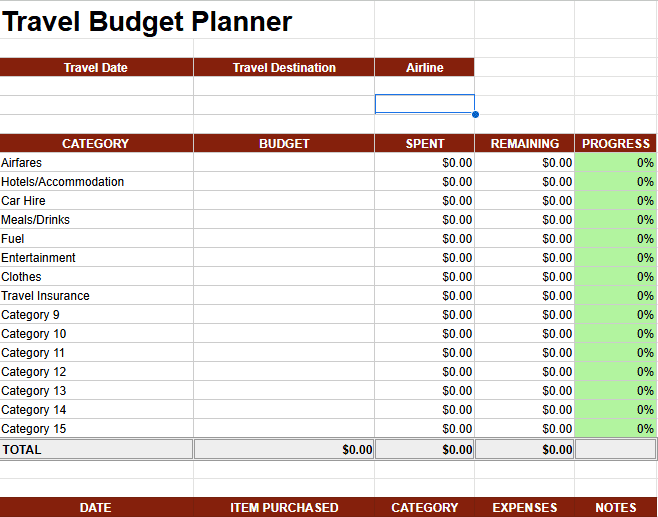
To keep costs realistic, we can also do a quick baseline check on typical daily costs using tools like cost‑of‑living sites to compare food and local transport between places. For flights, we usually start with KAYAK to see which destinations fit our budget and dates.
Stay somewhere with character (not just a room)
Accommodation sets the mood fast. A standard hotel room can be fine, but if we want that “special trip” feeling on a normal budget, we look for stays with personality.
Types of stays that feel romantic without being high-end
- Cabins or cottages (especially with a fireplace or outdoor seating)
- Small boutique hotels (less “corporate”, more cosy)
- Farm stays or vineyard stays (often quieter and scenic)
- Apartments with a balcony (simple, but changes everything)
Resorts are our preferred type of accommodation when they have dining options and useful facilities like fitness centres. But staying in a standard room in a 4‑ or 5‑star resort can be expensive, so what we often do is look for a 3‑star resort and upgrade to a villa or larger room type. It can feel like we’re staying at a 5‑star resort—without the price tag.
Choose the features that matter most
The key is choosing one or two features that matter to us, rather than paying for every upgrade. For example:
- If we’ll be out all day, a huge suite isn’t worth it.
- If we love slow mornings, a balcony, view, or good kitchen setup matters more.
We usually start our search on Booking.com because it’s easy to filter for things like “balcony”, “kitchenette”, “breakfast included”, or “adults only”. That makes it simpler to find places that feel romantic without blowing the budget.
Tip: Accommodation prices can vary hugely depending on travel dates. Before booking, see how we use Booking.com’s calendar tool to find cheaper hotel deals and reduce travel costs:
https://trustytraveltips.com/find-cheaper-hotel-deals-booking-com/
A small message that can make a big difference
One tip that works surprisingly often: we message ahead. We keep it simple—“We’re visiting for a romantic getaway—any chance of a quiet room or a small touch?” Some places can’t do anything, but many can. Even a nicer view, a handwritten note, or a later checkout can change the whole feel of the trip.
Plan the right mix: one or two highlights, plenty of space
This is where we usually make or break the trip. If we pack every hour with activities, we get tired and snappy. If we plan nothing, we can drift and feel like we missed out. The sweet spot is balance.
A simple structure that works
- One planned “anchor” activity per day (or one every second day)
- A slow block of time (no bookings, no pressure)
- One shared ritual (a daily walk, sunset drink, morning coffee run)
Anchor activities that feel romantic (but don’t cost a fortune)
- A sunrise or sunset hike
- A scenic drive with a few stops
- A local cooking class (often cheaper than we expect)
- A picnic with food from a market
- A short boat ride (not necessarily private)
When we leave space for spontaneity, the best moments show up. We might wander into a tiny gallery, stop at a food stall we didn’t plan, or find a quiet lookout that becomes “our spot”. If we want something organised but still affordable, we usually browse local tours on GetYourGuide—walking tours, wine tastings, or short cruises can all feel special without being over the top.
For itinerary building and timing, we use tools like Rome2Rio or Google Maps to sanity‑check transport options and how long things actually take. It saves us from planning days that look good on paper but feel stressful in real life.
Romantic food moments that don’t cost a lot
Food is one of the easiest ways to make a trip feel romantic, and it doesn’t have to be fine dining with a white tablecloth and a huge bill.
Simple food ideas that feel special
- Market lunch: buy local bread, fruit, cheese, and sit somewhere scenic.
- Street food “taste tour”: share small dishes and rate them together.
- Cafe breakfast ritual: same place each morning, no phones, just a chat.
- Sunset snacks: bring a drink and a few bites to a lookout or beach.
If we want one “nice” meal
We choose it on purpose:
- Go for lunch instead of dinner (often cheaper, with the same views).
- Eat slightly away from the main tourist strip.
- Book early so we’re not stuck with overpriced last‑minute choices.
The point isn’t the price. It’s the feeling: sitting close, sharing plates, and actually talking.
Small surprises that land well
Big gestures are overrated. The surprises that stick are usually small, specific, and thoughtful.
Low‑cost ideas that mean a lot
- A handwritten note in the suitcase or on the pillow
- A simple playlist for the drive or flight
- A printed photo from a past trip (easy, personal, not expensive)
- Their favourite snacks for the journey
- A “three things I love about us” card (sounds corny, works every time)
Stepping it up a little (without going overboard)
- Book a short photo session (even 30 minutes is enough).
- Organise flowers through the stay (local florists are often cheaper than hotel packages).
These touches show effort, and effort is what people remember long after the trip.
How we keep it affordable (without feeling “budget”)
We can cut costs without cutting the romance by focusing on timing and choices. That’s how we get romantic escapes without the extravagant price tag, rather than another “cheap weekend away” that feels forgettable.
1) Travel off‑peak or shoulder season
Flights and accommodation can drop a lot. We also get quieter beaches, calmer restaurants, and more space—honestly, more romantic. We often start with flexible date searches on KAYAK to spot cheaper days to fly.
2) Use points or rewards wisely
If we have rewards points, we use them for upgrades that actually improve the trip: better flight times, one night in a nicer stay, or airport lounge access if we value comfort.
3) Choose free romance
Some of the best moments cost nothing:
- Hiking and nature walks
- Stargazing
- Beach walks or park strolls
- Sunset lookouts
- Cooking together in a cosy apartment
4) Spend on one thing, save on the rest
We pick one “hero” spend—like a special stay for one night, or one memorable activity—and keep everything else simple. That way the trip feels intentional, not “cheap”.
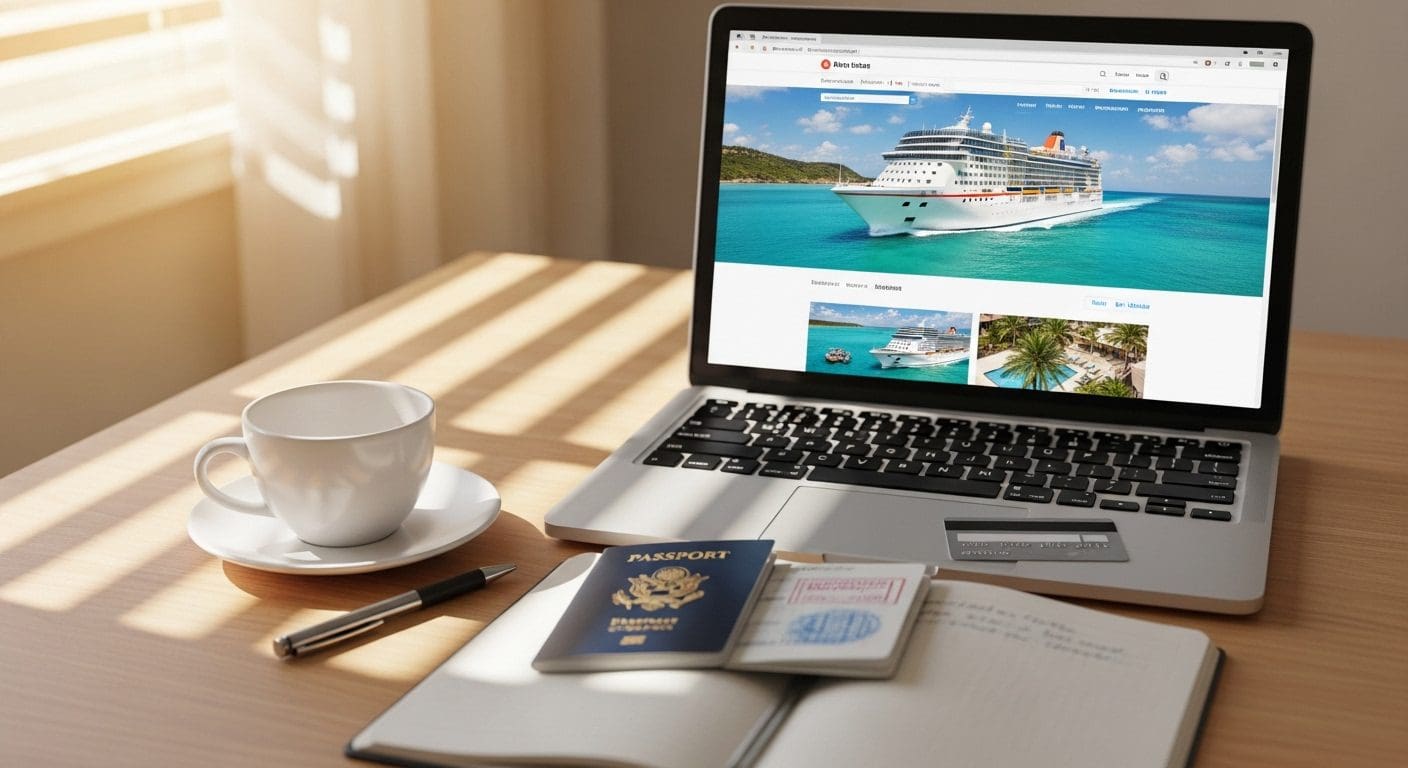
If you like the idea of combining a good deal with a special experience, our guide to the best river cruises for couples and our cruise deals tips can give you more inspiration.
When plans go wrong (and why that’s still a win)
Even the best plan will have a wobble. Flights delay. Rain turns up. A restaurant closes early. If we go in expecting perfection, we’ll be frustrated. If we go in expecting a story, we’ll be fine.
Some of our favourite memories come from the “stuff‑ups”:
- Getting caught in a sudden downpour and ducking into a tiny cafe
- Missing a turn and finding a quiet viewpoint we’d never have seen
- Changing plans and discovering a local market instead
When we travel with the goal of connection, not control, it’s hard to lose. The destination, hotel, and budget all matter—but the biggest factor is how we show up for each other.
With a bit of planning, a few smart tools (like Booking.com for stays and GetYourGuide for experiences), and a focus on simple moments, you can enjoy truly romantic escapes without the extravagant price tag—again and again.
Watch Our Video On Romantic Escapes