Thailand is one of the easiest countries to love—and one of the easiest to accidentally offend. A raised voice, the wrong gesture, or shorts in the wrong place can quickly turn a warm interaction awkward.
That’s where good Thailand travel etiquette comes in. A few simple habits will help you avoid social blunders, show genuine respect, and feel far more relaxed as you move between temples, markets, taxis, and beach bars.
In this guide to Thailand travel etiquette, we’ll walk through the key customs, temple rules, greetings, and everyday behaviours that help you explore with respect, avoid misunderstandings, and connect more deeply with Thai culture.
Plan Thailand with Confidence (and Keep Costs Under Control)
Before we dive into etiquette, a few tools can make your Thailand trip smoother and less stressful:
- Flights: Compare airlines and budgets with KAYAK to find good value into Bangkok, Phuket, or Chiang Mai.
- Hotels: Check reviews and flexible rates on Booking.com for everything from simple guesthouses to riverside hotels.
- Tours & activities: Join local-led temple walks, food tours, and day trips via GetYourGuide, Klook, or Tiqets.
- Travel insurance: Compare flexible policies (including medical cover) with VisitorsCoverage.
- Money & fees: Use a low‑fee card like the Wise Travel Card to avoid surprise charges at ATMs and in shops.
- eSIM & data: Arrive connected with an Airalo eSIM, then use maps, Grab taxis, and translation apps from day one.
- Online safety: Protect your logins and banking on public Wi‑Fi with a VPN such as Surfshark.
With the logistics handled, it’s much easier to focus on enjoying Thailand—and getting the etiquette right.
Understanding Thai Culture: Why Etiquette Matters
Thai society places a strong emphasis on harmony, respect, and consideration for others. Many behaviours that might seem normal in your home country can be considered rude or disruptive in Thailand.
By learning basic etiquette, you will:
- Avoid unintentionally offending locals.
- Enjoy smoother, friendlier interactions.
- Gain more in-depth insight into Thai culture and values.
Think of etiquette not as a list of “don’ts”, but as a toolkit for meaningful, positive connections during your travels.
Saving Face and the Art of Staying Calm
One of the most important concepts in Thai culture is “saving face”. This is about protecting your own dignity and that of others by avoiding embarrassment, confrontation, or public conflict.
In practice, this means:
- Avoid raising your voice, shouting, or showing anger in public.
- Don’t criticise or blame people in front of others.
- Handle problems calmly, politely, and quietly.
If you’re frustrated—maybe a booking is wrong or a taxi overcharges—take a breath, speak softly, and stay composed. Thais deeply value politeness and will often go out of their way to help if you remain calm and respectful.
Sanuk: Embracing the Joyful Thai Way of Life
Another key idea is sanuk, which is about finding fun and enjoyment in everyday life. Thais often approach situations with light-heartedness and humour—even when dealing with routine tasks.
As a visitor, you can honour this by:
- Smiling often.
- Being open to new experiences.
- Not taking yourself too seriously.
- Laughing off small mistakes or misunderstandings.
When you adopt this relaxed, positive attitude, you’ll find it much easier to connect with locals and enjoy the rhythm of life in Thailand.
Respect and Hierarchy: Greetings, Wai, and Social Order
Thai society is quite hierarchical, with strong respect for elders and people in positions of authority.
A few key points:
- When meeting someone, the traditional greeting is the wai: press your palms together in a prayer-like gesture and slightly bow your head.
- The higher your hands are when performing the wai, the more respect you show.
- Generally, you wai older people, seniors, or those of higher status first.
Children and service staff are not always expected to wai you, so don’t be surprised if they don’t initiate it. If you’re unsure, a friendly nod or smile is always appreciated and never out of place.
Dining Etiquette: How to Eat Like a Local
Eating in Thailand is a cultural experience in itself, and there are a few customs worth knowing:
- Feet: It’s considered rude to point your feet at people, religious objects, or even at food. Be mindful of how you sit, especially on the floor.
- Utensils: Thais typically use a spoon and fork. The spoon is the main utensil; the fork is used to push food onto the spoon.
- Chopsticks: Usually reserved for noodle dishes and some street food.
- Starting the meal: If you’re dining with others, wait for the eldest person to start eating before you begin.
- Finishing your plate: Leaving a small amount of food can signal that you are satisfied and that the host has provided enough.
This doesn’t have to be stressful—simply observe what others do and follow their lead.
If you’d like to go deeper into Thai food culture, consider joining a guided food tour or cooking class through GetYourGuide or Klook. It’s a fun way to learn both flavours and etiquette at the same time.
Temples, Religion, and Proper Dress
Buddhism is deeply woven into Thai life, and temples (wats) are among the most beautiful places you’ll visit. They’re also sacred, so it’s crucial to behave respectfully.
When visiting temples:
- Dress modestly: cover shoulders and knees.
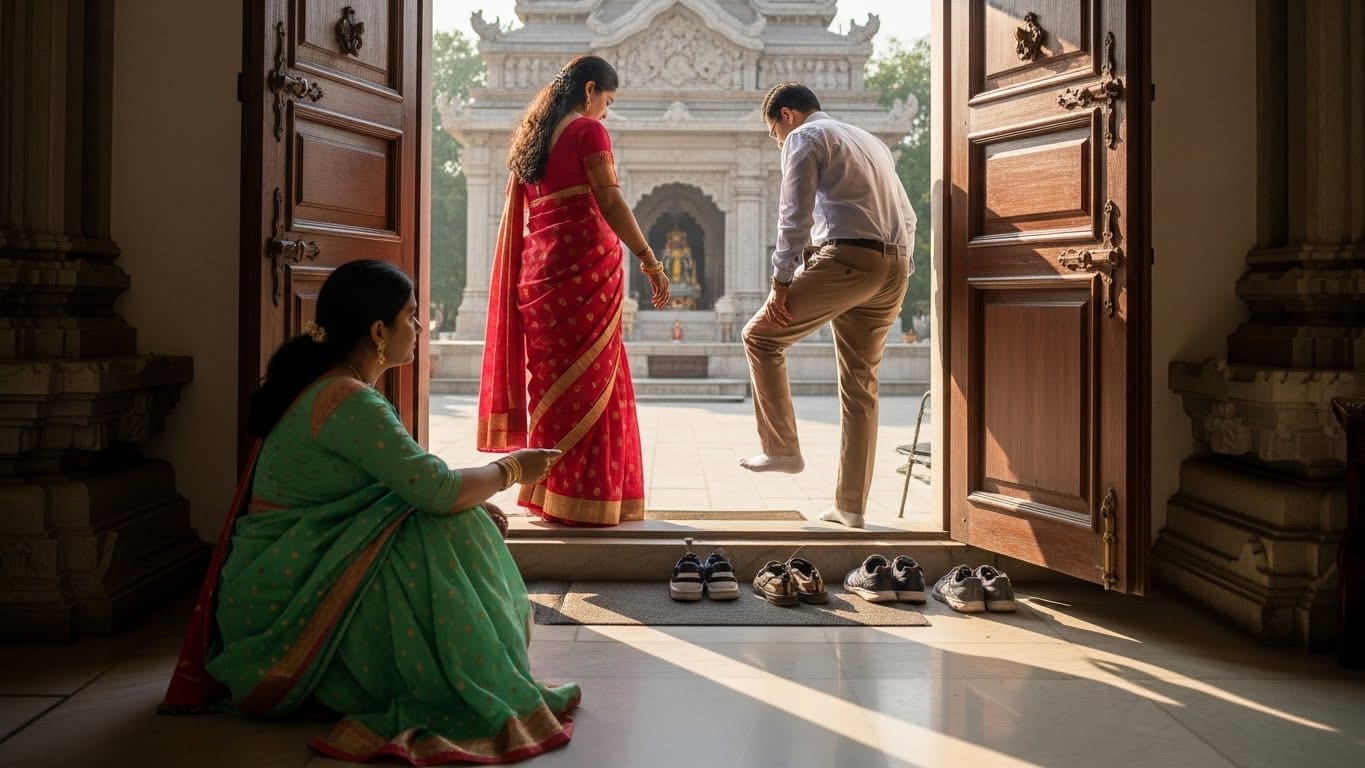
- Remove your shoes before entering temple buildings.
- Speak quietly and move calmly.
- Never touch or point your feet at Buddha statues.
- Avoid posing for playful or disrespectful photos near religious images.
Monks are highly respected. Specific rules apply:
- Women should not touch monks or hand things directly to them. Instead, place the item on a cloth or tray.
- Give monks priority seating on public transport and in waiting areas.
For more details on temple etiquette and cultural information, you can also explore the official Tourism Authority of Thailand site:
https://www.tourismthailand.org
Communication, Smiles, and Body Language
While English is commonly spoken in major tourist areas, learning a few Thai phrases is a powerful sign of respect.
Useful basics include:
- “Sawasdee” – Hello
- “Khob khun” – Thank you
Thai is a tonal language, so your pronunciation might not be perfect, but the effort is nearly always appreciated.
Non-verbal communication is just as important:
- Smiling is central to Thai culture. It can signal friendliness, apology, or even mild discomfort.
- Avoid pointing at people or objects with your index finger; use your whole hand instead.
- Never touch someone’s head, even playfully. The head is considered the most sacred part of the body.
Having mobile data makes it much easier to use translation apps respectfully (for menus, directions and simple phrases). We find an Airalo eSIM handy so we can stay online without worrying about roaming fees.
Royal Family Respect and Public Behaviour
The Thai royal family is highly revered, and disrespecting them is not only offensive but also illegal.
Keep in mind:
- Do not criticise or joke about the monarchy—ever, in any context.
- You’ll see images of the king and royal family in public spaces and businesses.
- When the national anthem is played (for example, before a movie in the cinema), stand respectfully.
This is an important part of local life, and observing these norms is essential for all visitors.
Street Food, Markets, and Everyday Courtesy
Thailand’s street food is legendary, and markets are some of the best places to experience everyday culture.
Basic etiquette:
- Greet vendors with a smile and a simple “Sawasdee” before ordering.
- If you’re unsure how to eat a dish, politely ask—most vendors are happy to show you.
- Hand money directly to the vendor rather than dropping it on the counter.
- After eating, a quick “Khob khun” is a thoughtful way to say thanks.
If you’d like some structure for your first night, a guided market or street‑food tour booked through GetYourGuide, Klook, or Tiqets can be a relaxed way to learn what to order and how to eat it like a local.
For destination inspiration and food guides, you might also find sites like Lonely Planet’s Thailand section helpful:
https://www.lonelyplanet.com/thailand
Transport, Shoes-Off Culture, and Social Awareness
Getting around Thailand is generally easy and affordable, but a few etiquette tips will help:
- Tuk-tuks and taxis: Agree on the fare before you start your journey if there is no meter, or ask the driver to use the meter where that’s standard.
- Public transport: Offer your seat to elderly passengers, monks, pregnant women, or people with disabilities.
- Shoes off: It’s common to remove shoes before entering homes, temples, some shops, and guesthouses. Look for other shoes by the door as a clue.
- Footwear choice: Wear slip-on footwear if possible—you’ll be taking your shoes on and off frequently.
You may also notice that people often avoid very direct eye contact with elders or superiors. This isn’t rudeness; it’s a way of showing humility and respect.
Tipping, Gifts, and Final Travel Tips
Tipping:
Tipping isn’t as ingrained in Thai culture as in some Western countries, but it is increasingly appreciated in tourist areas.
- Restaurants and hotels: Around 10% for excellent service is a nice gesture.
- Taxis and massages: Rounding up the bill or leaving a small extra amount is appreciated, but not required.
Gift-giving:
If you’re invited to a Thai home:
- Bring a small gift like fruit, sweets, or flowers.
- Avoid gifts associated with funerals, such as marigolds or plain white flowers.
- Present the gift with both hands.
- Don’t be offended if they don’t open it in front of you—this is about not putting you on the spot, not about ingratitude.
It’s also wise to have travel insurance in place before you arrive. Even in a friendly, welcoming country like Thailand, lost bags, delays, or medical issues can and do happen—and having cover in place keeps small problems from turning into major stresses.
By staying mindful, respectful, and open-hearted—and by following this simple Thailand travel etiquette—you’ll find that Thailand truly lives up to its reputation as the “Land of Smiles”.
Watch Our Video On Thai Customs You NEED to Know Before Visiting