Thailand is one of the easiest countries in Asia to visit, yet many first-time visitors still arrive unsure about how things actually work once they land. Questions about money, transport, seasons, safety and local customs often surface only after arrival, when simple misunderstandings can become small frustrations.
After travelling throughout Thailand many times — from Bangkok’s busy streets to quieter islands and provincial towns — we’ve found that knowing a few practical details beforehand makes the entire journey smoother. These Thailand travel tips are based on real experiences and are designed to help you avoid common travel headaches while making the most of your time in the country.
Whether this is your first visit or you’re returning to explore more, understanding how Thailand works on the ground helps you travel comfortably and confidently.
Arrival in Thailand and First Steps
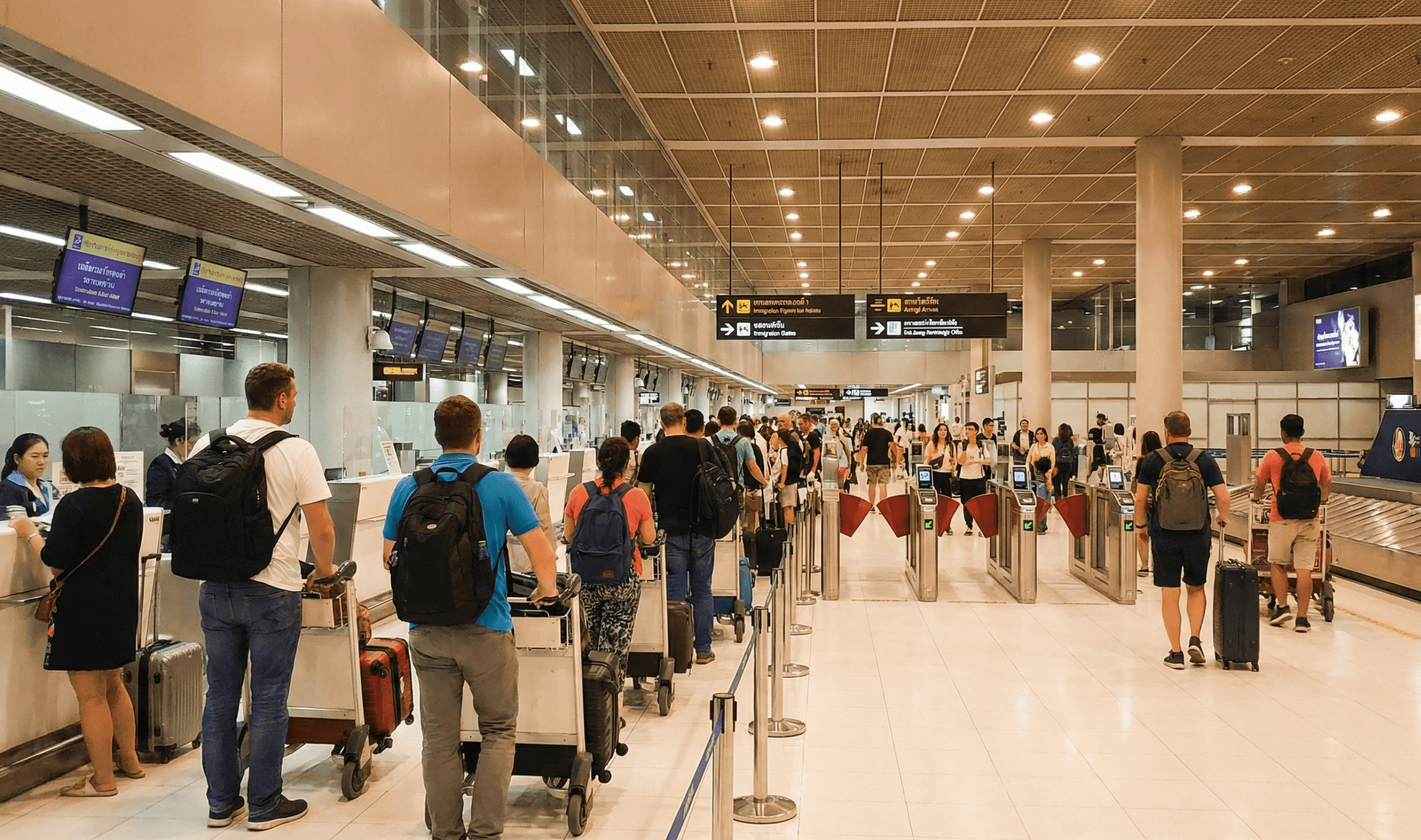
Most international travellers arrive through Bangkok, either at Suvarnabhumi Airport (BKK) or Don Mueang Airport (DMK). Immigration procedures are generally straightforward, but queues can be long at busy arrival times.
One recent change travellers must be aware of is that all visitors entering Thailand are now required to complete a digital arrival card online before arrival. The process is simple, but it must be done before reaching immigration. Once completed, you receive a QR code which immigration officers will ask to see before allowing entry. Attempting to complete the form after arrival can cause delays, so it is best done before your flight.
Entry procedures and arrival requirements can change from time to time, so it’s worth checking updates on the official Thailand Immigration Bureau website before travelling.
Once through immigration and customs, transport into Bangkok is easy. The Airport Rail Link connects Suvarnabhumi Airport to central Bangkok quickly and cheaply, while taxis remain affordable compared to most Western cities. If taking a taxi, always insist on using the meter rather than agreeing to a fixed price, as metered fares are usually cheaper.
Bangkok can feel overwhelming at first, but most visitors adjust quickly once they learn how transport and neighbourhoods work.
Money Matters in Thailand
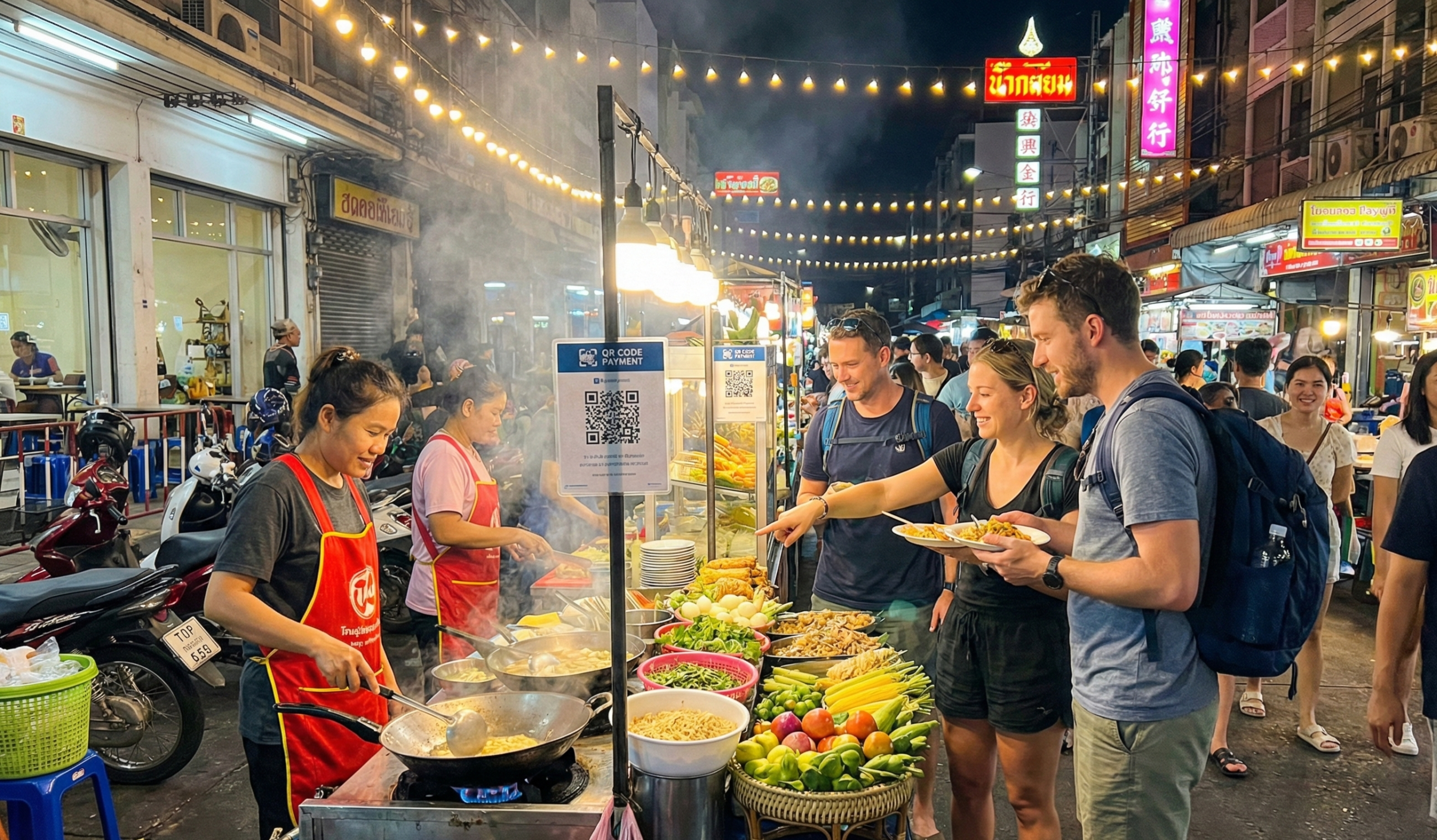
Thailand remains very affordable compared with Europe, North America and Australia, but knowing how payments work locally helps avoid inconvenience.
Cash is still essential in Thailand, particularly outside major shopping centres and hotels. Street vendors, local markets, ferries and smaller businesses usually accept cash only, so carrying Thai baht is necessary.
Visitors will quickly notice that many street vendors display QR payment codes. These systems work through Thai banking apps and are designed for locals with Thai bank accounts. For foreign visitors without Thai bank accounts, these payment methods are usually not available, making cash the easiest option.
Some shops and restaurants accept credit cards, but outside large malls and hotels the process can be slow and unreliable. Machines may struggle to connect or staff may not be familiar with processing foreign cards, so cash remains the simplest solution.
ATMs are widely available, though they charge a fixed withdrawal fee per transaction regardless of amount. Withdrawing larger amounts less often helps reduce fees.
We ditched our traditional bank travel and credit cards several years ago and have been using a Wise Travel Card ever since. In our experience, exchange rates are consistently better, fees are lower, and you still get a couple of free ATM withdrawals each month, which makes managing money overseas much easier.
Using international banking services or travel cards that offer lower foreign exchange fees can also help reduce overall travel costs.
Best Time to Visit Thailand
Thailand can be visited year-round, but different seasons affect comfort and travel costs.
November through March generally provides the most comfortable weather, with lower humidity and less rain. This is also peak tourist season, meaning higher accommodation prices and busier attractions.
April is extremely hot across much of the country, making city sightseeing tiring, although coastal destinations offer some relief.
If your schedule is flexible, May can be one of the best months to visit. It marks the official beginning of the wet season, and many hotels and resorts dramatically reduce prices from the first of May onward. Discounts of 50 percent or more are common for the same accommodation that commands peak prices between November and March. Rainfall increases but is often brief rather than constant, making it a good value period for travellers comfortable with occasional showers.
June through October sees more frequent rain, though storms are usually short and intense rather than all-day events. Some regions, particularly Gulf islands such as Koh Samui, experience different weather patterns and remain attractive options during parts of this period.
Travelling in shoulder seasons often delivers the best balance between price, comfort and crowd levels.
Getting Around Thailand

Thailand is larger than many visitors expect, and journeys between regions can take longer than maps suggest.
Domestic flights are often the smartest option for long distances. Bangkok connects to nearly every major tourist destination, and flight prices remain affordable when booked in advance.
Train travel offers scenic experiences, especially sleeper routes between Bangkok and Chiang Mai or southern ferry ports, though services can be slow and occasionally delayed.
Buses reach nearly every destination but vary in comfort and journey length. VIP buses provide more space, though flying still saves considerable time.
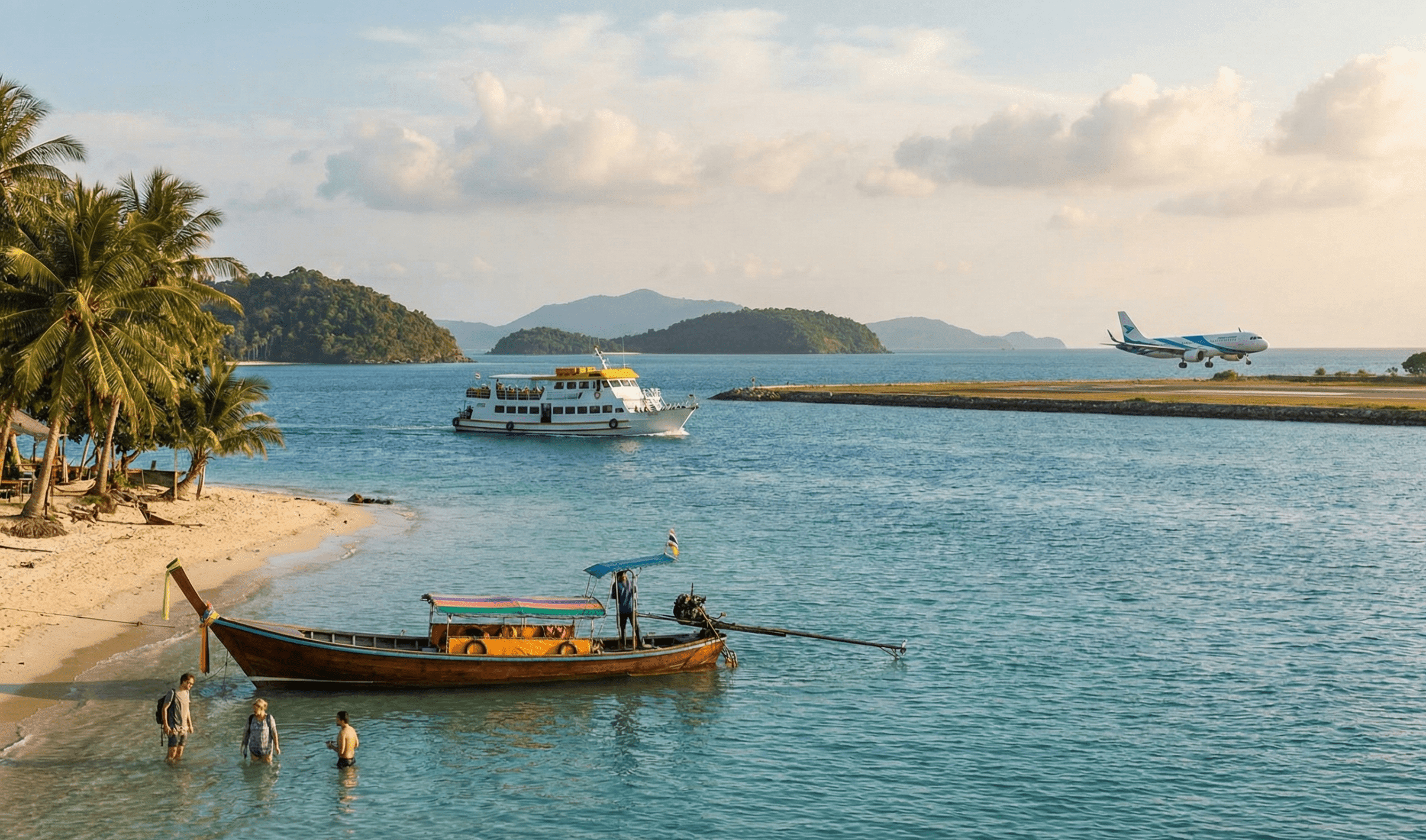
Island travel depends on ferries and speedboats, so always factor travel time and weather conditions into plans.
If you’d like a detailed breakdown of transport options across the country, our guide to getting around Thailand explains flights, ferries, trains and local travel in more detail.
Choosing Accommodation Wisely
Thailand offers accommodation for every budget, from simple guesthouses to international luxury resorts.
For shorter stays, hotels offering breakfast make mornings easier, particularly in busy cities. Longer stays often benefit from serviced apartments or self-contained accommodation, allowing travellers to cook occasionally and settle into island life more comfortably.
Location matters more than hotel rating. Staying near public transport in cities saves time, while choosing accommodation close to beaches or restaurants on islands reduces daily travel effort.
If you’re still deciding where to stay, we share our experiences across apartments, resorts and longer stays in our detailed guide to finding accommodation in Thailand, which may help narrow down what suits your travel style.
Tip: Accommodation prices can vary hugely depending on travel dates. Before booking, see how we use Booking.com’s calendar tool to find cheaper hotel deals and reduce travel costs:
https://trustytraveltips.com/find-cheaper-hotel-deals-booking-com/
Eating and Drinking in Thailand
Food is one of Thailand’s great pleasures. Street food is generally safe when freshly prepared, and eating where locals gather is usually a good sign.
Spice levels vary widely, so asking for milder food helps if you are not accustomed to Thai heat levels. Western food options are widely available in tourist areas for travellers who prefer familiar meals.
Cultural Etiquette and Local Behaviour
Thailand values politeness and respect. Visitors who behave courteously are welcomed warmly.
Dress modestly when visiting temples, covering shoulders and knees. Shoes must be removed before entering temples and sometimes private homes.
The Thai royal family is deeply respected, and criticism is taken seriously under law, so avoid negative comments or jokes.
A traditional greeting known as the wai, pressing palms together with a slight bow, is appreciated but not expected from visitors. Smiling and calm behaviour go a long way in Thailand.
If you’d like a more in-depth look at local customs and behaviour to help avoid accidental cultural mistakes, our guide to Thailand travel etiquette explains what visitors should know before arriving.
Health and Safety Considerations
Thailand is generally safe, though petty theft can occur in crowded tourist areas. Keeping valuables secure and using common sense avoids most problems.
Travel insurance is highly recommended, especially for medical coverage and evacuation. Private hospitals provide excellent care, but treatment without insurance can become expensive.
Heat exhaustion causes more issues than crime. Drink water regularly and take breaks during hot days.
Motorbike accidents are one of the most common causes of injuries involving tourists. Renting bikes is popular, but road behaviour differs from many countries, so caution is essential.
We usually compare travel insurance options through VisitorsCoverage before travelling, as it makes it easy to compare policies that include medical treatment and evacuation coverage while overseas.
Getting Around Cities
Bangkok’s BTS Skytrain and MRT subway help avoid traffic congestion and are easy for visitors to use. River ferries also provide practical and scenic transport.
Ride-hailing apps such as Grab are convenient, and taxis remain inexpensive when using meters. Tuk-tuks are fun to try once, but usually cost more than taxis.
For a more indepth
Island Travel Advice

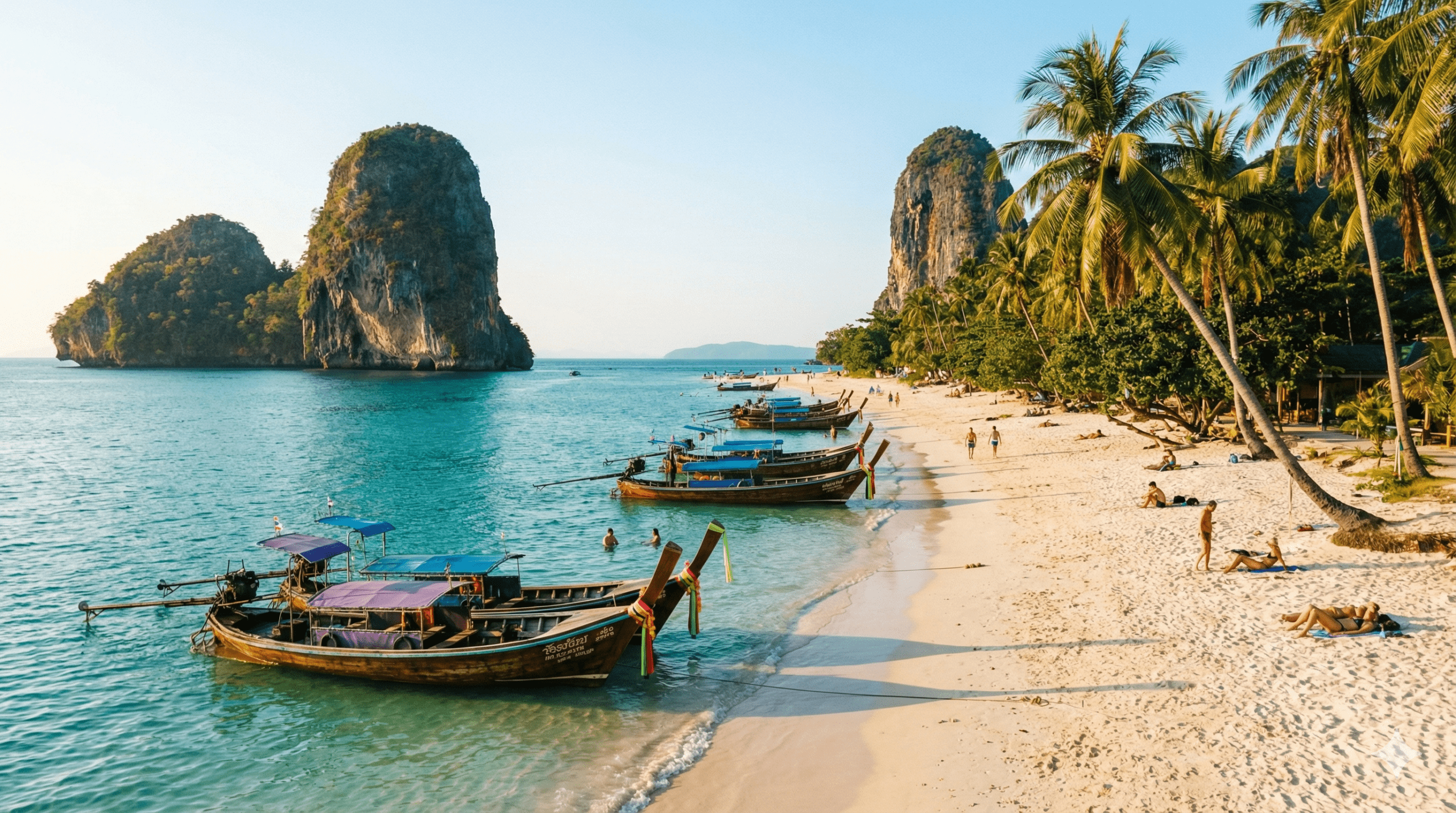
Thailand’s islands vary widely in atmosphere. Some focus on nightlife, others on relaxation or diving. Ferry schedules may change due to weather, so allow flexibility.
Accommodation can sell out quickly during peak periods or major events such as Koh Phangan’s Full Moon Party, so booking ahead helps avoid disappointment.
Staying Connected
SIM cards and eSIM plans are cheap and easy to purchase at airports or convenience stores. Mobile data makes navigation, bookings and communication easier throughout the trip.
Wi-Fi is common in hotels and cafés, but mobile data provides more reliable coverage when travelling between destinations.
We now usually install an Airalo eSIM before flying so mobile data works as soon as we land, saving time searching for SIM cards at the airport.
Packing Smart
Thailand’s climate means lightweight clothing works best. Laundry services are cheap and available almost everywhere, allowing travellers to pack less.
Bring sunscreen, insect repellent, comfortable shoes and modest clothing for temple visits.
Slow Down and Enjoy the Journey
Many travellers try to visit too many places in too little time. Thailand rewards slower travel, allowing visitors to enjoy beaches, food and culture rather than rushing constantly between locations.
Combining cities with island time usually creates the most balanced itinerary.
Final Thoughts on Thailand Travel Tips
Thailand continues to be one of the most welcoming and rewarding destinations in Southeast Asia. Infrastructure is good, locals are friendly, and travel becomes straightforward once you understand how things work locally.
A little preparation regarding money, transport and expectations goes a long way. With flexible planning and realistic expectations, Thailand quickly becomes a destination travellers want to revisit again and again.
Once you understand the basics, travel becomes less about logistics and more about enjoying the incredible variety the country offers.