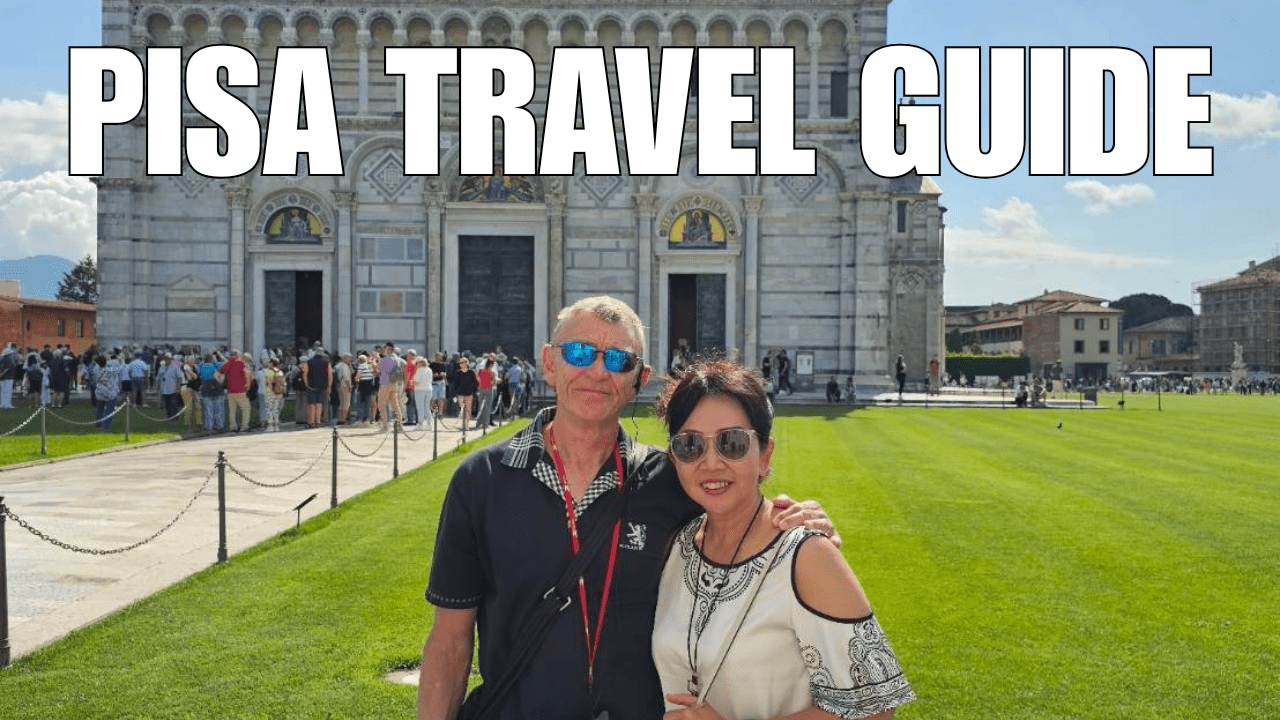
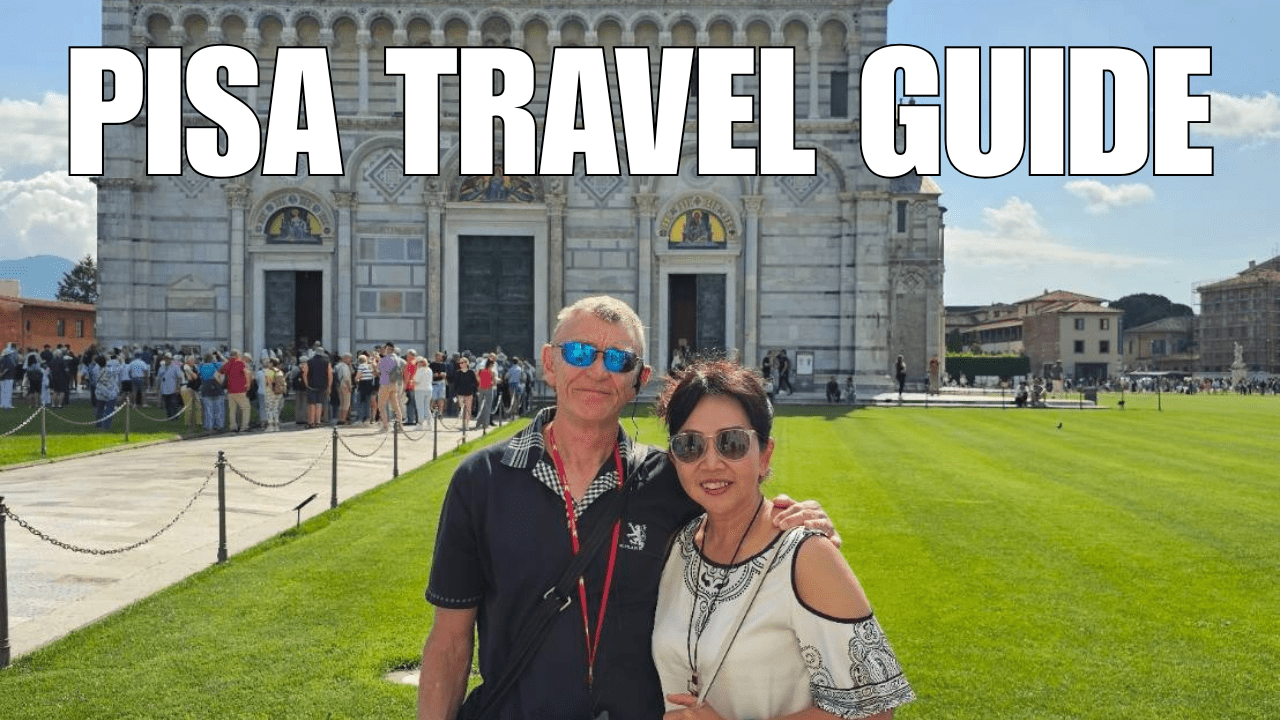
Our visit to Pisa was part of our Viking Mediterranean Odyssey cruise in May 2025. Like most visitors, we came mainly for the photo. We all know what Pisa is famous for, and if you’re visiting to get your own selfie holding or pushing the Leaning Tower, you certainly won’t be alone.
But once we arrived, we realised there’s a little more to Pisa than just the classic shot.
This Pisa Travel Guide is written specifically for cruise passengers docking in Livorno who want to use their four to six hours wisely — seeing the highlights without stress, understanding what’s worth your time, and knowing how to return to the ship comfortably.
If you’re planning a wider trip through Italy, you may also find our full Italy travel guide helpful, where we break down transport, budgeting and regional planning in more detail.
Getting from Livorno Cruise Port to Pisa
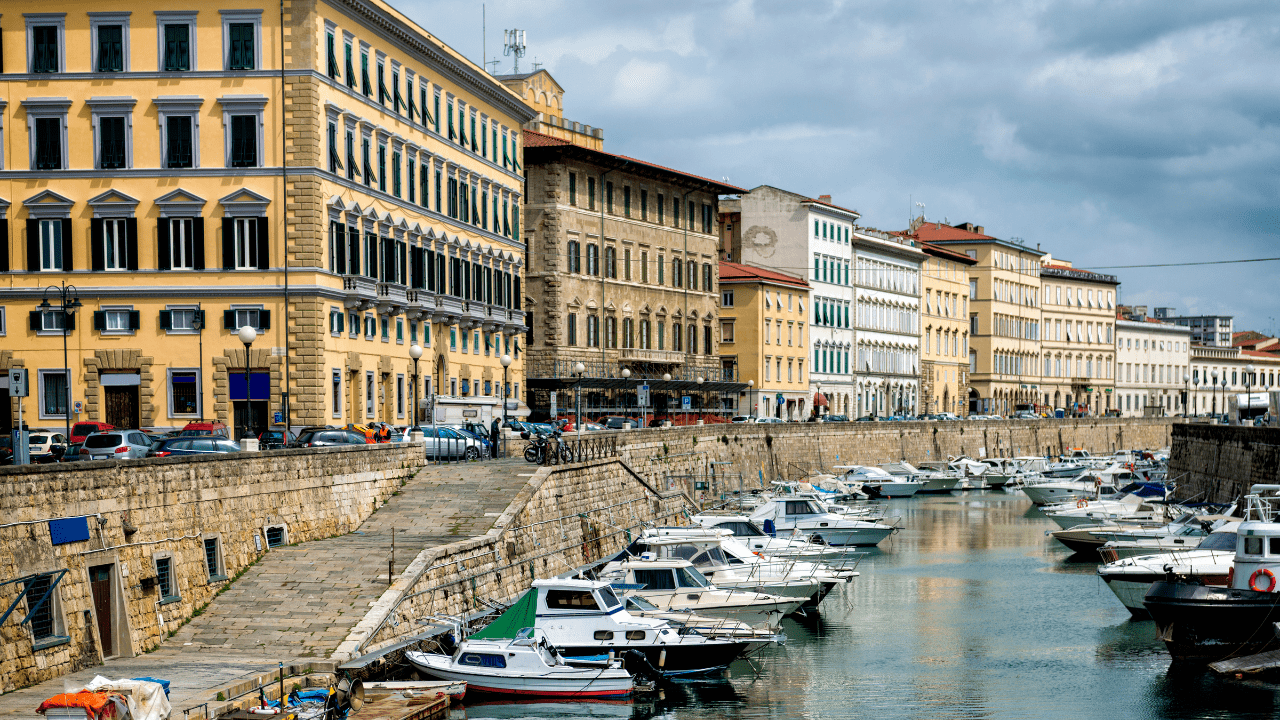
Pisa is located inland, about 30 to 45 minutes from Livorno depending on traffic. Most cruise lines offer organised shore excursions, which remove the worry of missing departure time. That reassurance can be especially valuable for mature travellers.
Independent travellers can take a taxi to Livorno Centrale and then a regional train to Pisa Centrale. It’s straightforward, but we always recommend building in generous buffer time. Cruise ships will not wait for independent passengers.
We chose the organised transfer for peace of mind. For us, avoiding time pressure made the day far more enjoyable.
If you’re interested in the broader cruise experience itself, we’ve shared more detail about our itinerary in our review of the Viking Mediterranean Odyssey cruise.
Is Pisa Worth Visiting on a Cruise Stop?
If we’re being honest, Pisa is not a city that demands several days of exploration. That’s actually what makes it well suited to a cruise itinerary.
The historic centre is compact and easy to navigate. You can see the main highlights comfortably within four to six hours, which fits neatly into most Livorno port schedules without feeling rushed.
For many cruise passengers, the Leaning Tower is the main reason for visiting, and understandably so. It’s the moment everyone is waiting for. But once the photos are taken, you’ll still have time to wander beyond the square, enjoy a relaxed coffee or lunch, and experience a quieter side of the city.
We found that using those extra hours to stroll through the surrounding streets and along the river turned the visit into something more than just a photo opportunity.
The difference isn’t in how much you see — it’s in how you pace it.
The Leaning Tower and Cathedral Complex
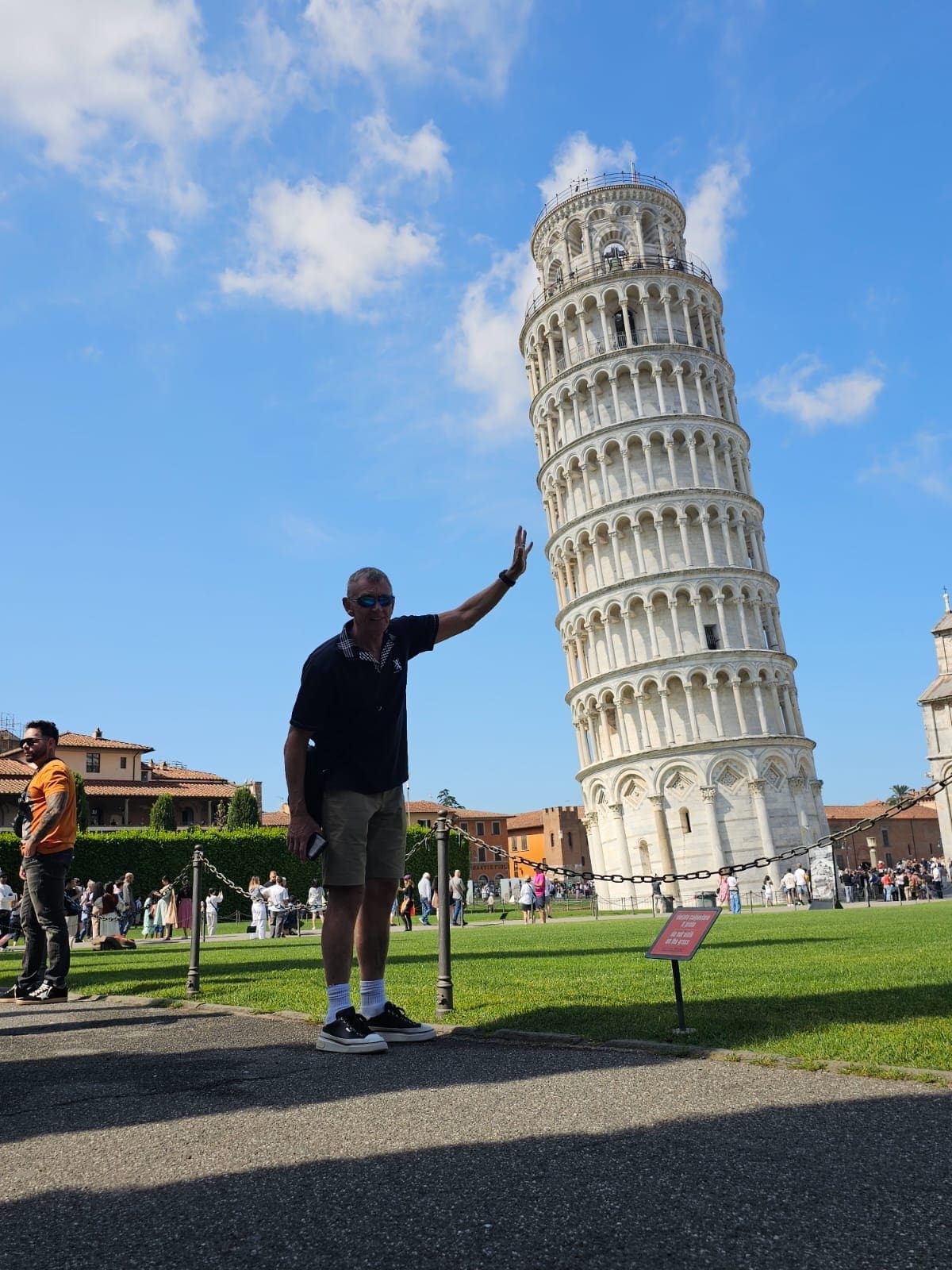
Yes, it’s crowded. Yes, everyone is taking the same photo. And yes, it’s still worth seeing.
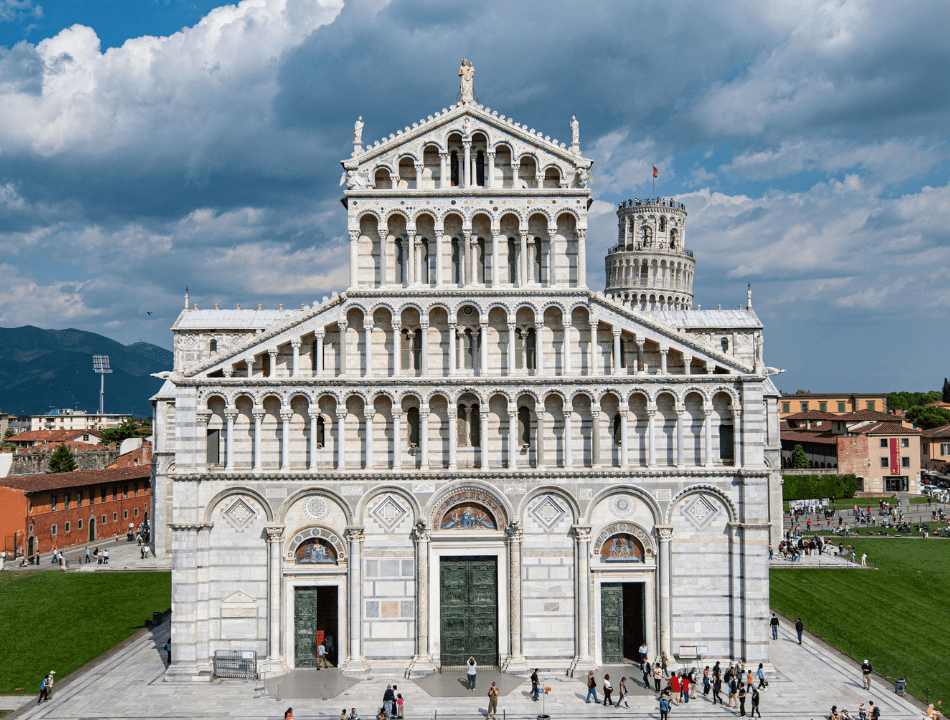
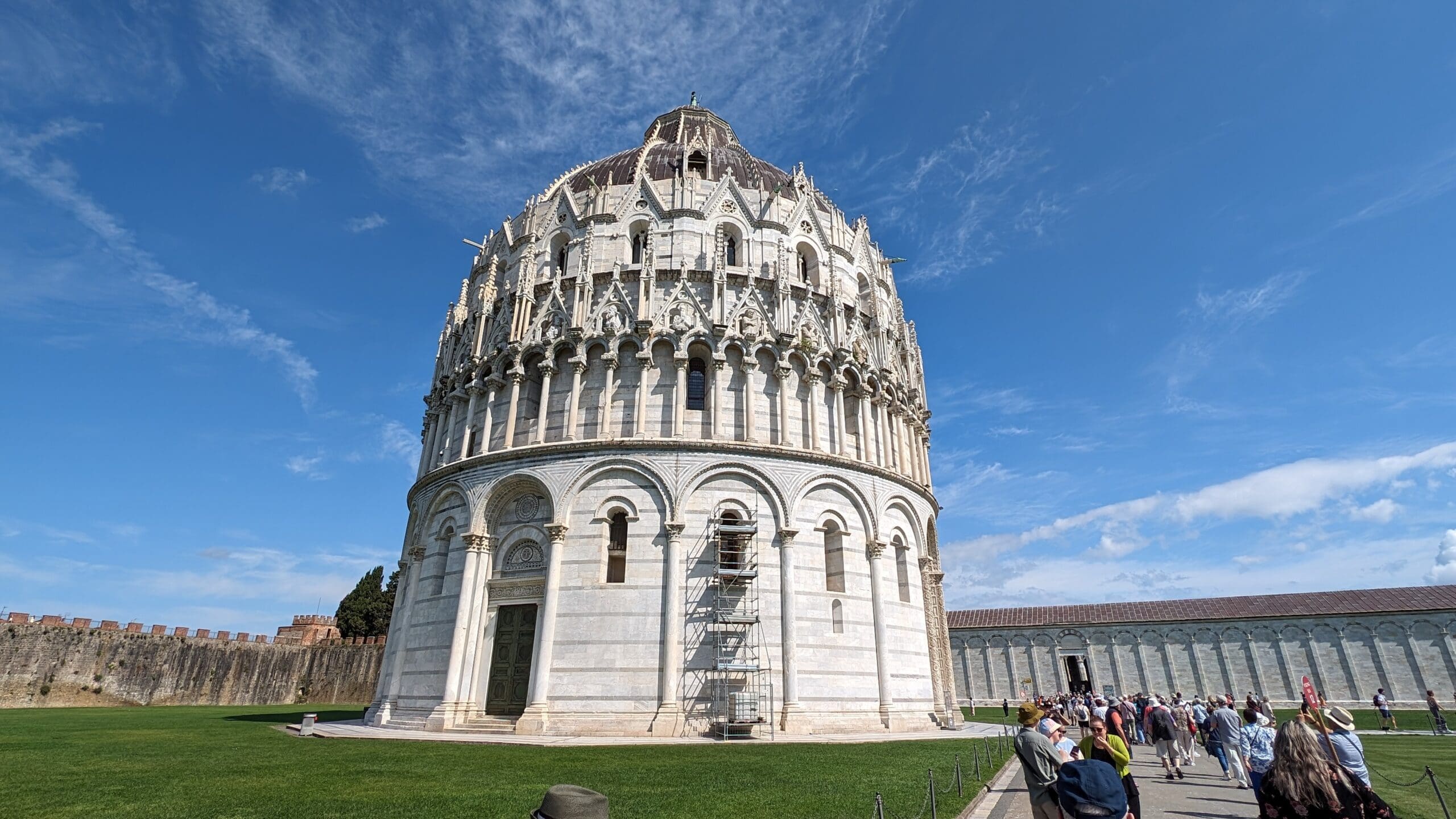
The Piazza dei Miracoli is where most visitors begin. The Leaning Tower dominates the square, but the Cathedral and Baptistery are equally impressive.
If you plan to climb the tower, timed tickets are essential, particularly on cruise-heavy days. Visitor numbers are capped, and time slots fill quickly. If you prefer to arrange this in advance, comparing options on GetYourGuide can help you secure a timed entry before you arrive, especially during peak season.
The climb itself is manageable, though the tilt creates an unusual sensation underfoot. Comfortable walking shoes are advisable.
Even if you don’t climb, take time to walk around the square and step inside the Cathedral. The marble façade and interior details deserve more than a passing glance.
Beyond the Tower: Using Your Extra Hours Well
After getting the iconic Leaning Tower photo, we still had several hours before our return bus, which gave us the freedom to explore at an easy pace, stop for lunch and see more than just the famous square.
The Piazza dei Miracoli is impressive, but it represents only a small part of Pisa. Once you step outside the main gates of the square, the atmosphere changes quickly. The crowds thin out, the souvenir stalls disappear, and the city begins to feel more relaxed and local.
We wandered first toward Piazza dei Cavalieri, which is only a short walk away but feels far removed from the tourist centre. This was once the political heart of Pisa and today is home to part of the Scuola Normale Superiore. Standing there, looking at the patterned façade of Palazzo della Carovana, we felt like we were seeing a different layer of the city — quieter, more academic, and far less hurried.
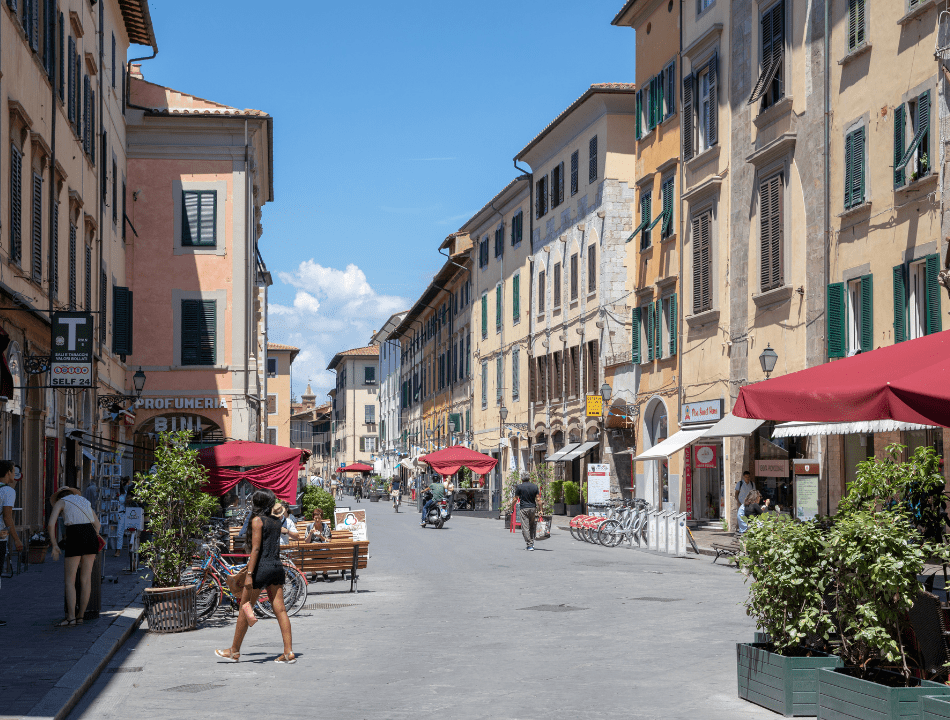
From there we drifted towards Borgo Stretto. The covered walkways offer shade, which is welcome if you’re visiting in warmer months, and the street has a pleasant rhythm of small shops, cafés and everyday life. This is where we chose to pause for lunch. Nothing elaborate, just a simple meal and a chance to sit, watch the flow of people, and enjoy not being on a timetable for once.
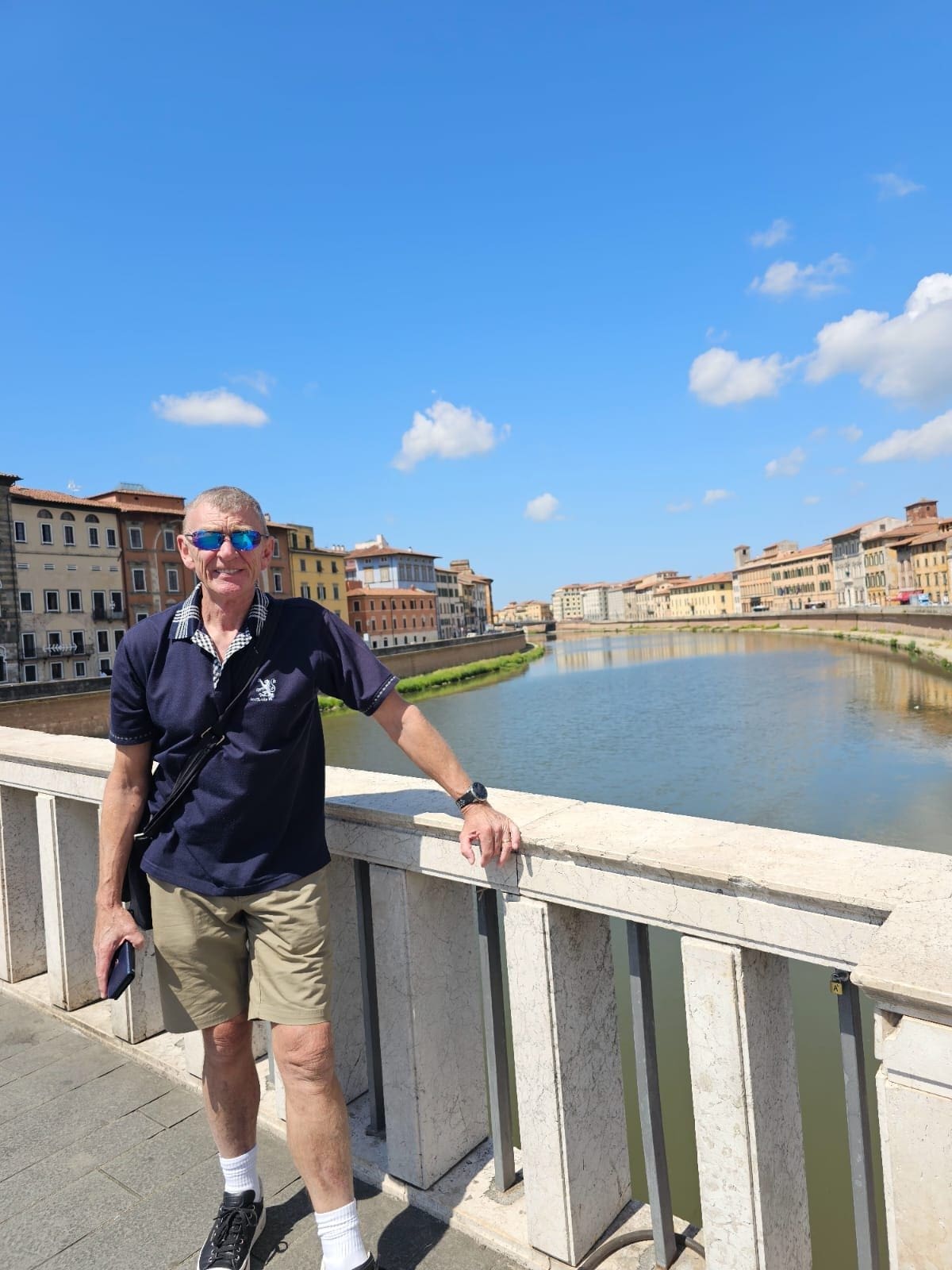
Afterwards, we walked down to the Arno River. The buildings lining the riverbanks are softer in colour than those around the cathedral complex, and the whole area feels calmer. It’s an easy, flat stroll and ideal if you prefer not to overexert yourself during a port stop.
What struck us most was how compact everything is. You don’t need taxis, and you don’t need to rush. With four to six hours available, you can comfortably see the highlights, enjoy a relaxed meal and still return to your transfer point without stress.
For cruise visitors especially, this slower approach makes Pisa feel less like a photo opportunity and more like a pleasant half-day in an Italian city.
How Much Time Do You Really Need?
For cruise passengers, four to five hours in Pisa is usually sufficient.
That allows for transport from Livorno, time in the Cathedral complex, a relaxed meal, and a short wander beyond the square.
Trying to combine Pisa and Florence in a single cruise day is ambitious. If Florence appears elsewhere on your itinerary, we recommend keeping Pisa simple.
If you’re planning a longer land itinerary, our guide on getting around Italy explains train travel, regional connections and practical transport tips in more detail.
A Practical Walking Plan for Cruise Visitors
After arriving in Pisa, begin with the Cathedral complex. Allow enough time to see the Cathedral interior properly rather than rushing through. If you’ve booked the tower climb, structure your visit around your timed entry.
From there, walk toward Piazza dei Cavalieri and then down through Borgo Stretto. Pause for coffee or a light lunch before heading back toward your transfer point.
This sequence keeps your visit logical and relaxed rather than zig-zagging back and forth.
If You’re Staying Overnight or Visiting Independently
If you’re not restricted by cruise timing, Pisa works differently.
An overnight stay allows you to enjoy the city once day-trippers leave. The atmosphere becomes noticeably quieter in the evening. You can explore the Orto Botanico, smaller museums, or simply enjoy a slow dinner without watching the clock.
For accommodation, comparing options on Booking.com can give you a sense of central versus station-area hotels. Prices vary considerably depending on season and demand, so flexibility helps.
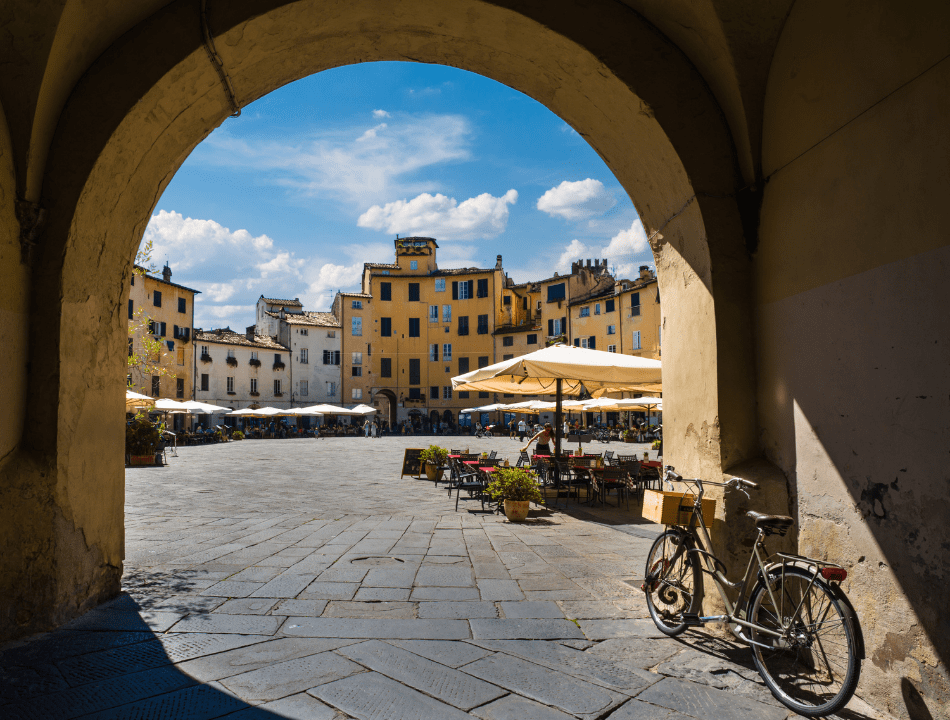
If you’re planning a broader Tuscany itinerary, Pisa also works as a base for rail trips to Lucca or Florence. We outline suggested routes and regional highlights in our article on the best places to visit in Italy.
For a more complete overview of where to stay across the country, including practical advice for first-time visitors, see our guide to finding accommodation in Italy.
Managing Cruise Crowds
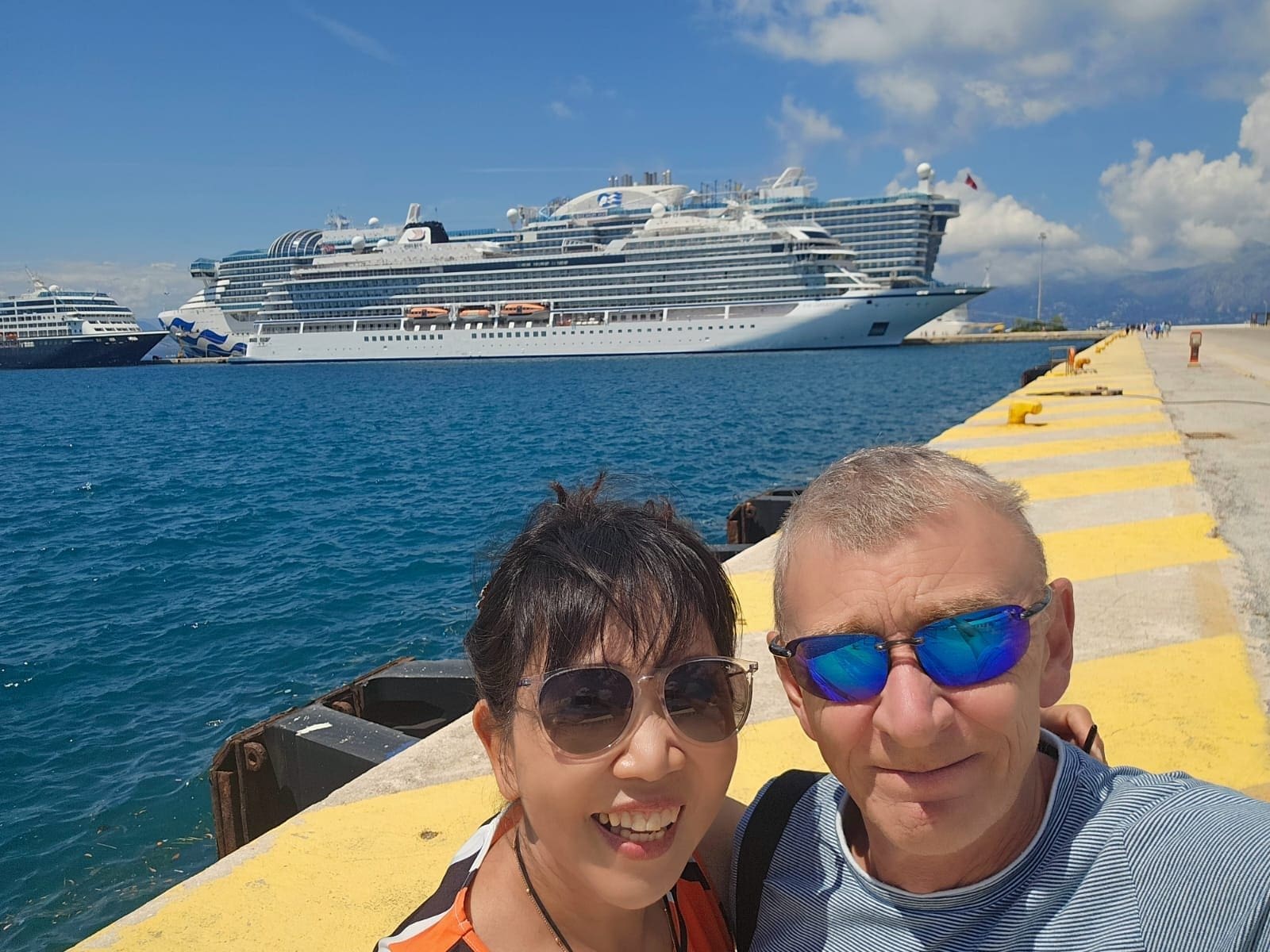
Cruise traffic does affect Pisa on certain days. Multiple ships docking in Livorno can mean large numbers arriving mid-morning.
If possible, check ship schedules and aim to arrive earlier in the day. Alternatively, use your time strategically by exploring beyond the main square once peak crowd levels build.
Stepping just ten minutes away from the tower can make a surprising difference.
Budget Considerations
Pisa is not an especially expensive stop compared to major Italian cities, but prices near the Cathedral complex reflect its popularity.
Coffee and light meals cost more directly beside the square than in surrounding streets. Tower tickets typically range between €20 and €30 depending on package options.
If you’re budgeting for a wider trip through Italy, our Italy travel tips article covers realistic daily spending ranges and money-saving strategies across different regions.
When Is the Best Time to Visit Pisa?
Spring and early autumn offer the most comfortable temperatures. Summer can be extremely hot, and the marble surfaces in the Piazza dei Miracoli reflect heat intensely.
Winter sees fewer visitors, but shorter daylight hours and occasional closures should be factored in.
For cruise passengers, your schedule is fixed, so preparation matters more than season.
Final Thoughts for our Pisa Travel Guide: Is Pisa Just a Photo Stop?
If we’re completely honest, we came to Pisa mainly for the photo.
The Leaning Tower is iconic, and seeing it in person is satisfying. On a cruise itinerary, it makes perfect sense as a stop.
Would we plan a dedicated long stay here? Probably not.
But as a relaxed half-day visit from Livorno, Pisa works well. It delivers the famous landmark, a manageable walking area, a pleasant lunch and a stress-free return to the ship.
If you allow yourself to wander beyond the square, even briefly, it feels less like a checklist item and more like a genuine Italian afternoon.
And sometimes, that’s exactly enough.
Watch our video on Pisa