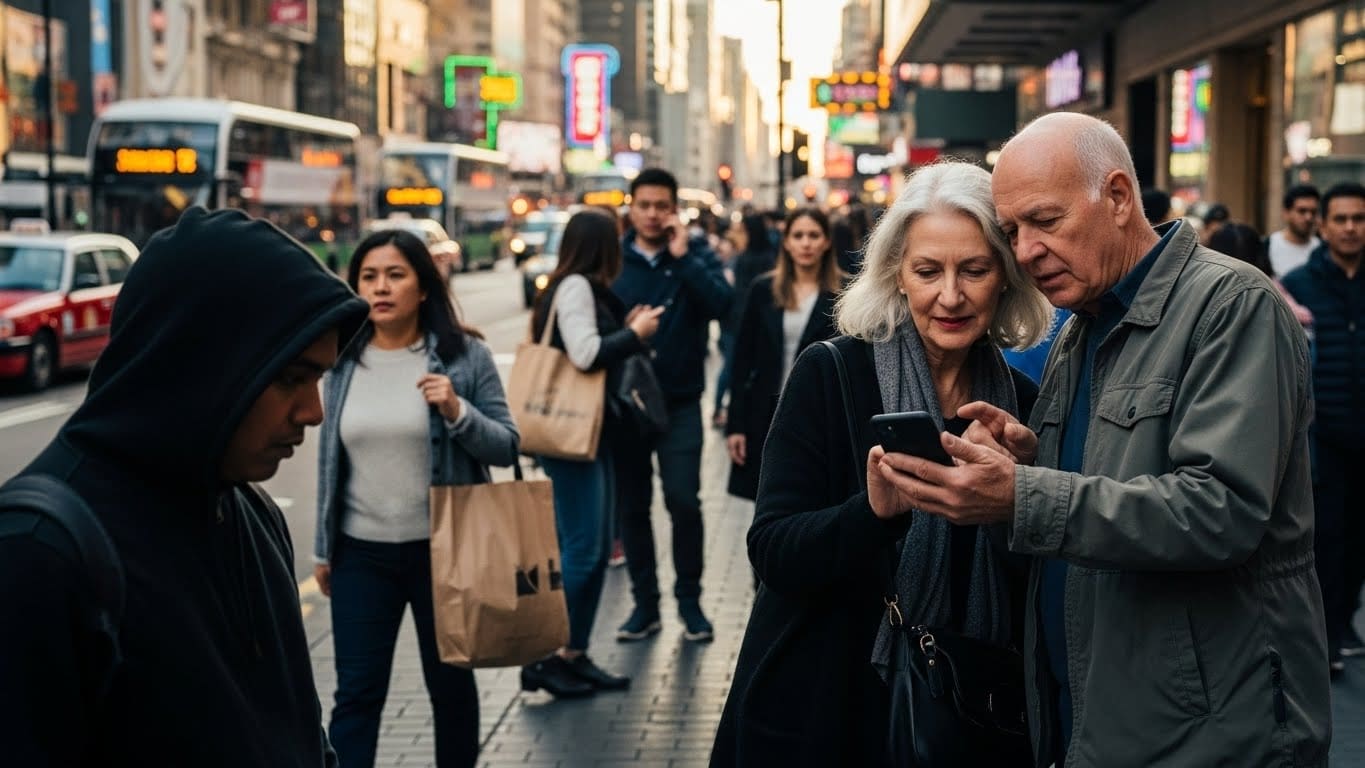
Most travel safeguards are simple habits, not fancy gear. With a few smart routines and a bit of planning, you can make it much harder for your valuables to go missing and avoid a stolen wallet or phone derailing your whole trip.
In this guide to travel safeguards, we’ll walk through the practical steps we use on every trip: what we keep on us during travel days, how we split valuables so one loss isn’t a disaster, the anti‑pickpocket habits we use in busy cities, and the tech and insurance that back it all up.
Why valuables go missing (and why it matters)
Most theft while travelling isn’t dramatic. It’s quick, quiet, and happens when we’re distracted—checking a map, taking photos, getting on a train, or sitting at an outdoor café.
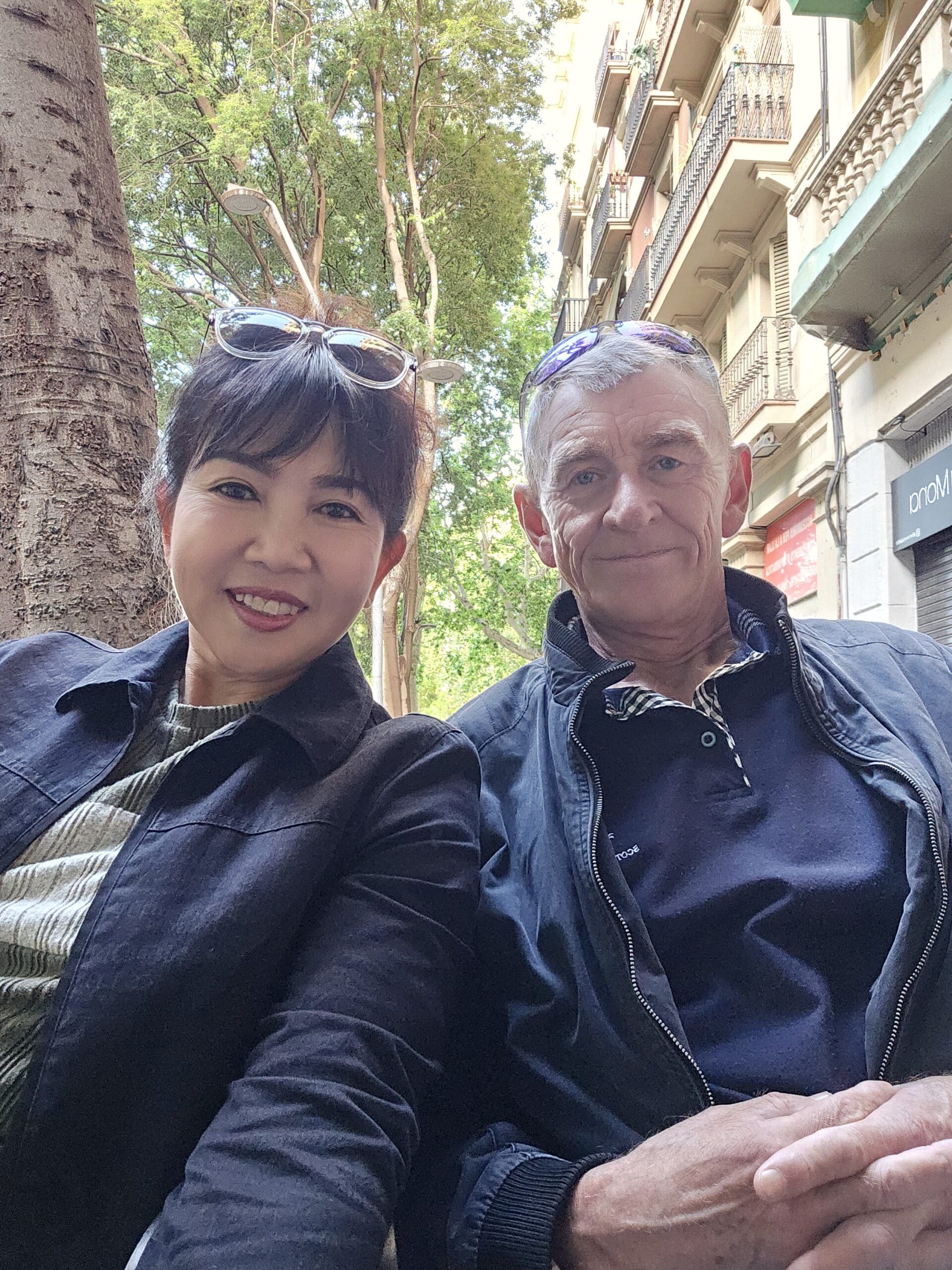
Picture this: we’re walking through Barcelona, stopping to admire Gaudí’s work, snapping a few photos… and then we reach for our wallet. Gone. Cash, cards, maybe even ID. That single moment can turn a great day into hours (or days) of admin.
It’s also common. In recent years, it’s been estimated that there are hundreds of thousands of travel‑related theft incidents worldwide each year. And some data suggests nearly 1 in 5 travellers experiences theft or loss during a trip. The exact number varies by source and destination, but the point is clear: it happens often enough that we should plan for it.
When our valuables disappear, it’s not just “stuff”. It’s our access to money, our identity, and our ability to keep moving. A stolen passport can mean cancelled flights, lost bookings, and a long process at an embassy. A stolen phone can lock us out of banking, email, and travel apps.
So we treat valuables like travel essentials—not an afterthought. If you’d like more background on common tricks and scams, our guide to travel scams and how to avoid them pairs well with these safeguards.
Our “always on us” rule for transit days
The biggest shift we made is simple: on travel days, our core valuables stay on our body, not in our bag.
A few years ago, we learned this the hard way. We were travelling through Southeast Asia and took an overnight train from Bangkok to Surat Thani. We were exhausted. We put our backpack down by our feet and fell asleep, thinking it was “close enough”. When we woke up, the wallet in an outer pocket was gone. Thankfully our passport and phone were safe, but it was still a mess.
Now we stick to a “core four” list we keep on us whenever we’re in transit:
- Passport (or the document we absolutely must not lose)
- Primary bank card
- Phone
- A small amount of cash
We usually use one of these options to keep those items on us:
- Money belt under our clothes (not stylish, but it works)
- Neck pouch under a shirt in crowded places
- Small crossbody bag worn in front, zipped up, hand resting on it in crowds
The goal isn’t to look paranoid. It’s to make it hard for someone to get our essentials without us noticing.
How we pack and split valuables (so one loss isn’t a disaster)
Even with good habits, mistakes happen. That’s why we avoid putting all valuables in one place.
Here’s the system we use:
- Wallet (easy‑access): small cash + one everyday card
- Secondary stash (hidden): backup card + most cash + spare SIM pin tool / small key (if needed)
- Accommodation safe or locked bag: only items we can afford to be without for a few hours (never our passport unless we truly don’t need it)
We also split items between us if we’re travelling as a pair. That way, if one bag goes missing, we still have a way to pay, identify ourselves, and keep moving.
Locks help, even basic ones. In hostels and budget hotels, we use a small padlock for lockers. For luggage, we use a simple lock to deter opportunistic rummaging. A lock won’t stop a determined thief, but it often stops the quick, easy attempt.
If you’re still building your packing system, our core list in travel essentials can help you decide what really needs protection.
The simple anti‑pickpocket habits we use in busy cities
Cities like Barcelona, Rome, and Paris are famous for pickpockets, often working in teams. Usually it’s distraction first, then the grab.
Our habits are boring—but boring is good:
- We keep phones away from table edges at cafés (especially outdoors)
- We avoid leaving bags on chair backs (easy to lift)
- We zip bags fully and keep zips facing inward
- We don’t keep valuables in back pockets
- In crowds, we keep our bag in front and one hand on it
- If someone approaches too close, we create space and check pockets calmly
We also try to blend in. We don’t need to “dress local” perfectly, but we do avoid looking like an easy target:
- Skip flashy jewellery and expensive‑looking accessories
- Keep cameras and phones secure between shots
- Avoid open maps in the middle of crowded streets (we step aside)
Looking confident and organised reduces attention, and that’s one of the simplest travel safeguards there is.
Using tech in 2025: trackers, secure phones, and safer Wi‑Fi
Tech can’t replace good habits, but it adds a strong backup layer.
Trackers (AirTag/Tile‑style devices)
We attach trackers to:
- Checked luggage
- A day bag (if we’re carrying important items)
- Sometimes a wallet (if it fits)
If something goes missing, we can at least see the last known location quickly. That can save hours of guessing.
Anti‑theft backpacks
If we’re going somewhere busy or using public transport daily, we consider anti‑theft bags with:
- Lockable zips
- Hidden pockets
- Slash‑resistant fabric
They cost more, but the peace of mind can be worth it.
Phone security basics we always set up
- Strong passcode (not 1234)
- Face/Touch ID enabled
- “Find My” (or Android equivalent) turned on
- Backups enabled before big trips
- Important numbers written down somewhere offline (bank, insurer, embassy)
Public Wi‑Fi: we treat it as untrusted
When we have to use it, we:
- Avoid logging into banking on public Wi‑Fi
- Use mobile data when possible
- Consider a VPN for extra protection
- Turn on two‑factor authentication for key accounts
Money protection: why we like the Wise Travel Card
One practical tool we use and recommend is the Wise Travel Card.
What we like about it:
- We can hold and convert money in multiple currencies
- Rates are usually closer to the real exchange rate than many banks
- We can manage it easily in the app
- If the card is lost, we can freeze it fast
That “freeze instantly” feature matters. Even if someone gets the physical card, we can act quickly to protect our funds. We also like being able to track spending in real time so we notice anything odd early.
We still carry a backup card stored separately, because a single card is a single point of failure. For bigger trips, we also keep a small emergency cash stash in a hidden spot in our luggage.
Travel insurance: the backup plan we don’t skip
We treat travel insurance as part of security, not just “medical cover”.
A solid policy can help with:
- Stolen or damaged belongings (within policy limits)
- Emergency cash support
- Costs linked to replacing a passport
- Trip disruption caused by theft or loss
We still try to prevent problems, but insurance means we’re not stuck with the full bill if the worst happens.
We like being able to compare flexible policies online through providers such as VisitorsCoverage, especially when we’re carrying more valuable gear or visiting multiple countries.
Tip: we always read the exclusions and claim requirements. Some policies need police reports within a certain timeframe, and receipts/photos can really help. For a deeper dive into choosing cover, see our full guide on why you need travel insurance and what to look for.
Quick checklist: what we do before we leave the room
This is the routine that saves us the most stress. Before we walk out the door, we quickly check:
- Phone charged + power bank packed
- Passport in the same secure place every time
- One card + small cash in wallet, backups stored separately
- Bag zips closed, nothing in outer pockets that we can’t lose
- Tracker is in the bag we care about most
- Digital copies of passport/IDs saved securely (with strong login)
- Today’s “high risk moments” in mind (train stations, tourist zones, night markets)
If we do these basics, we can relax and actually enjoy the trip—knowing our travel safeguards are working quietly in the background.
Travel Safeguards FAQs
Should we carry our passport everywhere?
It depends on the country and what you’re doing. In some places, you’re technically required to carry ID, but that doesn’t always mean the physical passport needs to be on you at all times.
Our approach is:
- If we’re in transit (airports, border crossings, trains between countries), we keep the passport on our body in a secure pouch or money belt.
- For everyday sightseeing, if it’s safe and allowed, we often leave the passport locked in our accommodation and carry a photo or copy plus another form of ID.
What we don’t do is throw the passport into a day‑bag that’s easy to snatch. If we must carry it, it goes in the most secure spot on our person.
Are money belts actually worth it?
They’re not glamorous, but they can be useful. We treat money belts as a storage spot for “deep backup” items rather than something we access constantly.
We might keep:
- Backup card
- Emergency cash
- A copy of our passport details page
Everyday spending money still lives in a normal wallet so we’re not constantly fishing under our clothes. Used this way, a money belt is one more layer in your overall travel safeguards, not the only defence.
What’s the single biggest mistake travellers make with valuables?
The biggest mistake we see is keeping everything in one place: all cards, all cash, passport, phone and camera in a single bag or pocket. If that one item goes missing, the trip stops.
A close second is getting relaxed on “just one short journey” or “just popping out”, and leaving valuables by a chair, on a café table, or in an unlocked room. Most theft is opportunistic—making it a little bit harder and splitting your valuables goes a long way.
Build a few of these habits into your routine, and your travel safeguards will become second nature.
Watch Our Video On Travel Safeguards