Scammers love travellers. You are in a new place, using unfamiliar systems, often a bit distracted – which makes it easier for someone to overcharge you, copy your card, or walk away with your bag.
The good news is that most travel scams are easy to avoid once you know the warning signs. A little preparation can save you from losing money, documents, or precious holiday time trying to fix problems that never needed to happen.
In this guide to travel scams we break down the most common tricks we have seen around the world – from fake guides and taxi rip‑offs to online booking fraud – plus simple ways to protect yourself and what to do if something still goes wrong.
What are travel scams and why you must care
Travel scams are tricks used to take your money, belongings, or personal information while you are on a trip. Travel scams can happen anywhere: airports, train stations, markets, tourist spots, and even online before you leave home.
Knowing how travel scams work is one of the best ways to stay safe. When you understand the warning signs, you can act early, walk away, and keep your trip enjoyable and stress-free.
Travel scams are not always dramatic. Sometimes they are small overcharges that slowly add up. Other times they can leave you without a hotel, without your passport, or with a drained bank account. This guide will show you the most common tricks and how to avoid them.
Stay One Step Ahead of Travel Scams
A few simple tools and habits make it much harder for scammers to target you:
- Travel insurance: Make sure you are covered for theft, fraud and trip interruptions. We compare options on our Resources page and often use specialist providers like VisitorsCoverage.
- Safer money: Use a low‑fee multi‑currency card such as the Wise Travel Card instead of carrying large amounts of cash.
- Book through trusted platforms: For tours and activities, we like GetYourGuide, and for hotels we usually start with Booking.com.
Combined with the tips below, these steps make you far less likely to be caught by common travel scams.
To avoid this, only use guides from trusted sources such as your hotel, an official tourist office, or well-known platforms like GetYourGuide or similar services in your region.
Some street kiosks and unofficial exchange booths offer very poor rates, charge hidden fees, or even give fake notes. Airport exchange counters can also be expensive.
Using a trusted digital service such as the Wise Travel Card or your bank’s partner card can often give you better rates and clearer fees. Plan ahead so you are not forced to use the first counter you see.
Always book through reputable platforms that protect guests, and avoid sending money outside the system. Be careful of listings with no reviews, unclear photos, or hosts who pressure you to pay fast. For hotels and apartments we usually start with Booking.com because of the large number of reviews and clear cancellation policies.
How to protect yourself from travel scams
Research before you go
Spend some time looking up common travel scams in your destination. Government travel sites such as U.S. State Department Travel Advisories and other official sources often list local risks. Knowing what to expect makes you harder to trick.
Trust your instincts
If something feels off, rushed, or confusing, pause. Scammers frequently use pressure and urgency so you do not have time to think. It is always okay to say “no, thank you” and walk away.
Keep valuables secure and separate
Carry only what you need for the day. Keep backup cards and some cash in a second, hidden place. Store photos of your passport, tickets, and insurance details in a secure cloud account.
Use official channels
Book tours, tickets, and hotels through official sites, your hotel desk, tourist offices, or well-reviewed platforms. Avoid “friend of a friend” deals, cash-only offers, and unverified sellers.
A little caution goes a long way. The goal is not to be fearful, but to be informed so you can enjoy your trip while side‑stepping the most common travel scams.
Smart money and currency exchange tips
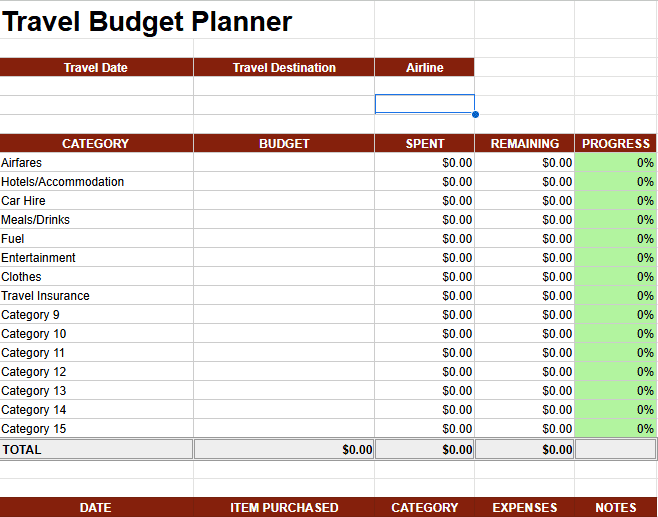
Plan your budget and payment methods
Use a mix of:
- One main card (ideally with low foreign transaction fees)
- One backup card kept separately
- A small amount of local cash for tips and small purchases
Tell your bank you are travelling so they do not block your card. Turn on payment alerts so you see each charge in real time.
Use ATMs wisely
Withdraw cash from ATMs attached to real banks, not random machines in shops or bars. Always cover the keypad when entering your PIN. If an ATM looks damaged or odd, do not use it.
Avoid dynamic currency conversion
Some card machines abroad ask if you want to pay in your home currency instead of the local one. This often comes with a bad exchange rate. Choose to pay in the local currency whenever possible.
Consider a multi‑currency card
Services like the Wise Travel Card let you hold and spend multiple currencies at competitive rates. This can reduce fees, make it easier to track your spending, and add an extra layer of security if your main card is compromised by travel scams.
What to do if you get scammed while travelling
Stay calm and act fast
If you realise you have been scammed, do not panic. Focus on what you can do next:
- Call your bank or card provider and block your card if needed
- Change passwords for any accounts that may be at risk
- Report the incident to local police and get a written report
Contact your embassy or consulate
If your passport is stolen, or you feel unsafe, contact your country’s embassy or consulate. They can guide you on next steps, such as getting emergency travel documents.
Use your travel insurance
If you have travel insurance, check if it covers theft, fraud, or trip problems caused by scams. Keep receipts, police reports, and any proof of the scam to support your claim. If you are not yet insured, our guide to why you need travel insurance explains what to look for before your next trip.
Remember: even experienced travellers get caught occasionally. Acting quickly limits the damage and helps you get back to enjoying your holiday.
Watch Our Video On The Most Common Travel Scams and How to Beat Them