Whether it’s your first sailing or your tenth, the right planning can transform your trip from stressful to seamless. In this guide, We’ll share our ultimate cruise tips to help you avoid costly mistakes, stay connected, protect your money, and get the best possible value from your cruise.
These ultimate cruise tips are especially useful for mature travellers who want comfort and peace of mind without overspending. From when to arrive in port, to how to book shore excursions, to understanding gratuities and regional pricing, you’ll be prepared for the unexpected from embarkation to disembarkation.
If you’re still deciding which cruise line best suits your travel style before diving into detailed planning, our guide to the best cruise lines for seniors compares comfort levels, ship sizes, medical facilities, and overall value across the major brands.
Plan Your Cruise With Our Favourite Tools
When we’re planning our own cruises, these are the sites we actually use:
- Cruises: We compare itineraries and prices on CruiseDirect– it’s an easy way to see different cruise lines, dates, and cabin options in one place.
- Flights to your departure port: We use KAYAK to find the best flight options and check nearby airports.
- Travel insurance with cruise cover: For cruise‑friendly policies, we like VisitorsCoverage so we can compare different levels of cover in one place.
You can open these in new tabs now and refer back to them as you go through the tips below.
Ultimate Cruise Tips for a Stress‑Free Start
The ultimate cruise tips start before you ever see the ship.
Arrive at your departure port at least one day early.
Your ship will depart on time with or without you. Flight delays, cancellations, missed connections, and lost luggage can all derail same‑day travel plans. If you arrive late, you risk:
- Losing your entire cruise
- Paying expensive rebooking costs
- Scrambling to catch up with the ship at the next port (if that’s even possible)
By arriving a day early, you:
- Remove the stress of tight timelines
- Have time to rest, adjust, and explore the port city
- Enjoy a relaxed embarkation instead of a chaotic rush
The cost of a one‑night hotel stay is tiny compared with the potential loss of your whole vacation.
Stay Connected: Why You Should Buy an eSIM
Cruise ship Wi‑Fi is often slow, limited, and very expensive. One of the most practical ultimate cruise tips is to purchase an eSIM for your destination before you travel.
With an eSIM, you can:
- Use maps and translation apps in port
- Message and call family over data
- Post to social media without worrying about roaming
- Often enjoy faster, more reliable internet than on the ship
Many providers sell short‑term travel plans specifically for tourists, so you only pay for the data you need. You can research options and coverage at sites like Airalo.
Planning ahead with an eSIM means you’re never stranded without data, especially during shore excursions.
Save on Drinks: Understand Cruise Drink Packages
Bar tabs at sea can easily rival the cost of the cruise itself. To avoid sticker shock at the end of your trip:
-
Consider a drink package early.
Most cruise lines let you pre‑purchase drink packages before departure. Prices often increase closer to the sail date, so booking early can lock in a lower rate. -
Read what’s included.
Some packages include speciality coffees, sodas, and bottled water; others focus only on alcoholic drinks. -
Check the alcohol policy.
Some lines allow you to bring limited or even unlimited wine, beer, or spirits on board. For example, Viking allows guests to bring any alcohol on board and doesn’t charge corkage fees to drink it anywhere on the ship.
Study your cruise line’s rules carefully so you can decide whether a package, bringing your own, or paying per drink makes the most sense.
Booking Shore Excursions Wisely
Shore excursions are often the highlight of a cruise—but also a major expense.
Cruise‑sponsored excursions:
- More convenient and easy to book
- Typically guarantee that the ship will wait if the tour is delayed
- Often more expensive than independent options
Independent excursions or DIY days:
- Can offer more unique, small‑group experiences
- Often cheaper and more flexible
- Require you to manage your own timing to avoid missing the ship
Research your ports in advance, compare prices, and read reviews. If you go independent or explore on your own, always leave extra time to return to the pier so you’re not the person sprinting down the dock.
Don’t Get Lost in Port: Staying on Schedule
It sounds obvious, but passengers get left behind more often than you might think. To stay on track during shore days:
- Take a photo of your ship at the pier and note the pier number.
- Use your phone’s map app to pin the dock or meeting point.
- Keep track of ship time, which might differ from local time.
- If on a tour, pay attention to your guide’s instructions and meeting points.
A few minutes of preparation saves a lot of panic later in the day.
Travel Insurance With Cruise Cover
Standard travel insurance doesn’t always cover cruise‑specific problems. When comparing policies, look for cruise coverage, which can include:
- Trip cancellation or interruption
- Missed connections or missed ports
- Medical emergencies on board (which can be very expensive)
- Evacuation or transport to a hospital on shore
- Lost or delayed luggage
Read the policy carefully to know what’s included and where you’re covered. Having appropriate cruise insurance is one of those ultimate cruise tips that only seems unnecessary—until you really need it.
Because cruise travel has unique risks — including onboard medical care, missed ports, evacuation, and age-related exclusions — it’s important to understand exactly what cruise insurance does and doesn’t cover.
We break this down in detail, including coverage for seniors, pre-existing conditions, and cruise-specific scenarios, in our guide to the best travel insurance for seniors going on cruises.
Check Your Credit Card or Travel Card Before You Sail
Before departure, review your cards and fees:
- Check which card offers the best foreign exchange rates.
- Avoid cards with high foreign transaction fees.
- Consider multi‑currency travel cards (like Wise or similar) that let you hold and spend in local currencies with lower conversion costs.
- Notify your bank about your travel dates and destinations so they don’t block your card as suspicious.
A good travel card setup makes spending abroad simple and reduces your overall trip cost.
Keep Digital and Paper Copies of Key Documents
Losing your passport or ID in a foreign country is stressful—but much easier to deal with if you’re prepared.
Do this before you leave:
- Scan or photograph your passport, visas, and ID cards.
- Save digital copies in secure cloud storage or email them to yourself.
- Print hard copies and keep them separate from the originals (e.g., in your checked bag or a hotel safe).
If your passport goes missing, these copies will speed up the process of obtaining an emergency replacement from your embassy and reduce disruption to your cruise.
Always Travel With Multiple Payment Options
Relying on a single card is risky. For extra security:
- Bring at least two cards (credit or debit) from different providers where possible.
- Store them in separate locations—one in your wallet, one in a bag or safe, or with a travel companion.
- Consider cards that let you freeze and unfreeze them instantly via app. This is helpful if your card details are compromised while abroad.
Having backup payment options gives you flexibility and a safety net for unexpected expenses or emergencies.
Monitor Your Onboard Account Regularly
Cruise fares rarely include everything. Extra charges can sneak up on you:
- Speciality restaurants
- Drinks (if you don’t have a package)
- Spa treatments and paid activities
- Shore excursions
- Daily gratuities and service charges
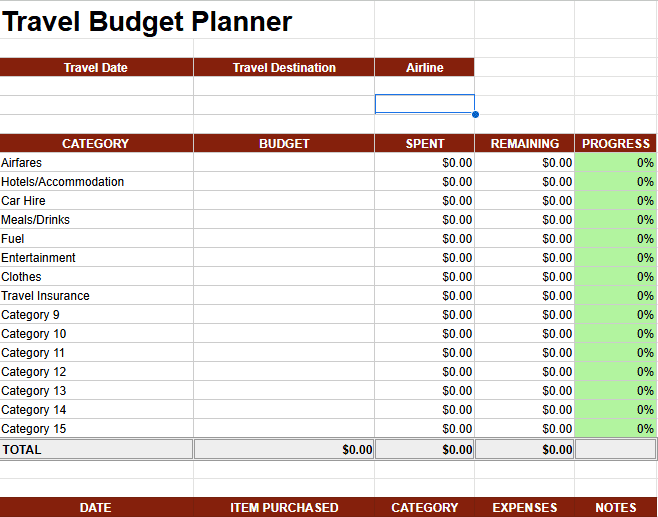
Most ships offer TV, kiosk, or app access to your account. Check it every day or two so there are no unpleasant surprises at the end. Setting a rough daily budget ahead of time can help you stay on track while still treating yourself.
Understand and Pack for the Dress Code
Each cruise line—and sometimes each ship—has its own dress code:
- Formal or “elegant” nights may require suits, cocktail dresses, or evening wear.
- Smart casual nights might mean collared shirts, dresses, or nice tops and slacks.
- Daytime is usually relaxed, but swimwear is typically restricted to pool areas.
Check the specific guidelines before you pack so you’re not turned away from restaurants or special events. Also factor in climate at ports, religious norms for shore visits (e.g., covered shoulders in churches), and any theme nights.
Be Ready for Seasickness (Even If You’ve Never Had It)
You might feel fine on land but react differently at sea, especially if the weather turns rough.
To prepare:
- Choose a cabin mid‑ship and on a lower deck, where motion is less noticeable.
- Pack motion sickness remedies such as antihistamines, ginger tablets, or seabands.
- Talk to your doctor about prescription options if you know you’re prone to nausea.
It’s much easier to prevent seasickness than to fix it once you’re feeling awful, so bring what you might need just in case.
Finding the Perfect Cruise for Your Travel Style
There are roughly 350 cruise ships operating globally, and not all are alike. When choosing, consider:
-
Timing & deals
- “Wave season” (January–March) often brings the best promotions: fare discounts, onboard credit, free Wi‑Fi, or drink packages.
- Last‑minute deals (60–90 days out) can be cheaper, but you’ll have fewer choices for cabins and dining times.
If timing and pricing are a priority, our guide to how to find the best cruise deals explains which booking sites consistently offer the best value, when prices tend to drop, and how to avoid “fake” discounts.
-
Who you’re travelling with
- Families: Large lines like Carnival, Royal Caribbean, and Disney offer kids’ clubs, waterslides, and family‑friendly dining—but can feel crowded.
- Couples/solo travellers: Smaller lines like Viking or Oceania focus on fewer passengers, upscale service, and a quieter atmosphere.
-
How to compare
- Use cruise search engines (for example, Cruise Plum, Vacations to Go, or similar comparison sites) to filter by dates, region, budget, and ship size.
If you’d like a simple place to start, we recommend CruiseDirect – you can quickly filter by destination, dates, and cruise line to find options that match your travel style.
Understanding your priorities—family fun, relaxation, nightlife, ports, or luxury—helps you quickly rule out ships that aren’t a good match.
Gratuities and Regional Pricing: Don’t Get Caught Out
Gratuities (tips) can significantly affect the total cost of your cruise, and how they’re handled varies:
- Some cruise lines include gratuities in the fare in certain markets or regions.
- Others charge daily per‑person gratuities (often 15–$25+ per person per day) added to your onboard account.
- Policies sometimes differ by country website even for the same line.
For example, Australians booking certain premium lines may pay higher upfront fares but have gratuities included, while US‑based passengers pay lower base fares but incur daily service charges on board.
Before you book:
- Read fare details carefully on the cruise line’s site.
- Compare what is and isn’t included on different regional sites.
- Check independent resources like Cruise Critic for breakdowns of fees and tipping policies.
Knowing the full cost including gratuities lets you budget realistically and avoid feeling “nickel‑and‑dimed” during your vacation.
See our other cruise planning guides:
- How to Find the Best Cruise Deals: 5 Top Websites Compared
- 10 Essential First Viking Cruise Tips To Avoid Costly Mistakes
- 5 Best River Cruises for Couples Who Want Relaxation, Culture & No Kids
Watch our full video on Cruise Essentials