Venice is one of the world’s most unique cities, built entirely on water and explored on foot or by boat. This Venice travel guide covers what to see, typical costs, transport tips, and how to avoid crowds so you can enjoy the city without stress.
You will find what to see, how to save money, and when to go. Expect lines at major sights in peak season and book key tickets in advance. Use public boats to move around. Plan early mornings for big sights and use the afternoon for quieter areas. Consider visiting in the shoulder season for a less stressful time and lower prices. Day trips to nearby islands or cities add variety without long travel.
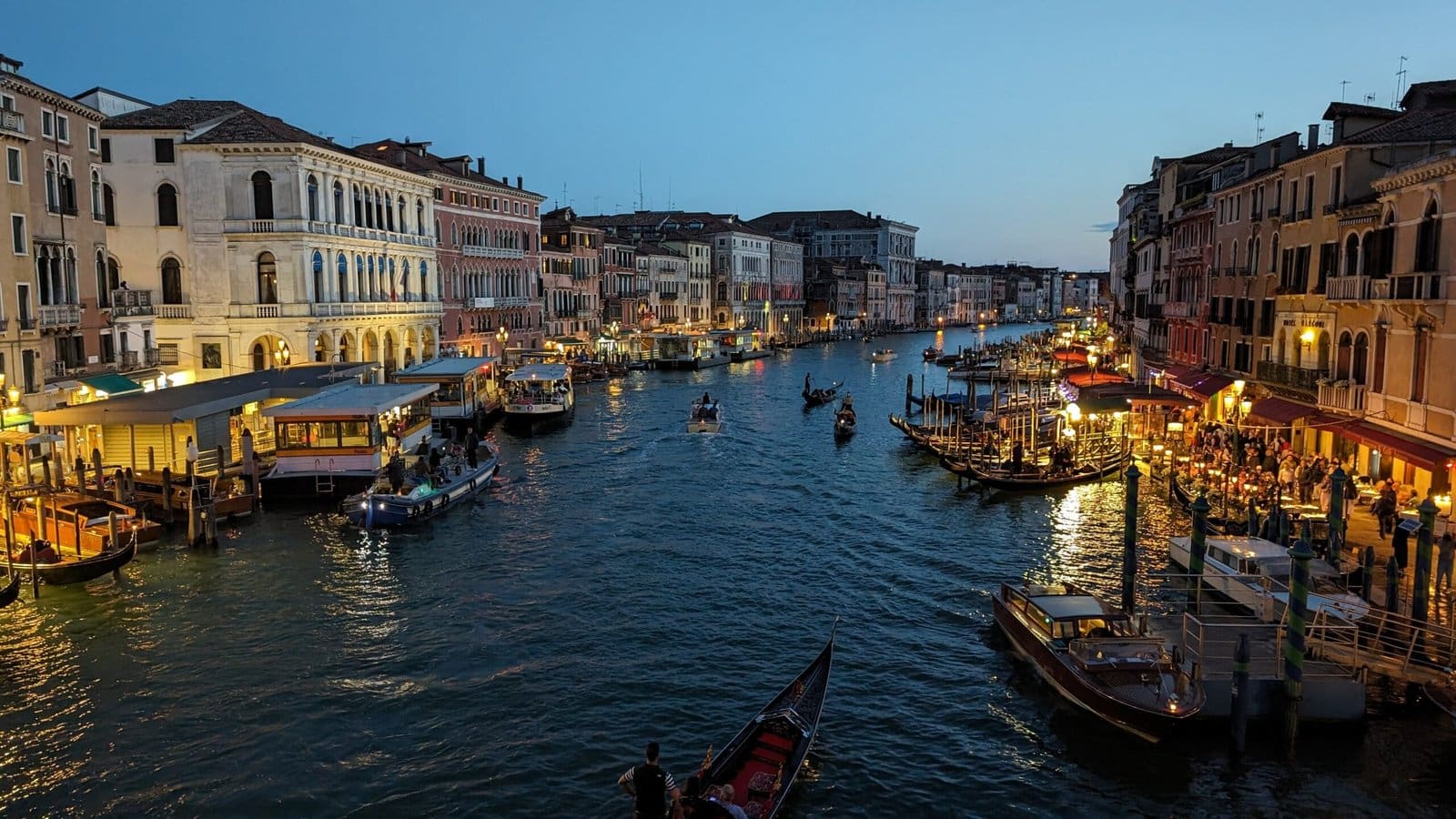
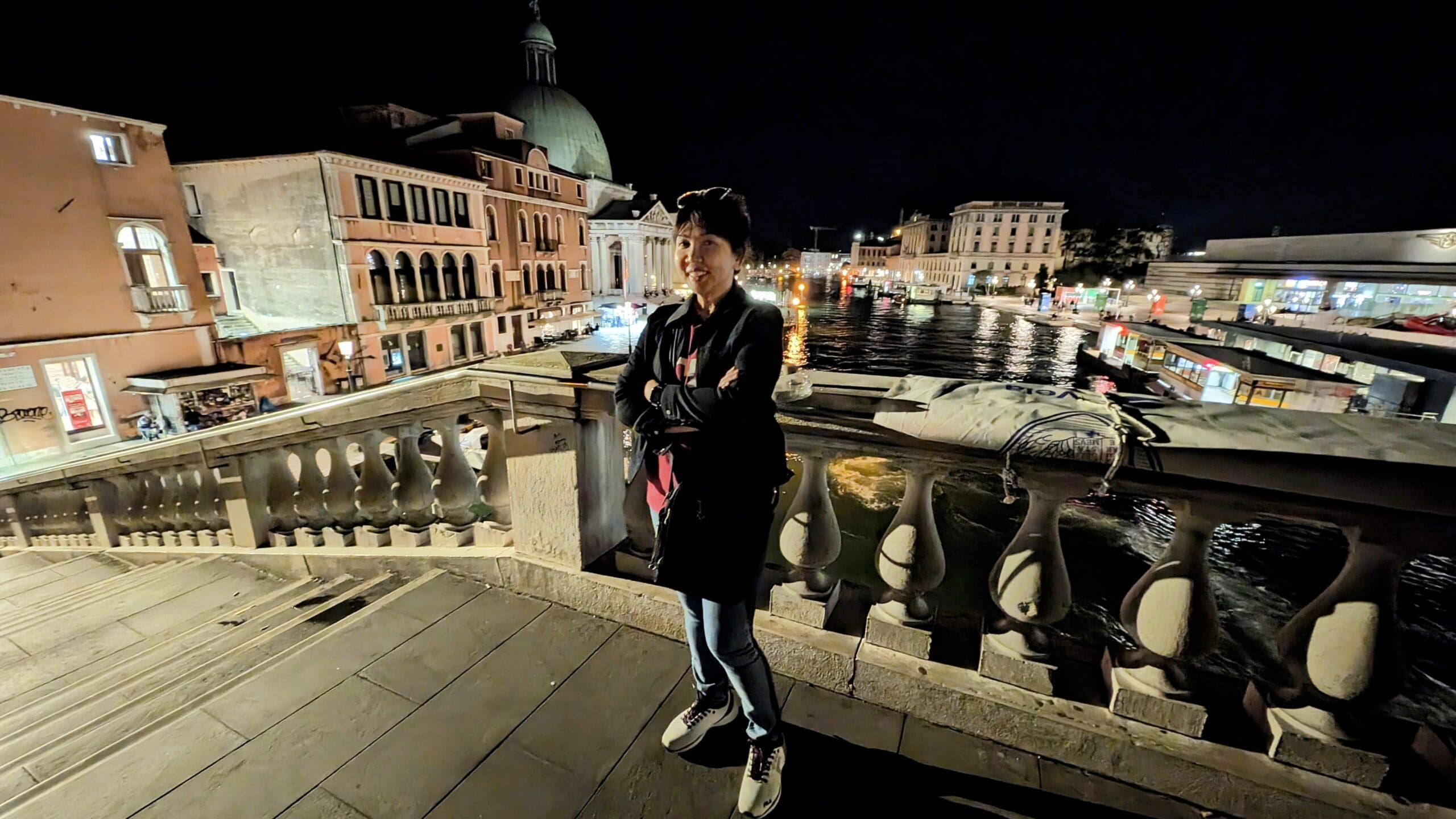
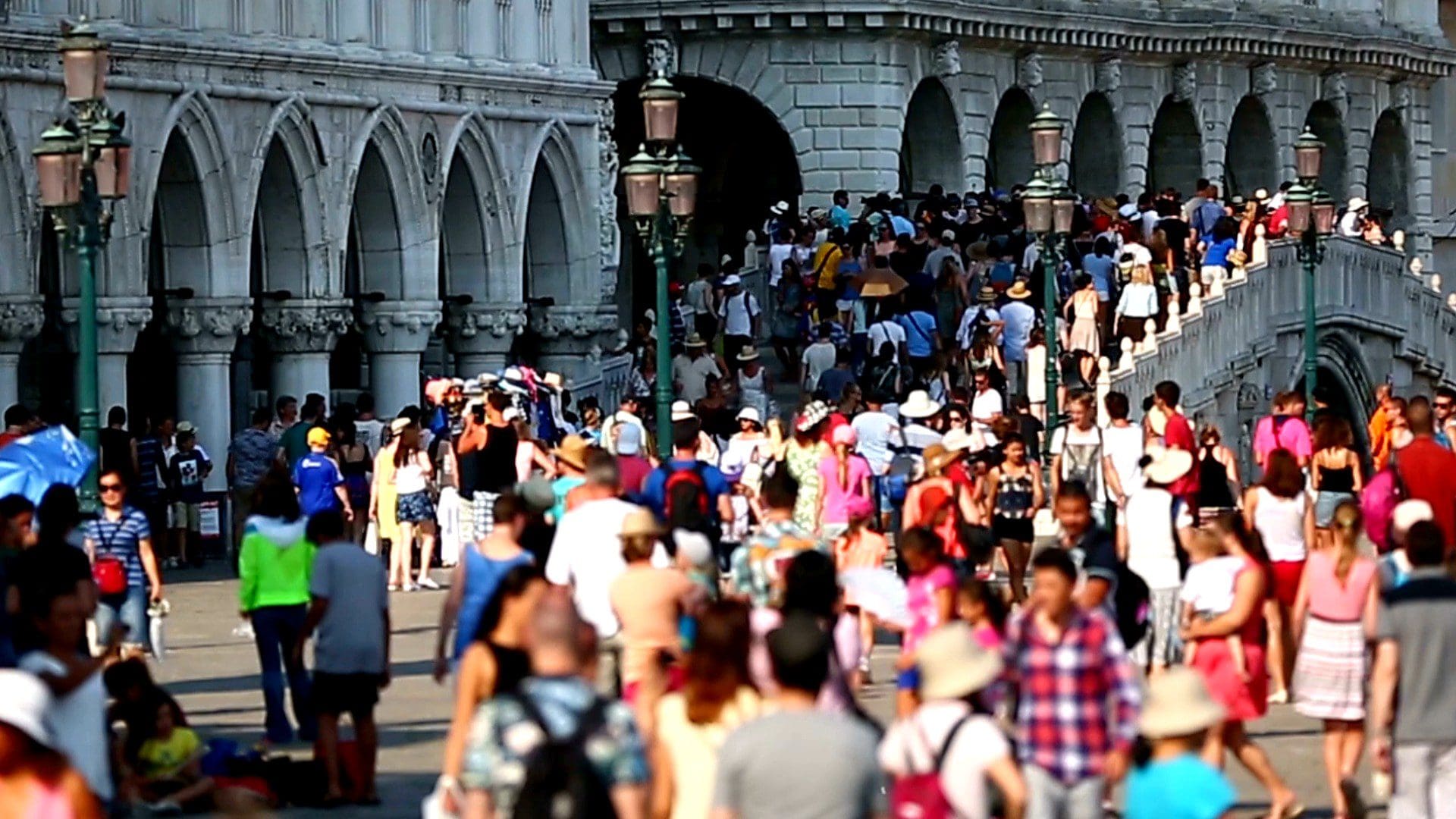
We visited St. Mark’s during the day and it was crowded. The whole square was jam packed with people, mostly from cruise ships, and the queues to get into any attractions were long. We went back again at dusk and the crowds had gone. It was an entirely different setting. We had previously tried to get some photos on the Rialto Bridge, but it was impossible with literally hundreds of people trying to do the same. We returned at night, and it’s amazing what a few hours’ difference makes. No crowds and actually a much better setting for taking photos.
Below you will find practical steps for planning your visit in our
Venice travel guide, including suggested budgets, transport options, and tips to avoid common mistakes. Use this guide to build an easy plan that fits your time and budget.
Quick Summary: Venice Travel Guide
- Best for: Couples, culture lovers, short city breaks, pre/post cruise stays
- Top highlights: St. Mark’s Square, Grand Canal, Doge’s Palace, Rialto Bridge
- Ideal stay: 2–3 days
- Best time to visit: April–May and September–October
- Budget: €100–€300+ per day depending on travel style
- Biggest tip: Visit major sights early morning or evening to avoid crowds
Is Venice Worth Visiting?
Yes — Venice is one of the most unique cities in the world and well worth visiting, especially for travellers who enjoy history, architecture, and walking-based exploration.
However, it can feel overcrowded and expensive if you visit at the wrong time. The key to enjoying Venice is timing your visits carefully, avoiding peak hours, and staying overnight rather than visiting on a day trip.
For most travellers, 2–3 days is enough to experience the highlights without feeling rushed.
Is Venice Right for Your Trip?
Venice is ideal for couples, cruise passengers, photographers, and travellers who enjoy historic cities and relaxed walking exploration. It suits short stays or pre- and post-cruise visits particularly well. Travellers looking for beaches or nightlife may prefer other parts of Italy, but for atmosphere and history, Venice is hard to beat.
Who Venice Is Best For
- Travellers who enjoy historic cities and walking exploration
- Couples looking for a romantic, atmospheric destination
- Cruise passengers needing a pre- or post-cruise stay
Who It May Not Suit
- Travellers looking for beaches or nightlife
- Those who dislike crowds or busy tourist areas
- Visitors wanting a fast-paced or modern city experience
Top Things to See & Do in Venice
St. Mark’s Square (Piazza San Marco)
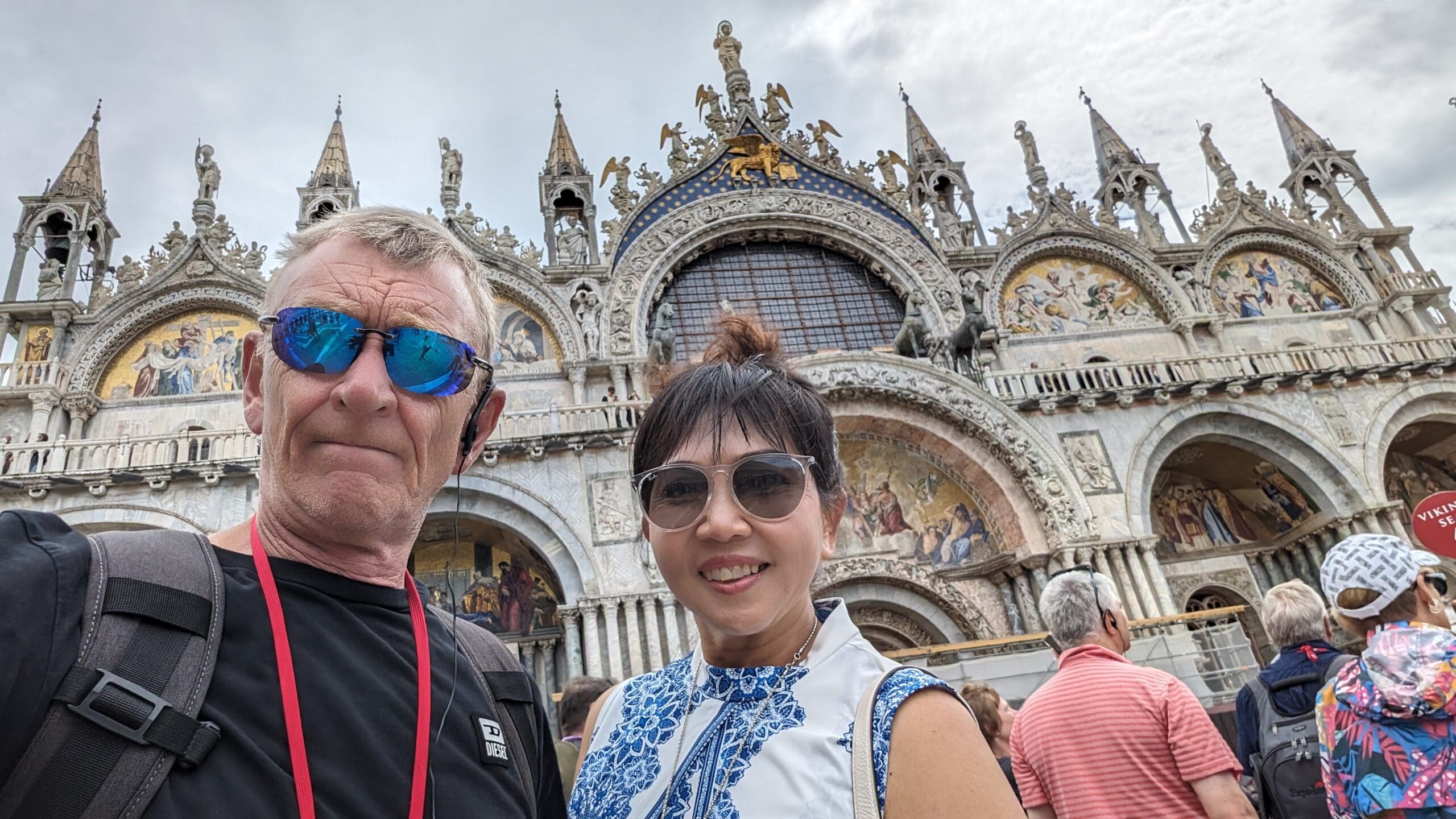
St. Mark’s Square is the centre of public life in Venice. It is busy all day, especially when cruise ships are in port. Go early to enjoy space and easier photos. Visit St. Mark’s Basilica and the Campanile for views over the lagoon.
Cafés around the square are famous but expensive; consider a quick coffee if you want the scene, then eat elsewhere to save money.
Book skip-the-line tickets for St. Mark’s Basilica if available so you spend more time exploring and less time queuing.
Watch your timing during high tide (acqua alta), when raised walkways may be used.
The square is a good starting point for the Doge’s Palace and the waterfront. Plan 1.5–2 hours for the square and nearby highlights.
If you want fewer crowds, return in the evening when day-trippers leave. Keep valuables secure and avoid feeding pigeons, which is banned and fined.
👉 In short: visit early or late to avoid crowds and enjoy the space properly.
The Grand Canal by Vaporetto
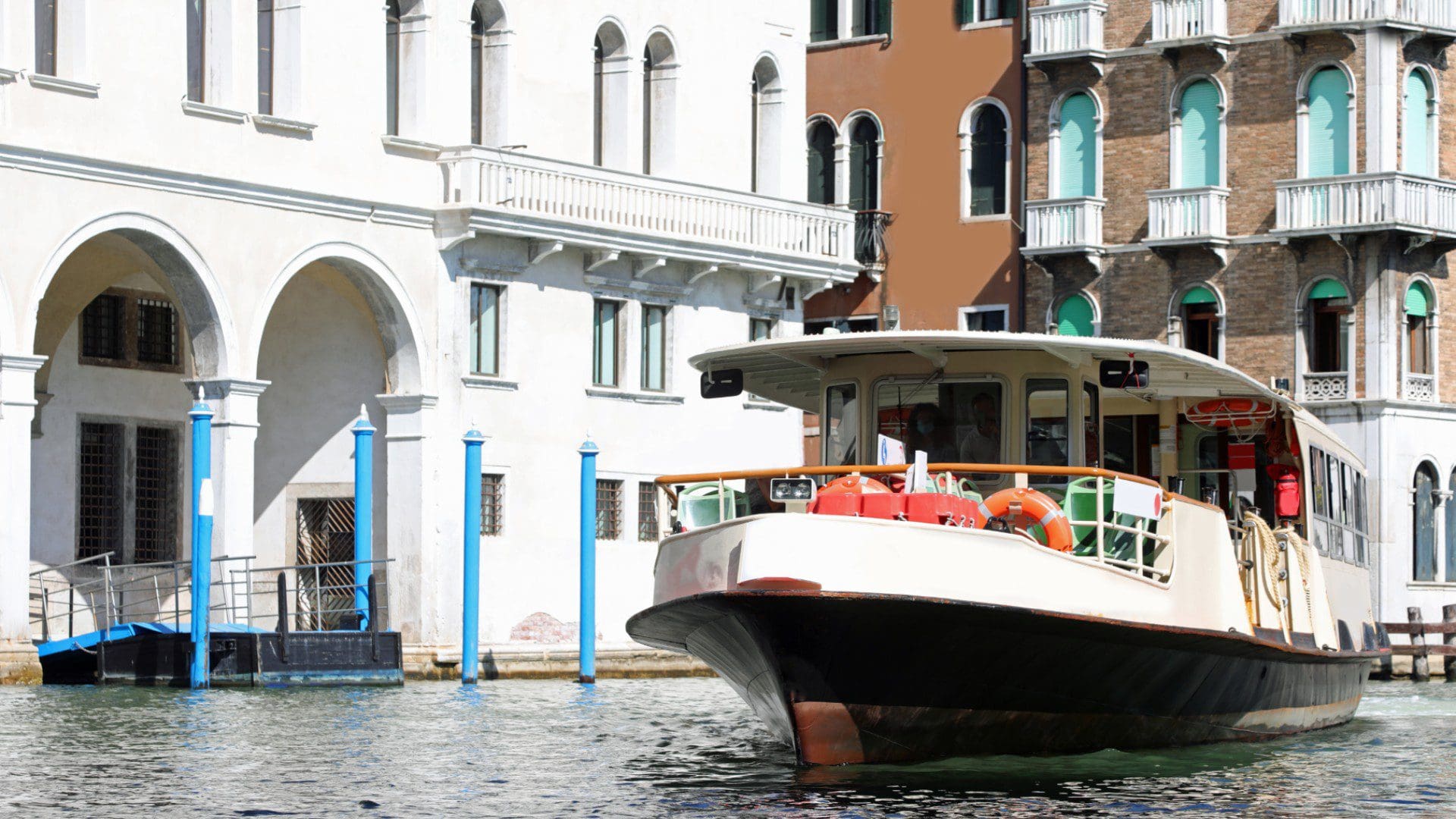
The Grand Canal is the main water route through Venice. The simplest way to see it is on a public vaporetto (Line 1 is the most scenic and slow). Sit outside at the front or back if seats are free.
A 75-minute single ticket is pricey, so a 24–72 hour pass often gives better value if you ride more than twice a day.
You can also check Venice transport and city passes on Klook before you go, which is handy in peak season.
Ride at sunrise or after sunset for fewer crowds and softer light. Use the ride to spot palaces, markets, and bridges, and mark stops to visit later on foot.
A gondola ride offers a private experience but costs much more; consider a shared traghetto crossing for a short, cheap taste.
Combine a full ride from Piazzale Roma to San Marco with stops at places like Rialto and Accademia. Expect 45–60 minutes for a full ride.
👉 In short: the vaporetto is the best-value way to experience Venice from the water.
Doge’s Palace (Palazzo Ducale) and Bridge of Sighs
Doge’s Palace shows how Venice was governed for centuries.
Book tickets in advance to avoid long lines – we like checking Doge’s Palace tickets and combo passes on Tiqets
so we know the time slot before we arrive.
A guided tour helps explain the Great Council Chamber, state rooms, and artwork. The Secret Itineraries tour adds prisons and hidden passages.
The visit includes walking through the Bridge of Sighs to the old cells. Allocate 2–3 hours. Photography rules vary by room; follow signs.
Crowds peak late morning and early afternoon; start early for a smoother visit. Combine with St. Mark’s Basilica on the same morning if you want to focus your waiting time.
If you skip the guide, pick up an audio guide or use a reliable app. Restrooms and a café are on-site; bring water.
Exit toward the Riva degli Schiavoni for lagoon views and quick access to gondola stations or vaporetti.
Rialto Bridge and Market
Rialto Bridge is a classic view over the Grand Canal. Go early or late for clear photos. Don’t waste your time visiting during the day, especially if there are several cruise ships visiting.
Use the CruiseMapper website to see what cruise ships will be in on any given day.
The nearby Rialto Market (mornings, closed some days) sells fish, produce, and local goods. It is a good place to see daily life and buy snacks or fruit.
Shops on the bridge sell souvenirs; prices vary, so compare before buying.
Walk both sides of the canal and take the steps under the bridge to find quieter viewpoints.
Restaurants near the bridge can be busy and expensive; look a few streets back for better value.
Combine Rialto with a stroll through San Polo’s small lanes and squares. If you enjoy photography, visit at blue hour when lights reflect on the canal.
Plan 60–90 minutes for the bridge and market area, longer if you sit for a meal.
St. Mark’s Basilica and Campanile
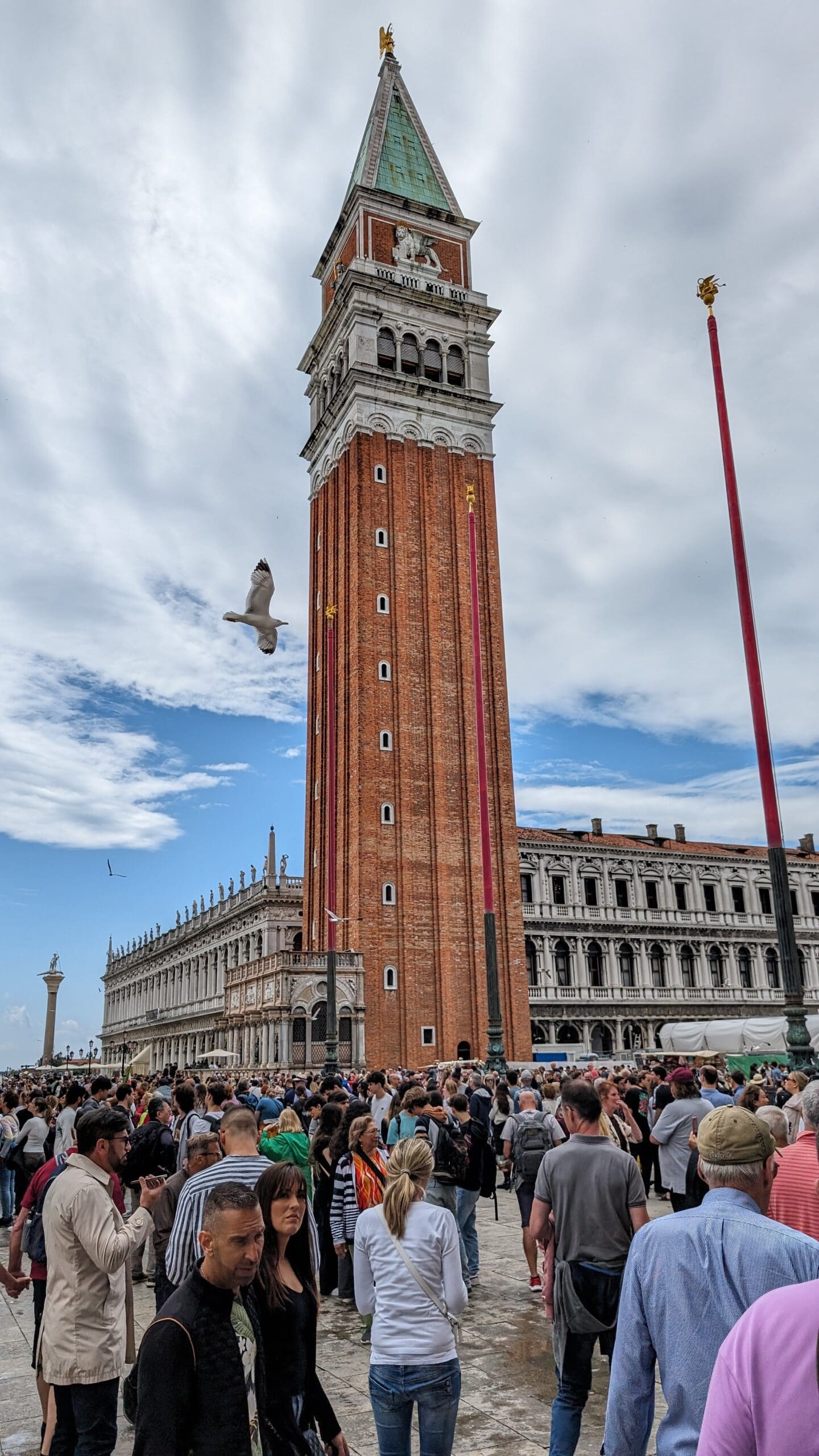
St. Mark’s Basilica is one of Venice’s most visited churches. Dress modestly and check bag rules.
Book skip-the-line entry tickets if possible, as queues in the sun can be long.
The interior mosaics are the highlight; allow time for the museum and terrace for views over the square.
The Campanile (bell tower) offers an elevator ride to the top for wide city views; lines can be long midday. Visit early or late to reduce waiting.
You can often find combined Basilica, Campanile and Doge’s Palace tickets on Tiqets or Klook.
Combine the basilica, Campanile, and Doge’s Palace in a half-day plan if you want to focus on the main sights.
Keep an eye on opening hours and any religious services, which can limit access.
If crowds feel heavy, return near closing time for a calmer visit.
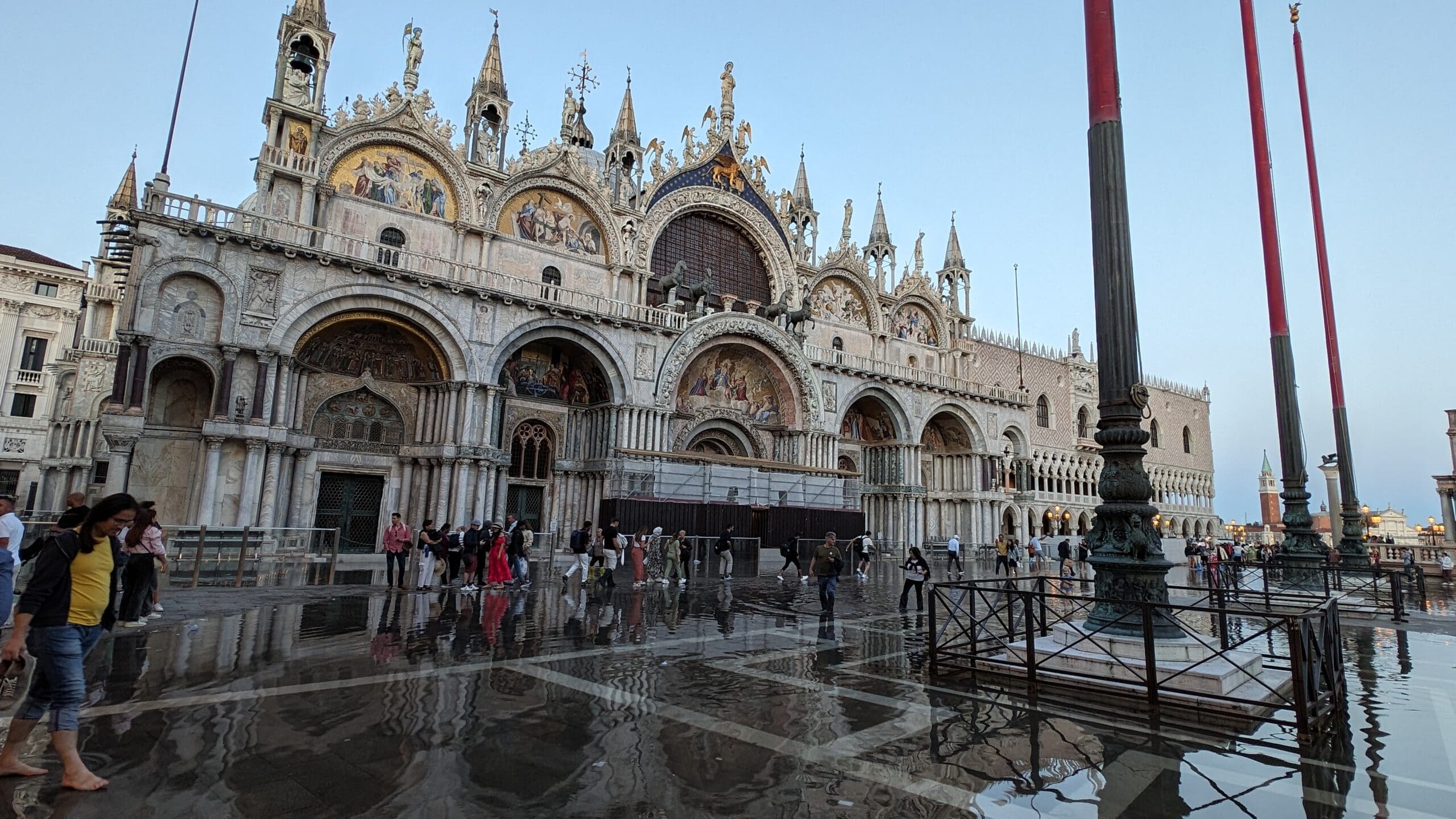
The water you see in the photo is not from rain, it’s from the tide which comes in frequently and floods the place!
Other Places to Visit Outside of Venice (3)
Murano
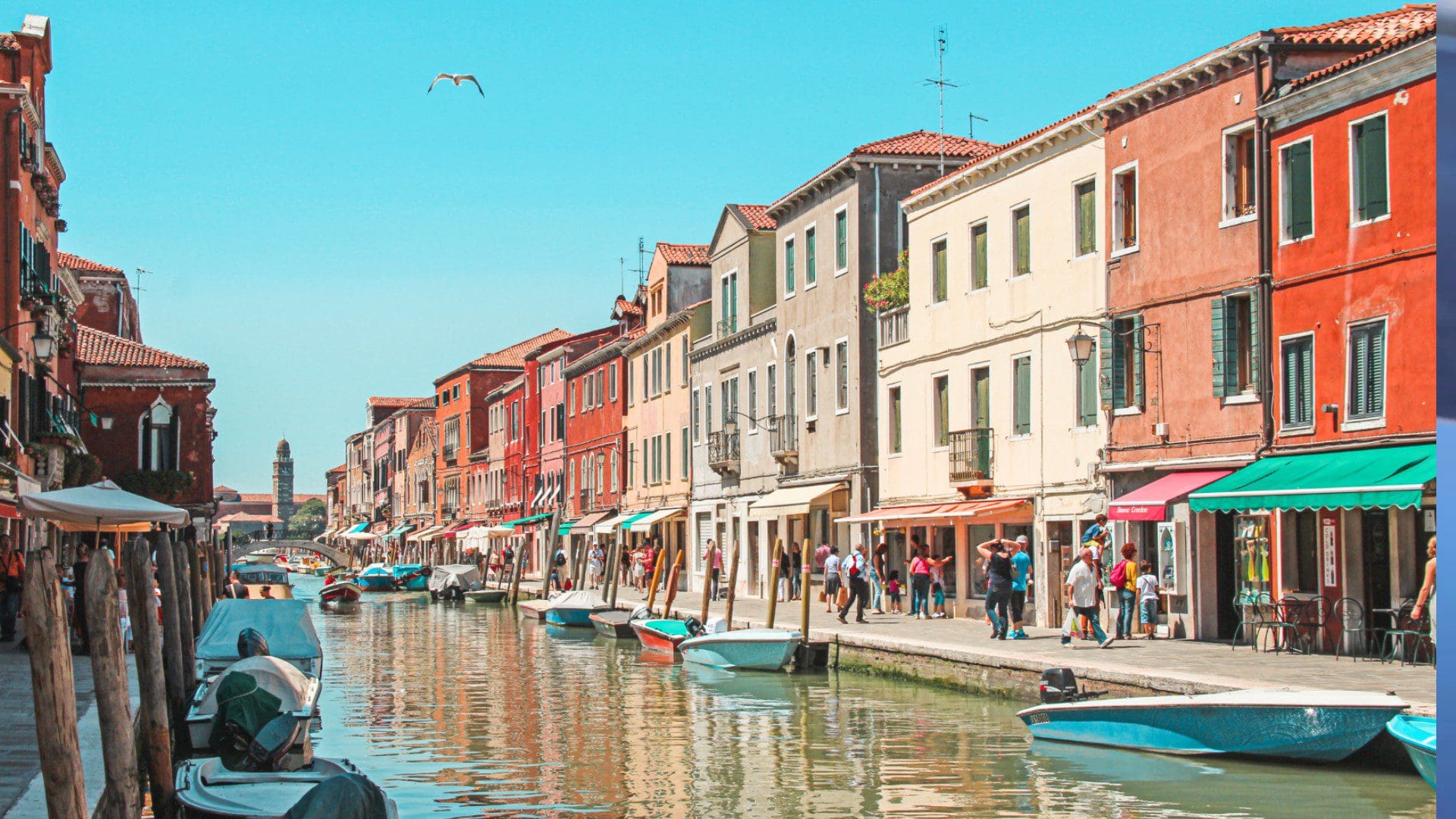
Murano is known for glassmaking. Take a vaporetto from Venice (about 15–20 minutes).
Visit a glass factory demo, then explore the Glass Museum to learn the craft history. Shops range from souvenirs to studio art; ask about authenticity and look for certificates.
Prices vary widely.
Walk along the canal, visit San Donato Church, and allow time for a coffee break away from the main stop.
Early morning or late afternoon is quieter. Expect 2–3 hours, or combine with Burano on a day trip.
If you prefer a guided experience that includes transport, check Murano half-day tours on Klook.
Burano
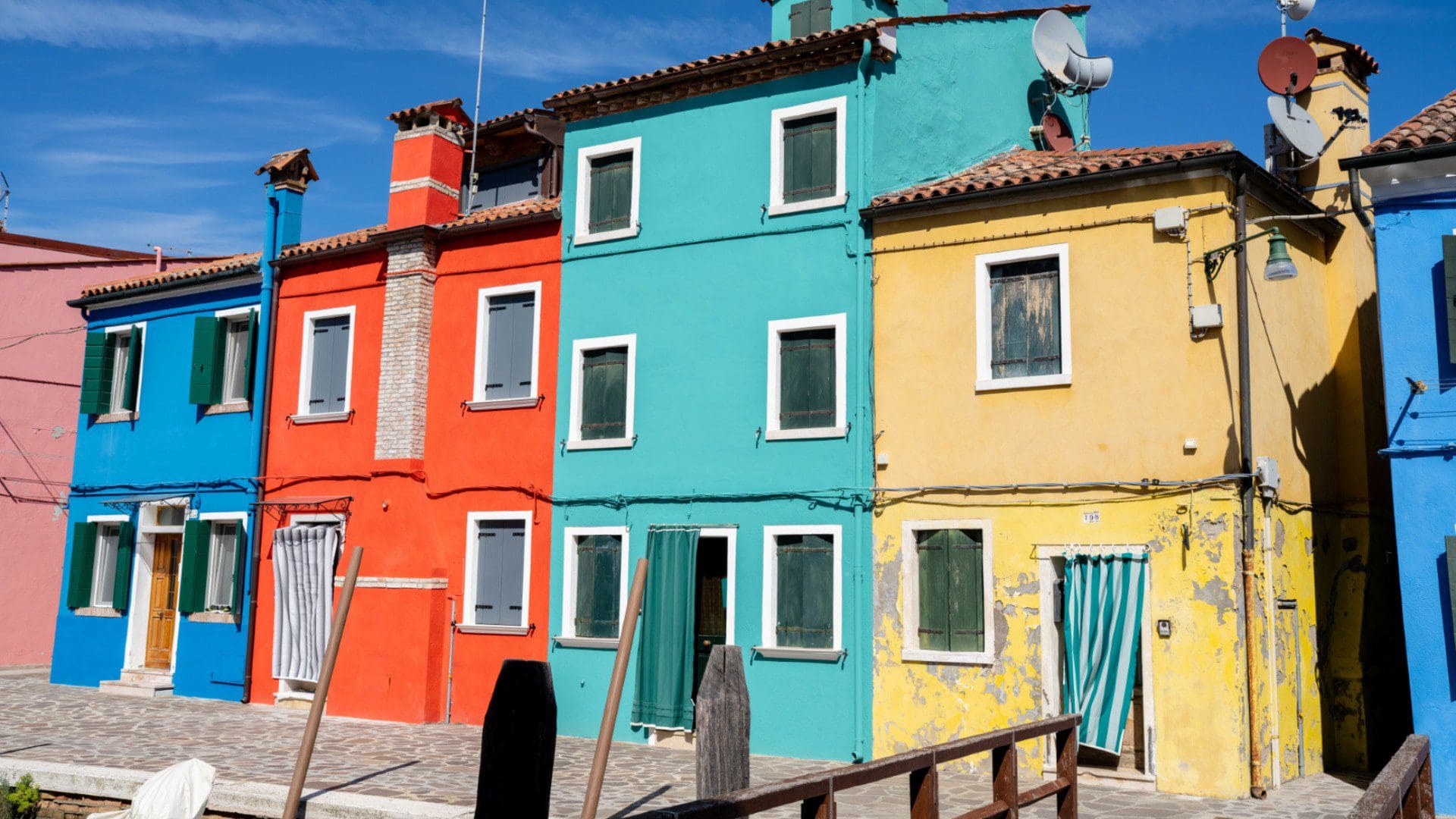
Burano is known for colorful houses and lace traditions. It is smaller and easy to walk.
Visit the Lace Museum, browse small workshops, and enjoy simple seafood at local trattorie.
The island can be crowded mid-day due to tours. Go early for calm streets and easier photos.
Respect local homes and avoid stepping onto private stoops.
Combine with nearby Mazzorbo by crossing the wooden bridge for a short vineyard walk. Plan 2–3 hours.
For a stress-free option that covers multiple islands in one go, have a look at Murano–Burano boat tours.
Verona
Verona is a good day trip by train (about 1–1.5 hours). See the Roman Arena, Piazza delle Erbe, Castelvecchio, and the Adige river views.
Walk the historic centre and try a simple lunch near Via Mazzini or away from the main squares for better prices.
Verona offers wide streets and easier walking than Venice.
Buy train tickets in advance for the best fares – you can compare options on Rail Europe or your preferred provider. Plan a full day.
Where to Stay: In or Outside the Center
- In Venice (San Marco, San Polo, Dorsoduro, Cannaregio): Walk to most sights. Higher prices. Great in early mornings and late evenings when day-trippers leave. Good for short stays.
- Giudecca or Castello (quieter edges): Fewer crowds, still scenic. Slightly longer boat rides.
- Mestre (mainland): Best value and larger hotels. 10–20 minutes by train or tram to Venice. Good for budget stays or when booking late in peak season.
- Near the cruise terminals or Piazzale Roma: Handy for short trips and early departures.
For hotels and apartments, we like using a mix of maps and reviews to find something walkable and within budget. The map below shows current prices and locations around Venice and Mestre.
Choose where to stay based on budget, mobility, and how often you want to return to your room midday.
Travel Costs (typical ranges, per person)
- Hotel per night: €80–150 (budget in Mestre), €180–350 (mid-range Venice), €400+ (high-end).
- Meals: Breakfast €4–8 (pastry + coffee), lunch €10–20, dinner €18–40. Sit-down service costs more.
- Coffee: €1.20–2.00 at the bar; table service can be 2–3x.
- Vaporetto: €9.50 single; €25 (24h), €35 (48h), €45 (72h) passes. Check whether a city pass on Klook works out cheaper for your dates.
- Gondola: ~€90 for 30 minutes (day), ~€110 (after 7 pm); prices set by city.
- Museums: Major combo tickets €25–35. Basilica extras and tower tickets are separate – often available on Tiqets.
- Airport transfer: Alilaguna boat €15–17; bus to Piazzale Roma €10–12.
Suggested Budgets (per day, excluding flights)
- Shoestring: €70–100 (Mestre lodging, bar-style meals, 24h vaporetto on share days, free sights).
- Mid-range: €150–230 (3-star in Venice, mix of meals, 48–72h pass, 1–2 paid sights/day).
- Comfortable: €250–400+ (central hotel, sit-down meals, gondola, multiple sights).
Money-Saving Tips
- Ride the vaporetto with a day pass if using it more than twice.
- Eat standing at the bar for coffee and snacks; avoid table surcharges in main squares.
- Book major sights online to save time; time is money in crowded areas. We usually check Tiqets for tickets
and Klook for tours. - Refill a water bottle at public fountains (potable unless signed otherwise).
- Choose lunch specials (pranzo) for better value than dinner.
- Stay in Mestre for lower hotel prices and larger rooms.
- Use traghetti for short canal crossings instead of a full gondola ride.
- Consider a Europe-wide eSIM from Airalo so you can use maps, vaporetto apps, and train planners without hunting for Wi‑Fi.
- For peace of mind on flights, cruises, and trains, organise travel insurance before you leave home via VisitorsCoverage.
Tip: Accommodation prices can vary hugely depending on travel dates. Before booking, see how we use Booking.com’s calendar tool to find cheaper hotel deals and reduce travel costs.
Best Time to Go
- Peak: Late spring to early autumn and during festivals. Expect heavy crowds, especially when cruise ships are in or nearby ports are busy.
- Shoulder: April–May and September–October. Milder weather, shorter lines, lower prices. Consider this for a calmer visit.
- Winter: Quiet and cheaper outside holidays; shorter daylight and possible high water.
How to Get Around
- Walk: Short distances between many sights; use maps for lanes and bridges.
- Vaporetto: Main public transport. Get a pass for multiple rides, or check if a Venice transport/city pass on Klook
suits your plans. - Alilaguna: Airport boat lines to key stops.
- Gondola: For experiences, not for transport. Small group gondola rides are sometimes discounted on Klook.
- Mainland trains and trams: Easy access to Mestre and day trips. Check timetables and fares in advance on Rail Europe.
- No cars in historic Venice. Plan luggage with bridges in mind.
For real-time timetables and bookings, we like using Rail Europe for trains and Klook for local transport passes and tours.
If you’re planning a wider trip, explore more of our Mediterranean travel guides, including our Italy Travel Tips, Best Places to Visit in Italy, and Getting Around Italy guides.
Watch our video on our visit to Venice