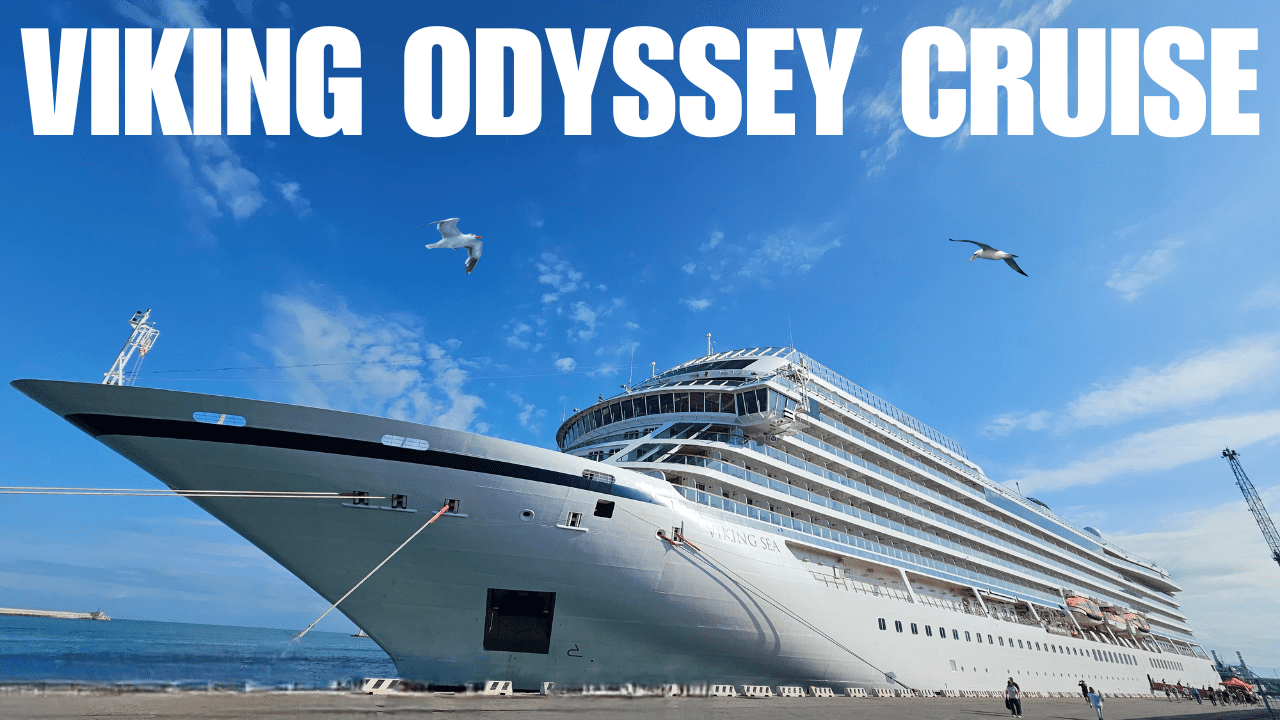
From the moment we stepped on board our Viking Mediterranean Odyssey cruise in Barcelona, we knew we were in for something special.
This Viking Mediterranean Odyssey cruise covers Barcelona, Marseille, Monte Carlo, Livorno, Rome, Naples, Corfu, Dubrovnik, Split and Venice over 12 days. If you’re researching this itinerary, here’s what it’s really like — the pacing, the excursions, and whether it’s worth it.
Boarding in Barcelona and first impressions
Getting to know the ship
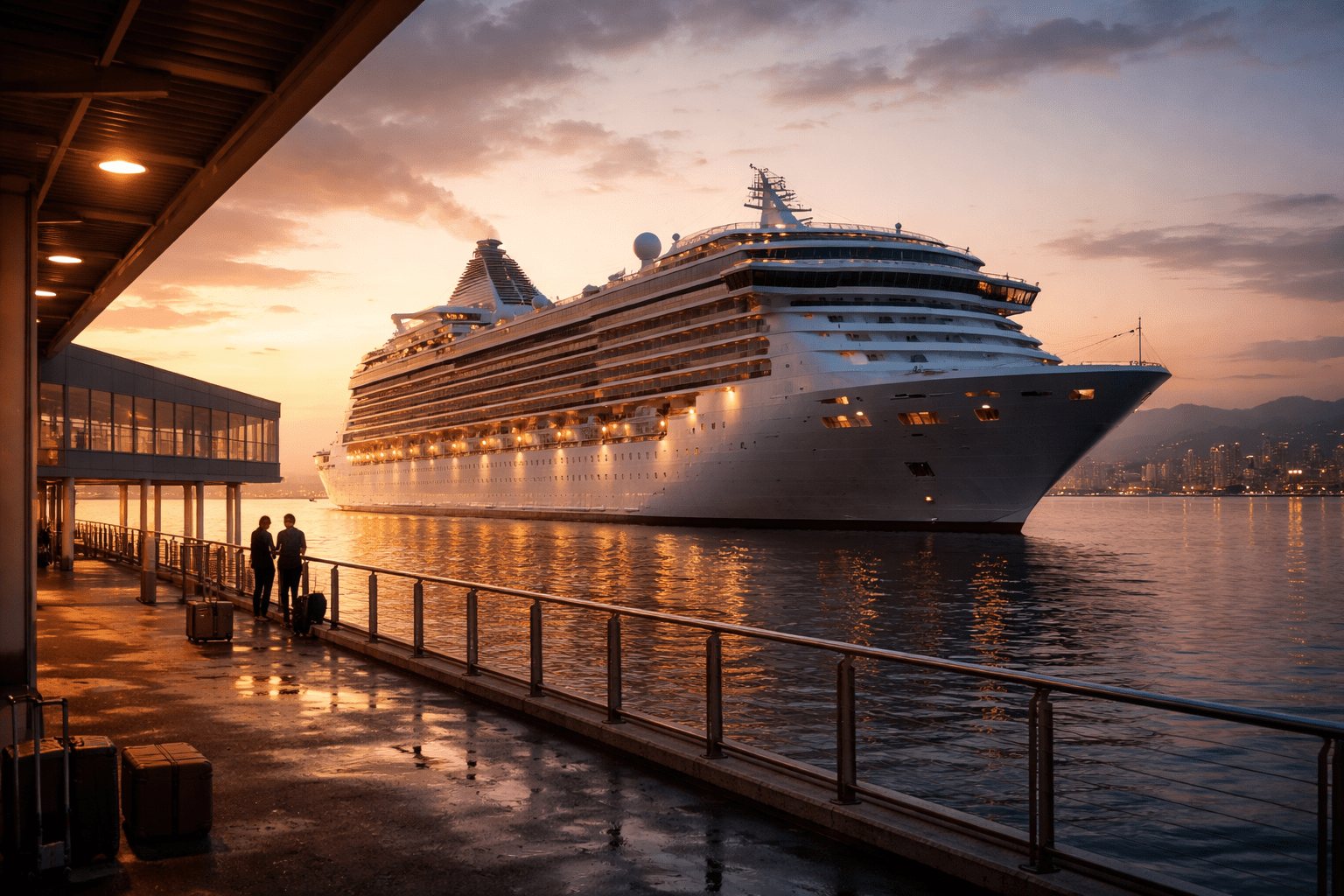
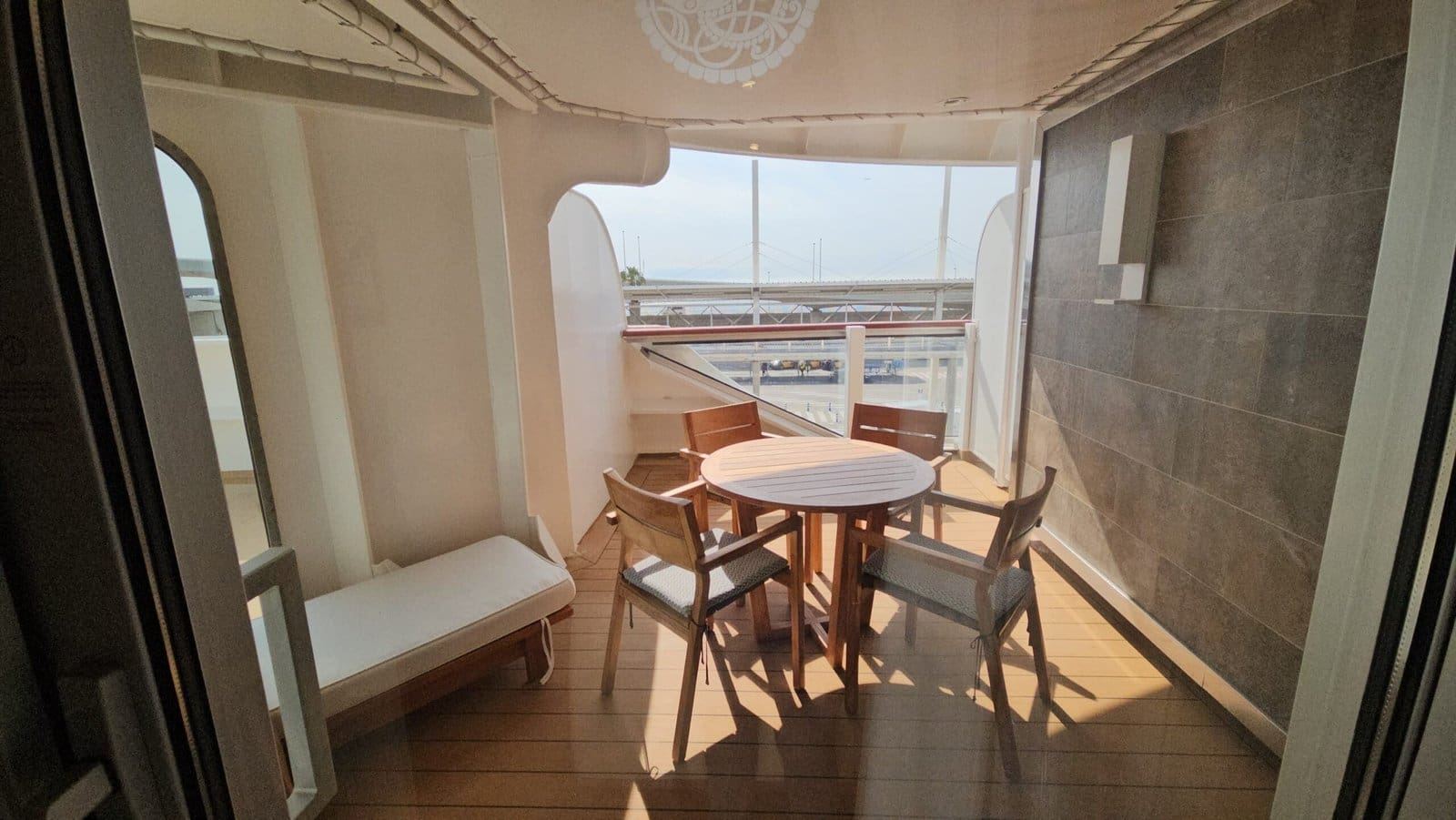
We boarded the ship in Barcelona around 11:00 a.m. Check‑in was smooth, and we were soon walking around the ship to learn the layout.
On the first afternoon we simply wandered. We found the restaurants and bars, peeked into the spa and gym, walked around the pool deck and stepped inside the theatre to see where the evening talks would be held. It sounds simple, but taking that time on day one made the rest of the cruise feel effortless. By dinner, we already knew our way around and didn’t feel like new arrivals anymore.
Taking this time on day one made the rest of the cruise easier. By dinner, we already knew where to go without looking at signs every few minutes.
Tip: If you’re still choosing your first itinerary, it can be helpful to compare this Viking Mediterranean Odyssey cruise with other Med routes on CruiseDirect. Look at the number of ports, sea days and overnight stops to see which style of trip suits you best.
Barcelona: Gaudí, Sagrada Família and city highlights
Free Viking tour and time on our own
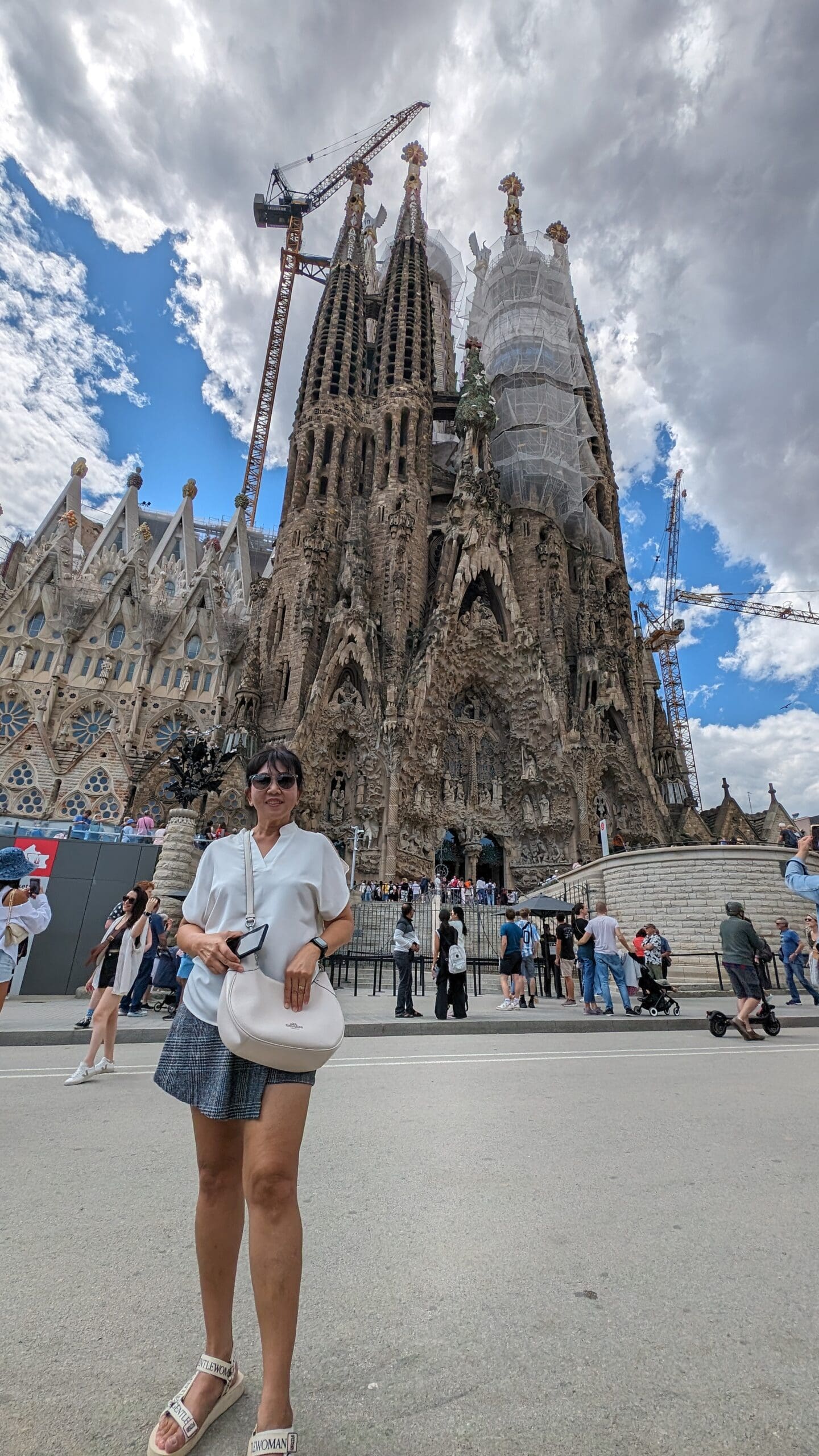
One of the nice things about a Viking Ocean cruise is that each port includes at least one free excursion. In Barcelona, our included tour focused on the work of architect Antoni Gaudí, with a highlight visit to the Sagrada Família.
Standing in front of this famous church, with its high towers and detailed stonework, was a powerful moment. Inside, coloured light from the stained-glass filled the space and gave it a calm, almost dreamlike feeling.
Even though it was not peak tourist season, the crowds were huge. Our guide did a great job steering us away from the worst lines and finding quieter corners. After the tour, we had free time to walk through the city, before heading back to the ship for our evening sail‑away.
Marseille: harbour life and hilltop views
Old Port and Notre‑Dame de la Garde
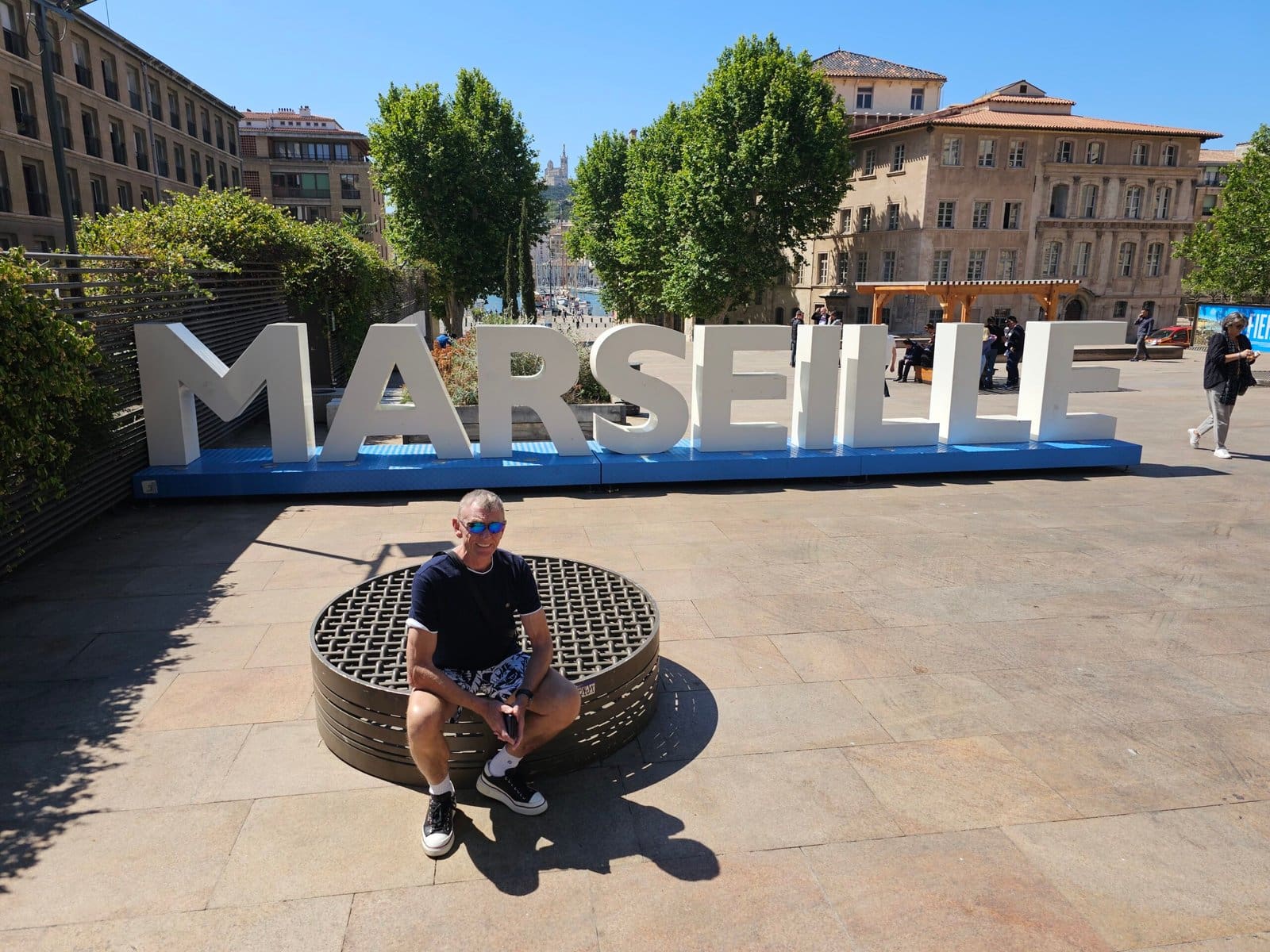
Overnight, we sailed to Marseille. The city feels busy and lived‑in right away, especially around the Old Port. We watched fishing boats come in and saw the morning market in full swing.
Our tour took us by coach up to the basilica of Notre‑Dame de la Garde, high on a hill. From there, we had wide views over the city and the deep blue sea. It was a good reminder of how large Marseille is and how important the harbour has been over time.
Back in the old quarter, we walked narrow lanes lined with small shops and cafés. We found a bakery where we enjoyed a simple but perfect croissant and coffee before returning to the ship.
Monte Carlo: casinos, palaces and beach time

Glamour and a calmer side
Next came Monte Carlo, known for wealth and style. We walked past the Casino de Monte‑Carlo, which looked like something from a film, inside and out. Even without gambling, it was worth seeing.
We also visited the Prince’s Palace and watched the changing of the guard. The palace gardens gave us a quiet break from the busy streets and a great view over the harbour.
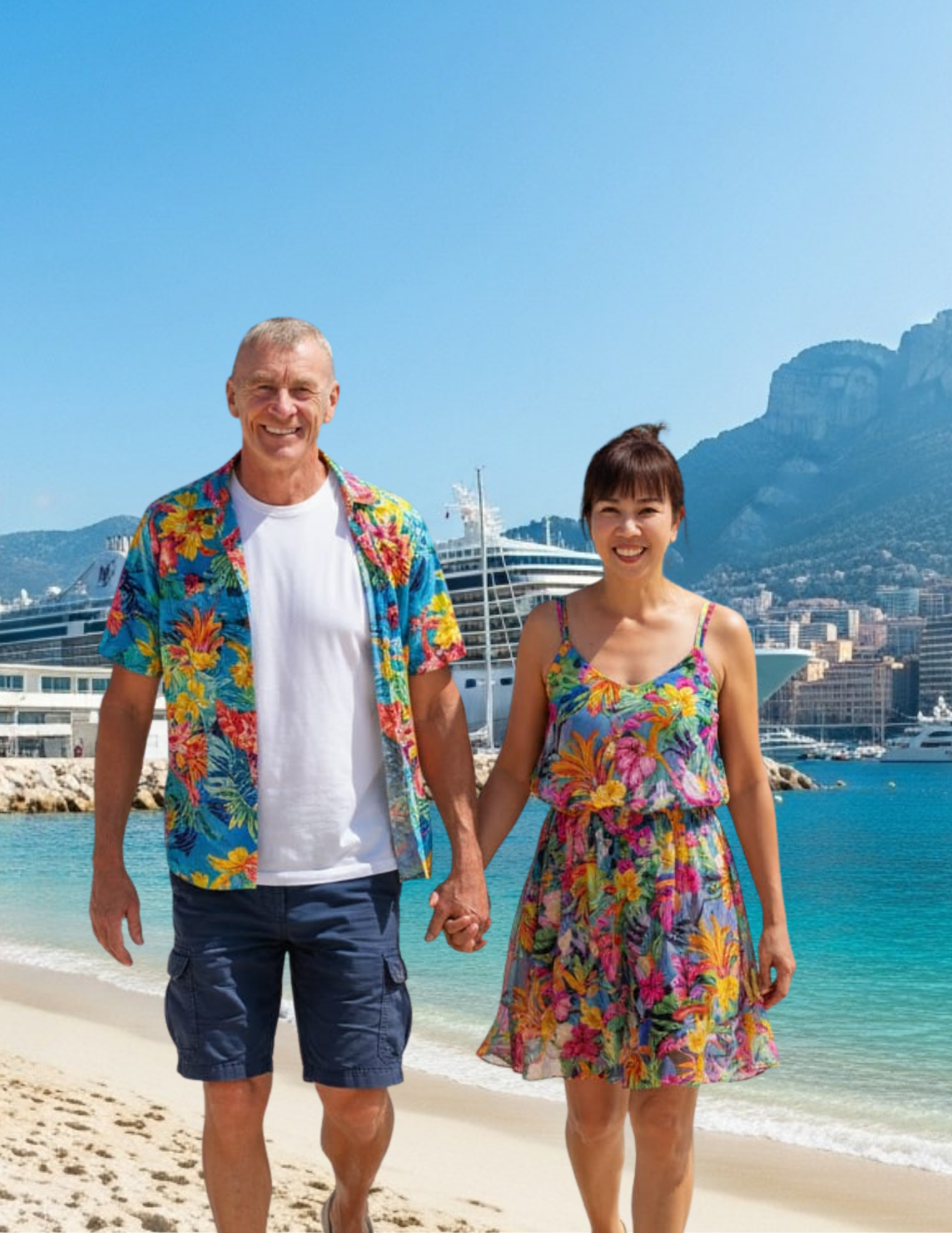
Later, we took time out at Larvotto Beach. The clear water and simple beachfront made a nice contrast to the more flashy parts of the city. It was a good place to sit, slow down and enjoy the sea.
Livorno and Pisa: gateway to Tuscany
Leaning Tower and missed Florence
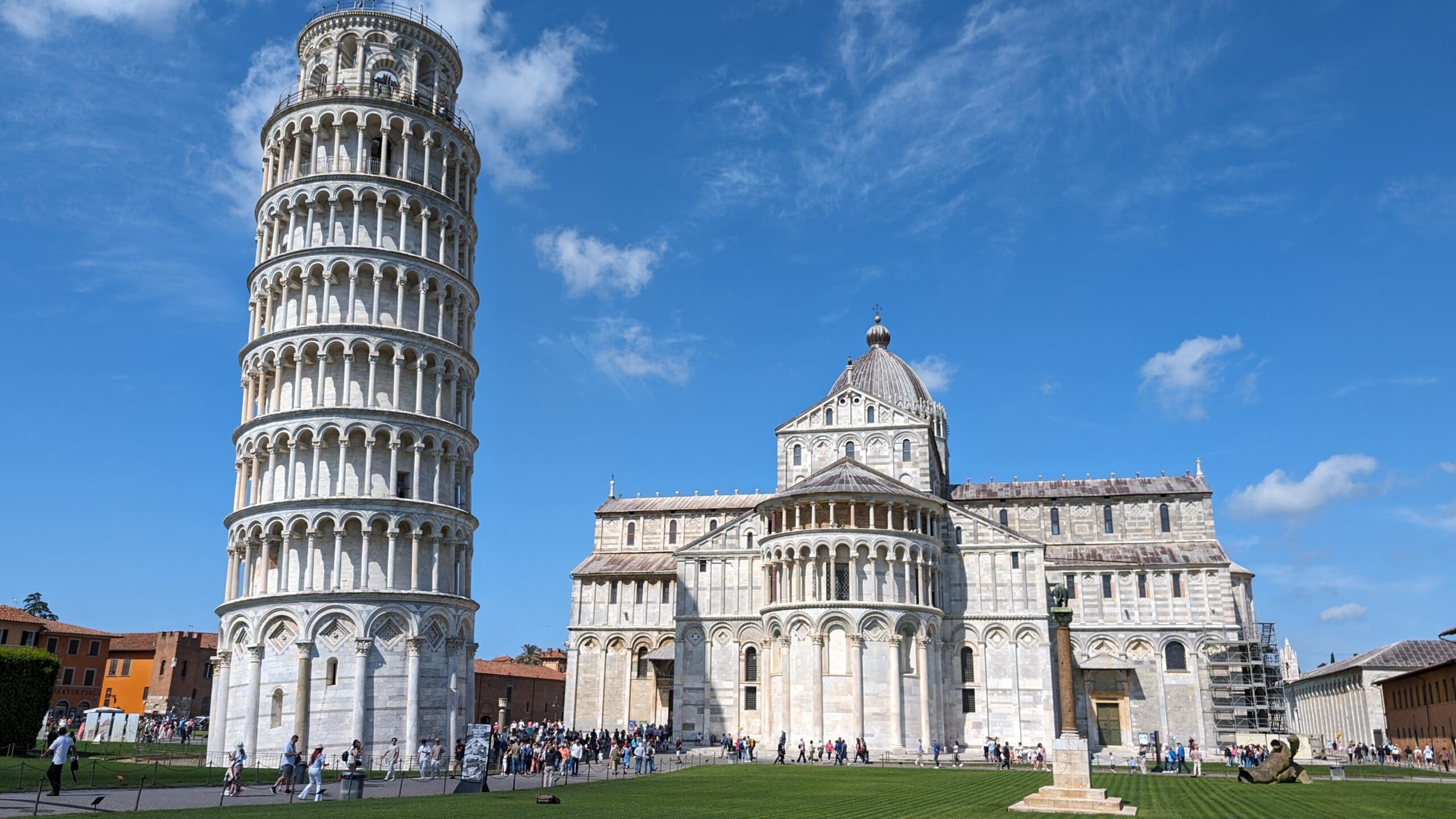
Livorno was our entry point to Tuscany. The city itself has working canals and busy seafood markets, but our included tour took us to Pisa.
Seeing the Leaning Tower in real life felt almost strange at first, because it is such a famous image. Climbing the tower was a fun experience and the view from the top was worth the effort. We also visited the nearby cathedral and baptistery in the Campo dei Miracoli, both full of detail and history.
We chose not to take the longer optional tour to Florence, but those who did, came back talking about the Uffizi Gallery and seeing works by Michelangelo and Botticelli. If you have never been to Florence and do not mind a longer day, this could be a good add‑on.
Rome: ancient sites and the Vatican
A day of bucket‑list moments
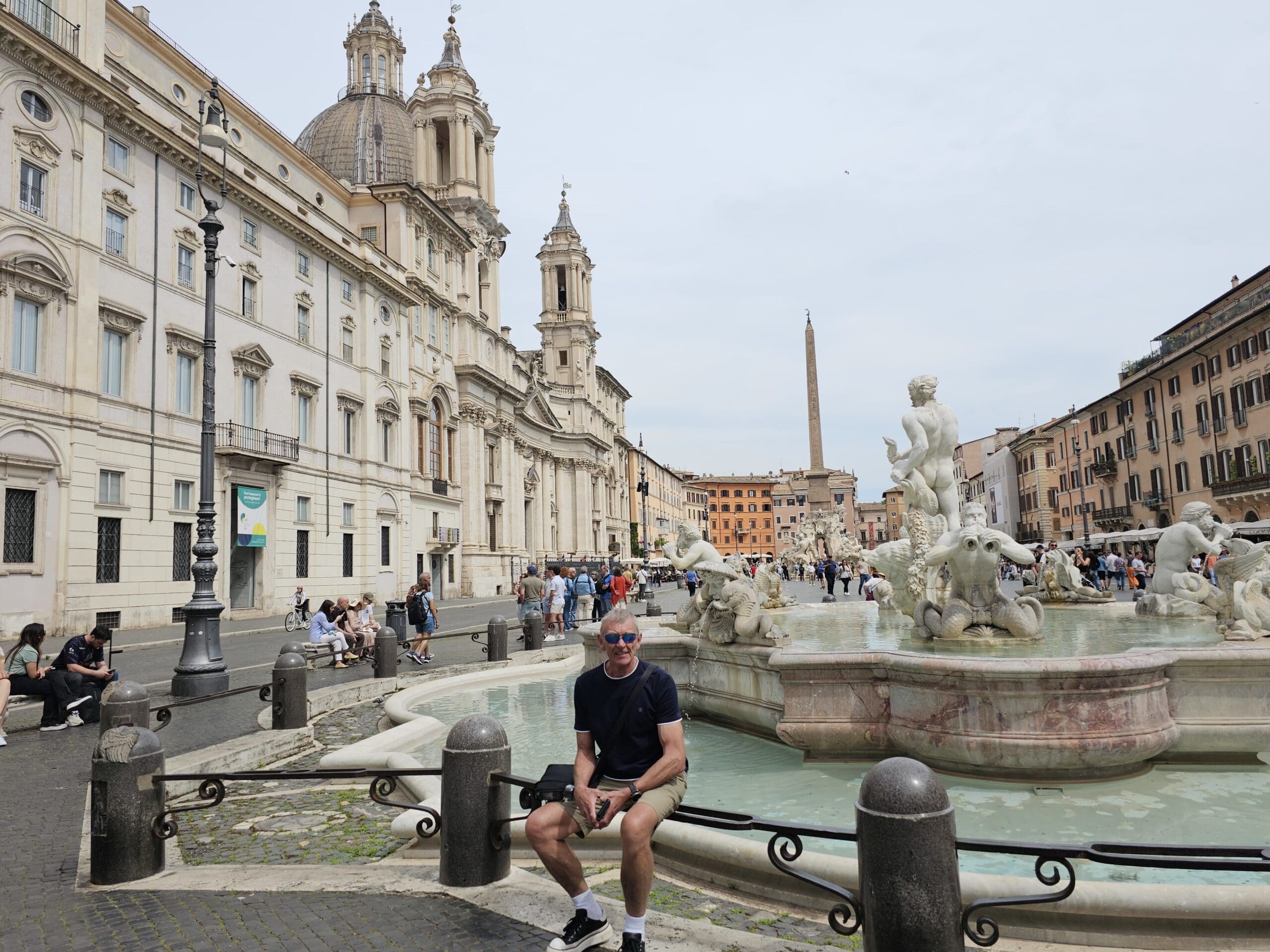
From Civitavecchia, we headed into Rome for a full day. Rome is almost overwhelming in the best possible way. The Colosseum felt far larger and more powerful than any photograph suggests. Walking through the Roman Forum and up Palatine Hill made ancient history feel real rather than distant. Later in the day, standing beneath the enormous dome of St Peter’s Basilica and then inside the Sistine Chapel, looking up at Michelangelo’s ceiling, felt like ticking off moments we had imagined for years. By the time we reached the Trevi Fountain and threw in a coin, we were completely spent — but completely happy.
A simple plate of pasta at an outdoor restaurant finished the day before we went back to the ship, tired but happy.
Pre‑booking key sights: If you’re visiting places like the Colosseum or Vatican Museums independently, it’s worth reserving timed tickets or small‑group tours in advance on GetYourGuide so you’re not wasting precious port time in long queues.
Naples: old town and true Neapolitan pizza
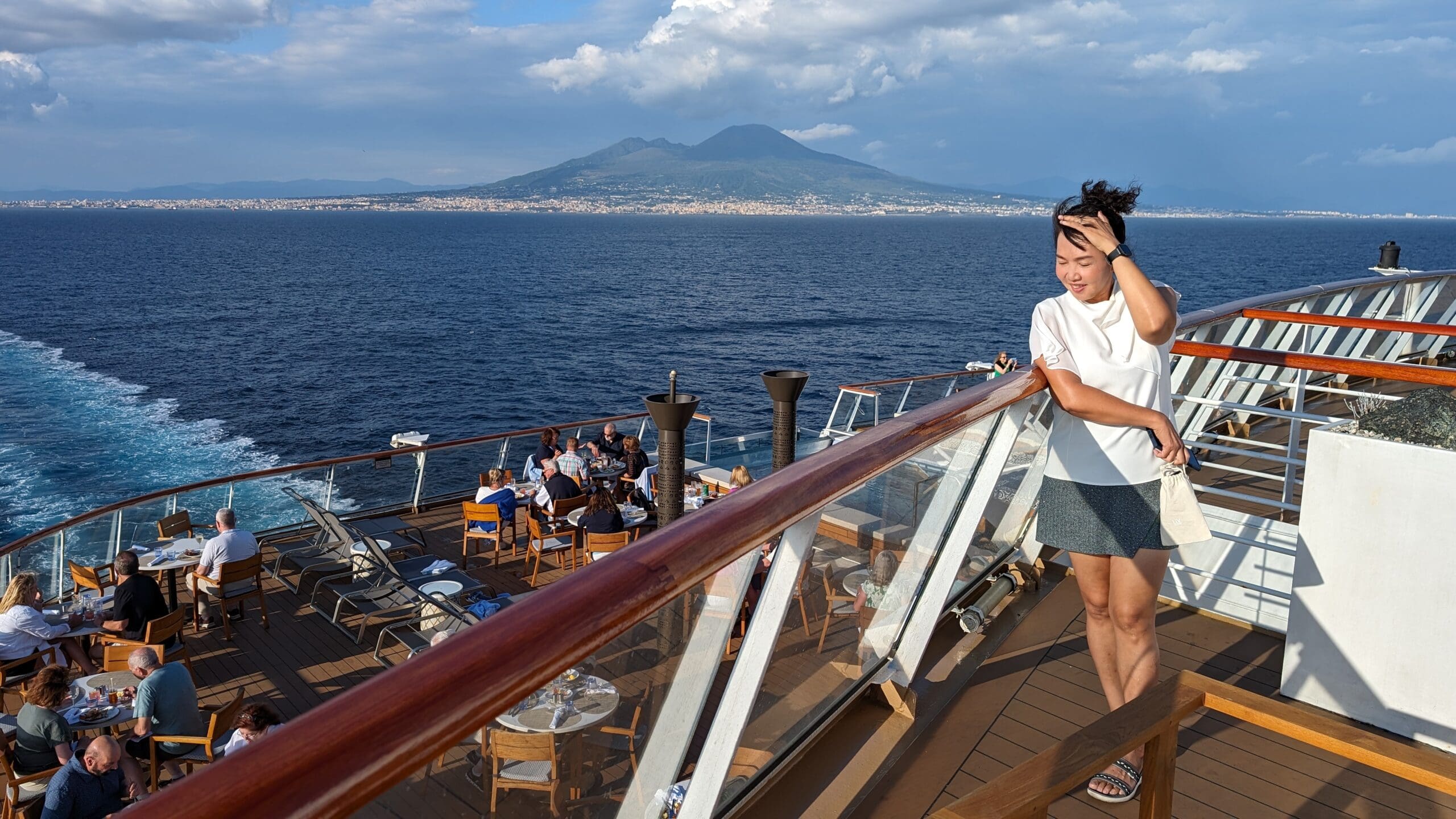
City sights and food highlight
Naples felt full of life from the moment we arrived. The historic centre is a maze of small streets, churches and squares. We saw the Naples Cathedral and Piazza del Plebiscito, and watched daily life unfold around us.
The stand‑out here was the pizza. Eating an authentic Neapolitan pizza in its home city, with a thin base, soft centre and fresh toppings, was a memory in itself. If you like food, do not leave Naples without trying one. One regret here was not taking a paid excursion to see the ruins of Pompeii. If you intend to book a Viking Mediterranean Odyssey cruise, then consider adding on the Pompeii excursion.
Corfu: island charm and Achilleion Palace
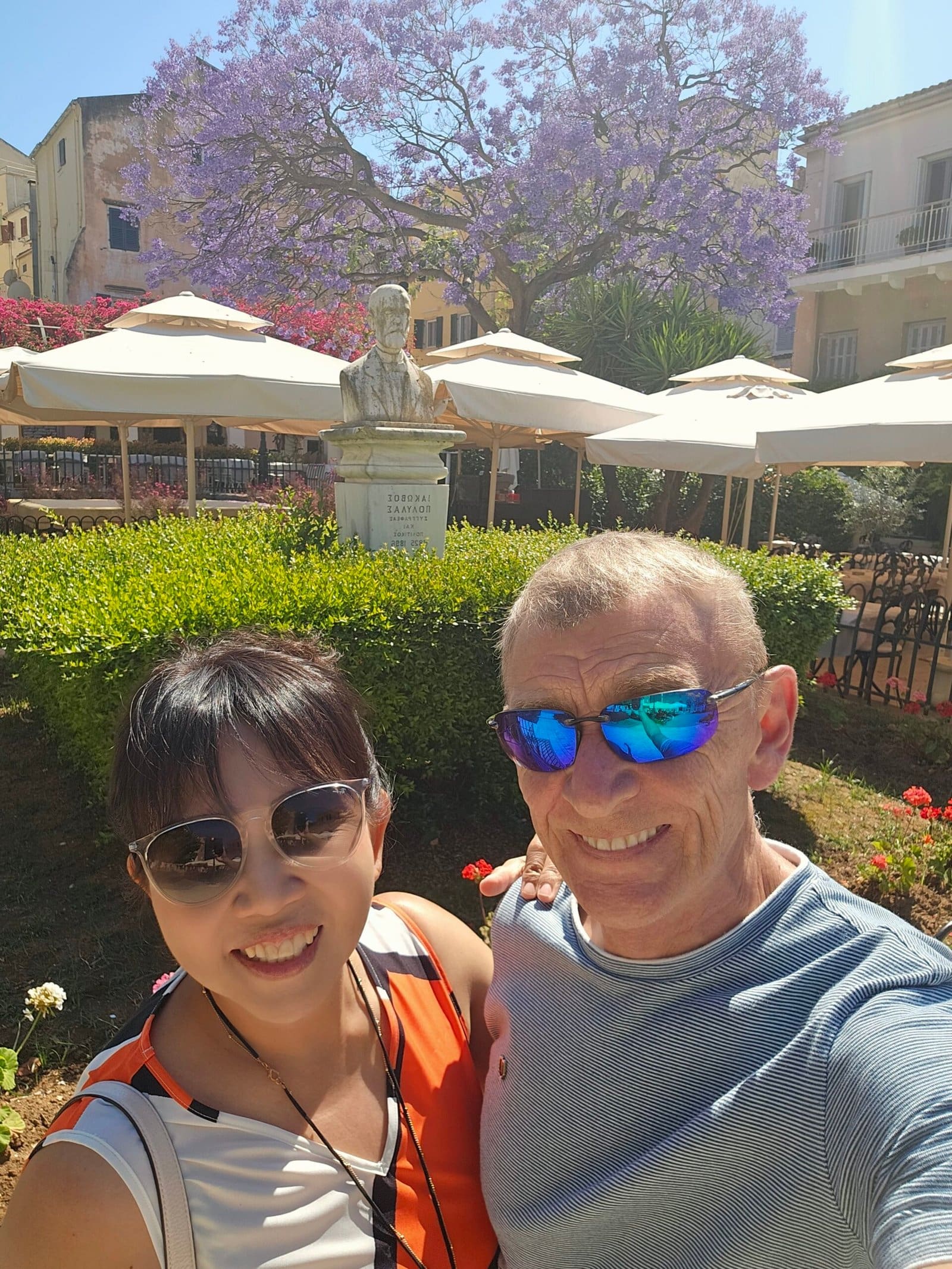
Greek island stop with a calm feel
Our next port was Corfu, a Greek island with a mix of Greek and Venetian history. Corfu Town has narrow lanes, old buildings and small squares that are easy to explore on foot.
A visit to Achilleion Palace gave us another view of the island. The gardens, full of statues and with wide views over the sea, felt peaceful. We returned to the ship in the early afternoon, which gave us time to rest on deck as we sailed toward Croatia.
Dubrovnik: walking the walls and cable car views
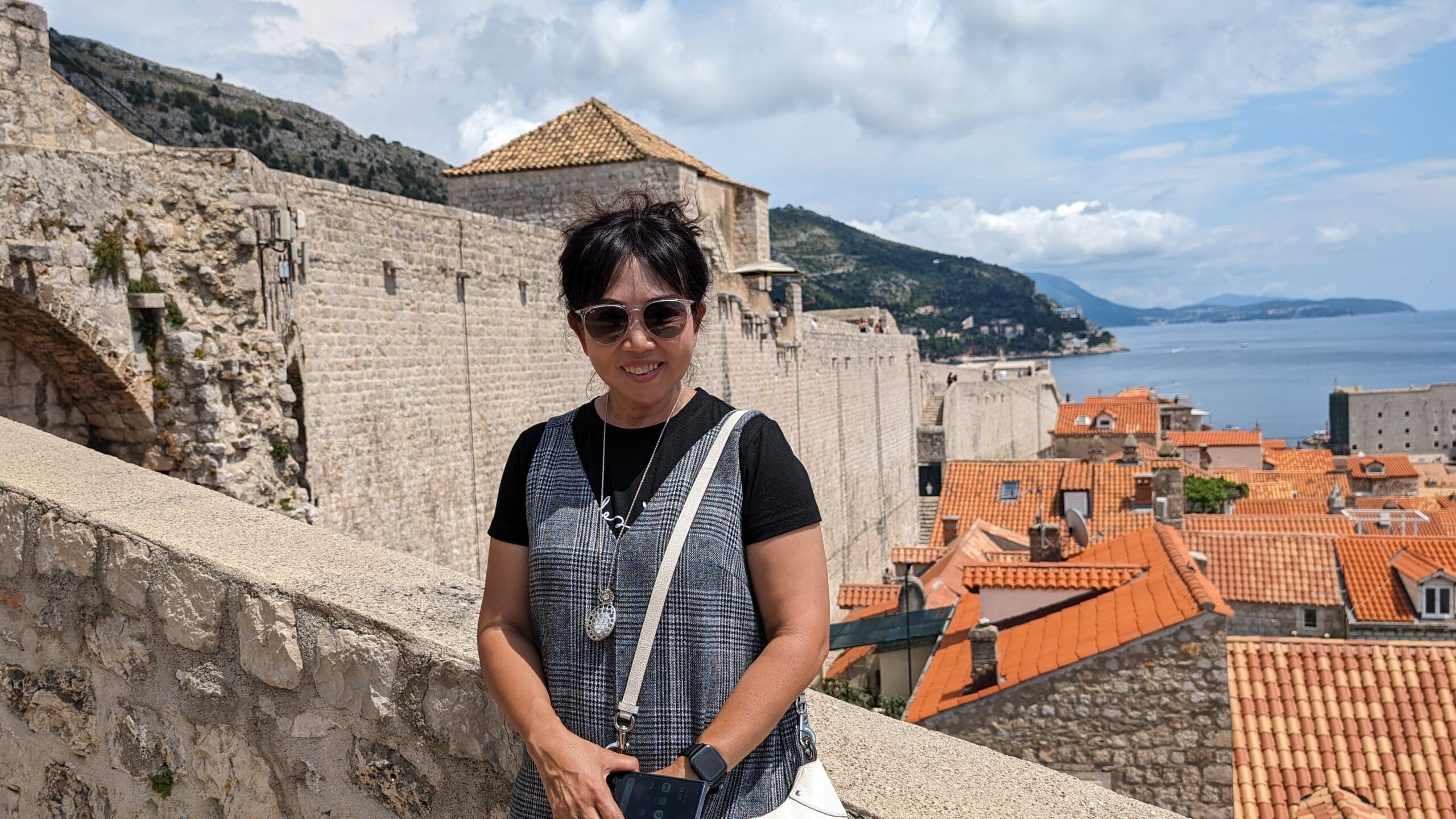
The Pearl of the Adriatic
Dubrovnik is often called the “Pearl of the Adriatic,” and it is easy to see why. Our first move was to walk the full circuit of the city walls, about two kilometres in total. This is a must‑do. The view over the orange roofs and blue water is stunning.
We suggest going early in the morning to avoid the worst of the heat and crowds. Later, we explored the old town, including the Rector’s Palace and Sponza Palace, then strolled along the Stradun, the main street.
To end the visit, we took the cable car up Mount Srđ. From the top, you get a wide view of the city, islands and coast. It is a simple but very rewarding short trip.
Split: Diocletian’s Palace and harbour promenade
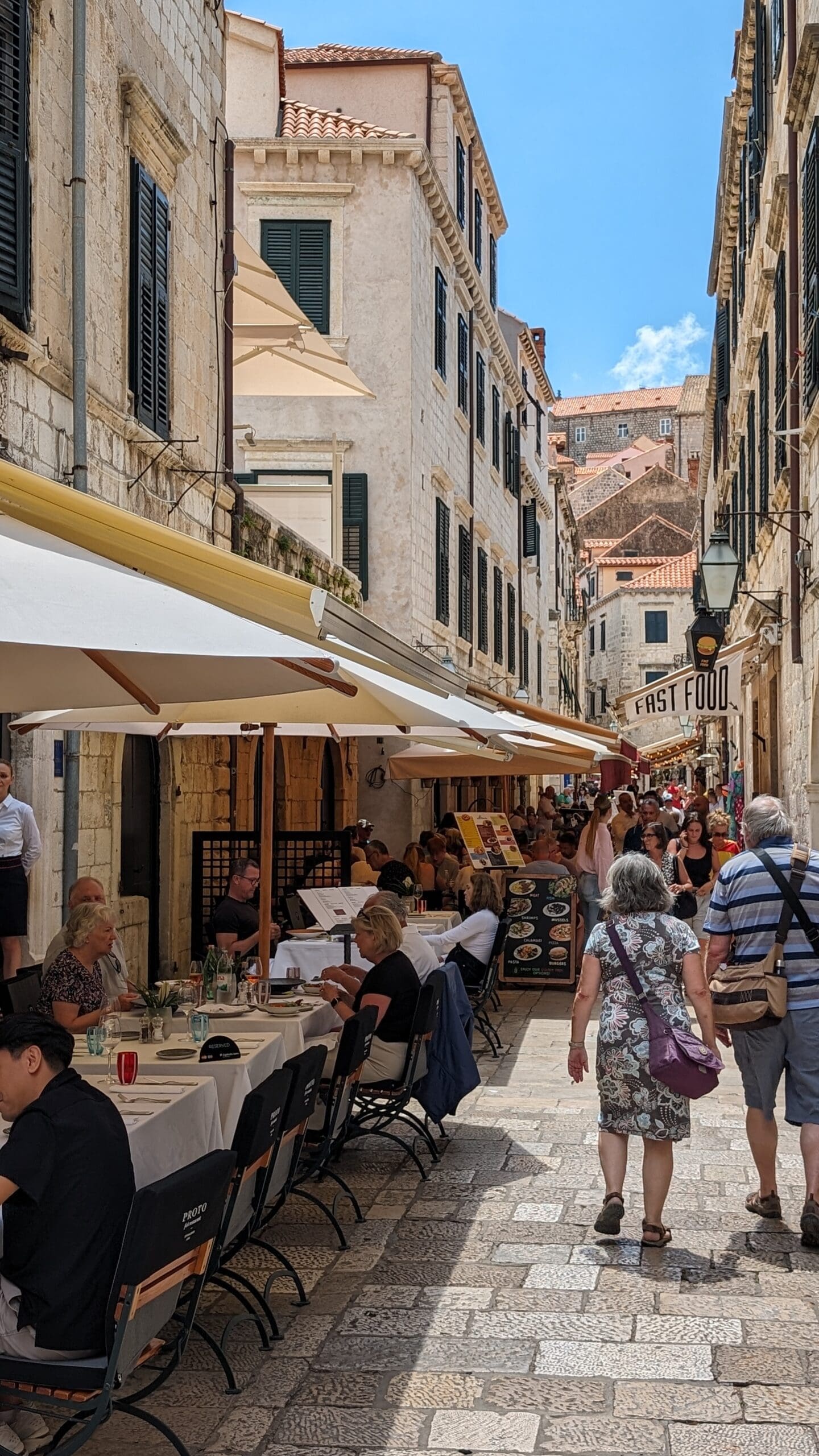
Ancient palace at the heart of a modern city
Split was our last port before Venice. The core of the city is Diocletian’s Palace, built by a Roman emperor and now full of homes, shops and cafés.
Walking through its stone passages and courtyards felt like moving through time. The Peristyle, the main open courtyard, is a good place to stand and imagine what the palace was like when it was first built.
We visited the Cathedral of St. Domnius, once the emperor’s mausoleum. The bell tower gives great views if you climb it. Outside the palace, the Riva promenade runs along the harbour. It is the perfect place for an ice cream or coffee while watching boats come and go.
Venice: canals, churches and rising tides
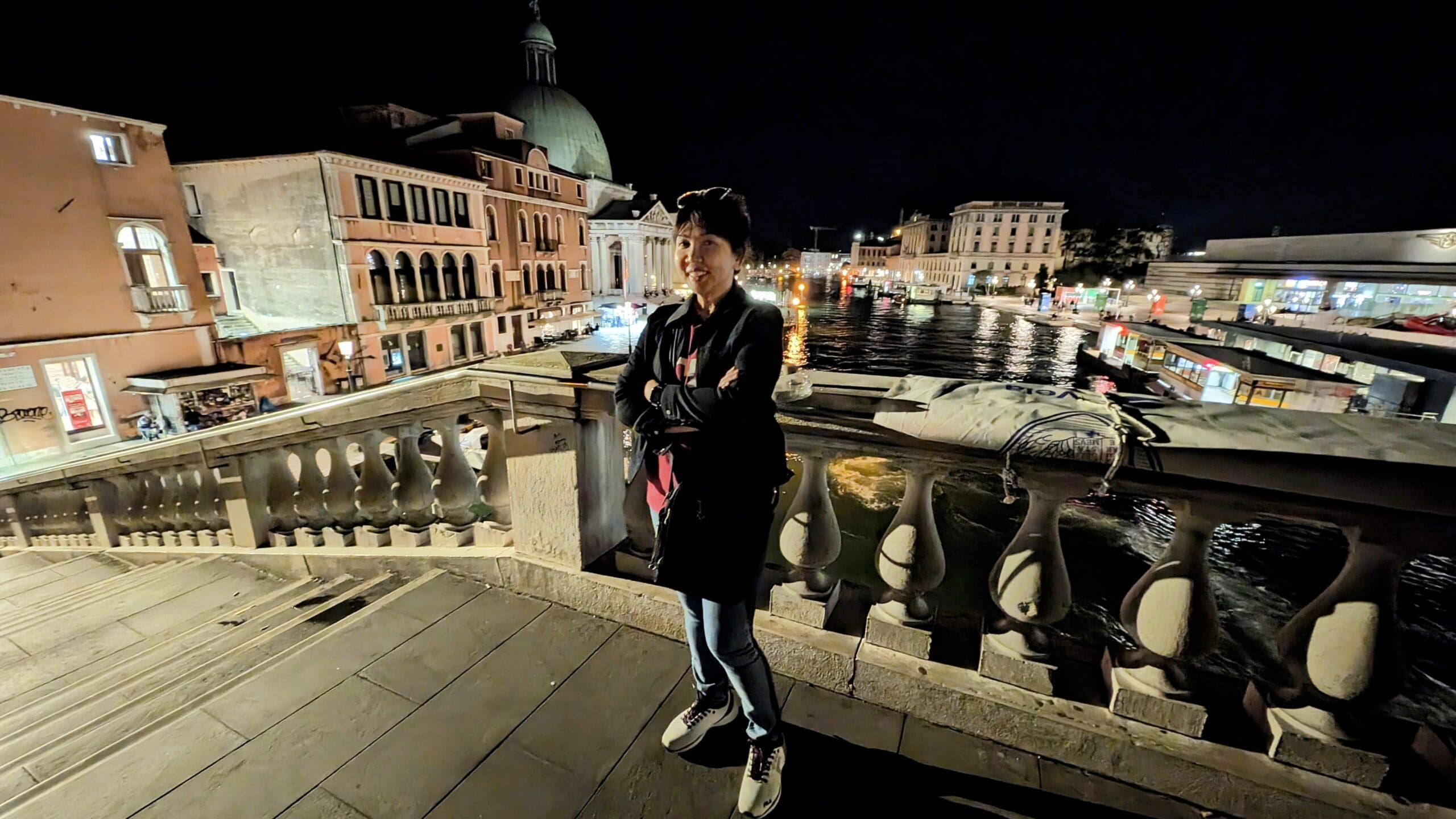
Ending the Viking Mediterranean Odyssey cruise
Large cruise ships no longer dock in Venice itself, so we took a smaller ferry in from the cruise port area. Venice is made up of many small islands linked by bridges, with canals instead of streets. It is unlike any other city we have visited.
We visited:
- St. Mark’s Basilica, famous for its gold mosaics and mix of styles
- The Doge’s Palace, once home to Venice’s ruler and government
- The Grand Canal and Rialto Bridge, with markets and shops nearby
After the cruise ended, we stayed on in Venice and saw St. Mark’s Square under 1–2 feet of water. Tides and storms can flood parts of the city, so raised walkways are used when needed. It was strange, but also interesting to see how the locals deal with it.
Despite these challenges, Venice remains one of the most memorable stops on the route and a special way to finish the trip.
Where to stay in Venice: If you’re adding extra nights before or after your cruise, we recommend booking a hotel near a vaporetto stop or within walking distance of St. Mark’s Square or the Rialto. We use Booking.com to compare prices, reviews and neighbourhoods quickly and find something that fits our budget.
Extra Venice experiences: If you’re staying on in Venice, you can book walking tours, gondola rides or island trips to Murano and Burano through GetYourGuide. Having tickets and meeting points sorted in advance makes your post‑cruise time much more relaxed.
Who Is This Cruise Best Suited For?
This itinerary suits travellers who enjoy history, structured days and culturally rich ports rather than beach-only relaxation. There is a lot of walking involved in cities like Rome, Dubrovnik and Venice, so a moderate level of mobility is helpful. If you prefer nightlife and party-focused cruises, this may not be the right fit. But if you enjoy quieter ships, included excursions and a more educational atmosphere, this route works very well.
How Busy Does This Itinerary Feel?
Many people worry that Mediterranean cruises feel rushed. On this route, most port days are full but manageable. The included tours are well structured, and there is usually enough free time to explore independently. Sea days are limited, so this itinerary is better for travellers who prefer active sightseeing rather than extended relaxation at sea.
If you’re considering this itinerary, you might also find our Viking Ocean cruise tips and our first Viking cruise tips helpful for planning, packing and avoiding common first‑timer mistakes.
Is a Viking Mediterranean Odyssey cruise worth it?
For us, this Viking Mediterranean Odyssey cruise felt like a complete journey.
In less than two weeks we moved from grand capitals to quiet island lanes, from ancient Roman ruins to living neighbourhoods where daily life unfolds around you. That contrast is what made the itinerary feel complete rather than rushed.
What surprised us most was how balanced the itinerary felt. We expected to feel rushed trying to see so many major cities in under two weeks, but the combination of guided excursions and relaxed evenings on board kept everything manageable. Having the same cabin each night removed the usual stress of trains, packing and hotel changes.
Handling money in multiple countries: Because this route passes through several different currencies, we like travelling with a low‑fee multi‑currency card such as Wise. You can load euros and other currencies in advance and usually get better exchange rates than a standard bank card.
Watch the Viking Mediterranean Odyssey cruise video
To see this route in motion, including real footage of each port and life on board, scroll down and watch our full cruise video.
See also the full cruise details here
For more detail on planning and saving money on similar trips — and to compare Viking with other cruise lines for comfort, inclusions and overall value — see our complete guide to the best cruise lines for seniors.