Choosing an adults-only cruise when you’re over 50 often comes down to two things: the onboard vibe and the true, all‑in cost. Viking is a well-known semi‑luxury brand with a refined Scandinavian style and strong destination focus. Saga is the quieter contender with a dedicated 50+ focus, a British‑leaning atmosphere and pricing that folds in more of what you actually use – drinks, gratuities and many excursions – so the fare you see is close to the fare you pay.
In this guide, we compare Viking vs Saga across cabins, dining, entertainment, wellness, excursions and a head‑to‑head cost example to help you decide which line offers the best value for your budget, age group and travel style.
If you’re still weighing up different cruise brands before narrowing it down to Viking vs Saga, our guide to the best cruise lines for seniors compares the leading adult-focused cruise lines side by side, including inclusions, onboard atmosphere and real-world value for travellers over 50 and 70.
How to Price Viking vs Saga in a Few Minutes
Before you get attached to one brand, it’s worth checking real sailings and seeing how inclusions affect the total. These are the tools we use when comparing Viking vs Saga on actual value:
- Cruises – CruiseDirect: Browse Viking itineraries worldwide, compare dates and cabin grades and watch for promotions that include air or onboard credit. (Saga is typically booked direct, but you can still use CruiseDirect to benchmark similar itineraries.)
- Flights – KAYAK: Check how much flights to your embarkation port cost if air isn’t included, or if you’re considering upgrading an “included” fare to premium or business class.
- Hotels – Booking.com: Price pre‑ and post‑cruise stays; this matters if one line bundles hotel nights and transfers and the other doesn’t.
- Shore days – GetYourGuide: Look up key ports to see what independent excursions cost so you can judge how valuable each line’s included tours really are.
Ship Basics and Space Onboard
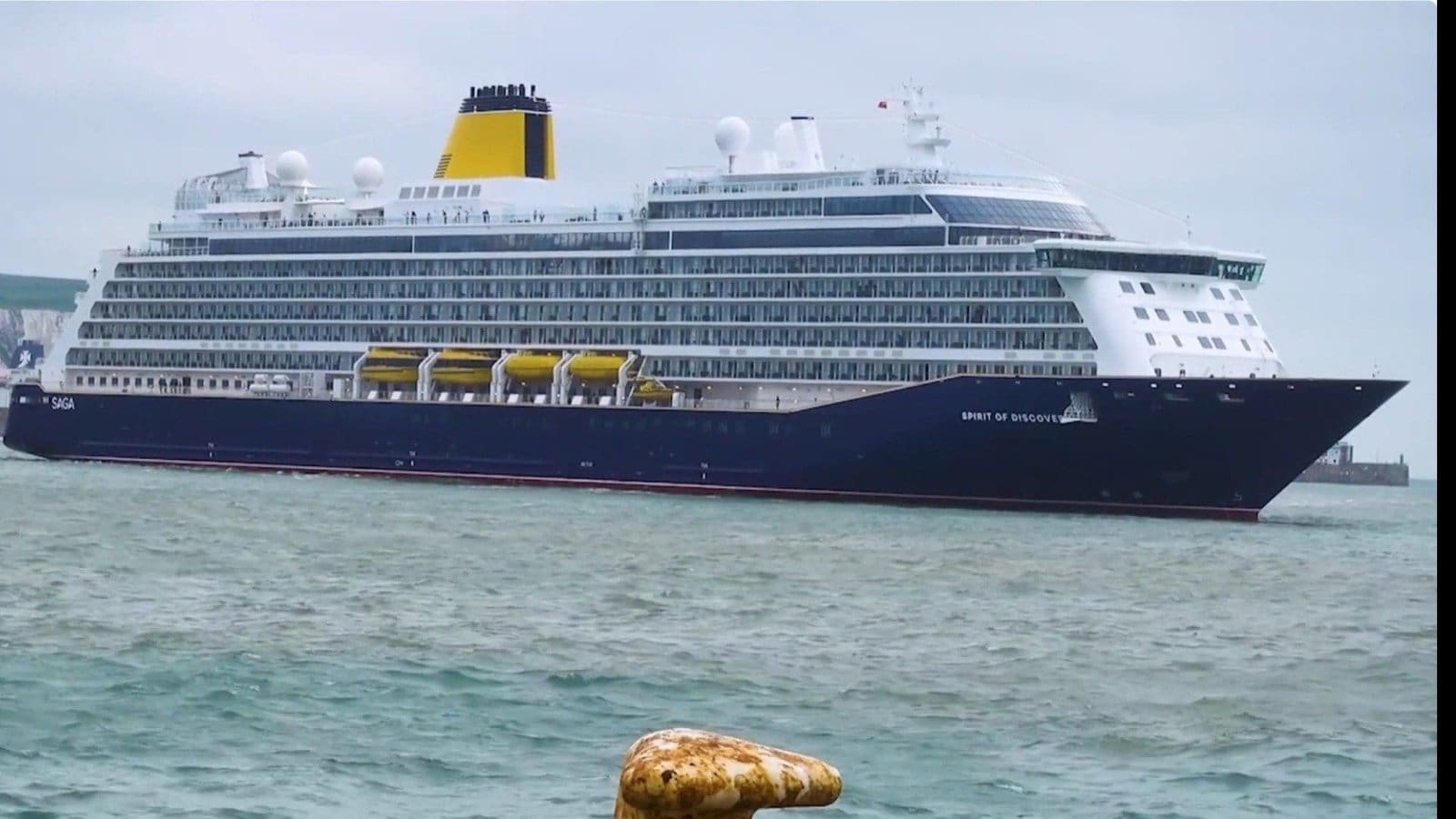
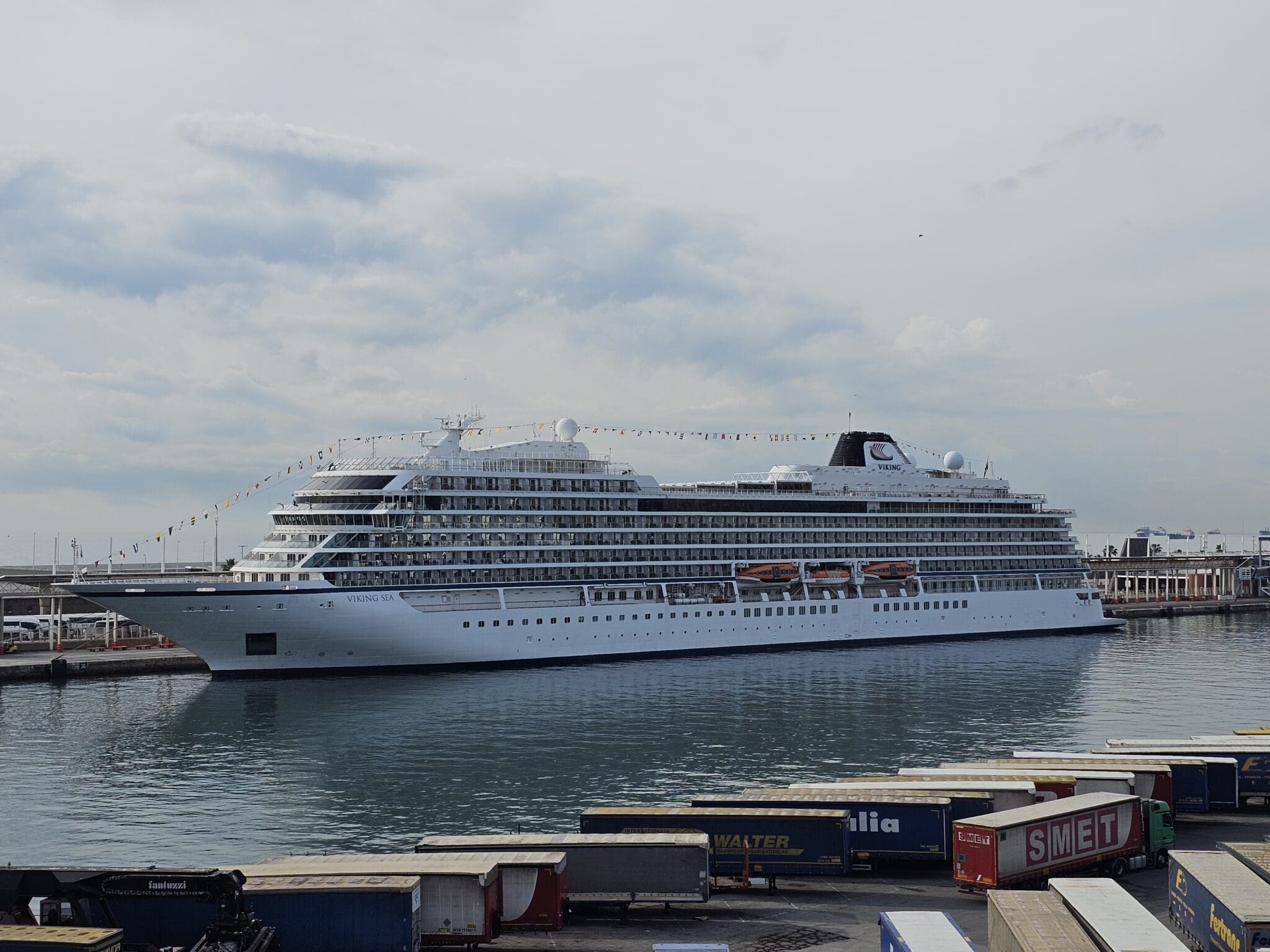
Both lines sail similarly sized ocean ships, but the mixes differ. Saga operates two near‑identical ocean ships; Viking fields a much larger fleet of 14 (and growing) ocean ships. In our research, we compared Saga Spirit of Discovery with Viking Neptune:
- Capacity: Saga ~987 guests vs Viking ~930
- Space ratio: Saga ~59 vs Viking ~51 (higher = more public space per guest)
- Crew count: Saga ~540 vs Viking ~465
In practical terms, Saga should feel a touch less crowded and slightly more attentive service, given its higher guest‑space ratio and crew numbers.
If you’re new to concepts like space ratio and guest‑to‑crew numbers, our guide on how to choose the right cruise explains how these metrics affect crowds, noise levels and overall comfort. It’s a handy companion when you’re deciding between Viking vs Saga or any other lines.
Gratuities and What’s Included
Inclusions have a big impact on perceived value:
- Gratuities: Included with Saga. With Viking, gratuities are typically extra (about $17 per person per day) if you’re booking via US/global sites; bookings from the UK/Australia often include them.
- Drinks: Saga includes drinks as standard. Viking includes drinks at lunch and dinner; otherwise, you’ll need a package (e.g., Silver Spirits) for broader coverage.
Those two details alone—gratuities and beverages—can meaningfully narrow the gap between headline price and what you actually pay.
When you compare inclusions, don’t forget currency and protection. A low‑fee multi‑currency card like the Wise travel card can cut down conversion fees on deposits and onboard bills, and a good travel insurance policy is essential at these price points.
Dining and Drinks Experience
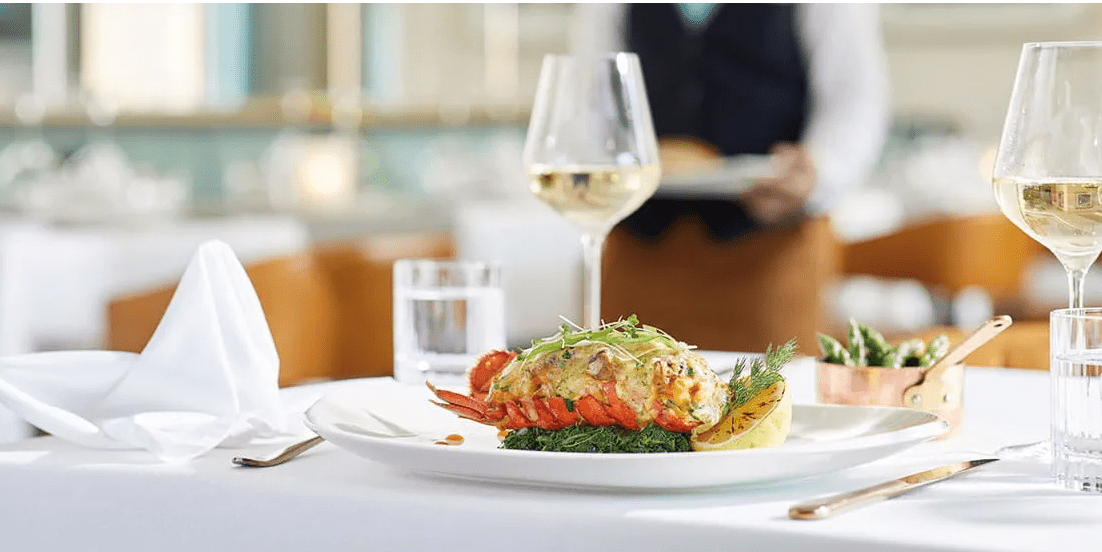
Viking’s culinary identity is refined, regionally informed, and presented with Scandinavian polish. Speciality venues, thoughtful design, and consistently high execution win frequent praise. Drinks, however, are only included at mealtimes unless you purchase a package.
Saga favours approachable, comforting menus with British and international classics, and crucially, includes drinks in the fare. That “no‑surprises” approach typically means a lower onboard spend for travellers who enjoy a glass of wine or an evening cocktail without tracking bar tabs or add‑ons.
Entertainment and Onboard Atmosphere
Expect calm, adult‑focused evenings on both lines—far from a party ship feel.
- Viking: Culture focused enrichment with classical performances, intimate concerts, and lectures led by historians and experts—perfect for travellers who want depth and quiet elegance.
- Saga: A friendly, familiar program for a UK‑oriented 50+ audience—piano bars, cabaret, and headline acts that feel like a relaxed night at the theatre.

Both prioritise conversation and comfort over nightlife.
Cabins, Solo Options, and Accessibility
Standard staterooms set the baseline experience:
- Saga’s standard twin with balcony: about 215 sq ft
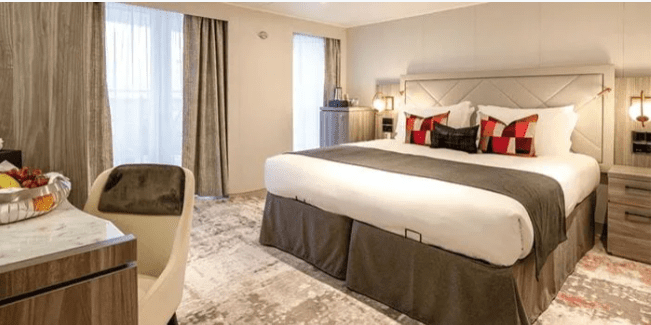
- Viking’s V1/V2 veranda stateroom: about 270 sq ft
Viking’s cabins often feel more spacious and are known for minimalist Scandinavian design, smart storage, and a polished finish. Saga’s rooms emphasise warmth, practical comforts, and accessibility that resonate with older guests. A key differentiator: Saga offers dedicated solo cabins and periodic solo‑traveller promotions without supplements; Viking does not have solo cabins and rarely discounts solo fares. As always, review deck plans and photos for your exact category—layout, wardrobe space, and bathroom design can matter more than raw square footage.
Wellness, Spa, and Fitness
Both lines take wellness seriously, though with different emphases:
- Viking: Modern fitness centres, Nordic spa concepts, thermal areas, and a broader mix of contemporary classes.
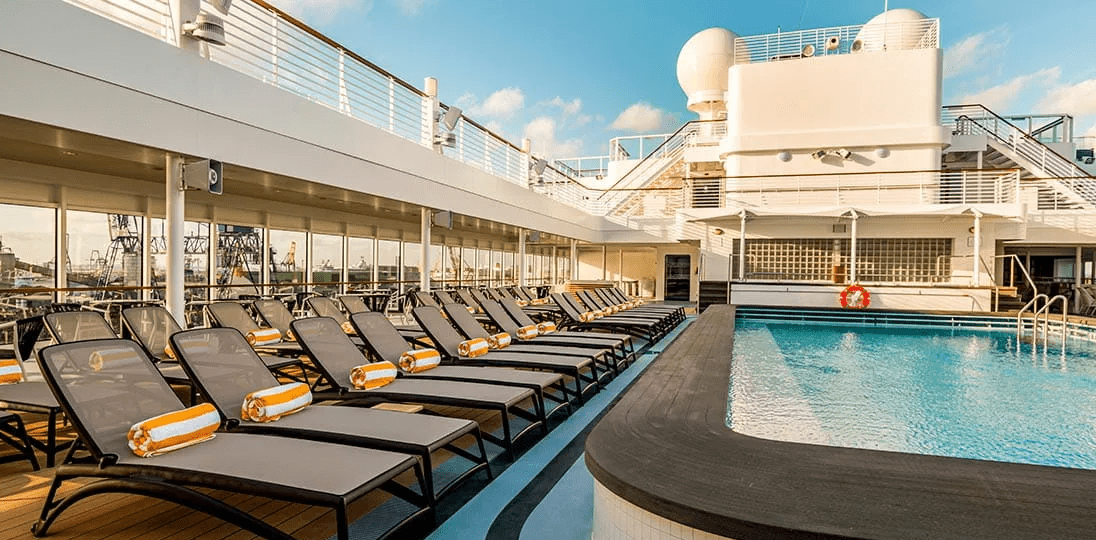
- Saga: Facilities and programming geared toward mobility, flexibility, and restorative wellness—ideal for an older passenger profile seeking gentle, lower‑impact options.
Neither brand is lacking here; it’s a matter of style and programming.
Shore Excursions and In‑Port Value
Viking offers tours led by experts that dive into local culture and history. Some are included; many are premium. Saga also includes a generous selection; from 2026 it plans to include one free excursion in every port (as Viking does). Both offer additional paid options. Practically, you can enjoy a tour in each port without inflating your base fare on either line.
If you like to mix ship tours with independent exploring, check your ports on GetYourGuide to see local options and prices. That makes it easier to decide whether Viking’s and Saga’s included excursions are enough for you or if you’ll want to budget for extra experiences.

Live Cost Comparison: Viking vs Saga
For a like‑for‑like snapshot, consider:
- Viking Homelands, 15 days (August 2026), V1 veranda: from $10,099 per person (US dollars), excluding gratuities.
- Saga Scandinavian itinerary (August 2026) , 14 nights (comparable length/region), standard twin: £5,935 per person.
Currency comparisons (approx):
- $10,099 ≈ £7,580
- £5,935 ≈ $7,905
Baseline difference: about $2,194 per person in favour of Saga for broadly similar itineraries and cabin categories. If you add Viking’s typical gratuities 17 pppd) and the Silver Spirits drinks package ($27 pppd) to reach inclusion parity with Saga on a 14‑night cruise, the gap can widen to roughly $2,810 per person—or about $5,620 per couple.
For solo travellers, Saga’s dedicated solo cabins and no‑supplement options (on selected sailings) can amplify savings considerably. UK residents booking Saga gain even more value with included chauffeur transfers and discounted group travel insurance in the base fare.
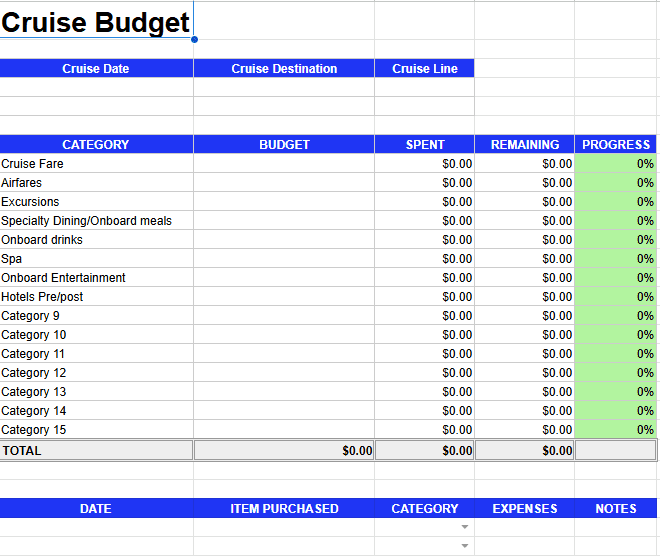
To run this comparison for your own dates, list out every cost line by line – fares, gratuities, drinks, excursions, flights, hotels and transfers – for each brand. Our guide on how to budget for a cruise and our free Cruise Budget Planner make it easy to plug in numbers and see whether Viking vs Saga comes out ahead for your specific trip.
Who Should Choose Which?
- Choose Viking if you value larger global itinerary choice, refined Scandinavian design, a slightly bigger standard cabin, and culture‑rich enrichment programming with polished dining.
- Choose Saga if you want a calmer, British‑leaning adults‑only atmosphere for 50+, clearer all‑in pricing (drinks and gratuities included), strong solo traveller options, and added UK‑resident perks that reduce door‑to‑dock friction.
Framing the decision as Viking vs Saga is really about deciding whether you prefer slightly larger cabins and global itineraries (Viking) or 50+‑focused, mostly ex‑UK cruises with clearer all‑inclusive pricing (Saga).
Final Tips to Decide
- Compare total trip costs, not just brochure fares: add gratuities, drinks, transfers, and excursions where applicable.
- Check deck plans and photos for the exact cabin category you’ll book; storage and bathroom layout can make or break comfort.
- Weigh onboard vibe against your travel style: enrichment and minimalism (Viking) vs familiar warmth and inclusions (Saga).
- Solo travellers and UK residents: run the numbers—Saga’s inclusions can be game‑changing.
For more help choosing the right line and itinerary, see:
- How to Choose the Right Cruise
- How to Budget for a Cruise
- Regent Seven Seas vs Viking: Which Is Better Value?
- Our in-depth Saga Cruises review for over-50s
Watch our video comparing Viking with Saga