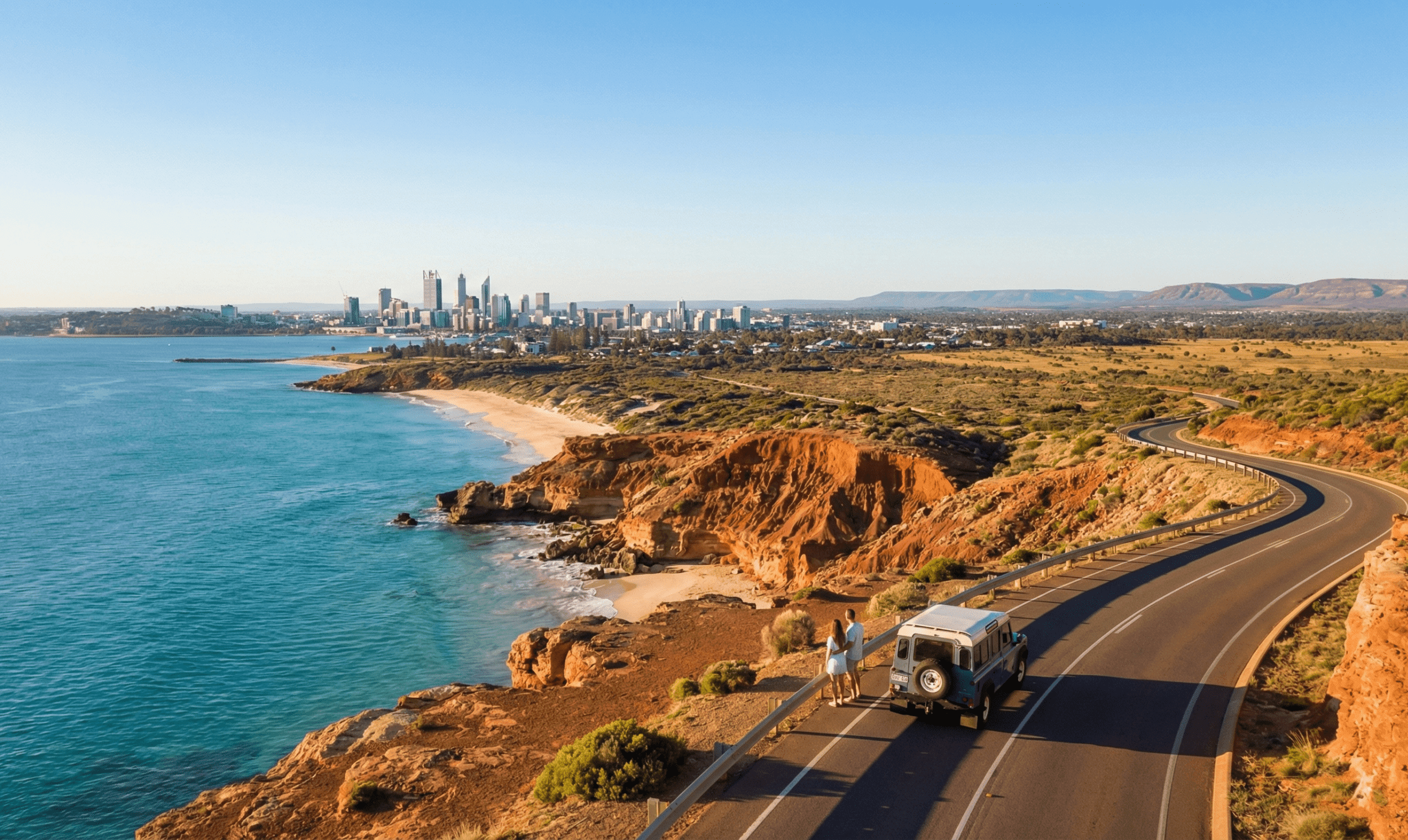
Western Australia is one of the most unique travel regions in the world, offering vast coastlines, remote outback landscapes, and some of Australia’s most memorable road trips. But because of its size, planning a trip here can feel overwhelming.
This Western Australia travel guide simplifies everything. We cover where to go, how to plan your route, what to prioritise, and how to make the most of your time—whether you’re visiting Perth, Margaret River, the Goldfields, or heading north to Broome.
Unlike Australia’s east coast, where cities sit relatively close together, Western Australia rewards travellers who focus on specific regions rather than trying to see everything in one trip. Flights, long drives and seasonal planning all play a part in shaping a successful WA itinerary.
Western Australia Travel Guide: Quick Facts
- Ideal trip length: 7–14 days depending on regions
- Best starting point: Perth
- Distances: Very large — plan region by region
- Best for: Road trips, beaches, wine regions, remote landscapes
- Top highlights: Perth, Margaret River, Kalgoorlie, Broome, Cape Leveque
- Need a car? Yes for most regions outside Perth
- Best time to visit: Varies by region (see section below)
Suggested Western Australia Itinerary
7–10 Day WA Itinerary (Most Popular Route)
- Days 1–3: Perth & Fremantle
- Days 4–6: Margaret River (wine + coast)
- Days 7–8: Return to Perth or short trips nearby
- Optional: Fly to Kalgoorlie or Broome if time allows
10–14 Day Extended Itinerary
- Perth + Fremantle
- Margaret River
- Kalgoorlie (Goldfields)
- Fly north to Broome
Why Visit WA? Our Western Australia Travel Guide Explained
Western Australia occupies roughly one-third of the Australian continent, making it larger than most European countries combined. Its sheer size is one of the reasons travel here feels so different from other parts of Australia.
Visitors are rewarded with an extraordinary variety of experiences, from long stretches of uncrowded coastline and beautiful beaches to vast outback landscapes and desert scenery. The state is also home to world-class wine regions, historic gold mining towns, and unique wildlife encounters that are difficult to experience elsewhere. Add to this some of Australia’s most spectacular road-trip routes, a generally warm climate, and a relaxed outdoor lifestyle, and Western Australia becomes a destination that feels both adventurous and unspoiled.
The trade-off, however, is distance. Many of the most memorable destinations are separated by hundreds or even thousands of kilometres, so careful planning is essential to make the most of your trip.
Many travellers combine WA with time in Sydney or Melbourne, which we cover in our dedicated city travel guides.
Perth & Fremantle: Western Australia’s Gateway
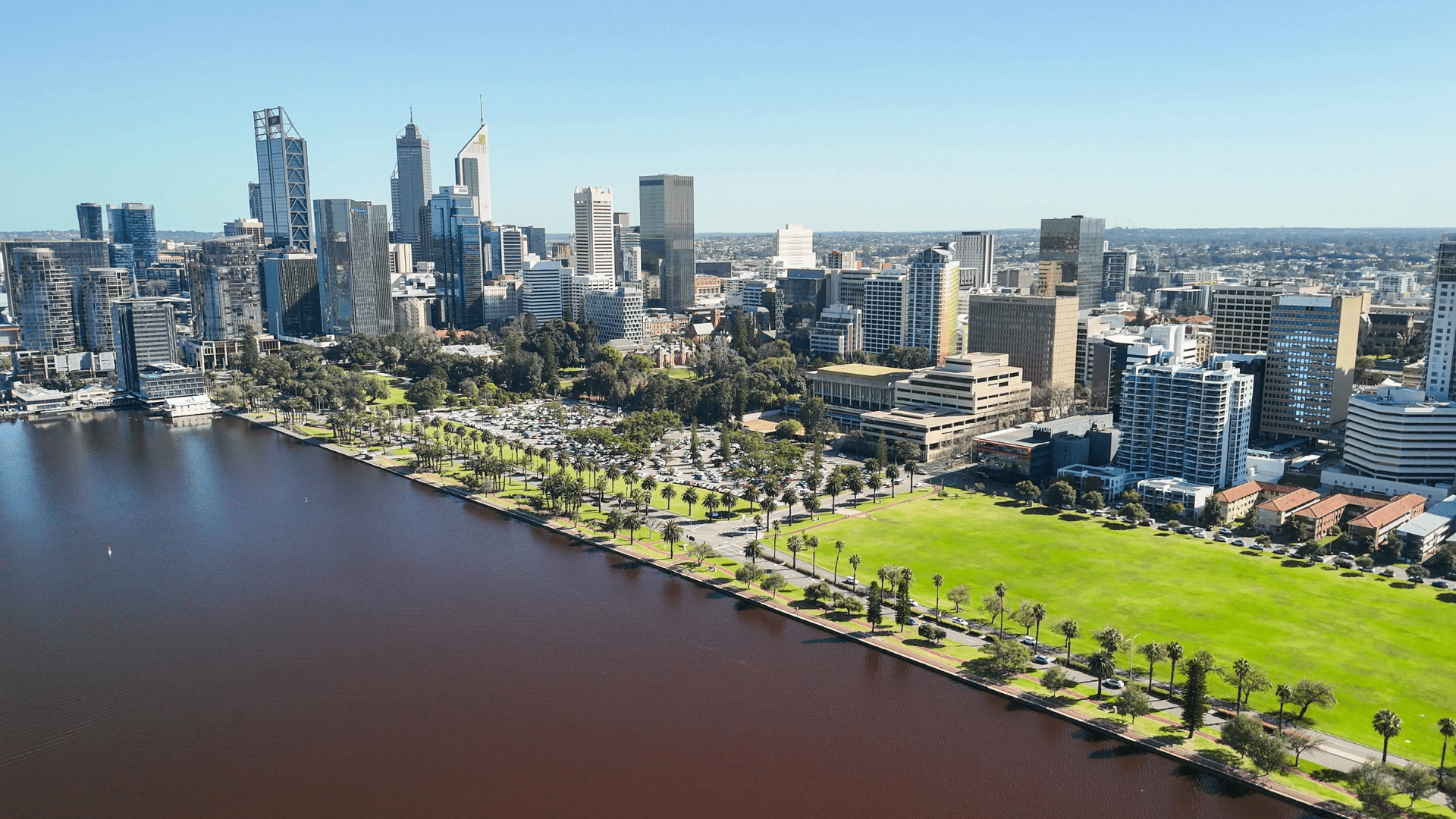
Most visitors arrive in Western Australia through Perth, the state’s capital city. Often overlooked in favour of Sydney or Melbourne, Perth surprises many travellers with its relaxed atmosphere, reliable sunshine, clean beaches and easy access to surrounding regions.
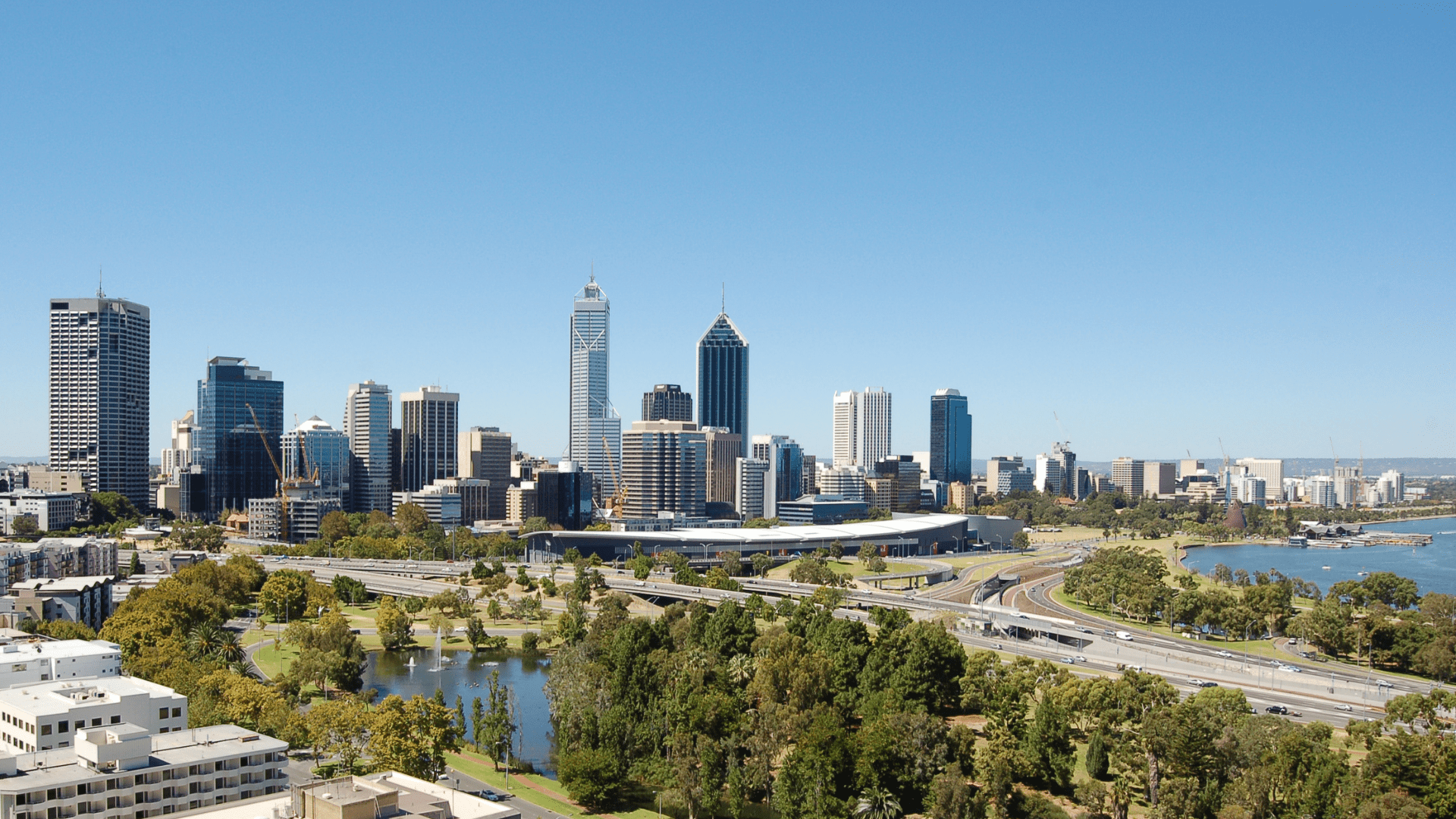
One of the city’s standout attractions is Kings Park, one of the largest inner-city parks in the world. From here, visitors enjoy sweeping views over the Perth skyline and the Swan River, while walking trails, native botanical gardens and shaded picnic areas make it an ideal place to relax after arrival or adjust to jet lag.
The Swan River itself is central to Perth life, and river cruises or simple waterfront walks offer an easy way to experience the city. Sunset along the river is particularly beautiful, as the skyline reflects off the water and locals gather to enjoy the evening air. If you’d prefer a guided experience, you can browse available Swan River sightseeing and Fremantle return cruises here on GetYourGuide, where options range from short city cruises to longer scenic trips between Perth and Fremantle.
About 30 minutes from Perth lies Fremantle, or “Freo” as locals call it, which feels quite different from the modern capital. Fremantle retains much of its historic port-city character, with preserved colonial buildings, lively markets, street art and a thriving café culture. Visitors often spend time browsing the well-known Fremantle Markets, strolling along the Cappuccino Strip cafés, touring the historic Fremantle Prison, or enjoying fresh seafood at Fishing Boat Harbour.
Many travellers actually choose to stay in Fremantle rather than Perth itself, as the area offers a more relaxed coastal vibe and an enjoyable introduction to Western Australia before heading further afield.
The Goldfields & Kalgoorlie: Australia’s Mining Heart
Western Australia’s economy is heavily supported by mining, and the Goldfields region remains one of the world’s most productive gold areas.
How Important Is Gold to Western Australia?
Western Australia produces around 70 percent of all Australian gold, making it one of the world’s largest gold-producing regions. Billions of dollars’ worth of gold is mined here each year, and mining towns across inland WA continue to play a vital role in supporting both the state and national economy. With the surge in the price of gold there is a lot of activity from mining companies and hobbyists using metal detectors in the continued search for gold which can still be found today.
Kalgoorlie: Gateway to the Goldfields
Kalgoorlie is the region’s best-known town and makes an interesting stop for travellers wanting to experience WA’s mining heritage firsthand. It remains a working mining town with a population of around 30,000, so visitors get a genuine sense of how closely everyday life is tied to the resources industry.
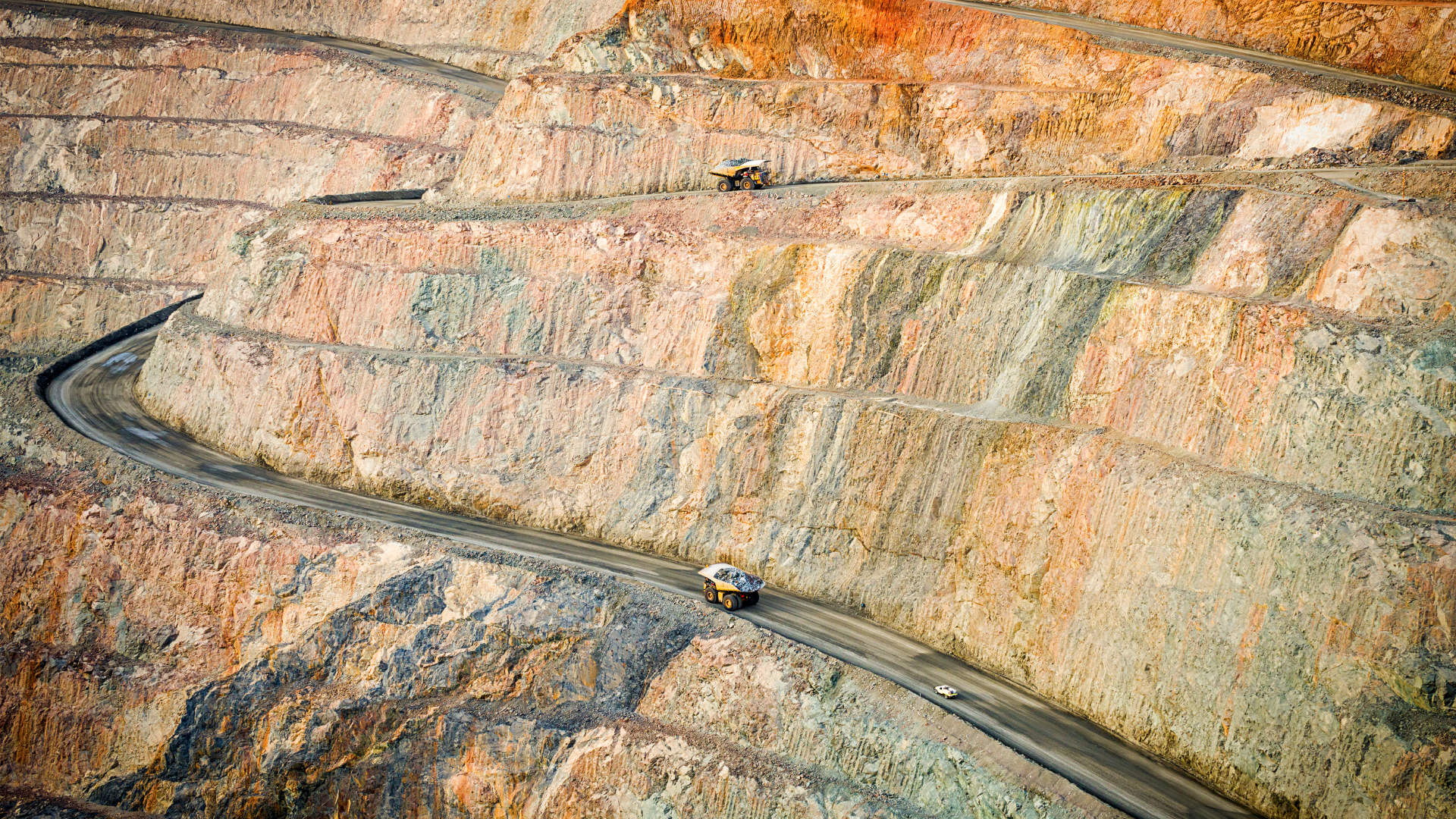
The Super Pit
Kalgoorlie’s Super Pit is one of the largest open-cut gold mines in the world and easily the town’s most famous attraction. The public viewing platform allows visitors to look down into the enormous pit, where giant haul trucks and machinery appear almost toy-sized from above. It is a fascinating sight and a powerful reminder of the sheer scale of Australia’s mining industry.
Beyond the mine itself, Kalgoorlie still retains much of its historic character, with grand old pubs and mining-era buildings reflecting the town’s gold rush past. Visitors can also explore local mining museums to better understand how the region developed, while the surrounding outback landscapes provide a stark and memorable contrast to coastal Western Australia.
Getting to the Goldfields
Kalgoorlie sits roughly 600 km east of Perth, making travel options important.
Flying (Best for Short Visits)
If you only have a few days, flying from Perth to Kalgoorlie is the easiest option, with regular flights taking just over one hour.
Driving
Driving allows you to explore smaller mining towns and remote scenery, but distances are long and services limited. Fuel planning is important.
Margaret River: Wine, Food & Coastal Scenery
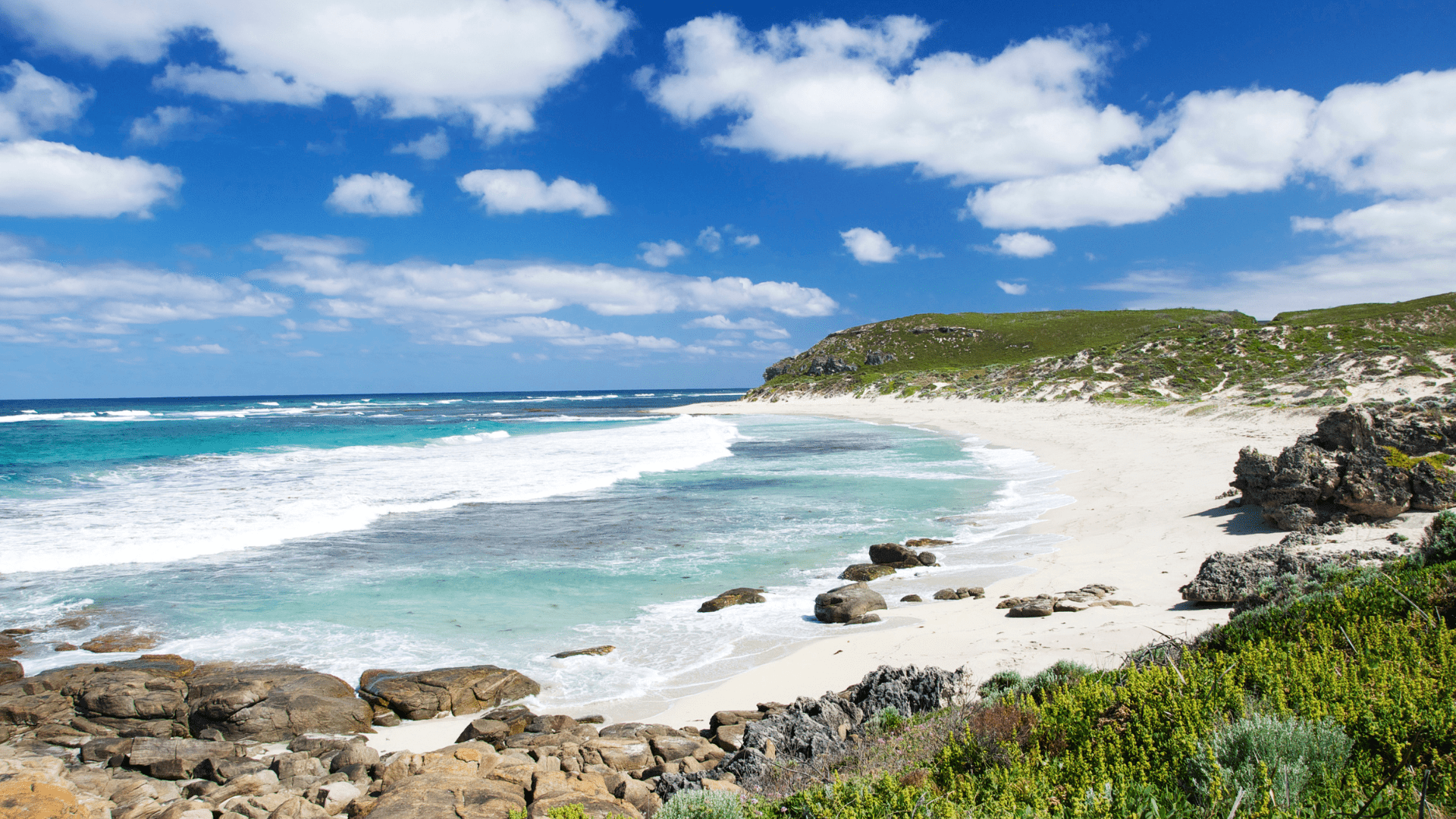
Broome & Cape Leveque: One of Australia’s Most Memorable Regions
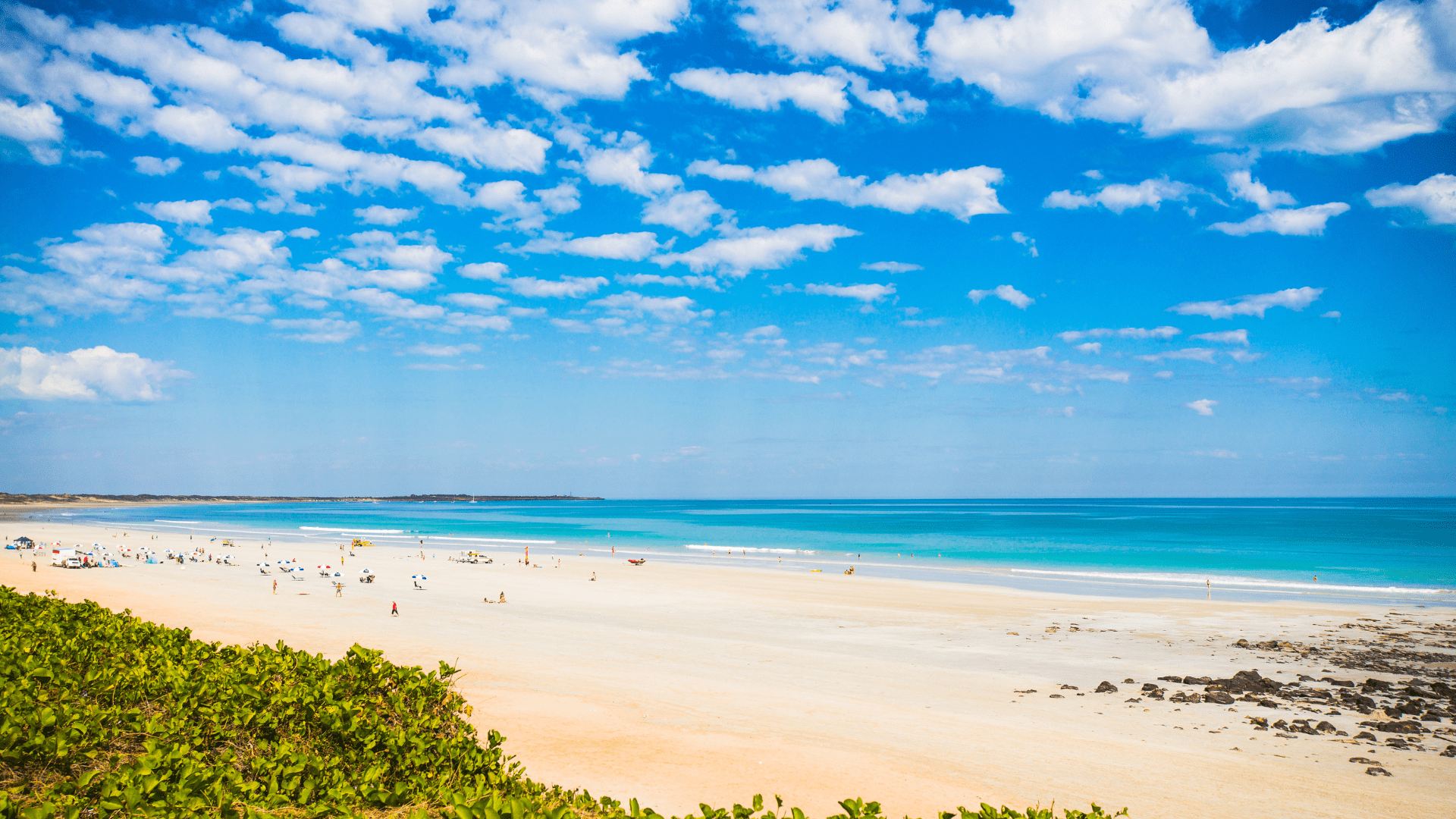
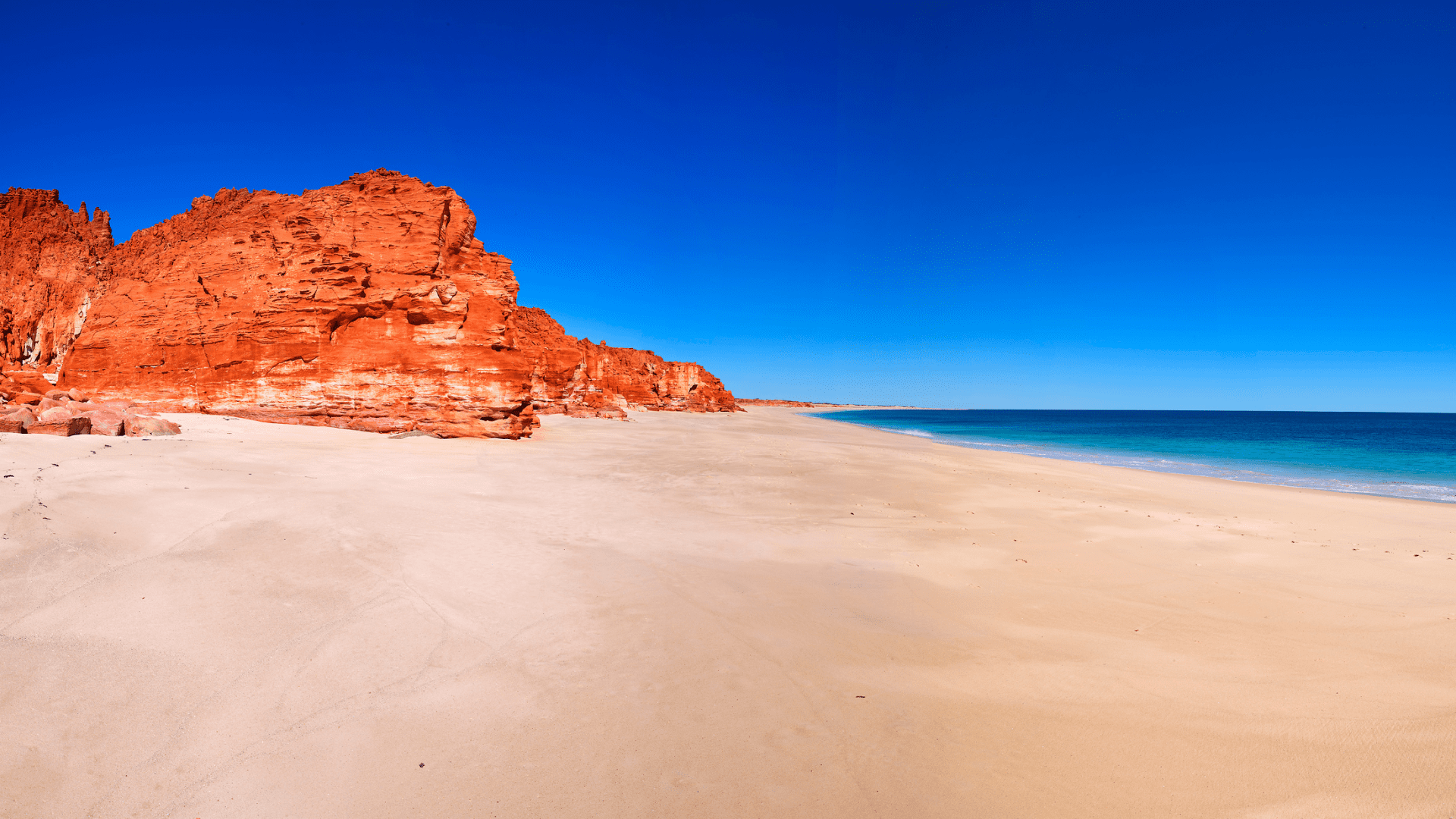
Broome, located in far north Western Australia, feels completely different from Perth and the state’s southern regions. The climate, landscapes and relaxed pace give the town a tropical feel more similar to parts of Southeast Asia than southern Australia.
The Nullarbor & Southern Coast
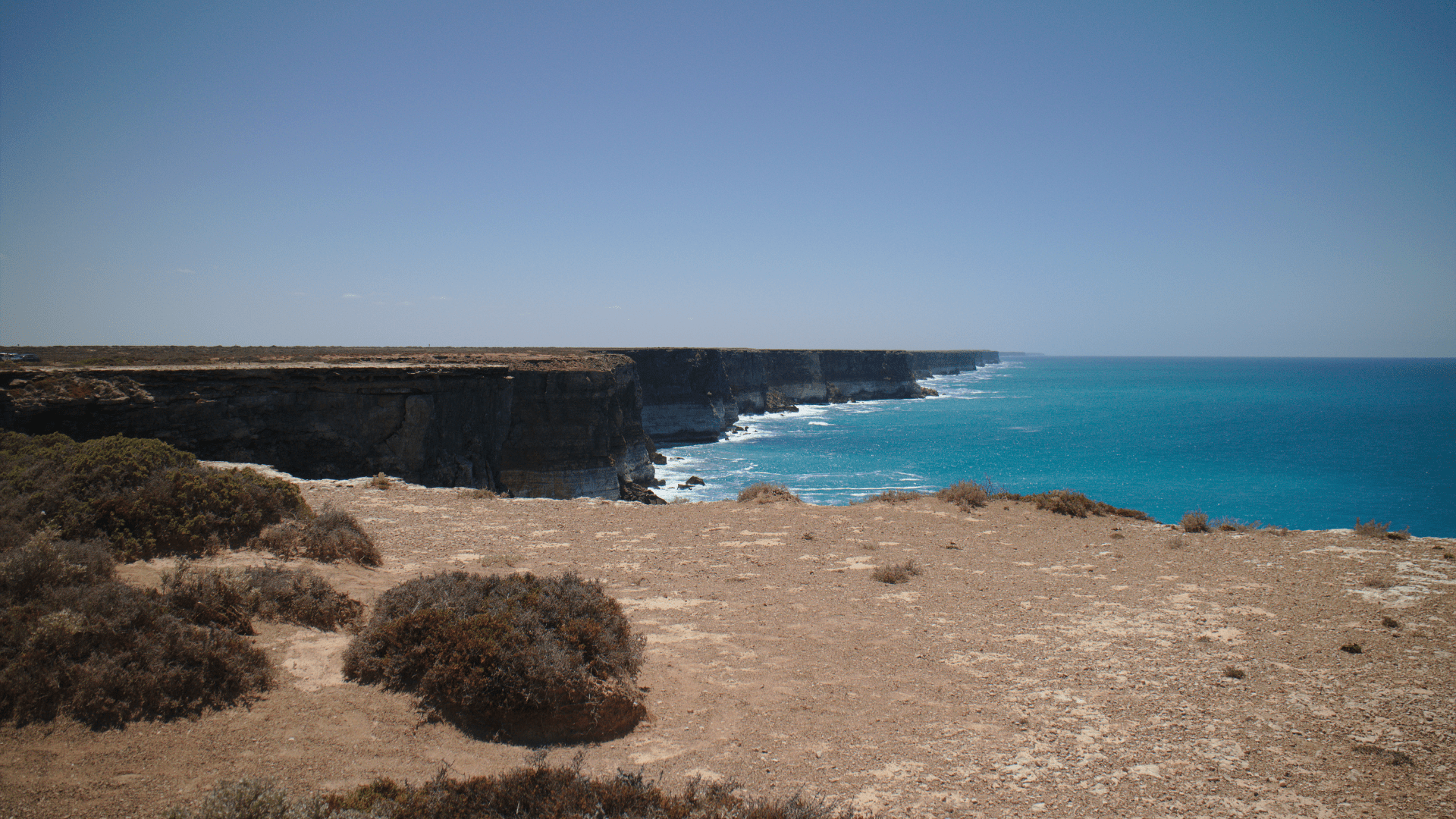
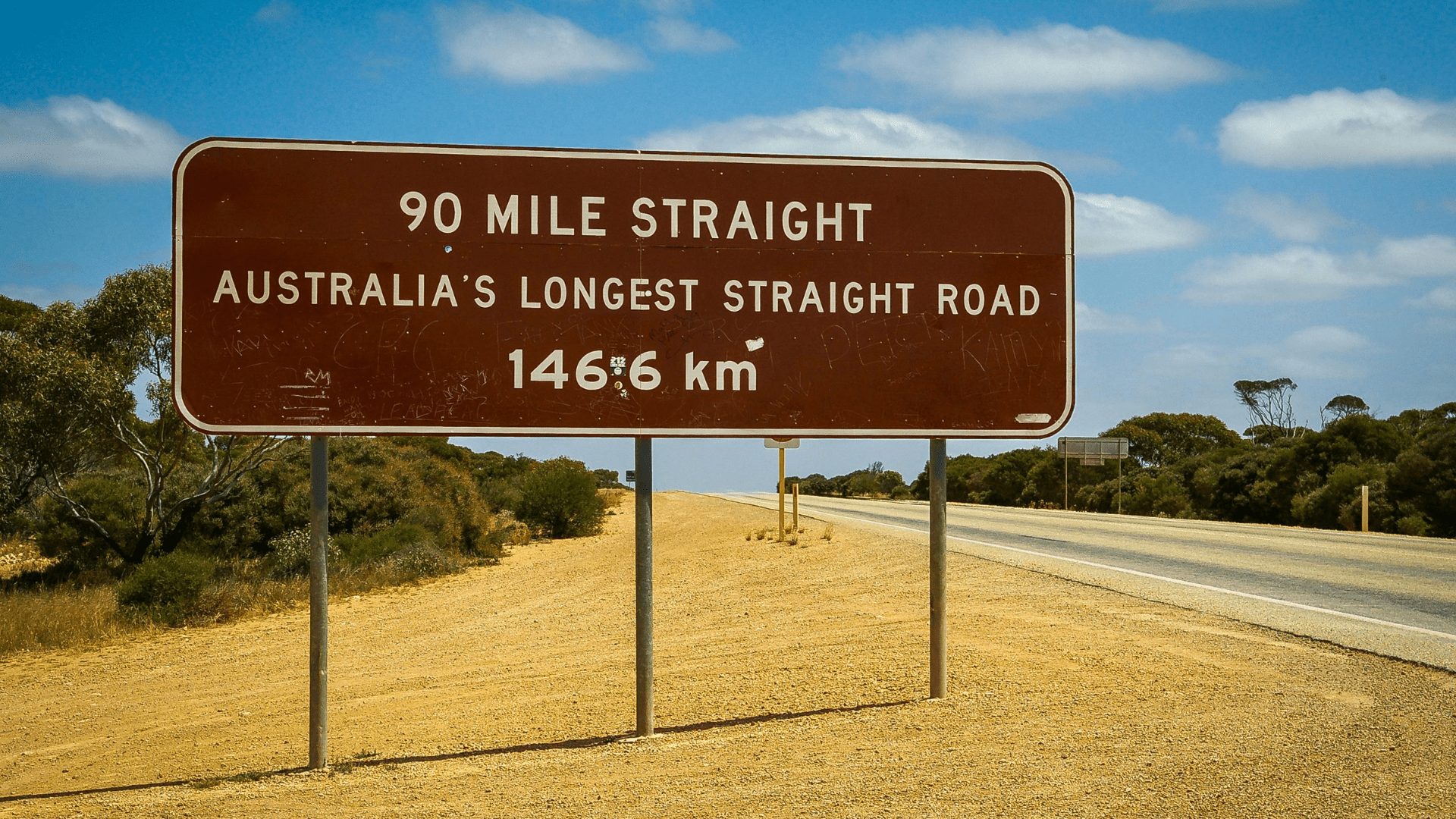
Driving east from Western Australia toward South Australia involves crossing the legendary Nullarbor Plain, one of Australia’s most iconic road journeys. The name “Nullarbor” comes from Latin meaning “no trees,” and much of the landscape lives up to that description, stretching endlessly under wide open skies.
The appeal of the journey lies in the experience itself rather than individual stops. Long, straight highways cut through vast outback scenery, broken only by occasional remote roadhouses where travellers refuel, rest and meet fellow road trippers crossing the country. Along parts of the route, travellers can detour south to the edge of the Great Australian Bight, where dramatic limestone cliffs plunge into the Southern Ocean, creating some of Australia’s most spectacular coastal views.
Between June and October, the coastline becomes even more special as southern right whales migrate through these waters. Several coastal lookouts provide excellent opportunities to spot whales from shore, sometimes close enough to observe mothers and calves resting in sheltered bays.
The Nullarbor journey is best suited to travellers comfortable with long-distance driving and remote conditions, but for many, crossing this vast landscape becomes one of the most memorable road trips in Australia.
Best Time to Visit Western Australia
Western Australia’s enormous size means climate conditions vary greatly across the state, so the best time to visit depends largely on which regions you plan to explore.
In Perth and the southwest corner of the state, including destinations such as Fremantle and Margaret River, the most enjoyable travel period generally runs from October through April. Summers are warm and dry, ideal for beach visits and winery touring, while winters are cooler but still mild compared with many other destinations.
Conditions in the Goldfields and inland outback regions are quite different. Travel is most comfortable between April and September, when temperatures are more moderate. Summer months can bring extreme heat, making sightseeing and long-distance driving uncomfortable or even risky.
Further north, around Broome and the Kimberley region, travel conditions depend heavily on the wet and dry seasons. The best period to visit is usually between May and September during the dry season, when days are sunny, humidity is lower and roads and attractions are easier to access. During the wet season, heavy rain, flooding and high humidity can restrict travel options and limit access to remote areas.
Planning your visit around regional climate differences makes travel across Western Australia far more comfortable and enjoyable.
Getting Around Western Australia
Accommodation in Western Australia
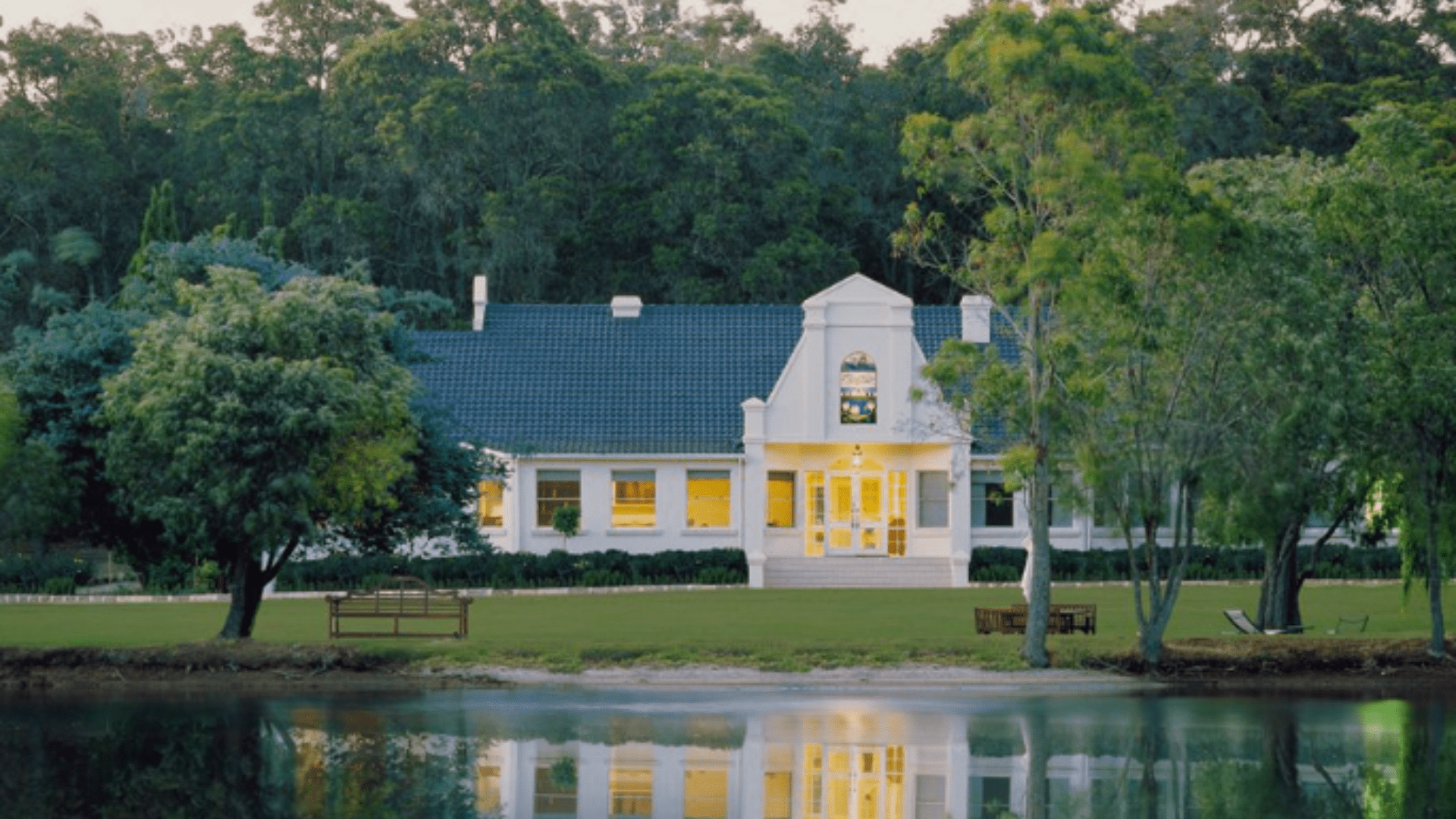
Accommodation options across Western Australia vary widely, ranging from modern city hotels and serviced apartments in Perth to beach resorts in Broome and other coastal towns. In regional areas you’ll often find traditional motels and caravan parks, while rural regions also offer farm stays and countryside retreats that provide a very different travel experience.
Prices can fluctuate significantly depending on season, school holidays and regional demand, so travellers with flexible dates can often secure substantial savings simply by adjusting their stay slightly. Before confirming any booking, we strongly recommend reading our accommodation money-saving guide, which explains how to use Booking.com’s availability calendar to identify cheaper travel dates.
👉 Learn how to find cheaper hotel deals using Booking.com’s calendar tool.
This approach can significantly reduce accommodation costs across Western Australia, particularly during shoulder seasons when demand drops but weather conditions often remain excellent. For convenience, we generally book accommodation through Booking.com because it keeps reservations, reviews and cancellation options managed in one place, making travel planning much easier.
Suggested Itineraries
For a short visit of around four to five days, most travellers focus on Perth and nearby Fremantle, adding day trips to Swan Valley or some of the excellent beaches along the coast. This provides a relaxed introduction to Western Australia without long travel times.
With about one week available, travellers can comfortably include Perth, Fremantle and a few days in Margaret River, which allows time to enjoy wineries, coastal scenery and regional food experiences. If desired, a short flight to Kalgoorlie can also be added to experience the Goldfields and see the famous Super Pit.
Travellers with two weeks or more have the flexibility to explore much further. A longer itinerary might include Perth and the southwest region around Margaret River, followed by a visit to Kalgoorlie and the Goldfields, and then continuing north to Broome or the Kimberley region. Longer trips allow visitors to appreciate Western Australia’s remote landscapes and unique destinations at a slower and far more rewarding pace.
Practical Travel Tips for WA
When travelling to more remote parts of Western Australia, it is wise to book flights well in advance, as routes can have limited availability and prices often rise closer to departure. Anyone planning to drive long distances should carry sufficient drinking water and always be aware of fuel availability, as service stations can be far apart in regional and outback areas.
Travellers should also avoid inland regions during the height of summer, when extreme temperatures can make sightseeing uncomfortable and sometimes unsafe. Distances across Western Australia are often deceptive on a map, so allowing extra travel time between destinations helps keep journeys relaxed rather than rushed. Before travelling, especially to remote areas, compare travel insurance options through VisitorsCoverage to ensure you’re covered for medical and travel disruptions.
Final Thoughts: Why Western Australia Surprises Visitors
Western Australia doesn’t offer crowded attractions or tightly packed cities. Instead, it delivers space, nature, history and coastline on a grand scale.
Visitors who arrive expecting compact travel distances may be surprised. Those who plan carefully and focus on specific regions often find WA becomes one of their favourite parts of Australia.
From Perth’s relaxed lifestyle to Margaret River wineries, Kalgoorlie’s mining heritage, Broome sunsets and the rugged beauty of Cape Leveque and the Nullarbor, WA rewards travellers who slow down and explore.
And like much of Australia, one visit is rarely enough.
For official travel information, experiences and regional inspiration straight from the destination authority, visit the Western Australia tourism website.