Choosing when to cruise can be just as important as choosing the right ship or itinerary. Sail at the wrong time and you might face peak prices, big crowds, rough seas or ports closed by bad weather. Get the timing right and you’ll enjoy smoother seas, lower fares, fewer people ashore and better chances for wildlife or cultural festivals. The “best” time to cruise is always a trade‑off: you balance cost versus comfort, sunshine versus storms and school calendars versus quiet ships.
This guide walks you through the key seasonal pros and cons in major cruise regions so you can decide confidently when to cruise based on your priorities, rather than guesswork.
If you’re still working out the bigger picture, you might also like our guides on how to choose the right cruise, how to find the best cruise deals and how to choose the right cruise cabin.
When to Cruise: Quick Summary
- High season = best weather but highest prices and crowds
- Shoulder season = best balance of price, weather, and fewer people
- Low season = cheapest fares but higher weather risk
- Caribbean = avoid peak hurricane months if you want certainty
- Alaska = May–June and September offer best balance of value and scenery
- Mediterranean = late spring and early autumn are usually ideal
When to Cruise: The Big Picture
When to cruise is ultimately about three things: weather, crowds, and price. Every region has a “high,” “shoulder,” and “low” season, and each comes with trade‑offs.
High season
- Pros: Best weather, although this depends on the region. The Mediterranean in high season can be extremely hot, making it uncomfortable. High season, or typically summer, means longer days, most excursions running, full entertainment programs.
- Cons: Highest prices, busiest ships and ports, more families and children, cabins sell out early.
Shoulder season
- Pros: Often the best value; fewer crowds, still‑good weather in many regions, better cabin choices.
- Cons: Slightly higher chance of rain, cooler days, or limited excursions in some ports.
Low season
- Pros: Lowest fares, great for deal‑hunters, more relaxed ships, last‑minute bargains.
- Cons: Highest chance of bad weather, more itinerary changes, some venues, or tours closed.
Knowing which of these matters most to you is the foundation for choosing your dates.
Once you’re clear on whether you care more about weather, crowds or price, it becomes much easier to decide when to cruise for your preferred region.
| Season | Price | Crowds | Weather | Best For |
|---|---|---|---|---|
| High Season | High | Busy | Best (usually) | First-time cruisers, families |
| Shoulder Season | Medium | Moderate | Good | Best overall balance |
| Low Season | Low | Quiet | Unpredictable | Budget travellers |
When Is the Best Time to Cruise Overall?
For most travellers, the best time to cruise is during the shoulder season, when you get a balance of good weather, fewer crowds, and better prices.
In popular regions like the Mediterranean, this usually means April–May or September–October. In Alaska, May–June and early September often offer the best mix of scenery, wildlife, and value.
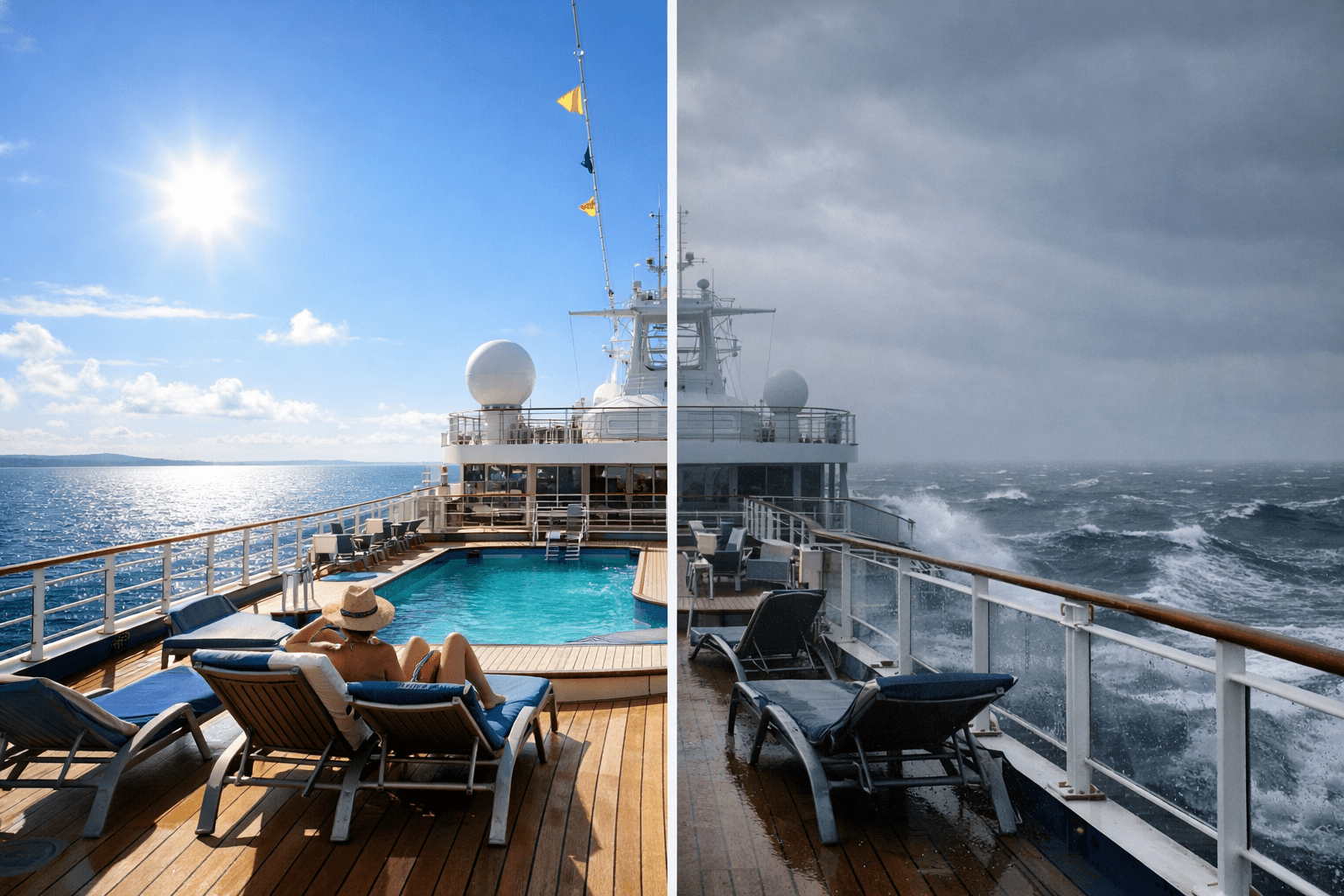
If your priority is the lowest price, low season can work well—but you need to accept a higher risk of weather disruptions. If you want the best weather and atmosphere, high season is ideal, but comes with higher costs and busier ships.
👉 The right choice depends on what matters most: price, weather, or crowd levels.
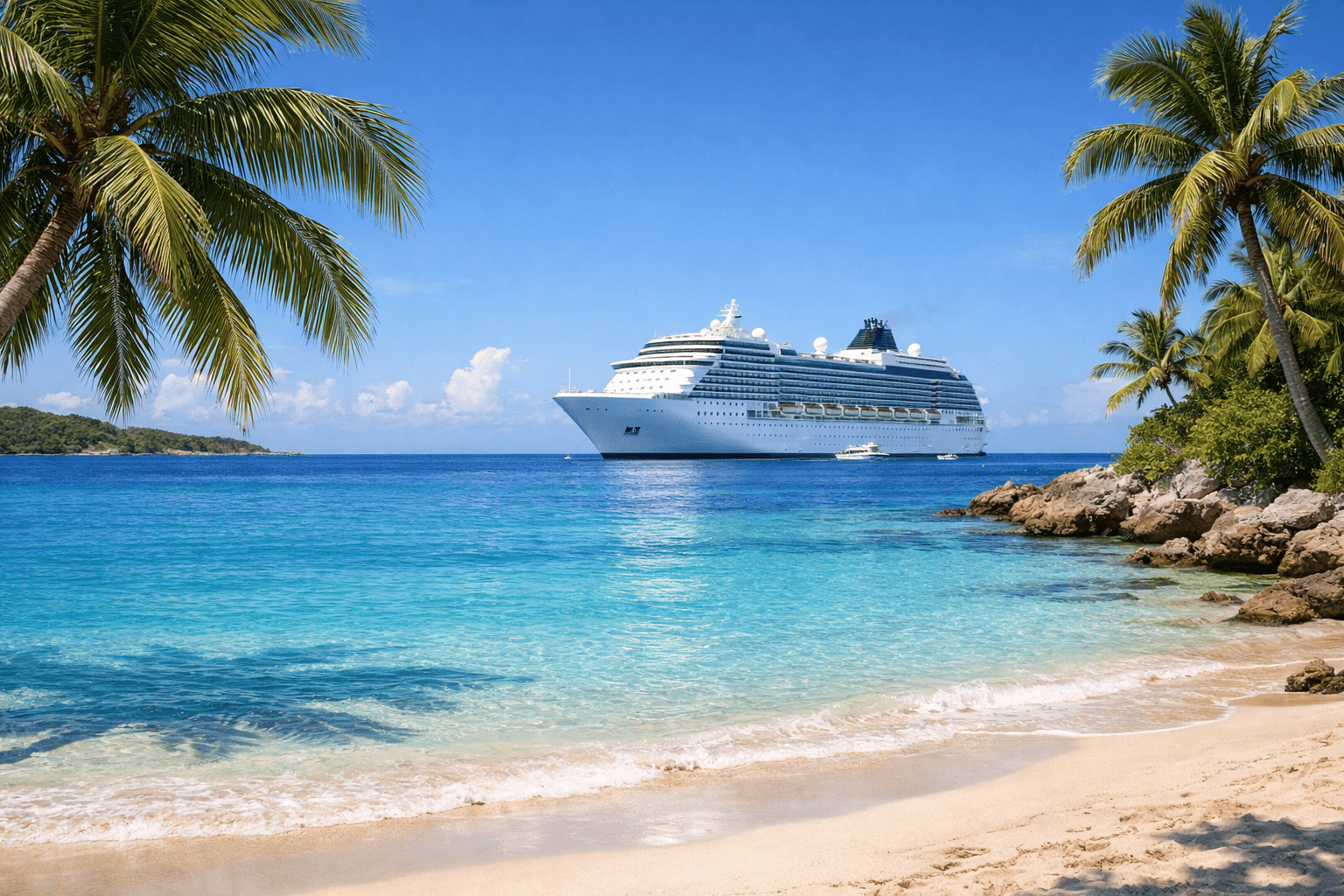
When to Cruise the Caribbean
The Caribbean is one of the most popular regions, and timing there is all about balancing sunshine, storms, and school holidays.
Peak (roughly December–April)
- Pros: Dry season in many islands, warm but not sweltering, great beach weather, big choice of itineraries.
- Cons: Christmas/New Year and school holidays are very busy and expensive; ships and ports can feel crowded.
Shoulder (late April–early June, November–early December)
- Pros: Often excellent value and pleasant weather; fewer children and families; good time for adults and couples.
- Cons: More humidity and occasional showers; early and late edges of hurricane season in some years.
Low / Hurricane season (June–November, especially Aug–Oct)
- Pros: Some of the lowest fares of the year; last‑minute deals are common.
- Cons: Elevated risk of storms and itinerary changes; you need flexible expectations and good travel insurance.
Because the Caribbean is so sensitive to school holidays and hurricane season, it’s a great region to book during “wave season” sales. Our guide on how to find the best cruise deals explains how to time your booking as well as your sailing dates.
When to Cruise Alaska
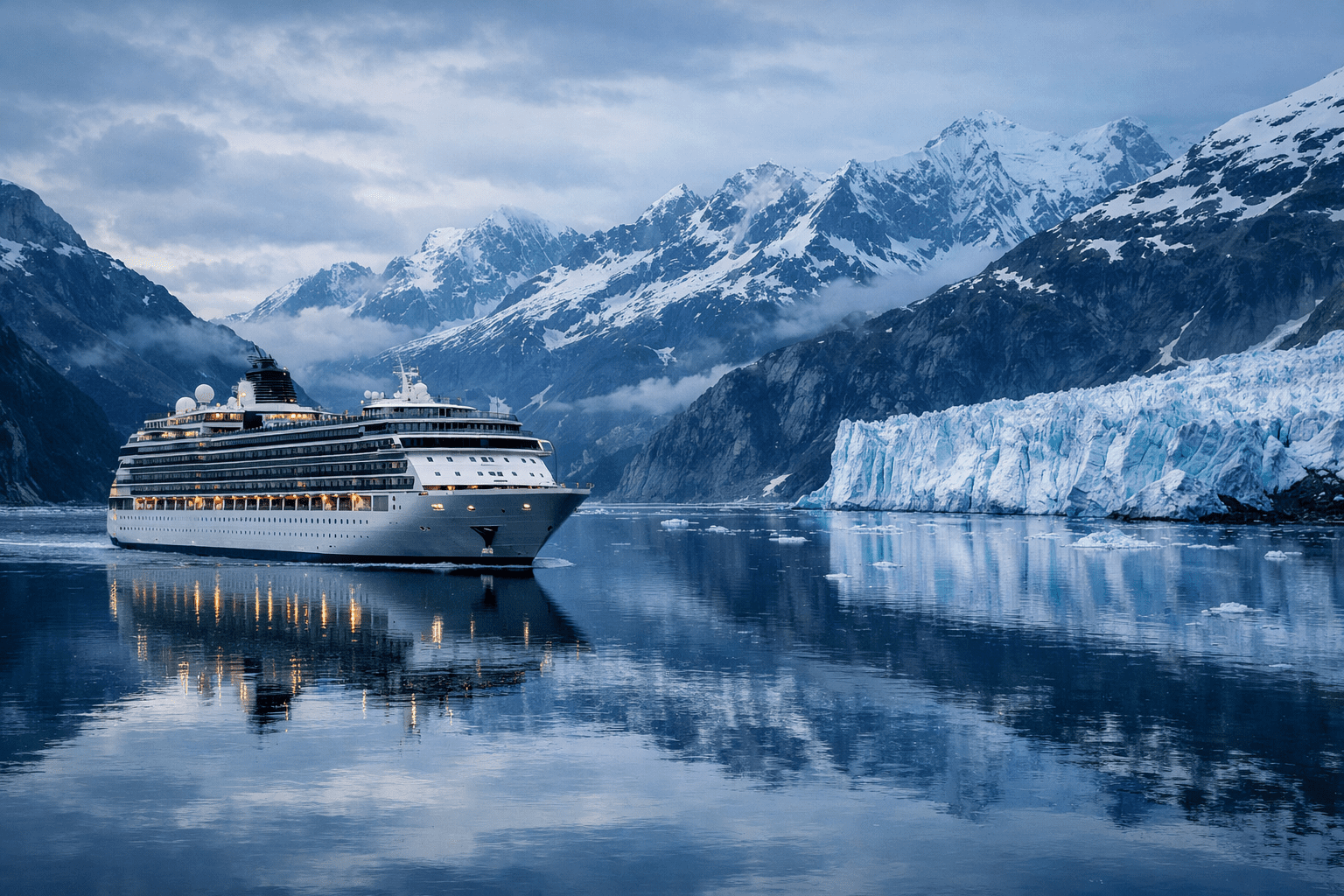
Alaska has a short cruise season, usually late April/early May through September. Each month feels quite different.
May–June
- Pros: Longer days appear, mountains often still snow‑capped (great for photos), fewer crowds than mid‑summer, good for value.
- Cons: Cooler temperatures; some wildlife sightings (like bears with cubs at salmon streams) improve later in the season.
July–mid‑August
- Pros: Warmest weather, peak wildlife viewing, very long daylight, most excursions running.
- Cons: Highest prices and busiest ports; families dominate during school holidays.
Late August–September
- Pros: Potentially better prices, fall colours, fewer children, higher chance of Northern Lights late in the season.
- Cons: Cooler, wetter, and sometimes rougher seas; some excursions begin to wind down.
Alaska cruises also pair well with land extensions before or after your sailing. If you’re planning to rent a car for side trips, compare prices across months on DiscoverCars—rental rates can jump sharply in peak summer, just like cruise fares.
When to Cruise the Mediterranean
The Mediterranean offers a long season and a wide range of experiences from spring through late autumn.
Late spring (April–May) and early autumn (September–October)
- Pros: Often considered the best time: fewer crowds, pleasant temperatures for sightseeing, decent prices.
- Cons: Sea temperatures can be cool for swimming early in the season; occasional rain.
High summer (June–August)
- Pros: Hot, sunny beach weather; vibrant nightlife; lots of cultural events and festivals.
- Cons: Intense heat in some ports (Athens, Rome, inland tours), very crowded with tourists, higher prices, more families.
Winter (limited departures, mostly larger ports)
- Pros: Fewer crowds in major cities, potentially good deals.
- Cons: Not beach weather; some smaller ports and attractions reduce hours or close.
In the Mediterranean, we’ve personally found late spring and early autumn to be the sweet spot between heat, crowds and price—exactly when we sailed our Viking Mediterranean Odyssey cruise. If you’re considering similar routes, our life on board review and Viking Ocean cruise tips share what different months actually felt like in port.

Timing by Personal Priorities
Beyond geography, your ideal when to cruise depends on what you value most.
If you want the best price
- Look for shoulder seasons in your chosen region.
- Watch for “wave season” (often Jan–Mar) when many lines promote deals for the year.
- Consider repositioning cruises (e.g., transatlantic spring/fall sailings) which can offer great value per night.
If you want fewer crowds
- Avoid major school holidays, especially Christmas/New Year, Easter, July/August.
- Choose mid‑week sailings where possible rather than Saturday/Sunday starts.
- Sail in early or late season for popular destinations like Alaska and the Mediterranean.
If you’re sensitive to seasickness
- Aim for summer months in many regions when seas can be calmer.
- Consider larger, more modern ships with good stabilisers on rougher routes or seasons.
- Avoid known rough‑water seasons such as late‑fall North Atlantic crossings if you’re very prone to motion sickness.
If motion sickness is a worry, also pay attention to where your cabin is on the ship. Our guide on how to choose the right cruise cabin explains which locations feel the most stable in rougher seasons.
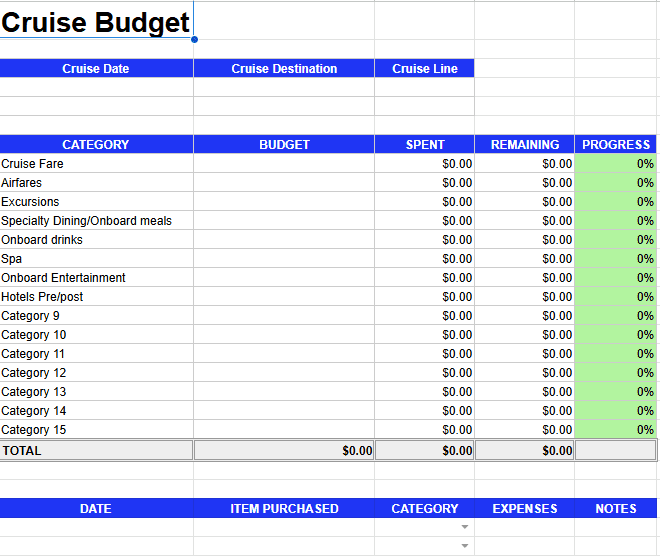
Once you’ve ranked your priorities, it can help to turn them into actual numbers. Our free Cruise Budget Planner lets you compare the total trip cost (cruise fare, flights, hotels and excursions) at different times of year so you can see how much you save by sailing in shoulder season. A Wise travel card then helps you keep fees low when you’re paying deposits, balances and onboard expenses in multiple currencies.
When to Cruise for Families vs Adults
Your life stage and travel style matter a lot when choosing dates.
Families and school calendars
- School breaks (summer, Christmas, spring break) offer the most kid‑focused programming and activities.
- Family‑orientated lines ramp up children’s clubs and entertainment in these periods.
- Expect busier pools, higher noise levels, and higher prices during these times.
Adults, couples, and solo travellers
- Consider shoulder seasons for a quieter onboard atmosphere.
- Avoid peak school holidays if you prefer adult‑focused spaces and fewer children.
- Look for lines or sailings that specifically market “adult‑friendly” or “retreat” experiences outside peak family times.
Special Dates: Holidays, Events, and Wildlife
Sometimes the answer to “when to cruise” is tied to particular experiences that only happen in narrow windows.
Holiday and themed cruises
- Christmas and New Year sailings offer festive décor, special menus, and parties—but command premium prices.
- Themed cruises (music, food, wellness) are date‑specific; book well in advance if these appeal to you.
Wildlife and natural phenomena
- Alaska: best bear and salmon viewing from mid‑summer; Northern Lights more likely late in the season.
- Norway / Arctic: Northern Lights peak in darker months, but many cruises run only in summer—research carefully.
- Whale watching: varies by region; check typical migration calendars for your chosen area.
For big events or seasonal festivals, check tour and ticket availability early on sites like GetYourGuide. If tours are already selling out for your target dates, that’s a sign you’re looking at a very popular period—and you may want to adjust when to cruise to avoid the worst of the crowds.

Practical Tips for Choosing Your Cruise Dates
Match dates to your tolerance for trade‑offs
- Make a short list of what matters most: price, weather, crowds, calm seas, wildlife, school schedule, or special events.
- Rank them, then look up the seasons for your chosen region and see where your priorities align.
Use flexibility to your advantage
- If your dates are flexible, search across multiple weeks or even months to spot patterns in pricing.
- Be open to alternative embarkation ports (e.g., sailing from a less‑popular port a week earlier or later) for better deals.
Don’t forget insurance and fine print
- If you sail in hurricane or storm‑prone seasons, take comprehensive travel insurance and accept the risk of itinerary changes.
- Read the line’s policies on weather‑related changes, so there are no surprises.
For more peace of mind if you’re sailing in hurricane or storm‑prone seasons, we recommend comparing policies on VisitorsCoverage. You can filter for plans that cover trip interruption, missed ports and weather‑related changes.
When to Cruise: Bringing It All Together
There’s no single “perfect” answer to when to cruise—only what’s perfect for you. High season brings the best weather and energy but also higher prices and big crowds. Shoulder seasons often strike the sweet spot: better value, fewer people and still‑good conditions in many destinations. Low season suits bargain hunters and flexible travellers who don’t mind more weather risk.
If you’re comparing cruise lines more broadly beyond just location, our complete guide to the best cruise lines for seniors looks at comfort, inclusions, service levels and overall value across premium and luxury brands.
Start by choosing your region, then layer in your priorities: weather comfort, budget, crowds, family schedules, and any special experiences you’re chasing. With that framework, you can read seasonal charts not as rules, but as tools to design the cruise that matches your style at the right time of year.
Once you’ve chosen when to cruise, the next steps are picking the right ship and cabin and locking in a realistic budget. We usually start by comparing options on Cruise Direct, which lets you quickly see prices across multiple cruise lines without any booking fees.
More Cruise Planning Guides
- Ultimate Cruise Tips: 15 Essential Tricks for a Stress-Free Voyage
- How to Choose the Right Cruise
- How to Find the Best Cruise Deals: 5 Top Websites Compared
- How to Budget for a Cruise
- How to Choose the Right Cruise Cabin
- Viking Ocean Cruise Tips: How to Plan, Save Money and Get the Most from Your Trip