What Is Travel Insurance?
Travel insurance is a policy that protects you financially if something goes wrong before or during your trip. It should be part of your overall trip planning process, not something you think about at the last minute.
It can reimburse you for non-refundable bookings, cover emergency medical expenses overseas, assist with lost luggage, and help with serious travel disruptions.
But travel insurance is not just about cancelled flights or delayed bags.
It is about protecting yourself from large, unexpected costs that can happen anywhere in the world — even on what seems like a simple trip.
You pay a relatively small premium upfront so you are not exposed to potentially thousands of dollars in risk later.
A Real Example: When Travel Insurance Matters
About 12 months ago, I had a serious accident in Thailand.
I fell from a ladder and suffered multiple open cuts down to the bone on both lower legs. I was taken to a private hospital in Surat Thani for:
-
Emergency assessment
-
X-rays
-
Wound cleaning
-
Extensive stitching
The total cost for that first visit alone was 25,000 Thai baht.
Over the next month, I required four follow-up visits for:
-
Ongoing wound care
-
Dressing changes
-
Additional medical checks
Those visits added another 18,000 baht.
In total, the accident cost 43,000 baht (approximately AUD $1,800–$2,000 depending on exchange rates).
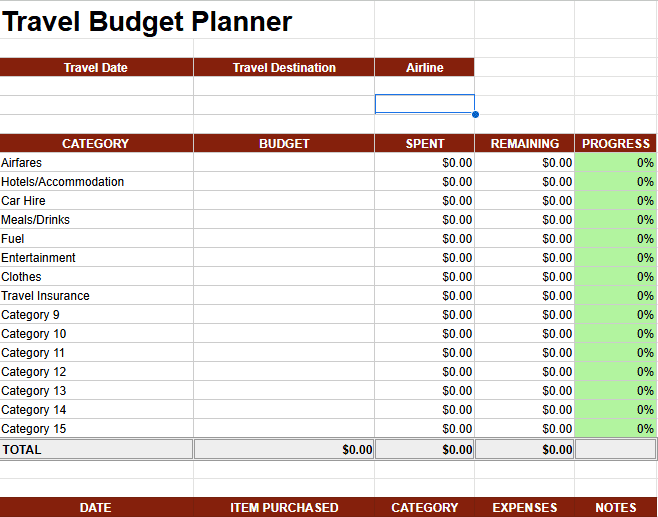
We always recommend including travel insurance when calculating your overall trip expenses using our Travel Budget Planner.
Fortunately, I had a travel insurance policy.
My excess was around 5,000 baht ($250), and the insurer covered the remainder.
Without insurance, I would have paid the full 43,000 baht out of pocket.
This was not a dramatic evacuation or surgery — just stitches, scans and follow-up care. Imagine the cost if it had required surgery or hospital admission.
This is exactly why travel insurance matters.
Where We Compare Travel Insurance
Since that accident in Thailand, we never travel without comprehensive cover.
Before every trip, we compare policies using VisitorsCoverage, which lets you review medical limits, evacuation coverage, trip cancellation benefits, and exclusions side-by-side.
It takes only a few minutes and gives us confidence we’re properly covered before we fly.
Why Travel Insurance Is So Important
Many travellers focus only on flights, hotels and activities. But the real financial risk of travel is often medical.
Here is what can go wrong:
-
You fall and need stitches or surgery
-
You get food poisoning and require hospital care
-
You break a bone hiking
-
You are injured in a minor road accident
-
You need emergency evacuation from a remote area
In countries like the United States, medical bills can exceed $10,000 per day for hospital treatment.
Even in Southeast Asia, private hospitals can be expensive for foreign visitors.
Your domestic health insurance often does not cover you overseas.
Travel insurance is your safety net.
This is especially important on cruises, where medical treatment onboard or missed embarkation can become very expensive. If you’re planning a cruise, see our Cruise Budget Planner to understand the full cost picture.
What Travel Insurance Typically Covers
Policies differ, but most comprehensive travel insurance plans include the following core protections.
1. Trip Cancellation & Interruption
If you need to cancel your trip before departure or cut it short after it begins, travel insurance can reimburse non-refundable expenses.
Common covered reasons include:
-
Serious illness or injury
-
Death in the family
-
Major natural disasters
-
Certain airline or tour operator failures
For example, if you paid $4,500 for flights and prepaid hotels and must cancel due to illness, you may recover that cost.
2. Emergency Medical Expenses
This is the most important coverage for most travellers.
It can include:
-
Hospital treatment
-
Surgery
-
Doctor visits
-
Prescription medication
-
Diagnostic tests (X-rays, scans)
As my own experience showed, even a relatively straightforward injury can cost tens of thousands of baht.
Medical coverage limits matter — always check them.
3. Medical Evacuation
If you are in a location without suitable medical facilities, evacuation coverage pays to transport you to the nearest appropriate hospital — or sometimes back to your home country.
Medical evacuation flights can cost $20,000–$100,000+.
This is one of the most valuable parts of any policy.
4. Baggage and Personal Belongings
Coverage typically includes:
-
Lost luggage
-
Stolen items
-
Damaged bags
-
Delayed baggage reimbursement
There are usually limits per item, so check carefully if travelling with cameras or electronics.
5. Travel Delays
If your flight is delayed for a specified number of hours, insurance may cover:
-
Hotel accommodation
-
Meals
-
Ground transport
This can be especially useful during severe weather events or major airline disruptions.
Who Really Needs Travel Insurance?
While almost everyone benefits from coverage, it is especially important for:
Cruise Travellers
Cruises involve prepaid costs and fixed departure times. If you’re comparing options, read our guide to the Best Cruises for Seniors before booking. Missing embarkation or needing onboard medical care can be expensive.
Retirees & Travellers Over 60
Healthcare risks increase with age, and overseas treatment can be costly.
Long-Haul or Multi-Country Trips
More time abroad means more exposure to risk. If you’re planning extended travel, our Travel Budget Planner can help you calculate realistic long-term costs.
Travellers Visiting High-Cost Countries
The United States, Japan and Australia can have very high medical expenses.
Adventure or Activity Travellers
Skiing, diving, hiking and other activities may require specialised coverage.
How Much Coverage Do You Need?
When choosing a policy, ask:
-
How much are your non-refundable trip costs?
-
What are the medical costs in your destination?
-
Are you participating in higher-risk activities?
-
Do you have any pre-existing medical conditions?
-
Is the insurer’s emergency assistance available 24/7?
For expensive trips, your cancellation limit should match your prepaid cost.
For medical cover, higher limits are generally safer — especially when travelling outside your home country.
Common Mistakes to Avoid
-
Buying the cheapest policy without checking limits
-
Ignoring exclusions
-
Failing to disclose medical conditions
-
Assuming credit card insurance is sufficient
-
Not checking adventure activity coverage
Travel insurance only works if you understand what it actually covers.
Travel Insurance vs No Insurance: A Simple Comparison
| Situation | Without Insurance | With Insurance |
|---|---|---|
| Minor hospital accident | 43,000 baht out of pocket | 5,000 baht excess only |
| Cancelled $4,500 trip | Full loss | Reimbursed |
| Lost luggage | Replace everything yourself | Covered within policy limits |
| Emergency evacuation | $30,000+ | Covered |
Understanding these risks should be part of your broader travel preparation. Start with our complete Travel Planning Guide to make sure nothing is overlooked.
Is Travel Insurance Worth It?
For most trips, yes.
You might never claim. And that is ideal.
But travel insurance is not about expecting disaster — it is about managing risk.
The premium is usually a small fraction of your total trip cost.
It protects:
-
Your money
-
Your health
-
Your peace of mind
After our accident experience in Thailand, we never travel without comprehensive coverage.
Final Thoughts
Travel insurance is not just another travel expense.
It is a financial protection tool.
Accidents do not only happen on extreme adventures. Mine happened in everyday circumstances — and it still resulted in over 43,000 baht in medical costs.
Without insurance, that would have been entirely my responsibility.
With insurance, it was manageable.
Before your next trip — whether a Mediterranean cruise, a Thailand island holiday, or an Australian road trip —
Because when something goes wrong abroad, it can go wrong quickly — and expensively.
Watch Our Video On Essential Travel Insurance Guide