

Senior vacation planning doesn’t have to be stressful or complicated. Travelling in later life can be deeply rewarding: you may have more time, flexibility and resources to explore places you’ve always dreamed of. At the same time, priorities change: comfort matters more than speed, safety matters more than spontaneity, and a “perfect” trip is one that feels relaxed, accessible and enjoyable from start to finish.
This guide walks you through practical steps to plan the perfect vacation for seniors, focusing on health, mobility, budget and meaningful experiences. Use it as a blueprint to design trips that are genuinely fun—without unnecessary stress.
If you’re still deciding what type of trip suits you best, our best cruises for seniors guide compares comfortable options for stress-free travel.
Senior Vacation Planning: Quick Summary
- Best approach: Slow travel with built-in rest days
- Ideal destinations: Mild climates, flat cities, strong healthcare access
- Top priority: Comfort, safety, and easy logistics
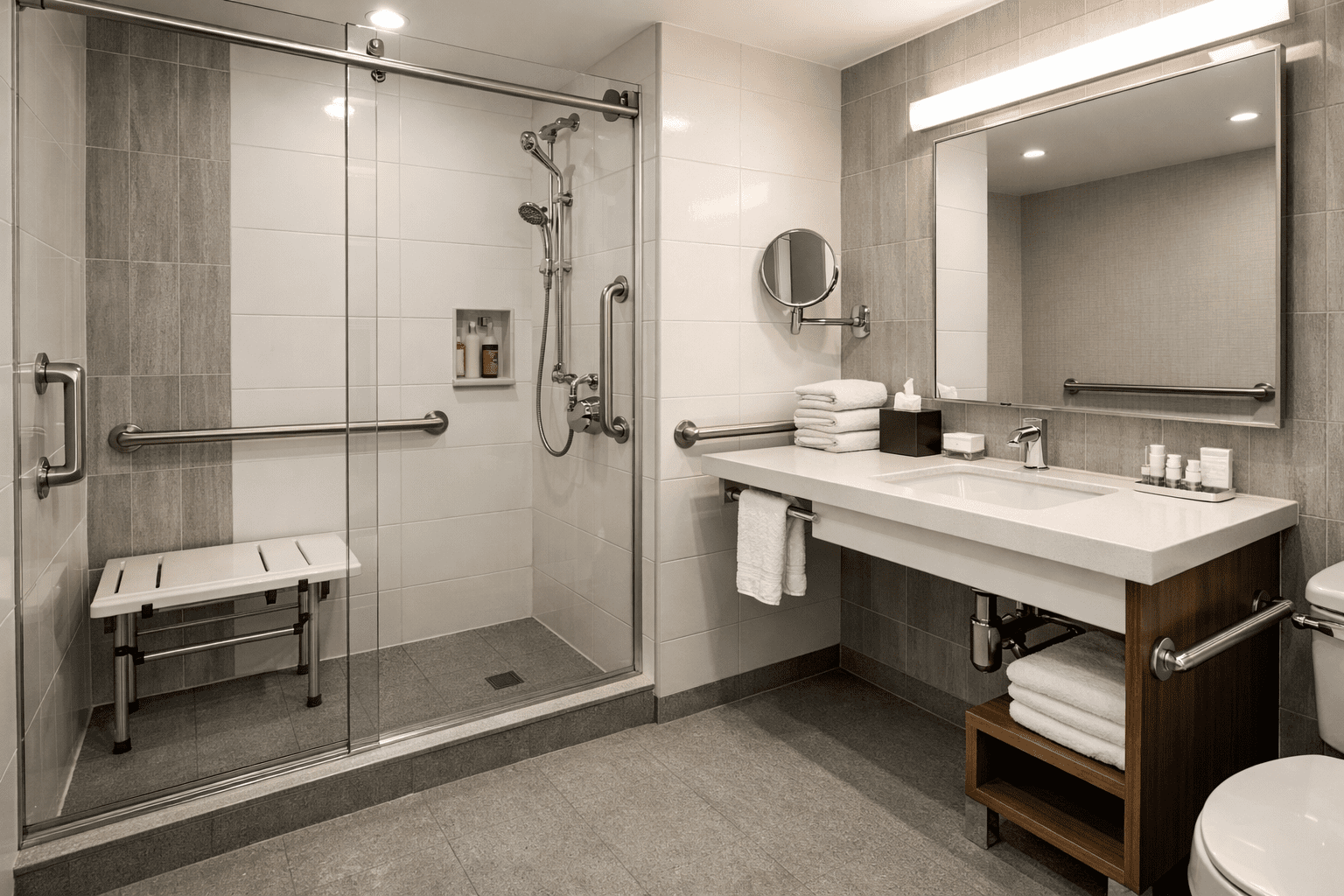
- Accommodation: Central, lift access, walk-in showers
- Transport: Direct flights, trains over buses, minimal connections
- Insurance: Essential — must cover pre-existing conditions
- Best style: Small-group tours, cruises, or flexible independent travel

How Do You Plan the Perfect Vacation for Seniors?
Planning the perfect vacation for seniors comes down to three key principles: comfort, simplicity, and flexibility.
Start by choosing destinations with mild climates, good healthcare, and easy transport options. Avoid overly ambitious itineraries and instead focus on slower travel with time to rest between activities.
Accommodation should be central and accessible, reducing the need for long walks or complicated transport. When it comes to activities, prioritise experiences that are enjoyable without being physically demanding.
Finally, plan ahead for health and safety by organising medications, travel insurance, and contingency options. With the right preparation, senior travel becomes less stressful and far more enjoyable.
Choosing the right destination for senior travellers
Consider health, climate, and seasonality
Start your senior vacation planning by being honest about health and mobility. Destinations with extreme heat, humidity, altitude, or lots of steep hills can be challenging. If you have respiratory or heart conditions, check how climate and air quality might affect you.
Look for:
- Mild climates and low humidity
- Flat, walkable areas with good public transport or easy taxis
- Access to quality healthcare and pharmacies
Shoulder seasons (spring and autumn) often mean fewer crowds, lower prices and more comfortable temperatures—ideal for seniors who prefer a calmer pace.
Prioritise accessibility and infrastructure
Research how senior‑friendly a destination is before you lock in your plans:
- Are there ramps, lifts and accessible public transport?
- Do attractions and museums offer wheelchairs or mobility scooters?
- Are pavements smooth, with safe crossings and good lighting?
City tourism websites and accessible travel blogs can provide detailed information. For health and safety guidance, check reputable sources such as the CDC’s travel health site before booking.
Tip: Accommodation prices can vary hugely depending on travel dates. Before booking, see how we use Booking.com’s calendar tool to find cheaper hotel deals and reduce travel costs.

Destination shortlisting tip
Once you have 2–3 possible destinations, plug your dates into
KAYAK or
Trip.com. Compare flight times, number of connections and hotel prices—this gives a quick reality check on which options are truly practical and affordable.
Building an itinerary that favours comfort and flexibility
Slow down the pace
You don’t need to see everything. A perfect senior vacation often means doing less, better. Instead of packing each day with back‑to‑back tours, choose one main activity and one optional lighter activity.
- Alternate “busy” days with rest or light days.
- Allow time for afternoon breaks or naps.
- Accept that it’s fine to skip attractions if you’re tired.
This slow‑travel approach not only protects your health, it allows deeper enjoyment of each experience.
Limit transit stress
Travel days can be taxing, even for energetic seniors. Reduce strain by:
- Choosing direct flights where possible, even if they cost a bit more.
- Avoiding tight layovers; allow at least 2 hours for connections.
- Booking airport assistance (wheelchairs or buggy transport) if walking long distances is hard.
- Limiting one major travel move (e.g., changing cities) every 3–4 days rather than daily.
Think of travel as part of the trip, not just a hurdle to rush through.

Itinerary planning idea
When you’re building your schedule, try a simple rhythm: travel day → two sightseeing days → light/rest day. This pattern works well whether you’re planning city breaks, coastal escapes or even cruises. Our article on
how to choose the right cruise includes pacing ideas that also apply on land.
Accommodation choices that enhance senior comfort
Location over luxury
For seniors, location can be more important than star rating. A modest, well‑located hotel or apartment often beats a luxury property that’s far away from everything.
When booking, look for:
- Short, flat walks to restaurants, shops, and attractions
- Easy access to public transport or taxi stands
- Quiet neighbourhoods away from loud nightlife
A central, calm base reduces the need for long walks or tiring commutes.
Accessibility and safety features
Even if you don’t use mobility aids at home, senior‑friendly features can prevent accidents and make daily routines easier:
- Lift access (avoid properties with only stairs)
- Walk‑in or low‑lip showers, grab bars if available
- Non‑slip bathroom floors and good lighting
- 24‑hour reception or onsite staff
If booking via a rental platform, message the host directly to confirm details. Ask for photos of the bathroom, entrance and any steps so there are no surprises.
On hotel‑booking sites, use reviews to your advantage. Guests often mention whether a place is quiet, how many stairs there are, and how easy it is to walk to nearby cafés and transport. You’ll find this especially helpful when using Booking.com
Health, medications, and travel insurance
Pre‑travel medical check and documentation
Before a big trip, especially international travel, talk with your doctor:
- Review chronic conditions and fitness for travel.
- Ask about vaccinations or medications required for your destination.
- Discuss altitude, extreme temperatures, or long flights if you have heart or lung issues.
Carry a printed and digital summary of:
- Current medications (with generic names and dosages)
- Allergies
- Key diagnoses or medical implants (e.g., pacemaker card)
- Emergency contact details
Keep this in a small folder or pouch that travels with you at all times.
Managing medications on the road
Medication routines can be disrupted by time zones and busy days. To stay organised:
- Use a pill organiser clearly labelled by day and time.
- Pack at least a week’s extra supply of all prescriptions.
- Keep all critical medications in your carry‑on bag, never in checked luggage.
- Set alarms on your phone to match your usual schedule, adjusting gradually for long trips.
A simple rule: if a medication is essential at home, it should be within arm’s reach when travelling.
Don’t skip comprehensive travel insurance
Travel insurance is non‑negotiable for seniors. Look for policies that:
- Explicitly cover pre‑existing conditions (and declare them honestly).
- Include emergency medical care, evacuation, and hospitalisation.
- Cover trip cancellation or interruption for medical reasons.
Read the fine print carefully, or ask a trusted insurance broker to explain any exclusions.
Insurance tip for senior travellers
When you compare plans on
VisitorsCoverage, pay close attention to the age limits, coverage for pre‑existing conditions, and emergency evacuation benefits. Good cover can turn a crisis into a manageable inconvenience rather than a financial disaster.
Transport tips: flights, trains and local travel
Flying comfortably as a senior
To make flying easier:
- Request an aisle seat for easier bathroom access.
- If you have circulation issues, wear compression socks and move your legs regularly.
- Drink plenty of water, avoiding too much caffeine or alcohol.
- Consider booking premium economy for long‑haul flights if the budget allows; the extra legroom can make a big difference.
- If you have mobility challenges, request wheelchair assistance in advance through the airline or your travel agent.
Safer local transport choices
Once at your destination:
- Use registered taxis or reputable ride‑share apps.
- Avoid scooters or bikes if you’re not fully confident in your balance.
- On buses and trains, sit or hold on to a rail before the vehicle starts moving.
- At night, choose well‑lit routes and avoid isolated areas, especially in unfamiliar cities.
For longer journeys within a country (e.g., in Europe), trains can be more comfortable than buses. Use national rail sites or aggregators such as
Rail Europe to compare routes and accessibility options.
Food, activities and pacing for maximum enjoyment
Eating well without missing out
Trying local food is one of travel’s greatest pleasures, but digestive upsets can ruin a trip. Sensible precautions include:
- Starting with small portions when trying new dishes.
- Avoiding buffets that look poorly maintained.
- Sticking to bottled or filtered water where tap water is unsafe.
- Packing basic remedies for indigestion or mild stomach issues.
If you follow a special diet (e.g., low‑sodium, diabetic, gluten‑free), learn key phrases in the local language or carry a card explaining your needs.
Choosing activities that match your energy
The best vacations balance rest and stimulation. Popular senior‑friendly activities include:
- Guided city tours with regular breaks
- River or coastal cruises
- Cooking classes or craft workshops
- Botanical gardens and scenic parks
- Museum visits with onsite cafés to rest
Listen to your body. If you wake up tired, swap a long excursion for a gentle day wandering a nearby neighbourhood or relaxing with a good book.

Easy‑to‑book activities
When you’ve chosen your destination, browse
Klook for low‑effort experiences: river cruises, city sightseeing tours, skip‑the‑line museum tickets and airport transfers. Pre‑booking a few key activities can remove a lot of on‑the‑day decision‑making.
Involving family and companions in senior vacation planning
Travelling with adult children or grandchildren
Multi‑generational trips can be joyful but require clear communication:
- Discuss budgets, daily routines and “must‑see” priorities in advance.
- Agree on quiet hours, especially if sharing accommodation.
- Plan independent time, so everyone can follow their own pace.
You might spend mornings together on excursions, then give younger family members freedom in the afternoon while you rest or explore at your own speed.
Solo senior travel with support
If you’re a solo traveller, consider:
- Small‑group tours that specialise in senior travellers.
- Cruises, which offer a structured environment, social opportunities and onboard medical support.
- Staying in well‑reviewed hotels with a 24‑hour front desk.
Share your itinerary with a trusted friend or relative, and check in regularly by text, email, or phone.
For more detail on weighing different trip styles, see our guide to senior vacation styles, which compares group tours, independent trips and escorted options.
By focusing on comfort, safety and realistic pacing, senior vacation planning becomes less about limitations and more about possibilities. With the right preparation, your next trip can be not only manageable, but deeply enjoyable—a chance to make new memories, discover new places and celebrate the freedom that comes with this stage of life.
Final Thoughts: Making Senior Travel Simple and Enjoyable
Planning the perfect vacation for seniors isn’t about doing more—it’s about doing the right things, at the right pace.
With a focus on comfort, safety, and realistic planning, travel becomes far less stressful and far more rewarding. Choosing the right destination, building in rest time, and preparing properly can make the difference between a tiring trip and a truly enjoyable experience.
Whether you prefer guided tours, cruises, or independent travel, the key is to design your itinerary around your needs—not around a checklist of sights.
With thoughtful planning, senior travel can be one of the most rewarding stages of life, offering the freedom to explore the world at your own pace.