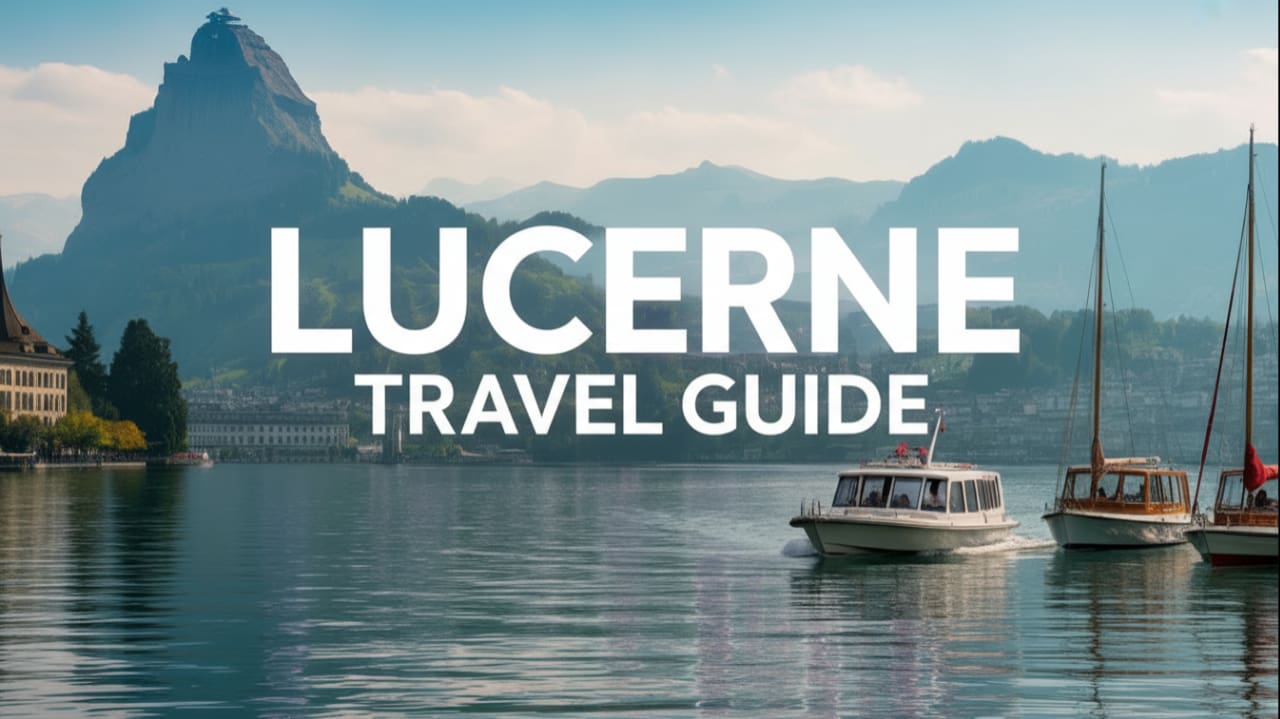
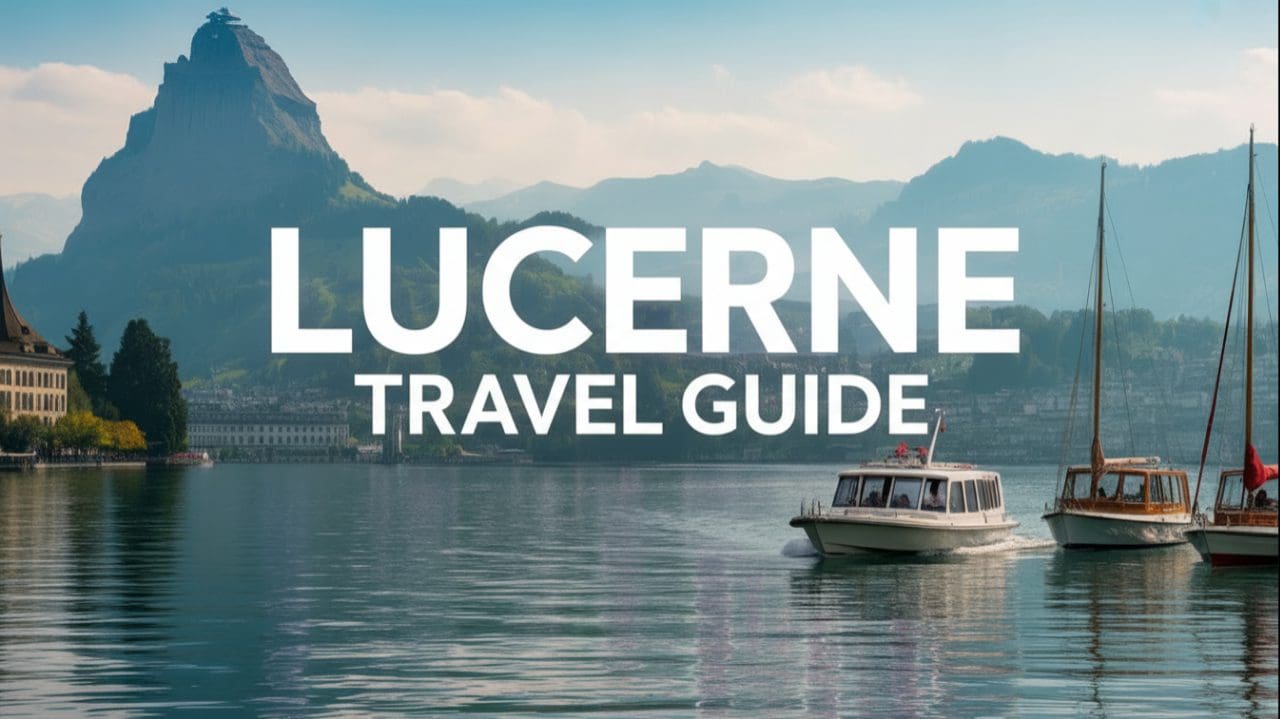
We spent 2 days in Lucerne during our train ride through Europe and this place was absolutely amazing, particularly when you take in a visit to the nearby Mount Pilatus. Nestled between stunning mountains and the sparkling Lake Lucerne, the city of Lucerne is a captivating blend of history, culture, and natural beauty. With its picturesque old town, iconic landmarks, and vibrant arts scene, Lucerne offers a wealth of experiences for every traveller. We put together this Lucerne Travel Guide to take you through the top attractions, where to stay, travel costs, and essential tips to make the most of your visit. Whether you’re a history buff, an outdoor enthusiast, or a foodie, Lucerne has something special to offer. Prepare for an unforgettable journey in one of Switzerland’s most charming cities!
Planning a trip to Lucerne or travelling Switzerland by train?
Here are tools we personally find helpful when organising Lucerne, Mount Pilatus and wider Switzerland itineraries:
- Hotels and apartments in Lucerne, Weggis, Vitznau and around Lake Lucerne: check prices on Booking.com and compare deals on KAYAK.
- Swiss trains and passes (for Lucerne, Engelberg, Rigi, Titlis and beyond): plan routes and passes with Rail Europe.
- Mount Pilatus, Mount Rigi and Lake Lucerne boat trips: see tours and combo tickets on GetYourGuide or compare options on Klook.
- Travel insurance for Switzerland: get a quote from VisitorsCoverage before you lock in non‑refundable rail and mountain tickets.
- Low‑fee CHF and EUR spending: open a Wise multi‑currency account to avoid poor airport exchange rates.
- Europe/Swiss eSIM for maps, SBB app and weather on the go: buy a Europe eSIM on Airalo before you arrive.
- Car hire (if you’re combining Lucerne with a wider Alps road trip): compare rentals on DiscoverCars.
Using these links doesn’t cost you extra, but it helps support this free Lucerne travel guide.
Lucerne Travel Guide
Best Places To Visit
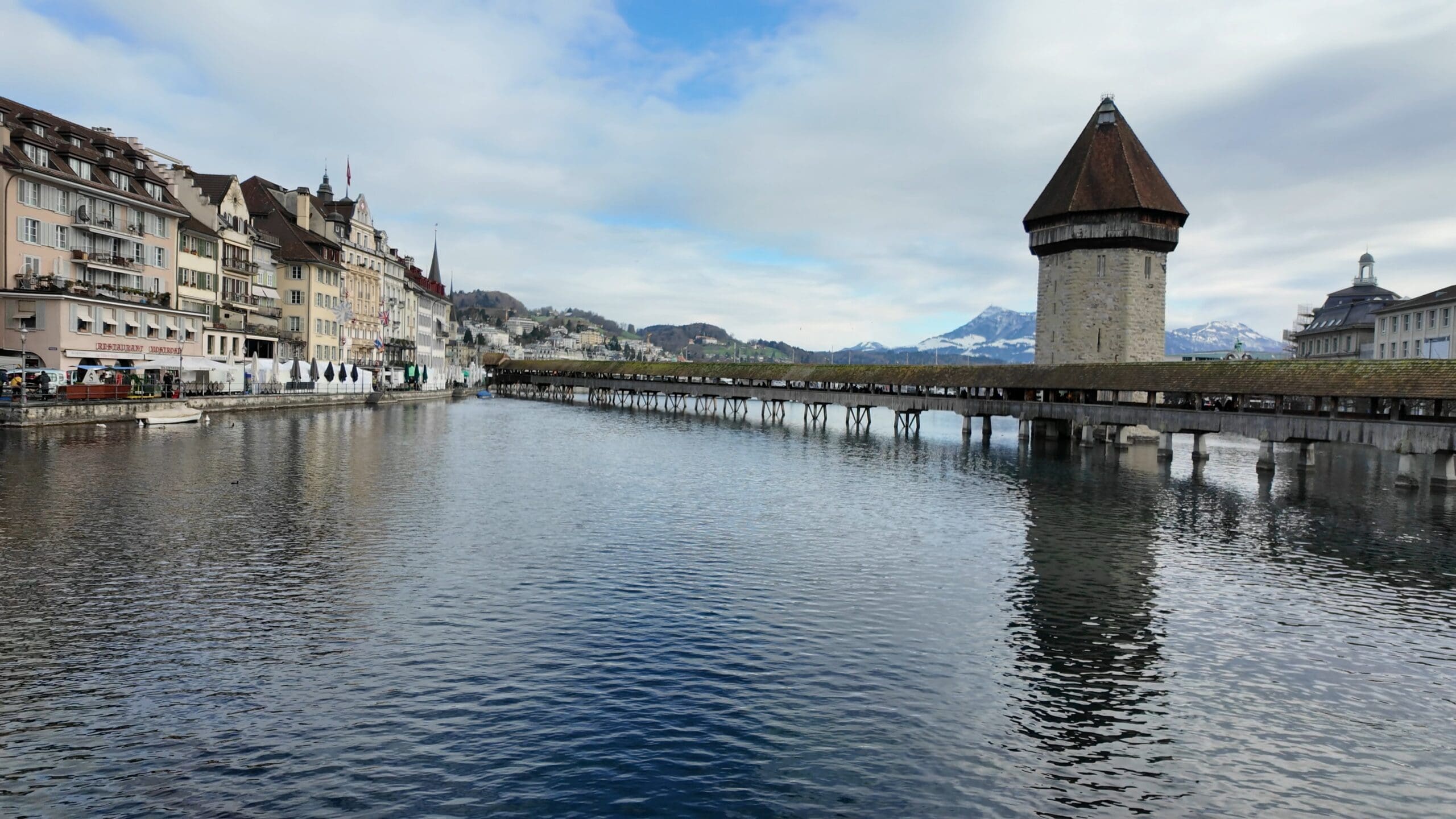
Chapel Bridge (Kapellbrücke)
Chapel Bridge is Lucerne’s most iconic landmark, dating back to 1333. This picturesque covered wooden bridge is adorned with beautiful 17th‑century paintings that depict scenes from the city’s history. There is a lot of history in the making of this bridge and the flower boxes that adorn it. The bridge, along with the adjacent Water Tower, is particularly enchanting in the evening when illuminated, creating a magical atmosphere. The Water Tower was originally a prison and over the years was also used as a treasury and watch tower.
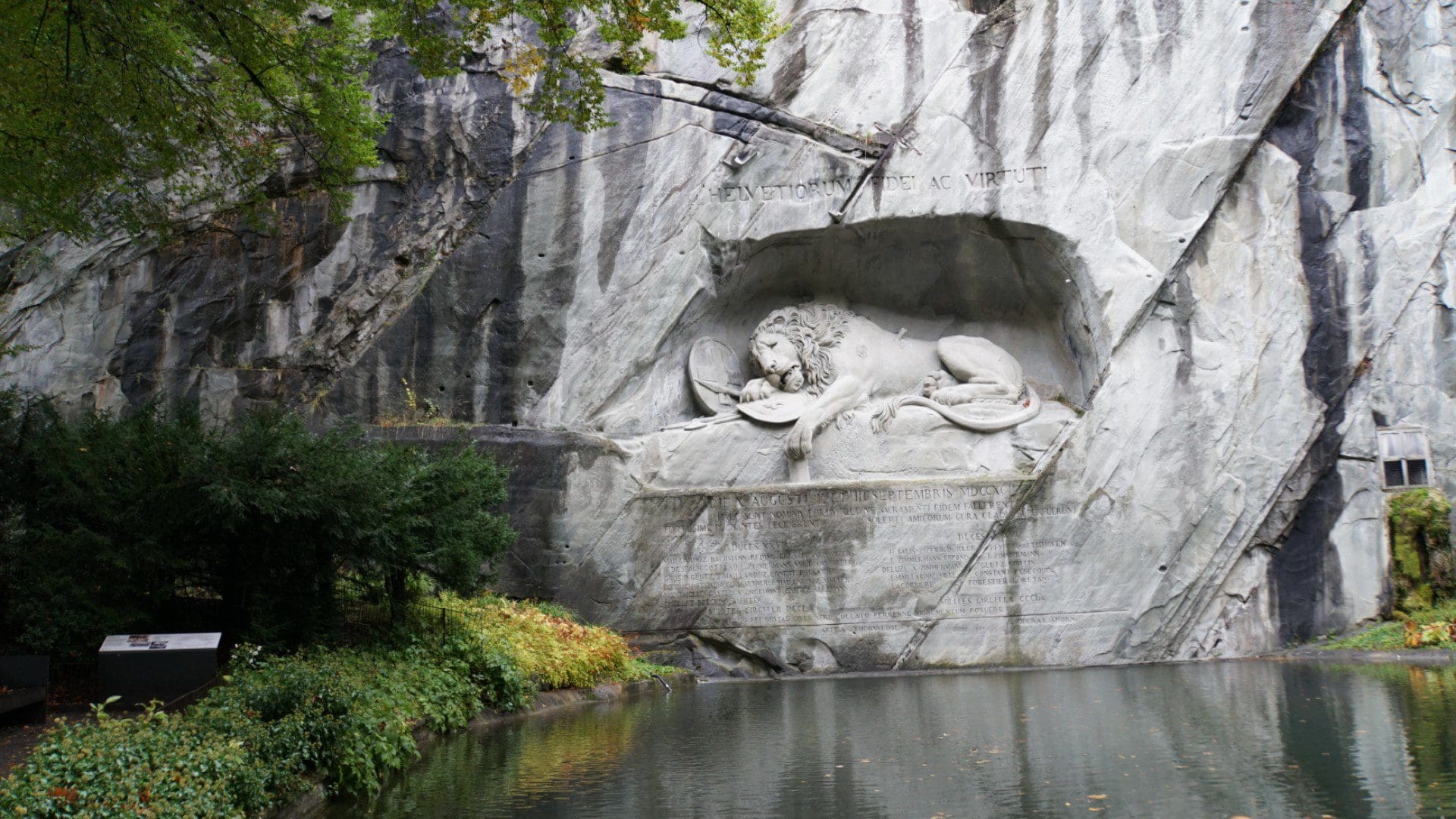
Lion Monument (Löwendenkmal)
Carved into sandstone, the Lion Monument is a touching tribute to the Swiss Guards who perished during the French Revolution. Designed by Danish sculptor Bertel Thorvaldsen, this sculpture of a dying lion has earned the title of “the saddest monument in the world.” The striking artistry and emotional depth of this memorial make it a must‑visit when exploring Lucerne.
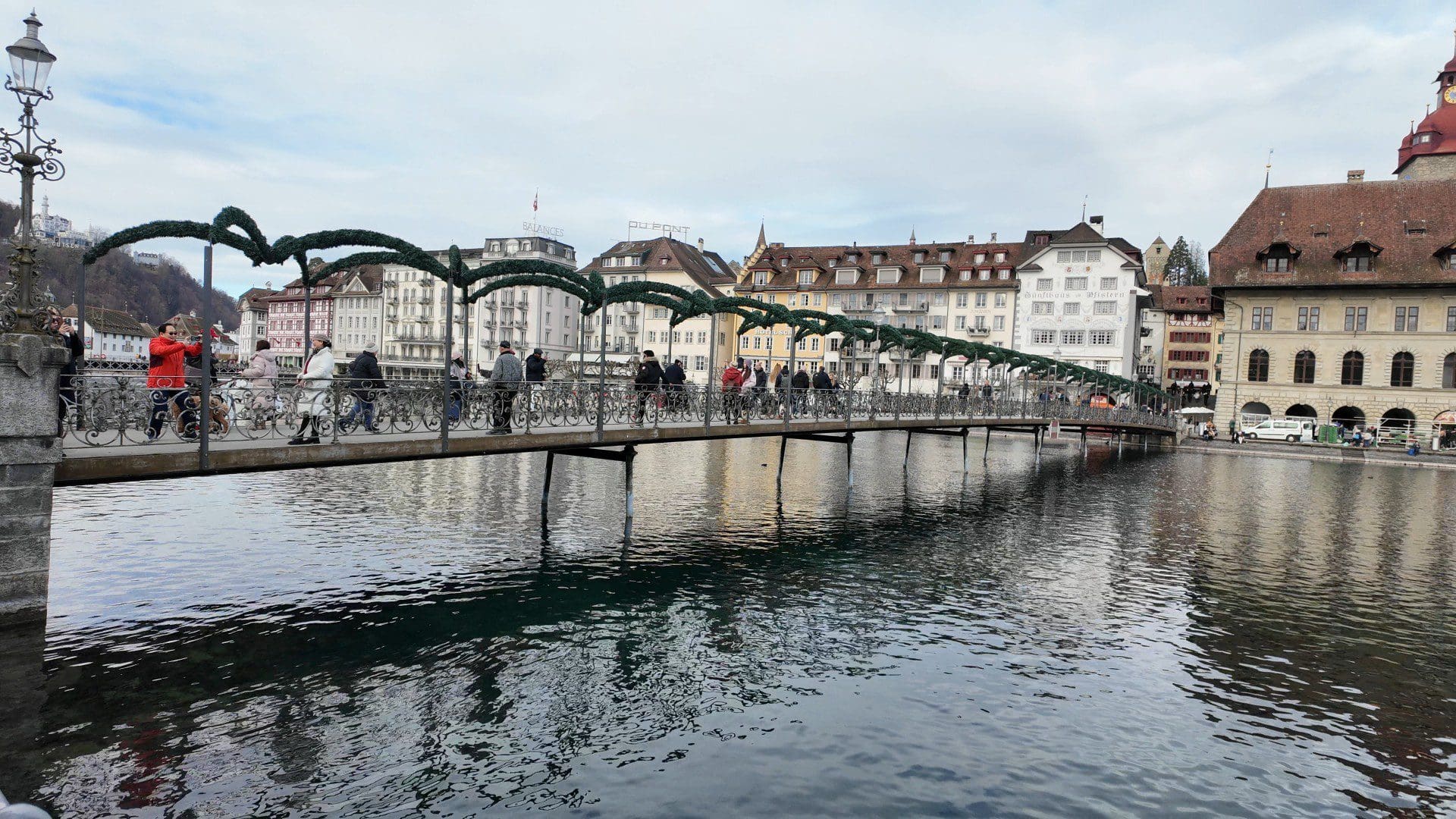
Lake Lucerne (Vierwaldstättersee)
Lake Lucerne is a breathtaking natural wonder, surrounded by majestic mountains and lush landscapes. Covering an area of 114 square kilometres, it is one of Switzerland’s most picturesque lakes. You can enjoy boat trips on vintage paddle steamers, which provide a romantic experience while exploring charming lakeside villages. The lake is also deeply connected to Swiss folklore, particularly the legend of William Tell, making it a culturally significant location.
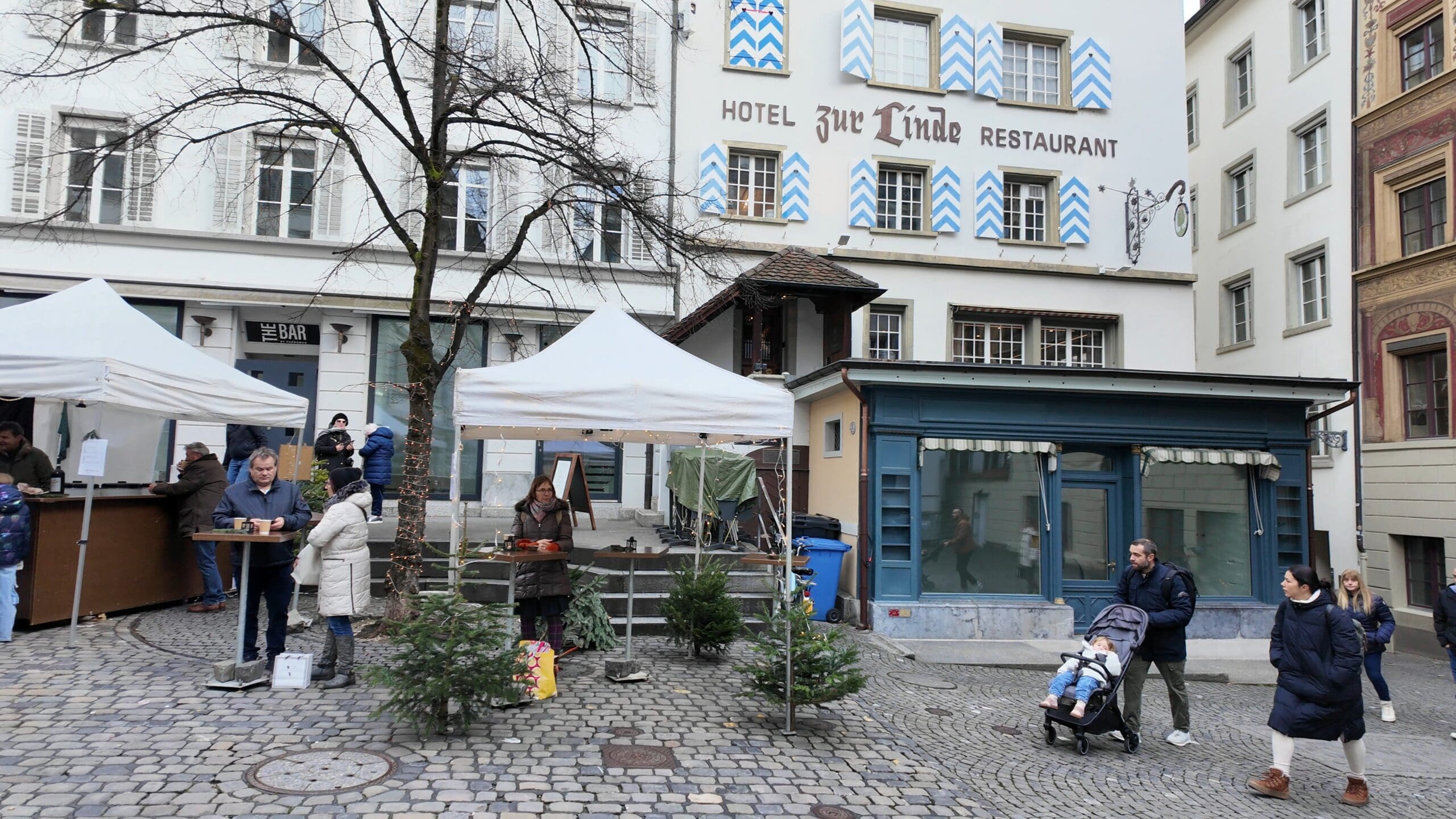
Old Town (Altstadt)
Lucerne’s Old Town is a vibrant area rich in history and culture. Take a walk through its narrow, cobblestone streets, where you’ll find colourful frescoed buildings, charming squares like Weinmarkt, and historical sites. The Musegg Wall, a well‑preserved medieval fortification, features nine towers, four of which are open to the public. Climb the Zyt Tower to view its historic clock mechanism and enjoy panoramic views of the city.
Mount Pilatus
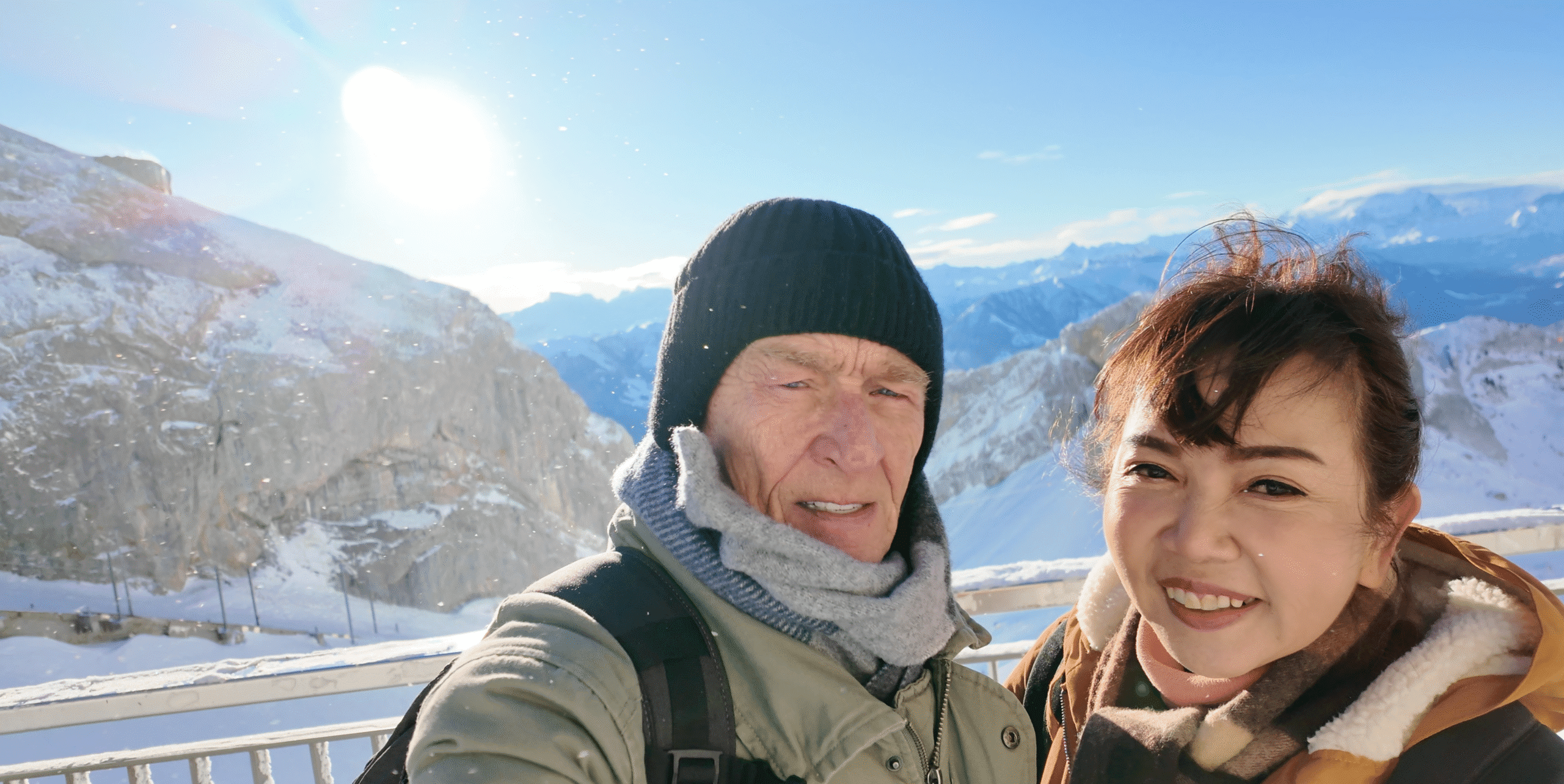
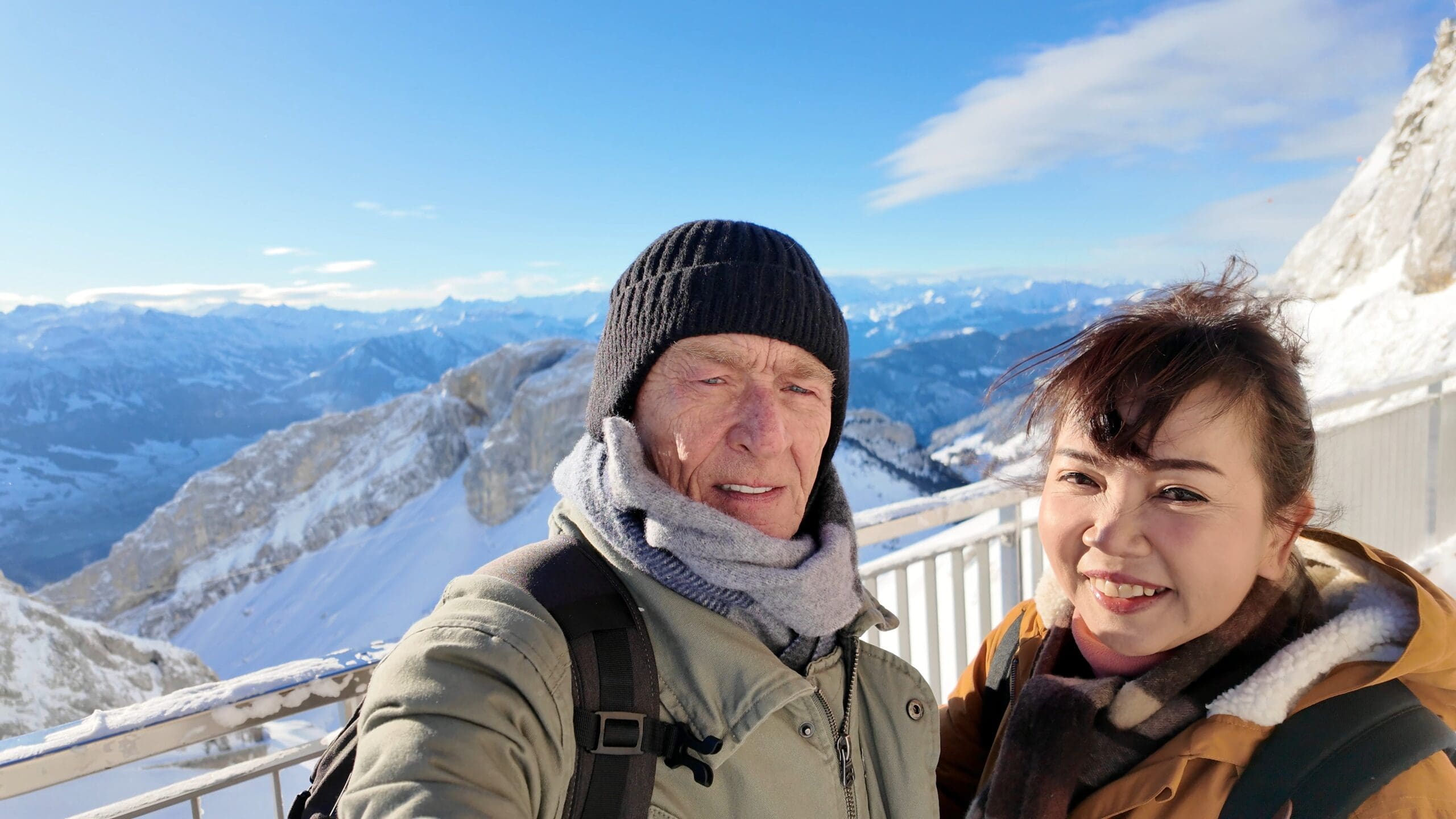
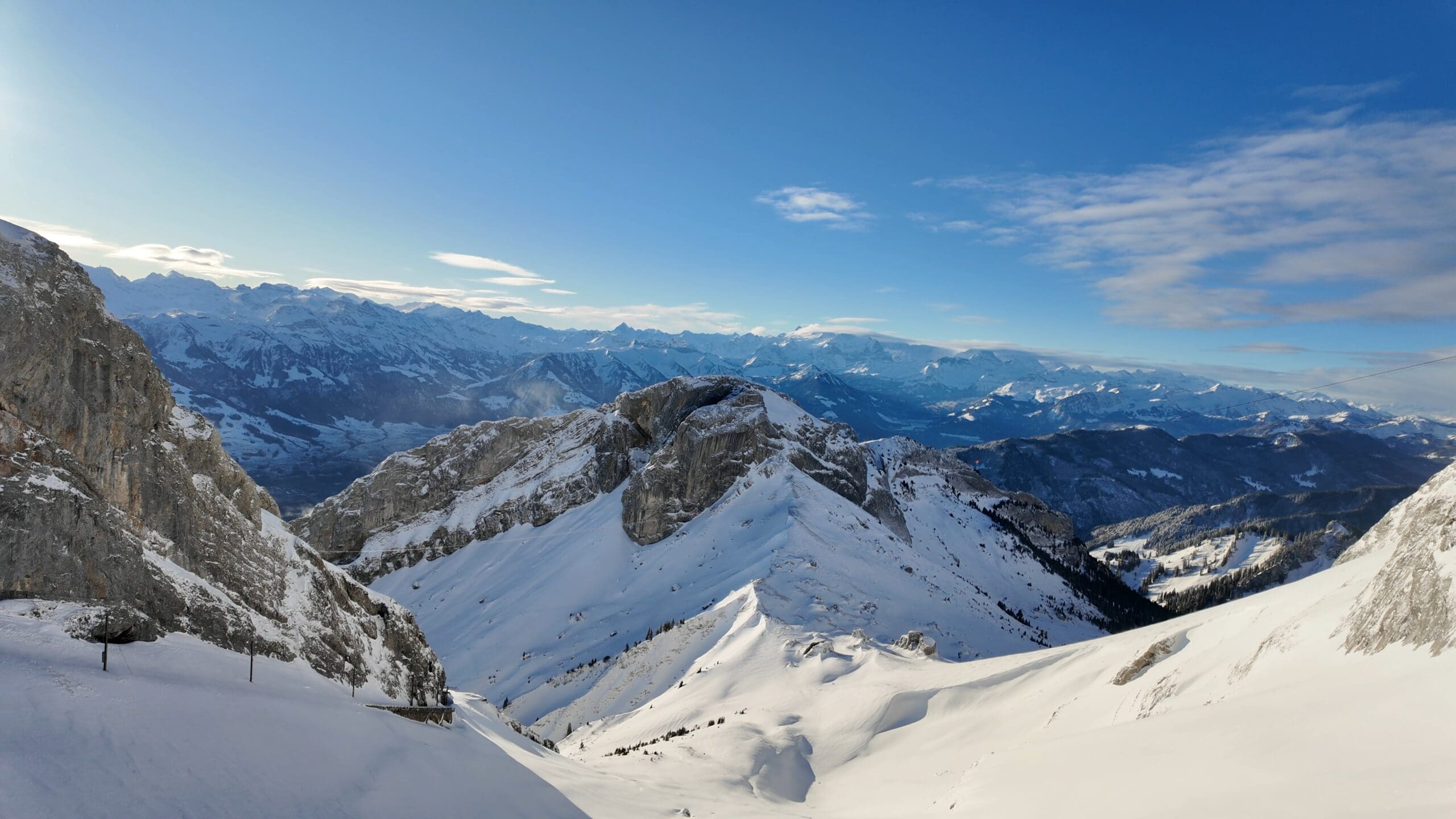
Known as the “Dragon Mountain,” Mount Pilatus is a spectacular destination for outdoor enthusiasts. Accessible via the world’s steepest cogwheel railway or a scenic gondola ride, the summit offers breathtaking views of the Swiss Alps and Lake Lucerne. Words alone cannot really describe the views from the top of Mount Pilatus. We were lucky it was a clear sunny day, and it was a breathtaking view of the snow‑capped Swiss Alps from this vantage point. If you visit Lucerne, then do not miss this.
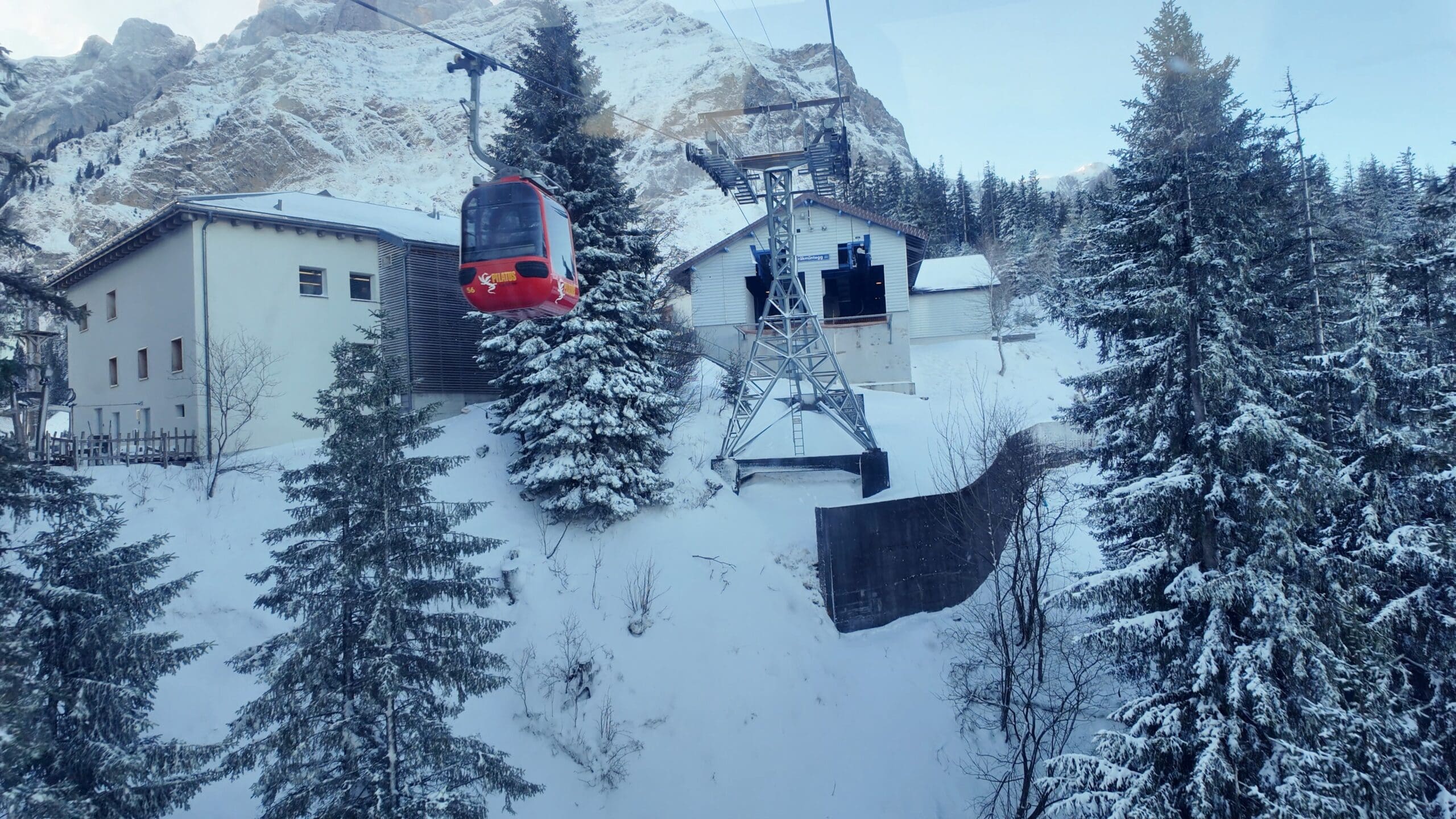
There are a few stops and changes of gondolas along the way, which also gives you the opportunity to experience and see the numerous small villages and houses covered in snow. Dining at the mountaintop restaurant is a must for those seeking to sample Swiss specialities amidst stunning views. If you don’t want to organise all the logistics yourself, you can also look at Mount Pilatus round‑trip tours that bundle cableways, cogwheel and lake cruises on GetYourGuide.
Getting to Mount Pilatus
Travelling to Mount Pilatus from Lucerne is easy and offers stunning views. You can choose between the cogwheel train from Alpnachstad or the aerial cableway from Kriens, with round‑trip tickets priced around CHF 80 for adults and CHF 40 for children. A combination ticket is also available for those wanting to experience both routes. If you hold a Swiss Travel Pass or a Half Fare Card, you can enjoy significant discounts on these fares. Tickets can be purchased at the Lucerne Railway Station or online, making it convenient to plan your visit.
The prices will depend on the season, so check them here.
Other Places to Visit Outside of Lucerne
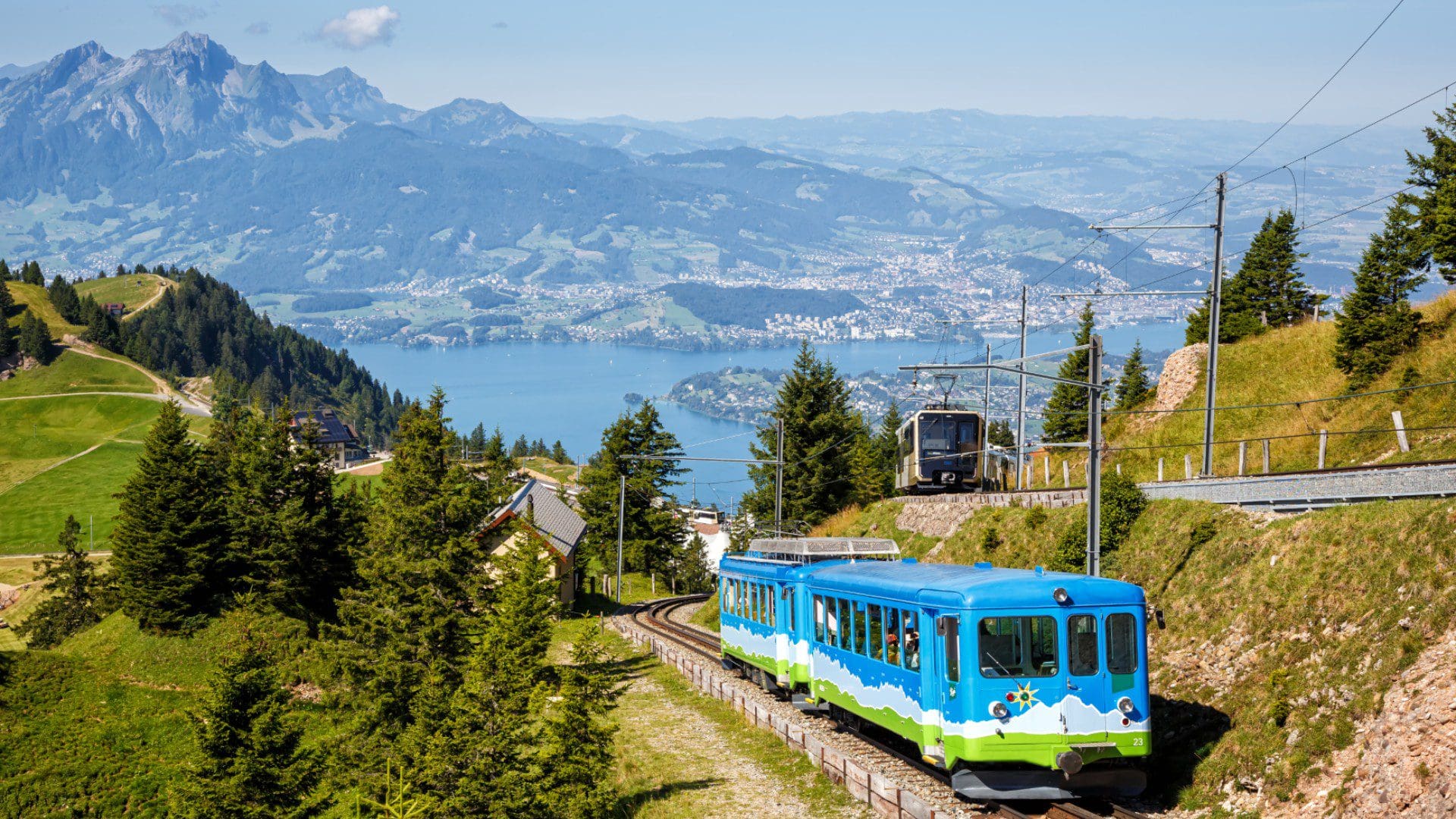
- Mount Rigi: Often referred to as the “Queen of the Mountains,” Mount Rigi is accessible by cogwheel train and offers stunning panoramic views and hiking trails.
- Weggis: This charming lakeside village is perfect for a peaceful retreat, featuring beautiful gardens and a relaxing atmosphere along Lake Lucerne.
- Küssnacht am Rigi: Known for its historical significance and scenic beauty, this town offers access to hiking trails and stunning views of the lake.
- Bürgenstock: A luxurious resort area known for its breathtaking views of Lake Lucerne and the surrounding mountains, perfect for a day of relaxation.
- Engelberg: A picturesque mountain village that serves as a base for skiing in winter and hiking in summer, with stunning views of Mount Titlis.
Where To Stay
In the CBD
For convenience, staying in Lucerne’s Central Business District (CBD) offers easy access to attractions, shops, and transport links. Consider the Hotel des Balances for a luxurious experience or the Hotel Alpina Luzern where we stayed. This is a quaint older‑style hotel but very comfortable and the room was very clean. We chose this place because it is close to the station. There is no reception desk, and you have to check in to their other more upmarket hotel a few doors away, but it didn’t cause us any problems.
Outside the CBD
If you prefer a quieter atmosphere, look for accommodations in nearby towns like Weggis or Vitznau, where you can enjoy beautiful lake views and a more relaxed pace.
Tip: Accommodation prices can vary hugely depending on travel dates. Before booking, see how we use Booking.com’s calendar tool to find cheaper hotel deals and reduce travel costs:
https://trustytraveltips.com/find-cheaper-hotel-deals-booking-com/
Travel Costs
Lucerne is known for being one of Switzerland’s pricier destinations. Budget meals typically cost around CHF 15, while mid‑range dining starts at CHF 35 per person. A Big Mac at McDonald’s costs around CHF 8.1, making it one of the most expensive in the world. Expect to pay CHF 4–6 for coffee and CHF 8–12 for a glass of wine or beer.
Using a low‑fee card or account such as Wise can help keep currency conversion costs down when paying for trains, hotels and mountain excursions in CHF.
Suggested Budgets
- Budget Traveller: CHF 50–100 per day (hostels, cheap eats, public transport).
- Mid‑Range Traveller: CHF 150–250 per day (3‑star hotels, occasional dining out).
- Luxury Traveller: CHF 400+ per day (5‑star hotels, fine dining, private tours).
Money Saving Tips
- Public Transport: Utilise the efficient public transport system to save on travel costs.
- Walking Tours: Take advantage of free walking tours for an affordable way to explore the city.
- Tour Passes: Consider purchasing a city pass, Swiss Travel Pass or regional pass for discounts on attractions and transport.
Best Time to Go
The best time to visit Lucerne depends on your interests. Spring (March to May) is mild and beautiful, while summer (June to August) is ideal for outdoor activities, albeit crowded. Autumn (September to November) offers fewer tourists and stunning foliage. Winter (December to February) transforms Lucerne into a winter wonderland, perfect for holiday markets and snow sports.
How to Get Around
Lucerne’s public transport system is efficient and affordable. Buses run frequently, and you can purchase single tickets or day passes. The main railway station connects Lucerne to nearby towns and cities, making it easy to explore the region. The SBB Mobile app or Trainline can be helpful for checking timetables and pre‑booking tickets.
See other places to visit in Switzerland here.
Watch our video on our visit to Lucerne