We spent 3 days in Maastricht with the main purpose to attend an André Rieu concert we had booked 12 months prior. But even if you are not an André Rieu fan, Maastricht is a delightful city and well worth visiting. Cobblestone lanes, warm bakery smells, and a compact city with deep roots – that is Maastricht. It is one of the oldest cities in the Netherlands, shaped by Romans, medieval traders, and modern Dutch life. It is easy to walk, full of calm squares, and close to Belgium and Germany. You will find museums, caves, and river views in one day.
In July, André Rieu turns Vrijthof Square into an open-air concert hall, drawing fans from around the world. In December, he brings Christmas magic to his concerts at the MECC stadium. Our Maastricht Travel Guide aims to keep things simple. You will see what to do, where to stay, how to move around, what it costs, and how to save money. It also includes day trips, best times to visit, and a sample budget. If you want a smooth first visit, or a return with a clearer plan, use this as your checklist for Maastricht.
We also made a full video exclusive on Maastricht to complement this Maastricht Travel Guide – it’s a useful visual overview if you like to see the streets and squares before you go.
Maastricht also makes a handy stop when travelling between other nearby cities. If you’re planning a wider route through the region, you might like our Amsterdam Travel Guide, our tips for finding accommodation in the Netherlands, and our Cologne travel guide.
Maastricht Travel Guide: Quick Summary
- Ideal stay: 2–3 days
- Best for: History, relaxed atmosphere, cafés and day trips
- Top highlights: Vrijthof Square, caves, river walks, Wyck district
- Easy to explore: Compact and walkable city
- Cost level: Moderate for the Netherlands
- Day trips: Valkenburg, Aachen, Liège
- Best time: Spring, summer events, or December markets
Is Maastricht Worth Visiting?
Yes — Maastricht is one of the most charming and underrated cities in the Netherlands.
It offers a mix of history, walkable streets, relaxed café culture, and easy access to nearby countries like Belgium and Germany. Compared to Amsterdam, it feels quieter, more local, and less crowded.
For most travellers, Maastricht works best as a 2–3 day visit or as part of a wider regional itinerary.
Top things to see and do in Maastricht

Vrijthof Square
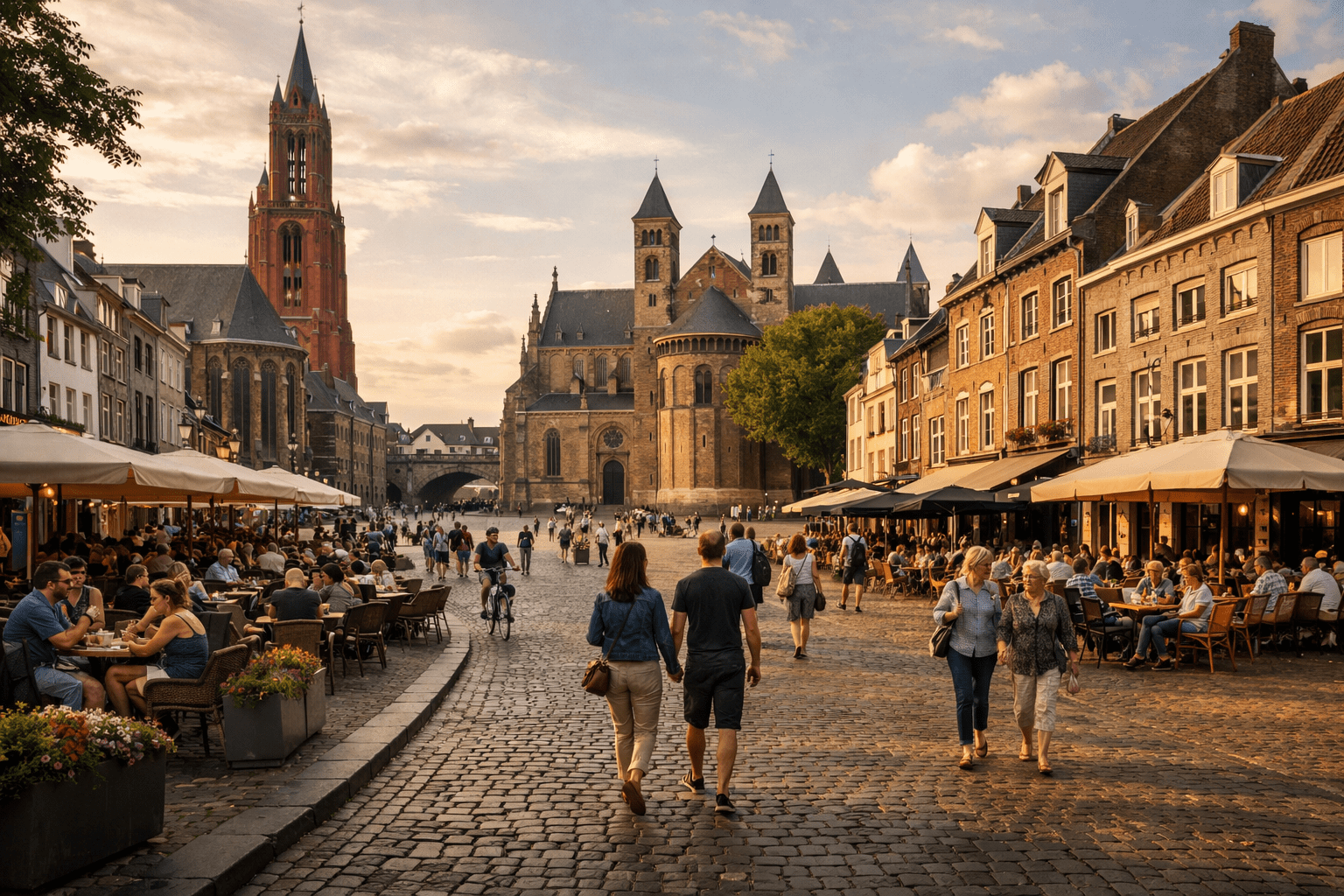
Vrijthof is the central square and the city’s social stage. Two churches face the plaza: Basilica of St. Servatius and St. John’s Church with its red tower. Cafés ring the square, so it is an easy place to sit, watch, and plan your day. Markets and fairs pop up during the year. In winter, the Christmas market brings lights, food stalls, and a small ice rink. In summer, the terraces fill in the long evenings.
The square is also the venue for André Rieu’s famous open-air concerts, usually in July. If you attend, book concert tickets early and plan your hotel close by or near Wyck for easy walks. Between events, visit the churches, walk the side streets, and try Limburg vlaai (fruit tart). Vrijthof is both a landmark and a daily hangout.
St. Pietersberg Caves
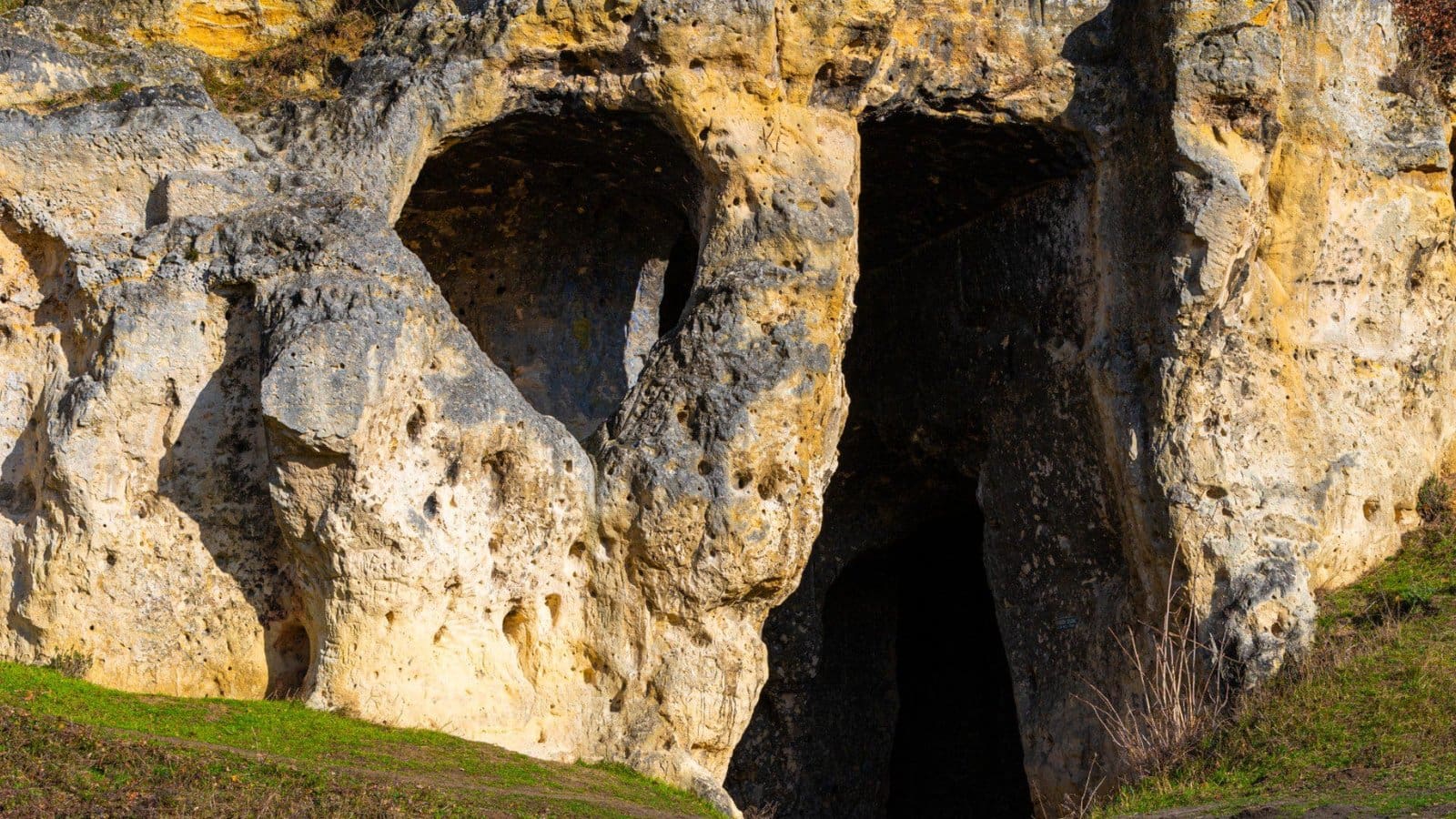
Under Mount Saint Peter sits a maze of limestone tunnels. These passages were cut over centuries as people quarried stone. During World War II, locals used parts of the caves as shelters and storage for art. Guided tours explain how the system was mapped and how people navigated in the dark. You will see charcoal drawings, old markings, and learn how air and safety were managed.
The temperature is cool year-round, so bring a light jacket even in summer. Tours run in Dutch and English. The caves pair well with a walk on the hill above for views of the Meuse River and countryside. It is a good mix of history, geology, and calm nature, close to the city. To secure your preferred time slot, you can pre-book a cave tour on platforms such as GetYourGuide or Tiqets.
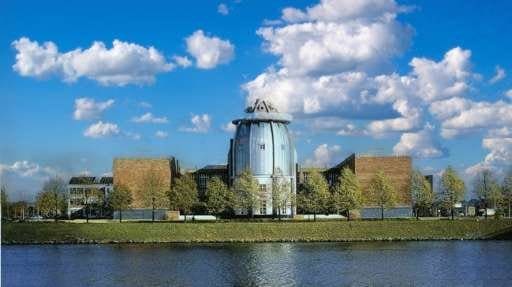
Bonnefanten is Maastricht’s main art museum, noted for its rocket-shaped tower. Inside, the displays move from early religious art to modern work. You can see Old Masters, including pieces linked to Rubens’ circle, alongside contemporary installations that change through the year. The layout is clear and not overwhelming, so you can cover the highlights in one to two hours.
The riverfront location makes it easy to add a walk over the bridge to Wyck for lunch or coffee. Check current exhibitions if you have special interests, and consider combined ticket options if you plan more museums. Photography rules vary by gallery, so look for signs. It is a simple, calm art stop with river views outside. Timed-entry tickets and special exhibitions often appear on Trip.com or Tiqets.
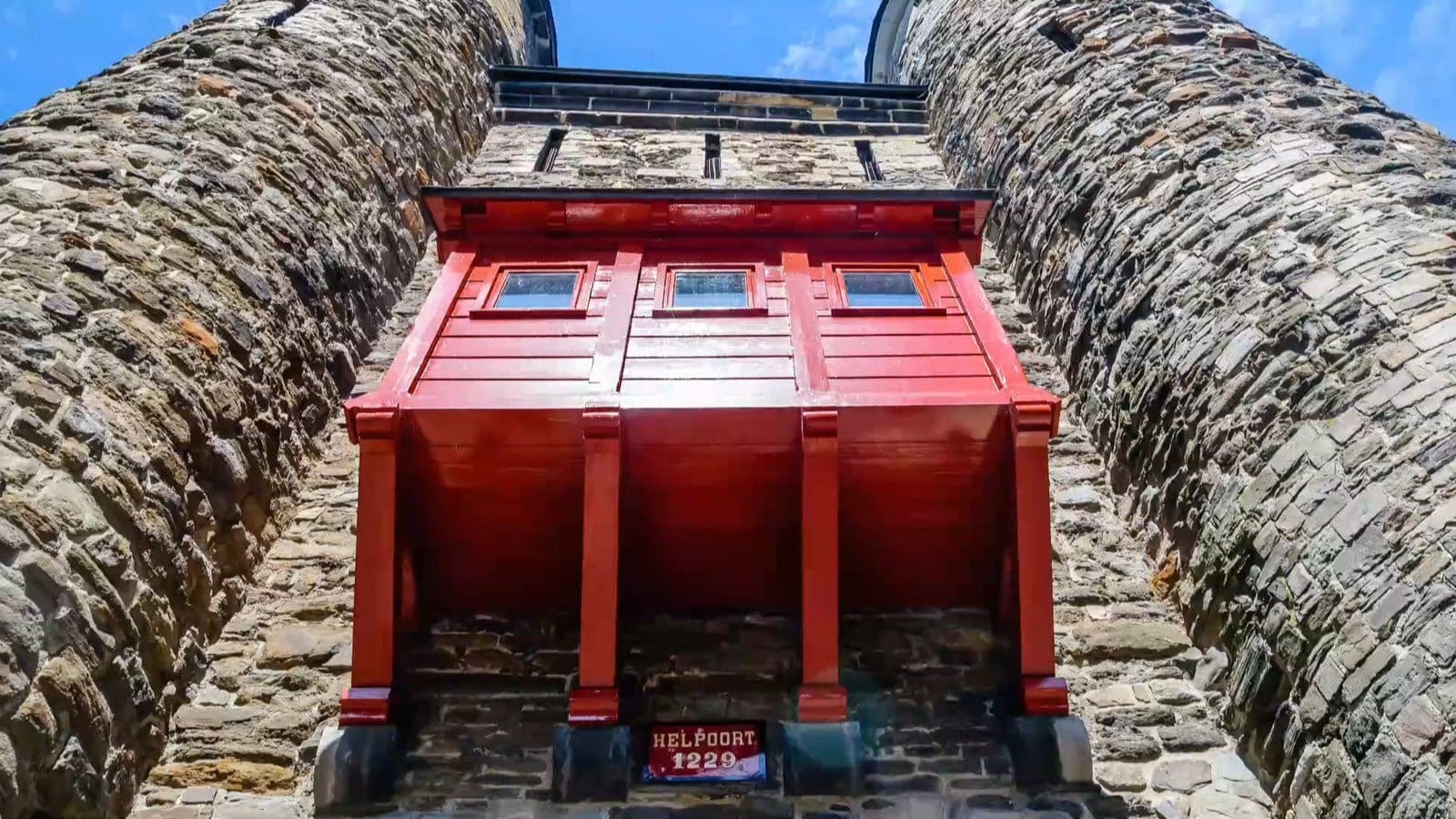
Helpoort
Helpoort is the oldest surviving city gate in the Netherlands. It gives a view into the medieval defences that once surrounded Maastricht. Walk through the arch and follow the old wall line toward the park areas. Small displays explain the history and show how trade and war shaped the city.
The gate area is compact, so combine it with a stroll through the Jekerkwartier district, where you will find mills, streams, and quiet streets. In a brief visit you can link Helpoort, the city walls, and nearby green spaces for a balanced hour that mixes history and fresh air. It is a good stop for photos and an easy lesson in how cities grew and protected themselves.
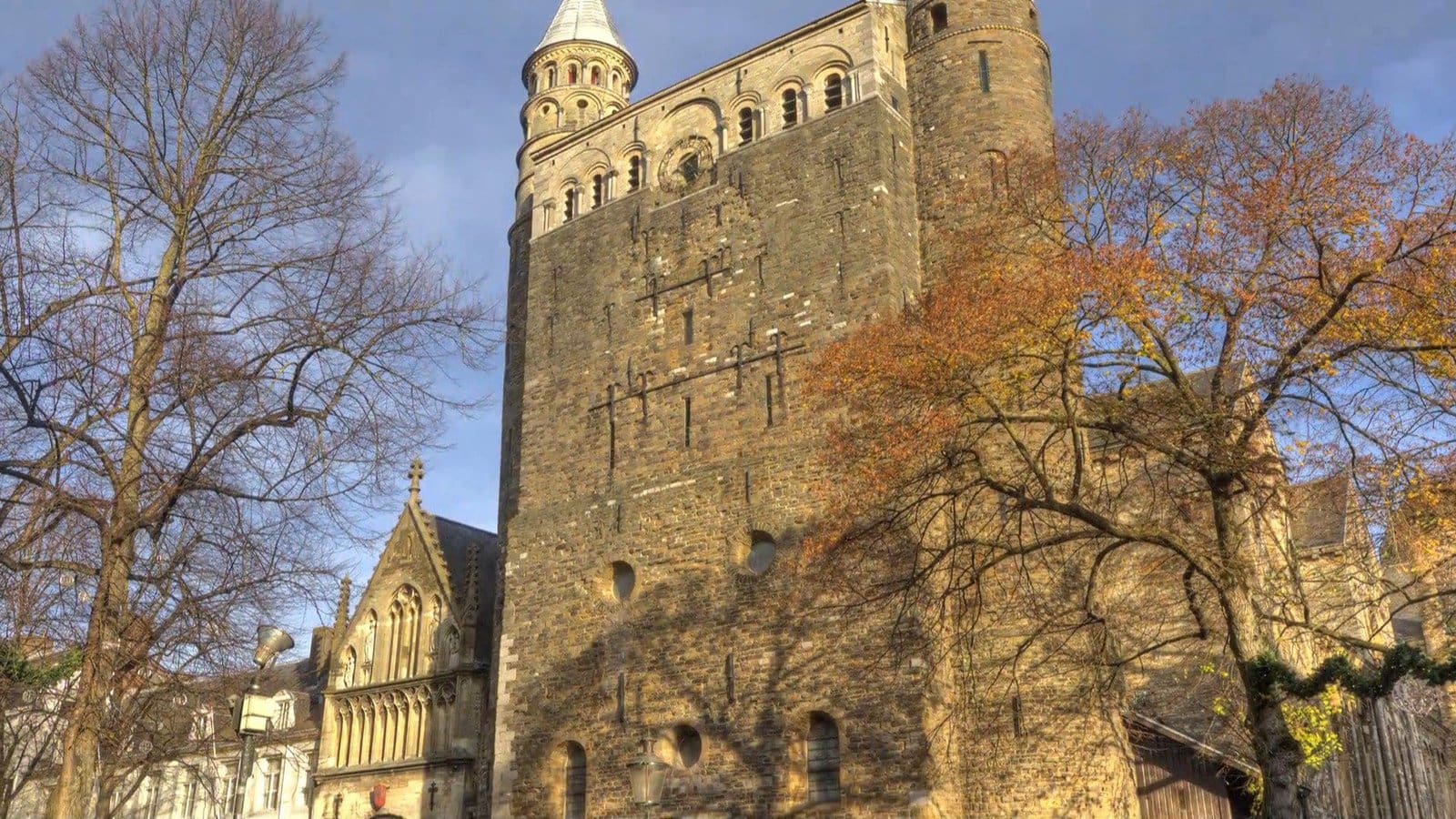
Basilica of Our Lady (Onze Lieve Vrouwe)
This Romanesque church is known for its heavy stone walls and a calm interior. Many visitors stop to light a candle in the side chapel. The main space is simple and powerful, with low light and a focus on quiet. Outside, Onze Lieve Vrouweplein is one of Maastricht’s most pleasant squares, lined with trees and cafés.
It is a good place to take a break between sights. If you like church architecture, compare this basilica with St. Servatius at Vrijthof to see two different styles in one city centre. Entry is often free, with a small fee for certain areas or exhibits; donations are welcome.
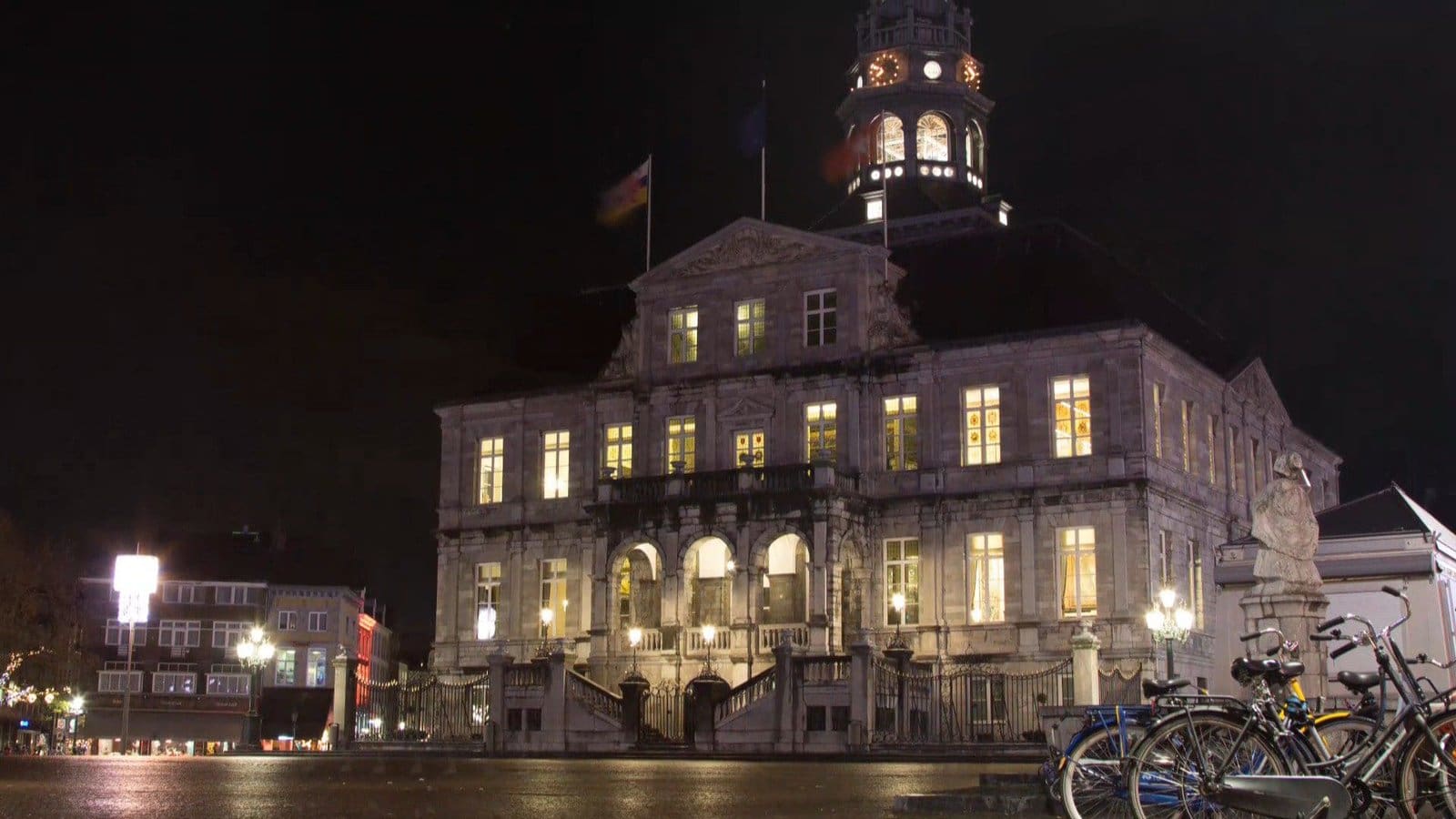
Market Square (Markt) and City Hall
Markt is the city’s working square. On Wednesdays and Fridays, stalls sell produce, cheese, flowers, fish, and household items. Prices are fair, and it is a good place to pick up picnic supplies. The 17th-century City Hall sits in the middle, with a classic Dutch design.
On non-market days, the square is open and easy to cross on your way to shopping streets. For an easy route, move from Markt to Vrijthof, then to the river and Wyck. If you like street food, try a fresh stroopwafel or a portion of fries at the market. It is a direct look at local life, not just a tourist stop.
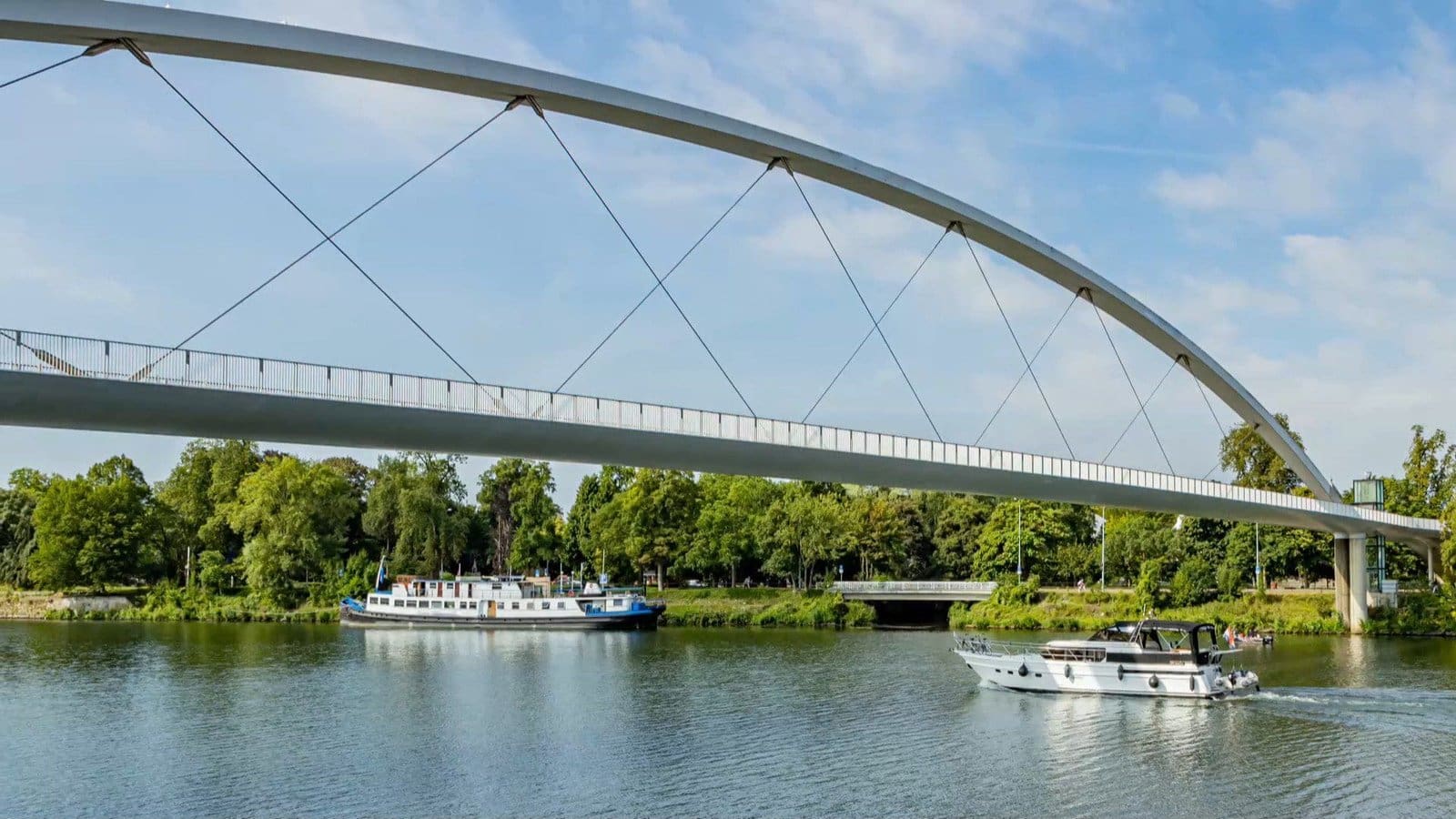
Hoge Brug
Hoge Brug is a modern pedestrian bridge with clean lines and wide views. Cross at sunset to see the river reflect the sky and the city lights come on. It links the old centre with the newer side of the river and the Bonnefanten Museum area.
The bridge is also part of easy photo routes: City Hall to Markt to Vrijthof to the river, then over Hoge Brug and back on the older Sint Servaasbrug. If you want an accessible, free view that takes only a few minutes, this is it. It shows how compact Maastricht is and helps you orient your next steps.
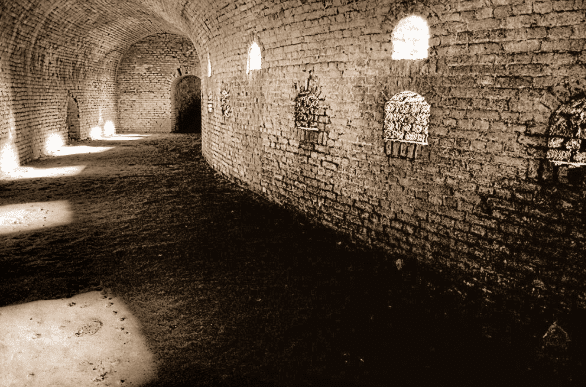
Maastricht Underground (Fortifications)
Beyond the caves, Maastricht has a network of old defensive works, including casemates (tunnels) used during sieges. Guided tours explain how soldiers moved under the city, how they stored supplies, and how they managed smoke and air. It is practical, not flashy, and brings engineering and local history together.
The routes are narrow in places, so wear stable shoes and bring a light layer. If you enjoy clear, factual tours with real-world examples, this is a strong pick. It pairs well with Helpoort and the city walls for a full picture of how Maastricht protected itself. You can often book Maastricht Underground and cave tours in advance via GetYourGuide or Klook.
Natural History Museum Maastricht
This small museum in Jekerkwartier focuses on the region’s geology and wildlife. The standout is the Mosasaurus story, tied to fossils found near Maastricht. Displays include minerals, fossils, and taxidermy that explain the local landscape and river life.
It is good for families and for a calm hour in between bigger sights. The surrounding area is green and walkable, so you can combine a visit with a stroll along the stream and nearby parks. Information is clear and not too technical, making it easy to follow.
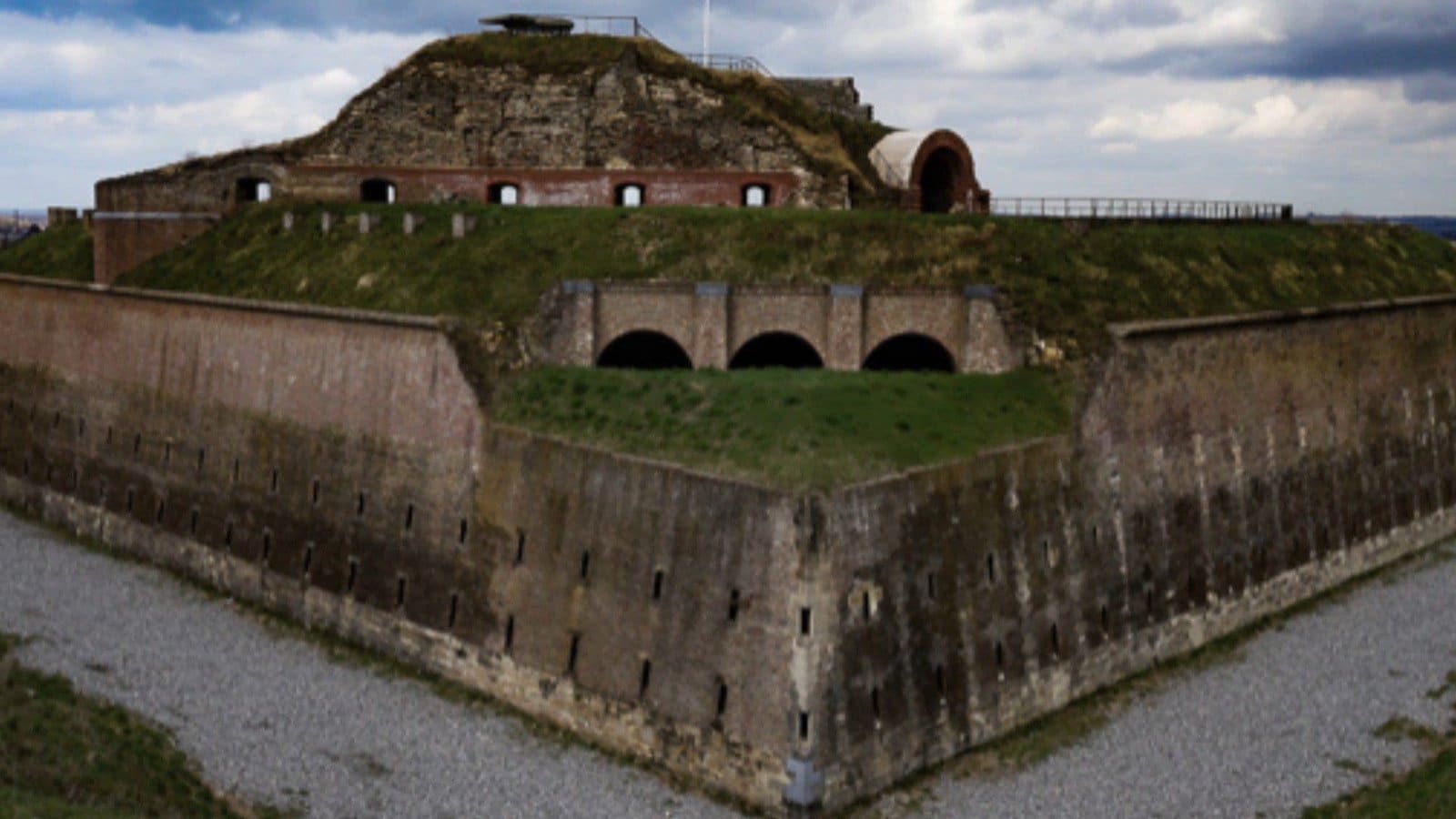
Mount Saint Peter (Sint-Pietersberg)
This hill and nature reserve sits at the city’s edge. Trails lead to viewpoints of the Meuse River, the ENCI quarry area, and the countryside toward Belgium. Bring water and simple walking shoes. The paths range from short loops to longer routes that can take a couple of hours.
On clear days, you can see far across the region. Combine with a cave tour if you want both surface views and the underground story. It is a fast way to shift from city streets to open space without a long trip.

Wyck sits across the river near the main railway station. It has independent shops, small galleries, and many cafés. Streets are simple to navigate and less crowded than the main centre. If you are looking for gifts or a relaxed lunch, Wyck is a good pick.
It also makes a handy base for accommodation because you can walk from the station with luggage and reach the old town in minutes. In the evening, the area feels lively but not hectic.
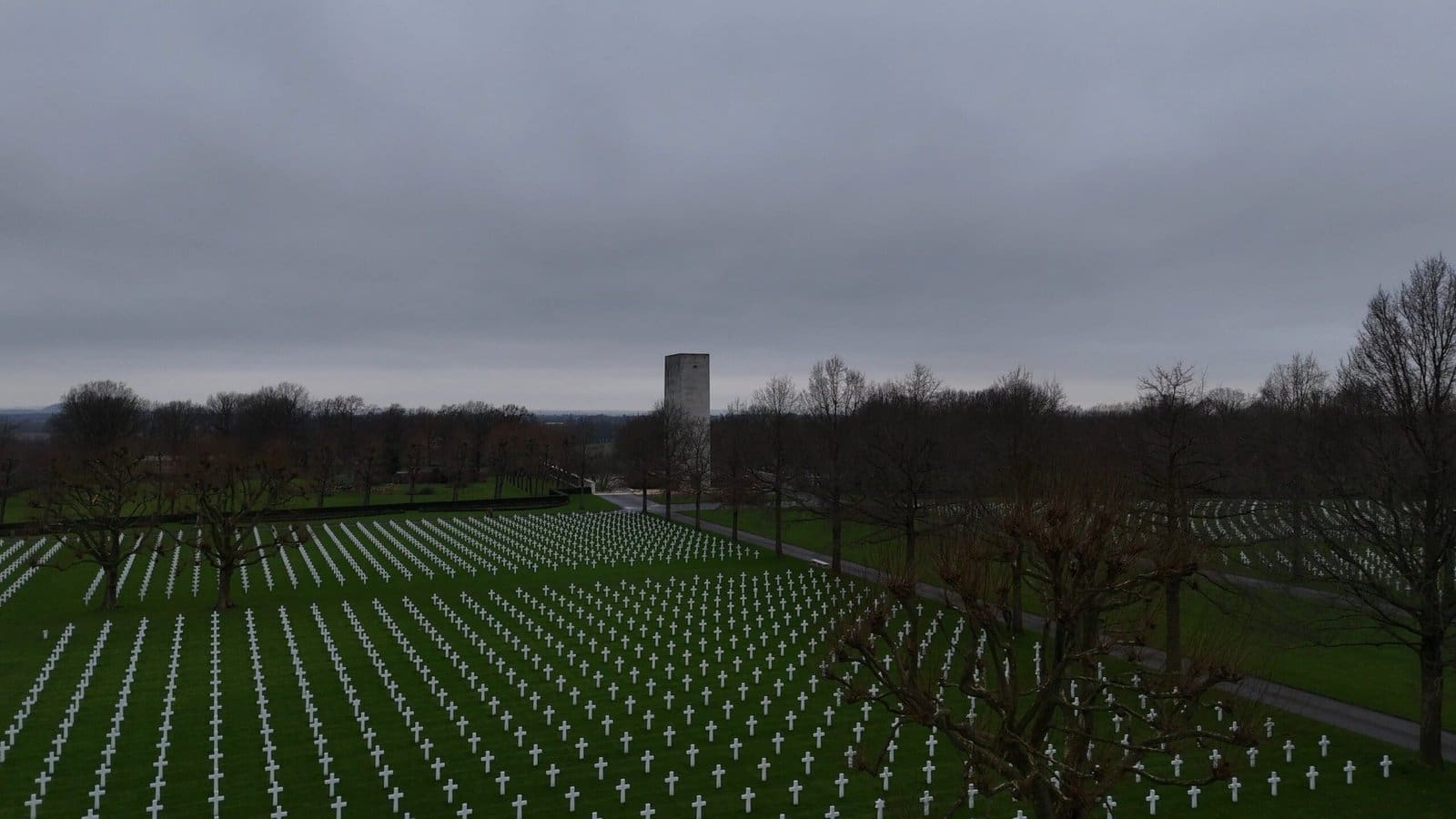
Netherlands American War Cemetery (Margraten)
About 10 kilometres from Maastricht, this cemetery honours U.S. soldiers who died in World War II. The site is carefully kept, with rows of crosses and Stars of David, a memorial tower, and a reflecting pool. Walls list the missing.
It is a quiet place for reflection and a clear reminder of the region’s wartime history. You can visit on a short bus ride or by car or bike. Combine it with a countryside loop for a half-day. It is somber and respectful; plan time to move slowly.
Other places to visit outside of Maastricht
Valkenburg aan de Geul
A small spa town with castle ruins, marlstone caves, and a chairlift to a hill viewpoint. It has a light, resort feel and is easy to reach by train in about 15 minutes. The Christmas caves in winter are a fun seasonal draw. Good for a half-day with lunch and a short walk.
Aachen, Germany
Aachen is about 50 minutes by train via Heerlen. See Aachen Cathedral, Charlemagne’s legacy, and try the local printen (spiced biscuits). The old town is compact, and thermal baths add a relaxing option. It is a simple cross-border day trip with strong history and clear wayfinding.
Liège, Belgium
Liège is around 35–45 minutes by train. The main station by Santiago Calatrava is a sight itself. Walk the riverfront, climb the Montagne de Bueren steps, and sample Liège waffles. It is lively, direct to reach, and contrasts well with Maastricht’s calmer pace.
Where to stay: in or outside the center
- In the centre (Old Town and Vrijthof area): Best for first-timers who want to walk to most sights. Expect higher prices and paid parking.
- Wyck (near the station): Easy for arrivals, many cafés, quick walk across the bridge to the old town.
- Jekerkwartier and Sint Pieter: Quieter, green edges, easy access to city walls and Mount Saint Peter.
Named stays:
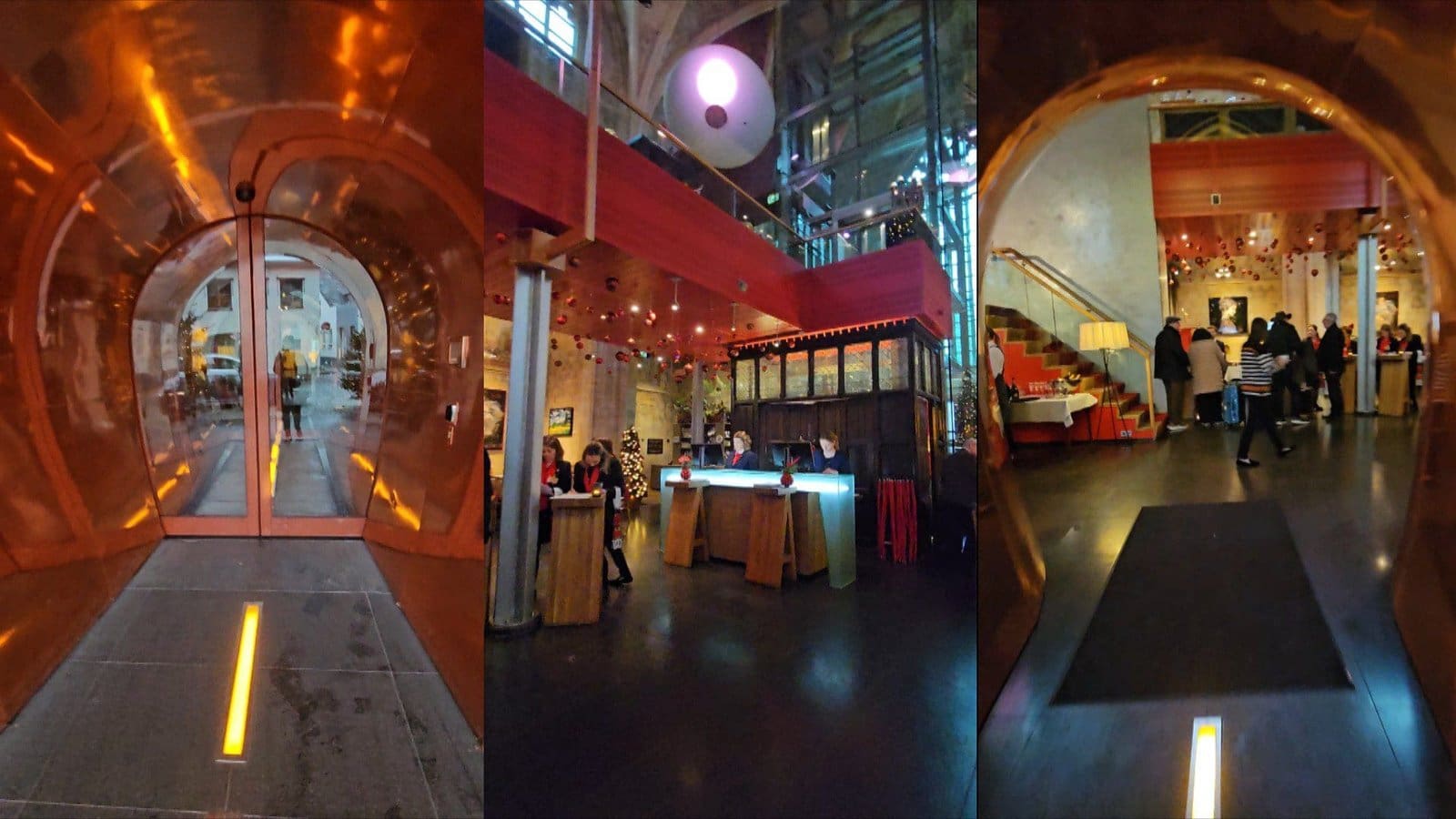
- Luxury: Kruisherenhotel (converted monastery near Vrijthof). Design-focused, historic setting. From about €250 per night.
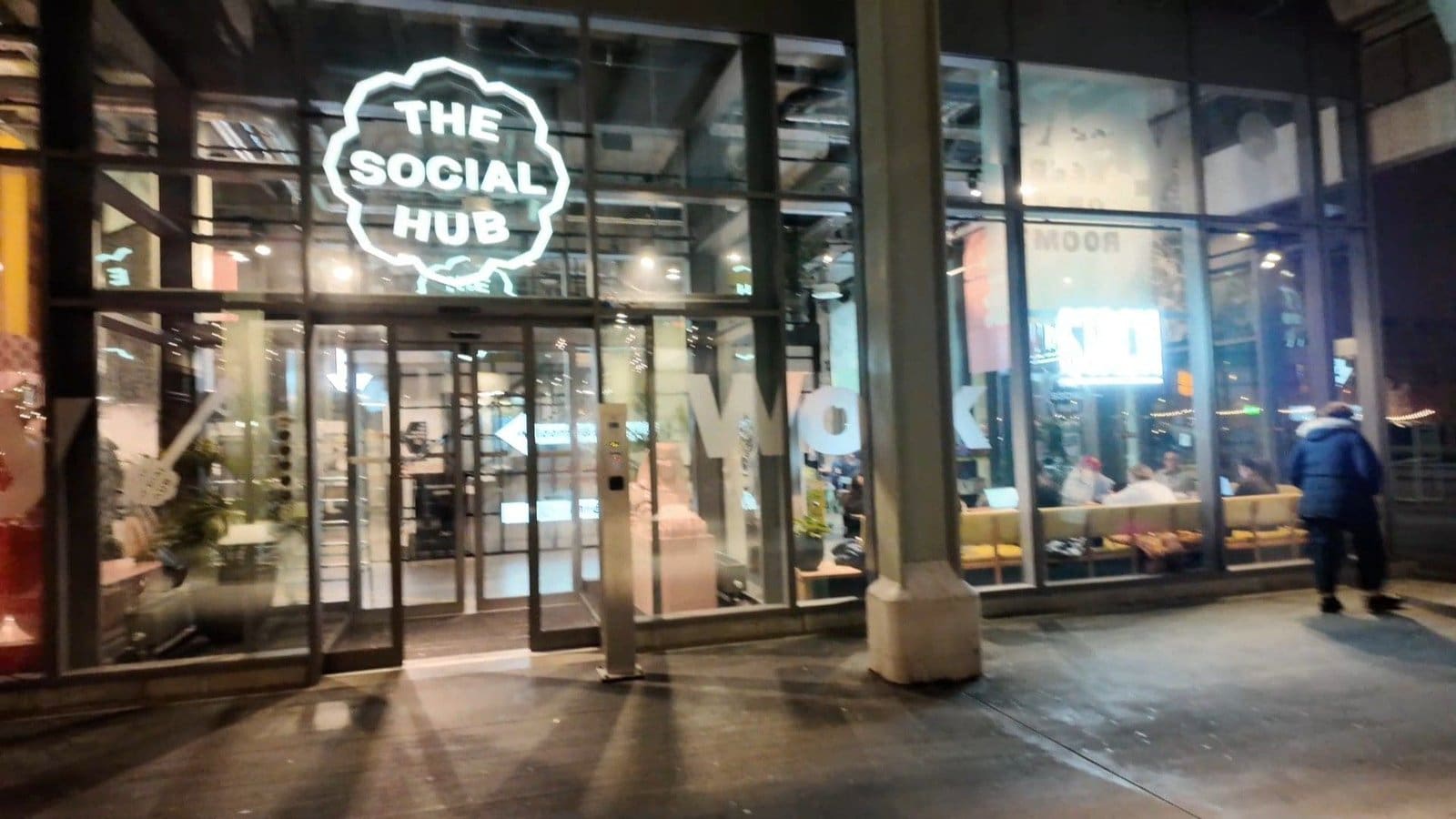
- Mid-range: The Social Hub (central, modern, co-working vibe). From about €100 per night.
- Budget: Stayokay Hostel (near centre). Dorms from about €25 per night.
All Maastricht Accommodation
For a quick overview of hotels and apartments, you can check guest ratings and locations on Booking.com
Tip: Accommodation prices can vary hugely depending on travel dates. Before booking, see how we use Booking.com’s calendar tool to find cheaper hotel deals and reduce travel costs:
https://trustytraveltips.com/find-cheaper-hotel-deals-booking-com/
Travel costs (typical)
- Currency: Euro (€).
- Coffee: ~€3.
- Casual meal: €10–15.
- Mid-range dinner: €20–30 per person.
- Fine dining: €25–50+ per person; tasting menus at Beluga Loves You from ~€95.
- Bus day pass: ~€7.50; weekly ~€32.50.
- Train (Amsterdam–Maastricht): ~2.5 hours; price varies by time/class.
- Airport: Maastricht Aachen Airport ~10 km away.
- Parking centre: ~€2.60/hour; ~€20/day.
To keep fees down when paying in EUR or taking out cash, consider using a low-fee card like Wise instead of relying on your home bank’s default rates.
Suggested budgets (per person, per day)
- Shoestring: €55–€75
- Hostel bed, simple meals, a museum or cave tour, bus day pass or walking.
- Mid-range: €110–€160
- 3-star hotel in Wyck or centre, two paid sights, café lunches, casual dinner, local transport.
- Comfort: €190–€280
- 4–5-star stay (e.g., Kruisherenhotel), museum/cave tours, nicer dinners, taxis if needed, day trip by train.
Money-saving tips
- Visit markets (Markt on Wed/Fri) for picnic supplies instead of always eating out.
- Book André Rieu concert tickets and hotels early to avoid surge pricing, especially around July and December.
- Use regional day tickets for buses/trains if doing day trips to places like Valkenburg, Aachen or Liège.
- Walk or rent a bike; the centre is compact and flat enough for cycling.
- Book museum and cave tickets online for combo deals and timed entry.
- Eat main meals at lunch when menus are cheaper, then have lighter dinners.
- Consider staying in Wyck or just outside the core for better rates while still being walkable.
Best time to go
- Spring (April–June): Mild weather, flowers, moderate crowds.
- Summer (July–August): Long days, busiest period. André Rieu’s Vrijthof concerts are usually in July; book well ahead.
- Autumn (September–November): Comfortable temps, fewer visitors, good museum time.
- Winter (December): Christmas markets, including on Vrijthof; cold but festive.
How to get around
- Walking: Most sights are within 15–20 minutes on foot.
- Buses: Frequent and reliable; day and week passes available.
- Trains: Easy links to Valkenburg, Aachen, Liège, and beyond – ideal for simple day trips.
- Bikes: Rentals available; mostly flat routes in town.
- Car: Not needed in the centre; parking is paid and limited. Use park-and-ride if driving.
See other places to visit near Maastricht here, and if you’re continuing north or east, don’t miss our guides to Amsterdam and Cologne.
Final Thoughts: Is Maastricht Worth Adding to Your Trip?
Maastricht is one of those cities that surprises you.
It’s smaller, quieter, and less visited than other Dutch destinations, but that’s exactly what makes it enjoyable. The mix of history, relaxed atmosphere, and easy access to nearby countries makes it an ideal stop on a European itinerary.
Whether you’re visiting for a concert, a weekend break, or as part of a wider trip, Maastricht offers a balance of culture, comfort, and simplicity that’s easy to appreciate.
Watch our video on our visit to Maastricht