If you’re looking for a practical travel essentials checklist, this guide covers exactly what we pack for every trip. After years of travelling across Europe, Asia, Australia and beyond, we’ve learned that smart packing isn’t about bringing more — it’s about bringing what truly matters. This checklist is designed to help you avoid last-minute stress, forgotten items, and unnecessary extras, so you can start your journey feeling organised and confident.
Packing can feel like a puzzle — especially when you’re juggling flights, accommodation, activities, and everything happening at home. The goal isn’t to pack for every possible scenario. It’s to cover the non-negotiables, keep your essentials easy to access, and add a few smart extras that make travel smoother when plans change. Below, we’ve organised our go-to essentials into simple sections so you can scan quickly, tick things off, and customise the list for your destination and travel style.
We’ve refined this list after trips that included missed connections, lost luggage, long-haul flights, and remote road travel — the kind of experiences that quickly teach you what truly matters.
From European river cruises to remote Australian road trips, this checklist has been tested across different travel styles and conditions.
Whether you call it a travel essentials checklist or a simple packing checklist for travel, the goal is the same — pack smarter and travel with confidence.
Why a Travel Essentials Checklist Matters
A clear travel essentials checklist takes the guesswork out of packing. Instead of rushing the night before departure, you can pack methodically and feel confident you haven’t forgotten anything important. It reduces stress, prevents unnecessary spending on items you could have brought from home, and helps you stay compliant with airline and airport rules. Most importantly, it makes unexpected changes — like delays, lost luggage, or weather shifts — much easier to manage.
Must-Pack Travel Essentials (Non-Negotiables)
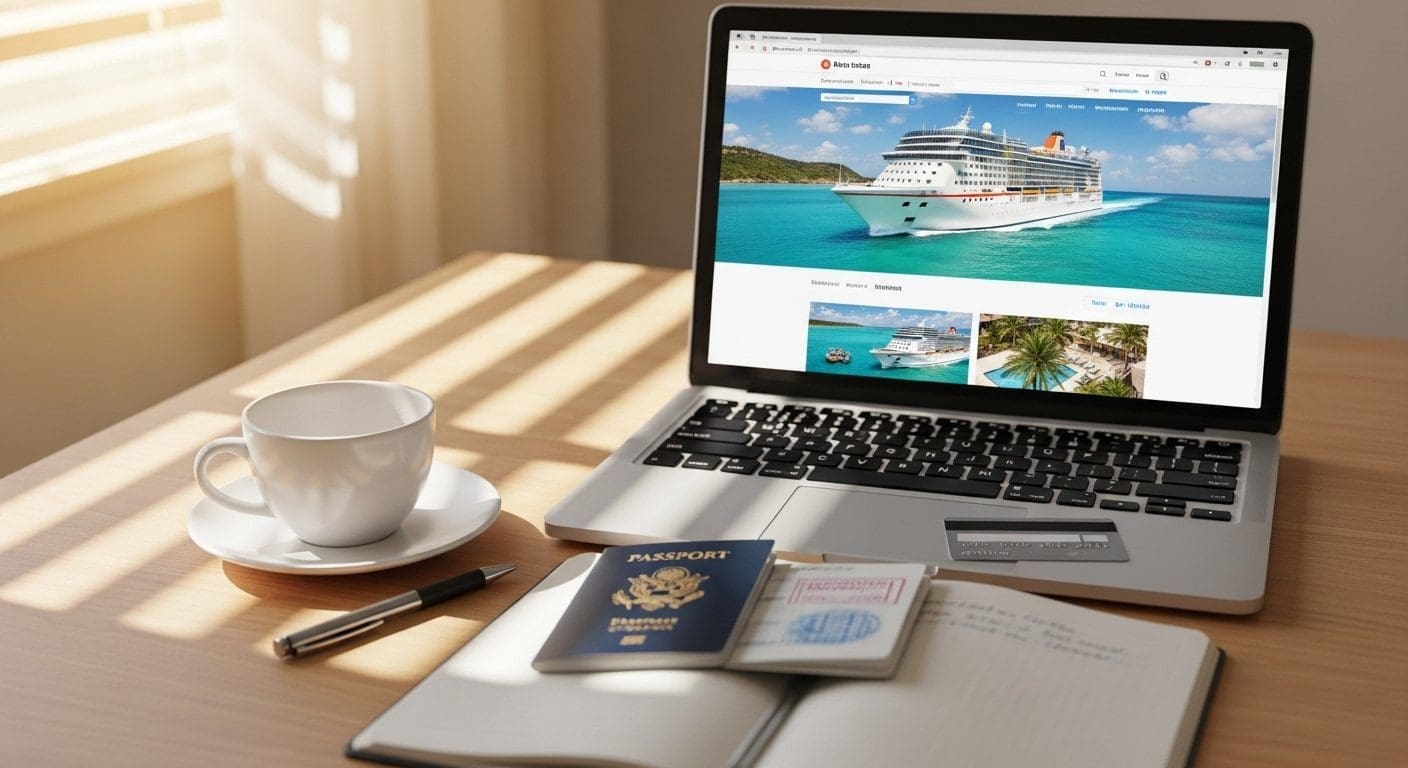
Passport, ID, and visas
For international travel, our passport is the first thing we check. We also look at expiry dates because some countries require your passport to be valid for months beyond your return date (usually six months). For domestic trips, we still make sure our photo ID is easy to grab.
Tickets, bookings, and itinerary
We keep flight details, accommodation addresses, and any tour confirmations in one place. Digital is fine, but we like having a backup. That can be a PDF saved offline, a copy in email, or a printed page if we’re travelling somewhere with unreliable reception.
A simple itinerary also helps if we need to explain our plans at a border, or if someone at home needs to know where we’re meant to be.
Money, cards, and a plan for payments

We travel with a mix of cards and cash. A small amount of local currency is useful for markets, tips, taxis, or places that don’t take card.
Before we fly, we check:
- Our bank knows we’re travelling (so cards don’t get blocked)
- Daily limits are suitable
- We’ve got a backup card stored separately
If you want to reduce currency conversion costs, we’ve found a multi‑currency travel card useful. The Wise Travel Card is a common option we use for international trips because of its low fees and great exchange rates.
Health and Comfort Basics
Medications (plus a little extra)
If we’re taking medication, we pack enough for the whole trip plus a few days extra, just in case delays happen. We keep meds in original packaging with labels. That makes airport checks simpler and helps if we need a pharmacist overseas.
If we have allergies or a condition that matters, we keep a short note (even on our phone) listing:
- The medication name
- The condition it’s for
- Any allergies
Mini first aid kit
A small kit goes a long way. Ours usually includes band‑aids, blister pads, antiseptic wipes, pain relief, and any personal items we know we’ll need. It helps us handle minor issues without hunting for a chemist straight away.
Snacks and a refillable water bottle
Delays happen. Long transfers happen. We pack a few snacks that won’t melt or get crushed easily. A refillable water bottle is also a must for staying hydrated, especially on travel days.
Long-haul travel often means jet lag. If you’re crossing time zones, see our full guide to jet lag remedies before, during and after your flight.
Tech and Power Essentials
Chargers for every device
It sounds obvious, but chargers are one of the easiest things to forget. We do a quick “device check” the night before: phone, smartwatch, earbuds, tablet, laptop, camera (if we’re taking one).
Power bank (charged before we leave)
A power bank saves us when we’re using maps, taking photos, or checking transport apps all day. We charge it fully before leaving home and make sure it meets airline rules.
Travel adaptor and power board (optional but handy)
If we’re travelling internationally, a travel adaptor is essential. We sometimes pack a small power board too, so we can charge multiple devices from one wall socket—helpful in older hotels with limited outlets. With a digital camera, drone, two phones, laptop, and power bank, a power board is often essential to keep everything charged.
We also rely on a handful of practical tools while travelling — see our guide to the top travel apps we use to stay organised and on schedule.
Toiletries and Personal Care
Basics you’ll want on day one
Even if we can buy most things at our destination, we still pack day‑one basics: toothbrush, toothpaste, deodorant, and any skincare that we know works for us.
For carry‑on, we stick to travel‑size containers and follow airline rules for liquids.
A small “freshen up” kit for flights
On long‑haul trips, we keep a small pouch in our carry‑on with tissues, hand sanitiser, lip balm, and a spare set of underwear. It makes a big difference after a long flight or an overnight bus.
Clothing and Footwear
Comfortable clothes that mix and match
We aim for outfits that work across different days. Simple layers are best because weather changes, and indoor air con can be cold even when it’s hot outside.
Rather than packing “just in case” outfits, we pick a colour range so everything matches. It cuts down the number of items we bring.
Shoes that suit the trip
If we’re walking a lot, we take supportive shoes we’ve already worn in. A new pair can ruin a trip fast. If we need a second pair, we choose something lightweight (like sandals) that still feels stable.
Laundry plan for longer trips
For longer travel, we pack a small amount of travel detergent (or laundry sheets). Washing a few items in a sink can help us pack lighter and re‑wear the basics.
Travel Essentials for International Trips
International travel adds a few extra checks to your packing routine. Before departure, we confirm visa requirements, passport validity rules, entry health requirements, and plug adaptor type for the destination. We also make sure digital copies of key documents are saved offline in case internet access is limited on arrival.
Safety, Documents and Backups
Travel insurance (and knowing what it covers)
Travel insurance is part of our basics. We store the policy number and emergency contact details where we can find them quickly.
Before we buy, we check it covers:
- Medical issues
- Cancellations and delays
- Lost or stolen items
- Any activities we’re doing (like hiking, snow sports, or scooter hire)
We often compare policies through specialist providers such as VisitorsCoverage. For a deeper dive into what to look for, see our full guide on why you need travel insurance.
Protecting valuables is just as important — here’s how we safeguard our belongings while travelling.
Emergency contacts
We keep a list of key contacts, including someone at home, and the address and phone number of our accommodation. If we’re overseas, we also note our embassy or consulate details.
Copies of key documents
We save digital copies of passports, IDs, insurance, and important bookings. We also share access with a trusted person back home, just in case.
A simple approach:
- Photo stored securely on your phone
- Backup in cloud storage
- Optional printed copy in a different bag
Helpful Extras That Make Travel Smoother
Travel pillow and eye mask
We don’t always use them, but when we do, we’re glad we packed them. A pillow and eye mask can make flights and bus trips more manageable, especially when we’re trying to sleep at odd hours.
Travel lock
A small lock is useful for luggage, hostel lockers, or shared accommodation. It’s not about expecting theft—it’s about reducing the easy opportunities.
Reusable shopping bag and foldable tote
We pack a foldable bag for groceries, beach days, laundry runs, or extra items. It weighs almost nothing and saves us from buying plastic bags.
Paper map or small guide (backup option)
We love phone navigation, but we’ve still had flat batteries and patchy reception. A basic map or small guide can help us stay oriented when tech fails.
Multi-tool (checked luggage only)
A small multi‑tool can be handy for simple tasks, but we only pack it if we’re checking a bag. It should never go in carry‑on.
eSIM for data while travelling
An eSIM is a simple way to get data without swapping physical SIM cards. We like it for landing day because we can get connected quickly for maps, messages, and transport. Services like Airalo let you buy local or regional eSIMs before you even leave home.
For a deeper look at how we manage data overseas, see our guide on staying connected internationally.
An itinerary app (optional)
If you want everything in one place, an itinerary organiser can reduce stress. We like having flight and hotel details easy to access, even if we’re offline.
A journal or notes app for memories
Photos are great, but we also like writing a few lines each day: what we ate, where we went, what we learned. It helps us remember the small moments.
Travel Essentials for Stress-Free Trips
Our quick checklist before we leave home
To keep this simple, here’s the final “door check” we do:
- Passport/ID and wallet
- Phone, charger, power bank
- Tickets and itinerary saved offline
- Medications in original packaging
- Insurance details and emergency contacts
- Water bottle and a few snacks
- Comfortable shoes ready to go
With a clear travel essentials checklist and a simple door-check routine, it’s much easier to relax and enjoy the journey. Preparation doesn’t remove adventure — it removes unnecessary stress.