Asian river cruising often sounds far more intimidating than it really is, especially for seniors who have never travelled in Asia before. The unfamiliar destinations, the heat, and concerns about comfort or safety can all create hesitation. Yet for many older travellers, a river cruise on the Mekong turns out to be one of the most relaxed, immersive, and rewarding ways to experience Asia for the first time.
Unlike independent travel, a river cruise removes much of the complexity. You unpack once, settle into a comfortable floating hotel, and move gently through rural landscapes and historic towns without the pressure of navigating transport systems, language barriers, or logistics on your own. For seniors who value structure without rigidity, the Mekong offers an experience that feels both adventurous and reassuring.
For those considering their first Asian cruise, the Mekong River stands out as the most approachable introduction.
Why Mekong River Cruises for Seniors Are So Appealing
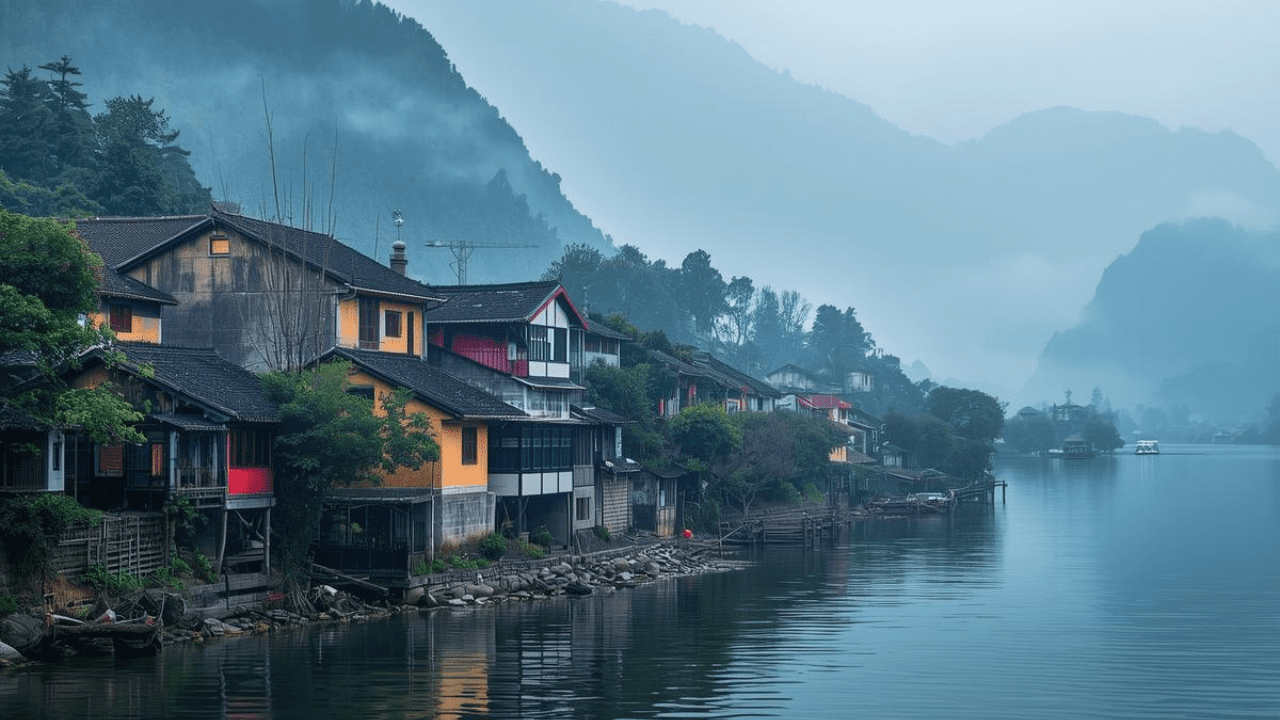
The Mekong flows through Vietnam and Cambodia, passing villages, temples, floating markets, and fertile countryside that still feels deeply connected to daily life. What makes it particularly appealing for seniors is the pace. River cruising here is slow and deliberate, designed to be absorbed rather than rushed.
Excursions are usually short and well spaced, with time to rest between activities. Most are guided, removing the stress of decision-making or navigation. You’re rarely far from the ship, and there’s always the option to skip an excursion and enjoy a quiet morning onboard if you prefer.
For seniors who have cruised in Europe and found river itineraries busy or physically demanding, the Mekong often feels gentler. There are fewer crowds, less competition for space, and a noticeably calmer atmosphere both onboard and ashore.
Which Cruise Lines Offer Mekong River Cruises for Seniors?
Choosing the right cruise line is one of the most important decisions when planning a Mekong river cruise, particularly for seniors travelling to Asia for the first time. While the number of operators on the Mekong is smaller than in Europe, the lines that do operate here are well established and experienced in catering to mature travellers who value comfort, cultural depth, and a well-supported journey.
Avalon Waterways is a popular option for seniors who appreciate space and scenery. Their Mekong ships are designed around large, open cabins with floor-to-ceiling windows, allowing passengers to enjoy the river landscape without needing to be on deck in the heat. Avalon’s approach suits travellers who like a balance between guided excursions and the freedom to relax independently onboard.
Scenic River Cruises offers a more premium, highly inclusive experience. Their Mekong itineraries are carefully curated, with a strong focus on comfort, service, and cultural enrichment. Scenic appeals to seniors who enjoy having most details taken care of in advance and who value a seamless, polished travel experience from start to finish.
AmaWaterways is another well-regarded operator on the Mekong and is often chosen by seniors looking for a structured yet relaxed itinerary. Ama’s ships are modern and comfortable, and their cruises typically include a generous number of guided excursions. This makes them a good fit for travellers who enjoy learning about the region through expert guides while maintaining a gentle pace.
Aqua Expeditions takes a slightly different approach, offering a more boutique-style experience on the Mekong. With smaller ships and a strong emphasis on design, cuisine, and personalised service, Aqua appeals to seniors who prefer an intimate, upscale environment and are comfortable with a more contemporary travel style.
Uniworld Boutique River Cruises stands out as one of the most popular choices for senior travellers on the Mekong, particularly for those who value a refined, all-inclusive experience. Uniworld’s ships are richly decorated, spacious, and designed to feel more like floating boutique hotels than traditional cruise vessels. Many extras are included in the fare, such as excursions, onboard dining, and often beverages, which makes budgeting simpler and more predictable.
What also sets Uniworld apart is the pace and tone of the experience. Excursions are well organised but not rushed, service levels are high without feeling intrusive, and the onboard atmosphere tends to attract travellers who are curious, sociable, and appreciative of comfort. For seniors who want to experience Asia in a way that feels immersive yet reassuring, Uniworld often strikes an excellent balance.
For seniors who want to experience Asia in a way that feels immersive yet reassuring, Uniworld Boutique River Cruises on the Mekong often strike an excellent balance.
While each of these cruise lines has its own personality, they all share qualities that matter to senior travellers. Ships are small and manageable, staff are experienced in assisting older guests, and itineraries are designed to showcase the Mekong in a thoughtful, accessible way. The best choice ultimately comes down to how much structure, inclusions, and onboard refinement you prefer.
What a Typical Day Looks Like on a Mekong River Cruise
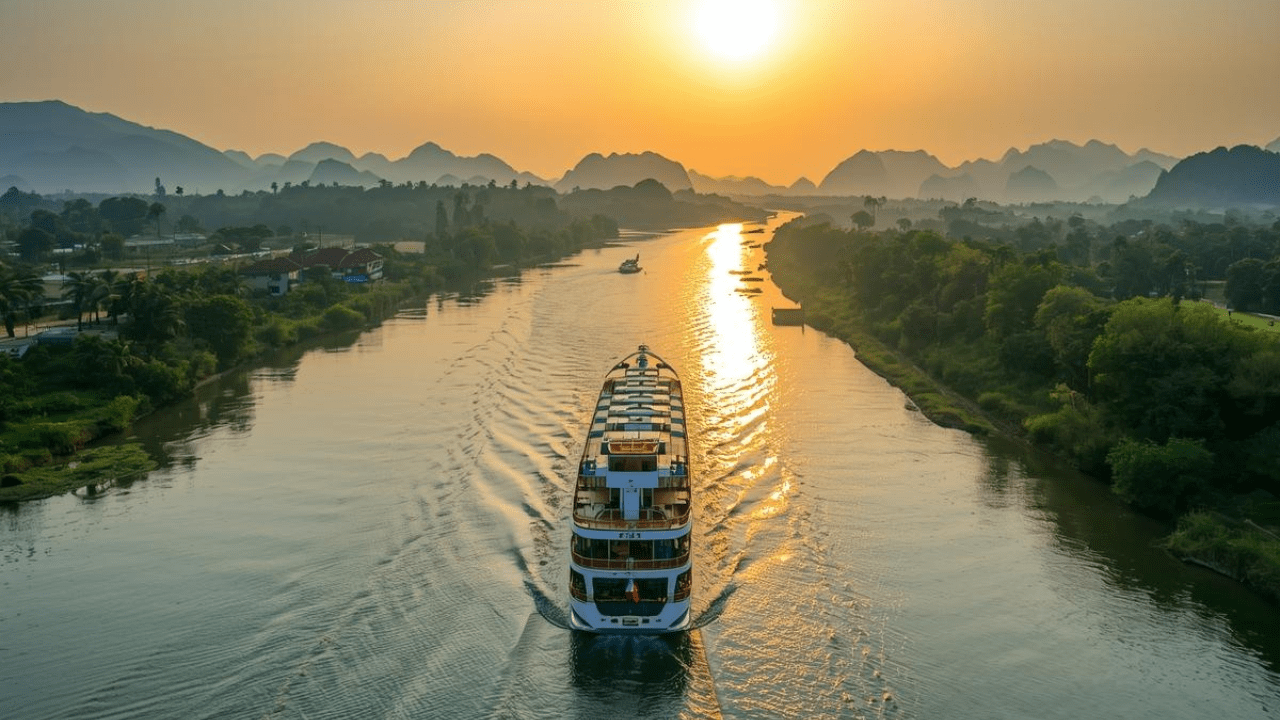
Days on the Mekong follow a comfortable rhythm that suits older travellers. Mornings often begin with breakfast as the ship glides through rural scenery. You may watch farmers tending fields, children heading to school, or fishermen working from small boats. This sense of movement without effort is one of river cruising’s greatest pleasures.
Excursions typically take place mid-morning or early afternoon and focus on cultural experiences rather than long walks or physically demanding sightseeing. Visiting a local village, a monastery, or a floating market is more about observation and conversation than ticking off attractions.
Afternoons usually offer downtime. Some passengers relax on deck, others attend an onboard talk or demonstration that provides context for the region. Evenings are quiet and social, with open seating at dinner and plenty of opportunity to chat with fellow travellers who are often in similar stages of life.
Mobility Considerations on Asian River Cruises
Asian river cruises can work well for many seniors with mild to moderate mobility concerns, but it’s important to approach them with realistic expectations. While river cruising removes many of the physical demands of independent travel, it is not completely barrier-free, and travellers with significant mobility limitations should plan carefully.
On the Mekong, ships are generally small and designed for comfort rather than full accessibility. While some vessels have elevators, they may not service every deck, and sun decks or upper public areas can sometimes only be reached by stairs. Boarding and disembarking the ship may also involve navigating gangways that can be steep or uneven, particularly when river levels change. In some ports, passengers may need to step onto smaller boats to reach shore, which can require balance and a degree of confidence, even with staff assistance.
Shore excursions in Vietnam and Cambodia often involve walking on uneven ground, unpaved paths, or village streets that are not designed with wheelchairs or walkers in mind. While excursions are usually shorter and paced sensibly, they can still present challenges for travellers who require significant mobility support. For this reason, seniors who need a wheelchair full-time or personal assistance should always confirm ship layout, lift access, and excursion suitability directly with the cruise line before booking.
That said, it’s useful to view these considerations in context. Many seniors who struggle with mobility in European cruise destinations actually find Asia no more difficult, and in some cases easier. European cities such as Rome, Naples, or Venice often involve long days on cobblestone streets, steep bridges, crowded historic centres, and extended walking distances simply to reach major sights. These environments can be physically demanding even for travellers without mobility issues.
By comparison, Mekong excursions are usually shorter, less crowded, and focused on observation and cultural interaction rather than covering large distances on foot. Village visits, markets, and temple stops are often compact, and there is generally less pressure to keep moving at a fast pace. Staff are accustomed to assisting older passengers and are usually patient when helping guests board boats or navigate uneven surfaces.
For seniors with mild mobility concerns who are comfortable with some steps, uneven ground, and assisted boarding, a Mekong river cruise can still be a very rewarding experience. For those with more significant limitations, it may require careful cruise line selection and a willingness to skip certain excursions in favour of relaxing onboard.
As with any cruise, the key is choosing an itinerary and ship that match your current abilities rather than your past travel habits. When expectations are set realistically, many seniors find that Asian river cruising offers a gentler and less physically exhausting experience than navigating Europe’s historic cities, even with the unique challenges that river travel can present.
If mobility is a key concern, we explore this topic in more detail in our guide to river cruises for seniors with walking difficulties, including what to realistically expect onboard and during shore excursions.
The Social Atmosphere on Mekong River Cruises

One of the defining features of Mekong river cruising is the naturally social atmosphere, particularly on smaller ships where passengers tend to get to know one another quickly without any pressure to do so. With far fewer guests onboard compared to ocean cruises, the experience feels relaxed and personal rather than busy or anonymous.
Uniworld is a good example of how this works in practice. Their Mekong ships typically carry around 68 passengers, which is small enough that faces become familiar within the first day or two. Meals are often enjoyed in a single dining venue, and there’s no need for assigned seating or formal introductions. Conversations tend to happen organically, whether over breakfast, during a shore excursion, or while sharing a quiet drink in the evening.
For seniors travelling alone, this scale can be particularly reassuring. There’s a strong sense of shared experience without any expectation to socialise constantly. You can join in when you feel like it, or take time to yourself without feeling out of place. Many solo travellers find that friendships develop naturally simply because the environment makes interaction easy rather than forced.
Even for couples, the smaller passenger numbers create a sense of community that’s often missing on larger ships. Dining rooms are calm rather than crowded, staff quickly learn guests’ preferences, and there’s time to talk without background noise or rush. This suits seniors who enjoy conversation and connection but prefer a quieter, more thoughtful onboard atmosphere.
The social tone on Mekong river cruises tends to reflect the kind of travellers they attract. Most guests are retired or semi-retired, curious about the region, and interested in cultural experiences rather than nightlife. This shared mindset helps create an onboard environment that feels comfortable, inclusive, and genuinely welcoming.
Comfort and Onboard Experience on the Mekong
Comfort plays a central role in how enjoyable an Asian cruise feels, particularly for seniors who value space, calm surroundings, and the ability to retreat and recharge between excursions. One of the advantages of river cruising in Asia is that ships are designed less around entertainment and more around creating an environment that feels elegant, relaxed, and easy to live in.
This is especially noticeable on premium river cruise lines such as Uniworld, where the onboard experience is deliberately refined rather than flashy. Cabins are spacious, public areas are thoughtfully laid out, and the décor leans toward sophisticated, boutique-style design rather than the generic feel found on some larger vessels. The result is a ship that feels more like a floating hotel than a cruise ship.
One feature we particularly loved on our Uniworld Mekong cruise was the swimming pool on the top deck. In a warm Asian climate, this becomes far more than a novelty. It’s a genuine place to relax after a morning excursion, cool off during the heat of the day, or simply sit poolside and enjoy the scenery as the river drifts past. On our cruise, the pool was used daily and became a natural gathering point without ever feeling crowded.

This kind of space matters in Asia, where the climate encourages slower afternoons and outdoor relaxation. Rather than rushing from activity to activity, many seniors appreciate having somewhere comfortable to unwind while still feeling immersed in the journey. Open decks, shaded lounges, and quiet seating areas make it easy to enjoy the environment at your own pace.
Dining also reflects this emphasis on comfort. Meals tend to be unhurried, well-presented, and served in calm surroundings where conversation is easy. Staff quickly learn preferences, and service feels personal rather than transactional. For seniors, this consistency and familiarity can make a significant difference to overall enjoyment.
Compared with many ocean cruises, where onboard facilities are designed to cater to thousands of passengers at once, Asian river cruises prioritise atmosphere over scale. The experience feels intimate, composed, and well suited to travellers who value quality, comfort, and a sense of ease throughout their journey.
Cost and Value of Mekong River Cruises for Seniors
When considering an Asian cruise, many seniors understandably want a realistic idea of what the experience is likely to cost. While prices vary depending on the cruise line, ship, season, and itinerary length, Asian river and ocean cruises tend to sit in a clearly defined range that reflects both the destination and the level of inclusion.
For premium Asian river cruises, such as those on the Mekong, prices typically start from around USD 5,000 to USD 6,000 per person for a two-week itinerary, with higher-end departures rising to USD 7,000 or more, depending on cabin category and travel dates. The cruise we experienced was similar in structure and itinerary to current offerings in this range and was noticeably cheaper two years ago, reflecting how demand and global travel costs have increased.
While this may initially appear expensive, it’s important to understand what is usually included. Most reputable Asian river cruise lines include accommodation, onboard dining, transfers, entertainment, and a comprehensive program of shore excursions in the base fare. This significantly reduces day-to-day spending and makes budgeting easier, particularly for seniors who prefer to know costs upfront.
Uniworld is a good example of this inclusive approach. On their Mekong itineraries, there is an included guided excursion at every port of call, allowing guests to explore without constantly weighing up additional costs. For those who want something more specialised, Uniworld also offers a selection of premium excursions at an additional cost, giving travellers the flexibility to personalise their experience without feeling pressured.
When compared with European cruising, Asian cruises often deliver strong overall value. Shore excursions in Europe tend to be considerably more expensive due to higher staff wages, transport costs, entrance fees, and the widespread expectation of gratuities for local guides and drivers. In many European cities, tipping is effectively built into the experience, even when not officially required.
In Asia, excursions are generally more affordable. Local operating costs are lower, gratuities are minimal or not expected, and transport costs tend to be reduced. This means that even optional excursions are usually priced more reasonably, and included tours often feel generous rather than basic.
Gratuities and Tipping: One Less Thing to Worry About
Gratuities are one of those small details that can quietly become a constant irritation for many travellers, particularly on longer cruises. The uncertainty around who to tip, how much to tip, and when it’s expected can take away from what should be a relaxed and enjoyable experience.
This is an area where Uniworld stands out clearly. On Uniworld cruises, all gratuities are included in the base fare. There is no requirement or expectation to pay additional tips to onboard staff, guides, or crew. Everything is taken care of upfront.
For senior travellers, this makes a meaningful difference. There’s no daily envelope system, no awkward end-of-cruise calculations, and no pressure to tip based on unfamiliar local customs. You simply enjoy the experience knowing that service is already fully covered.
This approach also contrasts with many European and ocean cruises, where gratuities are often added daily or strongly encouraged, sometimes amounting to a significant extra cost by the end of the trip. In Asia, where tipping customs can vary by country and situation, having gratuities fully included removes uncertainty and simplifies budgeting.
For travellers who value clarity, predictability, and a genuinely all-inclusive experience, this is one of the understated but very real advantages of choosing Uniworld on the Mekong.
Ocean cruises in Asia can sometimes appear cheaper at first glance, particularly on larger ships, but they may charge separately for excursions, speciality dining, or premium experiences. River cruises, while often higher upfront, typically include more of the overall experience, which many senior travellers find both reassuring and better value.
When flights, daily spending, excursions, and tipping expectations are considered, the total cost of an Asian cruise is often comparable to — and sometimes better value than — a European itinerary of similar length and quality. For seniors seeking a culturally rich, well-supported, and largely all-inclusive travel experience, Asia frequently offers excellent value for money.
For many travellers, mekong river cruises for seniors represent one of the most comfortable and inclusive ways to explore Southeast Asia without independent travel stress.
If you want to see how these inclusions translate into a real itinerary and price range, you can view a detailed River cruise example here.
Visas and Practicalities on a Mekong River Cruise
Visa requirements on Mekong river cruises are often simpler than independent travel. Cruise operators are experienced in handling visas for Vietnam and Cambodia and usually provide clear instructions well in advance.
In many cases, visa processing is handled onboard or arranged by the cruise line, reducing the need for seniors to navigate complex applications themselves. This level of support is one of the key reasons cruising is such an accessible way to explore Asia.
For a broader overview of visa requirements across Asia, this is covered in more detail in our main guide to Asian cruising for seniors.
Is a Mekong River Cruise Right for You?
A Mekong river cruise is ideal for seniors who value immersion, comfort, and a gentle pace. It suits travellers who are curious about culture, enjoy guided experiences, and prefer depth over speed. It’s particularly well suited to first-time visitors to Asia who want to experience the region without feeling overwhelmed.
However, those who prefer constant entertainment, multiple dining venues, or a faster pace may find ocean cruising a better fit. Being honest about your travel style is the best way to decide.
How Mekong River Cruises Fit Into Planning an Asian Cruise
For many seniors, the Mekong is not just a destination but a gateway. Experiencing Asia via a river cruise often builds confidence and curiosity, making future travel in the region feel far less daunting.
If you’re still deciding between river and ocean cruising, or want to understand how different Asian cruise styles compare, our comprehensive guide to the best Asian river and ocean cruises for seniors explores these options in depth.
If you’re also comparing other cruise styles — including European river cruises and senior-friendly ocean cruise lines — our complete guide to the best cruise lines for seniors breaks down comfort, mobility, inclusions and overall value across the major cruise brands worldwide:
https://trustytraveltips.com/best-cruise-lines-for-seniors/
Final Thoughts on Mekong River Cruises for Seniors
Asian river and ocean cruises offer seniors a rare balance of comfort, cultural depth, and ease of travel. Whether drifting along the Mekong through rural villages or sailing between major Asian ports on a modern ocean ship, the experience allows you to explore a fascinating part of the world without the physical and logistical strain that independent travel can bring.
When it comes to Mekong River cruising specifically, travellers are well served by a small group of highly experienced and reputable operators. Cruise lines such as Avalon Waterways, Scenic, AmaWaterways, Aqua Expeditions, and Uniworld have all been operating in the region for many years and understand the unique challenges and rewards of cruising in Southeast Asia. All offer well-designed itineraries, professional local guides, and a strong focus on cultural immersion.
Choosing between them usually comes down to personal preference, what’s included, and overall cost. Some travellers prioritise maximum inclusions, others value ship size or décor, while some are guided primarily by budget. There is no single “right” choice, only the one that best matches how you like to travel.
For us, Uniworld stood out for its intimate ship size, refined onboard atmosphere, and highly inclusive approach. With just 68 passengers, a sophisticated design that feels more boutique hotel than cruise ship, and an included excursion at every stop, the experience felt relaxed, personal, and exceptionally well organised. In a warm Asian climate, features like the top-deck swimming pool also added genuine daily enjoyment rather than being a novelty.
That said, every traveller’s priorities are different. The most important thing is choosing an operator whose style, pacing, and inclusions align with your expectations and comfort level. Done thoughtfully, an Asian cruise can become one of the most rewarding travel experiences of your life — not despite the distance or unfamiliarity, but because of it.
If you’re ready to explore what a premium Mekong itinerary looks like in detail, you can view a full example here and decide whether it feels like the right fit for your travel style.