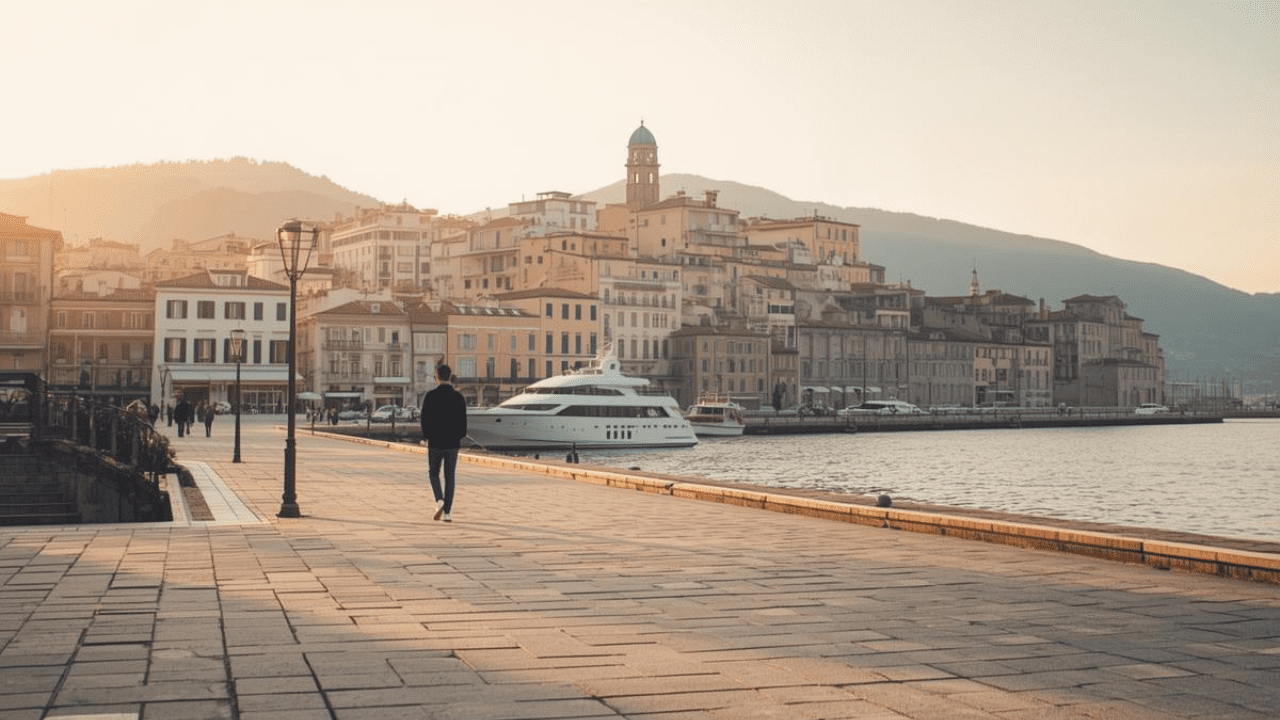

Italy is one of Europe’s most rewarding destinations, combining world-famous cities, historic landmarks, regional cuisine and scenic coastlines within relatively short travel distances. Whether it’s your first visit or a return trip, deciding where to go can be difficult because nearly every region offers something memorable.
The good news is that Italy’s transport network makes it easy to combine multiple destinations in one journey. You can explore ancient ruins in Rome, cruise canals in Venice, enjoy northern elegance in Milan or wander smaller cities full of character such as Bergamo or Pisa — all within a single trip.
This guide highlights some of the best places to visit in Italy, combining major attractions with destinations we personally enjoyed, helping you build an itinerary that suits your travel style and time-frame. Choosing your accommodation is normally the number one priority after you have sorted out your transport options. Start with Booking.com and then compare prices directly with the accommodation places you choose.
For official regional information, seasonal events and travel updates, the official Italia tourism website is also a useful resource when planning your trip.
Rome: History Everywhere You Walk

Rome is usually the starting point for many Italian journeys and remains one of the world’s most fascinating cities. Ancient ruins sit alongside busy piazzas, Renaissance churches and lively neighbourhood cafés, making simply walking around an experience in itself.
The Colosseum, Roman Forum and Vatican City attract millions of visitors each year, and queues can be heavy, particularly during peak seasons. Visiting early in the morning or late afternoon helps avoid the worst crowds, though some level of congestion is unavoidable in such a popular destination.
It’s important if you plan on visiting some of the main attractions like the Colosseum or Vatican that you pre-purchase tickets online. Bookings can sell out fast so it’s best to book well in advance once you have locked in your travel dates. We have found GetYourGuide a reliable site to make bookings for attractions.
Like many Italian cities, Rome becomes extremely busy during the middle of the day when tour groups and cruise passengers arrive, so planning quieter early or evening visits can greatly improve the experience.
👉 For attractions, neighbourhood advice and practical tips, see our Rome Travel Guide.
Venice: Unique but Overcrowded by Day

Venice is unlike anywhere else in the world. Gondolas glide along canals, narrow alleyways lead to hidden squares and historic palaces reflect across the water. It’s truly magical — but timing matters.
During the day, Venice can feel overwhelmed by visitors arriving from cruise ships and mainland tour groups. Popular spots such as St Mark’s Square and Rialto Bridge often become packed, which can detract from the atmosphere. We’ve been to Venice a couple of times. Once on a cruise and the crowds were overwhelming and distracted from the overall experience. The second time we visited late afternoon and night and it was amazing to see the difference. No crowds to speak of as most cruise ships only dock during the day. The experience at night was completely different and highly recommended as the best way to see Venice.
Our best advice is to stay overnight or visit early morning or evening. Once day-trippers leave, Venice becomes calmer and far more enjoyable, revealing the beauty people imagine before arriving.
👉 Read our full Venice Travel Guide for practical tips and quieter areas to explore.
Milan: Fashion Capital with Unexpected History
Milan is often seen as Italy’s business and fashion centre, yet we found it offered more depth than expected. The city blends modern energy with historic architecture, impressive shopping districts and major cultural landmarks.
One experience that particularly stayed with us was the underground historical museum beneath Milan Central Station. It documents deportations during World War II and provides a powerful reminder of the human stories behind history. It is not widely promoted yet offers a moving and worthwhile visit.
Milan also works well as a base for exploring nearby lakes or northern cities, making it an easy addition to many itineraries. We stayed in Milan and took a day trip by train to Bergamo which takes about an hour. Milan is a great base to stay and visit other places nearby.
Naples: Gateway to Pompeii and the Amalfi Coast

Naples can feel chaotic on arrival, but beneath the traffic and busy streets lies one of Italy’s most authentic cities. It’s also the gateway to Pompeii, Mount Vesuvius and the Amalfi Coast.
Like Venice and Rome, Naples becomes very crowded during daytime hours due to cruise ship arrivals and tour groups heading toward Pompeii and nearby attractions. Visiting early or exploring neighbourhoods away from the port area offers a more relaxed experience.
The city is also famous as the birthplace of pizza, and sampling traditional Neapolitan pizza is practically mandatory. We sampled great pizza in Naples but Bergamo in Northern Italy had the best of all.
👉 See our detailed Naples Travel Guide for neighbourhood and travel advice.
Pisa: More Than Just the Leaning Tower

Pisa is best known for its iconic Leaning Tower, and while many visitors arrive only for photos, the city is worth a little more time if schedules allow.
The historic centre, riverside walks and university atmosphere make Pisa a pleasant stop, especially when combined with nearby Tuscan destinations. However, daytime crowds around the tower can be intense, particularly when tour buses arrive.
Arriving early morning or late afternoon helps avoid the peak crowds and allows more relaxed exploration. If you are on a cruise this will likely be an included tour but if you are staying or touring for a few days it’s also a great place to visit nearby Florence
👉 Read our Pisa Travel Guide for tips on making the most of a short visit.
Bergamo: A Hidden Northern Gem

Bergamo was one of our favourite surprises in northern Italy. Divided into modern lower town and historic upper town, the city offers beautiful views, relaxed streets and far fewer tourists than Italy’s major destinations.
The old town, reached via funicular, feels wonderfully preserved with cobbled streets, quiet squares and panoramic views across Lombardy. It makes an excellent stop between Milan and other northern destinations. If we had our time again we would look to stay overnight in Bergamo. It’s a fascinating place and you really need a few days to enjoy the experience.
👉 Discover why we recommend it in our Bergamo Travel Guide.
Florence: Renaissance Heart of Italy
Florence is essential for travellers interested in art, architecture and Renaissance history. Home to Michelangelo’s David, the Uffizi Gallery and the iconic Duomo, the city packs immense cultural value into a compact historic centre.
Crowds are common, particularly in summer, but Florence remains manageable due to its walkable layout. Booking museum tickets in advance is highly recommended.
The surrounding Tuscan countryside also makes Florence a good base for wine regions and hill town visits.
Amalfi Coast: Scenic but Busy
The Amalfi Coast delivers some of Italy’s most dramatic coastal scenery, with colourful towns clinging to cliffs above turquoise water. Positano, Amalfi and Ravello attract visitors from around the world.
However, roads are narrow and traffic heavy in peak season, making travel slow. Ferries between towns offer a scenic and often easier alternative to buses and cars.
Staying overnight rather than visiting on a rushed day trip allows you to enjoy the coastline when crowds thin in the evenings.
Other Places Worth Considering
Italy’s appeal extends far beyond its most famous cities. Lake Garda, Cinque Terre, Sicily, Sardinia and countless smaller towns offer equally memorable experiences depending on travel style and available time.
Choosing destinations often depends on whether you prefer cities, coastlines, countryside or food-focused regions.
Choosing the Best Places to Visit in Italy
The best Italian itinerary balances famous highlights with smaller destinations. Rome and Venice deliver unforgettable experiences, but adding cities such as Bergamo or exploring regional areas often becomes the highlight of a trip.
High-speed trains make travel easy, allowing you to combine destinations without needing flights or long drives. We mostly use Trainline to pre-book tickets online and their app is very handy to have to keep track of all bookings
Final Thoughts: Italy Rewards Every Traveller
Italy offers something for every traveller, whether it’s art, food, history, beaches or mountain scenery. Some cities will feel crowded at times, especially during daytime peak hours, but thoughtful planning helps avoid the busiest periods.
By mixing iconic destinations with quieter cities and travelling at relaxed times of day, visitors can experience both Italy’s highlights and its everyday charm.
For broader planning ideas and travel tips, explore our Italy Travel Guide, which links together all our destination and planning resources to help you build your perfect trip.