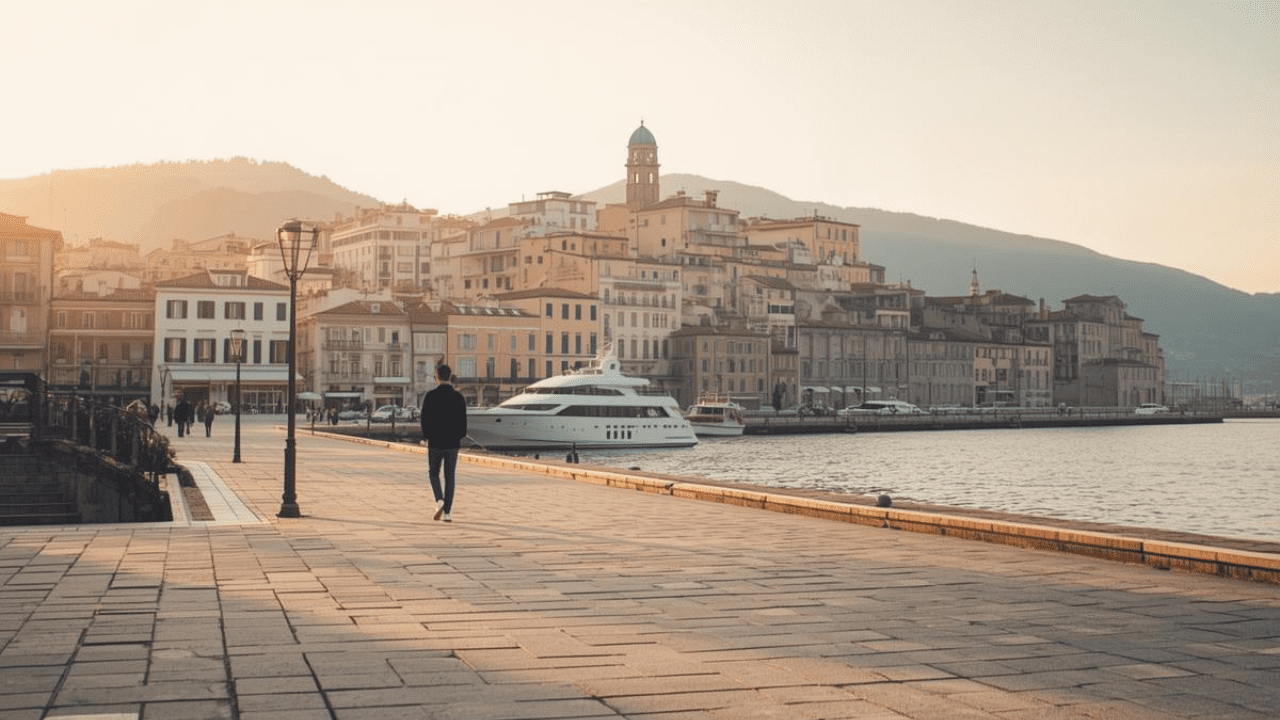

Italy is one of Europe’s most rewarding destinations, yet many visitors arrive unsure how travel works once they land. Questions about trains, crowds, accommodation locations and seasonal travel often only become clear after arrival, when small misunderstandings can lead to unnecessary stress.
After travelling extensively across Italy — from Rome and Venice to Naples, Pisa and northern cities such as Milan and Bergamo — we’ve found that knowing a few practical details beforehand makes travel smoother and far more enjoyable.
These Italy travel tips are based on real experiences and aim to help both first-time and returning visitors travel comfortably and confidently.
Arrival in Italy and First Steps

Most international visitors arrive through major airports such as Rome Fiumicino (FCO), Milan Malpensa (MXP), Venice Marco Polo (VCE), Naples (NAP) or Florence (FLR). Immigration procedures are generally straightforward for travellers entering the Schengen Area, of which Italy is a long-standing member. On arrival, you’ll present your passport at border control — officers may ask to see your return ticket, proof of accommodation, travel insurance and sufficient funds for your stay.
Visa Requirements for Italy and the Schengen Area
Italy is part of the Schengen Zone, meaning once you enter through any Schengen border, you can travel freely between member countries without further passport checks (though spot checks can occur). The rules for visiting depend on your nationality and the purpose of your trip.
Visa-free stays: Citizens of many countries, including the United States, Canada, Australia, New Zealand, Japan, South Korea and most of Western Europe, can enter Italy and the Schengen Area without a visa for short stays of up to 90 days in any 180-day period for tourism or business.
UK passport holders: Since Brexit, UK citizens are treated as non-EU travellers for Schengen matters. UK passport holders do not currently need a visa for tourism stays of up to 90 days within a 180-day period, the same as most visa-exempt nationalities. However, a few changes are coming soon:
-
From late 2026 onward, the European Travel Information and Authorisation System (ETIAS) will be introduced. ETIAS is not a visa but a pre-travel authorisation requirement for travellers from visa-exempt countries, including the UK. Before flying, UK visitors will need to apply online for an ETIAS authorisation, which is usually valid for multiple entries over three years. It requires basic personal information, passport details and a small processing fee.
-
The exact launch date has shifted several times; check the official ETIAS website or your airline’s travel requirements before departure, as it is expected to be fully in effect by late 2026.
Longer stays or other purposes: If you plan to stay longer than 90 days, work, study or reside in Italy, you must apply for a national visa through the Italian consulate in your home country before travelling. Short-term tourist visas cannot be extended on arrival; overstaying the Schengen 90-day rule can lead to fines or future entry restrictions.
Entry Tips
-
Make sure your passport is valid for at least three months beyond your intended departure date from the Schengen Area, as this is a common requirement even for visa-exempt travellers.
-
Carry copies of your return ticket, proof of accommodation, travel insurance and proof of funds, as border officers may ask for them, particularly during multi-destination trips.
-
For most mainstream airlines, check-in staff will also verify your documents before boarding flights to Italy, so having these ready reduces stress at the airport.
Immigration into Italy for short-term travellers is usually smooth, but being informed and prepared helps avoid unnecessary delays.
From the airport, trains and buses connect easily to city centres. In Rome, the Leonardo Express train reaches central Rome in around 30 minutes, while Milan offers direct rail connections from Malpensa Airport to the city.
Taxis are safe and regulated, though always confirm fixed airport fares or insist on the meter being used.
Italian cities can initially feel busy and chaotic, but once you understand transport options and neighbourhood layouts, navigating becomes easy.
Money Matters in Italy

Italy uses the euro (€), and payments are generally easy for visitors, but costs can vary more than many travellers expect depending on where you go and how you travel.
Compared with much of Europe, Italy sits somewhere in the middle for travel costs. It is usually cheaper than countries such as Switzerland, Norway, Iceland or Denmark, but more expensive than Portugal, Spain or parts of Eastern Europe. Prices also vary significantly within Italy itself, with northern cities and popular tourist destinations often costing noticeably more than smaller towns or southern regions.
Northern Italy, including cities such as Milan, Venice and the Lake District, tends to be the most expensive part of the country. Accommodation prices are higher, restaurants charge more, and major attractions are crowded during peak periods, which pushes costs up. Venice in particular can feel expensive due to limited space and constant demand from cruise passengers and day-trippers.
Central Italy, including Rome, Florence and Tuscany, sits somewhere in the middle. Prices fluctuate with seasons and tourist numbers, but it is still possible to eat well and find good accommodation without breaking the budget if you stay slightly outside the main tourist areas.
Southern Italy and regions such as Puglia, Calabria and parts of Sicily generally offer better value. Accommodation, dining and daily expenses tend to be lower, Internal travel costs remain similar, but overall travel budgets usually stretch further the farther south you go.
Card payments are widely accepted across Italy, particularly in hotels, restaurants, shops and transport services. However, smaller cafés, local markets, taxis and family-run businesses sometimes still prefer cash, especially in smaller towns. Carrying some cash is helpful, particularly outside major cities.
ATMs are easy to find and usually offer reasonable exchange rates through your bank, though your home bank may charge foreign transaction or withdrawal fees. We ditched our traditional bank travel and credit cards several years ago and have been using a Wise Travel Card ever since. In our experience, exchange rates are consistently better, fees are lower, and you still get a couple of free ATM withdrawals each month, which makes managing money overseas much easier. As in many countries, withdrawing larger amounts less frequently helps minimise fees.
In restaurants, a small cover charge known as coperto often appears on the bill. This is normal and not a scam, covering table service and bread. Tipping is appreciated but not required, and rounding up the bill or leaving small change is usually sufficient.
Coffee prices also vary depending on how you order. Drinking coffee standing at the bar costs far less than sitting at a table, especially in tourist areas. Visitors sometimes unknowingly pay double or triple simply by sitting outside in famous squares.
Overall, Italy can feel expensive if you stay in major tourist centres, travel during peak season and eat in prime locations. But by staying slightly outside main attractions, travelling in shoulder season and mixing casual dining with occasional splurges, Italy remains manageable for most travel budgets while still offering excellent food and experiences.
Best Time to Visit Italy
Italy can be visited year-round, but the experience varies significantly depending on season, weather and visitor numbers.
Spring and autumn generally offer the best balance. April to early June and September to October usually bring pleasant temperatures, fewer crowds and more comfortable sightseeing conditions. Cities are easier to explore on foot, outdoor dining is enjoyable, and accommodation prices are often more reasonable than in peak summer.
However, even shoulder season can now feel crowded in Italy’s most famous destinations. On a recent Mediterranean cruise in May — technically still shoulder season — we encountered extremely large tourist numbers in ports such as Naples, Livorno (gateway to Florence and Pisa), Rome via Civitavecchia, and Venice. Popular attractions became congested, queues were long, and some of the enjoyment was lost simply navigating crowds. This experience showed us that cruise traffic now significantly affects visitor numbers well beyond traditional peak months.
Summer, particularly from mid-June through August, is the busiest period. European school holidays and cruise schedules combine to create heavy crowds in historic centres, coastal towns and major landmarks. Cities such as Rome, Venice, Florence and Naples receive large daily influxes of cruise passengers alongside regular tourists, making daytime sightseeing challenging.
Venice is especially affected, with cruise and day visitors crowding St. Mark’s Square and Rialto Bridge during the day. We strongly recommend visiting these areas early in the morning or later in the evening when crowds thin out and the city becomes far more enjoyable. Similar daytime congestion can occur in Naples, Pisa and Rome, particularly around major attractions.
Summer temperatures can also become uncomfortable, with cities often exceeding 30°C and high humidity making sightseeing tiring. Many Italians leave cities during August holidays, and some smaller businesses close, though tourist areas remain active.
Winter, from November through March (excluding Christmas and New Year), offers the quietest experience and lowest accommodation prices. Temperatures are cooler and daylight hours shorter, but cities are far easier to enjoy without crowds. Museums and restaurants feel more relaxed, and you can explore major sights without long waits. Coastal destinations and smaller towns may feel quieter, but major cities remain lively year-round.
If possible, travelling in late April, early May, late September or October often provides the best compromise between weather and crowd levels, though visitors should still expect busy conditions in major cruise ports.
Planning sightseeing for early morning or evening, regardless of season, helps avoid peak crowds and makes popular destinations far more enjoyable.
Getting Around Italy

Travelling around Italy is generally straightforward, but transport choices vary depending on whether you are moving between major cities, coastal towns or rural regions.
For most visitors, trains form the backbone of travel. High-speed services connect cities such as Rome, Milan, Florence, Venice and Naples quickly and comfortably, allowing easy multi-city itineraries without needing flights or car hire. Stations are centrally located, so you usually arrive close to accommodation and main attractions.
Regional trains then branch out to smaller towns, coastal areas and countryside destinations. These services are slower and trains may feel older, but they reliably reach places high-speed services do not serve. From our own experience, Italian trains can feel less polished than services in countries such as Switzerland or Germany, and some carriages show their age, but timetables generally worked well and we had no difficulty reaching the destinations we planned to visit.
Flights mainly become useful when travelling long distances north to south or when visiting islands such as Sicily and Sardinia. For journeys under three or four hours, trains are usually faster overall once airport transfers and security time are considered.
Buses also play an important role in Italy’s transport system, especially for reaching towns not directly connected by rail. In rural areas and hill towns, buses often provide the only public transport option. Services vary in frequency, and schedules may be limited on Sundays or holidays, so checking timetables in advance helps avoid surprises.
Long-distance coach companies connect major cities at low prices, sometimes cheaper than trains, though journeys take longer. Coaches can be a practical budget option, particularly when train fares are high or routes are indirect. However, luggage space and comfort levels vary between operators.
Ferry travel is far more important in Italy than many travellers realise. The country operates one of Europe’s busiest ferry networks, linking the mainland to major islands as well as smaller coastal destinations.
Frequent ferries operate from ports such as Naples, Genoa, Livorno, Civitavecchia, Bari and Messina, connecting Sicily, Sardinia and islands including Capri, Ischia and Elba. In coastal regions like the Amalfi Coast or around Lake Garda, ferries also provide scenic alternatives to road travel, often saving time and avoiding heavy traffic.
Vessels range from large overnight ferries carrying cars and offering cabins and restaurants, to fast hydrofoils and catamarans that quickly shuttle passengers between islands. During summer, services increase significantly, but schedules reduce in winter, and rough seas can occasionally cause cancellations outside peak season.
Driving in Italy is another option many travellers consider, especially when exploring rural areas. Within major cities, however, driving is often stressful and unnecessary. Historic centres frequently operate restricted traffic zones known as ZTL areas, where unauthorized entry results in fines automatically issued via camera systems. Parking in city centres is also limited and expensive.
Outside cities, renting a car becomes much more practical. Regions such as Tuscany, Umbria, Puglia and areas around lakes or mountains are easier to explore by car, allowing access to villages and countryside locations not well served by public transport.
Car rental is widely available at airports and city locations. Prices vary seasonally, with summer and holiday periods commanding higher rates. Insurance options should be checked carefully, and drivers should note that many Italian towns have narrow streets and limited parking.
Italian driving style can feel assertive compared to some countries, and traffic in cities such as Rome or Naples can be chaotic. However, motorway driving is straightforward, and scenic countryside routes are often enjoyable and relaxed.
For travellers comfortable driving, combining train travel between major cities with car rental for countryside exploration often provides the best balance.
Overall, combining high-speed trains for long distances with buses, ferries and occasional car rental offers the easiest way to explore Italy without unnecessary travel stress.
If you’d like a full breakdown of transport options, our guide to Getting Around Italy explains trains, buses, ferries and flights in detail.
Choosing Accommodation Wisely
Accommodation choice greatly affects your experience in Italy. Timing is everything when it comes to accommodation costs. If it’s peak season then expect to pay premium rates with less availability. Anywhere we go, we also start with looking at Booking.com to plan our accommodation budget and that does not mean just looking at the proposed dates of your intended travel but looking at the availability calendar which shows daily room costs on the individual properties you are considering. This is important to look at because a room costing $100 today could easily be 20, 30 or even 50% cheaper or more expensive than the dates you are looking at.
Staying near public transport or within walking distance of major attractions saves time and reduces daily travel stress. Historic centres are ideal but can be expensive, while nearby neighbourhoods often provide better value.
Longer stays may benefit from apartments, while short visits often suit hotels offering breakfast or central convenience.
If you’re still deciding where to base yourself, our guide to Finding Accommodation in Italy compares neighbourhoods and accommodation styles across major destinations.
Tip: Accommodation prices can vary hugely depending on travel dates. Before booking, see how we use Booking.com’s calendar tool to find cheaper hotel deals and reduce travel costs:
https://trustytraveltips.com/find-cheaper-hotel-deals-booking-com/
Eating and Drinking in Italy
Italian food is a highlight of any visit. Regional differences mean cuisine varies significantly across the country.
Restaurants usually serve lunch between 12:30 and 2:30 pm, and dinner often begins after 7:30 pm. Tourist areas may serve all day, but locals follow traditional meal times.
Avoid restaurants displaying aggressive touting or picture menus near major attractions. Walking a few streets away usually results in better food at lower prices.
Coffee culture also differs. Standing at the bar costs less than sitting at a table, particularly in busy cities.
Cultural Etiquette and Local Behaviour
Italians are generally friendly and welcoming, but certain behaviours are appreciated.
Dress modestly when visiting churches or religious sites. Shoulders and knees should be covered.
Simple greetings and polite behaviour go a long way. Attempting a few Italian words is always appreciated.
Meal times are social occasions, and rushing through meals is less common than in some countries.
Health and Safety Considerations
Italy is generally safe, though pickpocketing occurs in crowded tourist areas, train stations and public transport.
Keep valuables secure and remain aware in busy areas, especially in cities like Rome and Naples.
It goes without saying that you should always take out Travel insurance when travelling overseas. Accidents, illness, travel delays, cancellations and theft can all happen and if you are not protected can end up costing a lot more than what an insurance policy might cost. We’ve tried several travel insurance companies and have found VisitorsCoverage to be the most affordable with the flexibility of being able to add cover for your specific needs.
Staying Connected
Mobile coverage across Italy is normally excellent. SIM cards and eSIM options are easy to purchase at airports or online before arrival.
Hotels and cafés usually offer Wi-Fi, but mobile data simplifies navigation and ticket bookings.
We used an Airalo eSIM for our travels through Italy which we purchased online before departure and it worked fine everywhere we travelled but that’s not to say there might be some remote areas where coverage is not provided but overall we had no problems.
Packing Smart
Italy involves a lot of walking, often on uneven cobblestone streets, so comfortable footwear is essential.
Light clothing works for summer, but churches and evenings may require modest or warmer options. If you are travelling in the cooler or winter season you may need to rug up particularily in Northern Italy if you are near the Alps. Think heavy coats, gloves and beanies if you are travelling at this time of the year.
Laundry services are widely available, allowing travellers to pack lighter.
Slow Down and Enjoy the Journey
Many visitors attempt to see too many destinations in too little time. Italy rewards slower travel, allowing time to enjoy food, neighbourhoods and scenery. Places like Rome, Venice and Naples cannot be seen in one day so its better to lower your expectations and concentrate on enjoying fewer destinations than trying to cram too many into whatever your time schedule is.
Combining cities with smaller towns or coastal destinations usually creates the most balanced itinerary.
Final Thoughts on Italy Travel Tips
Italy remains one of Europe’s most rewarding travel destinations. Transport is extensive, food exceptional, and history surrounds you everywhere.
A little preparation regarding accommodation, transport and seasonal travel makes visits far smoother.
Once you understand how travel works locally, the focus quickly shifts from logistics to enjoying everything Italy offers.