
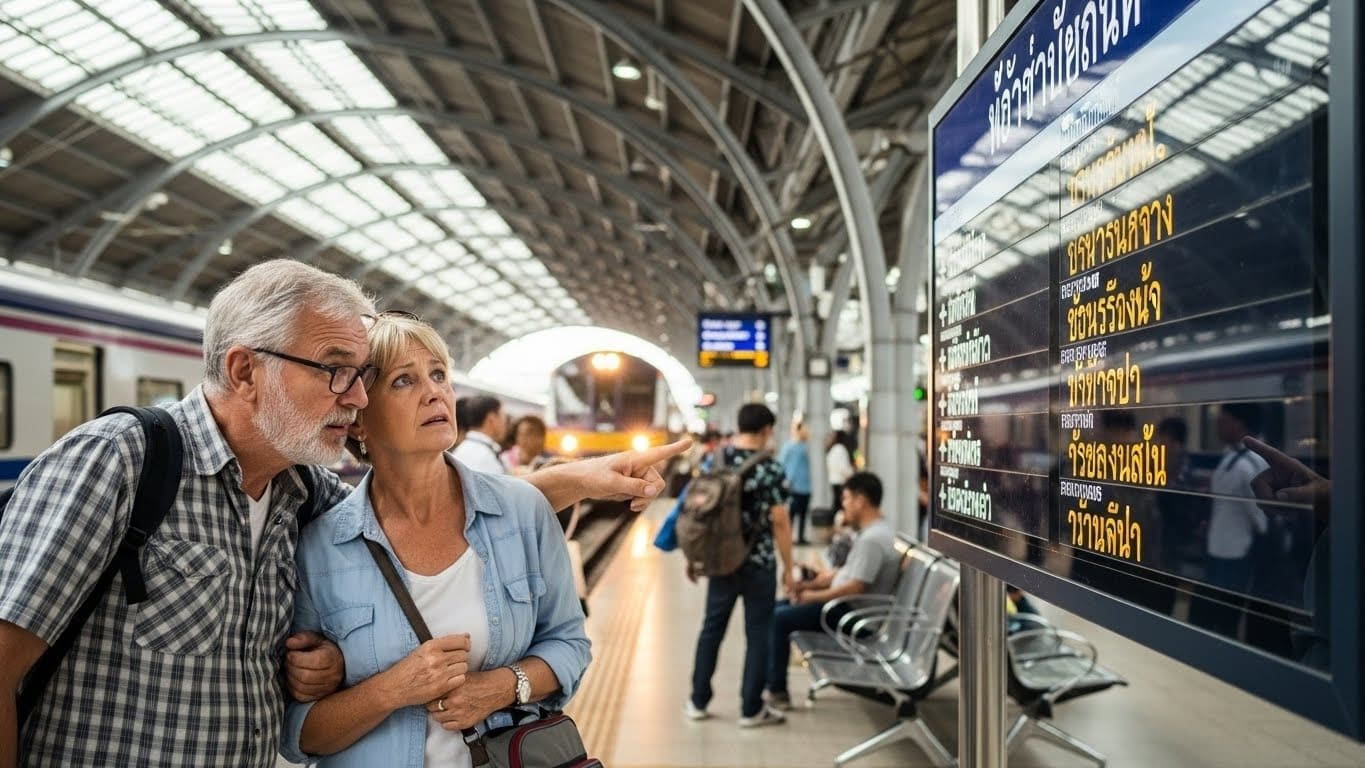
Navigating public transport in foreign cities can feel like the hardest part of arriving somewhere new. We’ve all had that moment: standing in a station, trying to match a map to a platform, and wondering if we’re about to go the wrong way.
The good news is we don’t need to “know everything” to get it right. With a small amount of prep and a few habits, we can move around almost any city with confidence—whether it’s a metro in Tokyo, a subway in New York, the Tube in London, or a tram network in Melbourne.
Below is the approach we use, step by step, to make navigating public transport in foreign cities less stressful and far more enjoyable.
If your trip also involves travelling between cities by train, it’s worth planning those journeys before you leave home. For European itineraries, we often check timetables and fares on Rail Europe so we know roughly what our long‑distance trains will cost and whether a rail pass makes sense.
Public Transport in Foreign Cities: Quick Tips
- Learn the main transport type (metro, bus, tram)
- Use Google Maps for real-time directions
- Buy a transport card instead of single tickets
- Always check if you need to tap on and off
- Screenshot maps before going offline
- Avoid peak hours if you can
Is Public Transport Easy to Use in Foreign Cities?
Public transport in foreign cities can feel confusing at first, but in most places it’s actually one of the easiest and most reliable ways to get around. Major cities design their systems for high daily use, which means clear maps, frequent services, and simple connections between trains, buses, and trams.
The key difference isn’t difficulty—it’s familiarity. Once you understand how a city’s system is structured, whether it’s a metro, tram network, or bus system, getting around becomes much more intuitive. With a little preparation and the right tools, most travellers find public transport faster, cheaper, and often more enjoyable than taxis or tours.
How to Use Public Transport in a Foreign City (Step-by-Step)
The easiest way to use public transport in a foreign city is to follow a simple step-by-step approach rather than trying to understand everything at once.
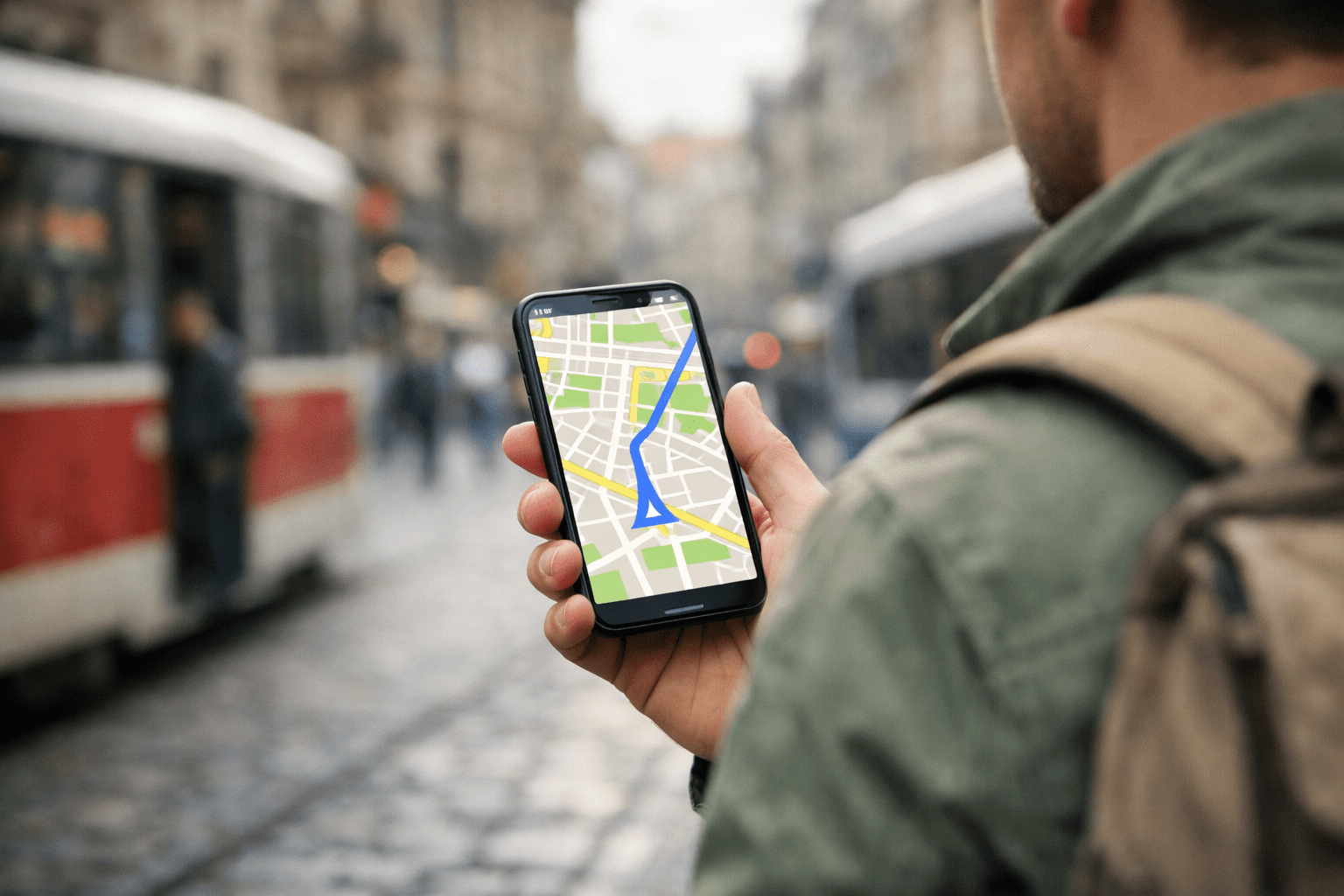
First, identify the main system used in the city—whether that’s a metro, bus network, or tram system. Next, use an app like Google Maps to plan your route and check real-time directions.
Before leaving your accommodation, make sure you know your destination stop and whether you need to transfer. Screenshot your route so you can still follow it without internet access.
When you arrive at the station, follow the line colour and end-of-line direction rather than trying to memorise station names. Once onboard, track your journey using your phone so you don’t miss your stop.
👉 Most mistakes happen from overthinking—keeping it simple makes the whole process much easier.
Learn the local transport “shape” first
Before we worry about ticket machines or platform numbers, we always try to understand how a city’s transport system actually works. Getting that “big picture” first makes everything else far easier.
Every city has a different transport personality. In places like London, Paris, or Tokyo, the metro or subway system does most of the work. It’s fast, frequent, and covers almost everything a visitor needs. But in cities like Melbourne or Amsterdam, trams play a much bigger role, and in others, buses might be the main way locals get around.
We’ve found that taking just five minutes to understand this structure saves a lot of confusion later. Instead of trying to use everything at once, we focus on the system that locals rely on most.

Questions we ask when we arrive
- Is the metro/subway the main way people move around?
- Are buses the backbone instead?
- Do trams cover the centre and suburbs?
- Are ferries part of everyday commuting?
For example, in Tokyo we rely heavily on trains and rarely use buses, while in some European cities we use a mix of metro and trams depending on the area. Knowing this upfront stops us from over complicating things.
If we’re arriving by plane, we also check the “airport to city” options early. Knowing whether there’s an express train, a standard metro line, or a bus helps us feel confident from the moment we land.
👉 Once we understand the system, everything else—tickets, maps, and routes—starts to make a lot more sense.
Read maps like a local (colours, codes, connections)
Most transport maps are designed to be simple once we know what to look for. Instead of trying to read every detail, we focus on a few key elements.
What we look for on any network map
- Line colours: Each line is usually a colour, and that colour shows up on signs at stations.
- End‑of‑line direction: Platforms are often labelled by the final station on the line, not by “north/south”.
- Transfer points: Big interchange stations are where we change lines. We look for the “dots” where lines cross.
- Station codes/numbers: In cities with non‑English names (or names that are hard to pronounce), station codes can save us. Tokyo is a classic example where codes make navigation faster.
A quick tip: we screenshot the network map (and our route) before leaving Wi‑Fi. Even if our phone drops out underground, we can still follow the plan without panicking.

Use apps for real-time directions and disruptions
Maps are great, but apps help with the parts that change: delays, closures, platform changes, and weekend works. This is where navigating public transport in foreign cities becomes much easier.
Apps we use most
- Google Maps for step‑by‑step directions and live ETAs: https://www.google.com/maps
- City‑specific transit apps (often more accurate for that city’s timetables and alerts)
When apps are especially helpful
- The system is complex (lots of lines and transfers).
- Trains run with different patterns (express vs local).
- There are service changes (weekend trackworks, strikes, weather disruptions).
We also turn on alerts where we can. Getting a notification about a line closure before we walk into a station can save a lot of time and frustration.
Tickets, fares, and what to buy
Ticketing is where many travellers get stuck, mainly because every city has its own way of charging. But once you understand the basics, it becomes much easier—and can save you quite a bit of money over a trip.
The same planning mindset also applies to accommodation—our guide on how to find cheaper hotel deals on Booking.com shows how small changes in timing and search approach can significantly reduce your overall travel costs.
The biggest mistake we see (and have made ourselves) is buying single tickets every time. In many cities, this is the most expensive way to travel.
If you’re travelling between cities or planning longer routes, it’s worth comparing train options in advance. Platforms like Rail Europe and Trainline make it easy to check schedules, compare prices, and book tickets across multiple countries in one place.
Common fare styles we see
- Flat fare: one price per ride, no matter the distance
- Distance-based fare: the further you go, the more you pay
- Zone-based fare: price depends on how many zones you cross
- Peak/off-peak pricing: higher fares during busy times
Our simple rule
If we’re staying more than a couple of days, we almost always look for:
- A day pass
- A multi-day pass
- Or a stored-value travel card
For example, in London, using an Oyster card or contactless payment is usually cheaper than buying individual tickets. In many Asian cities, stored-value cards like Suica or similar systems make travel faster and easier, especially when transferring between trains and buses.
Our “day one” checklist
- Check whether a day pass makes sense for our plans
- Compare single tickets vs stored-value cards
- Confirm whether we need to tap on and tap off
- Look for fare caps (some systems automatically limit your daily spend)
If we’re unsure at a ticket machine, we slow down rather than rush. Most machines have an English option, and if not, we use a translation app just for key buttons like “single ticket”, “top up”, or “confirm”.
👉 Spending a few extra minutes getting this right at the start can save both money and frustration for the rest of the trip.
In some places, buses and trams don’t work exactly like the metro. Ferries can be part of the normal network—or treated as something separate.
Questions we check for each mode
- Do we tap on at the front door or at a reader inside?
- Do we need to tap off?
- Do we need to validate a paper ticket before boarding?
- Are seats reserved on some services?
- Is there a separate fare system for ferries?
This matters in cities where multiple operators run services. It’s also common for ferries to have their own ticketing rules, even if they feel like part of the same network.
Common Mistakes Tourists Make on Public Transport
Even experienced travellers make simple mistakes when using public transport in a new city. Being aware of these in advance can save time, money, and unnecessary stress.
One of the most common mistakes is taking the wrong direction. Many systems label platforms by the final stop on the line, not by compass direction, which can be confusing at first.
Another mistake is not tapping off when required. In some cities, failing to tap off can result in higher charges or penalty fares.
Buying single tickets instead of using a travel card is another frequent issue. Over a few days, this can cost significantly more than necessary.
We’ve also seen travellers rely too heavily on memory instead of checking apps or maps regularly. Even a quick glance at your route can prevent small mistakes from turning into bigger problems.
👉 A few simple habits can prevent most of these issues before they happen.
Etiquette: how to blend in
Transport rules aren’t just about fares—they’re also about behaviour. Following local etiquette makes the whole trip smoother, and it helps us avoid awkward moments when we’re navigating public transport in foreign cities.
Habits we stick to almost everywhere
- Stand to the side so people can exit before we board.
- Keep our voice low on trains, trams, and buses.
- Avoid speakerphone calls or loud videos.
- Keep bags off seats when it’s busy.
- If eating and drinking is discouraged, we don’t do it (especially in places like Tokyo and Singapore where quiet carriages are normal).
When we’re not sure, we copy what locals are doing. It’s usually the best guide.
Safety: stay alert without stressing
Public transport is generally safe, but we use a few simple rules that work in most cities and help us feel more relaxed.
Our go-to safety habits
- Avoid empty carriages late at night; choose a busier carriage, often closer to the driver or conductor area.
- Keep valuables low‑key. We don’t flash jewellery, and we keep phones secure in crowds.
- Use zipped bags; in packed stations, we keep backpacks in front of us.
- Watch the doors, as crowded doors are where quick snatches can happen.
- Know our stop by tracking progress on the app so we’re not distracted right before we exit.
If something feels off, we move carriages at the next stop or get off where it’s well‑lit and populated. It’s better to pause and reset than to push through feeling uncomfortable.

Backup plans for late nights and service changes
A small backup plan prevents big headaches when navigating public transport in foreign cities, especially at night.
Our standard backup checklist
- Screenshot our hotel address (and keep it in notes, not just in an app).
- Save a local taxi number or ride‑share option in advance.
- Check last train/bus times before going out for the evening.
- Know at least one “safe return” option (night bus line, main station route, or pre‑booked transfer).
In many cities, services run less often on weekends or stop earlier than we expect. We always check this before we commit to a late dinner across town.
For late‑night arrivals or early departures—especially when we’re tired—we sometimes book a simple transfer or use a reliable ride option we’ve budgeted for in advance. When we’re planning overall trip costs, tools like Wise help us keep track of these extras in local currency.
Is Public Transport Better Than Taxis for Travellers?
In most major cities, public transport is usually faster, cheaper, and more reliable than taxis—especially during busy periods.
Metro and train systems avoid traffic completely, which can save a lot of time in congested cities. They also tend to run frequently, making them more predictable than waiting for a taxi or ride-share.
From a cost perspective, public transport is often significantly cheaper, particularly if you’re using day passes or travel cards.
However, taxis still have their place. Late at night, when carrying heavy luggage, or when arriving in an unfamiliar city, a taxi or transfer can be the easier option.
👉 The best approach is usually a mix: use public transport during the day, and taxis when convenience matters most.
For longer journeys across Europe, trains are often faster and more convenient than flying. We’ve found using platforms like Trainline or Rail Europe helps simplify bookings, especially when comparing routes across different countries.
Make transport part of the experience
Some transport isn’t just a way to get somewhere—it is part of the trip. Once we relax into that idea, local buses and trains start feeling like a window into everyday life, not a hurdle.
Transport experiences we love
- Water buses in Venice
- River boats in Bangkok
- Ferries in harbour cities
- Trams that cut through historic city centres
When we treat transport like an activity, we slow down and enjoy it rather than rushing through it. Occasionally, the best views are from the “commuter” ride, not the official sightseeing tour.
With a bit of preparation, the right apps, and a couple of simple safety habits, navigating public transport in foreign cities becomes far less intimidating—and can even become one of the most memorable parts of your trip.
Watch Our Video On Navigating Public Transport In Foreign Cities