
We spent two days in Lucerne during our train journey through Europe, and it turned out to be one of the most visually striking stops of the trip. Arriving by rail, stepping straight out beside the lake and mountains, you immediately understand why this part of Switzerland feels different.
Lucerne isn’t a large city. It doesn’t overwhelm you with endless attractions. Instead, it offers a compact, walkable historic centre framed by water and mountains — and for us, the highlight was combining the old town with a visit to Mount Pilatus.
This guide is based on how we structured our two days in Lucerne by train, what we felt was worth the cost, and how to make the most of your time without overcomplicating things in one of Europe’s most expensive countries.
Is Two Days in Lucerne Enough?
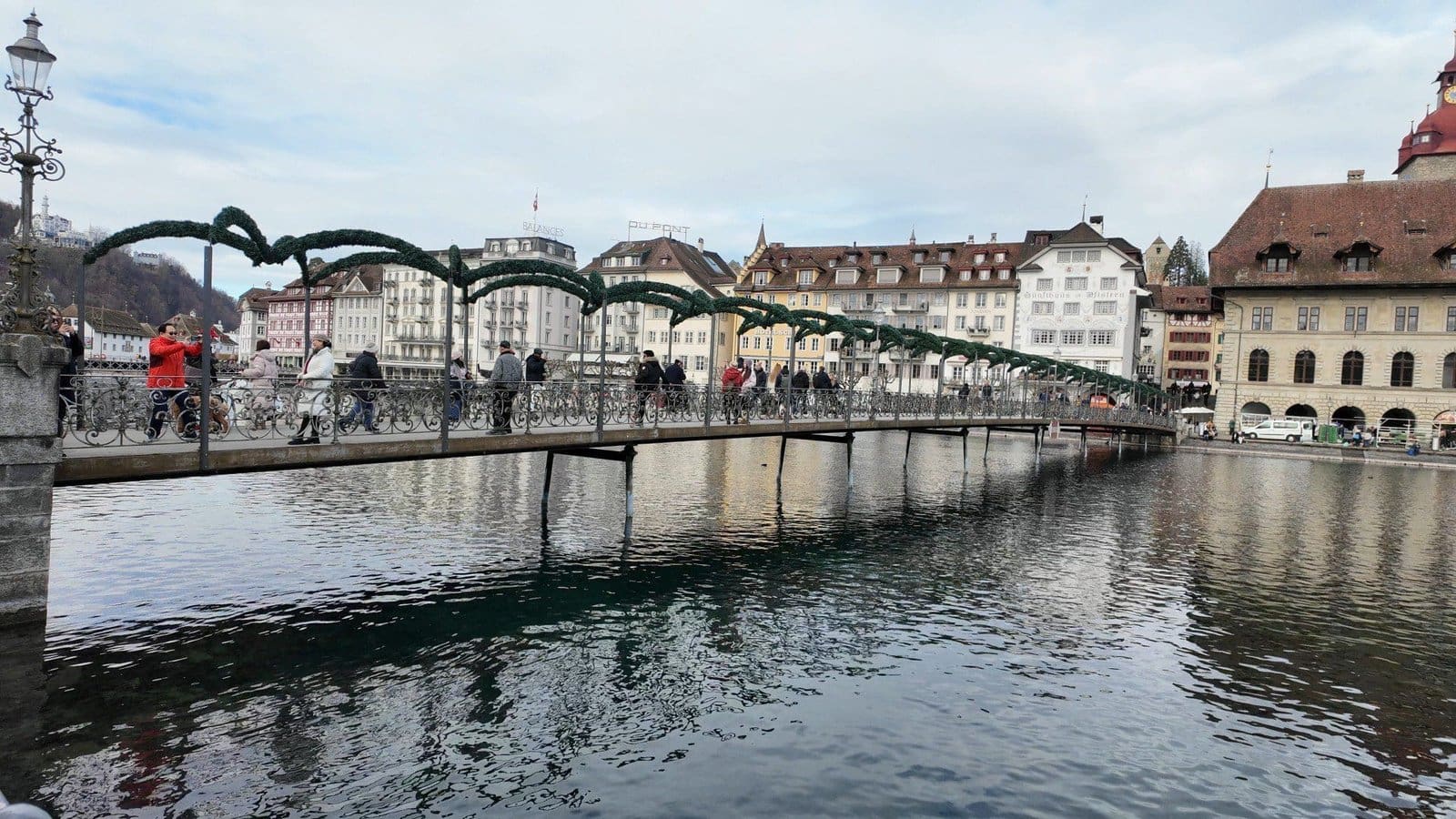
For most travellers, two days in Lucerne is enough to see the highlights without rushing. That said, if we had our time again, we would have stayed three nights instead of two.
Lucerne’s old town is compact and easy to explore on foot. You can comfortably see the main sights in half a day, which leaves time for either a mountain excursion or a lake cruise — but realistically, not both at a relaxed pace. We chose Mount Pilatus, and we didn’t regret it for a second. The views alone justified the extra planning and cost.
What makes Lucerne special isn’t a long checklist of attractions — it’s the setting. The lake, the surrounding Alps and the effortless train connections give it a calm, scenic quality that makes you want to slow down rather than rush through.
If you’re travelling through Switzerland by rail, Lucerne fits naturally into a wider itinerary. It works well as a two- or three-night stop between larger cities like Zurich. Many travellers combine 2 days in Lucerne with stops in Interlaken or Bern as part of a scenic Swiss rail journey. If you’re heading further into the Alps, our Interlaken travel guide covers what to see, where to stay and whether Jungfrau-region excursions are worth the cost.
Day One: Exploring Lucerne’s Historic Centre
Chapel Bridge (Kapellbrücke)
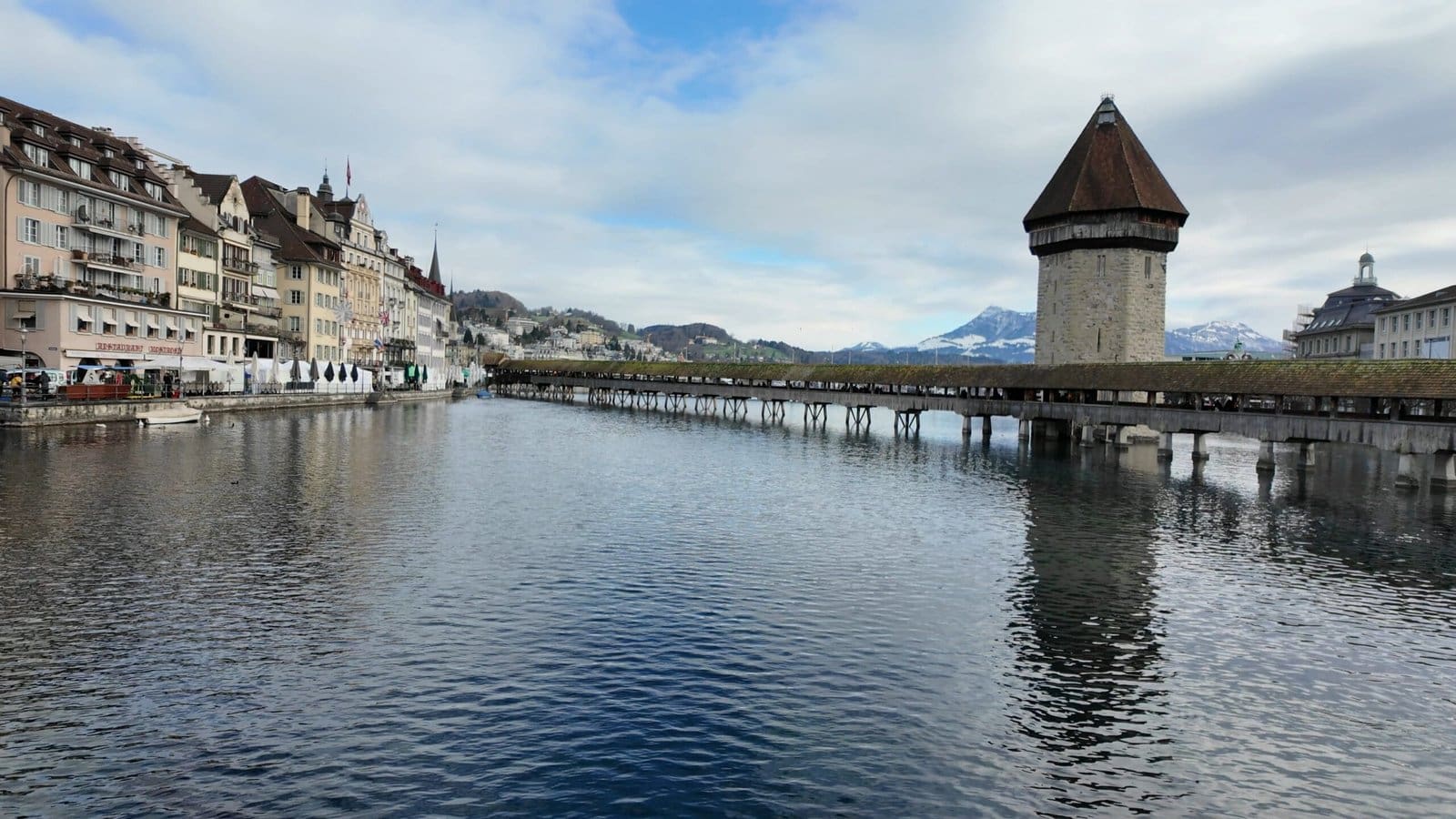
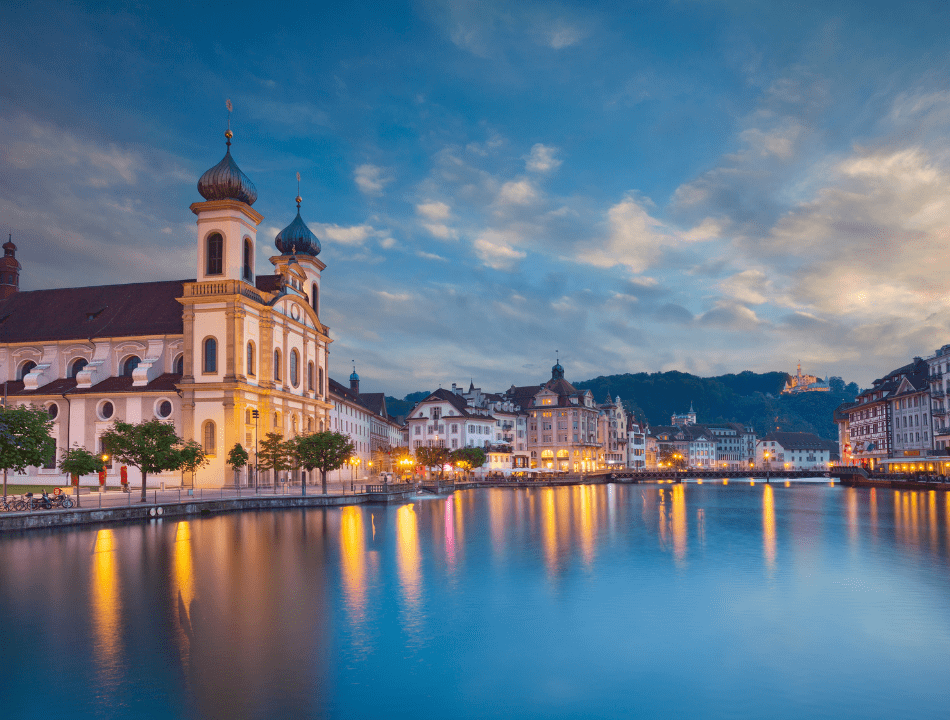
Chapel Bridge is the symbol of Lucerne. Built in the 14th century, this covered wooden bridge cuts diagonally across the Reuss River and is decorated with triangular historical paintings inside the roof panels.
We walked across it several times during our stay because it connects the old and newer parts of town. Early morning or late evening is the best time if you want fewer people in your photos.
The adjacent Water Tower adds to the medieval feel. It’s easy to see why this has become one of Switzerland’s most photographed landmarks.
Old Town (Altstadt)
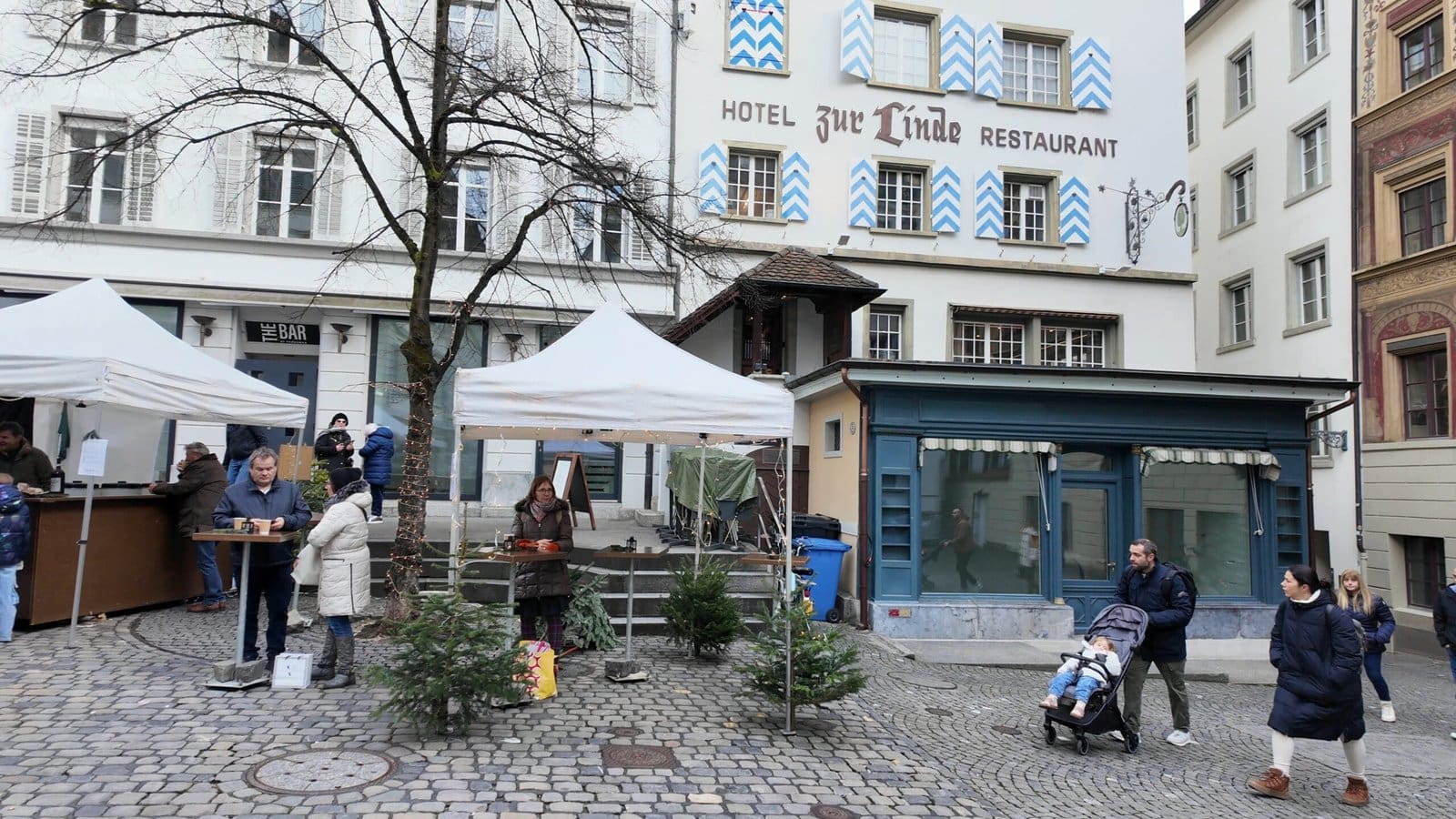
Lucerne’s old town is where we spent most of our first afternoon. Narrow cobbled streets, painted façades, and small squares like Weinmarkt give the area character without feeling staged.
We climbed part of the Musegg Wall for views over the rooftops and lake. It’s not strenuous, but the elevated perspective helps you appreciate how compact the city really is. There are some great cafes and restaurants here overlooking the lake and we spent a relaxing time at one of them during our walk through the old town.
Lucerne doesn’t demand a strict plan. Wandering works well here.
Lion Monument (Löwendenkmal)
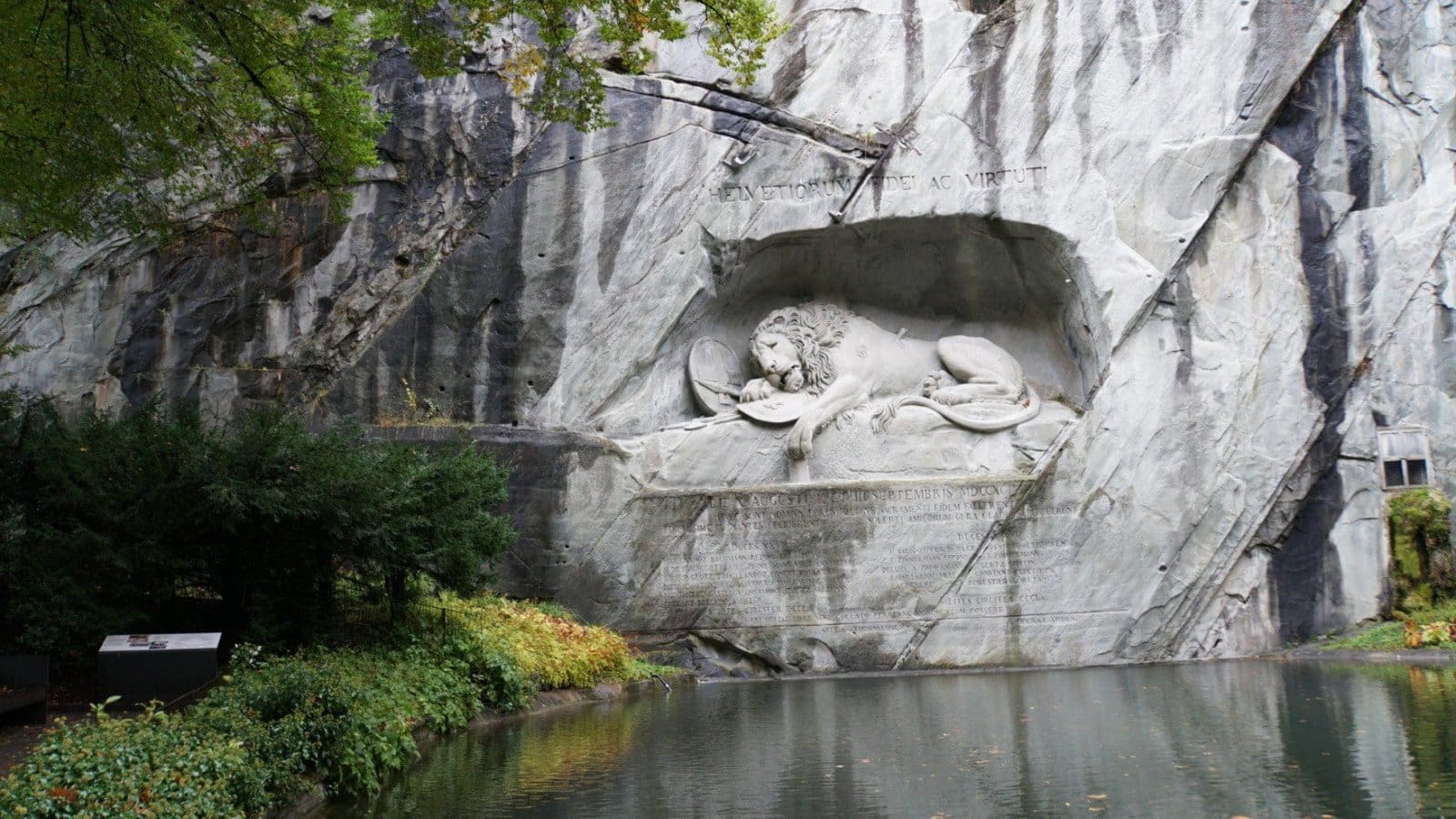
The Lion Monument is carved directly into rock and commemorates Swiss Guards who died during the French Revolution. It’s small but emotionally powerful.
It doesn’t require much time, but it’s worth the short walk. We found it surprisingly moving given its simplicity.
Day Two: Mount Pilatus — Is It Worth the Cost?
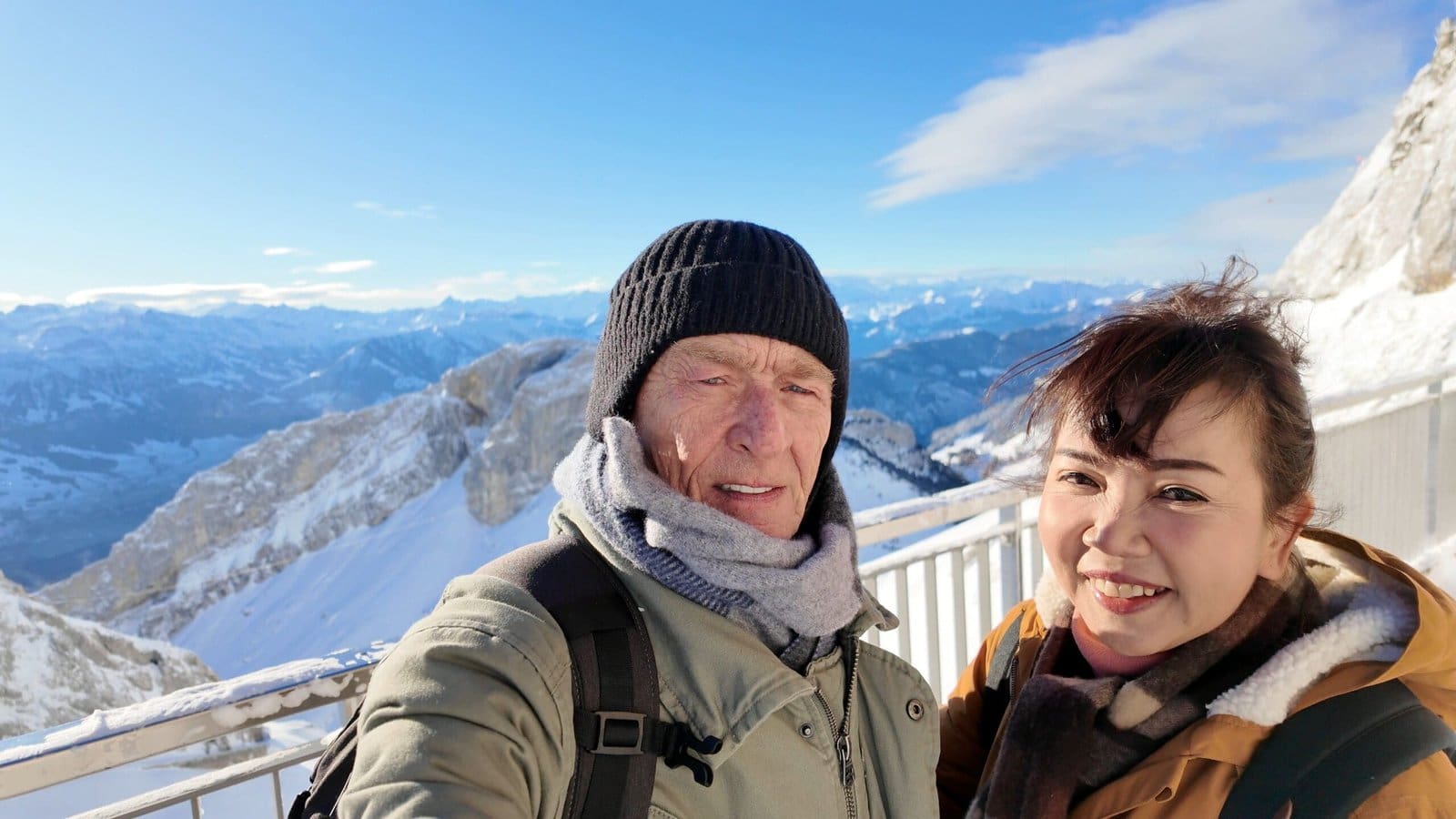
If there’s one experience that defined our time in Lucerne, it was Mount Pilatus.
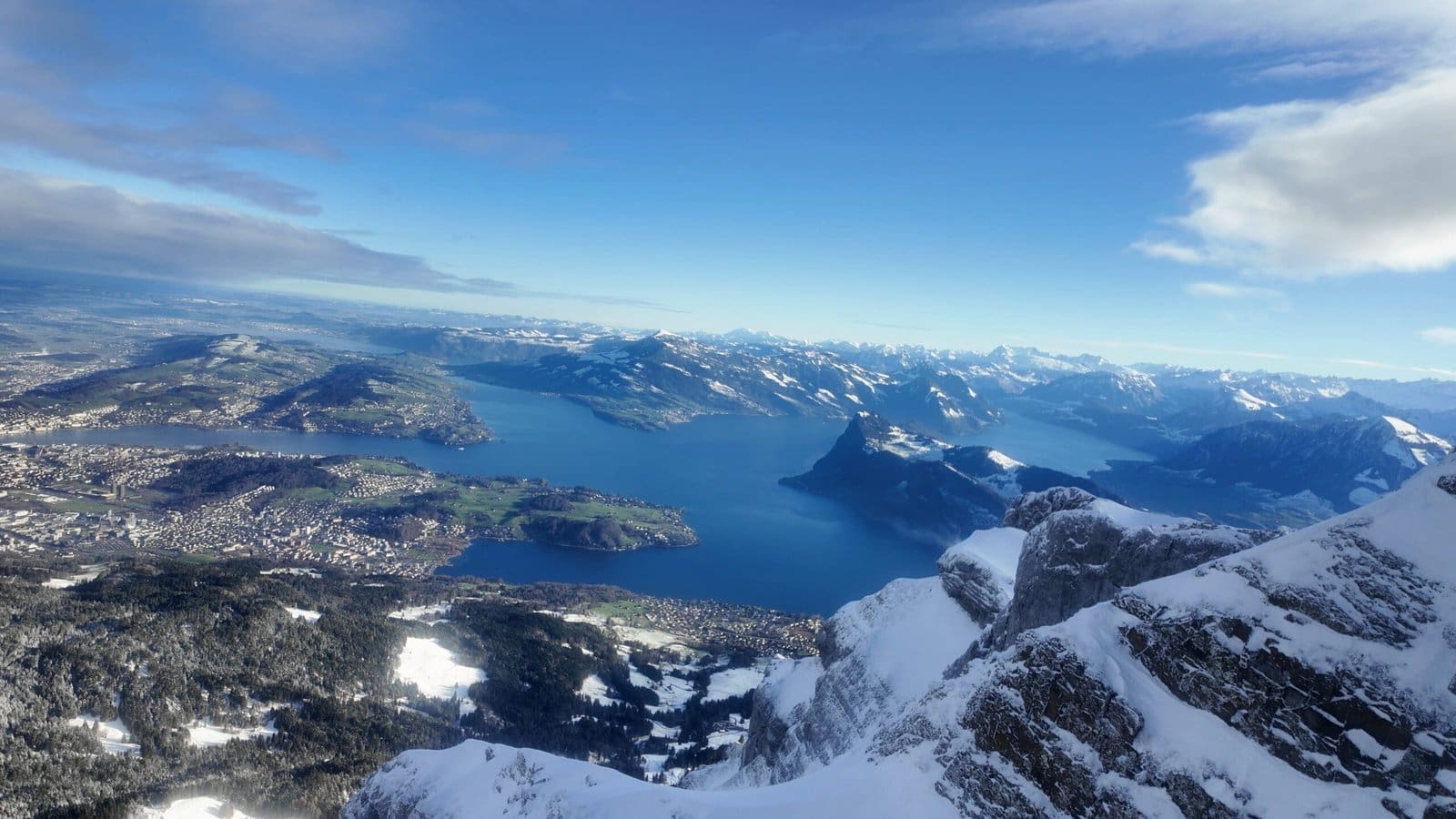
Often called the “Dragon Mountain,” Pilatus rises dramatically above Lake Lucerne. We were fortunate to have clear weather, and from the summit the views stretched across snow-capped peaks and deep blue water below. It’s one of those moments where you simply pause and take it in.
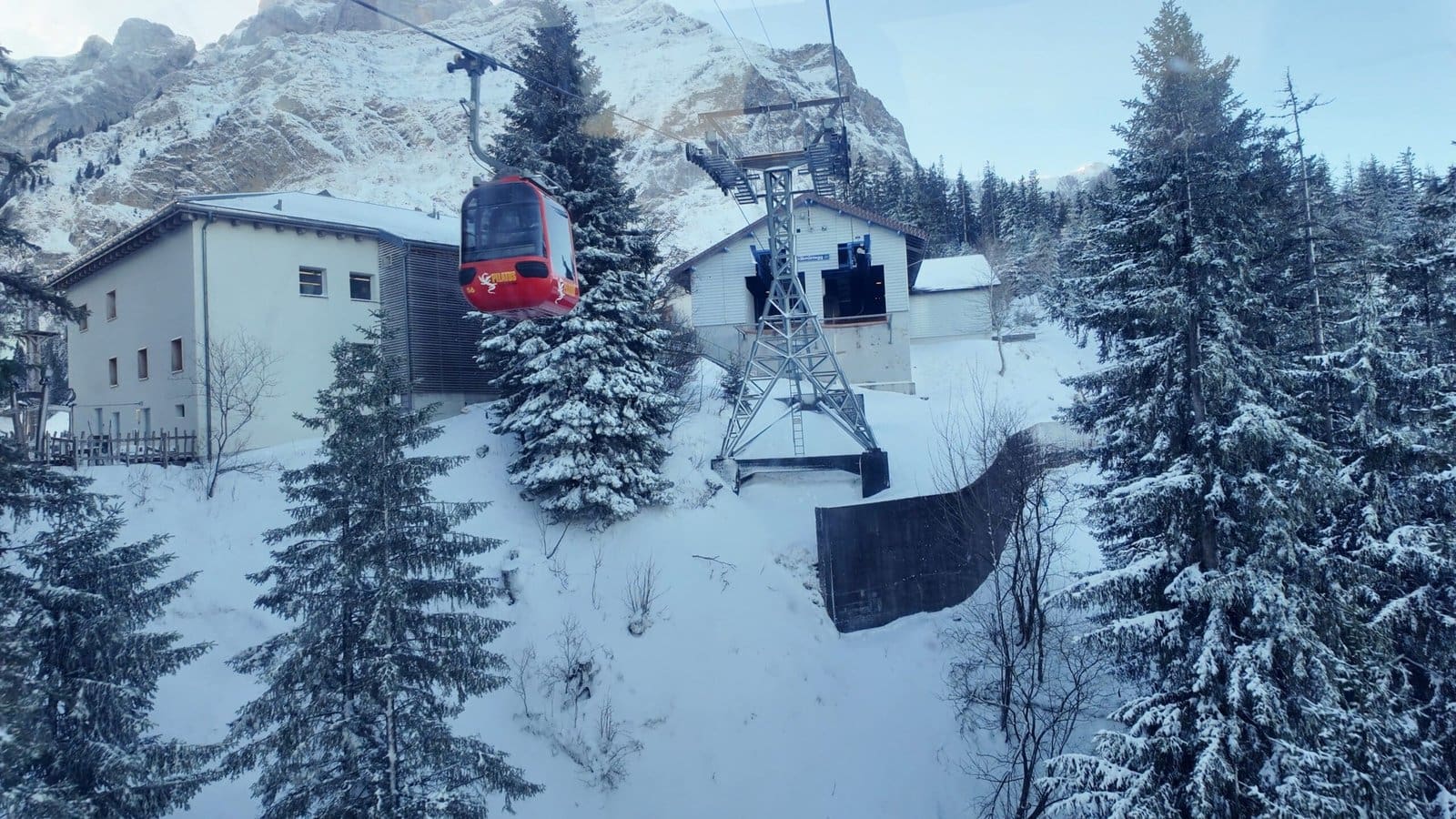
You can reach the summit via the world’s steepest cogwheel railway from Alpnachstad or by gondola and cableway from Kriens. Many visitors combine both routes into a scenic round trip. We chose the gondola ascent, which moves at a steady pace and gives you plenty of opportunity to take photos as the landscape gradually unfolds beneath you.
Here’s a short clip showing the view from the top:
You can see more footage in our full Lucerne travel video below.
A full round-trip ticket costs around CHF 80 per adult, so it’s not inexpensive. However, if the weather cooperates, we felt it justified the price. For us, this was the highlight of our stay.
If you prefer not to coordinate lake boats, trains and cable cars yourself, organised round-trip options bundle everything together, including lake cruises and mountain transport. Comparing these on platforms like GetYourGuide can simplify the logistics, especially if you’re short on time.
One important tip: check the forecast carefully. Cloud cover can completely obscure the summit views — and at Swiss prices, that’s a disappointment you’ll want to avoid.
Other Mountain Options Near Lucerne
If Pilatus doesn’t suit your timing or budget, there are alternatives.
Mount Rigi, often called the “Queen of the Mountains,” offers panoramic views and gentler walking paths. It’s accessible by cogwheel train and tends to feel slightly less dramatic but equally scenic.
Weggis and Vitznau, small lakeside villages, provide a quieter base if you prefer being outside the city centre.
Lucerne works well as a hub for short regional excursions without needing a car.
Where We Stayed (And What We Learned)
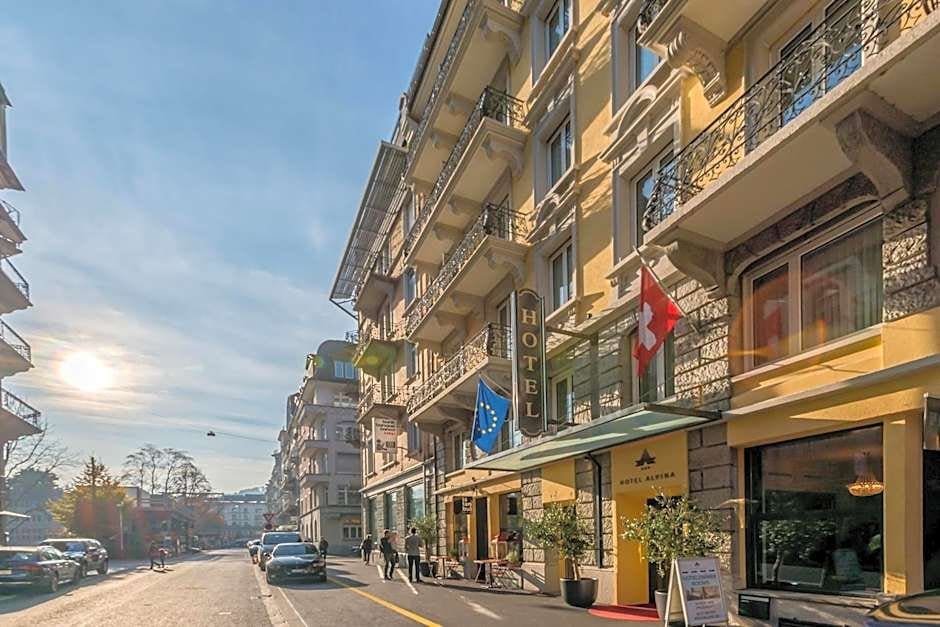
We stayed at Hotel Alpina Luzern, close to the train station. It’s an older-style property but very clean and comfortable. Its biggest advantage is location — stepping off the train and walking a few minutes to your hotel in Switzerland is extremely convenient.
There’s no traditional reception desk; check-in happens at a sister property nearby. It didn’t cause us any issues, but it’s worth knowing in advance.
If location matters to you, staying near the station simplifies everything, especially if you’re travelling by train. If you’re planning a wider trip and comparing cities, we’ve also shared detailed advice on finding accommodation in Switzerland, including which areas work best near train stations and historic centres.
For broader comparison across Lucerne and nearby lakeside towns, it’s worth checking current pricing on Booking.com before locking anything in. Swiss accommodation prices fluctuate significantly depending on season and events. Our guide guide on how to find the cheapest hotel deals is worth reading if you are planning a visit to Lucerne.
If you prefer a quieter setting, consider staying in Weggis or Vitznau along Lake Lucerne and commuting in by boat or train.
Travel Costs: What to Expect
Switzerland is expensive. There’s no way around it.
Budget meals typically start around CHF 15–20, while a simple sit-down meal can easily reach CHF 35–45 per person. Coffee usually costs CHF 4–6, and drinks are similarly priced. Even small purchases add up quickly.
Mountain excursions are where the budget stretches most. Cable cars, cogwheel trains and combination tickets can significantly increase your daily spend, so it’s worth deciding in advance which experiences matter most to you.
Switzerland uses the Swiss Franc (CHF), not the Euro. Card payments are widely accepted throughout the country, including on public transport and in most restaurants. However, it can still be useful to have a small amount of local currency for markets or smaller purchases.
We found using a low-fee card such as Wise helpful for paying in CHF and withdrawing cash from ATMs without excessive conversion fees.
Planning ahead and limiting impulse spending made a noticeable difference to our overall costs.
How to Get Around
Lucerne is extremely walkable. You won’t need taxis in the historic centre. There are plenty of buses which we used a few times to get around and made it very convenient if we didn’t feel like walking
The main railway station connects easily to Zurich, Interlaken, Bern and beyond. The SBB Mobile app is helpful for checking real-time timetables.
If you’re exploring Switzerland by train, Lucerne fits naturally into a rail-based itinerary.
Best Time to Visit Lucerne
Spring and early autumn offer the best balance of pleasant weather and manageable crowds.
Summer is beautiful but busy. Winter transforms Lucerne into a quieter, snow-dusted setting, though mountain access depends on conditions.
If your primary goal is Mount Pilatus, weather matters more than season.
Final Thoughts: Would We Return?
Lucerne left a lasting impression on us — not because it overwhelms you with attractions, but because of how effortlessly beautiful it feels.
The combination of lake, mountains and a compact, walkable old town creates a setting that’s hard to replicate elsewhere. It’s scenic without feeling staged, relaxed without feeling quiet, and easy to navigate without feeling small.
Two nights worked well for our itinerary, but if we were planning the trip again, we would stay three. Having that extra day would allow time for both a mountain excursion and a lake cruise without feeling like you’re choosing between them.
Would we return? In the blink of an eye.
Mount Pilatus was the standout experience for us, but Lucerne as a whole delivered something more than just a checklist of sights. It provided that rare combination of dramatic alpine scenery and simple, enjoyable wandering.
Sometimes a destination doesn’t need dozens of must-see attractions. It just needs the right backdrop and the space to slow down.
Lucerne gives you exactly that.
Watch our video on our visit to Lucerne